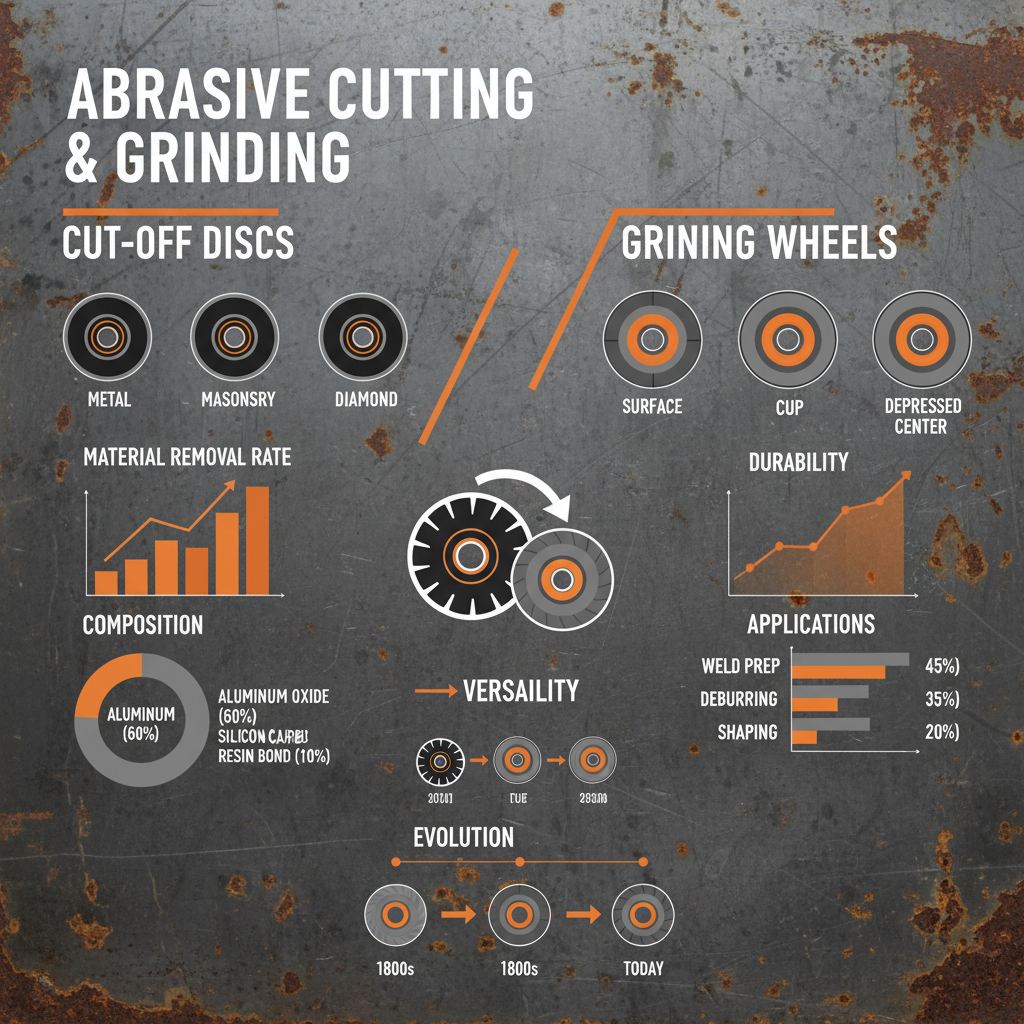
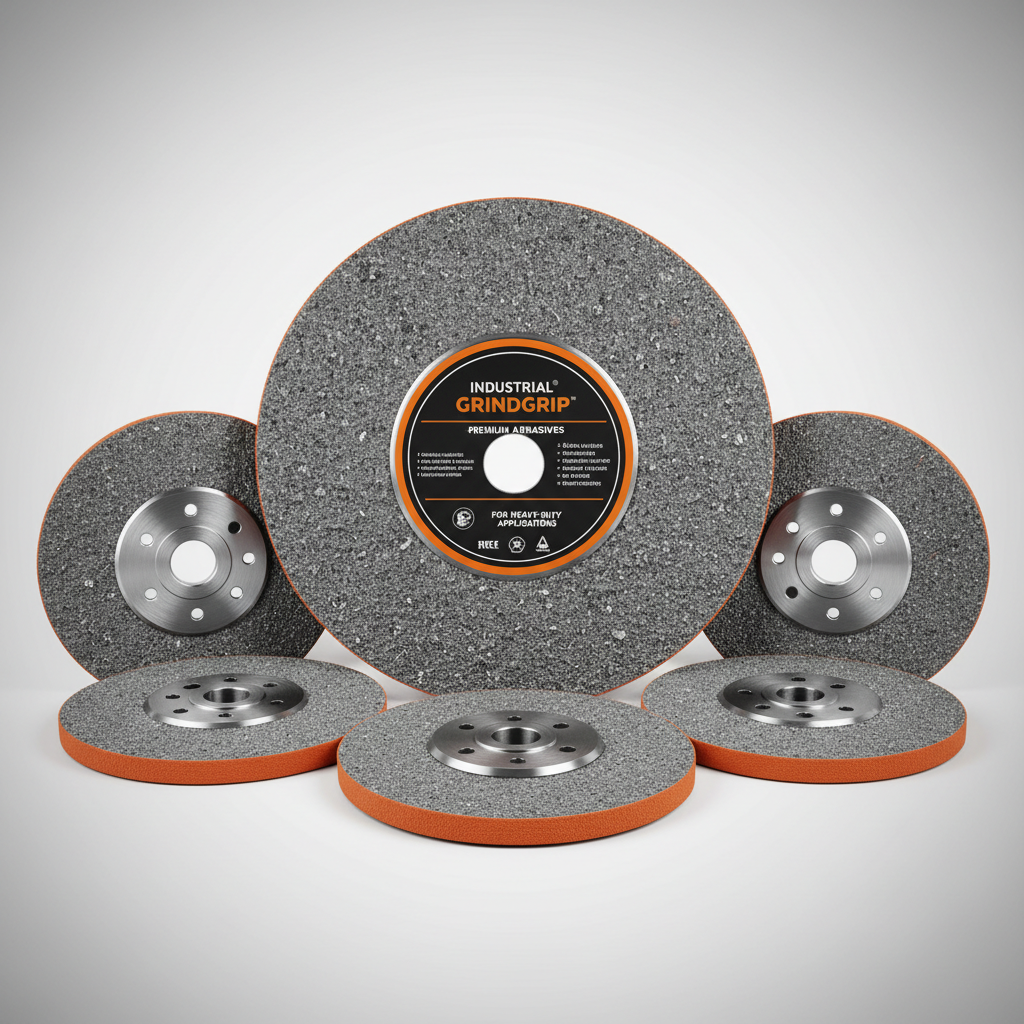
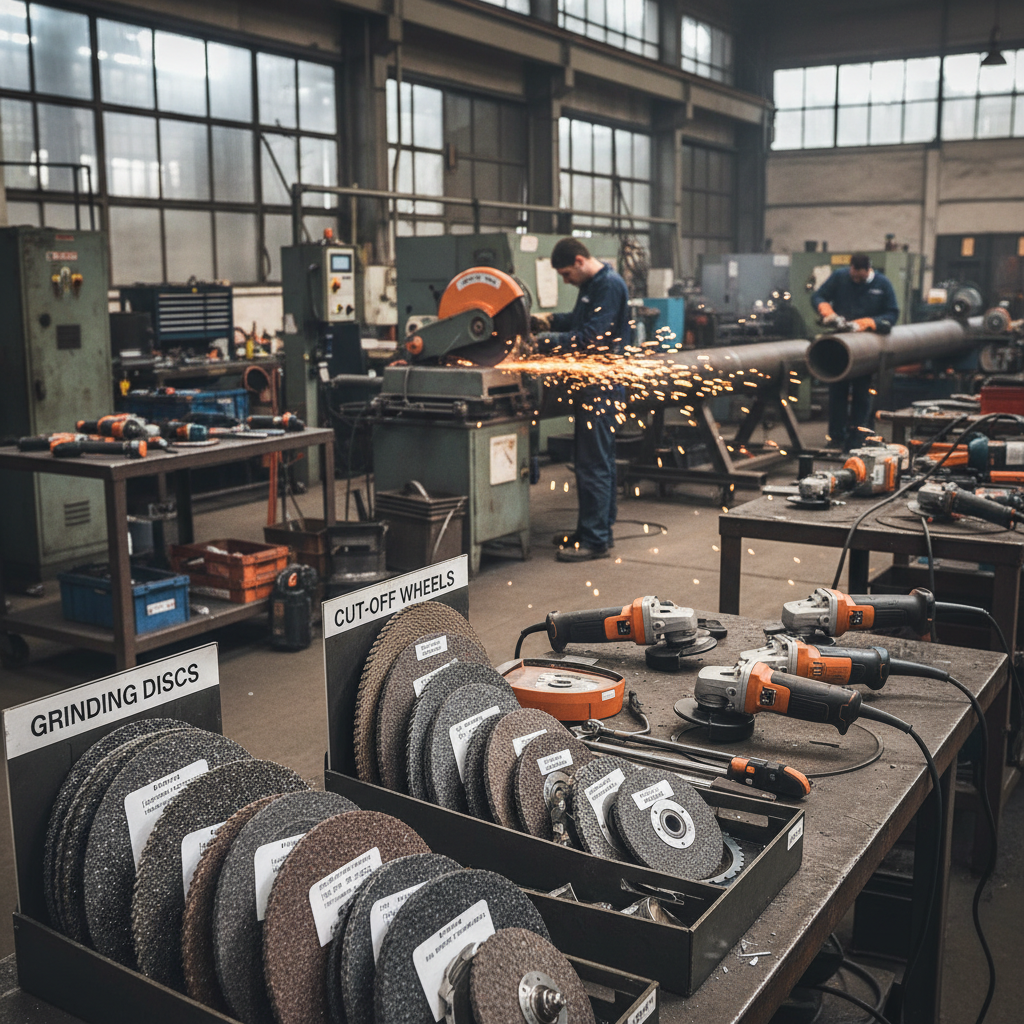
Different types of abrasive wheels are fundamental to modern manufacturing, construction, and countless other industries. These tools, ranging from simple grinding wheels to sophisticated diamond blades, enable the shaping, cutting, and finishing of materials from metals and ceramics to wood and stone. The ability to precisely and efficiently manipulate materials is crucial for innovation and economic progress globally.
The global abrasive wheels market is significant and growing, driven by increased industrialization, particularly in emerging economies. According to industry reports, the market size was valued at over $25 billion in 2023 and is projected to reach over $35 billion by 2030, exhibiting a compound annual growth rate (CAGR) of around 4.5%. This growth is fueled by demand from automotive, aerospace, construction, and metal fabrication sectors. Understanding the nuances of different types of abrasive wheels is vital for optimizing processes, ensuring worker safety, and achieving high-quality results.
A critical challenge across industries is selecting the appropriate abrasive wheel for a specific application. Incorrect selection can lead to inefficient material removal, premature wheel wear, compromised surface finish, and even safety hazards. This is where in-depth knowledge of the various types, their characteristics, and optimal usage becomes essential. Exploring different types of abrasive wheels is therefore paramount for professionals and enthusiasts alike.
The Core Properties of different types of abrasive wheels
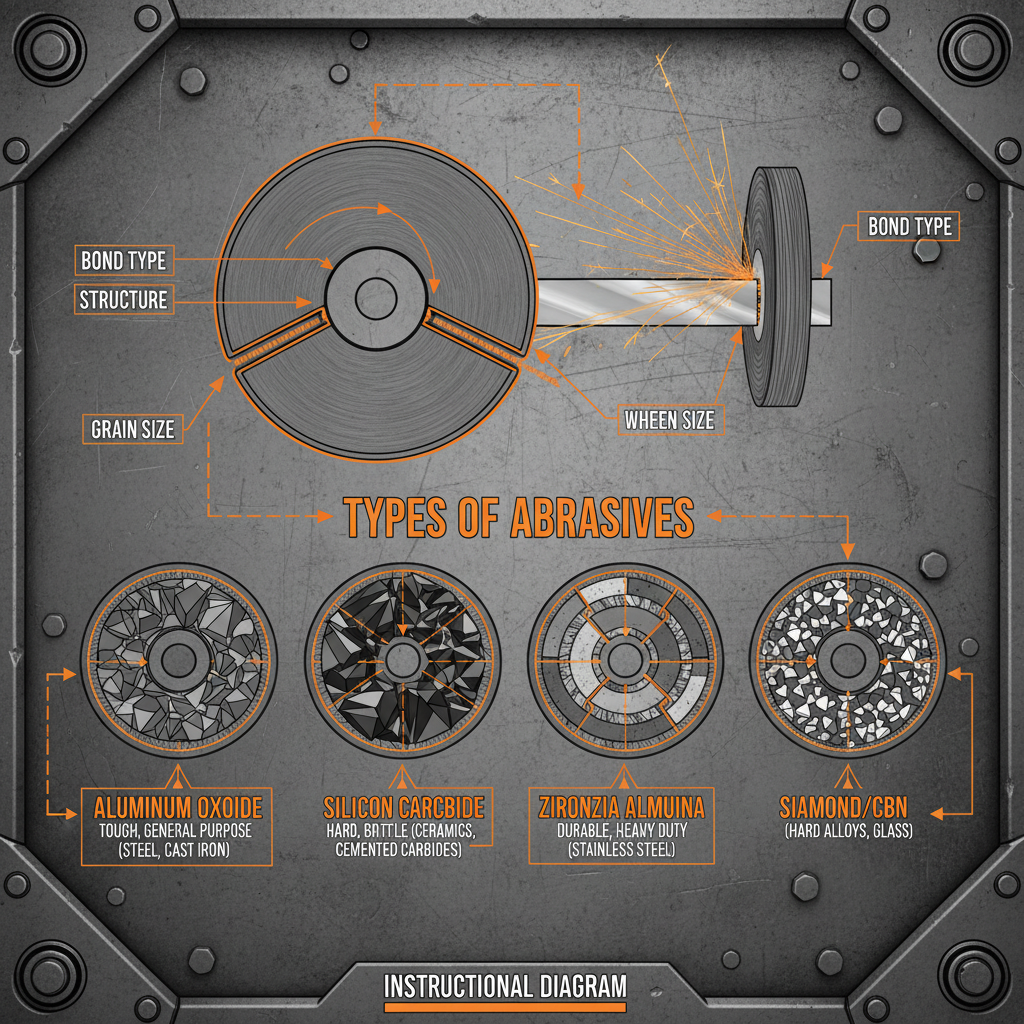
Abrasive wheels are composite materials characterized by their ability to remove material through micro-fracturing. This process is governed by several key properties, including hardness, grit size, bond type, and wheel geometry. Hardness dictates the wheel's resistance to wear and its ability to grind tough materials. Grit size determines the fineness of the abrasive particles, influencing surface finish and material removal rate.
The bond, typically made of resin, rubber, or vitrified materials, holds the abrasive grains together and affects the wheel's strength, flexibility, and heat resistance. Different bonding agents are suited for different applications and materials. Wheel geometry – encompassing shape, diameter, and thickness – influences the contact area, cutting speed, and overall performance. Understanding these core properties is essential when selecting the right abrasive wheel for a specific task.
Manufacturing Processes & Material Composition
The manufacturing of different types of abrasive wheels involves a carefully controlled process to ensure consistent quality and performance. Typically, the process begins with blending abrasive grains – such as aluminum oxide, silicon carbide, or diamond – with a bonding agent. The mixture is then molded into the desired wheel shape, often using a pressing process.
Following molding, the wheels undergo a curing process, where the bonding agent hardens and secures the abrasive grains. Vitrified bond wheels are fired at high temperatures, while resin-bonded wheels are cured using heat and pressure. Rubber-bonded wheels involve vulcanization. Material composition significantly impacts the wheel’s properties; for example, diamond wheels excel in grinding extremely hard materials but are more expensive.
Quality control is paramount throughout the manufacturing process. Manufacturers employ rigorous testing procedures to verify wheel strength, balance, and abrasive grain distribution, ensuring adherence to industry standards like ANSI and ISO. Proper manufacturing contributes significantly to wheel safety and longevity.
Performance Characteristics & Abrasive Grain Selection
Abrasive wheel performance is heavily reliant on the selection of the appropriate abrasive grain. Aluminum oxide is a versatile, cost-effective choice for grinding ferrous metals, while silicon carbide is preferred for non-ferrous materials like aluminum and glass. Diamond is reserved for extremely hard materials like ceramics, stone, and some metals. The grain size, measured in grit numbers, dictates the surface finish achieved.
Beyond the abrasive itself, the shape of the grain influences performance. Blocky grains are more aggressive and provide faster material removal, while friable grains fracture easily, creating sharp cutting edges and resulting in a smoother finish. Selecting the correct grain type and shape is crucial for maximizing efficiency and achieving the desired surface quality.
Furthermore, the bond type influences performance. Resin bonds offer flexibility and good finish, while vitrified bonds provide rigidity and precision, and rubber bonds are well-suited for applications requiring cool grinding. Properly matching the grain, bond, and material being ground ensures optimal performance and wheel life.
Applications Across Diverse Industries
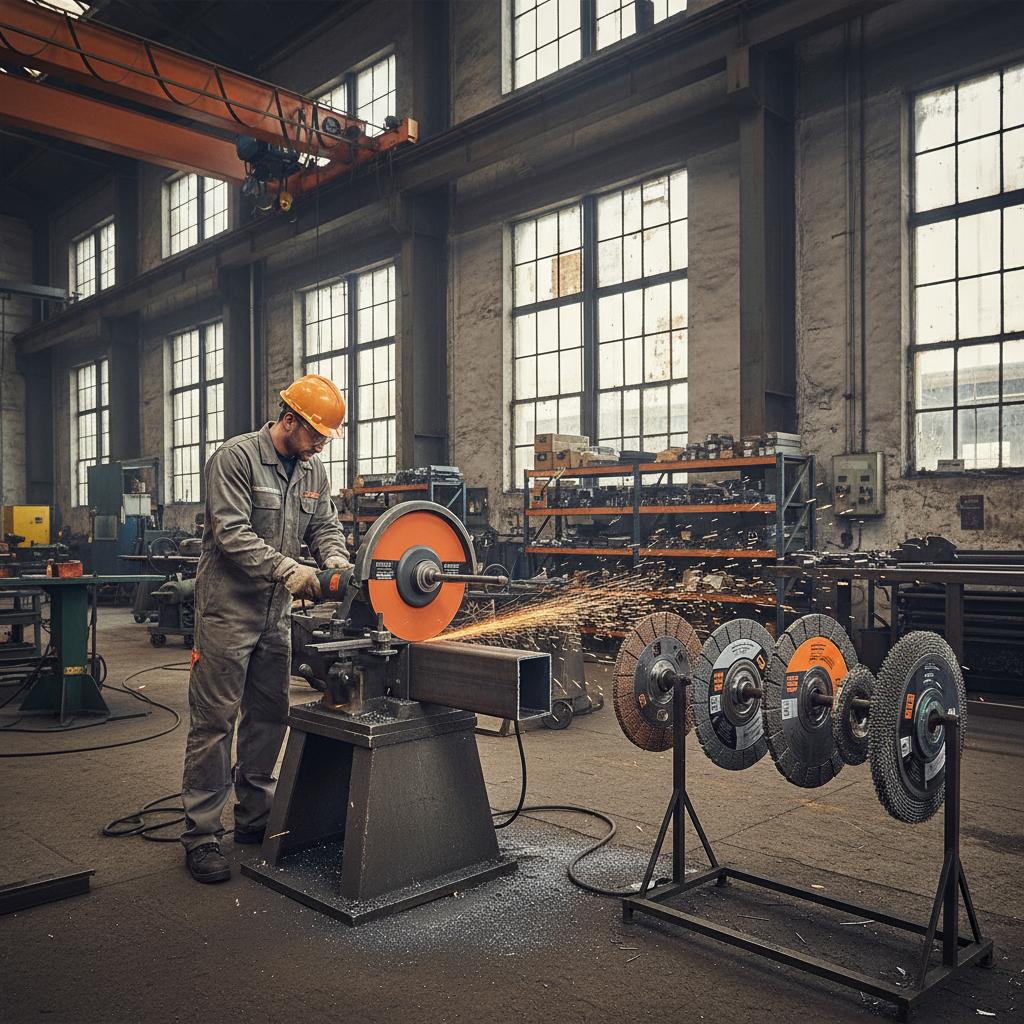
Different types of abrasive wheels find application across a remarkably diverse range of industries. In the metalworking sector, they are used for grinding, cutting, deburring, and polishing steel, aluminum, and other alloys. The automotive industry relies heavily on abrasive wheels for engine block machining, weld grinding, and surface preparation.
Comparative Performance of different types of abrasive wheels in Key Industries
Economic Impact & Cost Considerations
The abrasive wheels industry contributes significantly to the global economy, supporting jobs in manufacturing, distribution, and related services. The cost of abrasive wheels varies widely depending on the type of abrasive, bond, size, and quality. While diamond wheels represent a higher upfront investment, their longevity and performance can justify the cost in specific applications.
Optimizing wheel usage through proper selection, dressing, and maintenance can substantially reduce overall costs. Investing in high-quality wheels and implementing effective safety protocols can minimize downtime, reduce material waste, and improve productivity, ultimately impacting a company's bottom line.
Safety Protocols & Best Practices
Abrasive wheel safety is of paramount importance. Improper use can lead to wheel breakage, causing severe injuries. Adhering to established safety protocols is crucial. This includes regular inspection of wheels for cracks or damage, ensuring proper mounting and balancing, and using appropriate guards and personal protective equipment (PPE).
Workers should be thoroughly trained on safe operating procedures and the limitations of different wheel types. Always operate wheels at the manufacturer’s recommended speed and never exceed the maximum operating speed. Regular wheel dressing is essential for maintaining cutting efficiency and preventing wheel imbalances, contributing to a safer working environment.
Emerging Trends & Future Innovations
The abrasive wheels industry is undergoing continuous innovation. Developments in ceramic and superabrasive materials are leading to wheels with enhanced performance and longer lifespans. The integration of sensor technology is enabling real-time monitoring of wheel wear and performance, optimizing maintenance schedules and preventing failures.
Furthermore, research is focused on developing more environmentally friendly bonding agents and reducing dust emissions during grinding operations. Automation and robotics are also playing an increasing role, automating abrasive wheel dressing and grinding processes, increasing precision and efficiency.
A Comparative Analysis of Advancements in different types of abrasive wheels
| Advancement Type |
Impact on Performance |
Cost Implications |
Adoption Rate (1-10) |
| Ceramic Grain Technology |
Improved cutting speed and longer wheel life |
Moderate increase in initial cost |
7 |
| Diamond Coating Innovations |
Enhanced grinding of extremely hard materials |
High initial cost, long-term value |
6 |
| Sensor-Integrated Wheels |
Real-time performance monitoring and predictive maintenance |
Significant initial cost, potential ROI |
4 |
| Eco-Friendly Bonding Agents |
Reduced environmental impact and dust emissions |
Slightly higher cost compared to traditional bonds |
5 |
| Automated Dressing Systems |
Consistent wheel performance and reduced downtime |
High initial investment, long-term efficiency gains |
5 |
| Vibration Dampening Technology |
Reduced operator fatigue and improved surface finish |
Moderate cost increase |
6 |
FAQS
Type 1 abrasive wheels are straight wheels, designed for surface grinding and general-purpose applications. They offer a wider contact area. Type 27 wheels, however, are flared wheels, providing improved access to workpieces with limited space, and are often used for heavier stock removal and angle grinding. Selecting the appropriate type depends on the specific application and geometry of the workpiece.
Grit size is critical for achieving the desired surface finish. Lower grit numbers (e.g., 24, 36) indicate coarser grains, ideal for rapid material removal and rough grinding. Higher grit numbers (e.g., 120, 220) represent finer grains, suited for finishing, polishing, and creating a smoother surface. Start with a coarser grit for initial shaping and gradually move to finer grits for refining the finish.
Safety is paramount. Always wear appropriate PPE, including safety glasses, a face shield, and hearing protection. Ensure the wheel is properly mounted, balanced, and running at the correct speed. Use a wheel guard and never exceed the maximum operating speed. Regularly inspect wheels for cracks or damage before use. Never use a damaged wheel.
Diamond abrasive wheels offer exceptional hardness and durability, making them ideal for grinding extremely hard materials such as ceramics, glass, and hardened steel. They provide superior cutting performance, longer wheel life, and a more precise finish. While initially more expensive, the longevity and efficiency often justify the investment.
Wheel dressing is essential to maintain cutting efficiency and prevent wheel loading. The frequency of dressing depends on the material being ground, the grit size, and the wheel’s bond type. A general guideline is to dress the wheel when the cutting action slows down or the surface finish deteriorates. Regular dressing extends wheel life and improves grinding performance.
Vitrified bonds are rigid and porous, providing excellent heat dissipation and making them suitable for high-speed grinding of hard materials. Resin bonds are more flexible and offer better finish, ideal for applications requiring smoother surfaces. Resin bonds are often preferred for cutting and snagging operations. Choosing the right bond type impacts grinding efficiency and surface quality.
Conclusion
In conclusion, understanding different types of abrasive wheels is crucial for optimizing industrial processes, ensuring safety, and achieving high-quality results. From the core properties of hardness and grit size to the advancements in materials and bonding agents, a comprehensive knowledge base empowers professionals to select the ideal wheel for any application. Investing in proper training, implementing safety protocols, and staying abreast of emerging technologies are key to maximizing the benefits of these essential tools.
Looking ahead, the abrasive wheels industry will continue to innovate, driven by demand for increased efficiency, sustainability, and automation. Embracing these advancements will not only improve operational performance but also contribute to a safer and more environmentally responsible future. For more information and a wide selection of abrasive wheels, visit our website: www.cutoffdiscs.com