Cutting Disc Steel: The Unsung Hero of Industrial and Construction Efficiency
If you’ve ever seen a skilled metalworker in action or caught a glimpse of how factories slice through thick sheets of metal, you’ve witnessed cutting disc steel at work. This specialized tool is more than just a spinning blade—it’s a critical component in countless industries worldwide. Understanding cutting disc steel isn’t just for engineers or industrial pros; anyone interested in infrastructure, manufacturing, or construction innovations can appreciate its global impact.
The Global Context: Why Cutting Disc Steel Matters
Worldwide, the manufacturing and construction sectors rely heavily on precision and efficiency when working with steel. According to the International Organization for Standardization (ISO), steel remains among the most recycled and in-demand materials, integral to everything from vehicles to high-rise buildings.
But slicing thick steel sheets and bars cleanly and safely is no small challenge—improper cutting results in wasted time, reduced quality, and increased hazards. That’s where cutting disc steel innovations step in, improving productivity and safety globally, especially as countries push for more sustainable construction methods. Oddly enough, with the growing emphasis on green building and circular economies, the efficiency and durability of cutting discs become even more important in minimizing waste and energy consumption.
Mini takeaway: Cutting disc steel drives better industrial outcomes, saving time, cost, and materials — that’s a big deal when scaled globally.
What is Cutting Disc Steel?
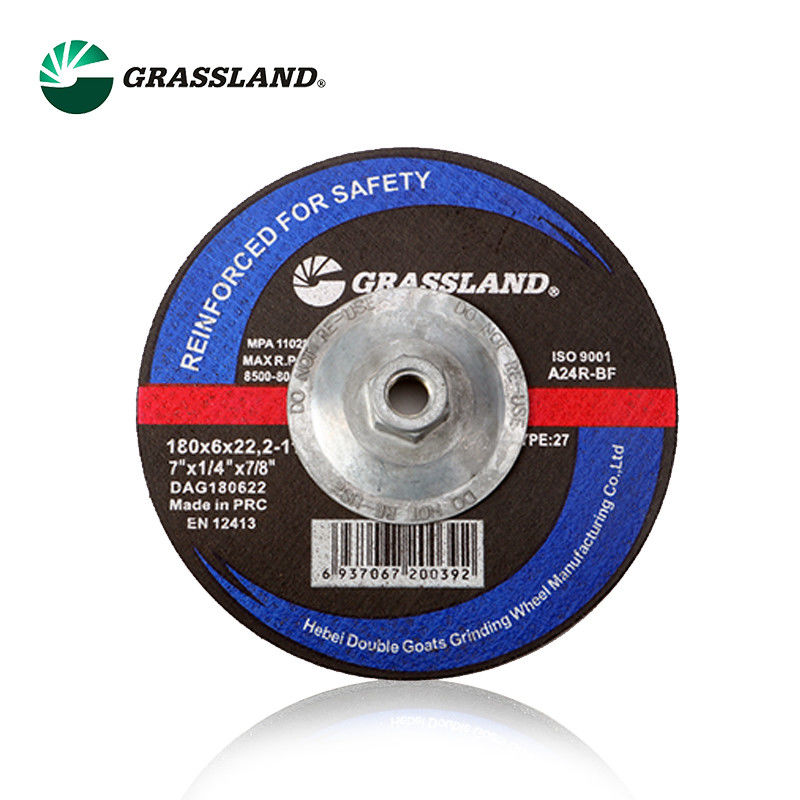
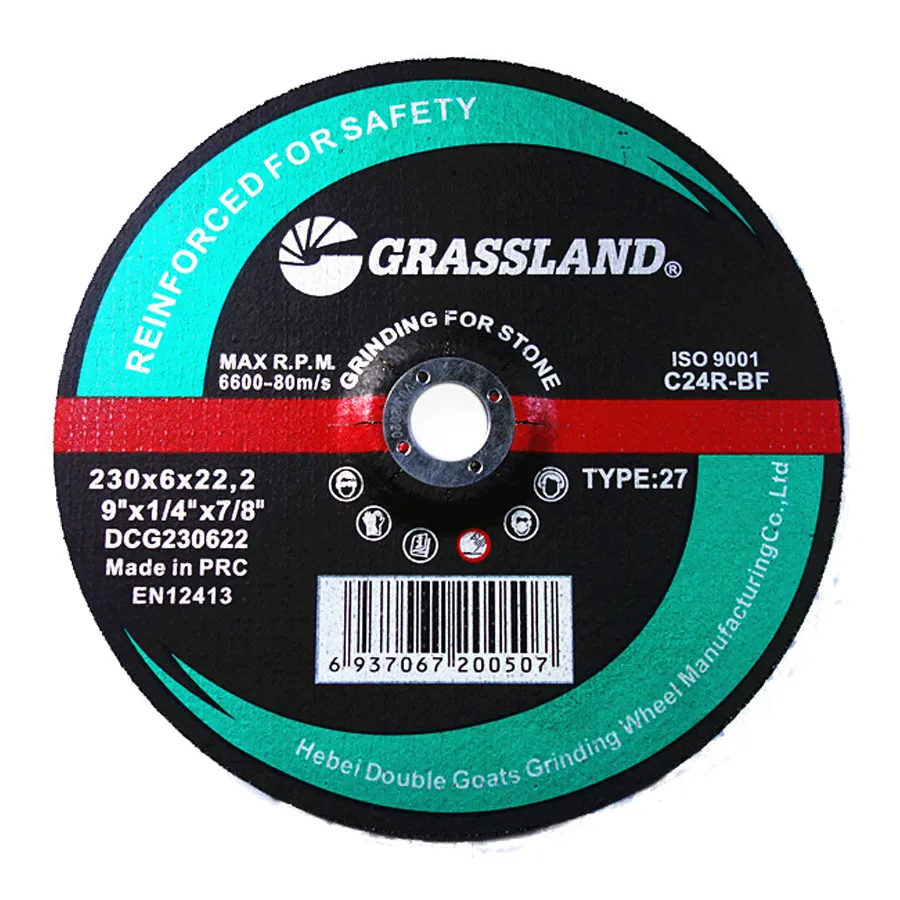
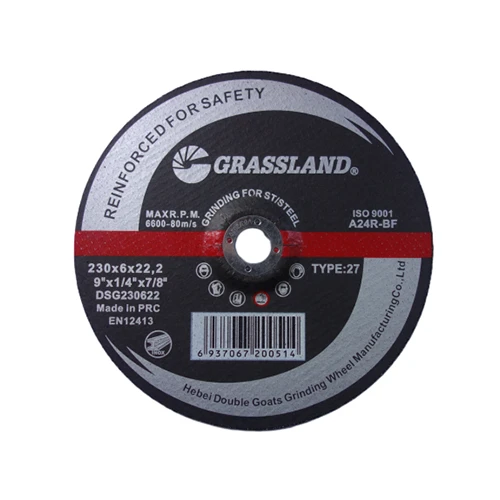
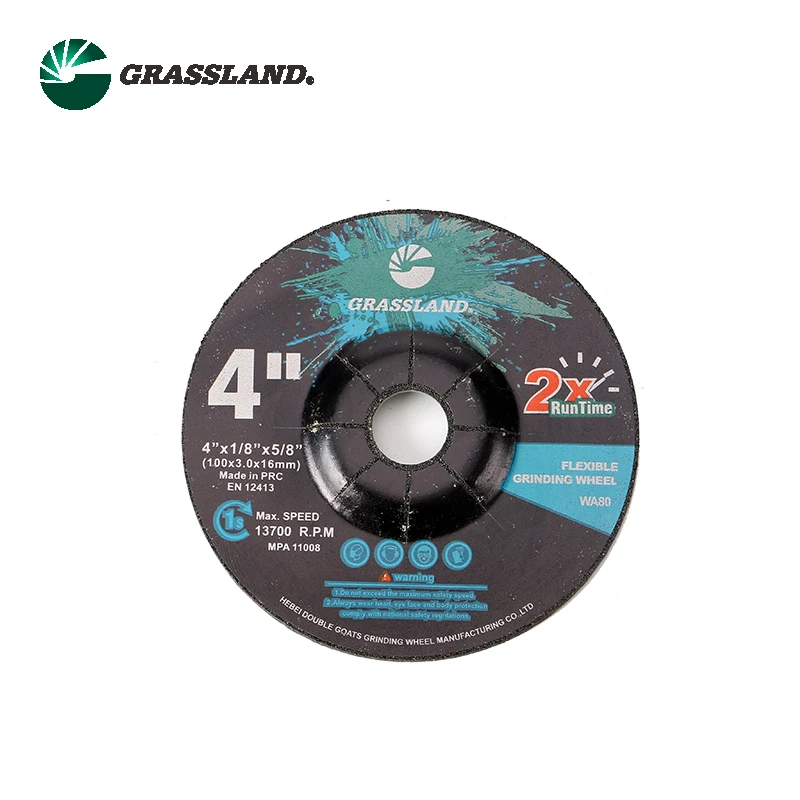
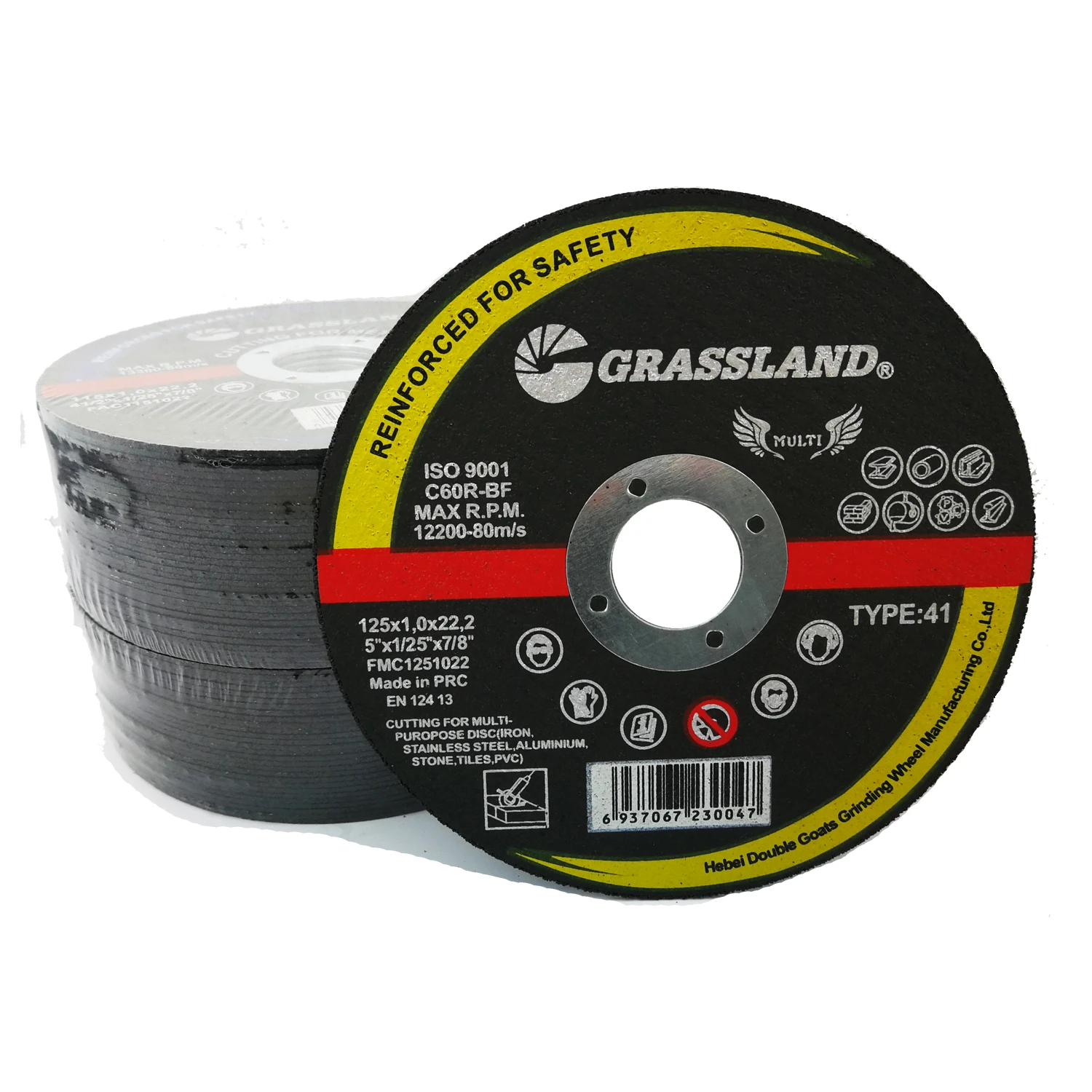
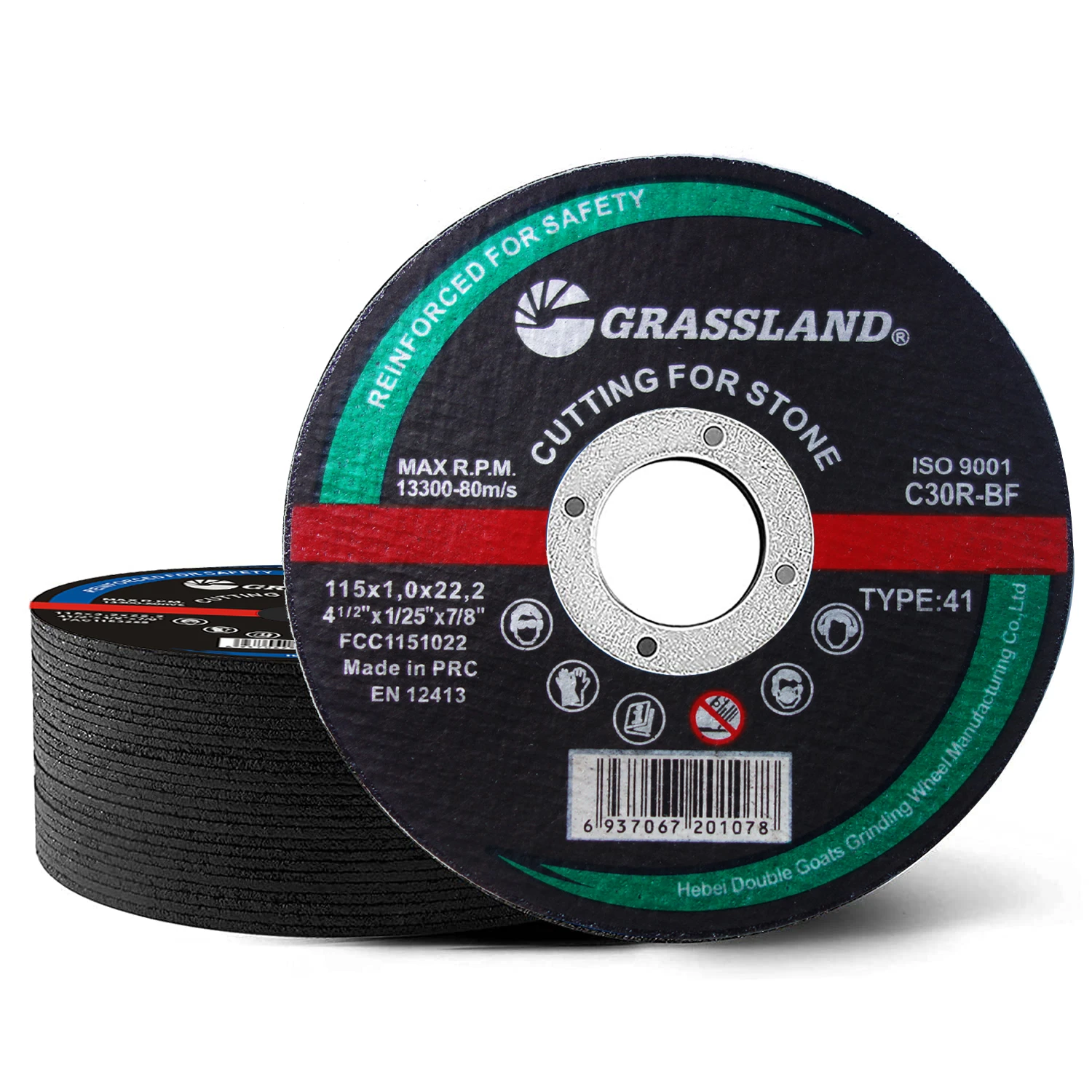
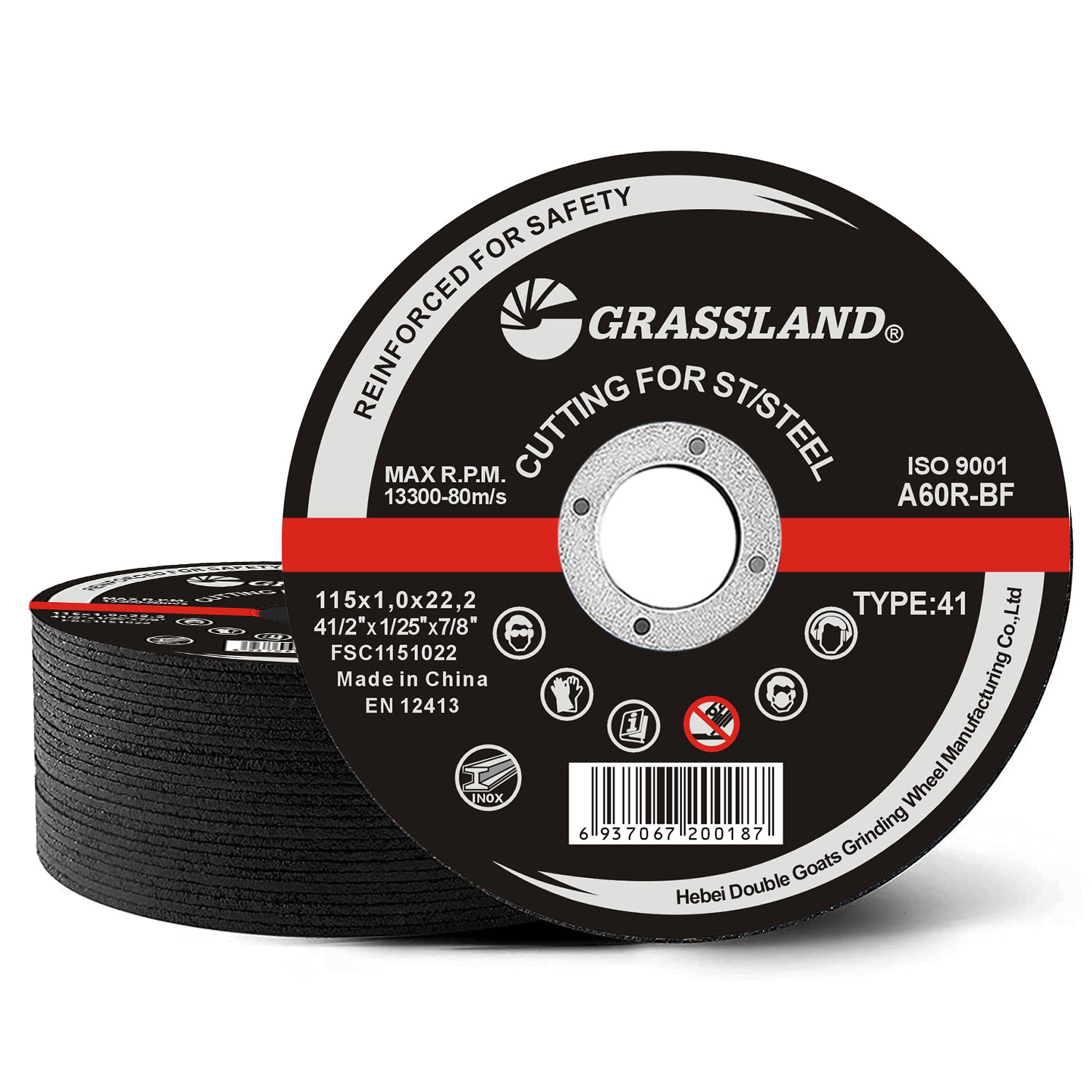
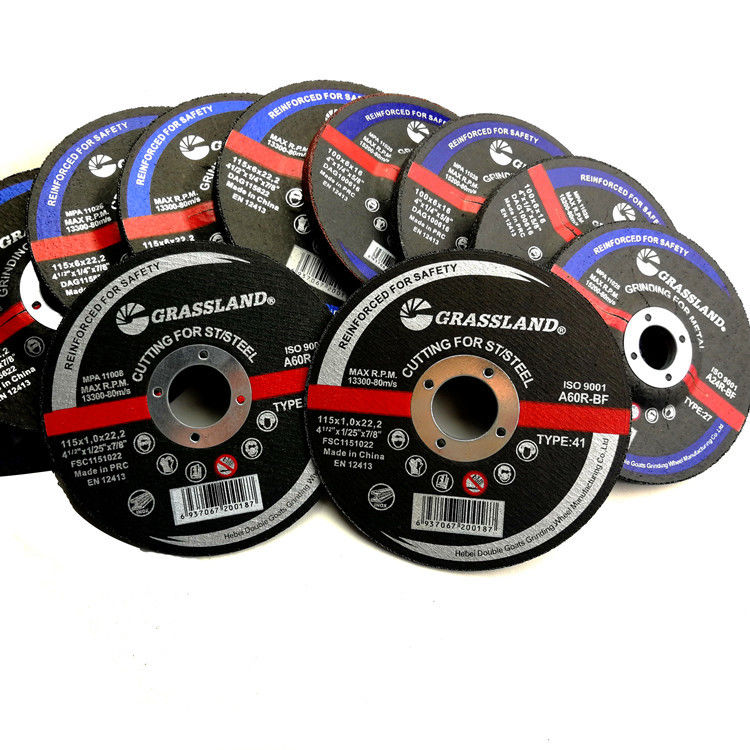
Simply put, cutting disc steel refers to abrasive discs specifically designed to cut through steel materials efficiently. These are wheel-shaped tools made of abrasive particles bonded together, usually mounted on angle grinders or cut-off saws. Their design balances toughness (to slice through hard metals) and durability (to last longer under extreme friction).
In today’s fast-moving industries, these discs connect the dots between manual craftsmanship and automated production lines. From emergency repair teams fixing infrastructure after natural disasters to assembly lines in automotive plants, reliable cutting discs shape how steel parts come to life or get recycled.
Mini takeaway: Cutting disc steel is the tool that bridges raw steel’s potential and practical application.
Key Features of Cutting Disc Steel
1. Durability
The disc must resist wear and tear while maintaining sharpness. High-quality bonds and abrasive materials like aluminum oxide or zirconia alumina are typical to add longevity.
2. Cutting Speed and Precision
Efficiency matters. The right disc can slice faster and cleaner, reducing finishing work and enhancing fitment accuracy in steel fabrication.
3. Safety Standards
Oscillations and sparks are inevitable; thus, discs come with safety certifications per ISO 9001 or ANSI standards. Proper shrouding and balance reduce vibration risks.
4. Compatibility
Discs vary by thickness, diameter, and arbor size to fit various machines, from handheld grinders to industrial saws.
5. Cost Efficiency
While premium discs cost more upfront, their longer lifespan and better cutting reduce downtime and wasted metal, saving money overall.
Mini takeaway: Selecting discs means balancing durability, speed, safety, and cost for your exact steel cutting needs.
Cutting Disc Steel: Applications Around the World
- Manufacturing: Automotive, shipbuilding, and heavy machinery factories use cutting discs daily to prepare parts.
- Construction: From skyscraper frameworks in Asia to bridges in Europe, cutting discs enable precise steel beam sizing.
- Disaster Relief: Post-earthquake or flood, relief workers utilize cutting discs to quickly dismantle or salvage steel structures.
- DIY and Small Workshops: Even hobbyists benefit from reliable discs in creating artistic metalwork or performing home repairs.
For instance, in remote industrial zones in Africa, durable cutting discs enable machinery repairs without waiting weeks for parts—minimizing downtime and costly transport.
Mini takeaway: The versatility of cutting disc steel makes it a global workhorse across many critical sectors.
Advantages and Long-Term Value of Quality Cutting Discs
It’s not just about cutting steel; it’s about how cutting discs impact entire project lifecycles. The tangible benefits include:
- Reduced costs: Less frequent disc replacements and fewer accidents save cash.
- Sustainability: Efficient cutting reduces scrap metal, aligning with environmental goals.
- Reliability & Safety: Reliable discs reduce operator fatigue and injury risks.
- Innovation Boost: Enables precise designs supporting modern architectural trends.
So, there’s a subtle emotional layer too—operators trust their gear, knowing risky cuts won’t ruin a day’s work or worse, lead to accidents. That trust fosters innovation and safety culture.
Product Specification Table: Typical Cutting Disc Steel Specs
| Specification | Detail |
|---|---|
| Diameter | 115 mm – 230 mm |
| Thickness | 1.0 mm – 3.2 mm |
| Arbor Size | 22.23 mm (standard) |
| Material | Aluminum oxide, Zirconia alumina |
| Max RPM | 13,300 – 8,500 rpm (varies by size) |
Vendor Comparison of Popular Cutting Disc Steel Brands
| Brand | Durability | Price | Safety Certification | Best Use Case |
|---|---|---|---|---|
| CutOff Pro | High | Mid-range | ISO 9001, ANSI | Industrial cutting |
| SteelSlice Ultra | Very High | Premium | ISO 9001, CE | Precision cutting |
| BudgetCut | Moderate | Low | ANSI | Light DIY use |
Emerging Trends and the Future of Cutting Disc Steel
Say hello to greener cutting discs! Research into bio-based resin bonds aims to reduce petrochemical use, which is pretty exciting for sustainability. Plus, automation in steel fabrication plants increasingly pairs cutting discs with robotic arms for consistent precision — think Industry 4.0 on the shop floor.
Virtual simulation tools now let engineers test new disc designs digitally before manufacturing—a big leap in R&D speed. What’s more, advances in nano-abrasives could someday render existing standards obsolete by offering superior cut rates with less heat and waste.
Mini takeaway: Innovation in materials science and digital manufacturing promises smarter, safer cutting discs in the near future.
Challenges and How the Industry Tackles Them
Two big practical issues often come up: disc wear under heavy use and inconsistency in quality across manufacturers. Operators often complain about premature disc failure or dangerous breakage when using subpar products.
To meet these challenges, the industry relies on improved quality controls, better raw materials, and stricter safety regulations. Training end-users on proper speed and pressure application is equally important to extend disc life and prevent accidents.
FAQ: Common Questions About Cutting Disc Steel
- What is the difference between cutting disc steel and grinding discs?
- Cutting discs are thin and designed to slice through steel with minimal material waste, whereas grinding discs are thicker and used for smoothing or shaping metal surfaces. Using the right disc ensures safety and effectiveness.
- How do I choose the right diameter for my cutting disc?
- The diameter depends on your saw or grinder specifications. Common sizes range from 115 mm for handheld grinders to 230 mm for industrial saws. Always follow machine manufacturer guidelines to avoid accidents.
- Can cutting discs be reused?
- Generally, cutting discs are consumables and should be replaced once they become worn or damaged. Reusing worn discs risks breakage and poor cuts, which can be unsafe and inefficient.
- Are all cutting discs steel-compatible?
- No, some discs are designed for non-ferrous metals or masonry. Always check the label to ensure the disc suits steel cutting to avoid damage or safety hazards.
- How should I store cutting discs to maintain their quality?
- Store discs flat in a dry, temperature-controlled environment away from direct sunlight or moisture to prevent warping or degradation.
Conclusion: Why Cutting Disc Steel Remains Essential
For all its subtlety, cutting disc steel plays a quietly pivotal role in today’s highly engineered world. It unites efficiency, safety, and sustainability in one spinning tool that powers projects of every scale. So next time you see clean-cut steel beams or sparkling machine parts, you might just tip your hat to cutting disc steel—the humble hero behind the scenes.
Interested in upgrading your steel cutting experience? Visit our website for premium options and expert advice: cutting disc steel.
Reflecting on the evolution of such a niche yet indispensable tool reminds us how even the smallest innovations ripple through industries and communities worldwide.
References
Post time:Dec - 02 - 2025