Flap Discs for Grinder: A Comprehensive Guide
Choosing the right flap disc for your grinder is crucial for efficient and safe material removal. These versatile abrasive tools are essential for deburring, blending, finishing, and removing weld seams. This article will cover everything you need to know about flap discs, from types and grit selections to applications and safety considerations, helping you find the perfect disc for your needs. Whether you're a professional metalworker or a DIY enthusiast, understanding flap discs will significantly improve your grinding results.
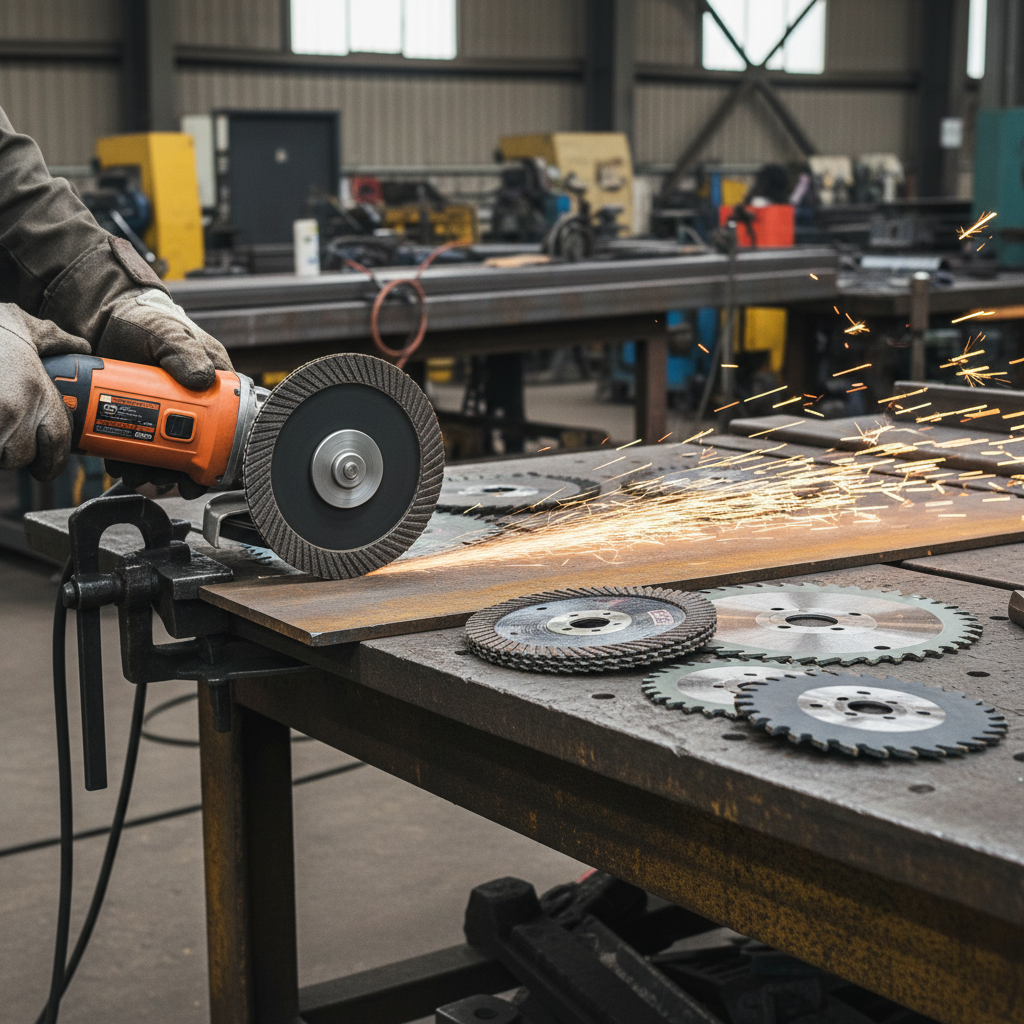
What are Flap Discs and How Do They Work?
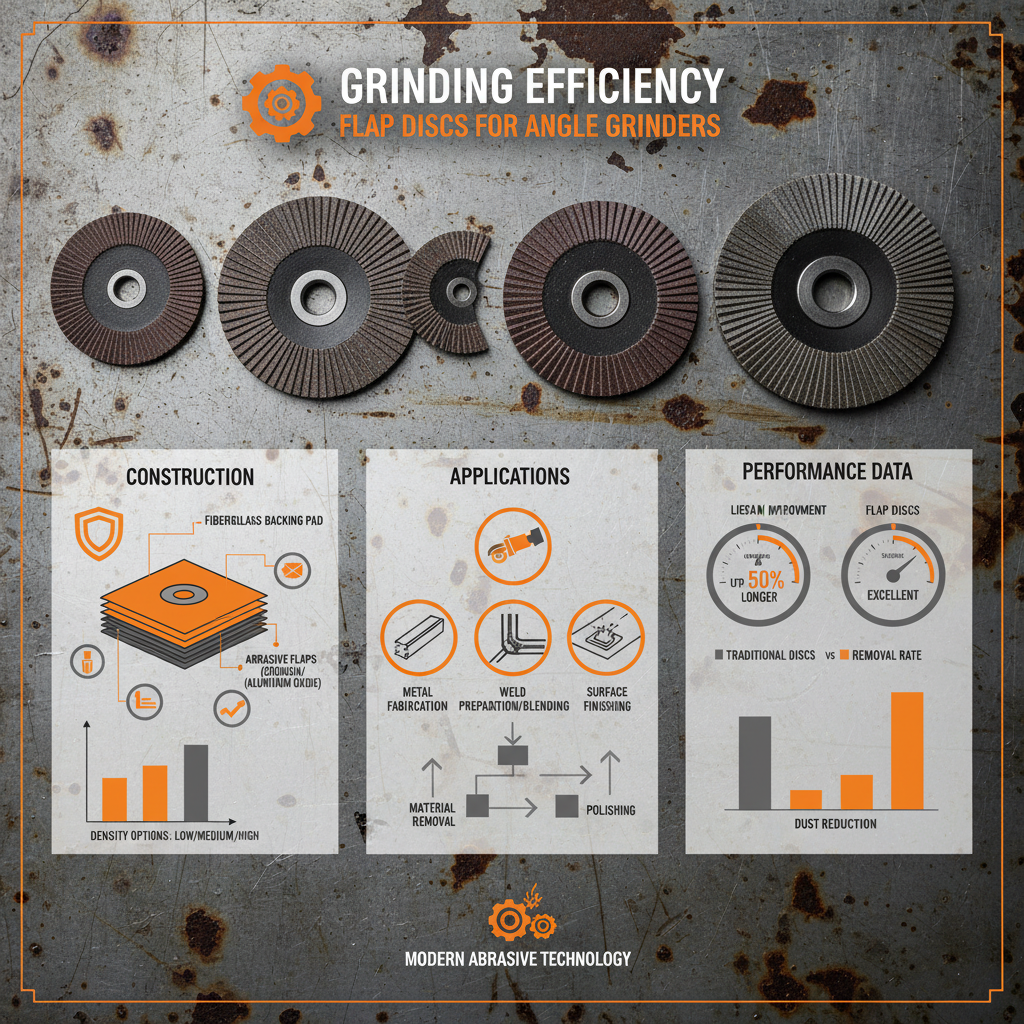
A flap disc is an abrasive tool consisting of overlapping abrasive flaps securely bonded to a backing plate. As the disc rotates, these flaps wear away, continuously exposing fresh abrasive material. This self-sharpening action results in a faster cut rate and a smoother finish compared to traditional grinding wheels. The flexibility of the flaps allows the disc to conform to irregular surfaces, making them ideal for contour grinding and blending. They are available in a wide range of abrasive materials, grit sizes, and diameters to suit diverse applications.
Key Highlights: Flap discs offer a faster cut rate, smoother finish, and increased flexibility compared to traditional grinding wheels. Their self-sharpening action extends their lifespan and reduces operator fatigue.
Understanding Flap Disc Grit Sizes
The grit size of a flap disc determines its aggressiveness and the finish it produces. Lower grit numbers (e.g., 36, 60) are coarser and remove material more quickly, ideal for heavy stock removal and deburring. Higher grit numbers (e.g., 120, 180, 240) are finer and produce a smoother finish, suitable for blending, polishing, and finishing operations. Choosing the right grit depends on the material you're working with and the desired outcome. It's often beneficial to start with a coarser grit and gradually move to finer grits to achieve a refined surface.
Grit Size Guide:
• 36-60 Grit: Heavy stock removal, deburring, rust removal.
• 80-120 Grit: Medium stock removal, weld blending, surface preparation.
• 180-240 Grit: Finishing, polishing, removing light imperfections.
• 320-400 Grit: Very fine finishing, creating a polished surface.
Flap Disc Materials: Ceramic vs. Zirconia vs. Aluminum Oxide
Flap discs are made from various abrasive materials, each offering distinct advantages. Ceramic abrasive is the most durable and cuts the fastest, making it ideal for high-performance applications like grinding stainless steel and hard metals. Zirconia abrasive offers a good balance of cutting speed and durability, suitable for a wide range of metals. Aluminum oxide abrasive is the most economical option and is best for softer metals like aluminum and mild steel. The right material depends on the type of metal you’re working with and the level of aggression required.
Applications of Flap Discs
Flap discs are incredibly versatile and used in a wide range of applications, including: deburring sharp edges, blending welds for a smooth finish, removing rust and scale, surface preparation for painting or coating, and finishing metal surfaces. They are commonly used in the metalworking, automotive, aerospace, and construction industries. Their ability to conform to contours makes them ideal for working on curved surfaces and complex shapes.
Safety Precautions When Using Flap Discs
Safety is paramount when using flap discs. Always wear appropriate personal protective equipment (PPE), including safety glasses, a face shield, gloves, and hearing protection. Ensure the grinder is properly guarded and that the disc is securely mounted. Inspect the disc for damage before each use and discard it if any cracks or defects are found. Never exceed the maximum RPM rating of the disc and grinder. Work in a well-ventilated area to avoid inhaling dust and debris. When using flap discs, always follow the manufacturer's instructions and adhere to all relevant safety regulations.
Conclusion: Choosing the Right Flap Disc for Your Project
Selecting the right flap disc requires careful consideration of the material you're working with, the desired finish, and the application. By understanding the different grit sizes, abrasive materials, and safety precautions, you can maximize efficiency and ensure a safe and successful grinding experience. Explore the wide selection of high-quality flap discs available at Cutoffdiscs.com to find the perfect disc for your needs.
Frequently Asked Questions (FAQs)
What is the maximum RPM I should use with a flap disc?
The maximum RPM rating is clearly marked on the flap disc itself. It’s crucial to never exceed this limit, as doing so can cause the disc to shatter, leading to serious injury. Always ensure that your grinder's speed settings are appropriate for the disc you are using. Using a disc at a higher RPM than recommended significantly increases the risk of failure and poses a serious safety hazard. It is also vital to inspect the grinder’s speed control to make sure it is accurately calibrated.
How long will a flap disc typically last?
The lifespan of a flap disc depends on several factors, including the material being ground, the grit size, the abrasive material, and the amount of pressure applied. Generally, a flap disc will last longer when used on softer materials and with lighter pressure. As the flaps wear down, the disc will become less effective at removing material and will eventually need to be replaced. Regularly inspect the disc for excessive wear or damage. A properly used flap disc can last for several hours of continuous use.
Can I use a flap disc on stainless steel?
Yes, you can use a flap disc on stainless steel, but it's important to choose the right type. Ceramic abrasive flap discs are specifically designed for grinding stainless steel, as they are highly durable and resistant to loading (clogging). Using a flap disc designed for carbon steel on stainless steel will result in rapid clogging and a poor finish. It’s also important to use a lighter touch and avoid excessive pressure when grinding stainless steel to prevent heat buildup and discoloration.
What’s the difference between a Type 1 and a Type 29 flap disc?
Type 1 flap discs have a flat face and are best for edge work and blending. Type 29 flap discs have a conical shape with flaps angled in both directions, making them ideal for contour grinding and surface preparation on flat or curved surfaces. Type 29 discs generally provide a faster cut rate and a more aggressive grinding action, while Type 1 discs offer more precision for detailed work. The choice depends on the specific application and the desired outcome.
Post time:Feb - 26 - 2026