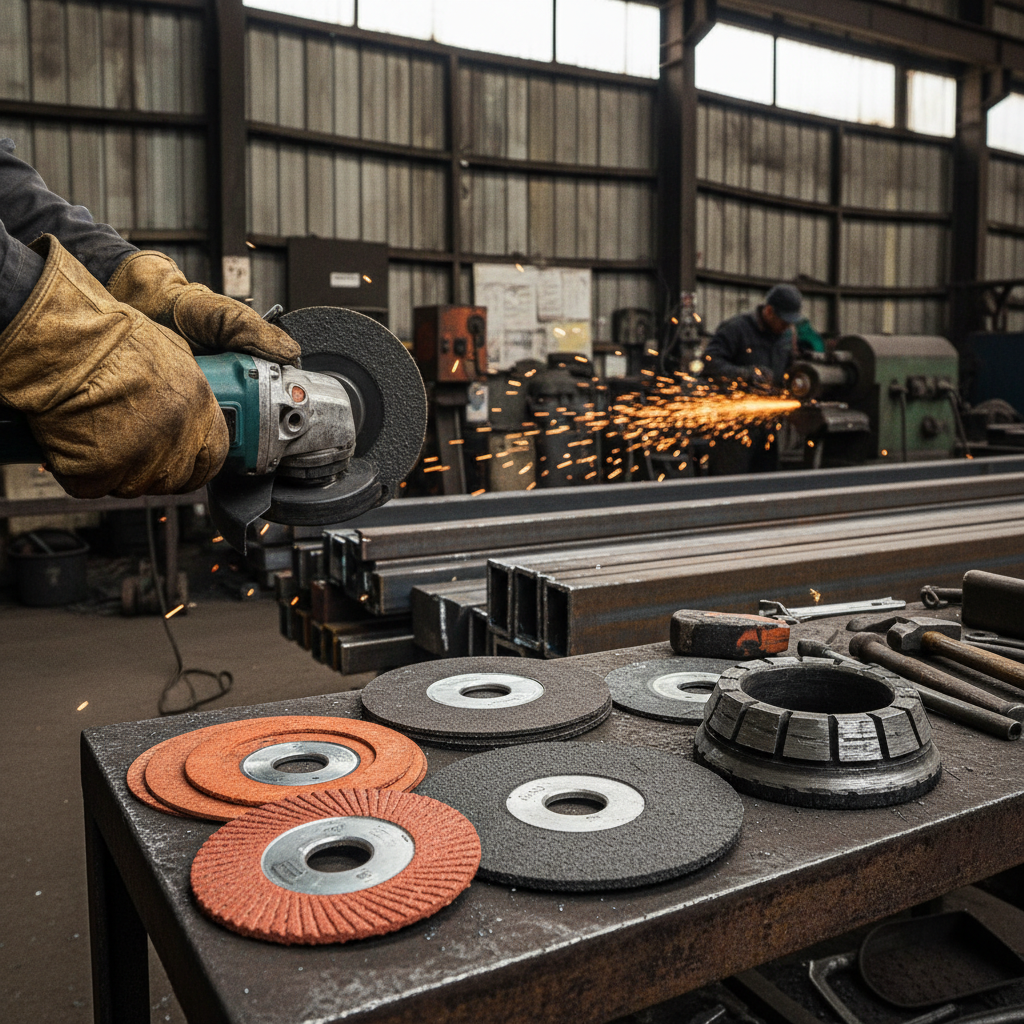
Kinds of grinder disc are essential components in a multitude of industries, playing a critical role in material processing, fabrication, and finishing. From metalworking and construction to automotive repair and even artistic endeavors, the selection of the appropriate grinder disc significantly impacts efficiency, safety, and the quality of the final product. Understanding the diverse types of grinder discs available, their applications, and the underlying principles of abrasive technology is crucial for professionals and hobbyists alike. This knowledge enables informed decision-making, optimizing performance and minimizing risks.
The global market for abrasive products, including kinds of grinder disc, is a multi-billion dollar industry, experiencing steady growth driven by industrial expansion, infrastructure development, and increasing demand for high-precision manufacturing. According to recent reports, Asia-Pacific represents the largest consumer of abrasive products, followed by North America and Europe. However, challenges remain, including the need for sustainable manufacturing practices, reduced environmental impact, and the development of advanced materials to meet evolving industry needs. The versatility and continuous innovation within kinds of grinder disc make them an indispensable element in modern manufacturing and construction.
The widespread use of kinds of grinder disc directly addresses the need for efficient and precise material removal, shaping, and finishing in countless applications. Whether it’s removing weld seams, deburring metal components, cutting tiles, or polishing surfaces, the right disc provides the necessary power and control. Failing to select the correct disc can result in substandard work, material damage, increased costs, and potential safety hazards. Investing in understanding the different kinds of grinder disc empowers users to tackle projects effectively and safely.
Introduction to kinds of grinder disc
Kinds of grinder disc encompass a wide spectrum of abrasive tools designed for various cutting, grinding, polishing, and finishing applications. These discs are constructed from abrasive materials bonded together with a matrix, forming a durable and effective tool. The specific abrasive material, bond type, and grit size determine the disc's performance characteristics and suitability for different materials and tasks. Understanding these nuances is paramount for optimizing results.
The widespread adoption of kinds of grinder disc across industries highlights their versatility and cost-effectiveness. From heavy-duty industrial operations to DIY projects, these tools streamline material processing, enhance precision, and improve overall productivity. Continual advancements in materials and manufacturing techniques are driving the development of more efficient, durable, and safer kinds of grinder disc, catering to the evolving needs of diverse applications.
Defining Kinds of Grinder Disc
Kinds of grinder disc, at their core, are tools designed for abrasive machining processes. They are typically circular in shape and attach to a grinder, a power tool used to shape, cut, or polish materials. The 'disc' portion is composed of abrasive particles – materials like aluminum oxide, silicon carbide, or diamond – held together by a bonding agent. This combination allows for controlled material removal through friction.
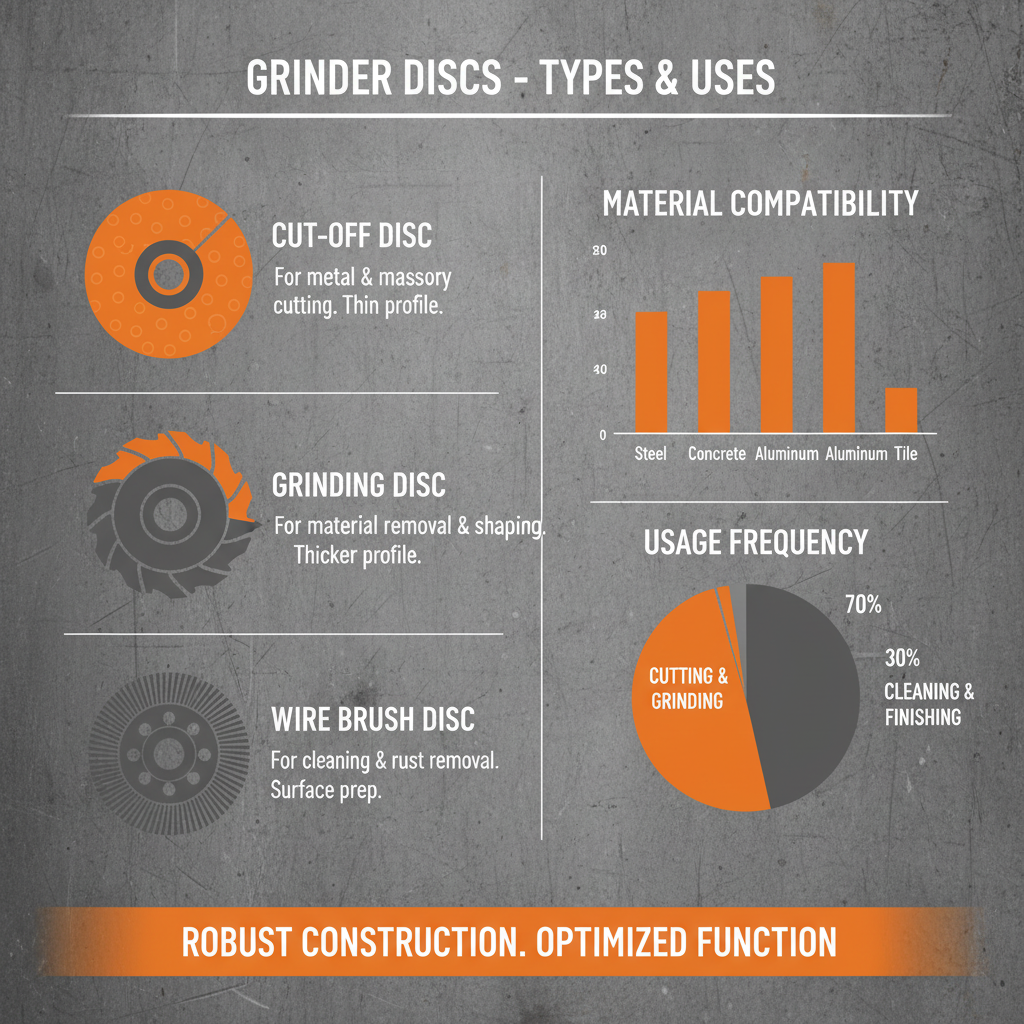
The precise definition extends to the numerous variations available. Different types of grinder discs are engineered for specific materials (metal, concrete, stone, wood) and applications (cutting, grinding, sanding, polishing). The choice of abrasive grain, bond strength, and disc geometry dictates its performance characteristics. A cutting disc, for example, is thinner and more brittle than a grinding disc.
This technology directly connects to modern industry's demands for efficient material processing. It enables precise fabrication, repair, and maintenance across sectors like construction, automotive, aerospace, and manufacturing. Without readily available and effective kinds of grinder disc, many crucial industrial processes would be significantly slower, less accurate, and more expensive.
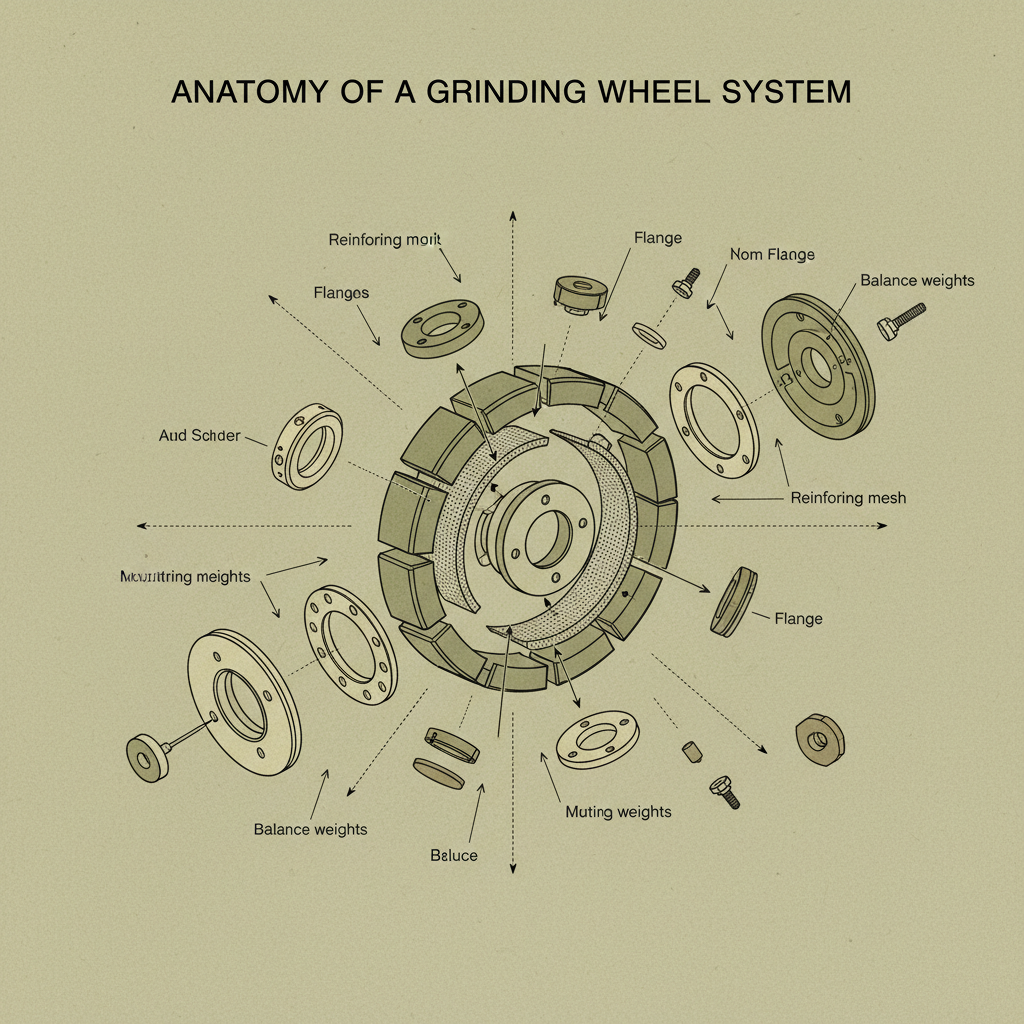
Core Components of Kinds of Grinder Disc
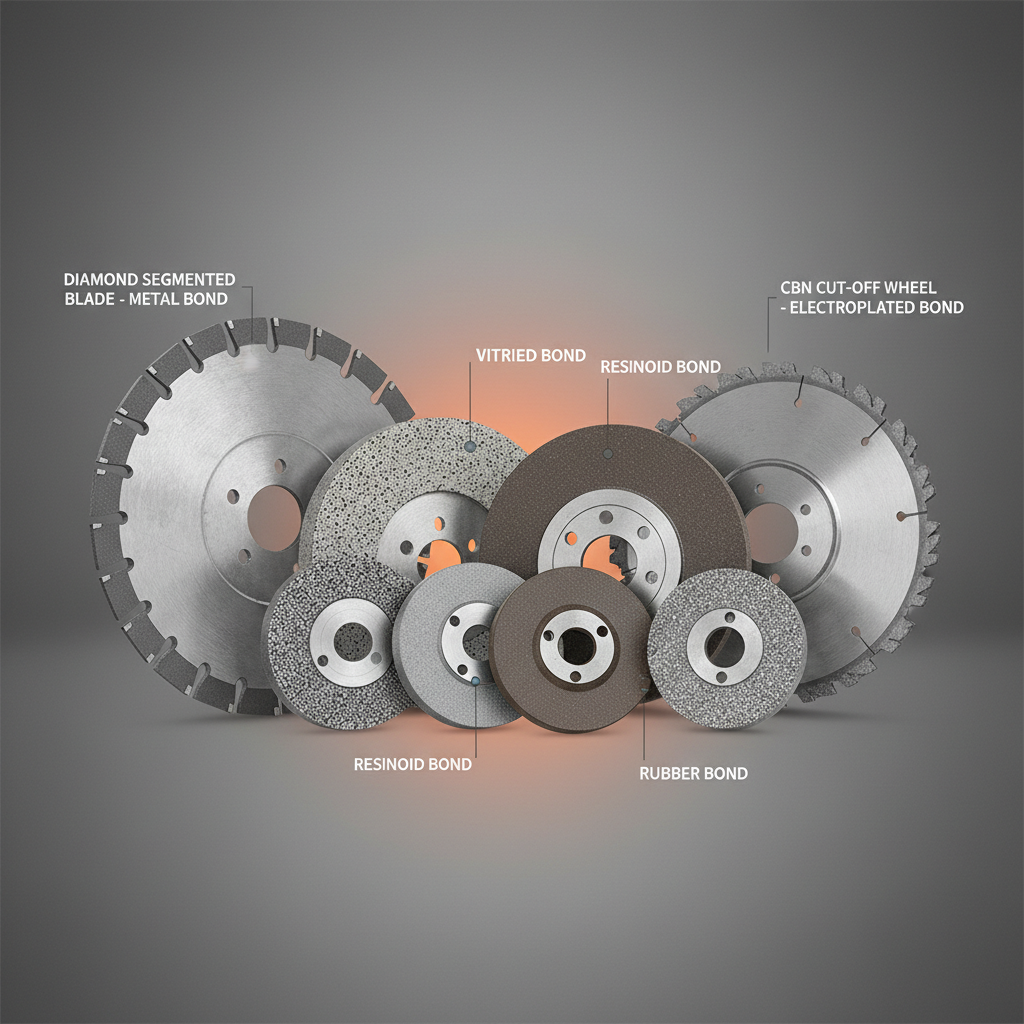
Several key factors define the performance and suitability of kinds of grinder disc. One critical aspect is abrasive grain type. Aluminum oxide is common for metal, silicon carbide for harder materials like stone and glass, and diamond for exceptional hardness and longevity. Another vital component is the bonding agent, which holds the abrasive grains together. Resin bonds are versatile and economical, while vitrified bonds offer higher heat resistance and are preferred for precision grinding.
The grit size of the abrasive grains is also paramount. Coarser grits remove material quickly but leave a rougher finish, while finer grits provide a smoother, more polished surface. Furthermore, the disc’s construction – whether it’s a bonded abrasive disc, a coated abrasive disc (like sanding discs), or a diamond blade – dramatically impacts its application. Understanding these components is essential for selecting the right disc for a given task.
Finally, disc shape and thickness play a crucial role. Thin cutting discs are designed for clean, precise cuts, while thicker grinding discs offer greater durability and material removal capacity. Reinforced discs provide added safety and resistance to breakage. These core components work in concert to deliver optimal performance and ensure user safety.
Global Applications of Kinds of Grinder Disc
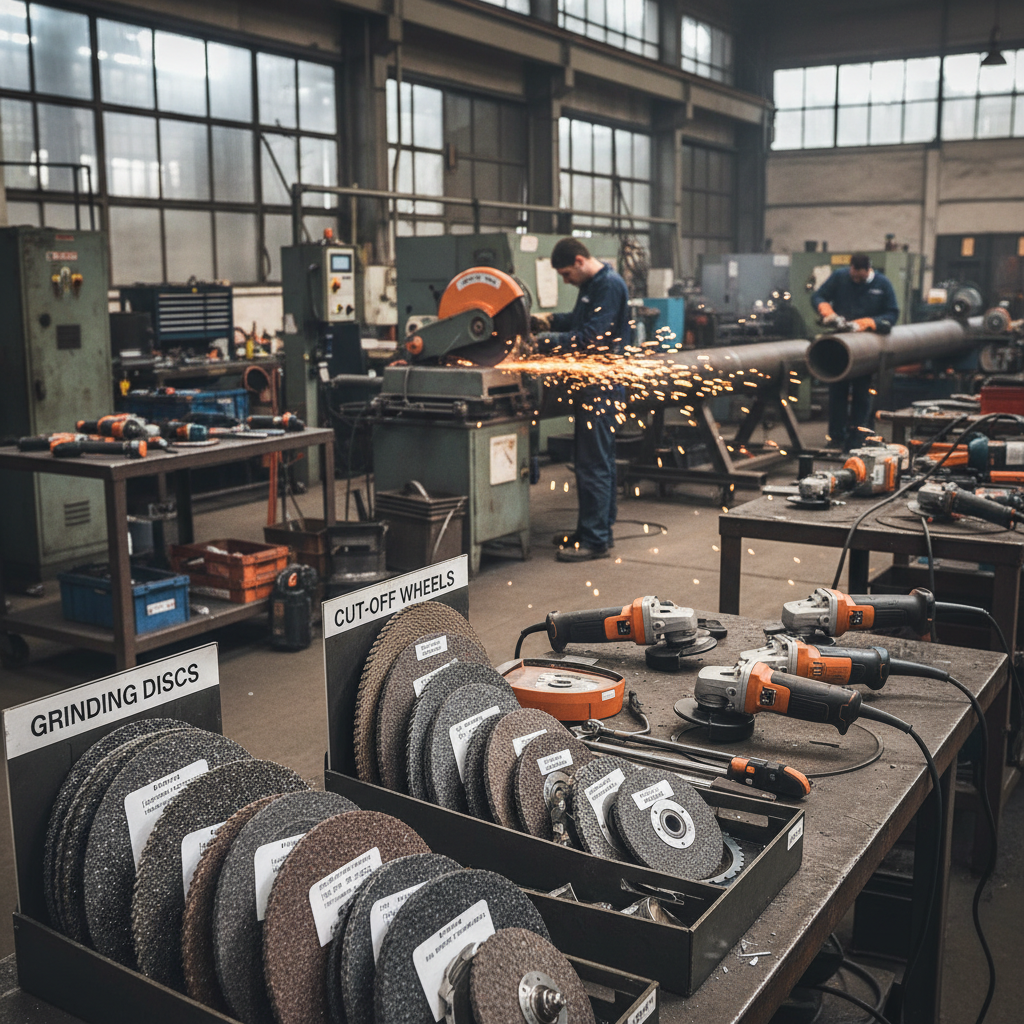
Kinds of grinder disc are indispensable across a vast array of industries. In construction, they are used for cutting concrete, brick, and tile, as well as grinding and smoothing surfaces. Metalworking relies heavily on grinder discs for deburring, weld removal, cutting metal stock, and surface finishing. The automotive industry employs them for body repair, rust removal, and parts fabrication.
In regions undergoing rapid infrastructure development, such as Southeast Asia and parts of Africa, the demand for kinds of grinder disc is particularly high due to large-scale construction projects. In remote industrial zones in Australia and Canada, they are crucial for maintaining mining and resource extraction equipment.
Even in specialized fields like stone masonry and artistic sculpture, kinds of grinder disc are vital for shaping and polishing materials. In post-disaster relief operations, they are used for cutting through debris and assisting in rescue efforts. The adaptability of kinds of grinder disc ensures their continued relevance in diverse applications worldwide.
Performance Comparison of Kinds of Grinder Disc
Advantages and Long-Term Value
The benefits of utilizing the correct kinds of grinder disc extend far beyond simply completing a task. Economically, using the right disc minimizes material waste, reduces project completion time, and lowers overall labor costs. Furthermore, selecting high-quality discs enhances safety, reducing the risk of disc breakage and potential injury.
From a sustainability perspective, durable kinds of grinder disc generate less waste compared to cheaper, lower-quality alternatives. The longevity of premium discs also translates to fewer replacements, reducing resource consumption. The reliability and precision of these tools foster trust and confidence among professionals and DIY enthusiasts alike, contributing to a positive reputation and increased customer satisfaction.
Future Trends & Innovations in Kinds of Grinder Disc
The future of kinds of grinder disc is geared towards enhanced performance, safety, and sustainability. Research and development are focusing on advanced abrasive materials like ceramic composites and superabrasives, which offer superior cutting speed, durability, and heat resistance. The integration of smart technologies, such as sensors that monitor disc wear and provide real-time performance data, is also gaining traction.
Automation and robotics are increasingly being incorporated into grinding and finishing processes, requiring the development of specialized kinds of grinder disc optimized for automated systems. Moreover, environmentally friendly manufacturing practices, including the use of recycled materials and reduced energy consumption, are becoming increasingly important.
Challenges & Solutions Regarding Kinds of Grinder Disc
One significant challenge in the field of kinds of grinder disc is the potential for user error and safety hazards. Incorrect disc selection, improper mounting, or failure to use appropriate safety gear can lead to serious injuries. Another issue is the inconsistency in disc quality across different manufacturers, making it difficult for users to identify reliable products.
To address these challenges, comprehensive training programs and educational resources are crucial. Clear labeling and standardized safety guidelines can help users select the appropriate disc for their application and operate it safely. Implementing stricter quality control measures and promoting transparent manufacturing practices can enhance product reliability and build consumer trust.
Furthermore, the development of innovative safety features, such as anti-kickback mechanisms and automatic shut-off systems, can minimize the risk of accidents. Continued research into new materials and manufacturing techniques will also contribute to the development of safer, more durable, and more efficient kinds of grinder disc.
Summary of Kinds of Grinder Disc Performance Characteristics
| Disc Type |
Material Suitability |
Durability Rating (1-10) |
Typical Applications |
| Aluminum Oxide Disc |
Mild Steel, Carbon Steel |
7 |
Deburring, Grinding, Weld Removal |
| Silicon Carbide Disc |
Stone, Concrete, Glass |
8 |
Cutting, Grinding, Polishing |
| Diamond Blade |
Tile, Porcelain, Hard Materials |
9 |
Cutting, Scoring, Shaping |
| Flap Disc |
Metal, Stainless Steel |
6 |
Blending, Finishing, Surface Preparation |
| Cutting Disc |
Various Metals |
5 |
Cutting Metal Stock |
| Sanding Disc |
Wood, Plastic, Painted Surfaces |
4 |
Sanding, Smoothing, Surface Preparation |
FAQS
Grinding discs are designed for smoothing and shaping surfaces by removing small amounts of material, and are generally thicker and more durable. Cutting discs, conversely, are thinner and more brittle, optimized for making clean, precise cuts through materials. Using a grinding disc for cutting can be dangerous as it’s prone to shattering, while a cutting disc used for grinding will wear out quickly and may also break.
Grit size determines the aggressiveness of the disc. Lower grit numbers (e.g., 40-60) are coarse and remove material quickly, ideal for heavy grinding or rust removal. Medium grits (80-120) are versatile for general-purpose grinding and deburring. Higher grits (150-220+) are fine and create a smooth finish, suitable for polishing and refining surfaces. Consider the material and desired result when selecting the appropriate grit.
Always wear appropriate personal protective equipment (PPE), including safety glasses, a face shield, gloves, and a dust mask. Ensure the disc is properly mounted and rated for the grinder’s maximum RPM. Inspect the disc for cracks or damage before use. Never use a disc that is damaged or worn. Use the correct guard and always work in a well-ventilated area.
RPM stands for revolutions per minute and indicates the maximum speed at which the disc can safely operate. It's crucial to match the disc's RPM rating to the grinder's maximum RPM. Exceeding the rated speed can cause the disc to shatter, posing a serious safety hazard. Always verify compatibility before use.
Avoid applying excessive pressure while grinding or cutting, as this generates heat and wears down the disc quickly. Use the correct disc for the material being worked on. Store discs in a dry environment to prevent moisture damage. Regularly inspect the disc for wear and replace it when it becomes excessively worn or damaged.
Used grinder discs often contain hazardous materials and should not be disposed of in regular trash. Many manufacturers offer recycling programs for used abrasive products. Check with local waste management facilities for proper disposal guidelines. Following these practices helps minimize environmental impact.
Conclusion
In conclusion, a comprehensive understanding of kinds of grinder disc – from their core components and diverse applications to future trends and safety considerations – is paramount for professionals and DIY enthusiasts alike. Choosing the right disc, utilizing it correctly, and prioritizing safety are essential for achieving optimal results and minimizing risks. The evolution of abrasive technology continually provides more efficient, durable, and safer solutions for material processing.
Looking ahead, continued innovation in materials, manufacturing techniques, and safety features will further enhance the performance and sustainability of kinds of grinder disc. By staying informed about these advancements and embracing best practices, users can maximize the benefits of these indispensable tools. To explore the wide range of available options and find the perfect disc for your needs, visit our website: www.cutoffdiscs.com.