The Essential Guide to Angle Grinder Disc for Steel: What You Need to Know
Steel remains the backbone of modern infrastructure, manufacturing, and countless daily essentials. At the heart of shaping, cutting, and finishing steel lies a surprisingly simple but indispensable tool component: the angle grinder disc for steel. But why does this humble accessory matter so much? Across industries — from construction sites in Germany to fabricators in Bangladesh — understanding the right disc choice can dramatically affect efficiency, safety, and sustainability. Let’s unpack why the global market counts on this little powerhouse, and how it fits into the broader industrial ecosystem.
Why Angle Grinder Discs for Steel Matter Globally
Industry data hints at a dizzying volume: according to the International Organization for Standardization (ISO), billions of tons of steel are processed annually, with angle grinders being among the most versatile tools in the toolbox. Given the sheer scale — urbanization, infrastructure expansion, and manufacturing growth — the efficiency of cutting or grinding steel directly impacts project timelines and worker safety worldwide.
However, the challenge remains: faulty or inappropriate discs can cause serious downtime or even accidents. This is a practical pain for companies across continents, whether in fast-growing economies aiming for rapid infrastructure upgrades or in developed markets focusing on precision engineering.
Mini takeaway:
Globally, the angle grinder disc for steel isn’t just a small part — it’s a pivotal piece in steel’s supply chain puzzle, directly influencing productivity and safety on countless projects.
What Exactly Is an Angle Grinder Disc for Steel?
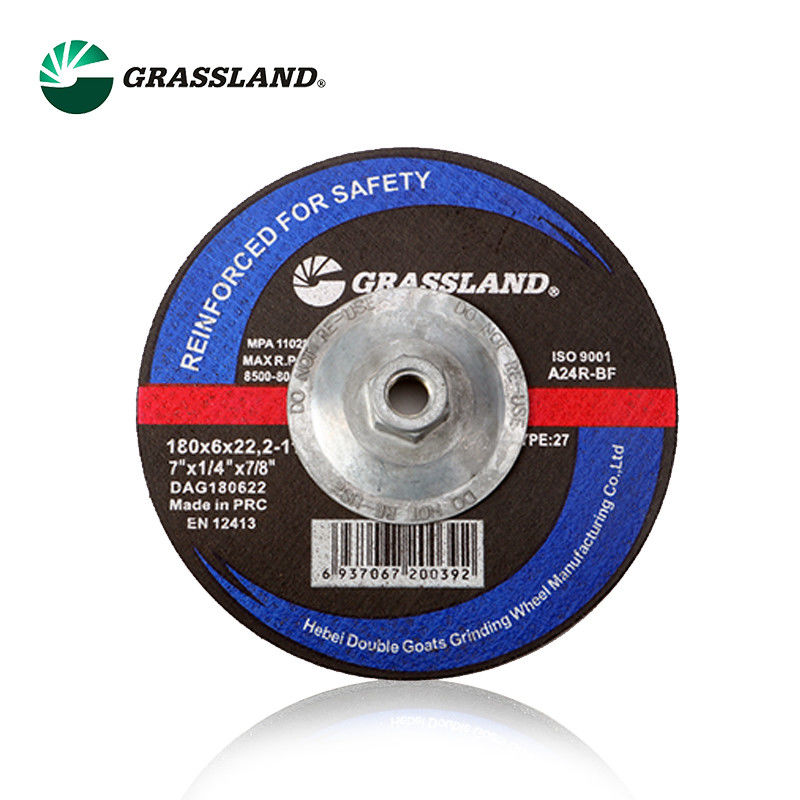
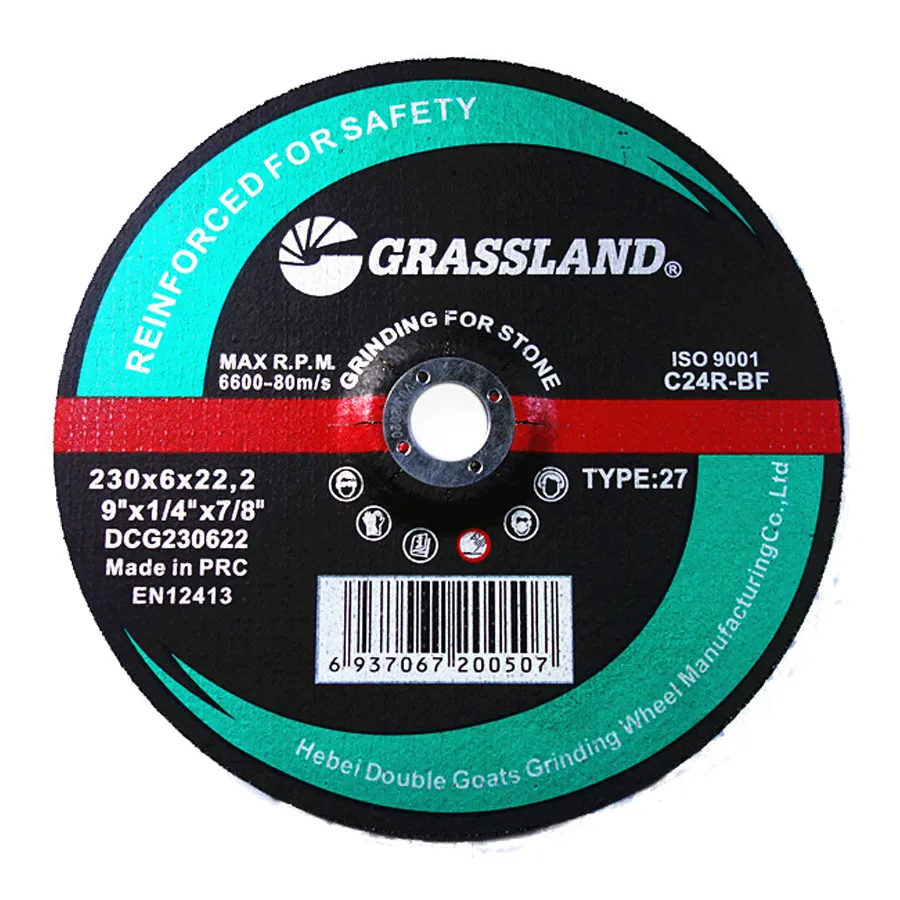
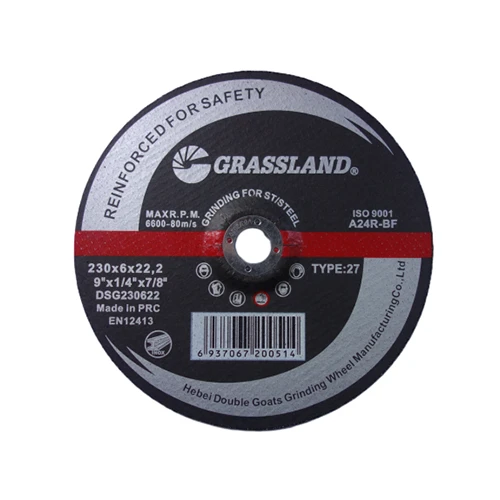
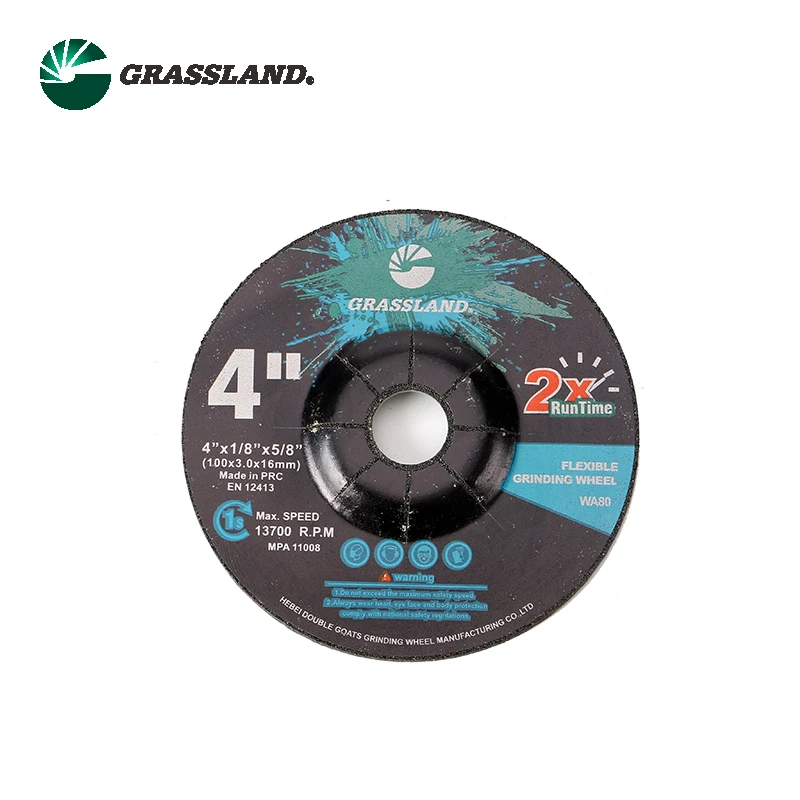
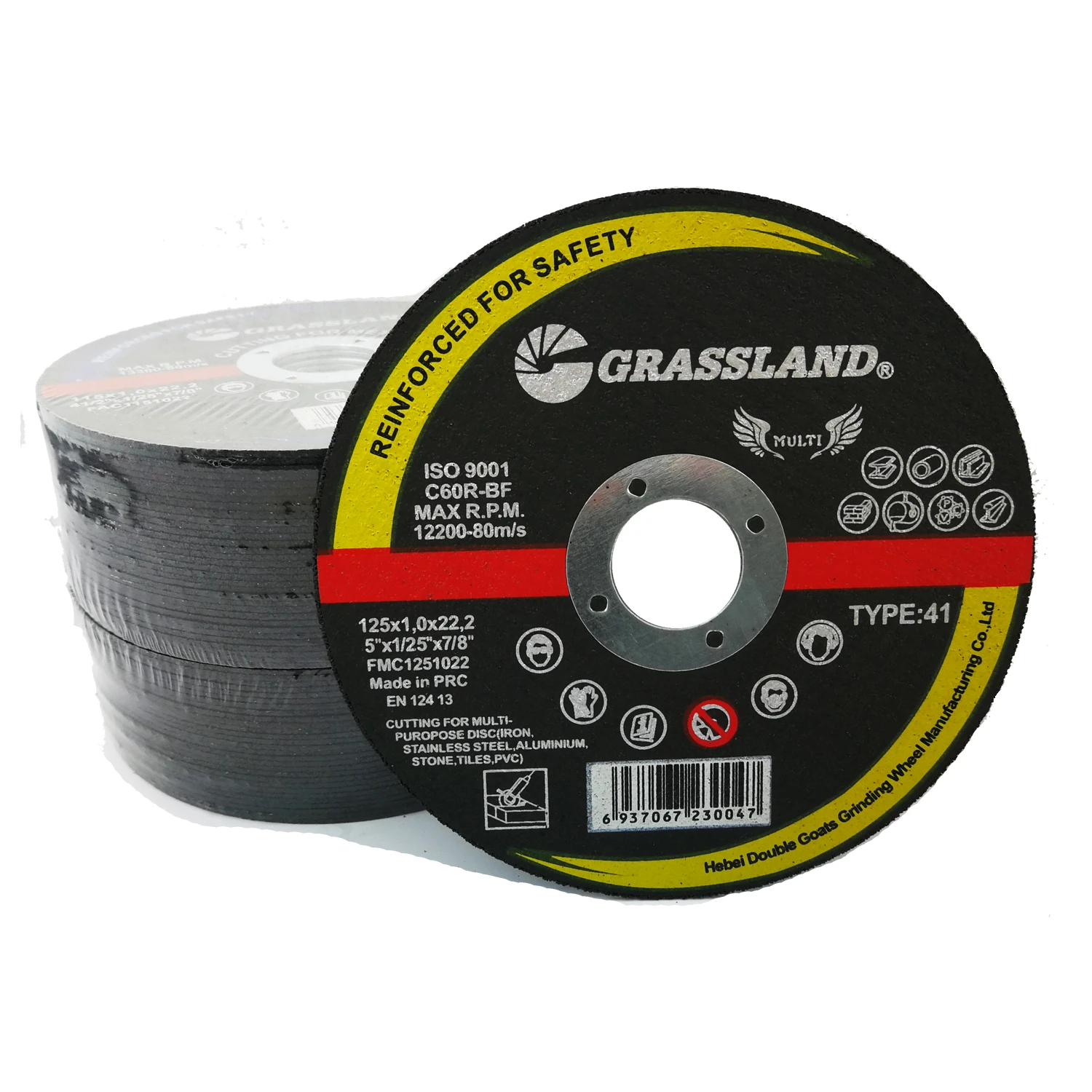
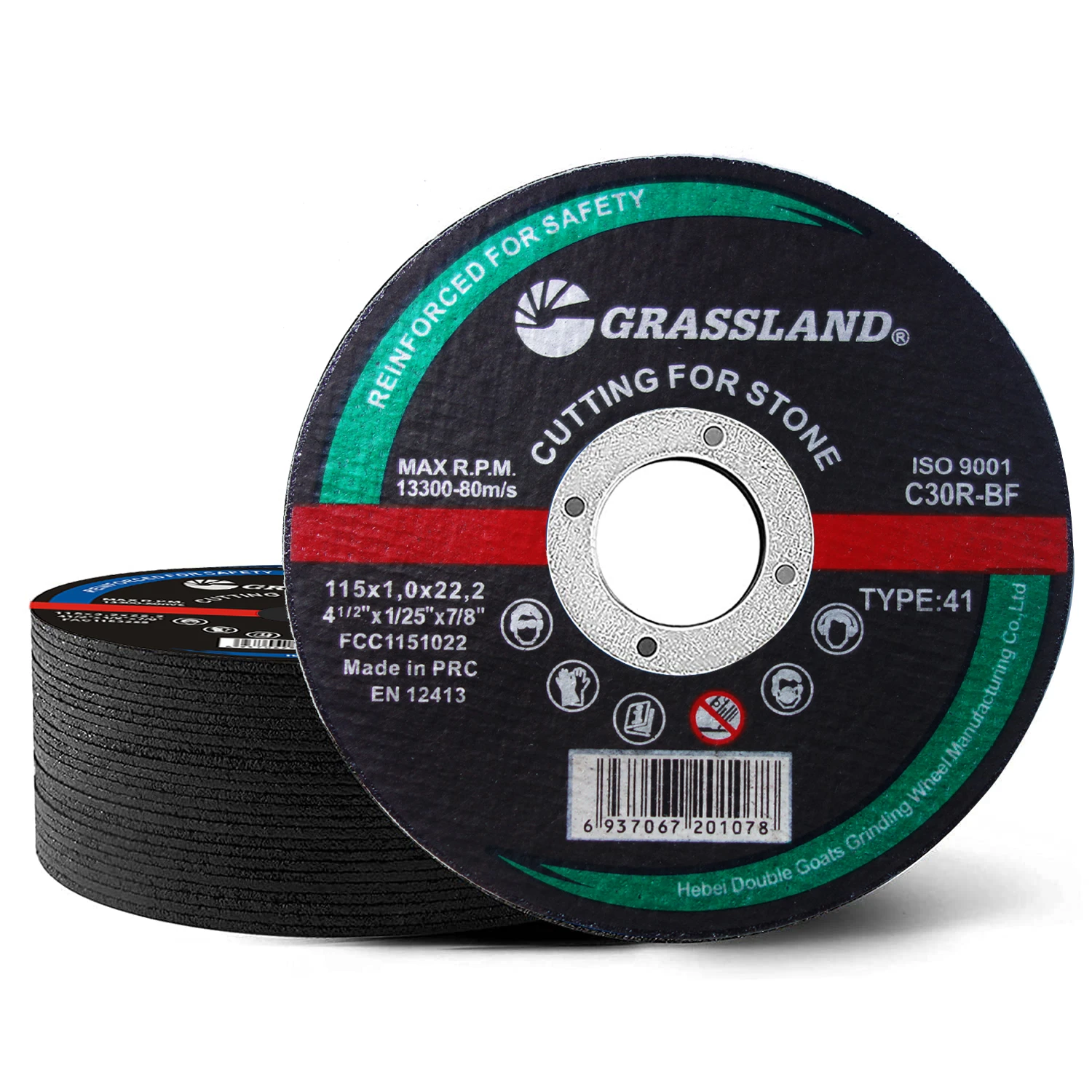
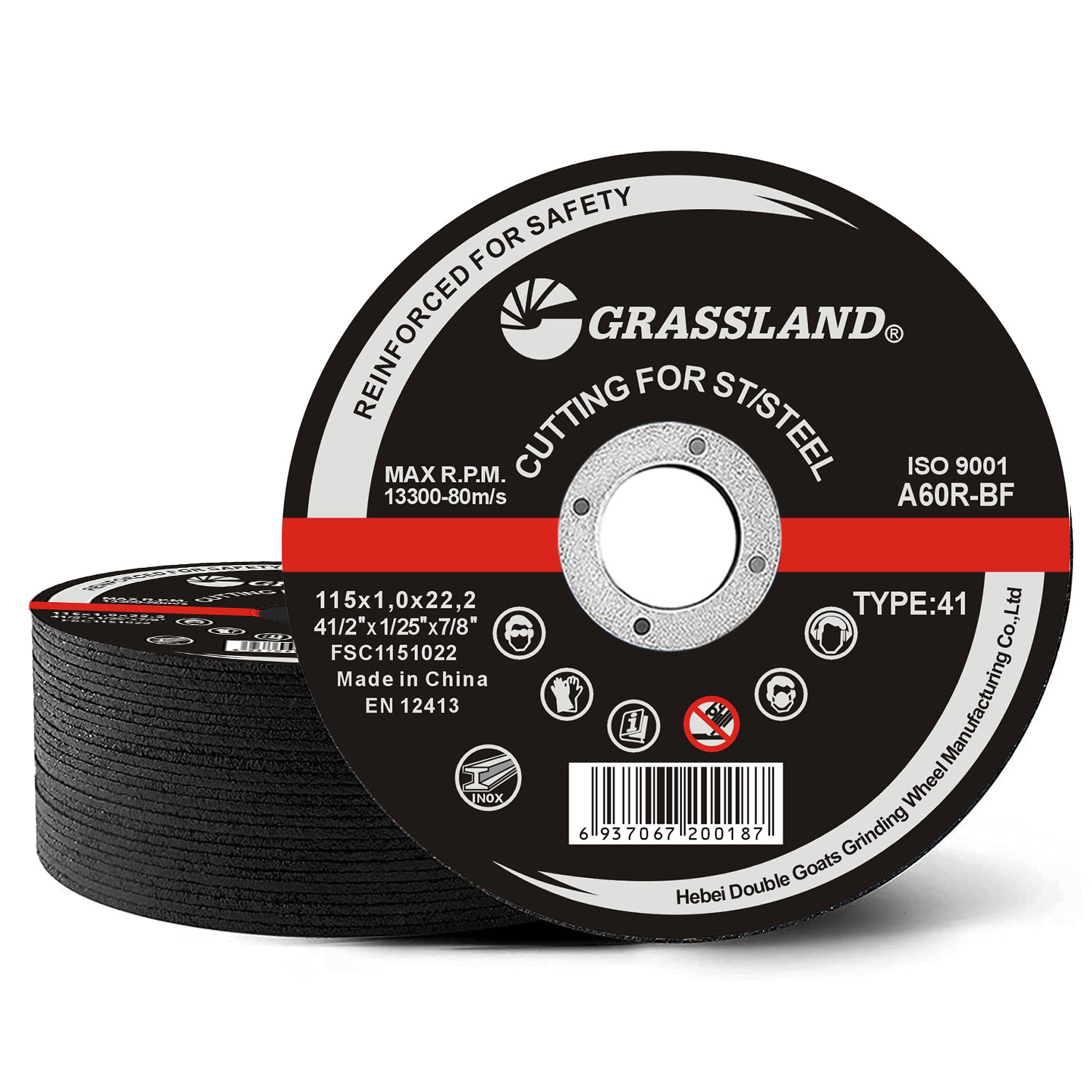
In simple terms, an angle grinder disc for steel is a circular, abrasive or cutting wheel mounted on an angle grinder, specifically engineered to cut, grind, or polish steel materials. Think of it as the tough apron a worker wears at the factory door — designed to handle the heat, stress, and sparks flying off a steel beam on a grinder bench.
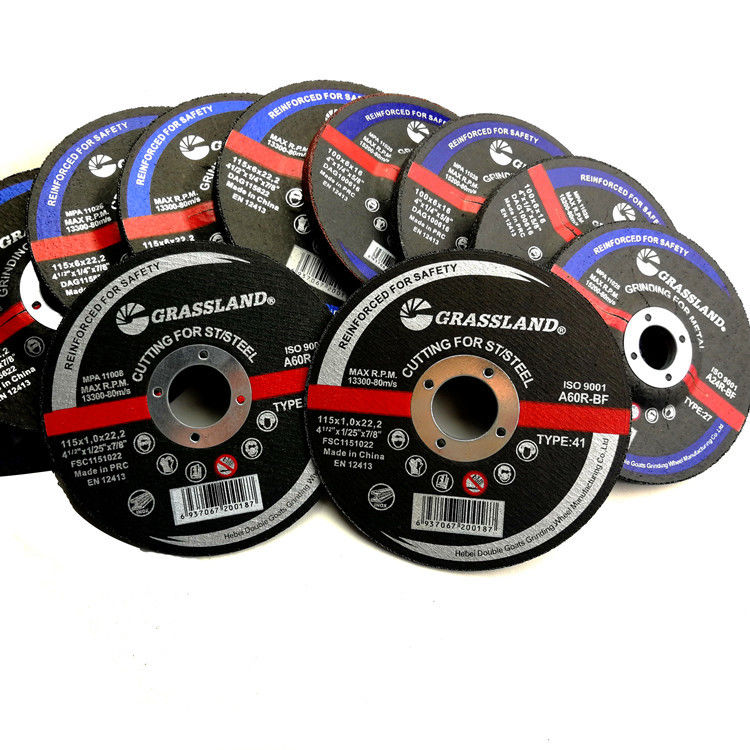
These discs come in many varieties, tailored for specific tasks: from slicing thick steel rods to smoothing sharp welds, or even shaping thin sheets. In humanitarian terms, efficient steel processing means faster construction of emergency shelters or critical infrastructure.
Key Factors to Consider When Choosing an Angle Grinder Disc for Steel
1. Durability and Wear Resistance
Steel is unforgiving. The right disc wears down slower, balancing aggressiveness with lasting power. Discs made from high-grade abrasive materials like zirconia alumina or ceramic blends tend to outlast basic aluminum oxide discs, especially in heavy-duty applications.
2. Cutting Efficiency
The cutting speed affects how quickly a worker can finish a job — but too aggressive, and you risk overheating both disc and steel, leading to deformation or faulty edges. Many professionals look for discs that optimize this balance.
3. Safety Features
Angle grinder discs that meet international safety standards (e.g., ISO 603:2021) help prevent accidents from disc failure or kickbacks. Features like reinforced mesh and improved bonding agents play a crucial role here.
4. Cost Efficiency
While premium discs cost more upfront, their lifespan and performance often mean fewer replacements and less downtime, saving money in the long run. It’s a classic case of “buy once, cry once” vs. “buy cheap, replace often.”
5. Compatibility and Versatility
Some discs fit specific grinders or tasks better. For instance, thinner discs offer precision cutting but may wear out faster, while thicker ones handle tougher jobs but sacrifice finesse.
Mini takeaway:
Durability, cutting speed, safety compliance, and cost combine into a subtle dance of trade-offs — choosing the right angle grinder disc for steel depends on understanding all these elements together.
Global Applications & Real-World Use Cases
The marvel is how aggressively versatile this tool component is worldwide:
- Construction in Asia: Rapid urbanization in cities like Mumbai or Jakarta relies heavily on angle grinder discs to cut and shape steel quickly onsite.
- Shipbuilding in Northern Europe: Precision cutting discs help in crafting tight steel assemblies required for hulls and superstructures.
- Disaster recovery efforts: NGOs utilize portable grinders with appropriate discs to dismantle debris and fabricate temporary shelters after earthquakes or floods.
- Automotive repairs worldwide: Body shops use specialized discs to smooth welds and cut rusted panels efficiently.
Advantages & Long-term Value of Using the Right Discs
Many engineers I’ve spoken with note that the ideal angle grinder disc for steel boosts confidence on the job. Workers trust their equipment’s precision, which decreases errors and accidents. The discs’ durability means fewer replacements, reducing material waste and environmental footprint (a big deal for green-conscious companies).
Emotional benefits include peace of mind and dignity — knowing the tool is reliable, helps maintain safety protocols, and produces quality results. That’s no small thing in demanding fields where every hour and every cut counts.
Product Specification Table
| Specification | Standard Disc | Premium Zirconia Disc | Ceramic Reinforced Disc |
|---|---|---|---|
| Diameter | 115 mm | 125 mm | 125 mm |
| Thickness | 1.2 mm | 1.0 mm | 1.3 mm |
| Max RPM | 13,300 | 12,200 | 13,300 |
| Material Compatibility | Mild/Carbon Steel | Stainless & Alloy Steel | High-Strength/Tough Steel |
| Estimated Lifespan (cuts) | ~50 | ~120 | ~100 |
| Price (per disc) | $5 | $12 | $14 |
Vendor Comparison: Picking Your Partner for Angle Grinder Discs
| Vendor | Disc Types Offered | Price Range | Global Shipping | Customer Support | Safety Certifications |
|---|---|---|---|---|---|
| XCut Tools | Standard, Premium, Ceramic | $4 - $15 | Worldwide | 24/7 Live Chat | ISO 603, EN 12413 |
| SteelPro Discs | Standard, High-Speed, Stainless | $5 - $18 | EU & Americas | Email & Phone Support | ISO 9001, EN 12413 |
| GrindMaster | Premium Zirconia, Ceramic | $10 - $20 | Selected Countries | Dedicated Account Managers | ISO 603, CE Certified |
Looking Ahead: Future Trends in Steel Angle Grinder Discs
Oddly enough, while discs look rather basic, there’s a surge in innovation here. New eco-friendly bonding agents reduce hazardous dust, cutting emissions that traditionally plagued workspaces. Manufacturers are experimenting with digital balancing technology — sensors embedded in discs could soon enhance stability and safety by real-time monitoring spin and wear.
Automation and AI will likely inform customization: your grinder telling you the perfect disc type or replacement time based on usage patterns. This is particularly handy in large industrial settings where a single lost minute translates to big money.
Challenges & Practical Solutions
One common gripe: discs can fail unexpectedly, especially if misused or substandard. The solution involves stricter quality control, more robust training, and choosing vendors with proven certifications and testing rigor. Also, safe storage to prevent moisture absorption or damage is key but often overlooked.
FAQs About Angle Grinder Disc for Steel
- Q: How can I tell if an angle grinder disc is suitable for stainless steel?
A: Look for discs labeled for “stainless steel” or “alloy steel” — usually made with zirconia or ceramic abrasives. They resist heat build-up and avoid discoloring the steel surface. - Q: What is the safest RPM speed for cutting steel with an angle grinder disc?
A: Always adhere to the disc’s maximum RPM rating, often around 12,200 to 13,300 RPM. Exceeding it risks disc shattering, so match the grinder and disc specs carefully. - Q: Can I reuse a grinding disc after one job?
A: It depends on wear; inspect for cracks or uneven edges. Usually, discs have a limited lifespan measured in cuts or grinding hours. Don’t gamble on safety. - Q: Are there angle grinder discs adapted for environmental sustainability?
A: Yes, some discs use eco-friendly resins and produce less hazardous dust, improving operator safety and reducing environmental footprint.
Wrapping It Up
In real terms, the angle grinder disc for steel may seem like a small cog in the industrial machine, but it’s anything but trivial. Its quality impacts cost, safety, environmental impact, and overall project success — whether you’re tackling steel beams in a skyscraper or emergency repairs in a remote village. For those looking to upgrade their toolkit, exploring reliable discs and trusted vendors is worth every minute.
Thinking about your next purchase? Visit angle grinder disc for steel for a broad selection of high-quality discs designed to match your project’s exact needs.
References
Post time:Dec - 01 - 2025