Grinding machine wheel types are fundamental to modern manufacturing and materials processing. They dictate the precision, efficiency, and quality of numerous industrial operations, from automotive component finishing to aerospace engineering. Understanding the nuances of different wheel types is not merely a technical exercise; it's crucial for optimizing performance, ensuring worker safety, and minimizing costs. The global demand for high-precision manufacturing continues to drive innovation in grinding wheel technology.
The importance of selecting the correct grinding machine wheel types extends far beyond simple material removal. It directly impacts surface finish, dimensional accuracy, and tool life. With the rise of automation and Industry 4.0, the integration of smart grinding wheels with sensors and data analytics is becoming increasingly prevalent, offering real-time monitoring and adaptive grinding parameters. These advancements are reshaping the landscape of manufacturing, requiring a thorough grasp of wheel characteristics and applications.
Choosing the appropriate grinding machine wheel types is a key factor in maintaining productivity and achieving desired results. This knowledge is vital for anyone involved in machining, metalworking, or related fields. Proper wheel selection translates to reduced downtime, improved part quality, and maximized profitability, making it a cornerstone of efficient operations.
Introduction to grinding machine wheel types
The selection of grinding machine wheel types is far more complex than simply choosing a wheel that fits the machine. It involves a deep understanding of the workpiece material, the desired surface finish, the grinding process itself, and the wheel’s abrasive grain, bond type, and grit size. Abrasive technology is constantly evolving to meet the demands of increasingly complex manufacturing processes.
Properly selected grinding machine wheel types not only improve the quality of the finished product but also contribute significantly to the overall efficiency and cost-effectiveness of the manufacturing process. Incorrect wheel selection can lead to premature wheel wear, poor surface finish, increased cycle times, and even damage to the workpiece. It's a fundamental aspect of precision machining.
Defining grinding machine wheel types
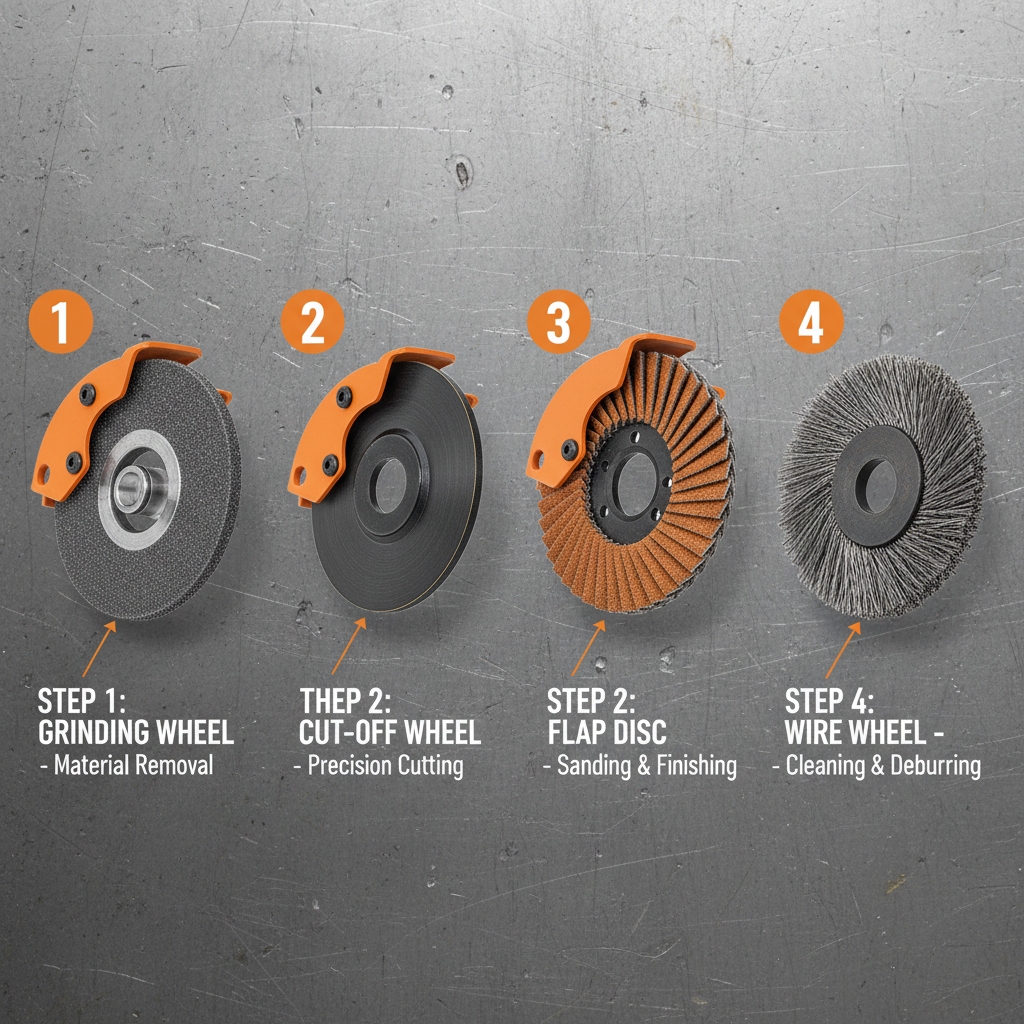
Grinding machine wheel types are abrasive tools used in machining processes to remove material from a workpiece through abrasion. These wheels are typically composed of abrasive particles held together by a bonding agent. Unlike cutting tools that rely on sharp edges, grinding wheels remove material through the combined action of numerous small abrasive grains.
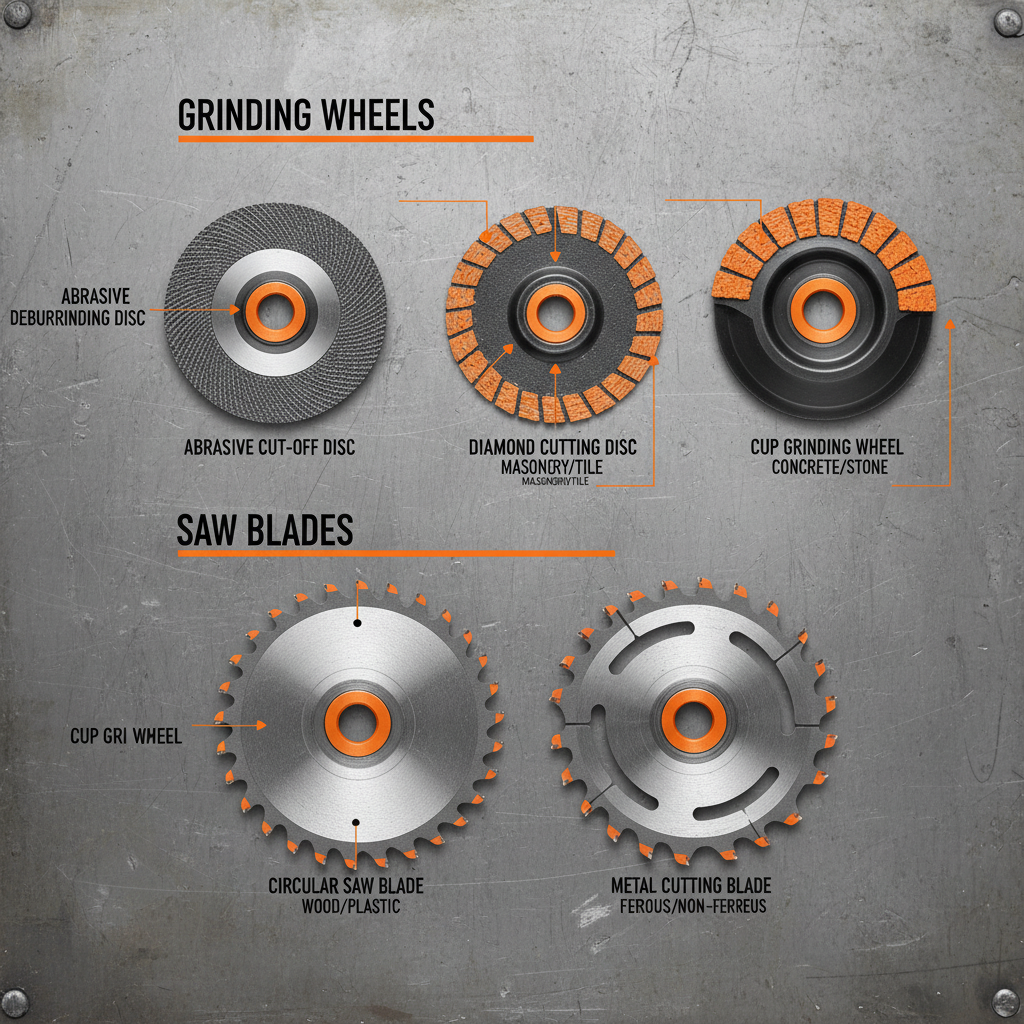
They come in a vast array of configurations, tailored to specific applications. Factors defining these types include the abrasive material (aluminum oxide, silicon carbide, diamond, CBN), the bonding agent (vitrified, resinoid, rubber, metal), the grit size (coarse to fine), and the wheel shape. Understanding these elements is crucial for optimizing grinding performance.
The functionality of grinding machine wheel types is pivotal in achieving precise dimensions, tight tolerances, and superior surface finishes that are essential in modern manufacturing processes across multiple sectors. These wheels are vital components in shaping the quality and performance of countless products.
Key Characteristics of grinding machine wheel types
Durability is a primary concern when selecting grinding machine wheel types. A durable wheel maintains its cutting ability for longer, reducing the frequency of wheel changes and minimizing downtime. Durability is influenced by the abrasive grain type, bond strength, and the grinding conditions.
The abrasive grain size, known as the grit, dramatically impacts the grinding process. Coarse grits remove material quickly but leave a rougher surface finish. Fine grits produce a smoother finish but remove material at a slower rate. Selecting the correct grit size is a balancing act between material removal rate and surface finish requirements.
Bonding material plays a vital role. Vitrified bonds are common for general-purpose grinding, while resinoid bonds are preferred for high-speed applications. The bond's strength influences how readily the abrasive grains fracture and expose fresh cutting edges. Bond selection is critical to maximizing wheel life and performance.
Applications Across Industries
The automotive industry heavily relies on grinding machine wheel types for finishing engine components, gears, and transmission parts. Precision grinding is essential for ensuring the reliability and performance of these critical components.
In the aerospace industry, grinding is vital for manufacturing turbine blades, landing gear components, and other high-precision parts. The stringent quality standards of the aerospace sector demand extremely accurate and consistent grinding operations.
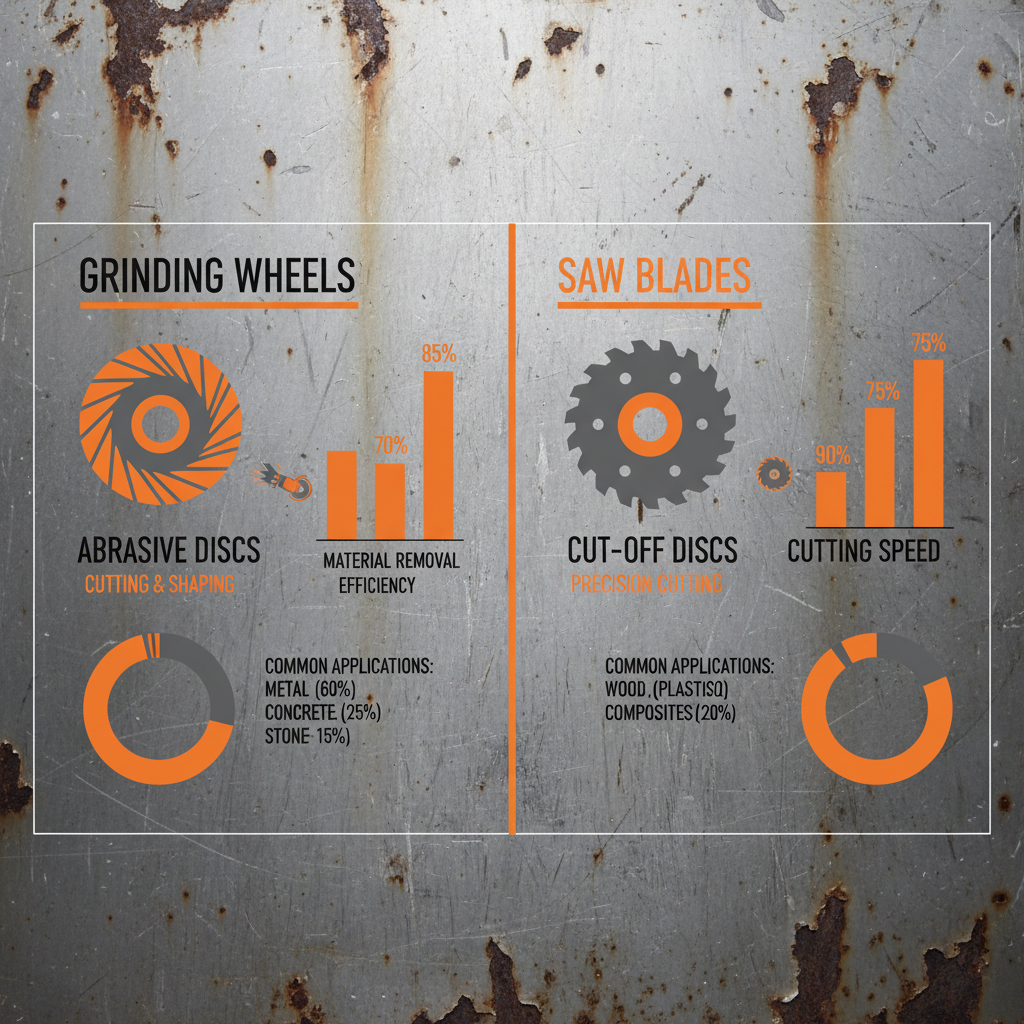
Grinding Wheel Type Performance Comparison
Advantages and Long-Term Value
Using the correct grinding machine wheel types significantly reduces manufacturing costs. By optimizing material removal rates, extending wheel life, and minimizing scrap, companies can achieve substantial savings. This cost-effectiveness is a key driver for adopting advanced grinding technologies.
The consistent quality and precision offered by appropriate wheel selection enhance product reliability and durability. This translates to increased customer satisfaction and reduced warranty claims. A well-ground surface finish is often a critical factor in determining product performance.
Future Trends in grinding machine wheel types
The development of superabrasive grinding wheels, incorporating materials like diamond and cubic boron nitride (CBN), is a major trend. These wheels offer superior wear resistance and can machine extremely hard materials with high precision. The demand for these materials is rapidly increasing.
Smart grinding wheels with integrated sensors and data analytics are gaining traction. These wheels provide real-time feedback on grinding conditions, allowing for adaptive control and optimization of the grinding process. This data-driven approach promises to revolutionize grinding operations.
Sustainable manufacturing practices are driving the development of eco-friendly grinding wheel options. This includes wheels made from recycled materials and processes that minimize waste and energy consumption. The industry is actively seeking ways to reduce its environmental impact.
Challenges and Solutions
One major challenge is selecting the optimal grinding machine wheel types for specific applications, given the vast array of available options. This requires specialized knowledge and experience. Many companies address this by consulting with abrasive suppliers or employing dedicated grinding process engineers.
Wheel wear and dressing are ongoing concerns. Frequent wheel dressing is necessary to maintain grinding performance, but it also reduces wheel life. Innovations in wheel bonding technology and dressing methods are aimed at extending wheel life and minimizing downtime.
Maintaining operator safety is paramount. Grinding operations can generate significant heat, dust, and noise. Implementing proper safety protocols, providing adequate ventilation, and using appropriate personal protective equipment are essential to protect workers.
Summary of grinding machine wheel types Challenges and Mitigation Strategies
| Challenge |
Impact on Operation |
Mitigation Strategy |
Implementation Cost (1-10) |
| Incorrect Wheel Selection |
Poor Surface Finish, Reduced Efficiency |
Expert Consultation, Material Analysis |
4 |
| Premature Wheel Wear |
Increased Downtime, Higher Costs |
Optimize Grinding Parameters, Advanced Wheel Bonds |
6 |
| Wheel Imbalance |
Vibration, Reduced Accuracy |
Dynamic Balancing, Proper Mounting |
2 |
| Insufficient Cooling |
Thermal Damage, Reduced Wheel Life |
Optimized Coolant Application, Proper Flow Rate |
3 |
| Operator Skill Gap |
Inconsistent Results, Increased Errors |
Comprehensive Training Programs, Standard Operating Procedures |
5 |
| Dust & Debris Control |
Health Hazards, Reduced Visibility |
Effective Dust Extraction Systems, PPE |
4 |
FAQS
Vitrified bonded wheels are created using a ceramic bond, providing excellent shape retention and are ideal for applications demanding precision and surface finish. Resinoid bonded wheels utilize organic bonds, offering higher flexibility and shock resistance, making them suitable for high-speed grinding operations and materials prone to cracking. Selecting the correct bond type is crucial for optimal grinding performance.
Grit size refers to the size of the abrasive particles in the wheel. Coarser grits remove material quickly but leave a rougher surface finish. Finer grits produce a smoother finish but have a slower material removal rate. The optimal grit size depends on the workpiece material, desired surface finish, and grinding application. Selecting the right grit is a balancing act between speed and quality.
Always wear appropriate personal protective equipment (PPE), including safety glasses, gloves, and a respirator. Ensure the grinding wheel is properly mounted and balanced. Use a wheel guard to contain debris. Inspect the wheel for cracks or damage before each use. Follow manufacturer’s instructions and adhere to all relevant safety regulations to minimize the risk of injury.
The frequency of wheel dressing depends on several factors, including the wheel material, workpiece material, and grinding conditions. Generally, wheels should be dressed when the grinding process becomes unstable or the surface finish deteriorates. Regular dressing maintains wheel sharpness and ensures consistent grinding performance.
Superabrasive wheels utilize extremely hard abrasive materials like diamond or cubic boron nitride (CBN). They are used for grinding extremely hard materials, achieving very high precision, and extending wheel life. These wheels are typically more expensive than conventional wheels but offer significant advantages in demanding applications.
Troubleshooting often involves assessing several factors: the wheel type, grinding parameters (speed, feed rate, depth of cut), coolant application, and workpiece material. Incorrect parameters or wheel selection can lead to premature wear or poor surface finish. Consulting with an abrasive specialist can provide valuable insights and solutions.
Conclusion
Understanding grinding machine wheel types is fundamental to achieving optimal performance in a wide range of manufacturing processes. From selecting the correct abrasive grain and bond type to optimizing grinding parameters and prioritizing safety, careful consideration of these factors is crucial for maximizing efficiency, reducing costs, and ensuring product quality. The advancements in wheel technology continue to push the boundaries of precision machining.
As manufacturing evolves, the demand for specialized grinding solutions will only increase. By embracing new technologies, such as smart grinding wheels and sustainable materials, and investing in ongoing training and expertise, companies can remain competitive and meet the challenges of the future. Visit our website at cutoffdiscs.com to explore our comprehensive range of grinding wheel types and find the perfect solution for your needs.