Look, I've spent twenty years on construction sites – from bustling city builds to remote infrastructure projects. And let me tell you, one thing always comes up: getting the right cutting tools, specifically grinding discs, and getting them at a reasonable grinding disc price. It's not just about the initial cost, though that’s important, it’s about downtime, disc lifespan, and ultimately, getting the job done safely and efficiently. We're talking about real money when a disc fails mid-cut, or when you’re constantly swapping out worn-out ones. Understanding the factors affecting grinding disc price is critical for any project manager worth their salt.
I’ve seen it all. Guys buying the cheapest discs just to save a few bucks upfront, only to end up spending more in the long run replacing them constantly and dealing with potential hazards. Others overspend on premium discs that don’t even perform well for the specific material they’re cutting. The key is finding the sweet spot – a disc that offers the right balance of durability, performance, and, yes, a fair grinding disc price. It’s about more than just looking at a number; it’s about understanding the total cost of ownership.
Frankly, a lot of guys overlook the long-term implications. They don’t factor in the labor cost of frequent disc changes, the potential for delays, or the risk of damaging the workpiece. This is where knowing what to look for – the grit, the bond, the material – really pays off. A slightly higher initial investment in a quality disc can save you a ton of headaches and money down the line.
The Importance of Understanding grinding disc price
Let’s be clear: construction isn’t a place for cutting corners, literally. The price of a grinding disc is just the starting point. We're talking about safety, efficiency, and the overall profitability of a project. A proper understanding of the factors that drive grinding disc price helps make informed decisions, avoid costly mistakes, and ensures a smoother workflow. Globally, the construction industry spends billions annually on abrasive products. Even a small percentage improvement in disc longevity, achievable by selecting the right disc at the right grinding disc price, translates into massive savings.
I’ve seen projects stalled because crews were using the wrong discs, constantly battling clogging, breakage, and poor cut quality. The delays add up quickly, impacting deadlines and budgets. Knowing what you're paying for, and what you're not paying for, is absolutely essential.
Defining grinding disc price in a Real-World Context
When I talk about grinding disc price, I’m not just talking about the sticker price. It’s the total cost of a cut. That includes the disc itself, the time it takes to make the cut, the power consumed by the grinder, and the cost of replacing the disc when it wears out. Think of it as a cost-per-cut metric. A cheaper disc that needs replacing every few minutes isn’t cheap at all. In modern industrial applications, optimizing this price point is a significant aspect of lean construction methodologies, improving efficiency and reducing waste.
It’s also about considering the material being cut. A disc designed for steel won't perform well on concrete, and vice versa. Using the wrong disc for the job not only increases wear and tear but can also create safety hazards. Choosing the right disc for the application, at a reasonable grinding disc price, is a fundamental aspect of responsible construction practices.
Frankly, it ties directly into the sustainability goals many projects are adopting. Fewer disc changes mean less waste, less energy consumption, and a smaller environmental footprint.
Core Factors Influencing grinding disc price
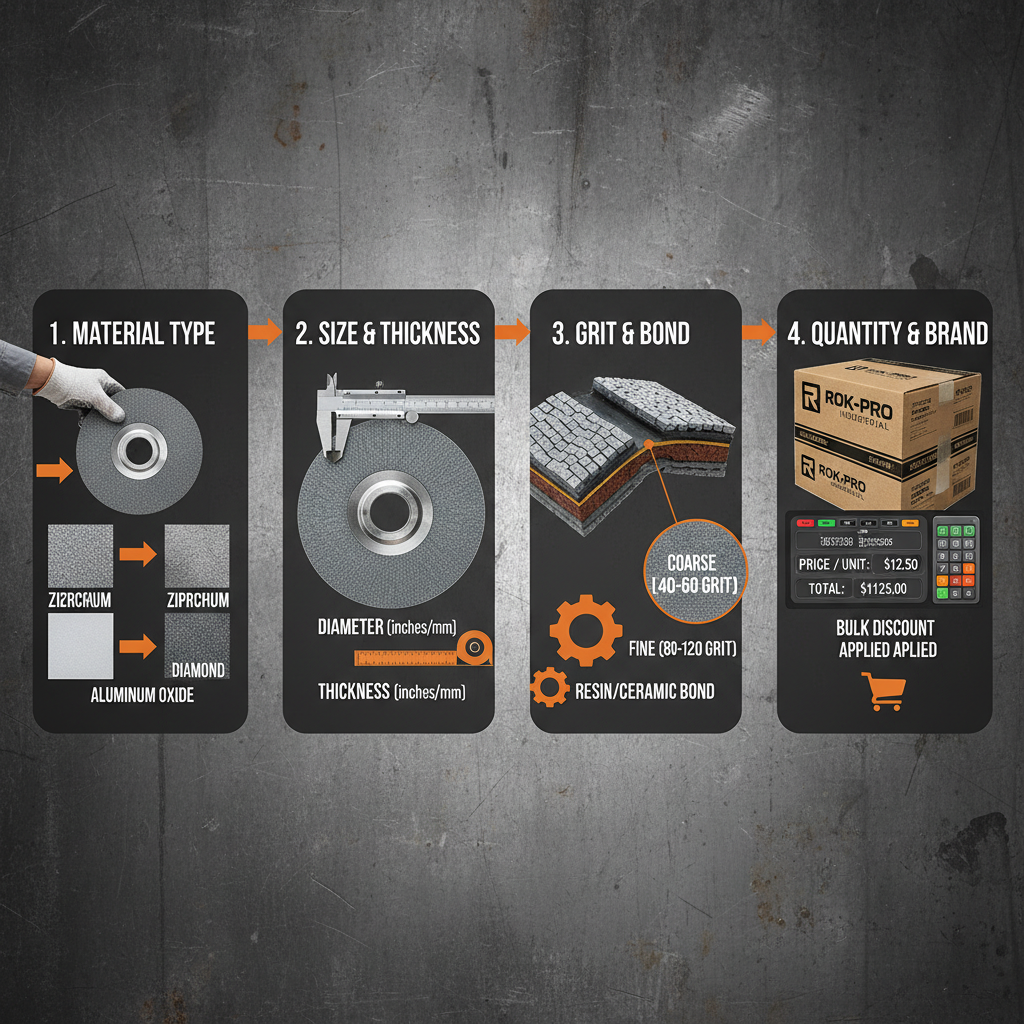
Several key factors dictate the grinding disc price. First is the abrasive grain – typically aluminum oxide, silicon carbide, or ceramic. Ceramic discs are generally the most expensive but offer the longest life and best performance, particularly on harder materials. Second is the bond – the material holding the abrasive grain together. Resin bonds are common and offer a good balance of cost and performance, while vitrified bonds are used for more precise grinding applications.
The disc’s construction also plays a role. Reinforced discs are more durable and less prone to breakage, justifying a higher grinding disc price. Finally, brand reputation and supplier markup obviously influence the price. Established brands often command a premium, but their quality and consistency can justify the expense.
Don’t forget about the grit size. Coarser grits cut faster but leave a rougher finish, while finer grits provide a smoother finish but cut slower. Selecting the right grit for the application is crucial for optimizing performance and minimizing disc wear, and consequently, overall grinding disc price.
Applications and Use Cases Based on grinding disc price
You’ll find different grinding disc price points depending on the application. For rough cutting of rebar on a large-scale infrastructure project, you might opt for a cheaper, high-volume disc, accepting a shorter lifespan. In post-disaster relief operations, where speed is critical, a slightly more expensive, longer-lasting disc could be more cost-effective in the long run.
In remote industrial zones, where access to replacements is limited, investing in high-quality, durable discs is a must, even if it means paying a higher initial grinding disc price. Precision metal fabrication demands high-quality discs, requiring a higher price point to achieve the necessary finishes and tolerances.
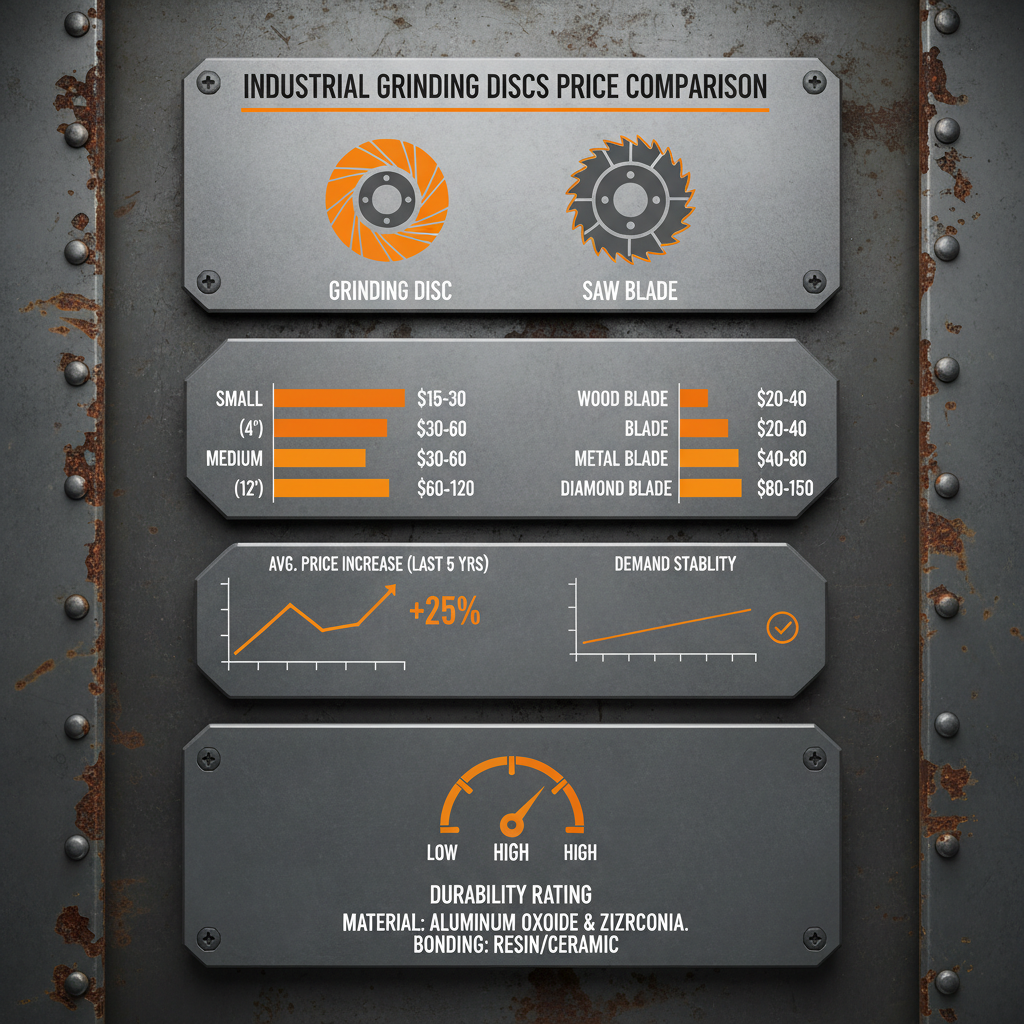
Comparison of grinding disc price Based on Application
Advantages and Long-Term Value of Optimized grinding disc price
Investing in the right discs, even if they have a slightly higher initial grinding disc price, brings tangible benefits. Reduced downtime is a big one. Fewer disc changes mean more cutting time, leading to increased productivity and faster project completion. This translates directly into cost savings and improved profitability.
The safety aspect is also crucial. Higher-quality discs are less prone to breakage, reducing the risk of injuries to workers. Plus, a consistent cutting performance leads to more accurate work and reduces the need for rework, saving both time and materials.
Global Trends Impacting grinding disc price
We’re seeing a shift towards more sustainable abrasive products, with manufacturers developing discs that last longer and generate less waste. This is driving innovation in abrasive grain technology and bonding materials. Increased automation in construction is also impacting grinding disc price, as robotic cutting systems demand discs with consistent performance and reliability.
Digital transformation is also playing a role, with sensors and data analytics being used to monitor disc wear and optimize cutting parameters. This allows for predictive maintenance and reduces the risk of unexpected failures. The move towards greener construction practices is pushing demand for eco-friendly grinding disc options.
Supply chain disruptions, like we saw during the pandemic, also have a significant impact on price and availability.
Challenges and Solutions Related to grinding disc price
One of the biggest challenges is the lack of standardization in disc labeling. It can be difficult to compare discs from different manufacturers and determine which one offers the best value for money. A solution would be a more standardized rating system that clearly indicates disc performance and durability.
Another challenge is the prevalence of counterfeit discs, which often perform poorly and can be dangerous. Purchasing from reputable suppliers is essential. Investing in training for workers on proper disc selection and usage can also help mitigate these risks.
Finally, optimizing inventory management is key. Overstocking ties up capital, while understocking leads to delays. Implementing a just-in-time inventory system can help ensure that the right discs are available when needed, at the best possible grinding disc price.
Summary of Factors influencing optimal grinding disc price
| Disc Type |
Material Cut |
Lifespan Rating (1-10) |
Average grinding disc price (USD) |
| Aluminum Oxide |
Mild Steel |
6 |
2.50 |
| Silicon Carbide |
Concrete |
7 |
4.00 |
| Ceramic |
Stainless Steel |
9 |
8.00 |
| Diamond |
Tile/Stone |
10 |
15.00 |
| Reinforced Resin |
Cast Iron |
7 |
5.50 |
| Zirconia Alumina |
High-Strength Steel |
8 |
6.75 |
FAQS
Don’t just look at the upfront cost. Consider the material you’re cutting, the required lifespan, the disc’s construction (abrasive grain, bond, reinforcement), and the potential for downtime. A slightly more expensive disc that lasts longer and performs better can often be more cost-effective in the long run. Remember to factor in safety – a disc that’s prone to breakage isn’t a bargain at any price.
Shop around and compare prices from multiple reputable suppliers. Look for discounts on bulk purchases. Don't be afraid to ask suppliers for quotes. Always verify the disc's specifications and ensure it's appropriate for your application. Be wary of suspiciously low prices, as they could indicate counterfeit or substandard products.
Aluminum oxide discs are generally used for ferrous metals like steel, while silicon carbide discs are better suited for non-ferrous metals, concrete, and glass. Aluminum oxide is more aggressive and cuts faster, but silicon carbide is harder and more durable. Choosing the wrong type can significantly reduce disc life and cutting efficiency.
Coarser grits (lower numbers) cut faster but leave a rougher finish and wear down quicker, potentially increasing the overall cost per cut. Finer grits (higher numbers) provide a smoother finish but cut slower. The optimal grit size depends on the application. For rough cutting, a coarser grit is preferred, while for finishing, a finer grit is ideal.
Always use a disc that’s rated for the speed of your grinder. Check the disc for any damage before use. Wear appropriate personal protective equipment (PPE), including safety glasses, gloves, and a dust mask. Never use a disc that’s worn or damaged. Ensure the workpiece is securely clamped before cutting. Always follow the manufacturer's instructions.
Yes, several manufacturers are developing more sustainable abrasive products, utilizing recycled materials and reducing waste. While these may sometimes be slightly more expensive upfront, their longer lifespan and reduced environmental impact can offer long-term cost savings and align with sustainability goals. Look for discs labeled as environmentally friendly or containing recycled content.
Conclusion
Understanding the nuances of grinding disc price goes far beyond simply choosing the cheapest option. It’s about a holistic assessment of factors like material, application, durability, and safety. By carefully considering these elements, construction professionals can optimize their workflows, reduce costs, and enhance project outcomes. The total cost of ownership – encompassing disc lifespan, downtime, and worker safety – is the true measure of value.
Looking ahead, continued innovation in abrasive technology, coupled with a greater emphasis on sustainability and automation, will further transform the landscape of grinding disc selection. Staying informed about these trends and investing in quality products will be crucial for maintaining a competitive edge and ensuring the success of future construction projects. For the best selection and competitive grinding disc price, visit our website today: www.cutoffdiscs.com.