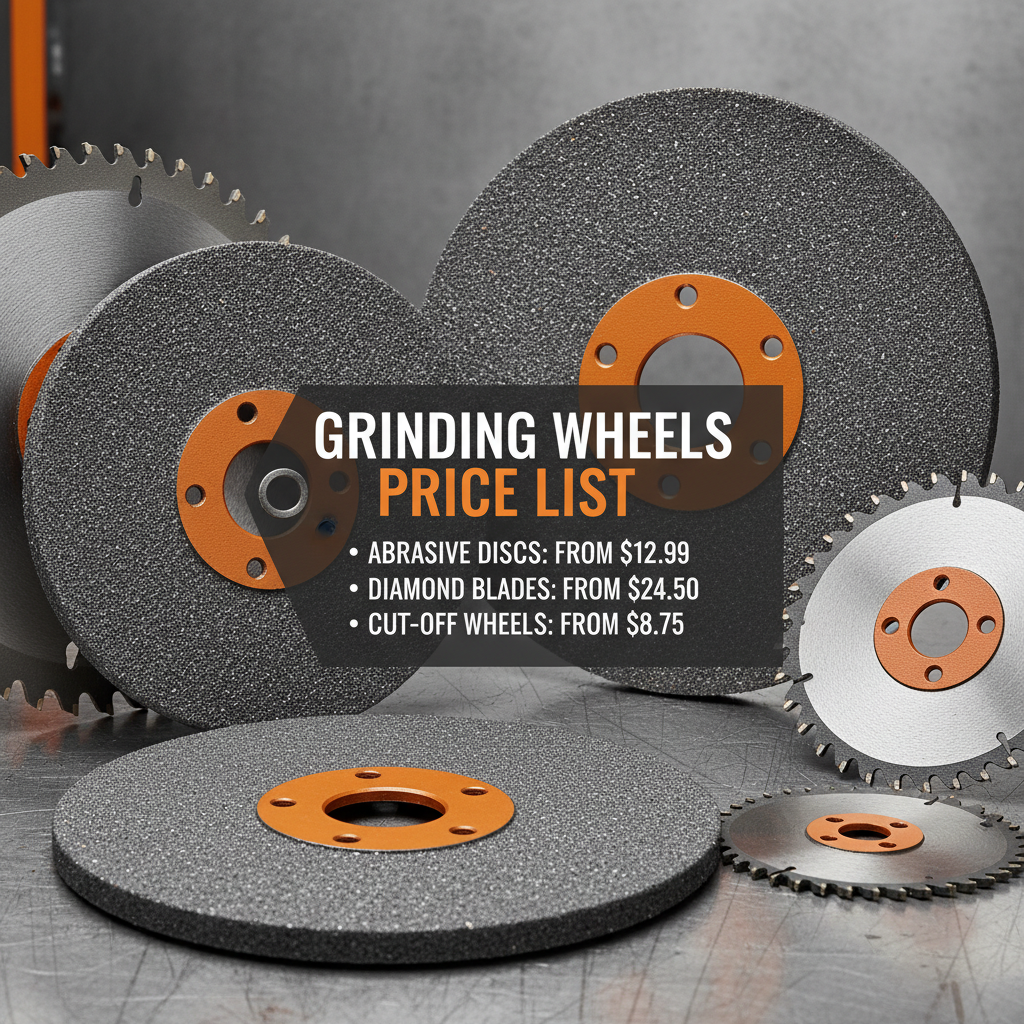
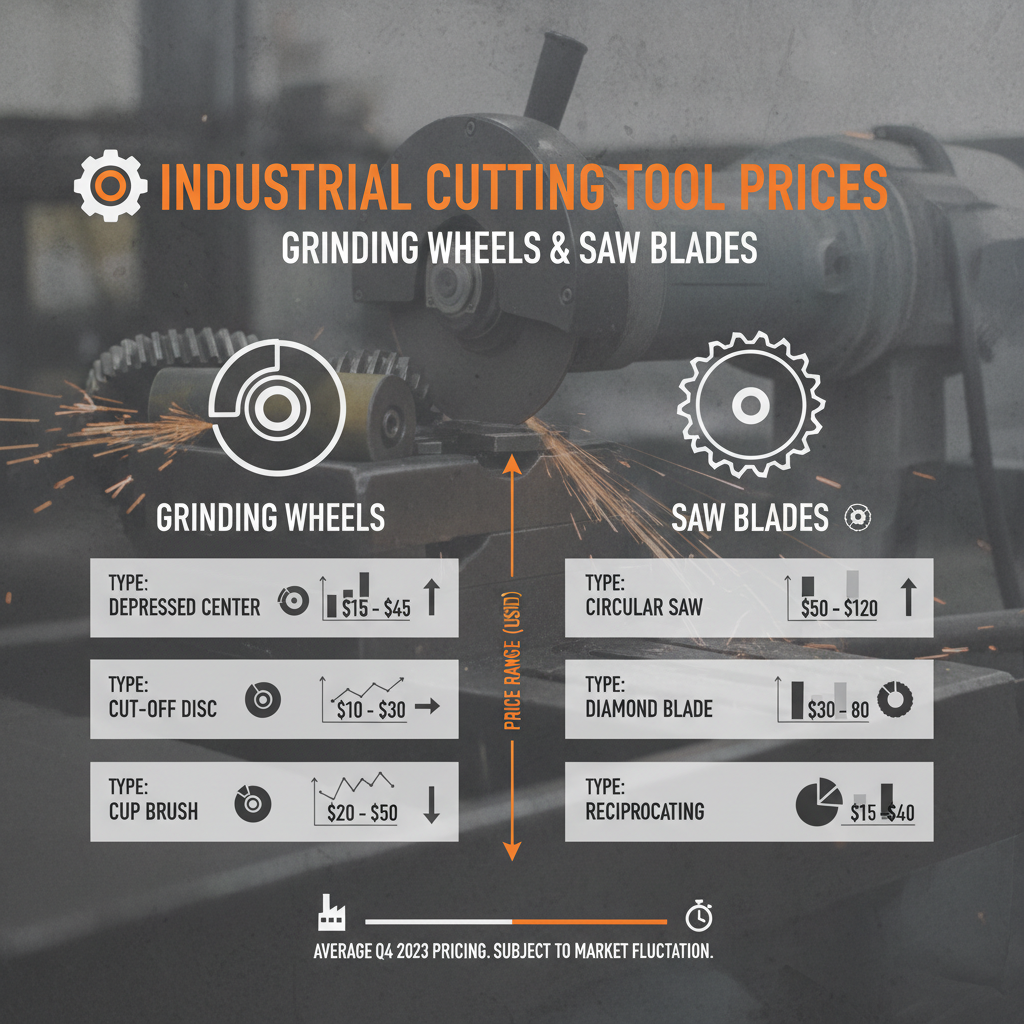
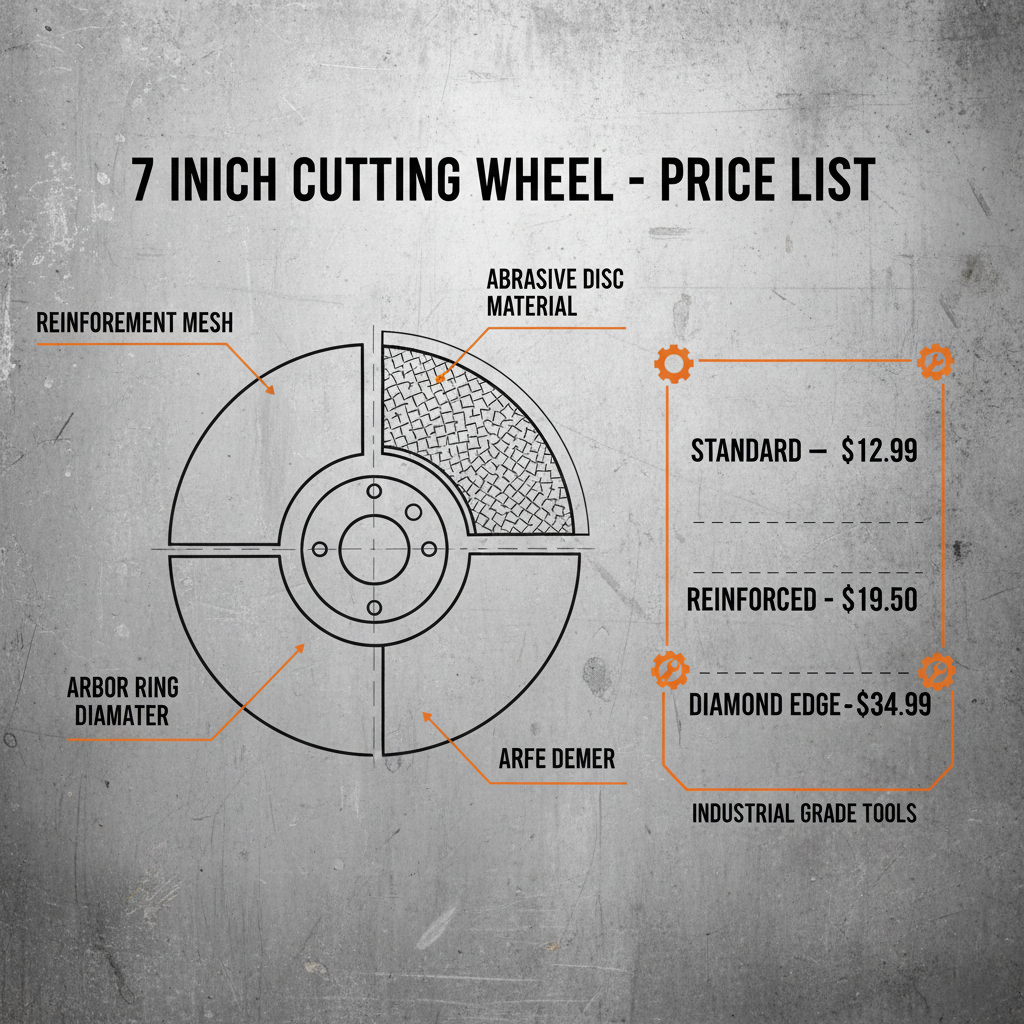
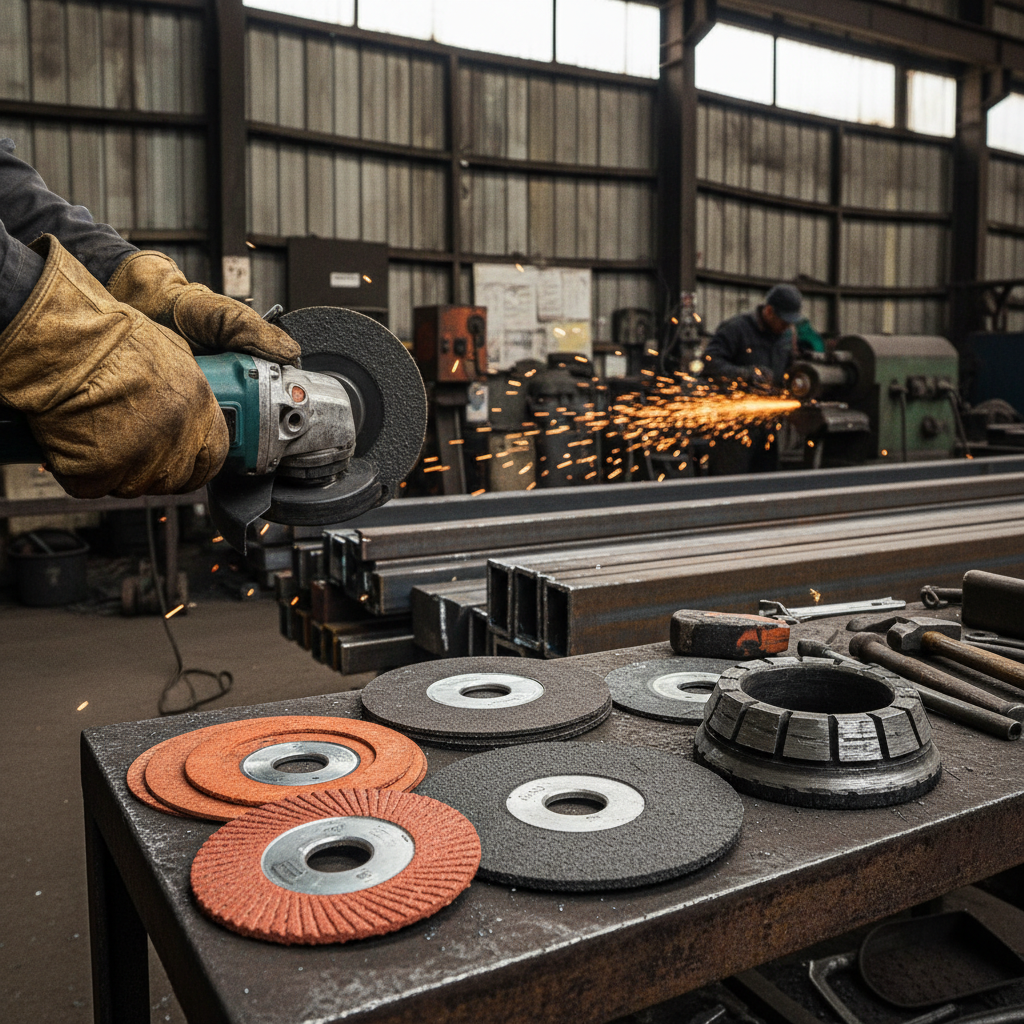
Look, I’ve spent twenty years on construction sites, knee-deep in dust and dealing with every wrench the job throws at you. And one thing I’ve learned is that keeping things moving comes down to the tools you have, and that absolutely includes grinding wheels. It's not just about the initial cost - the grinding wheels price is just the start. It's about how long they last, how consistently they perform, and ultimately, how much downtime you avoid. We’re talking real money and project timelines here.
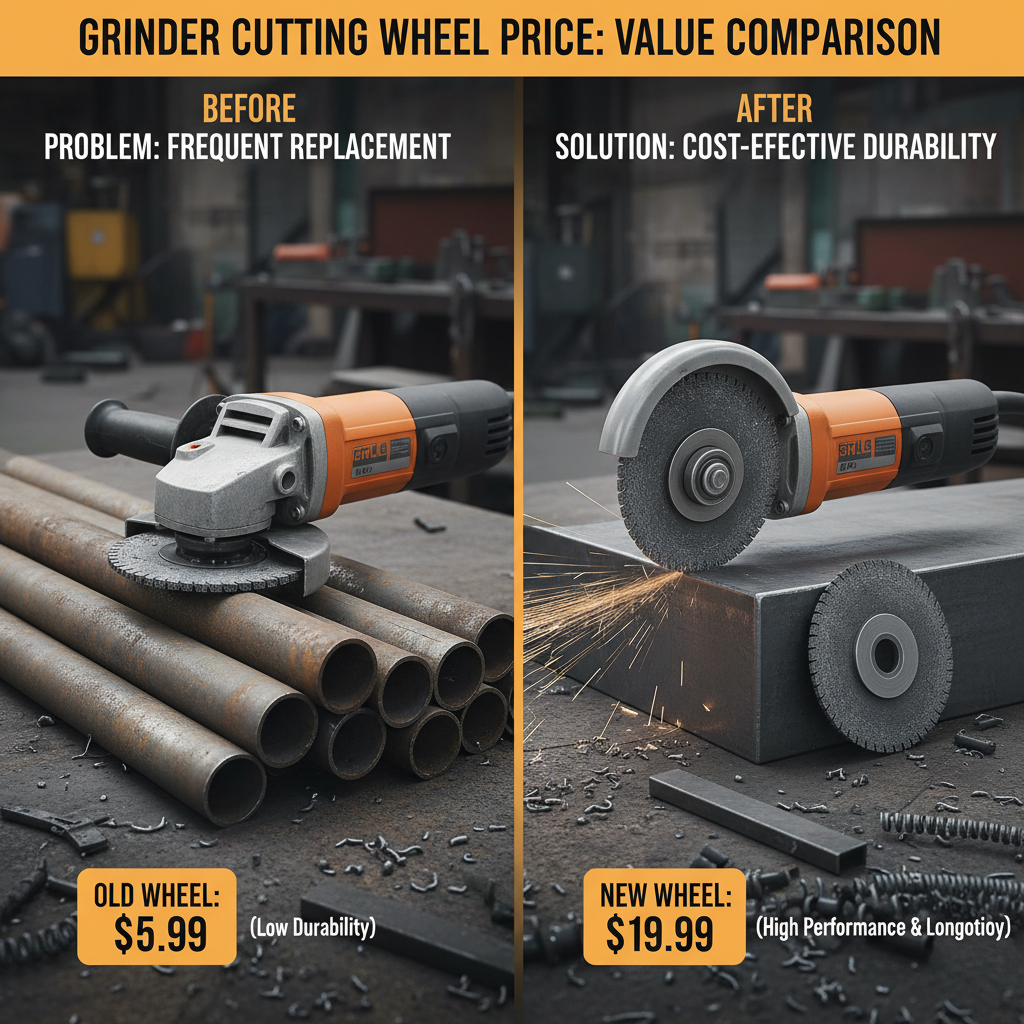
For years, we were stuck with wheels that either wore out too fast, clogged up constantly, or just didn't deliver the finish we needed. It meant more frequent changes, slower work, and frankly, a lot of frustration. Then you start calculating not just the grinding wheels price, but the labor cost of changing them, the lost productivity, and the potential for damage to the workpiece. That’s when you start to see the true cost of a cheap wheel.
These days, thankfully, things are changing. There's a lot more innovation happening with materials and construction, leading to better wheel performance and a real impact on bottom lines. Finding the right balance between grinding wheels price and long-term value is crucial, and it's something I see contractors grappling with every single day.
The Importance of Grinding Wheels Price in Construction
Let's be real - construction isn't a field where you can afford to skimp on essentials. The grinding wheels price isn’t just a line item in a budget; it’s a direct reflection on how efficiently a job can be completed. Every second saved grinding, cutting, or polishing translates to cost savings. And in a competitive market, those savings add up quickly.
I’ve seen too many projects stalled because of poor-quality wheels. It’s not just about the initial frustration; it's about the ripple effect – delays, rework, and a hit to the crew’s morale. Choosing the right wheel at the right grinding wheels price is about minimizing those risks and maximizing productivity.
Defining Grinding Wheels Price: Beyond the Initial Cost
When contractors talk about grinding wheels price, they're often focusing solely on the per-wheel cost. But that’s a short-sighted view. True cost includes factors like wheel lifespan, material removal rate, the amount of downtime for wheel changes, and the quality of the finished product. A cheaper wheel that needs replacing twice as often and leaves a rough finish is ultimately more expensive.
It’s also about considering the type of material you’re working with. Stainless steel requires a different wheel than mild steel or concrete. Using the wrong wheel not only damages the wheel faster but can also damage the material you’re working on. Understanding these nuances is critical to calculating the true grinding wheels price.
And let’s not forget safety. A wheel that breaks apart mid-grind isn’t just a costly problem; it’s a dangerous one. Investing in quality wheels with proper certifications and safety features is non-negotiable, and that’s factored into the overall price too.
Key Factors Influencing Grinding Wheels Price
Several factors play into the grinding wheels price. The abrasive material used – whether it’s aluminum oxide, silicon carbide, or diamond – is a major driver. Diamond wheels are obviously more expensive upfront, but they offer significantly longer life and faster cutting speeds for demanding applications.
The wheel's bond – the material that holds the abrasive grains together – also plays a critical role. Resin bonds are common for general-purpose grinding, while vitrified bonds are preferred for high-precision applications. The harder the bond, the more durable the wheel, but also the slower the cutting speed. Choosing the right bond is a trade-off, and it impacts the grinding wheels price.
Wheel size and thickness also affect the cost. Larger, thicker wheels generally cost more but can handle heavier workloads and provide greater stability. Finally, the manufacturer's brand reputation and quality control processes influence the grinding wheels price – you often get what you pay for.
Global Applications and Industry Specifics of Grinding Wheels Price
The demand for grinding wheels, and therefore the fluctuations in grinding wheels price, is driven by a huge range of industries globally. Shipbuilding in Asia, automotive manufacturing in Europe and North America, and infrastructure projects worldwide all rely heavily on these tools.
In the aerospace industry, for example, precision is paramount, and they’re willing to pay a premium for high-quality diamond grinding wheels that can achieve a flawless finish. Meanwhile, in more general construction, contractors are often focused on finding the most cost-effective solution that still meets their basic requirements.
Even regional differences impact the market. Areas with abundant local steel production tend to have lower grinding wheels price due to increased competition and demand. Shipping costs and import tariffs also play a significant role, particularly in remote industrial zones.
Comparison of Grinding Wheels Price based on Application
Advantages of Investing in Quality Grinding Wheels
Look, I’ve seen guys try to save a buck on wheels, and it always ends up costing them more in the long run. Investing in higher-quality grinding wheels delivers tangible benefits. They last longer, reducing downtime for changes. They cut faster and cleaner, improving productivity and reducing rework.
There’s also a safety aspect. Premium wheels are less likely to shatter or break apart, protecting workers from potential injuries. Plus, the consistency of a high-quality wheel leads to more predictable results, reducing errors and improving the overall quality of the finished product. It’s about peace of mind, knowing you’re not compromising on safety or performance.
Future Trends in Grinding Wheel Technology and Price
We’re seeing a lot of innovation in grinding wheel technology. Manufacturers are developing new abrasive materials that offer longer life and faster cutting speeds. There’s a move towards more automated grinding processes, which require wheels with greater precision and consistency.
Another trend is the development of "smart" wheels with embedded sensors that can monitor wear and tear and provide real-time data on performance. This data can be used to optimize grinding parameters and prevent premature wheel failure. While these advanced wheels may have a higher initial grinding wheels price, the long-term cost savings can be significant.
Sustainability is also becoming a bigger focus. Manufacturers are exploring ways to recycle abrasive materials and reduce waste, which could impact the grinding wheels price in the future.
Addressing Challenges and Optimizing Grinding Wheels Price
One of the biggest challenges is finding the right wheel for the specific application. There’s a huge amount of variety out there, and it can be overwhelming to choose the best option. That’s where a knowledgeable supplier can make a real difference.
Another challenge is preventing wheel damage. Proper storage, handling, and mounting are crucial to maximizing wheel life. Improper use can lead to premature wear, chipping, and even catastrophic failure.
Ultimately, optimizing grinding wheels price comes down to a holistic approach – considering the initial cost, lifespan, performance, safety, and the specific requirements of the job.
Summary of Factors Affecting Grinding Wheel Optimization
| Wheel Type |
Material Compatibility |
Operational Safety |
Cost-Effectiveness Score (1-10) |
| Aluminum Oxide |
Mild Steel, Wood |
Medium |
7 |
| Silicon Carbide |
Cast Iron, Non-Ferrous Metals |
High |
8 |
| Diamond |
Hard Materials, Concrete, Glass |
Very High |
9 |
| Zirconia Alumina |
Stainless Steel, High-Tensile Alloys |
Medium |
6 |
| Ceramic |
High-Nickel Alloys, Superalloys |
High |
8 |
| Mounted Points |
Detail Work, Deburring |
Medium |
7 |
FAQS
Beyond the initial grinding wheels price, the most significant factors are wheel lifespan, cutting speed (material removal rate), frequency of wheel changes, and the labor costs associated with those changes. A seemingly cheaper wheel might end up being more expensive if it requires constant replacement and slows down the workflow.
Identifying the material you’re working with is crucial. Different materials require different abrasive grains and bond types. Consulting with a knowledgeable supplier or referring to a grinding wheel selection guide can help you choose the right wheel. Consider the required finish and the level of precision needed.
Always wear appropriate personal protective equipment (PPE), including safety glasses, gloves, and a dust mask. Inspect wheels for cracks or damage before use. Ensure the wheel is properly mounted and guarded. Never exceed the maximum operating speed specified on the wheel. Follow all manufacturer's instructions and safety guidelines.
The bond holds the abrasive grains together. Harder bonds are more durable and suitable for harder materials, but cut slower. Softer bonds wear faster but offer a faster cutting rate and are better for softer materials. Choosing the right bond is a trade-off between durability and aggressiveness.
Yes, some manufacturers are developing wheels with recycled abrasive materials and exploring ways to reduce waste. Additionally, choosing durable wheels that last longer reduces the frequency of replacements, contributing to a more sustainable approach.
Automated grinding systems often require wheels with greater precision and consistency. While the initial grinding wheels price might be higher, the increased efficiency and reduced waste can lead to significant long-term cost savings. Automation also allows for more controlled grinding, extending wheel life.
Conclusion
Ultimately, the grinding wheels price isn't just a number; it's a reflection of overall efficiency, safety, and quality on the job site. Investing in the right wheels, considering all the factors beyond the initial cost, and prioritizing proper maintenance can save you money, reduce downtime, and improve the quality of your work.
Looking ahead, the future of grinding wheel technology is focused on innovation, sustainability, and integration with automation. Staying informed about these trends and working with a trusted supplier will be crucial to optimizing your grinding processes and maximizing your return on investment. For more information and a wide selection of high-quality grinding wheels, visit our website: www.cutoffdiscs.com.