Understanding the Differences Between Disco de Corte y Desbaste
If you’ve ever worked with metal fabrication or industrial flooring, the terms disco de corte y desbaste diferencia probably come up more than once. But why does it matter? And more importantly, what’s the real benefit of knowing the difference? Globally, manufacturing sectors rely heavily on these cutting and grinding discs to shape, size, and finish materials — from automotive parts to construction steel. Getting the right disc for the job isn’t just a small technicality; it directly affects productivity, safety, and costs.
In real terms, understanding the distinction between cutting discs (discos de corte) and grinding discs (discos de desbaste) can save companies thousands in downtime and prevent equipment damage. So—why waste resources using a cutting disc to grind metal or vice versa when each is designed for very different purposes? Here’s a closer look.
Global Relevance: Why Does This Matter?
The metalworking industry is a cornerstone of development worldwide. According to the World Steel Association, global crude steel production hit over 1.8 billion tonnes in 2023. With such enormous volumes, industrial efficiency hinges on the tools used for processing these metals. And that includes the right choice of abrasive discs.
Plus, safety matters on a global scale. ISO standards on abrasive tools (like ISO 8528) stress correct usage to prevent accidents. When operators confuse cutting and grinding discs, the risk of disc failure skyrockets, sometimes leading to injuries. So understanding disco de corte y desbaste diferencia isn’t just technical—it’s a safety imperative.
What Exactly Are Disco de Corte and Disco de Desbaste?
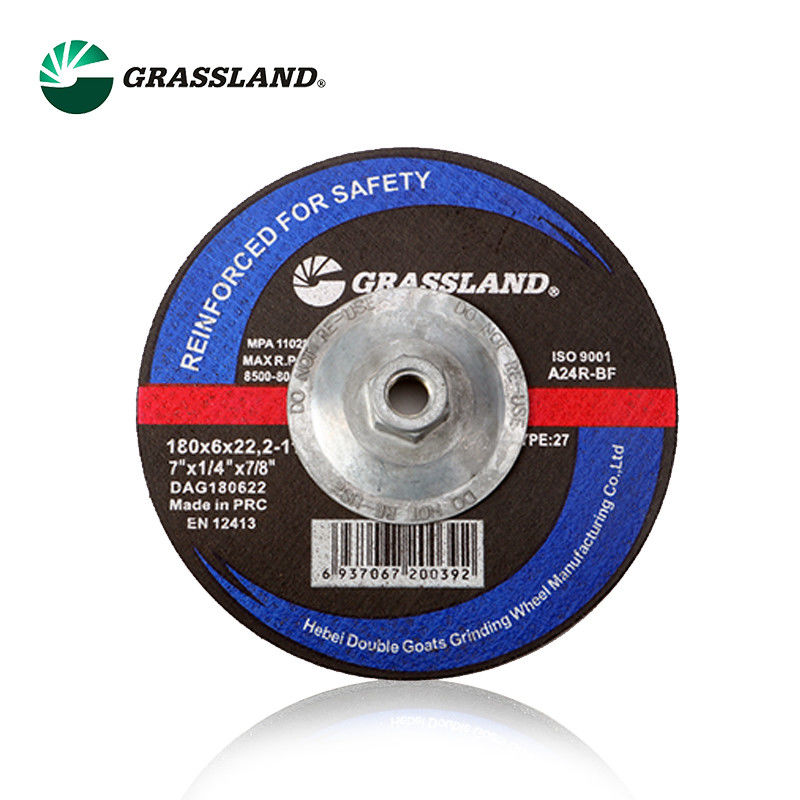
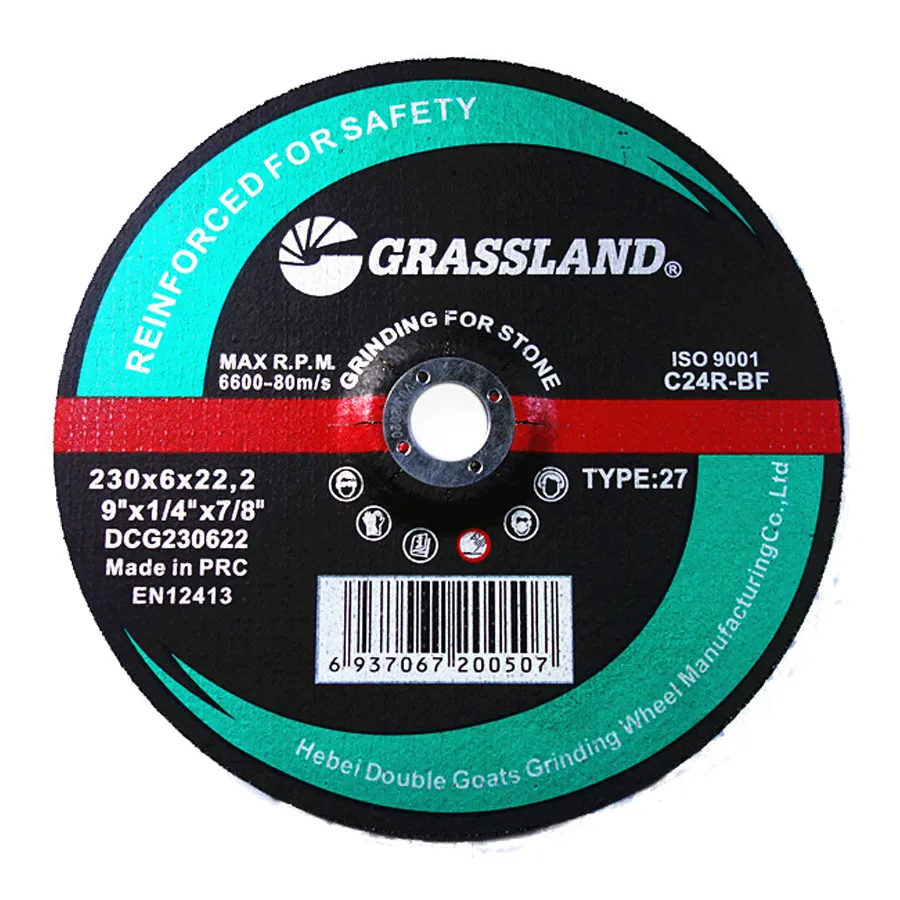
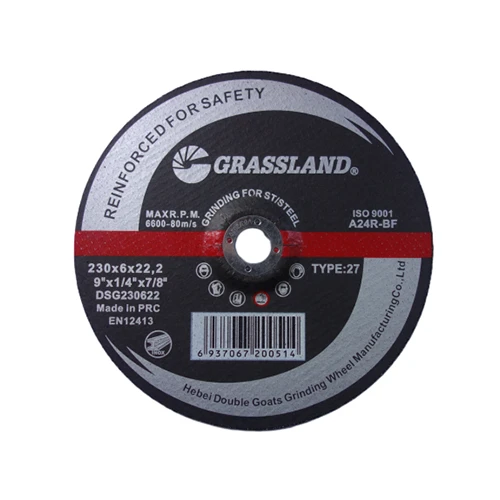
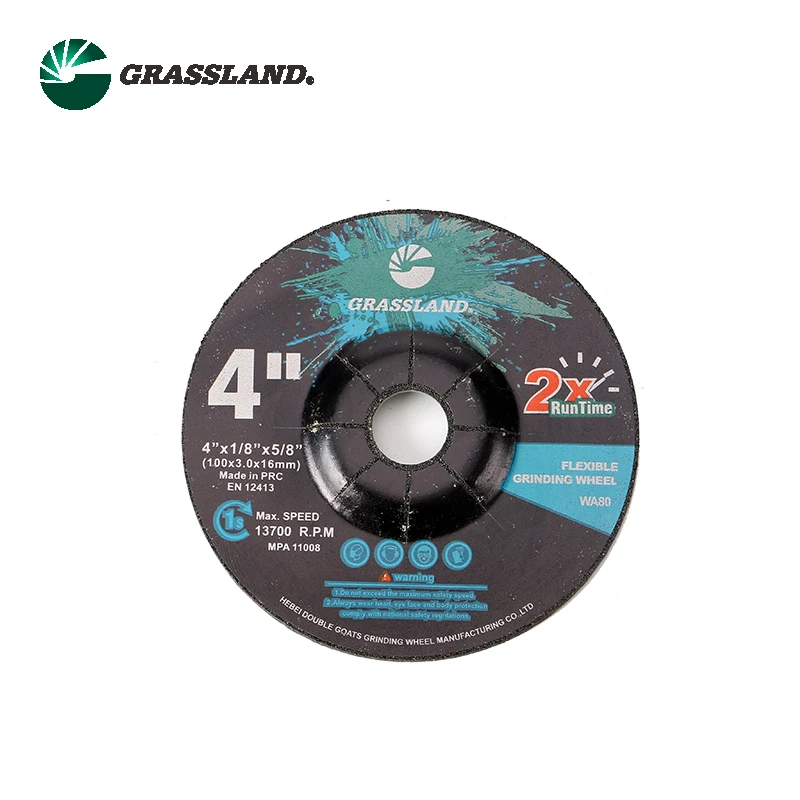
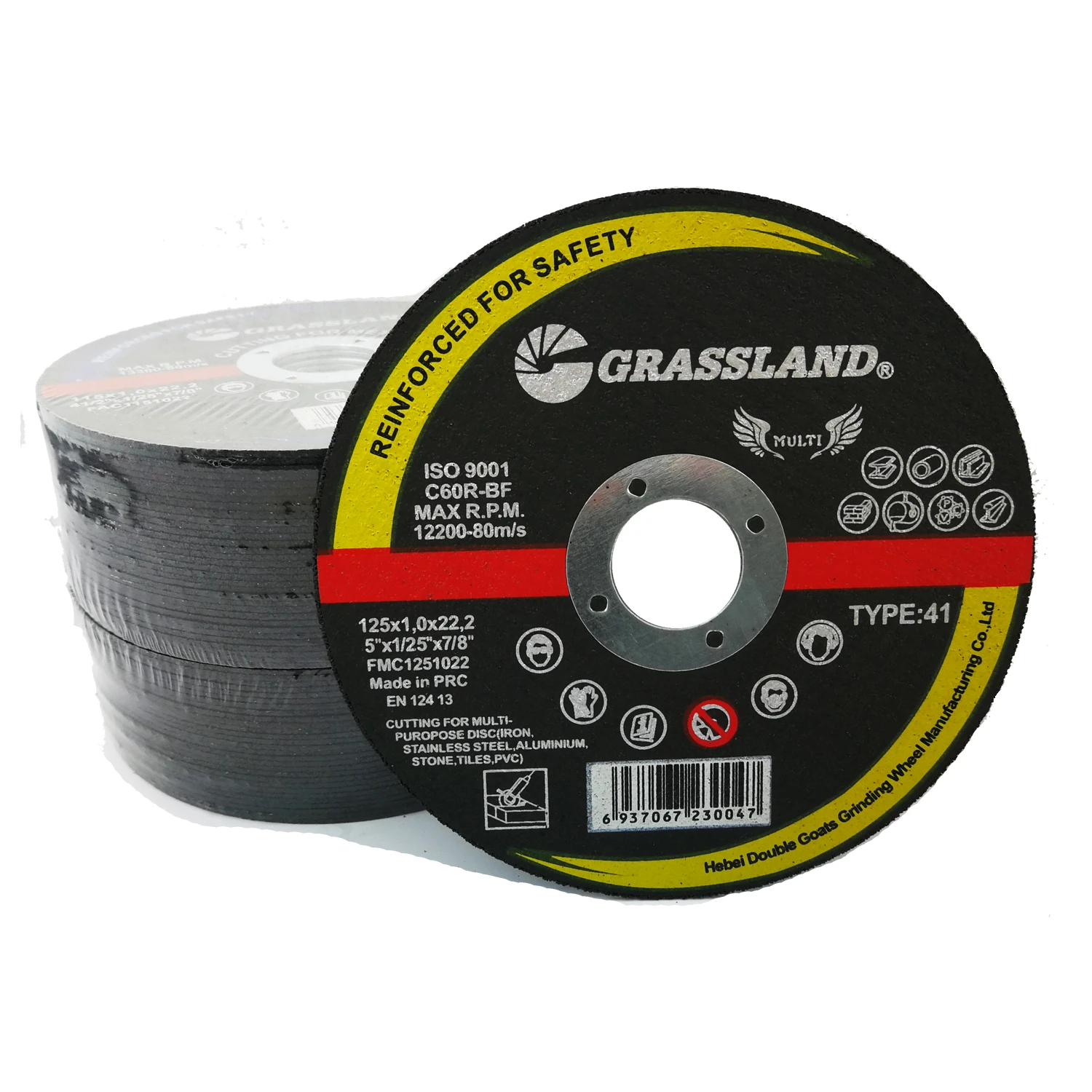
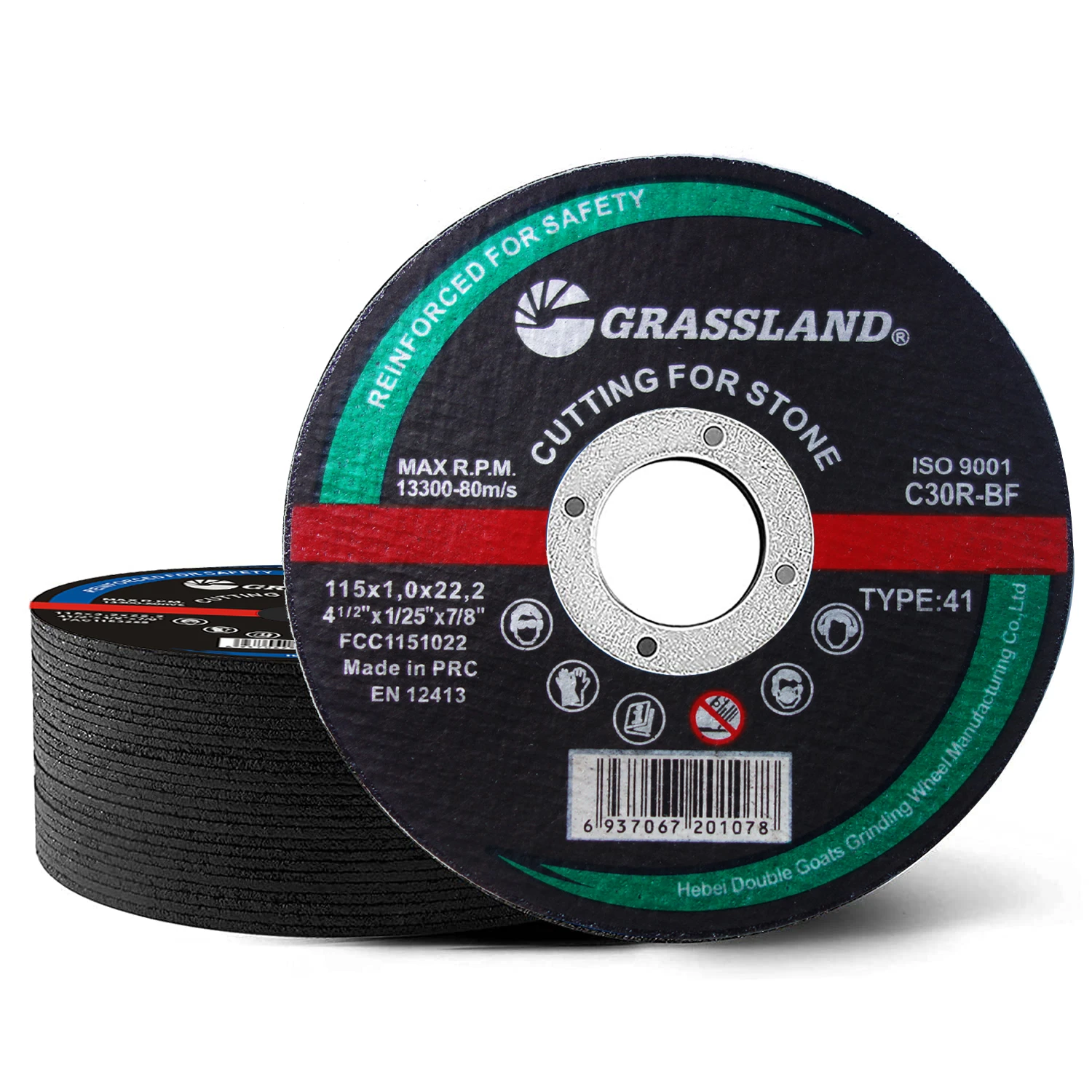
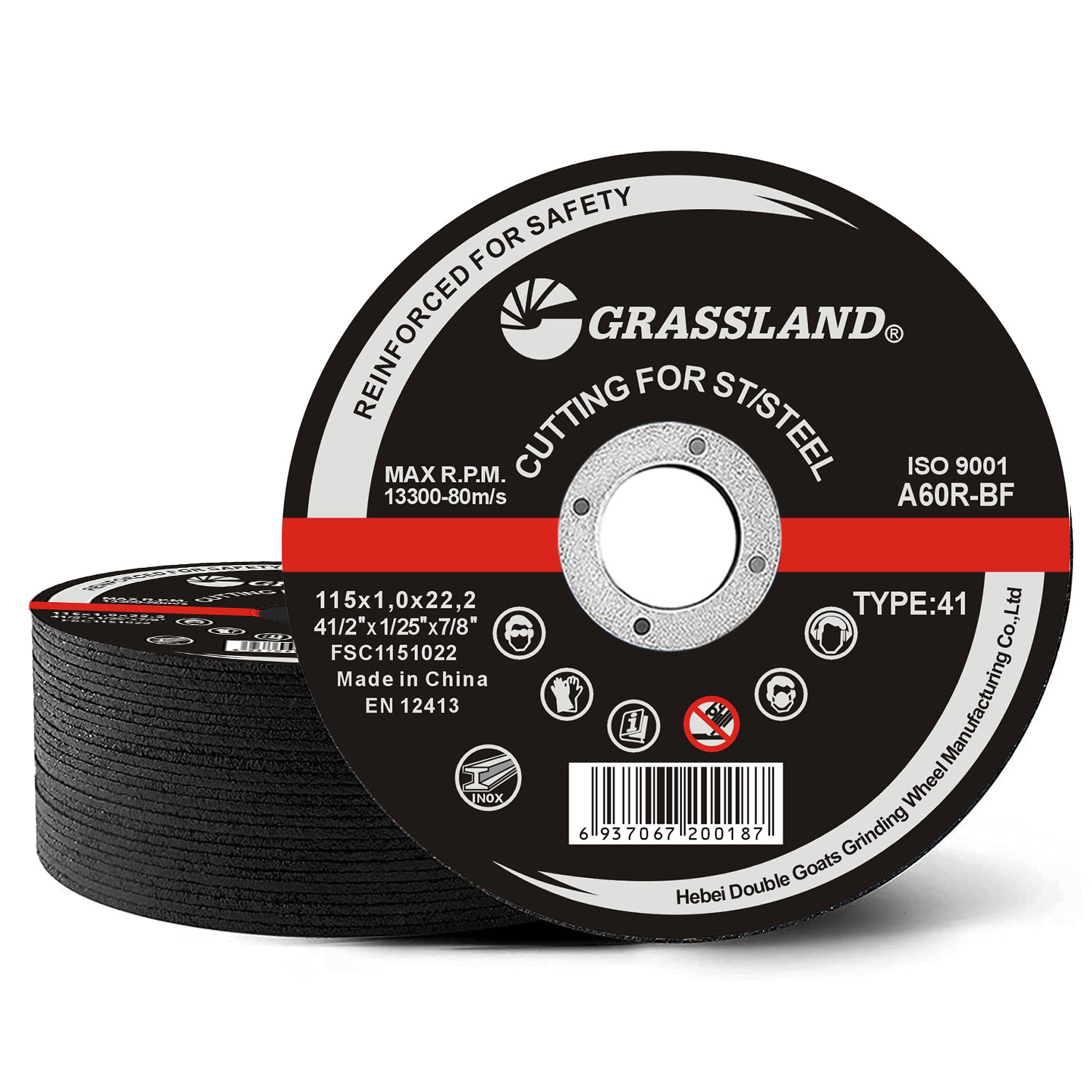
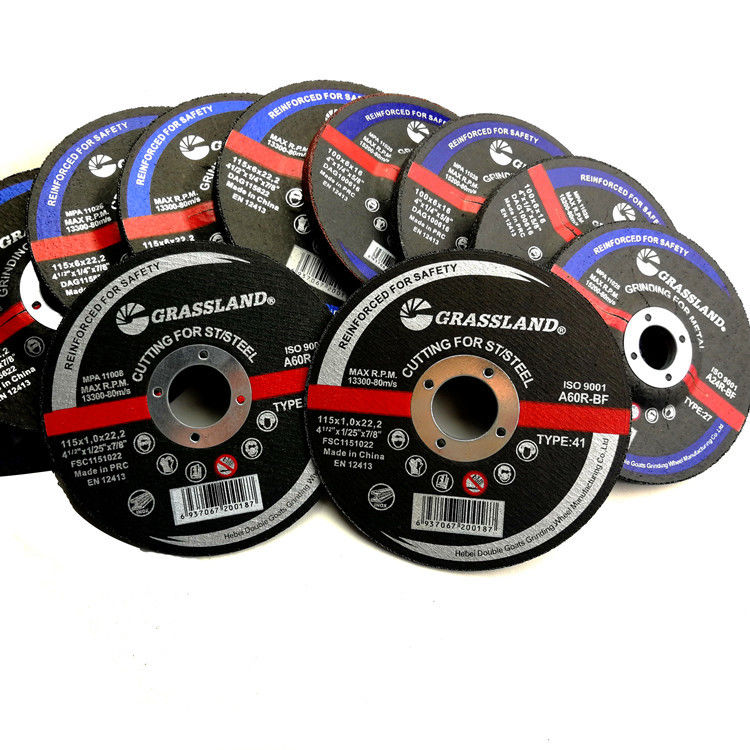
In simple terms, disco de corte (cutting disc) is designed for slicing through material—think about making clean cuts in metal pipes or sheets. They are thinner, allowing for precision and speed. On the flip side, disco de desbaste (grinding disc) is thicker, made to smooth and shape rough surfaces, remove burrs, or prep the metal for welding.
Oddly enough, while they work closely, mixing them up is a bit like trying to cut a steak with a spoon instead of a knife—it just won’t work efficiently.
Core Components Defining Their Differences
1. Thickness and Shape
Cutting discs tend to be thinner—often around 1 mm to 3 mm—to minimize the material lost when slicing. Grinding discs usually range from 6 mm to 12 mm thick, designed for durability against friction when smoothing surfaces.
2. Material Composition
Both discs use abrasive materials like aluminum oxide or silicon carbide, but their binding agents and reinforcement layers differ. Cutting discs prioritize sharpness and minimal wobble, while grinding discs emphasize toughness and heat resistance.
3. Speed Rating (RPM)
Cutting discs often have a higher maximum operating speed since their thin design reduces drag. Grinding discs run slower to prevent overheating and maintain control during heavy-duty abrasion.
4. Application Focus
Cutting discs excel at slicing through metals with clean edges, while grinding discs are best for surface finishing, deburring, and shaping.
| Specification | Disco de Corte (Cutting Disc) | Disco de Desbaste (Grinding Disc) |
|---|---|---|
| Typical Thickness | 1-3 mm | 6-12 mm |
| Max RPM | 13,000 - 15,000 rpm | 6,600 - 8,600 rpm |
| Primary Use | Clean cutting of metal | Grinding, surface finishing |
| Typical Abrasive | Aluminum Oxide, Zirconia | Aluminum Oxide, Silicon Carbide |
Quick Takeaway:
Thickness and material design make all the difference — use cutting discs only for slicing and grinding discs for surface prep or material removal.
Global Applications of Disco de Corte and Desbaste
Across the globe, these discs are essential in industries like automotive manufacturing, shipbuilding, construction, and even aerospace. In developing regions with expanding infrastructure, the right abrasive disc optimizes workflow and ensures safety compliance.
For example, in post-disaster rebuilding efforts, teams often need to quickly cut steel beams and clean edges for repairing buildings safely. Using disco de corte y desbaste diferencia, responders can choose the right tool to speed recovery. Meanwhile, in remote industrial zones, maintenance crews grind down corroded parts to extend machinery life — relying on grinding discs for durability under harsh conditions.
Advantages of Understanding This Difference
- Cost Efficiency: Prevent premature disc breakage and reduce material waste by using the correct disc.
- Safety: Avoid accidents caused by disc failure due to incorrect usage.
- Reliability: Higher quality finishes and smoother workflows.
- Sustainability: Proper discs mean less frequent replacements, decreasing industrial waste.
Future Trends Shaping Disco de Corte y Desbaste
Interestingly, innovation isn’t slowing down. Manufacturers are incorporating new materials like ceramic abrasives and advanced resin bonds to make discs longer-lasting and greener. There’s growing attention on reducing silica dust emissions—a known health hazard—pushing regulatory bodies toward stricter standards globally.
Automation also plays a role: robotic cutting and grinding arms are programmed with specific disc types to optimize precision and extend tool life. So the phrase disco de corte y desbaste diferencia will remain crucial, even in futuristic factories.
Challenges & Solutions on the Ground
That said, confusion still happens, especially among novice workers or smaller shops with limited training. Mixing discs can lead to dangerous shattering or poor finishes. The best answer? Ongoing operator education, quality control measures, and clearly labeled products.
Some vendors are now offering disc kits with color codes and digital QR codes that link to safety and usage instructions. It’s a simple but smart way to tackle old problems.
Vendor Comparison: Choosing the Right Supplier for Abrasive Discs
| Feature | CutOff Discs Inc. | Global Abrasives | MetalCut Solutions |
|---|---|---|---|
| Range of Cutting Discs | 200+ | 150+ | 180+ |
| Grinding Disc Quality | Premium | Standard | Premium |
| Safety Certifications | ISO 9001, OSA | ISO 9001 | ISO 14001, OSA |
| Online Support & Training | Yes | Limited | Yes |
| Price Range | $$ | $ | $$$ |
FAQ: Common Questions About Disco de Corte y Desbaste Diferencia
- Q: Can I use a cutting disc for grinding tasks?
- A: It's not recommended. Cutting discs are thin and designed for slicing, so using them for grinding can cause rapid wear or breakage, creating safety risks.
- Q: How do I know what disc thickness I need?
- A: It depends on the job. For cutting, discs are typically 1-3 mm thin for clean cuts. Grinding discs are thicker (6-12 mm) for durability during abrasive wear. Always check the equipment specs.
- Q: Are there eco-friendly options for these discs?
- A: Yes, manufacturers are increasingly using recycled materials and safer bonding resins to reduce environmental impact while maintaining performance.
- Q: How often should abrasive discs be replaced?
- A: Replace discs when performance dips or visible damage appears. Using worn discs decreases safety and quality, so regular inspections are vital.
In Conclusion: Why Knowing Disco de Corte y Desbaste Diferencia Pays Off
In the end, the subtle but crucial differences between disco de corte and desbaste disks impact everything from efficiency and safety to cost and sustainability. Armed with this knowledge, industries can avoid mishaps, save money, and build better products faster.
Curious to dive deeper or find the perfect abrasive disc for your next project? Visit our website: https://www.cutoffdiscs.com for expert advice, training, and solutions designed for your needs. Because sometimes it’s the little differences that make all the difference.
References & Further Reading
Post time:Nov - 25 - 2025