The Radial Cutting Disc: Why It’s an Unsung Hero in Modern Industry
When you hear disco de corte radial, or radial cutting disc, it might evoke images of sparks flying off a metal surface in some gritty workshop. But the truth is that these cutting tools are much more than mere accessories to industrial grindwork — they embody a global collection of engineering precision, material science, and practical utility. Understanding their role is crucial not just for industrial players, but also for sectors from construction to disaster relief worldwide.
Introduction: The Global Reach of Disco de Corte Radial
Worldwide, industries rely on efficient cutting tools—whether it’s steel fabrication in Asia’s booming cities or emergency equipment repairs in remote areas. According to the International Standards Organization (ISO), cutting tool usage has surged by nearly 15% in the last decade to meet growing infrastructure demands. Yet, one challenge often overlooked is the balance between cutting performance and safety. That’s precisely where the disco de corte radial plays a pivotal role in delivering reliable, fast, and clean cuts.
In fact, poor cut quality or tool failure can cause expensive downtime and even workplace injuries, so selecting the right disc is more than just a routine choice—it influences productivity and safety at a global scale.
What Exactly Is a Disco de Corte Radial?
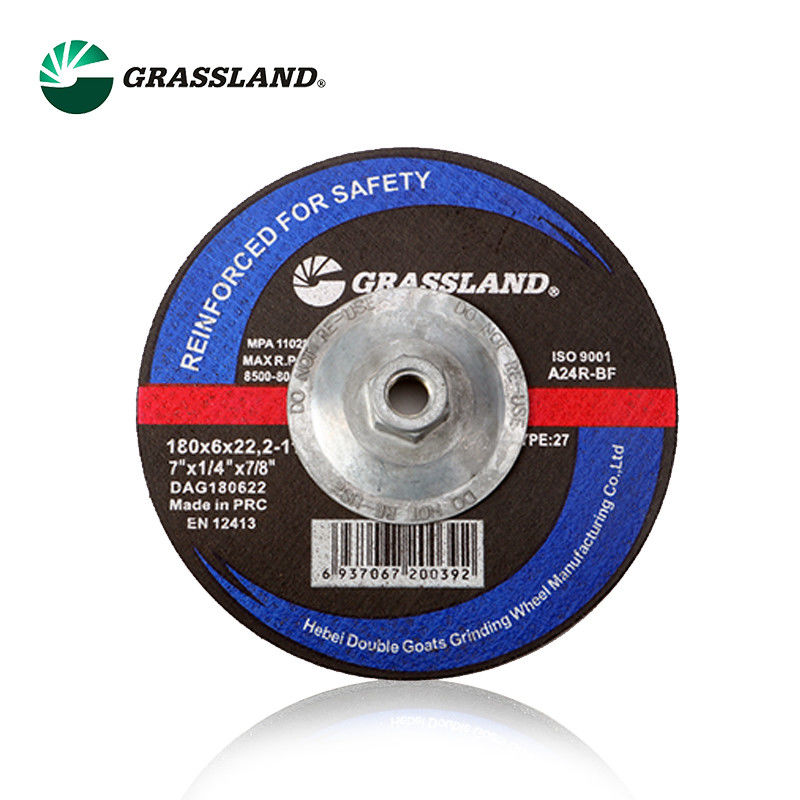
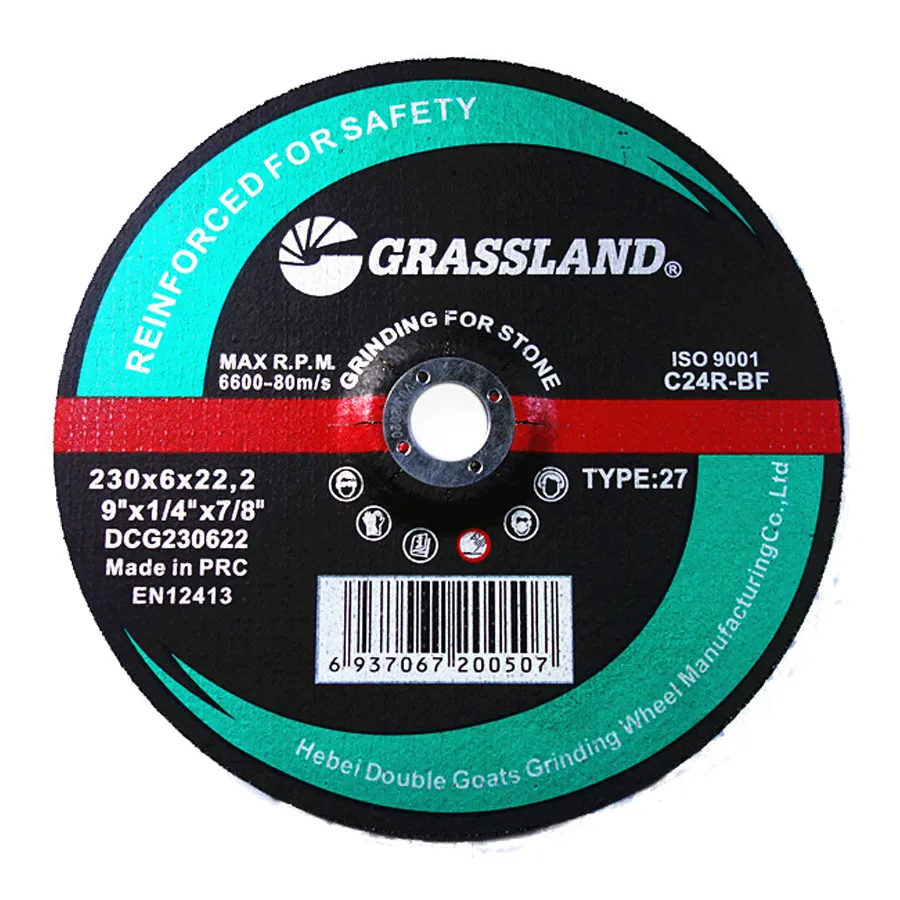
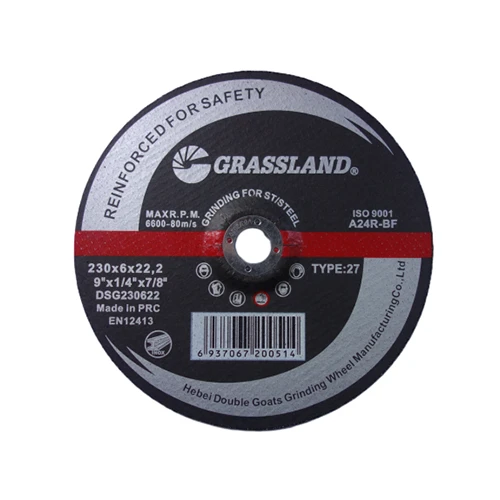
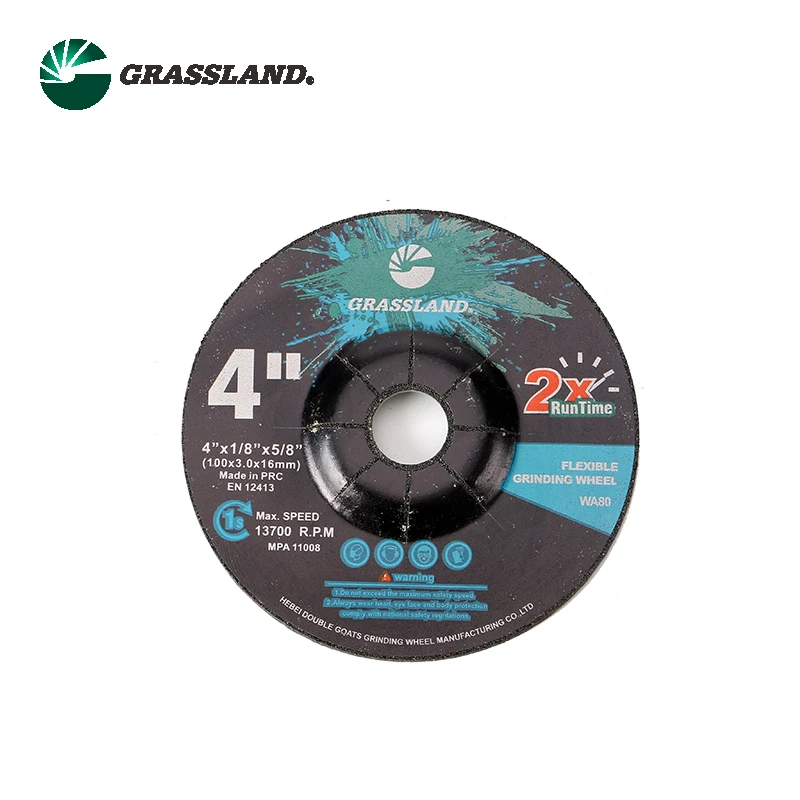
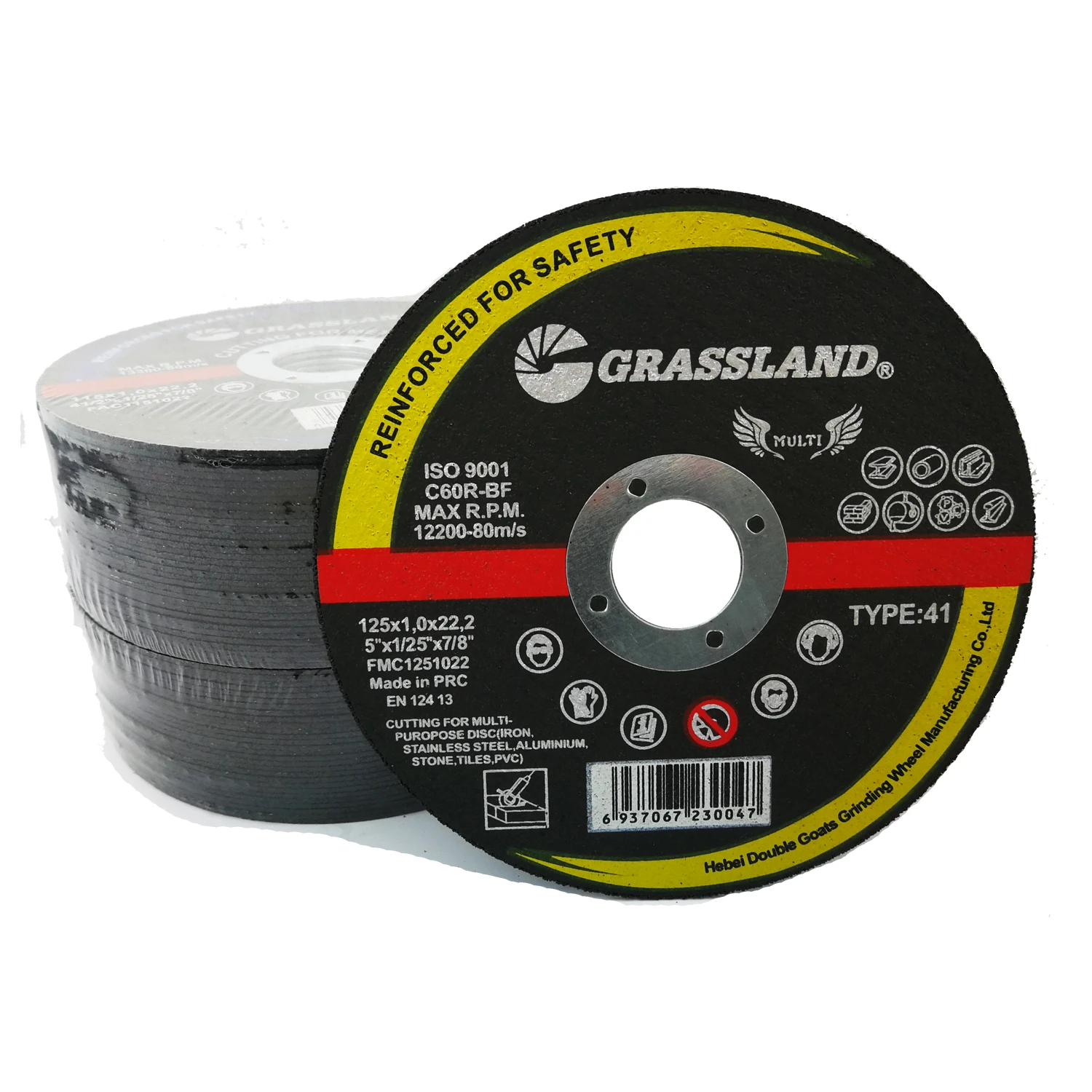
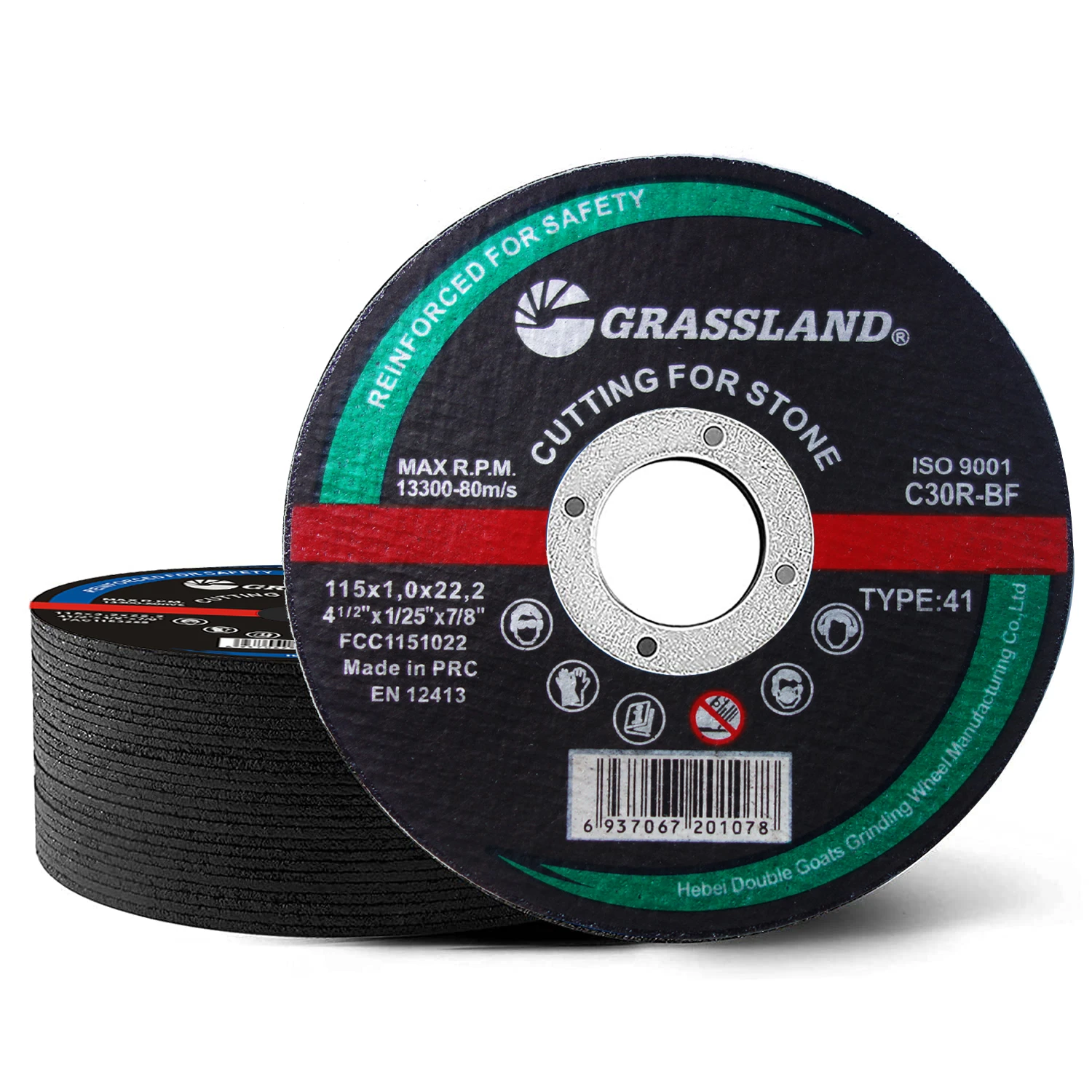
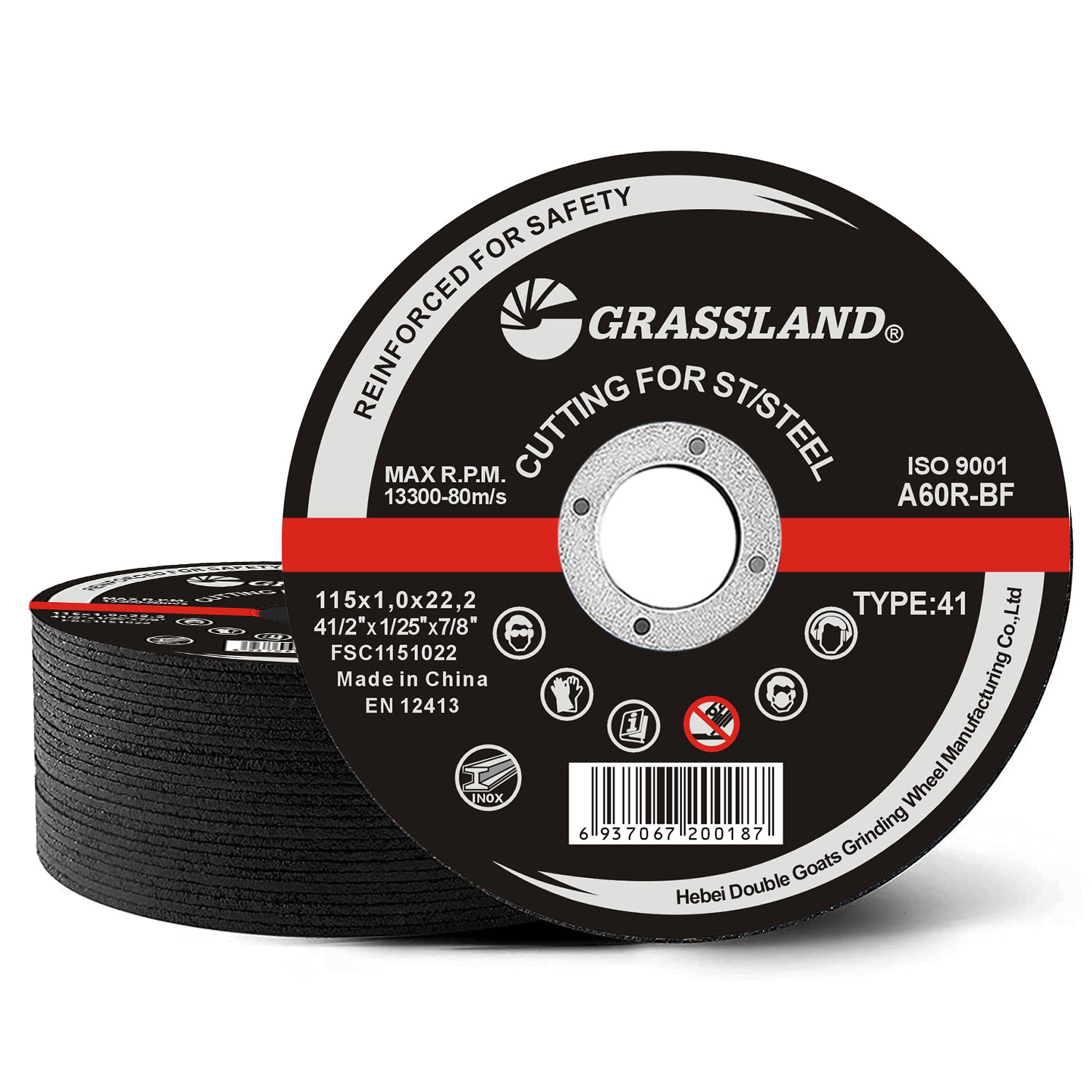
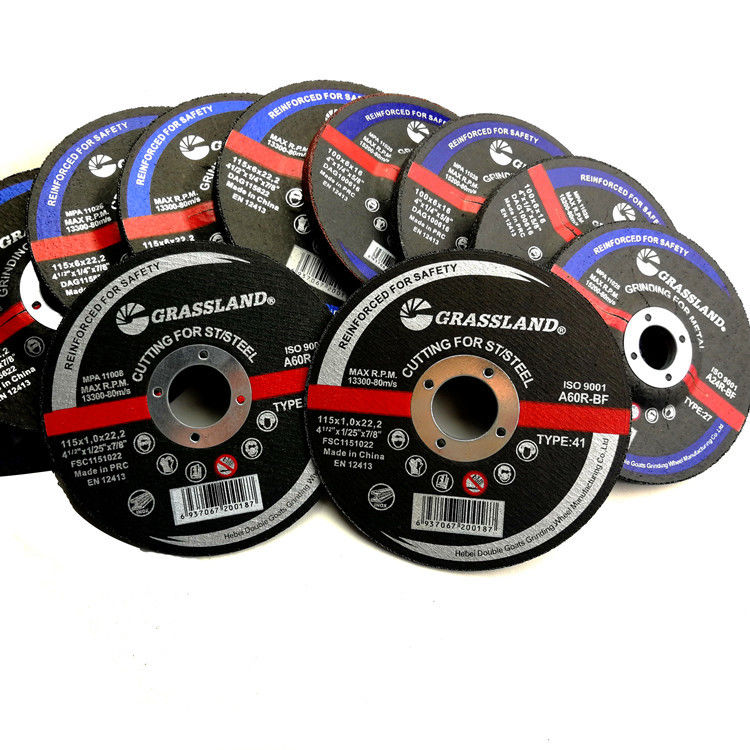
Simply put, a disco de corte radial is a circular abrasive or diamond cutting disc designed to be mounted on grinders or radial cutting machines. They serve the handy purpose of slicing through metals, concrete, ceramics, and other tough materials with precision. These discs are tailored to industries where speed and accuracy matter—think structural steel works, pipe cutting, or even intricate metal art.
But beyond the shop floor, their significance extends. For example, during humanitarian crises, lightweight modular equipment using these discs can rapidly create shelters, clear debris, or fabricate critical infrastructure components.
Core Components of a Radial Cutting Disc
1. Material Composition
Whether it’s aluminum oxide, silicon carbide, or engineered diamond composites, the abrasive materials define the disc’s lifespan and cutting efficiency. Engineers are always hunting for that sweet spot between hardness and flexibility.
2. Diameter and Thickness
These determine the cutting depth and durability. A thinner disc slices faster but tends to wear out quicker, while thicker discs offer sturdiness but may slow operations down. Typical diameters range from 115mm (4.5 inch) to 230mm (9 inch).
3. Bonding and Reinforcement
Resin or vitrified bonds hold the abrasive grains together, impacting heat resistance and tool life. Many discs incorporate fiberglass mesh for extra strength to prevent shattering during high-RPM operation—a key safety aspect.
4. RPM Rating
Every disc has a maximum recommended speed, beyond which it risks catastrophic failure. Operators need to match this carefully with their tools' RPM.
5. Compatibility
Discs must fit specific machines—angle grinders, radial saws, or specialized cutters. This compatibility defines workflow ease and operational safety.
Mini takeaway:
The magic of a disco de corte radial lies in how these components come together to make a disc that is efficient, safe, and versatile enough to meet diverse cutting needs.
Worldwide Applications of the Disco de Corte Radial
From skyscraper construction in Dubai to maintaining pipelines in Siberia, this tool has quietly powered countless projects. Oddly enough, rescue teams in earthquake-hit Nepal rely on heavily modified cutting discs to clear concrete rubble quickly.
Industries benefiting include:
- Metal fabrication and shipbuilding
- Automotive repair and assembly
- Construction and demolition
- Electrical and plumbing installations
- Emergency and disaster recovery teams
It’s worth noting that different regions often adapt the discs based on local material availability and typical tasks; for instance, Asian manufacturers favor rapid cutting discs to meet tight production schedules, while European standards tend to prioritize safety and tool longevity.
Advantages & Long-Term Value of Disco de Corte Radial
It’s tempting to think of cutting discs as commodities, but their benefits extend far. Cost efficiency is the obvious driver—quicker cuts mean less machine time. But sustainability is creeping up the list. Modern discs crafted with bonded diamond abrasives last much longer, reducing waste and resource consumption.
On an emotional level, workers trust these discs to maintain safety. No one wants a mishap where a shattering disc becomes a projectile. The rights blends of materials and engineering create a sense of security and dignity in tough jobs.
Product Specification Table
| Specification | Typical Value | Remarks |
|---|---|---|
| Diameter | 115mm / 230mm | Small and large cuts |
| Thickness | 1.0mm – 3.5mm | Tradeoff speed vs durability |
| Bond Type | Resin / Vitrified | Affects heat & lifespan |
| Max RPM | 13,300 | Safety limit |
| Abrasive Material | Aluminum Oxide / Diamond | Application-specific |
Vendor Comparison: Who’s Leading on Quality & Innovation?
| Vendor | Material Options | Safety Features | Price Range | Availability |
|---|---|---|---|---|
| CutMaster Inc. | Aluminum Oxide, Diamond | Fiberglass Mesh Reinforcement | $$$ | Global |
| RadialEdge Tools | Silicon Carbide, Vitrified Bond | Heat-Resistant Resin Bond | $$ | North America, Europe |
| GlobalCut Solutions | Diamond, Specialty Abrasives | Advanced Safety Mesh + Auto-Balance | $$$$ | Global (Industrial Focus) |
Innovations & Emerging Trends in Radial Cutting Discs
The pace of innovation feels nonstop here—new composite materials embedding nano-diamonds, eco-friendly bond formulations, and AI-powered machines that adjust cutting speeds on the fly. Some engineers I spoke to mentioned that automation in radial cutting is becoming a norm, allowing non-expert users to make precision cuts without risking tool misuse.
Meanwhile, sustainability drives manufacturers to reduce waste from disc replacement and improve recyclability—vital, considering billions of discs are used annually worldwide. And of course, the digital transformation powering quality control and logistics means discs can reach the right hands faster.
Challenges & How the Industry Is Evolving
Despite all the progress, challenges remain. Disc breakage and wear still cause occasional safety concerns—especially in developing regions where inferior-quality discs flood the market. Frequently, users skip proper mounting or neglect RPM ratings, risking injury.
To tackle this, education campaigns paired with stricter quality control policies are gaining traction. Also, modular discs with replaceable abrasive layers are being trialed to cut costs and waste. The field is evolving, but like any tool, the human factor is just as important as the tech.
Frequently Asked Questions About Disco de Corte Radial
- Q: What are the best bonding materials for cutting tough metals?
- A: Resin and vitrified bonds both work well, but resin bonds offer greater flexibility and impact resistance, while vitrified bonds handle heat better, perfect for stainless steel or cast iron.
- Q: How can I ensure safety when using a radial cutting disc?
- A: Always check the disc’s max RPM rating, wear protective gear, ensure proper mounting, and replace discs that show cracks or uneven wear.
- Q: Is diamond abrasive worth the extra cost?
- A: For frequent cutting of extremely hard materials like concrete or ceramics, diamond abrasives last longer and cut cleaner, often saving money in the long run.
- Q: Can I use the same disc on multiple machines?
- A: Compatibility depends on diameter and arbor size; it’s safest to use discs recommended for each machine to prevent accidents.
- Q: How do environmental regulations affect disc manufacturing?
- A: Increasingly, manufacturers must use less harmful resin compounds and improve recyclability, aligning with global sustainability goals.
Conclusion: Why Disco de Corte Radial Deserves a Closer Look
In the end, the disco de corte radial is quietly fundamental to modern construction, manufacturing, and even humanitarian fields. Its versatility and evolution reflect global needs for precision, safety, and sustainability. If you’re looking to enhance your cutting operations or just want a reliable disc for your projects, it pays to dive deeper into these tools’ specs and makers.
For more on choosing quality radial cutting discs, check out our extensive selection at disco de corte radial. Trust me, it’s a tiny investment that yields huge returns in durability and peace of mind.
References
Post time:Nov - 24 - 2025