Cut Off Wheel for Circular Saw: Essential Tool in Modern Industry
When it comes to precision cutting, few tools match the utility of a cut off wheel for circular saw. Globally, industries from construction to manufacturing rely heavily on these cutting discs to perform clean, efficient cuts on metal, concrete, and other tough materials. Understanding the technology and applications behind cut off wheels isn’t just for tool enthusiasts—it’s vital for industries seeking productivity, safety, and cost efficiency. Frankly, many don’t realize how pivotal this tool is across sectors until their projects hit a snag without the right equipment.
Introduction: The Global Context of Cut Off Wheels
Circular saws equipped with cut off wheels have become fundamental worldwide. According to industry reports by ISO, over 70% of metal fabrication plants globally use these cutting discs daily due to their versatility and speed. The World Bank’s construction data reveals that infrastructure projects in emerging markets increasingly depend on reliable cutting solutions to meet tight deadlines safely. Yet a common challenge remains: not all cut off wheels are created equal, and improper selection can lead to costly tool failure or safety hazards. Addressing these risks globally improves worker safety and project outcomes.
What Exactly is a Cut Off Wheel for Circular Saw?
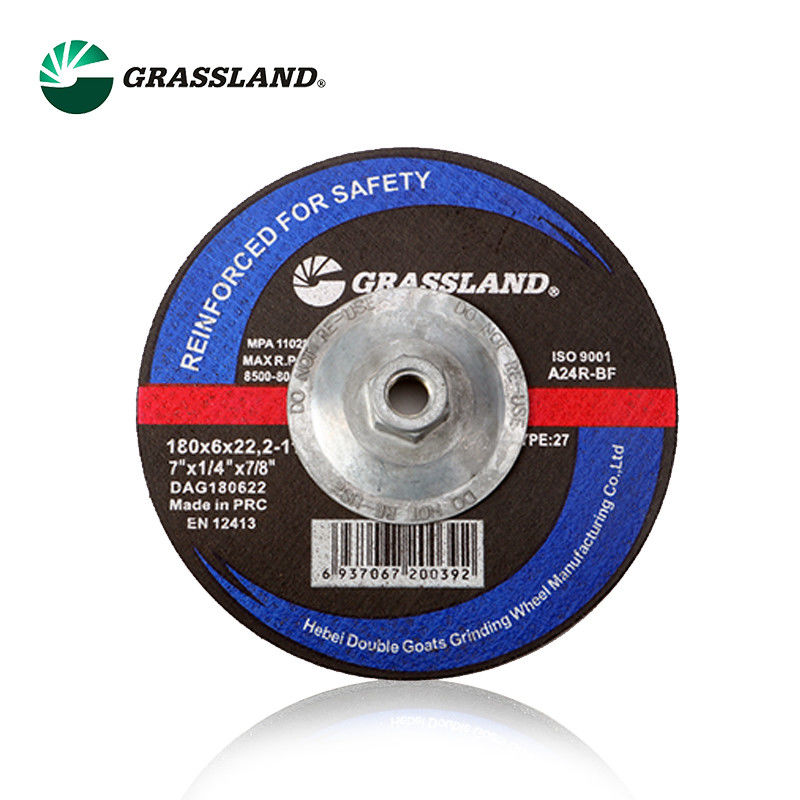
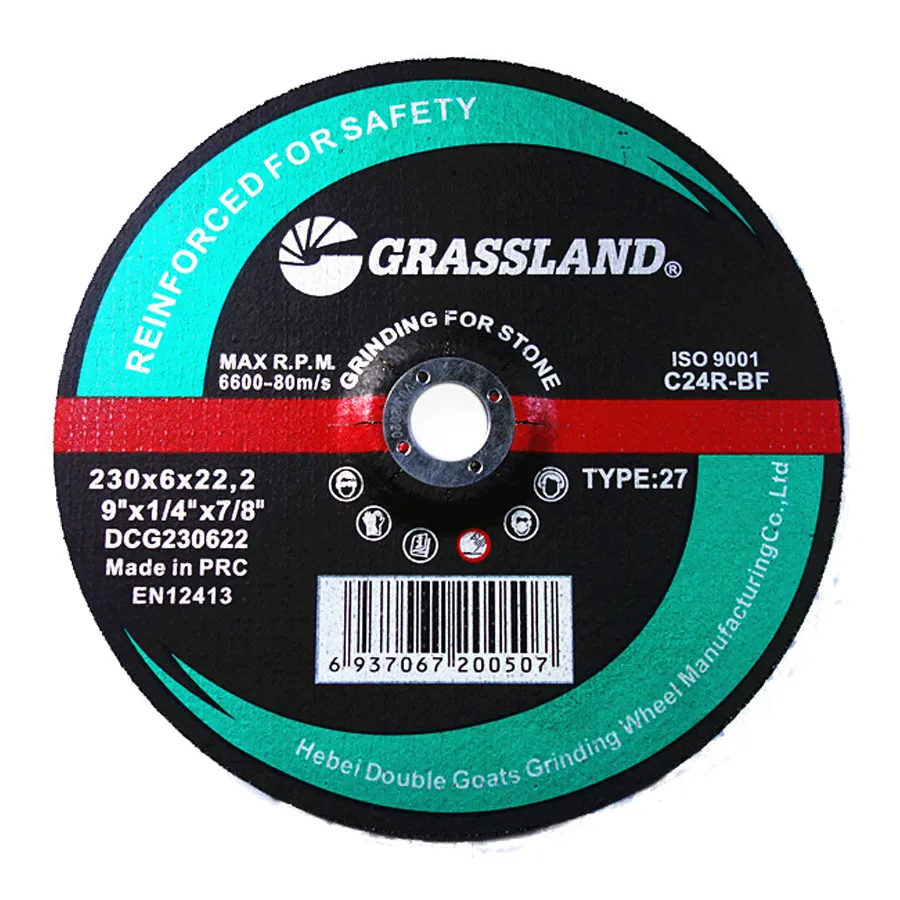
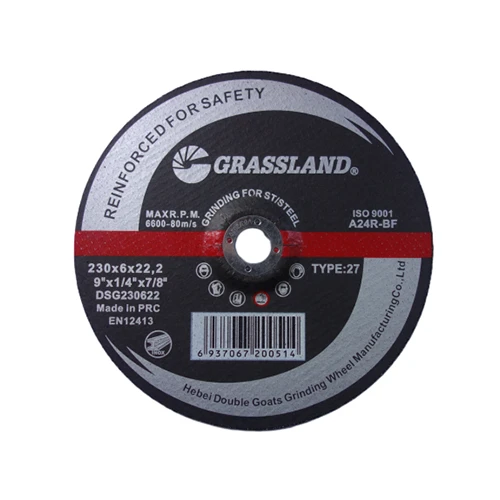
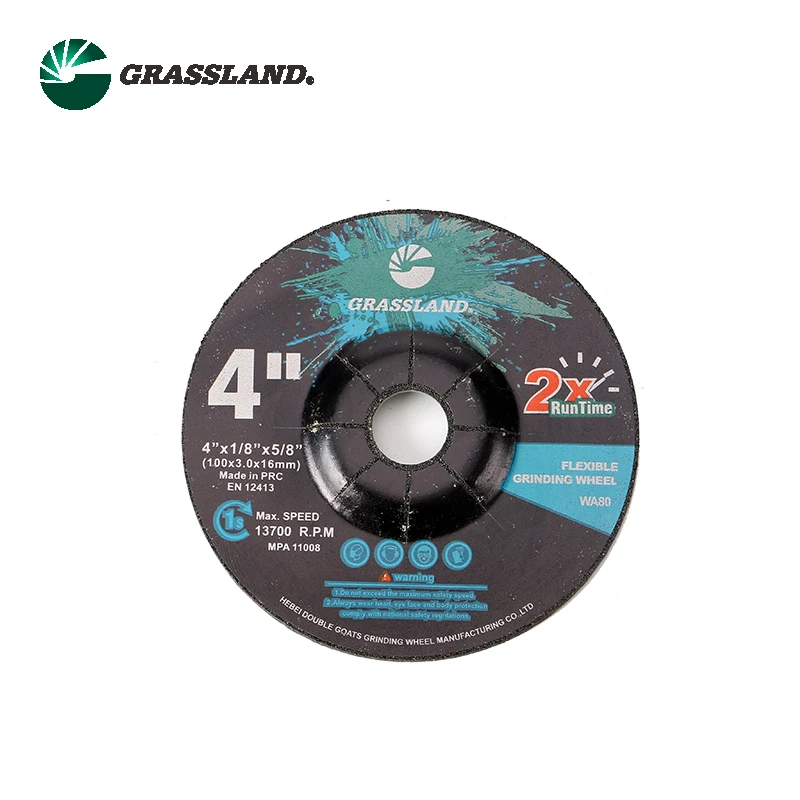
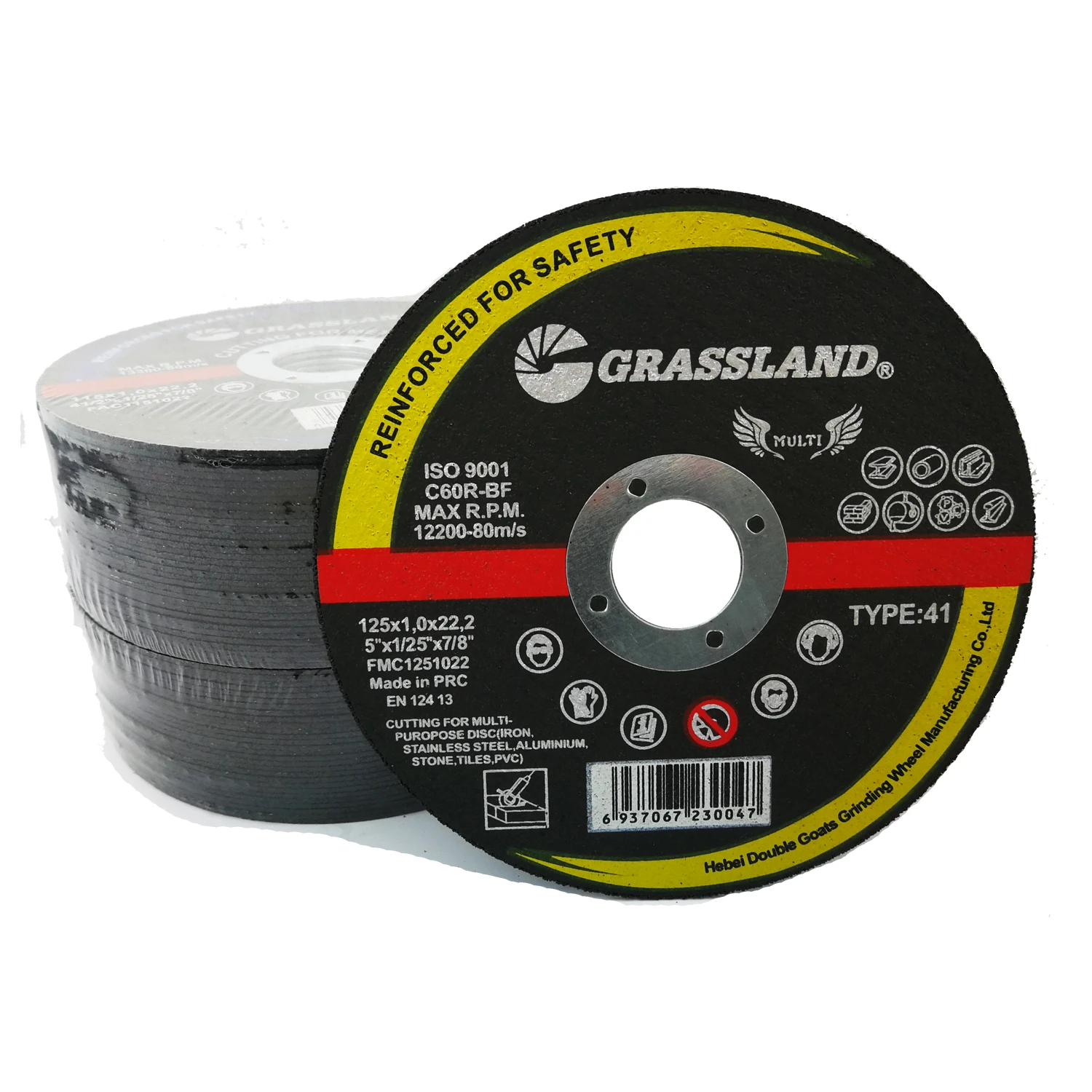
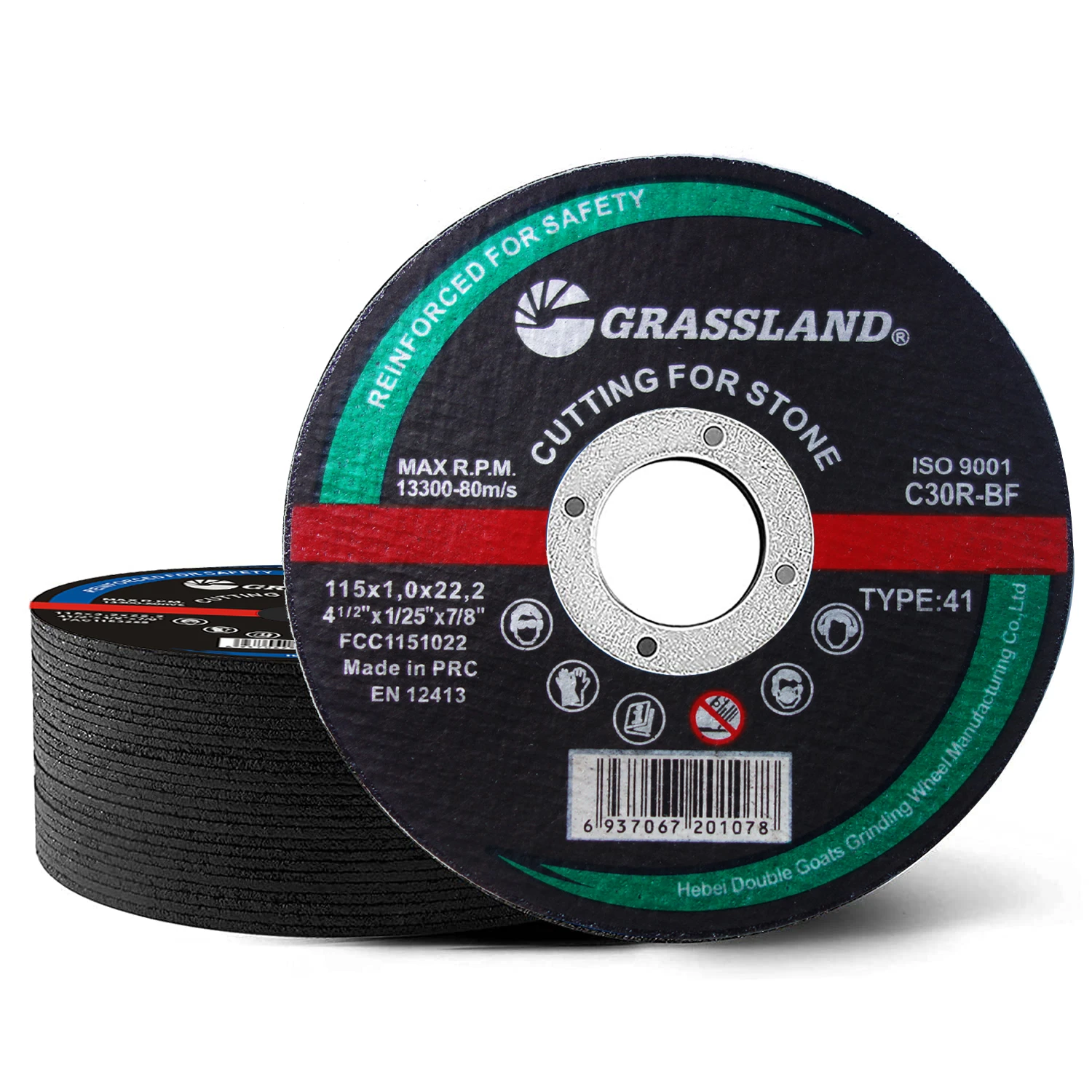
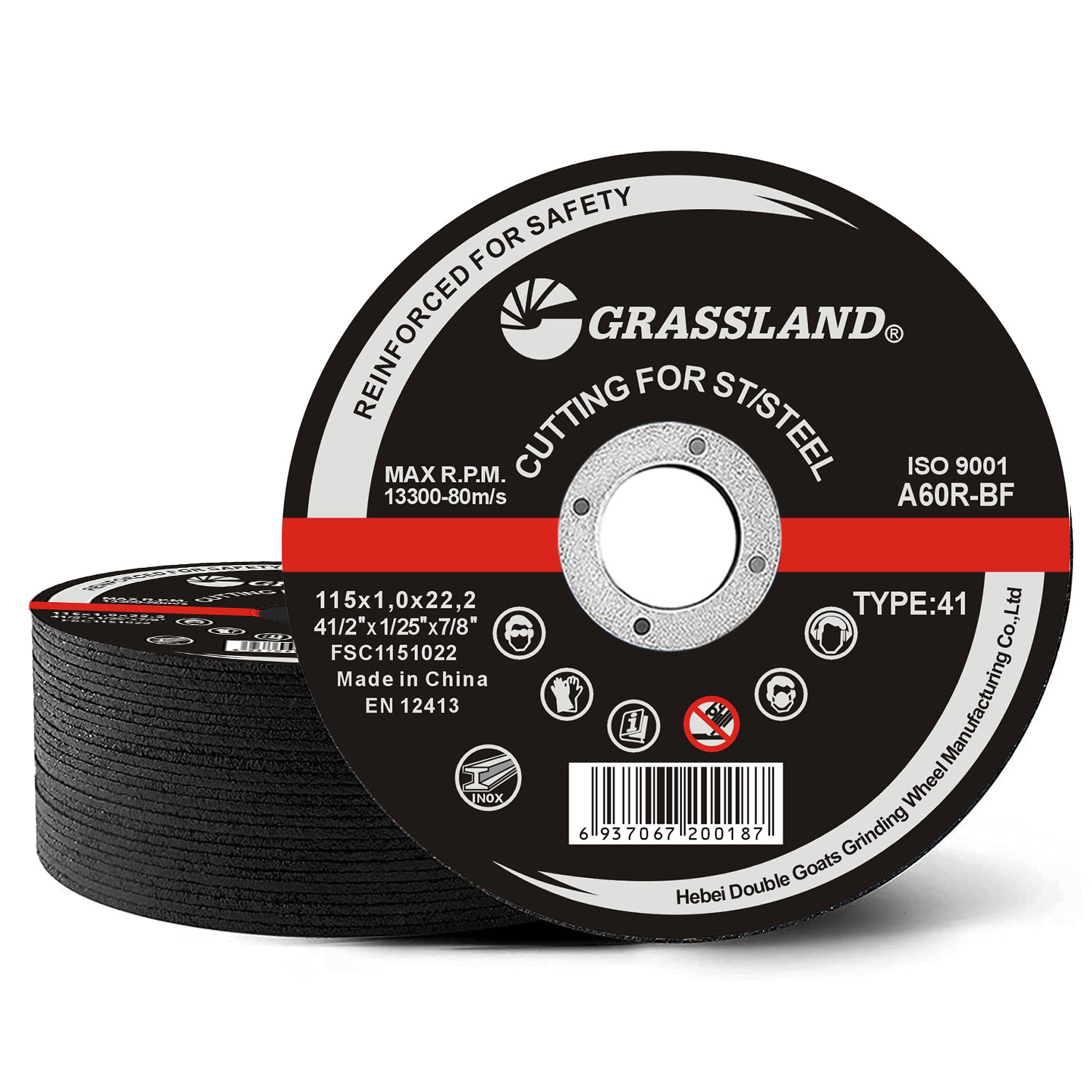
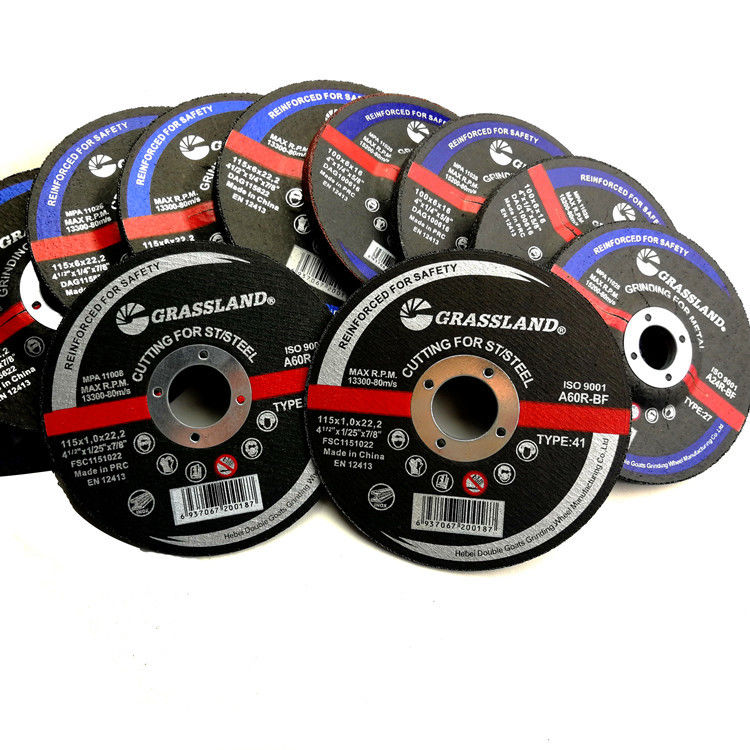
Simply put, a cut off wheel is a thin, abrasive disc designed to attach to a circular saw and slice through tough materials—think metal pipes or concrete slabs—with minimum effort. They’re often made from reinforced composites like aluminum oxide or silicon carbide grit bonded into resin for durability and heat resistance. Its connection to modern industry is deep, as these cut off wheels accelerate heavy-duty tasks while maintaining safety in factories, shipyards, and even humanitarian relief operations where rapid construction is essential.
Core Components and Key Factors of Cut Off Wheels
1. Durability
The lifespan of a cut off wheel depends on material composition and bonding methods. Durable discs resist wear and don’t degrade into harmful dust, which is vital for worker health.
2. Cutting Speed & Precision
Speed matters for productivity. Wheels balanced between fast cuts and accurate results minimize rework—vital on complex projects.
3. Safety Features
Integrated safety is non-negotiable; tempering, reinforced fiber layers, and ISO certifications ensure wheels don’t shatter unexpectedly.
4. Cost Efficiency
Oddly enough, the cheapest wheel isn’t always the most economical long term—frequent replacements and downtime add up.
5. Versatility
Some wheels handle multiple materials—steel, aluminum, concrete—helping reduce inventory costs on job sites.
Cut Off Wheel Specifications Table
| Specification | Typical Value | Notes |
|---|---|---|
| Diameter | 4.5" (115 mm) | Standard for handheld circular saws |
| Thickness | 1.0 - 1.2 mm | Balance between speed and durability |
| Max RPM | 13,300 RPM | Ensure saw compatibility |
| Material | Aluminum oxide / Silicon carbide | Depends on target application material |
| Bond Type | Resin bond with fiberglass reinforcement | Prevents shattering; enhances safety |
Global Applications & Use Cases
- Construction and Infrastructure: In places like Southeast Asia, where rapid urban growth demands fast, safe metal cutting, cut off wheels are a staple.
- Disaster Relief Operations: NGOs use them to clear debris and build temporary shelters quickly after natural disasters.
- Manufacturing: Automotive and shipbuilding industries depend on high-quality cutting wheels to maintain precision and productivity.
- Remote Industrial Sites: Mining and oil extraction sites in Africa and South America use these wheels for equipment maintenance under challenging conditions.
Vendor Comparison: Popular Cut Off Wheel Brands
| Brand | Material Composition | Price Range (per unit) | Notable Features |
|---|---|---|---|
| MegaCut | Aluminum oxide resin | $5 - $7 | High durability; ISO safety certified |
| SharpEdge | Silicon carbide mix | $6 - $8 | Designed for multi-material cutting |
| QuickSlice | Hybrid composite | $4 - $6 | Best speed to cost ratio |
Advantages & Long-Term Value
Investing in quality cut off wheels delivers tangible benefits beyond immediate cuts. Economically, the reduction in tool replacements and downtime is significant. Safety-wise, certified wheels minimize injury risk, supporting workforce dignity and morale. Plus, high-quality wheels tend to produce less toxic dust, aligning with sustainable worksite practices. It’s a win-win; you boost productivity while innovating responsibly. Oddly enough, many businesses overlook these subtle benefits until they face costly accidents or delays.
Future Trends & Innovations
The next frontier includes eco-friendlier materials—biodegradable resin bonds and less abrasive emissions—as industries heed stricter environmental policies. Automation aids in cutting precision, with digital saw calibration enhancing wheel lifespan. Some vendors explore smart wheels embedded with chips reporting wear in real-time. Green energy-powered saws and noise reduction technologies also improve workplace comfort and sustainability, which frankly, society increasingly demands.
Challenges & Solutions
The biggest challenge remains matching the wheel to the application without overspending or compromising quality. Lower-end wheels can wear prematurely or shatter if misused. Training operators on proper storage, mounting, and usage goes a long way. Advances like resin improvements and reinforced fibers help reduce breakage. Plus, adopting internationally recognized standards like ISO 603-2 guarantees safer manufacturing and testing protocols. I suppose the human factor is always part of the equation.
FAQ: Frequently Asked Questions About Cut Off Wheels for Circular Saws
- Q: What materials can a cut off wheel for a circular saw reliably cut through?
A: Most standard wheels handle mild to medium hard metals like steel and aluminum, plus concrete and masonry in some cases. Choose the wheel type accordingly—aluminum oxide for metals, silicon carbide for masonry. - Q: How long does a typical cut off wheel last in heavy-duty use?
A: Lifespan varies but under constant industrial use, expect 30 to 50 cuts per wheel. Quality and correct wheel match impact this significantly. - Q: Are all cut off wheels compatible with every circular saw?
A: No. It’s critical to check the diameter, thickness, and maximum RPM rating to ensure safety and performance. Always follow the saw manufacturer’s guidelines. - Q: Can cut off wheels be reused or sharpened?
A: These wheels are consumables and generally not designed for sharpening or reuse after wear or breakage due to safety reasons.
Conclusion & Call to Action
In real terms, mastering the use of a cut off wheel for circular saw means enhanced safety, better productivity, and lower costs for businesses globally. Whether you’re cutting metal beams in an urban high-rise or preparing disaster relief structures in a remote zone, these wheels are indispensable. For detailed product options and expert advice, please visit our website at https://www.cutoffdiscs.com — your trusted partner in precision cutting solutions.
Sometimes, the right cut off wheel feels less like a tool and more like a project’s backbone—one you definitely want to get right.
References
Post time:Dec - 02 - 2025