Cut Off Wheel for Cast Iron: Essential Tool for Precise Metalwork
When you think about working with cast iron—sturdy, reliable, and yet tricky to manipulate—you quickly realize the value of the right tools. One that stands out, particularly for cutting cast iron with precision, is the cut off wheel for cast iron. It’s a deceptively simple device but one that has broad-reaching implications worldwide in industries from construction to automotive repair. Knowing why this tool matters, how it operates, and what makes a quality product is key for engineers, metalworkers, and procurement specialists alike.
Introduction: The Global Context of Cast Iron Cutting
Globally, cast iron remains a crucial material in infrastructure, machinery, and transport. According to the International Organization for Standardization (ISO), millions of tons of cast iron components serve in everything from pipelines to automotive parts. The challenge? Cast iron is brittle and unforgiving, making traditional cutting methods prone to fractures or unsafe breakages. Enter the cut off wheel, specifically designed for cast iron’s unique properties, enabling faster, cleaner, and safer cuts which ultimately reduce waste and costs.
To put it in perspective, the growth of urban infrastructure and automotive manufacturing in Asia and Europe alone has increased demand for high-performance cut off wheels by nearly 15% yearly, says market analysis reports. With industrial safety and efficiency regulations tightening, the tool isn’t just a convenience—it’s a necessity.
What is a Cut Off Wheel for Cast Iron?
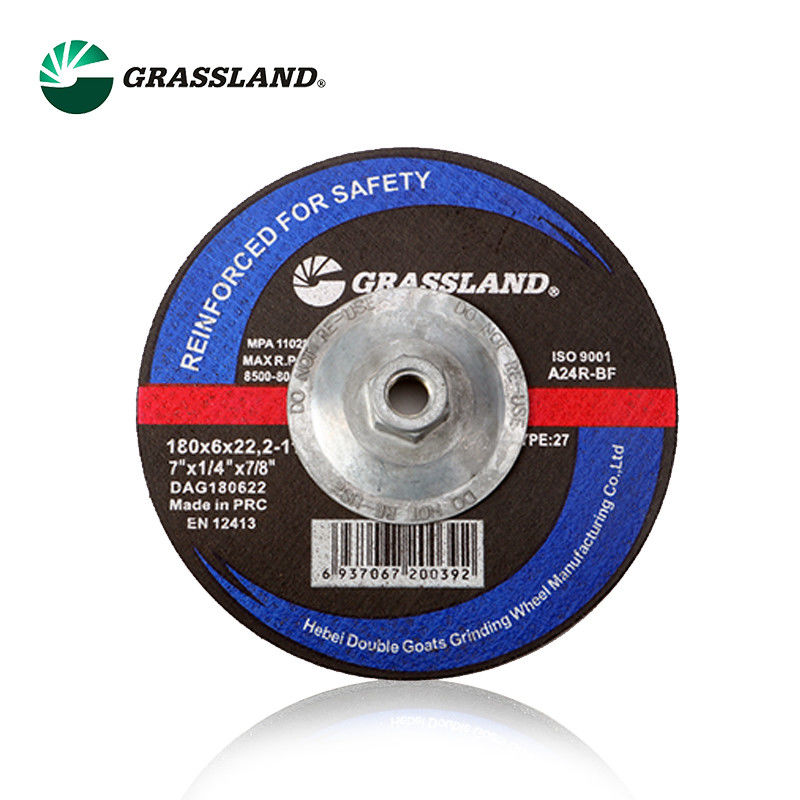
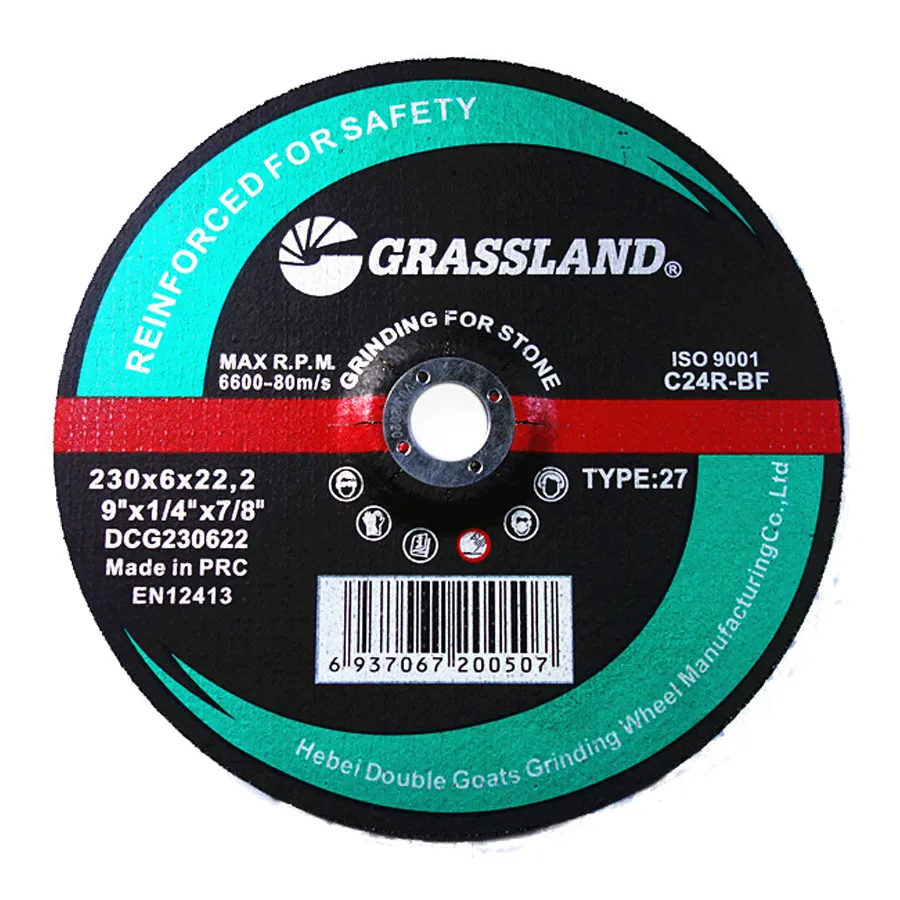
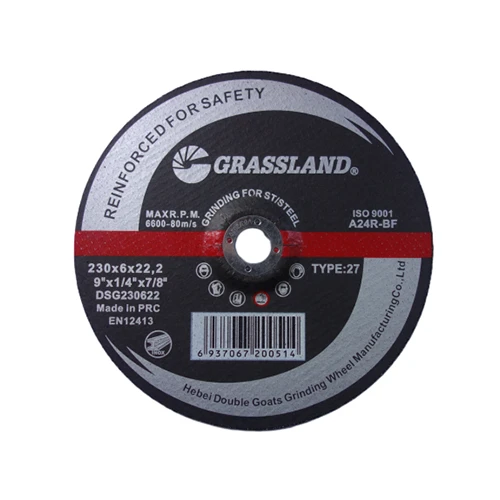
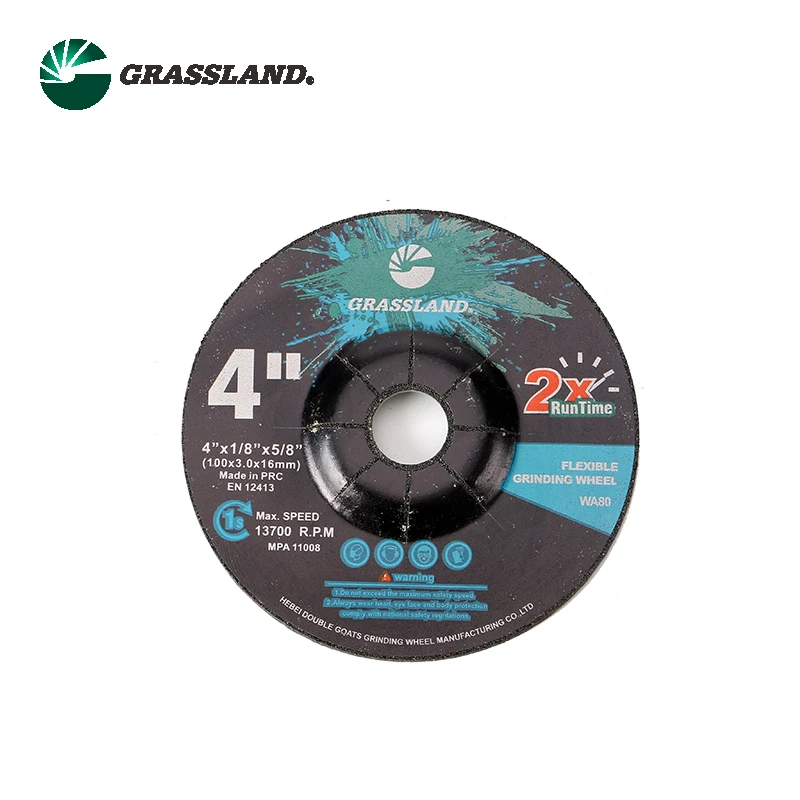
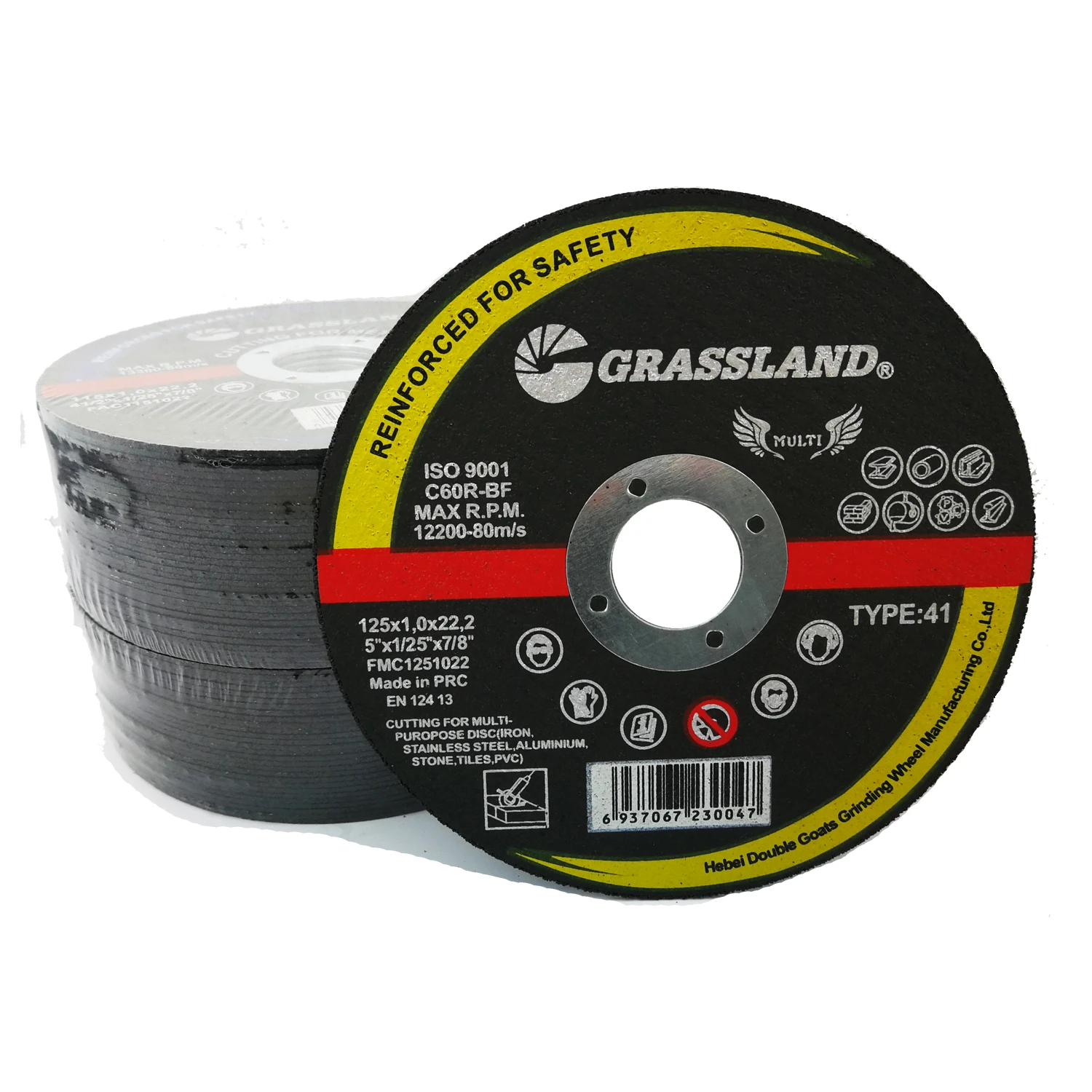
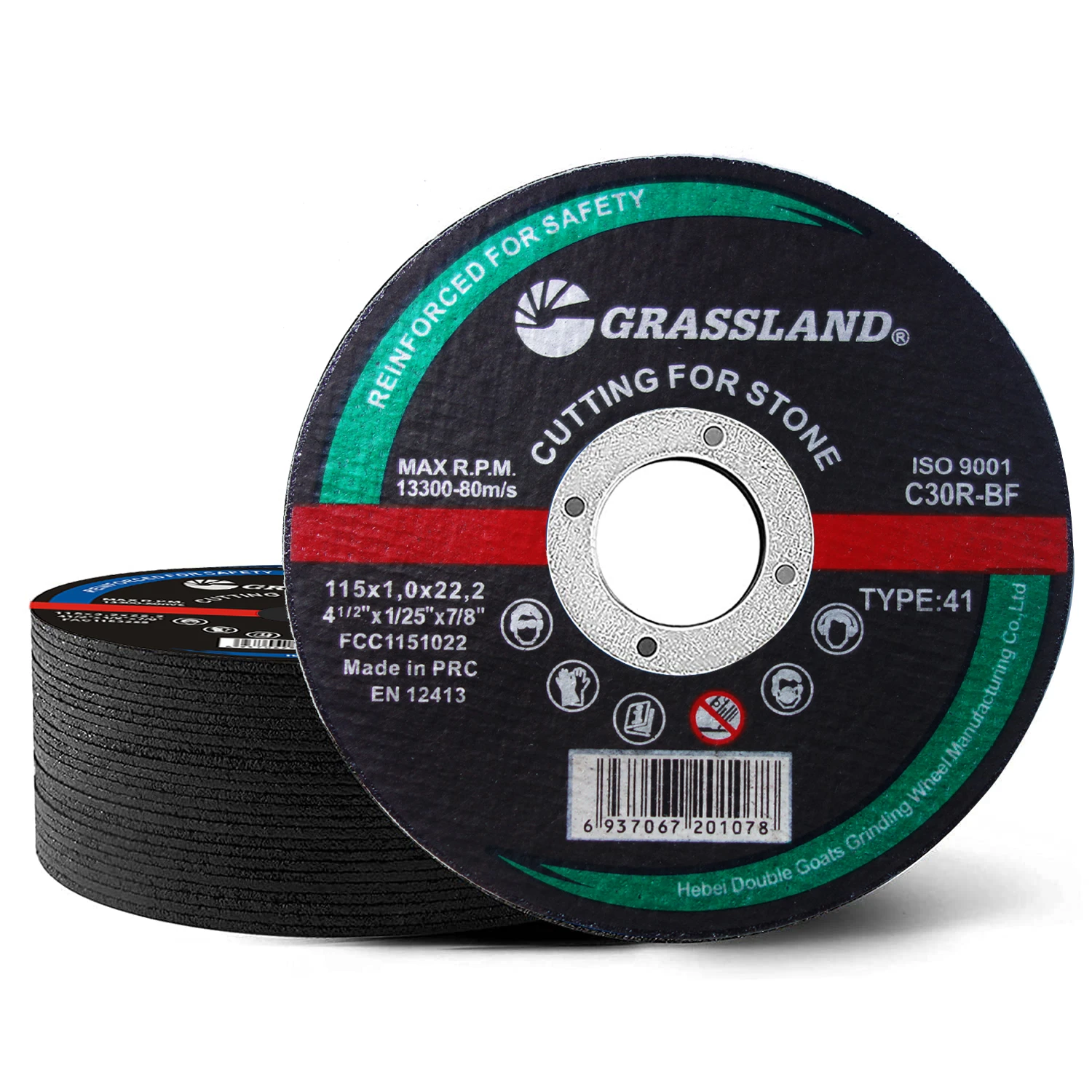
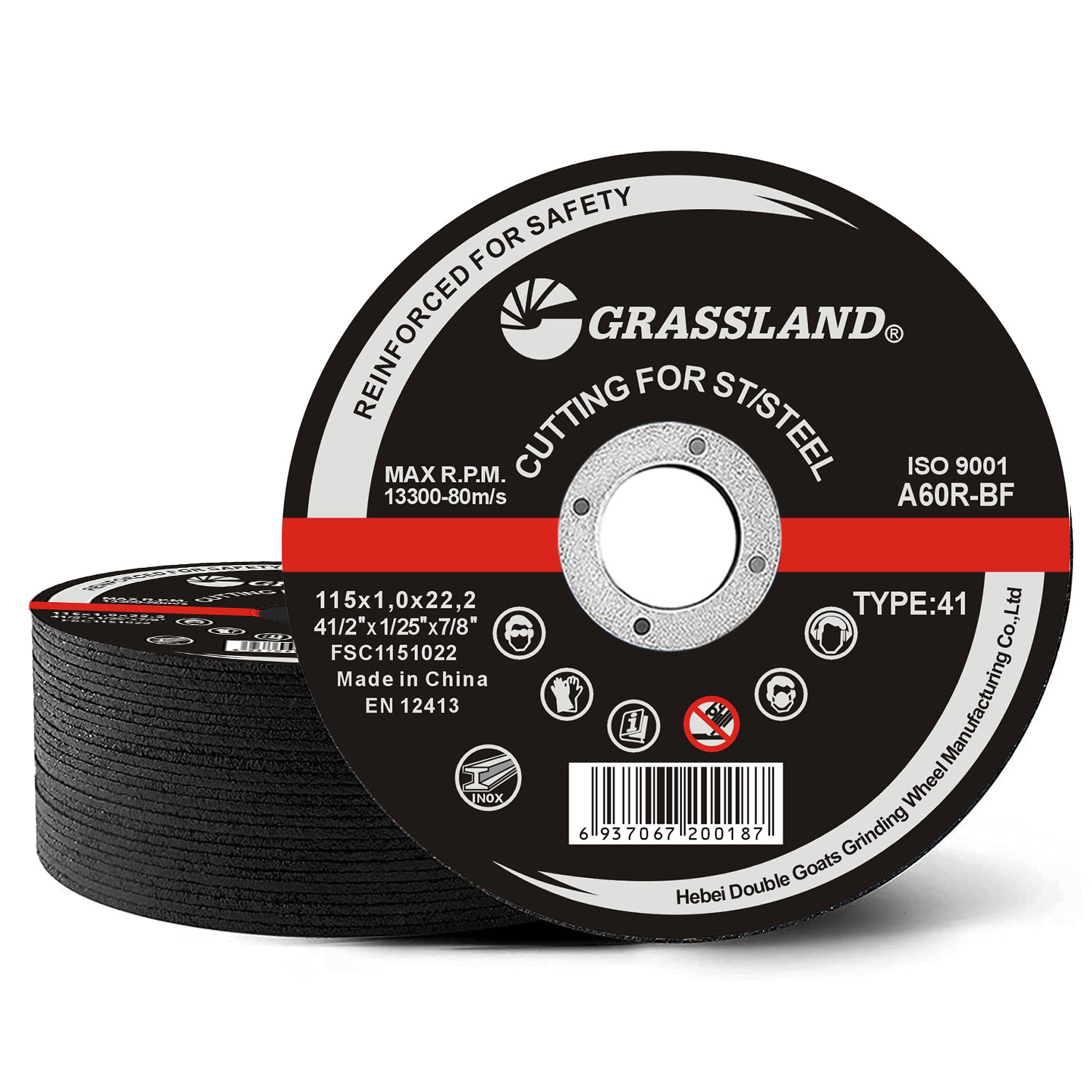
In simple terms, a cut off wheel is a thin, abrasive disc mounted on an angle grinder or cut-off saw, designed specifically to slice through metal. The cut off wheel for cast iron is formulated with abrasives and bonding agents optimized for the hardness and brittleness of cast iron. Unlike standard metal cutting wheels, it minimizes the risk of chipping or cracking the material. This precision is vital not just in industry — but even in humanitarian settings where machinery repair or building restoration might depend on a clean, reliable cut.
Key Factors That Define a Quality Cut Off Wheel for Cast Iron
1. Durability
A durable wheel resists wear in tough cutting conditions, extending the tool’s lifespan and decreasing downtime. This means less frequent replacements and better budget efficiency.
2. Abrasive Composition
Cast iron requires abrasives like aluminum oxide or silicon carbide, which can efficiently cut without overheating or filling up with debris.
3. Thickness and Size
Wheels that are too thick generate more heat and waste material; thinner wheels provide cleaner cuts — but they must maintain structural integrity to avoid snapping.
4. Compatibility
The wheel must fit common angle grinders or saws, and match RPM standards to avoid safety hazards.
5. Cost Efficiency
Considering longevity versus price is critical to optimize operational expenditure.
Product Specifications for Typical Cut Off Wheels for Cast Iron
| Attribute | Typical Specs |
|---|---|
| Diameter | 4 to 14 inches (100 to 350 mm) |
| Thickness | 1.0 to 2.5 mm |
| Abrasive Type | Aluminum Oxide / Silicon Carbide |
| Bonding | Resin or vitrified bonding |
| Max RPM | 6,600 to 13,300 |
Global Applications & Use Cases
Industrially, cut off wheels for cast iron find their way into:
- Automotive repair shops — Cutting rusted cast iron parts in engines or brake systems.
- Construction sites — Precise trimming of cast iron piping and structural supports.
- Shipbuilding yards — Where cast iron valves and fittings need swift refurbishment.
- Remote and humanitarian engineering teams — Quickly fixing machines or infrastructure in disaster zones or developing regions.
One famous example involves relief teams in Southeast Asia restoring irrigation systems damaged by flooding. The quick replacement of cast iron segments, enabled by suitable cut off wheels, saved months of downtime and restored water flow for thousands.
Vendor Comparison
| Vendor | Material Quality | Price Range | Durability Rating | Recommended For |
|---|---|---|---|---|
| AlphaCut | Premium Aluminum Oxide | $$$ | High (30 hrs avg. use) | Heavy Industry & Pro Use |
| CutTech | Silicon Carbide Blend | $$ | Moderate (20 hrs avg. use) | General Purpose |
| BudgetGrind | Basic Aluminum Oxide | $ | Lower (10 hrs avg. use) | DIY/Light Use |
Advantages and Long-Term Benefits
Using the right cut off wheel for cast iron reduces not only the physical strain on operators but also operational costs by minimizing disc replacements and material waste. It improves jobsite safety—no one likes dealing with shards or sudden wheel shattering. Beyond that, there’s something reassuring about innovation that respects the old: cast iron, an ancient material, gains new life through modern precision tools. It has a ripple effect on sustainability and trustworthiness in supply chains.
Future Trends and Innovations
Technology keeps pushing these discs forward. We’re already seeing innovations like ceramic-reinforced abrasive wheels offering longer life spans, and eco-friendly resin bonds that reduce toxic emissions during cutting. Automation paired with digital monitoring tools allows machine operators to track wheel wear in real time, preventing accidents and optimizing performance. I suppose oddly enough, a digital version of a humble cut off wheel might be one of those quiet industrial revolutions.
Challenges and Solutions
Despite their advances, cut off wheels face challenges such as overheating during intensive cuts or quick wear on tougher alloys mixed with cast iron. The solution? Expertise in selecting the correct wheel specifications and routine training for operators. Some manufacturers now offer hybrid abrasive blends—sort of a “best of both worlds” approach to extend service life. Periodic testing and adherence to ISO safety standards, like ISO 603:2014, also help mitigate risks.
FAQ: Frequently Asked Questions About Cut Off Wheels for Cast Iron
- What makes a cut off wheel for cast iron different from a standard metal cutting wheel?
- Cut off wheels for cast iron use abrasives like aluminum oxide or silicon carbide with resin bonds that can handle the material’s brittleness. Standard wheels may cause cracking or chipping, while these are formulated to minimize such risks.
- How do I know what size wheel to choose for my angle grinder?
- Check your angle grinder’s maximum wheel diameter and RPM rating. For cast iron, a thinner wheel (1-1.5 mm) is often preferred for precision cuts, but ensure it meets your tool’s speed specifications to remain safe.
- Can cut off wheels be reused after partial cuts?
- Generally, these wheels wear down with use and should be replaced when performance drops or visible wear appears. Partial cutting and breakages weaken structural integrity—never reuse a damaged wheel.
- Are there environmentally friendly options available?
- Yes, manufacturers now produce resin-bonded wheels with lower emissions during use, and some incorporate recyclable materials in packaging and production, contributing to sustainability goals.
Conclusion
In real terms, the humble cut off wheel for cast iron plays a critical role across industries worldwide. It’s not just about cutting metal; it’s about safety, efficiency, and respecting material properties to build reliably and innovate responsibly. For businesses or craftspeople working with cast iron, investing in quality wheels really pays dividends in the long run.
If you’re ready to explore the best options for your needs, do visit our website at https://www.cutoffdiscs.com to discover quality choices.
Mini takeaway: Choosing the right cut off wheel for cast iron isn’t just about cutting; it’s about precision, safety, and future-proofing your operations in a rapidly evolving industrial landscape.
References:
Post time:Dec - 02 - 2025