Masonry Cut Off Wheel on Metal: What It Means and Why It Matters
If you’ve ever tinkered in a workshop or worked on a construction site, you know how vital cutting discs are to shaping materials quickly and cleanly. A masonry cut off wheel on metal might sound niche, but it’s a critical tool that bridges traditional masonry work and metal fabrication. Understanding it goes beyond just having a sharp cutting edge—it’s about efficiency, safety, and even sustainability in many industries worldwide.
The global importance? Well, metal structures are everywhere—from sprawling skyscrapers down to the wiring and fixtures in homes. And often, these metals need precise cutting, sometimes in environments where the materials’ properties clash, like cutting metal embedded in masonry or reinforced concrete. So a wheel that can handle these challenges robustly makes a real difference, especially in infrastructure development and industrial maintenance.
Introduction: The Global Context of Masonry Cut Off Wheels on Metal
According to the World Steel Association, around 1.9 billion tonnes of steel were produced globally in 2022, with millions of tonnes used in mixed-material construction. Efficiently cutting metal in these environments directly impacts construction speed and cost. Plus — and frankly this often goes overlooked — the safety of workers using the proper cut-off tools is paramount. ISO standards guide the production of these wheels to ensure performance and safety.
Yet the challenge remains: many workplaces still rely on subpar cutting discs, leading to frequent breakage, slower job completion, and increased risk. That’s where well-designed masonry cut off wheels on metal come in—optimizing cutting processes while improving worker safety.
What Exactly Is a Masonry Cut Off Wheel on Metal?
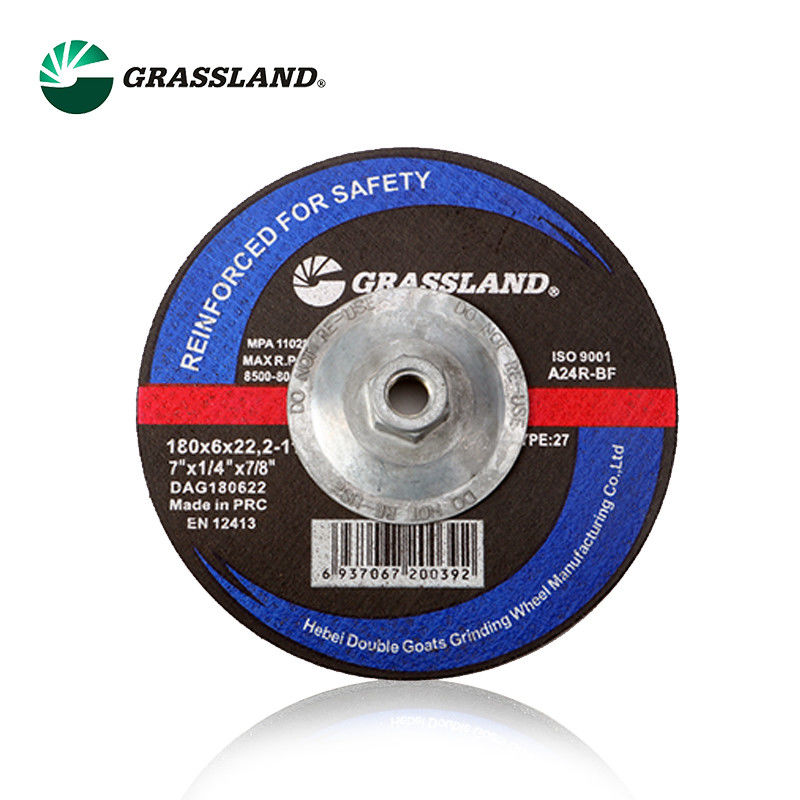
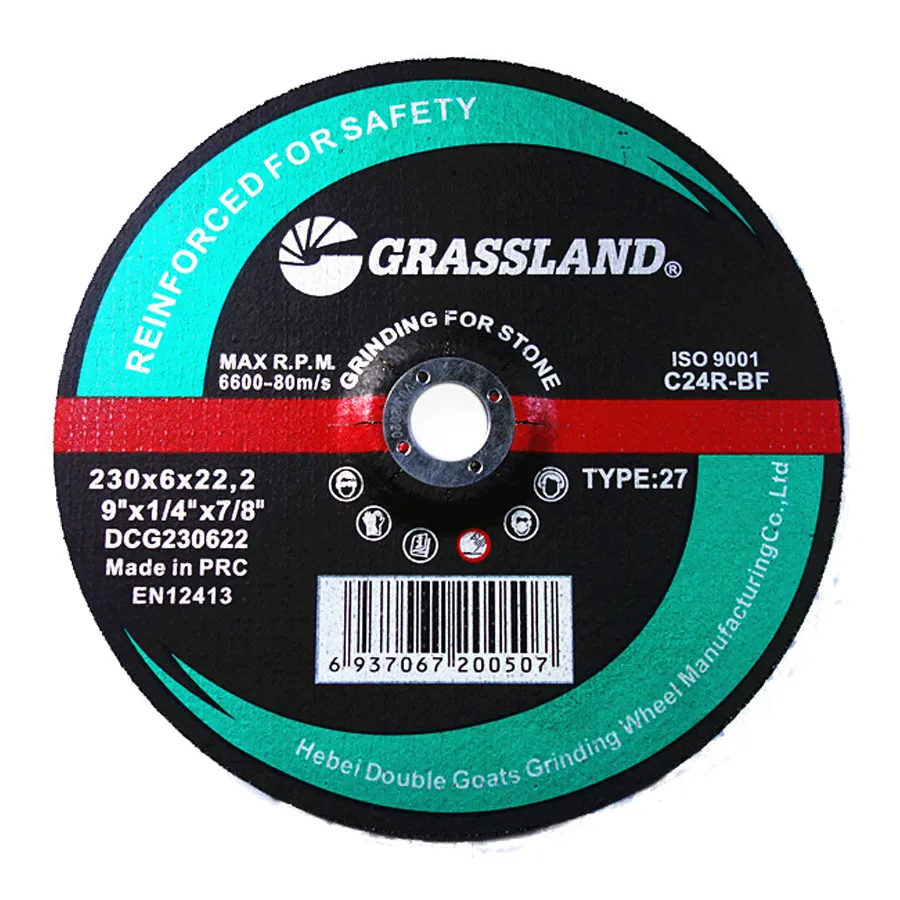
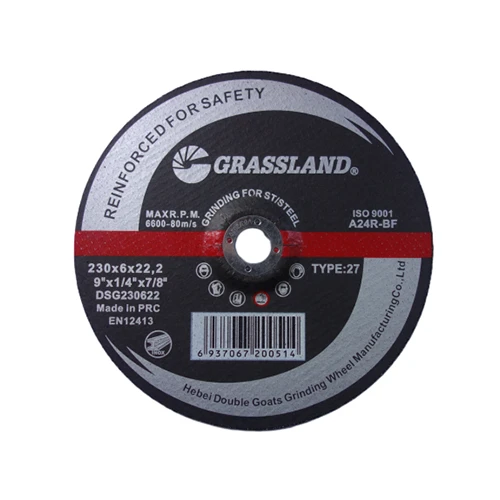
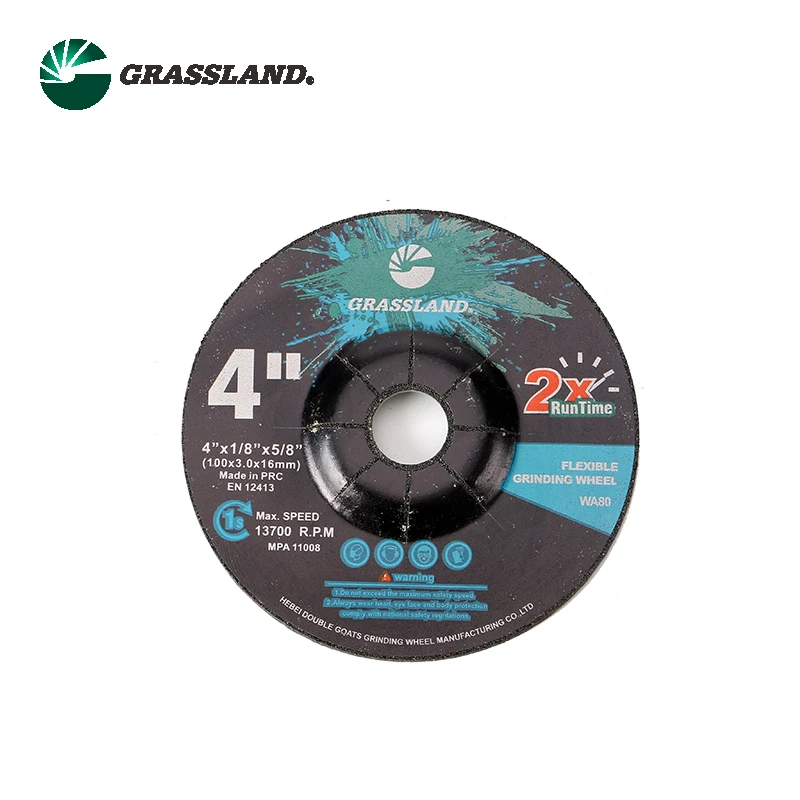
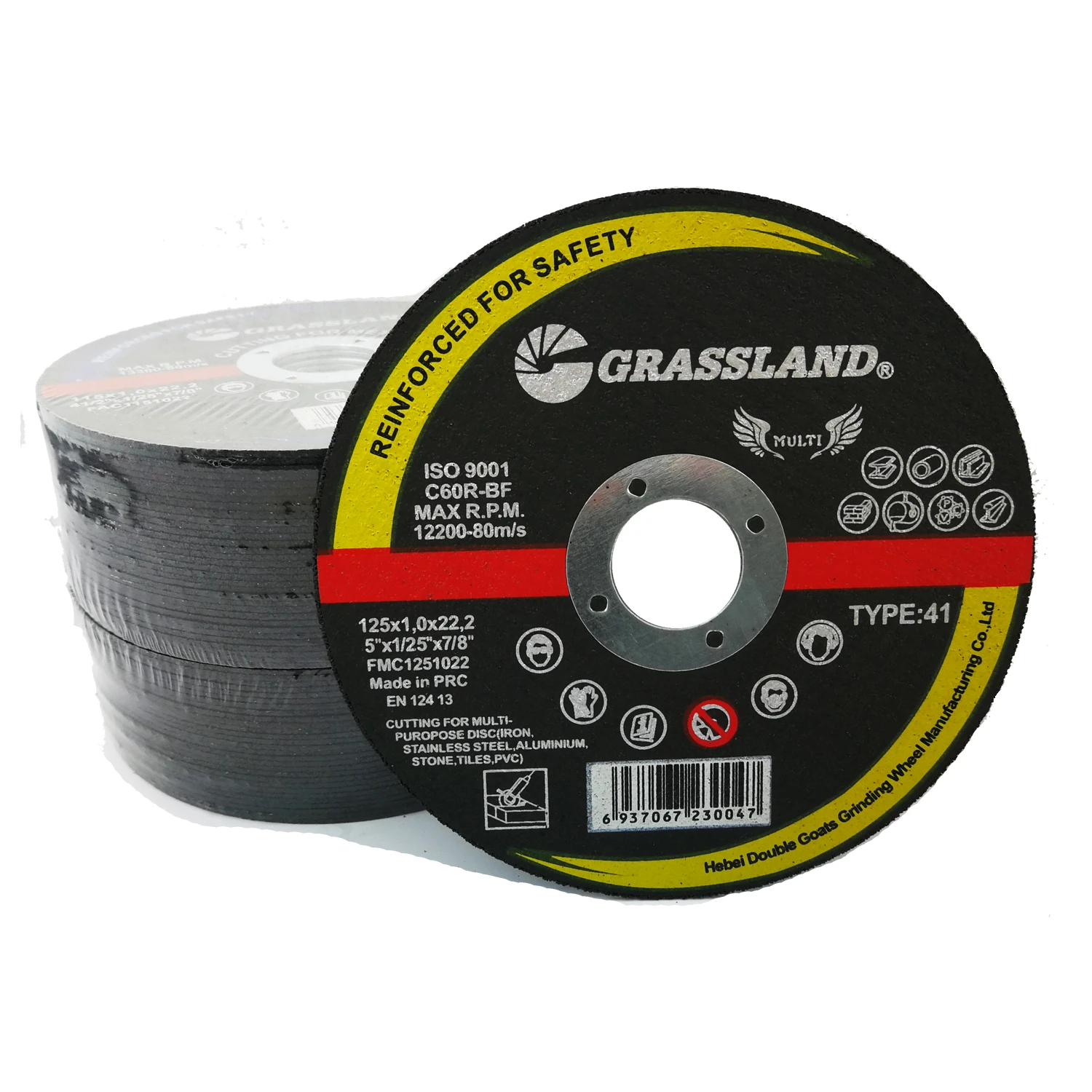
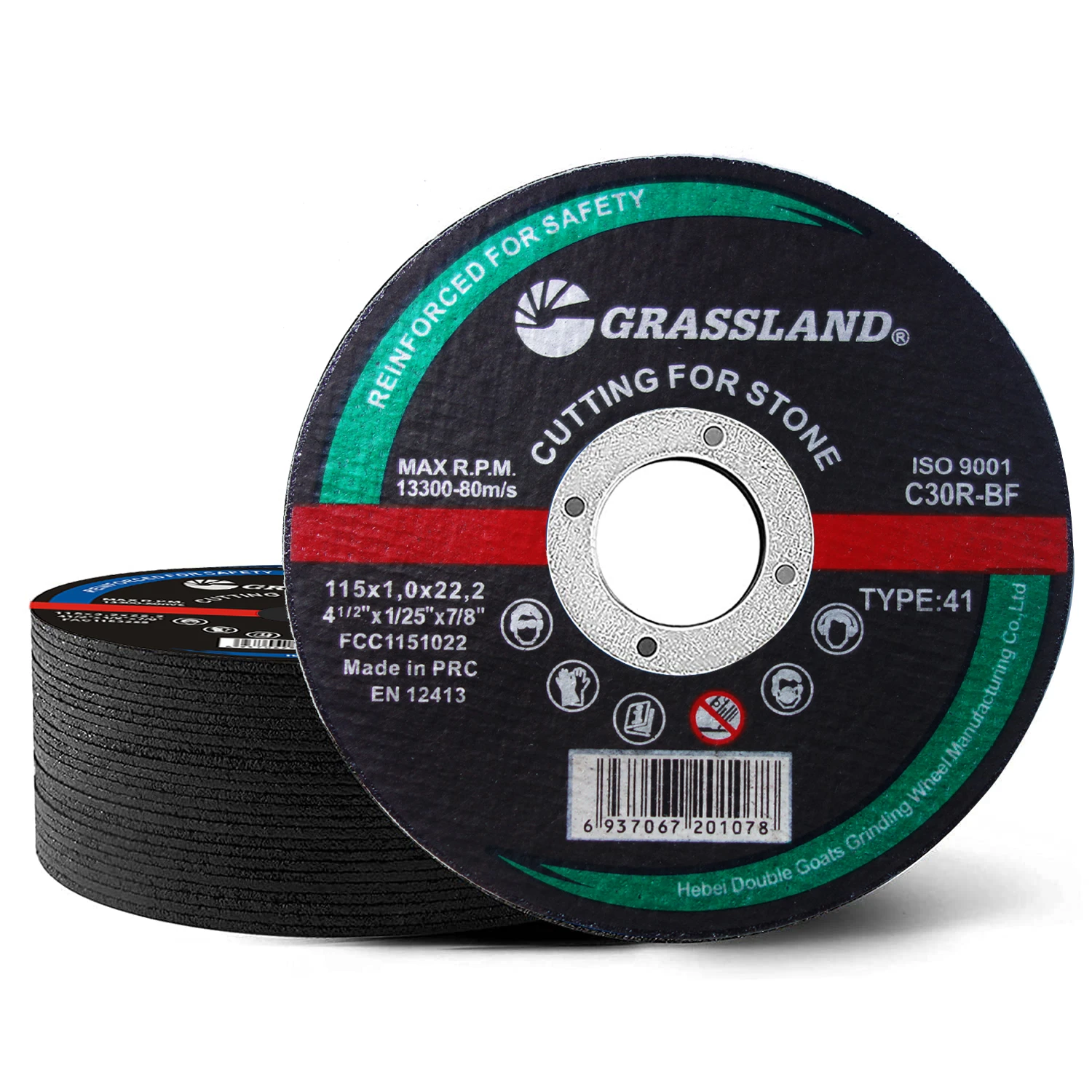
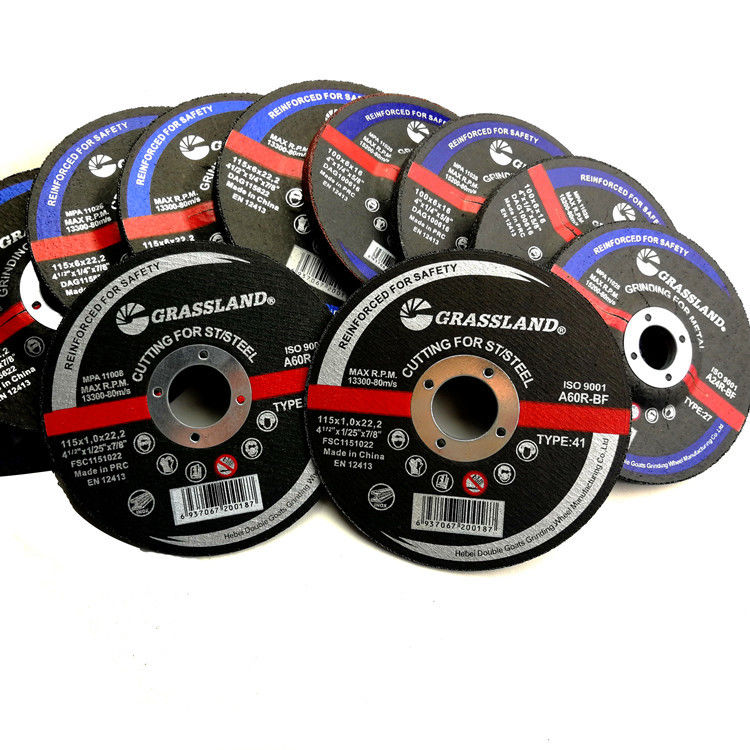
Simply put, a masonry cut off wheel on metal is an abrasive disc designed primarily for cutting hard materials like brick, stone, or concrete, but engineered or adapted to cut through metal as well. Typically made with bonded abrasives such as aluminum oxide or silicon carbide, these wheels blend toughness with the capability to handle mixed substrates.
The key connection to modern industry? These wheels enable fast, precise cuts in construction, metal fabrication, and even emergency rescue operations, where time and reliability save projects—and sometimes lives.
Core Components That Define Effectiveness
Durability
Durability is crucial. The wheel has to survive high RPMs and the stress of cutting dense metals without disintegrating dangerously. High-quality abrasives and careful bonding solutions make this possible.
Cutting Speed
In industry, time is money, so the wheel’s composition balances aggressiveness with control. Faster cuts reduce machine wear and worker fatigue.
Compatibility
Some wheels are too tailored to masonry or metal exclusively. The best options work effectively on both surfaces, useful in reinforced concrete where rebar needs slicing through.
Safety Features
Modern cut off wheels include safety reinforcements and comply with ISO 9001 and OSHA guidelines, minimizing kickback and shattering risks.
Cost Efficiency
While premium wheels cost more upfront, their longer life and fewer breaks result in overall savings—plus, fewer job site interruptions.
Typical Product Specifications
| Specification | Typical Value |
|---|---|
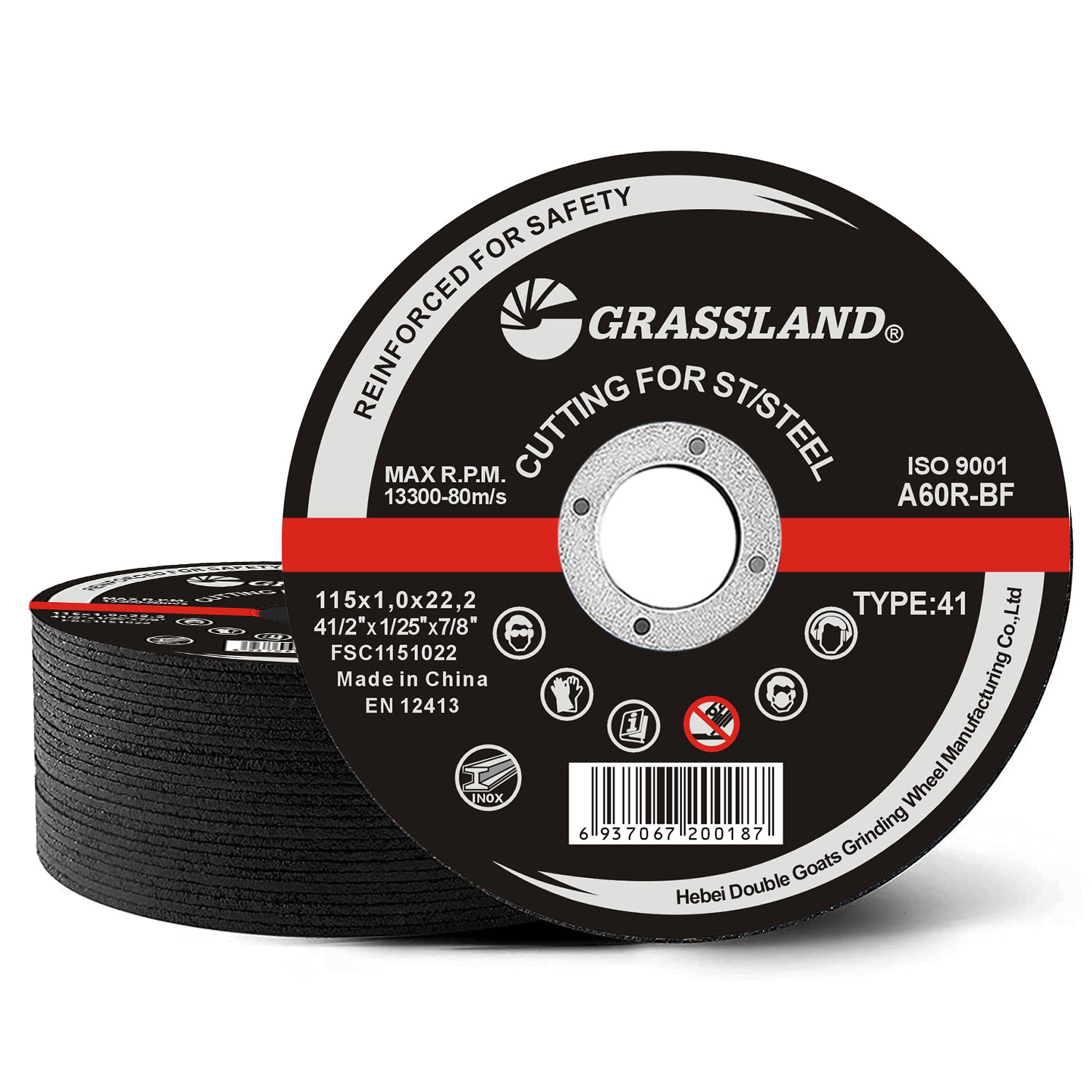
| Diameter | 4.5 inches (115 mm) |
| Thickness | 1 mm to 3 mm |
| Max RPM | 13,300 RPM |
| Abrasive Type | Aluminum Oxide, Silicon Carbide |
| Bonding Material | Phenolic Resin |
Global Applications and Use Cases
The versatility of masonry cut off wheels on metal shows up worldwide:
- Construction sites in North America: Cutting rebar within demolished concrete for recycling and safety clearance.
- Mining operations in Australia: Rapid cutting of metal linings embedded in rock for equipment repair.
- Emergency rescue teams in Europe: Quickly cutting through reinforced windows or debris during disaster relief.
- Manufacturing hubs in Asia: Precision-cutting metal parts welded onto stone fixtures for durable machinery.
Oddly enough, these wheels often turn up in places you might not expect but where performance demands are high.
Advantages and Long-Term Value
Here’s the kicker: these wheels save money long term. How?
- Reduced downtime: Longer-lasting wheels mean fewer tool changes and stoppages.
- Improved safety: Certified wheels reduce accidents from wheel failure.
- Environmental benefits: Less waste from broken discs and more efficient cutting means energy savings.
- Social impact: Safer practices improve worker morale and reduce injury rates.
It almost feels like a small innovation, but it ripples through projects and entire industries.
Future Trends and Innovations
Looking ahead, industry leaders are exploring several exciting paths:
- Eco-friendly materials: Synthetic abrasives minimizing environmental toxicity.
- Smart cutting discs: Embedded sensors alerting operators about wear and optimal replacement time.
- Digital marketplaces: Easier customized orders and rapid delivery from specialized vendors.
- Automation integration: Wheels optimized for robotic cutting arms improving precision and repeatability.
Green energy and sustainability are infiltrating every nook of manufacturing, and cut off wheels won’t be left behind.
Challenges and Expert Solutions
Still, not everything is smooth sailing. Common hurdles include:
- Inconsistent quality from low-cost producers leading to hazardous breakage.
- Improper use causing accelerated wear or injuries.
- Difficulty in sourcing specific sizes and compositions in remote areas.
Experts recommend:
- Strict adherence to ISO safety certifications and OSHA guidelines.
- Training operators in proper handling and protective equipment.
- Building reliable supply chains through vetted vendors.
Vendor Comparison: Popular Masonry Cut Off Wheel Brands
| Brand | Durability | Price | Safety Features | Availability |
|---|---|---|---|---|
| CutMaster Pro | High | $$$ | Yes (reinforced core) | Global |
| DiamondEdge | Medium | $$ | Partial | Regional |
| SteelCut Elite | Very High | $$$$ | Yes (OSHA certified) | Limited |
FAQ: Frequently Asked Questions about Masonry Cut Off Wheels on Metal
- Can I use a masonry cut off wheel to cut pure metal?
- Yes, but it depends on the wheel’s abrasive type and bonding material. Some are designed for mixed materials, but pure metal cutting might require a wheel specifically engineered for metals for optimal life.
- How long does a cut off wheel typically last?
- Usage varies, but under industrial loads, a high-quality masonry cut off wheel can last for dozens of cuts before replacement. Proper handling and material compatibility significantly extend its lifespan.
- Are there safety precautions I should always follow?
- Absolutely. Always wear eye protection, gloves, and hearing protection. Ensure the wheel is mounted correctly on the grinder, never exceed max RPM, and inspect for cracks before use.
- Where can I buy reliable masonry cut off wheels on metal?
- Vetted suppliers or specialized industrial retailers are best. Explore masonry cut off wheel on metal retailers online for options with ISO certifications and customer reviews.
- Is cutting rebar and concrete with the same wheel effective?
- Yes, certain masonry cut off wheels are formulated for concrete and embedded metals like rebar, offering convenience and saving tool changes on the job.
Conclusion – Why Masonry Cut Off Wheel on Metal Still Matters
In the end, the humble masonry cut off wheel on metal is a fine example of a simple tool—yet one that powers massive progress in construction, manufacturing, and emergency response. Investing in the right wheel means faster project completion, improved safety, and even sustainability wins. Whether you’re a contractor, engineer, or hobbyist, understanding its roles and capabilities gives you a real edge.
Don’t just take my word for it — check out masonry cut off wheel on metal product offerings and see the difference the right tool can make.
Mini takeaway: The best masonry cut off wheels aren’t just about cutting; they cut costs, risks, and delays too.
Thanks for sticking with me through the cut – pun intended! For more detailed info, you might want to peek into:
- Wikipedia on Abrasive Cutting
- ISO Safety Standards for Abrasive Wheels
- World Steel Association statistics
Post time:Dec - 02 - 2025