Understanding the Iron Cutting Wheel: A Key Component in Modern Industry
At first glance, the iron cutting wheel might seem like a simple tool—just a disc that slices through metal. But frankly, it's much more than that. This component is a crucial piece in industries from construction and manufacturing to automotive and beyond. With the world’s infrastructure continuously evolving (and often in need of repair), understanding the role and benefits of the iron cutting wheel is surprisingly important. These wheels not only improve efficiency but also ensure safety and precision in cutting operations which many modern applications demand.
Global Relevance of Iron Cutting Wheels
Globally, metalworking continues to be a backbone for many economies. According to data from the International Organization for Standardization (ISO), the engineering and metal fabrication industries are expected to grow by nearly 3.5% annually in the next decade. Within these growing industries, the need for reliable, efficient cutting tools becomes even more apparent. Iron cutting wheels address key challenges such as speed, accuracy, and wear resistance when slicing through tough metals. Oddly enough, in developing regions where infrastructure upgrades are urgent, access to durable cutting tools can influence the success and safety of construction projects.
For example, during urban development projects in Southeast Asia and Africa, iron cutting wheels help workers cut through large iron rods or sheets quickly, reducing downtime and risk. This ties into humanitarian efforts too—durable cutting tools accelerate rebuilding in post-disaster zones where time is a critical factor.
What Exactly Is an Iron Cutting Wheel?
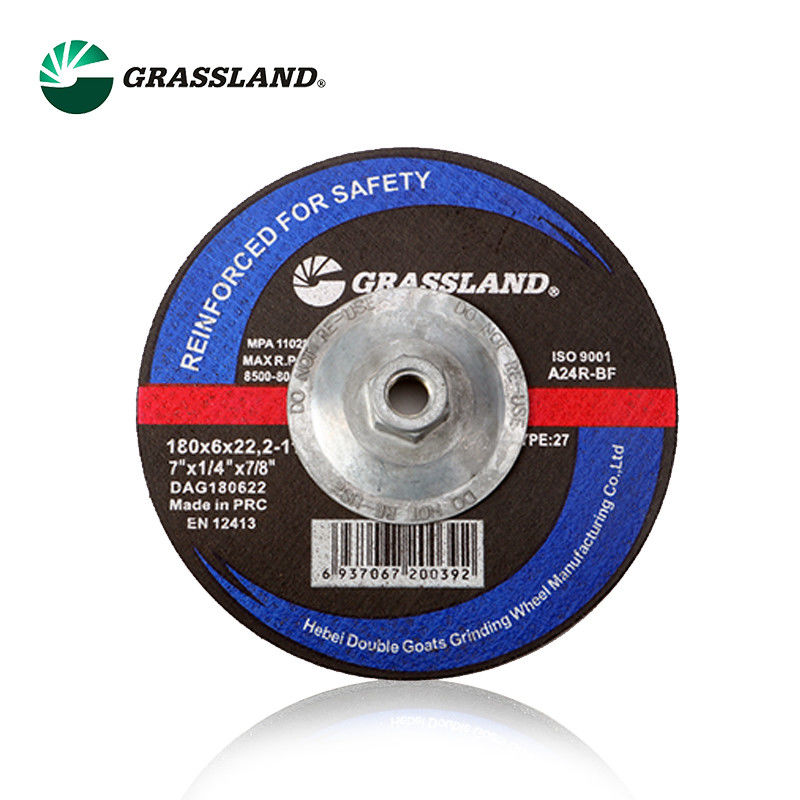
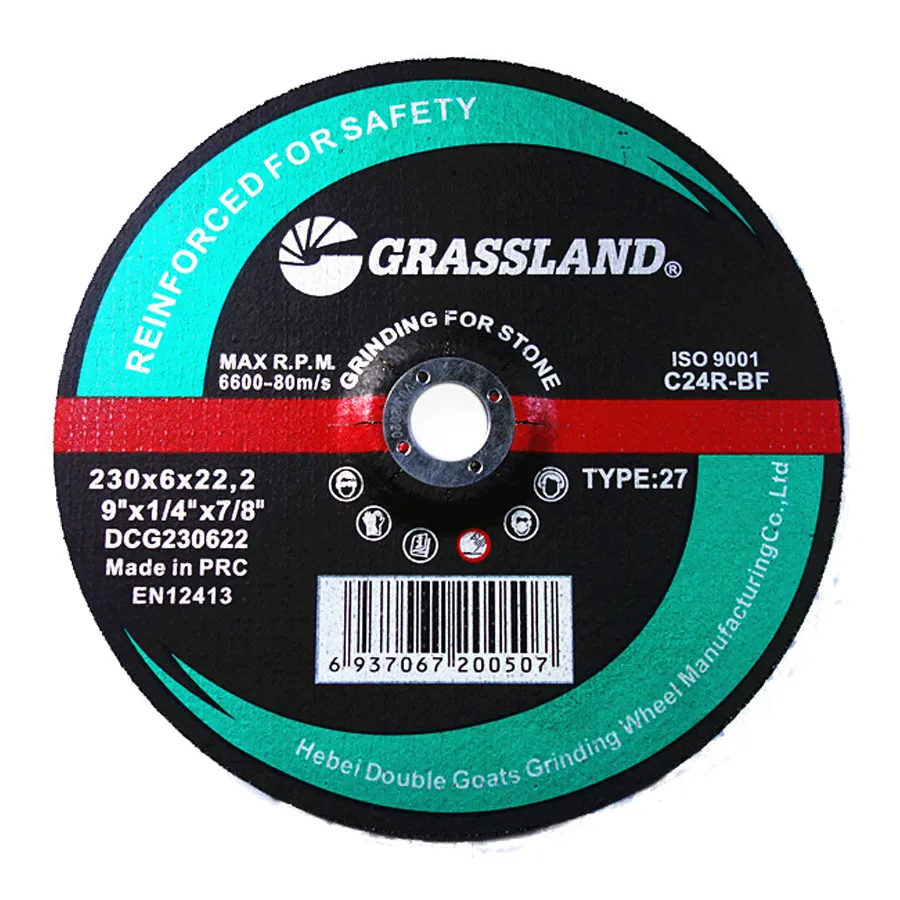
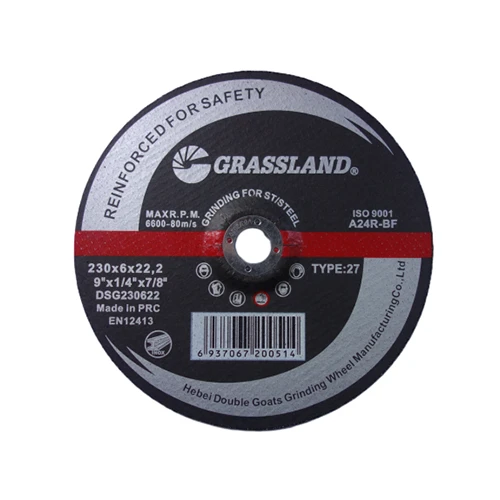
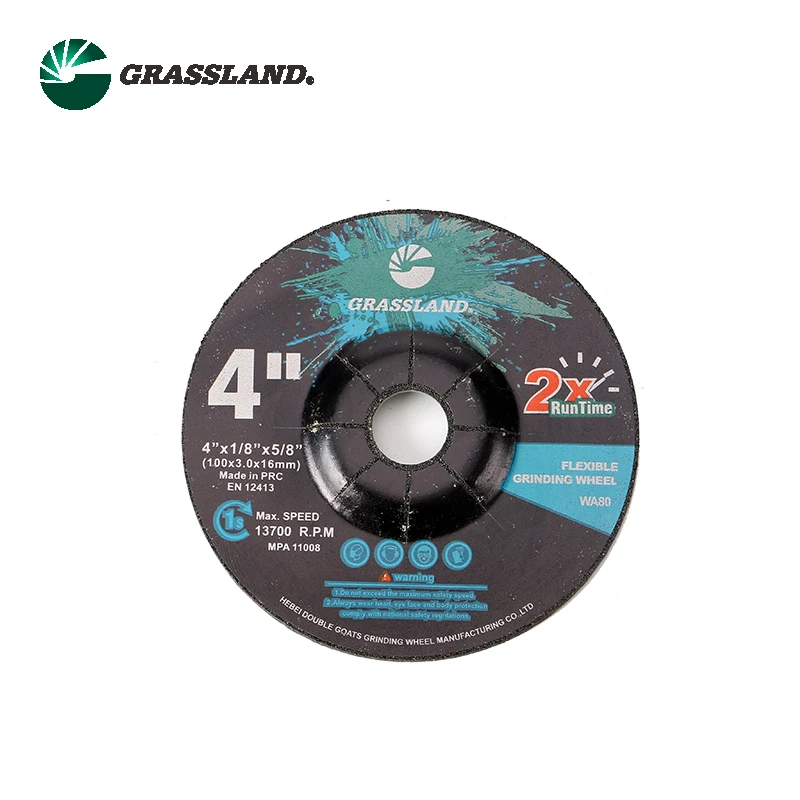
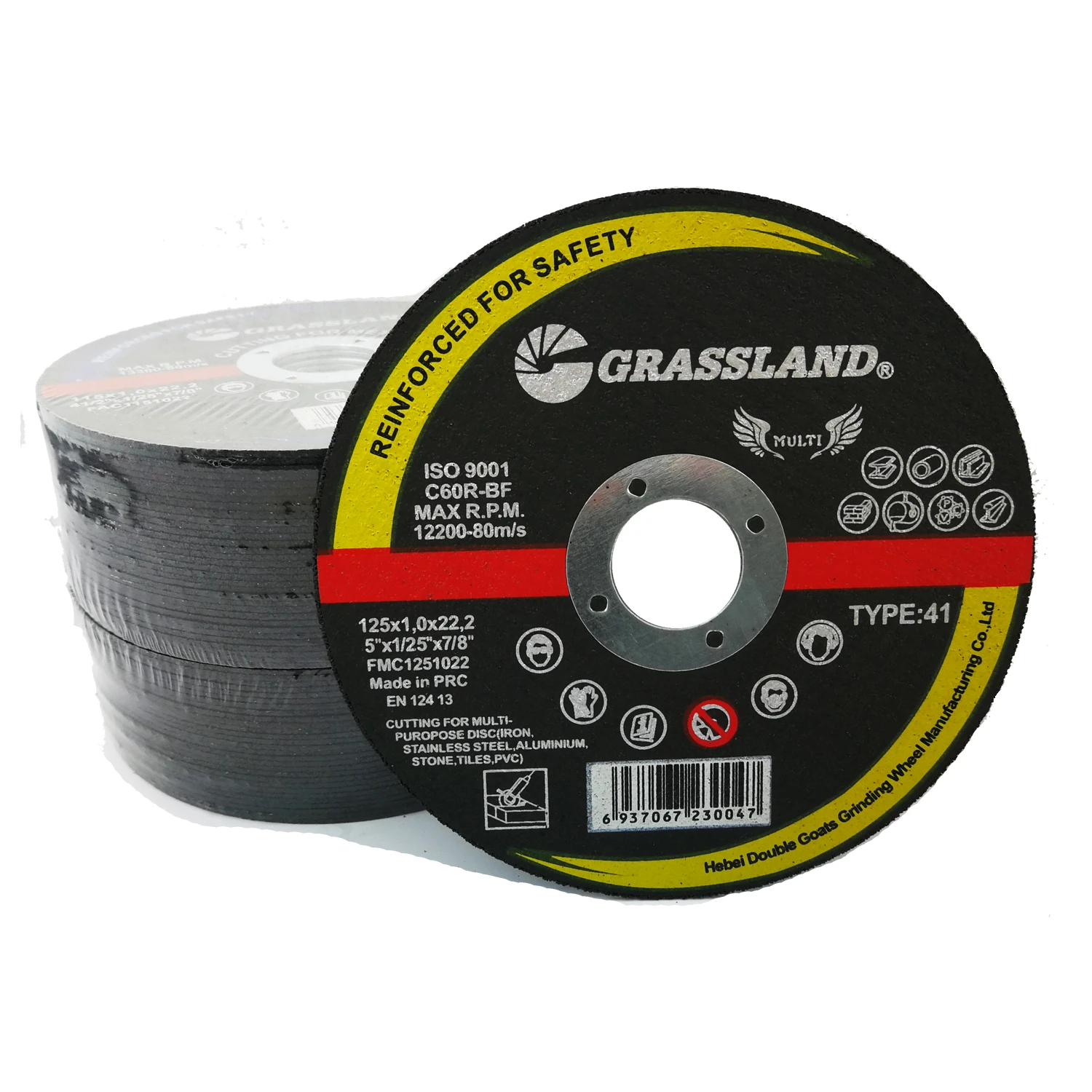
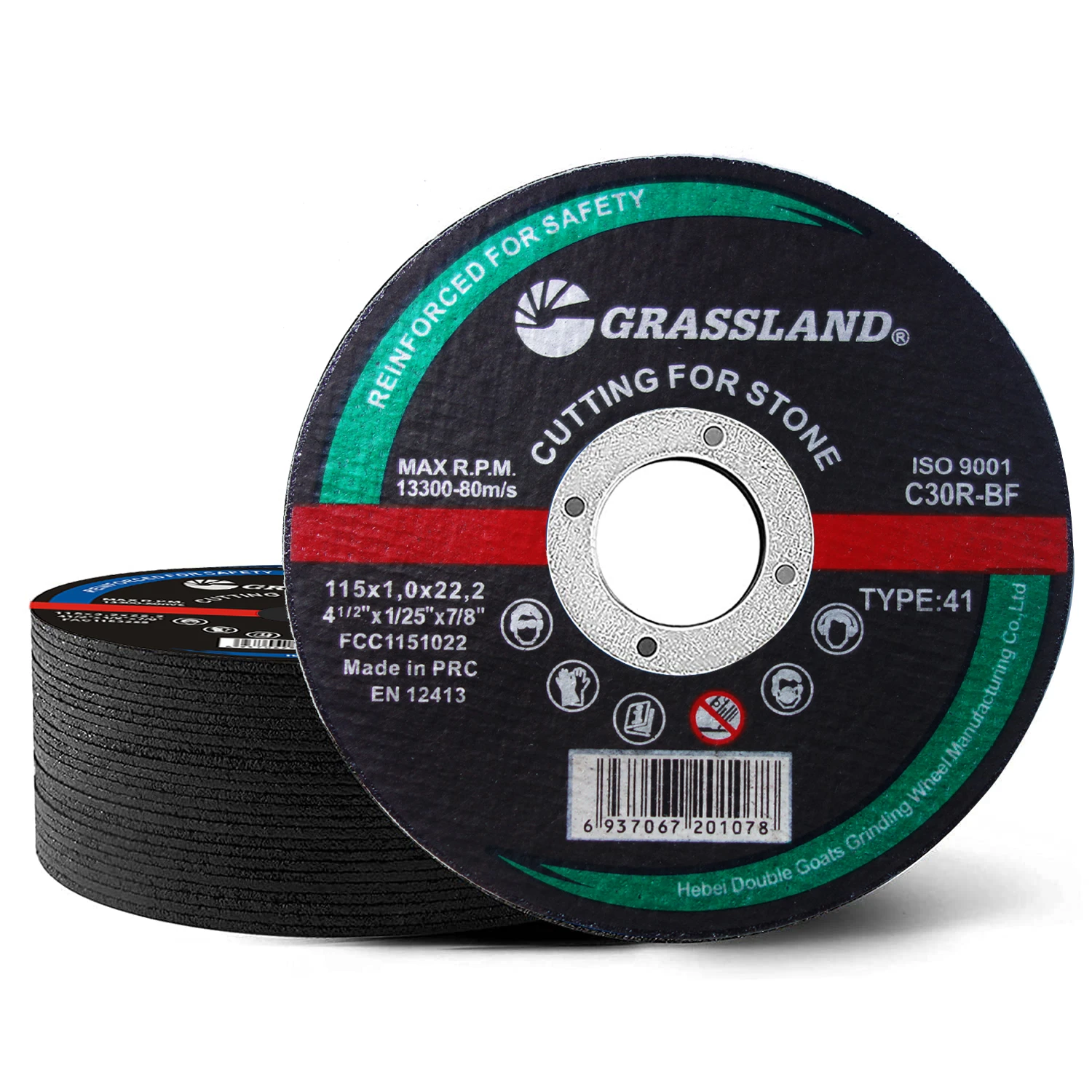
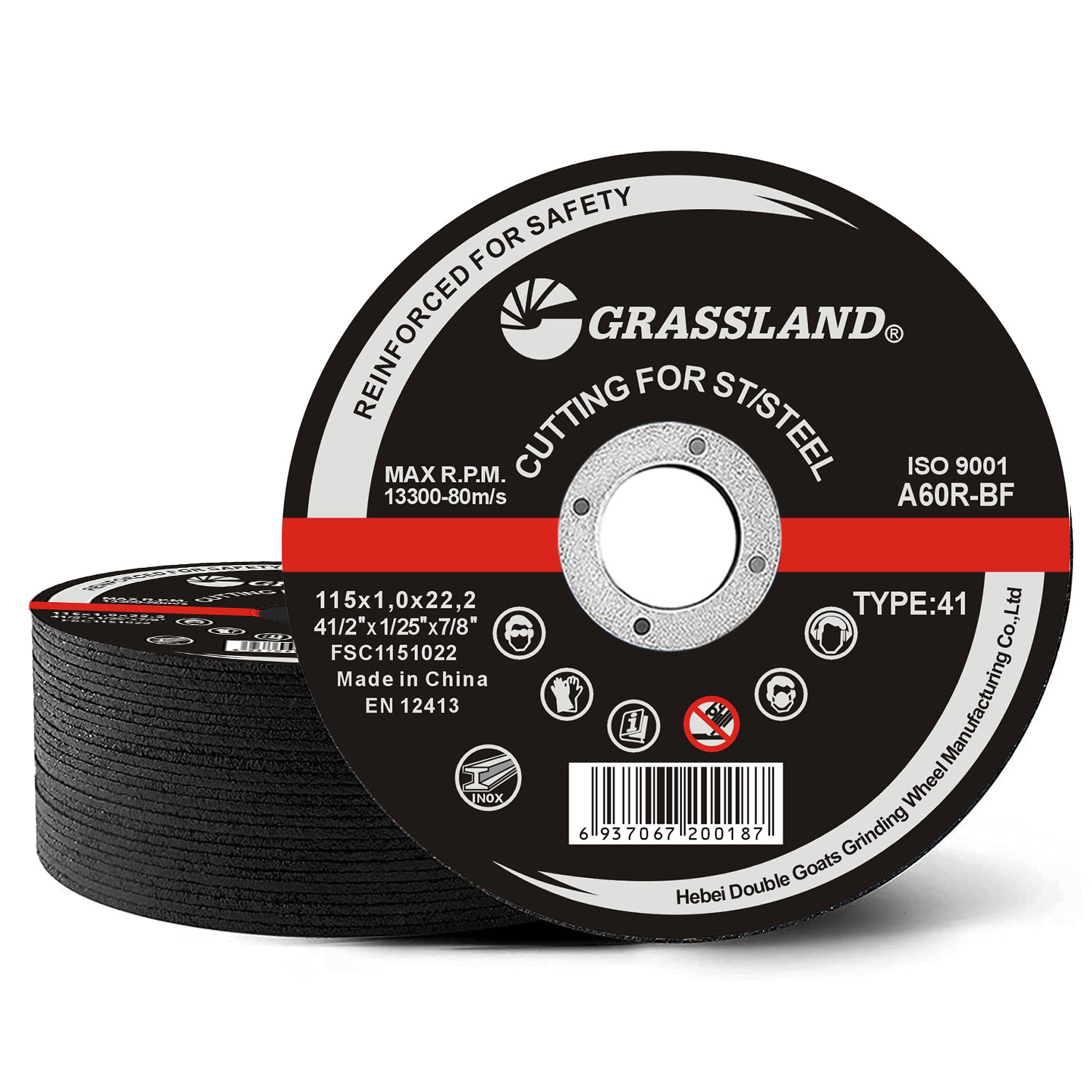
In simple terms, an iron cutting wheel is a high-speed abrasive disc designed specifically to cut iron and other ferrous metals. They are usually attached to angle grinders or specialized cutting machines and consist of abrasive grains bonded with resin or other materials to withstand friction and heat. The connection between the iron cutting wheel and modern industries is deep – it’s a small piece that supports huge projects, from automotive manufacturing lines to shipbuilding yards.
Core Aspects of Iron Cutting Wheels
1. Durability
Because these wheels work at thousands of RPMs, they must endure tremendous heat and friction without cracking or wearing out immediately. High-quality wheels are reinforced with fiberglass or similar materials to boost their lifespan.
2. Cutting Speed
Fast cutting improves productivity but requires a fine balance. Too aggressive, and the wheel risks damage; too gentle, and jobs slow down. Many manufacturers tweak abrasive grit size to optimize this balance.
3. Precision
A clean, smooth cut reduces the need for secondary finishing work, saving time and money. Precise wheels maintain stability during high-speed rotation.
4. Cost Efficiency
While some wheels are pricier upfront, their longer service life and lower downtime costs often outweigh cheaper alternatives. It’s a classic case of spending more now to save later.
5. Safety Features
Good iron cutting wheels incorporate safety measures such as break-resistant construction and reliable bonding agents. In line with ISO safety standards (ISO 178), these features reduce the occurrence of accidents.
Product Specifications: Popular Iron Cutting Wheel
| Specification | Detail |
|---|---|
| Diameter | 4.5 inches (115 mm) |
| Thickness | 1.0 mm |
| Max RPM | 13,300 RPM |
| Material | Aluminum oxide abrasive |
| Reinforcement | Fiberglass mesh |
How Vendors Stack Up
| Vendor | Price per Unit | Average Lifespan (Cuts) | Safety Certification |
|---|---|---|---|
| CutOff Pro | $2.50 | 150 cuts | ISO 178 Certified |
| SteelSlice | $2.20 | 120 cuts | ISO 178 Certified |
| MetalCut Max | $2.75 | 170 cuts | Pending Certification |
Applications Around the World
From the bustling factories in Germany to the construction sites in Brazil and the shipyards in South Korea, iron cutting wheels are everywhere. For instance:
- In shipbuilding, wheels must slice through thick iron plates with minimal sparks to maintain safety onboard.
- In infrastructure projects across Asia, workers rely on these wheels to reshape steel rods quickly, cutting down project timelines.
- NGOs rebuilding homes after natural disasters in the Caribbean use durable wheels to expedite frame assembly.
All this means that wherever iron structures are concerned, the iron cutting wheel secretly powers much of the heavy lifting.
Advantages and Long-Term Value
Why go for a high-quality iron cutting wheel? Well, the array of benefits goes beyond cost and time savings:
- Safety: Properly engineered discs reduce accidents.
- Reliability: Consistent cuts increase trust in production lines.
- Sustainability: Longer-lasting wheels mean less waste.
- Innovation: Modern wheels adapt well to automation tools, a boon for factories aiming to optimize.
Workers also appreciate tools that make their tasks smoother and safer — that emotional connection to the equipment can’t be overstated.
Looking Ahead: The Future of Iron Cutting Wheels
Interestingly, the iron cutting wheel space is evolving. Advances include:
- Eco-friendly abrasive materials: Less hazardous dust and higher recyclability.
- Smart sensors integrated into cutting tools for predictive maintenance.
- Automation compatibility, enabling robotic precision cuts in high-volume production.
These trends align with broader shifts toward green manufacturing and Industry 4.0 principles.
Challenges and How Experts Solve Them
No tool is perfect, and iron cutting wheels face their share:
- Wear and Tear: Abrasive surfaces degrade and can cause uneven cuts over time.
- Safety Risks: A wheel failure at high speed is dangerous.
- Material Compatibility: The wrong wheel can damage the iron or other materials being cut.
To offset these, manufacturers conduct rigorous testing, follow regulation standards (ISO 178 for safety), and educate customers on proper wheel-selection and usage. Some ventures push for replaceable multi-segment wheels to cut waste and improve usability.
Frequently Asked Questions About Iron Cutting Wheels
Q: How do I choose the right iron cutting wheel for my angle grinder?
A: Select a wheel that matches your grinder’s size and max RPM rating. Look for abrasive material suitable for iron, typically aluminum oxide, and ensure it has adequate reinforcement such as fiberglass. Check industry certifications like ISO 178 to guarantee safety and quality.
Q: Can iron cutting wheels be used on other metals?
A: While designed primarily for iron and similar ferrous metals, some wheels handle mild steel and cast iron. For non-ferrous metals like aluminum, specialized wheels with a different abrasive composition usually perform better to avoid clogging.
Q: How often should I replace iron cutting wheels during industrial use?
A: Lifespan depends on usage intensity but expect between 100 and 170 cuts in typical industrial conditions. Signs to replace include reduced cut quality and visible wear. Proper maintenance and matching wheels to job requirements extend service life.
Q: Are iron cutting wheels environmentally friendly?
A: Some manufacturers now produce “green” wheels made from less toxic materials and recyclable reinforcements. However, traditional wheels generate abrasive dust which should be managed with proper workplace ventilation and protective equipment.
Q: Where can I buy high-quality iron cutting wheels?
A: Reputable industrial suppliers, including online portals like iron cutting wheel specialists, offer certified wheels with warranties. Always buy from suppliers who provide clear specs and safety information.
Wrapping It Up
The humble iron cutting wheel might not grab headlines, but it’s an unsung hero in metalworking and construction worldwide. Its blend of durability, precision, and safety keeps projects moving and workers protected. As materials and manufacturing evolve, so too will these wheels—staying central in an ever-changing industrial landscape.
If you’re curious about upgrading your toolkit or sourcing reliable blades, I suggest visiting https://www.cutoffdiscs.com to explore your options today.
Oddly enough, getting the cutting edge right feels like setting the whole industry up for success.
References
Post time:Dec - 02 - 2025