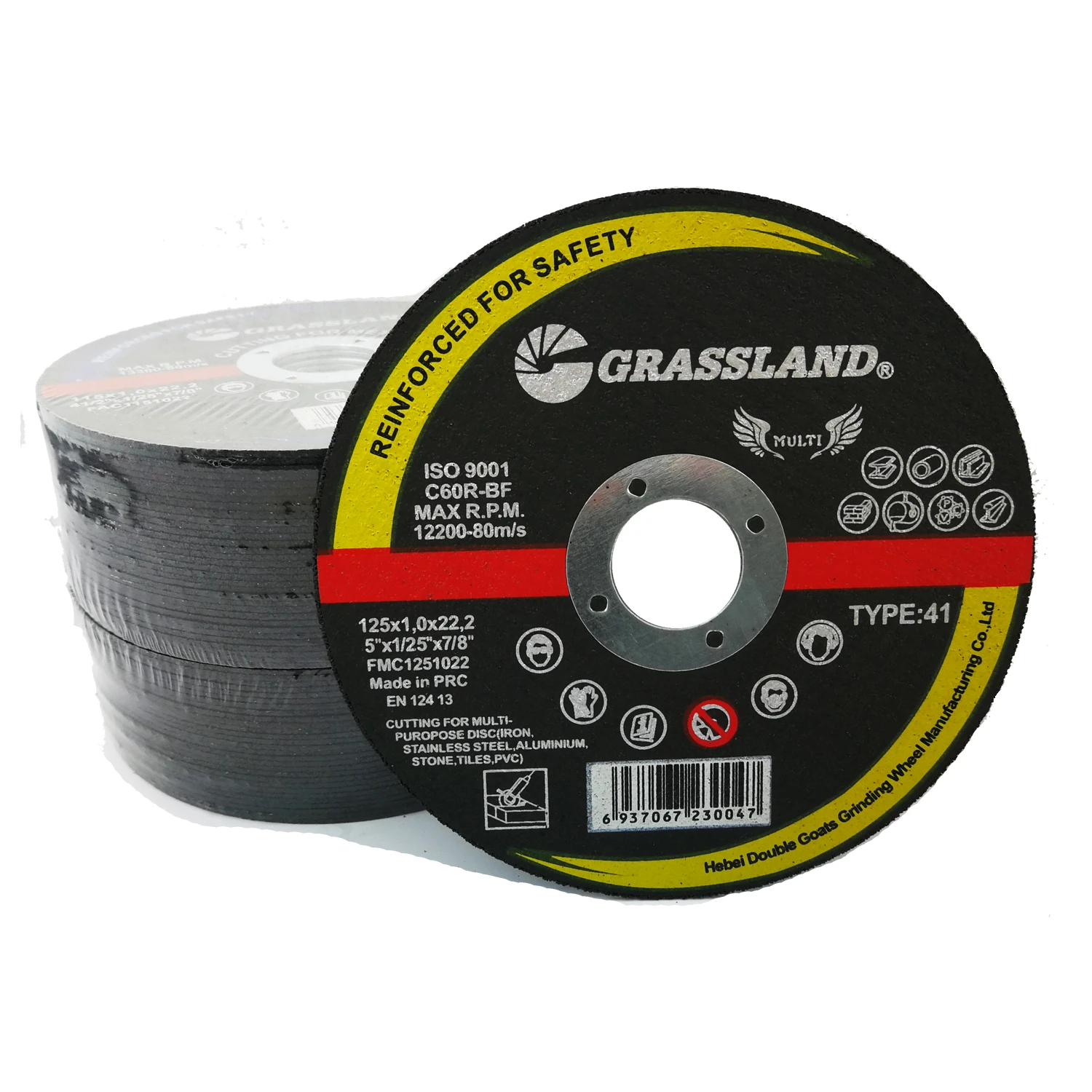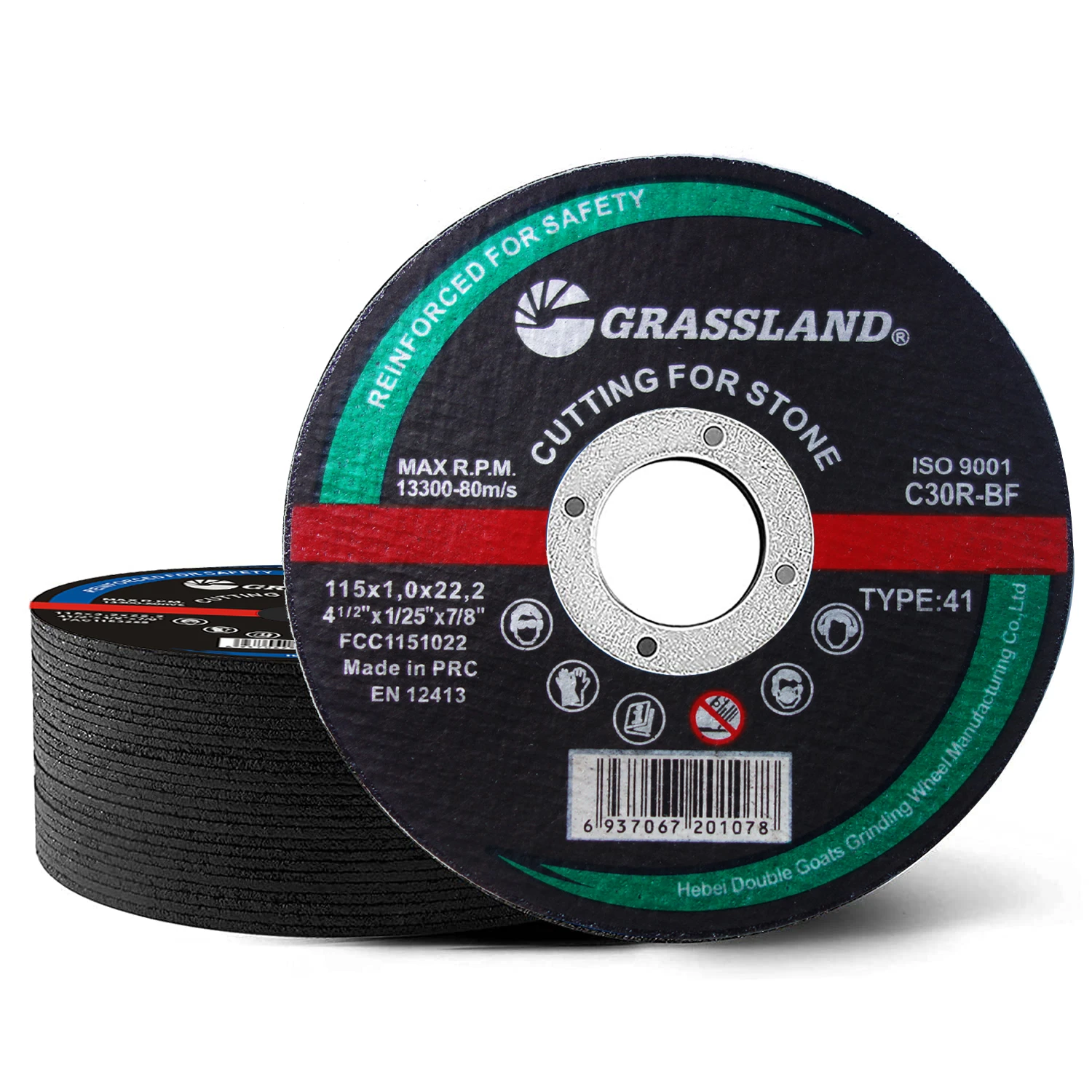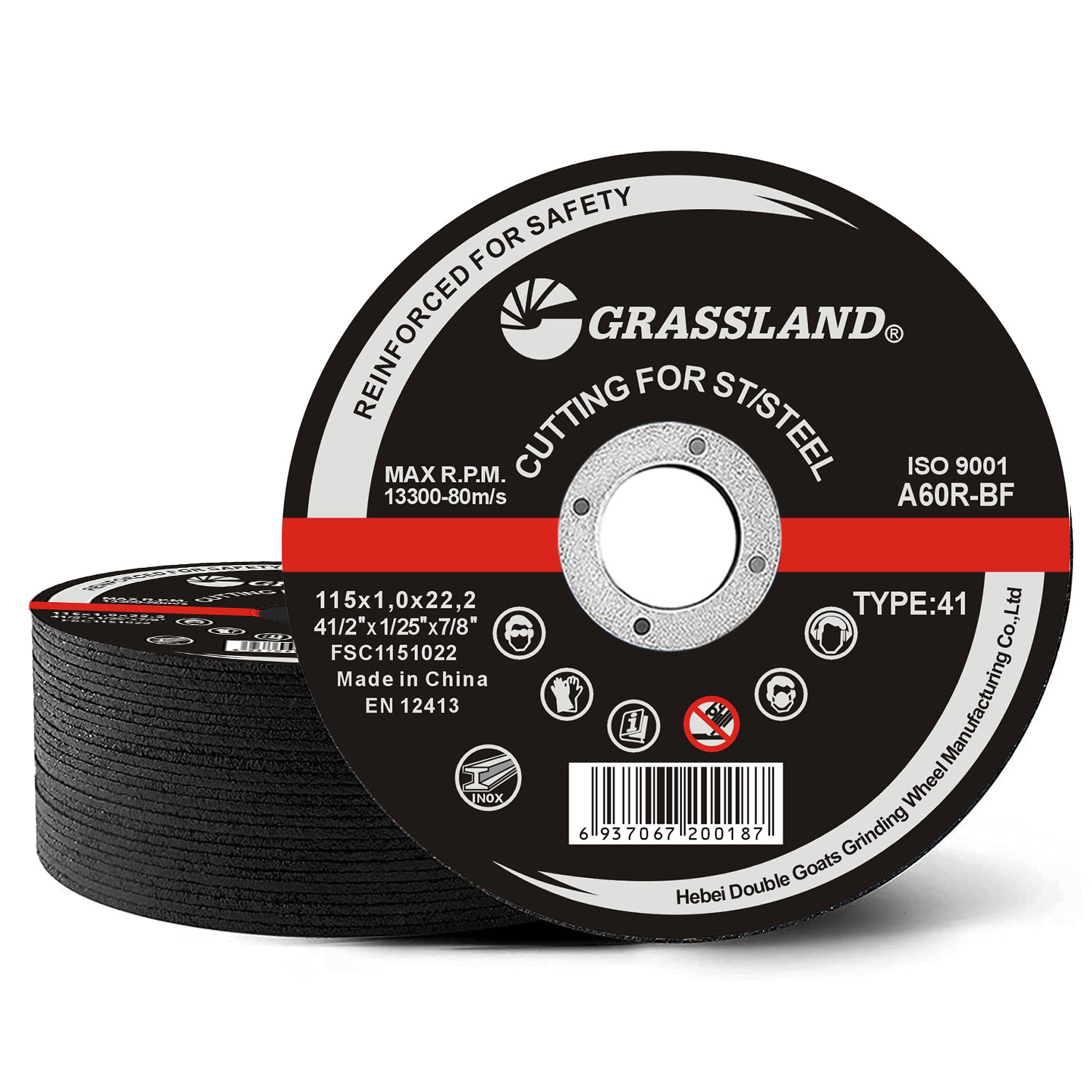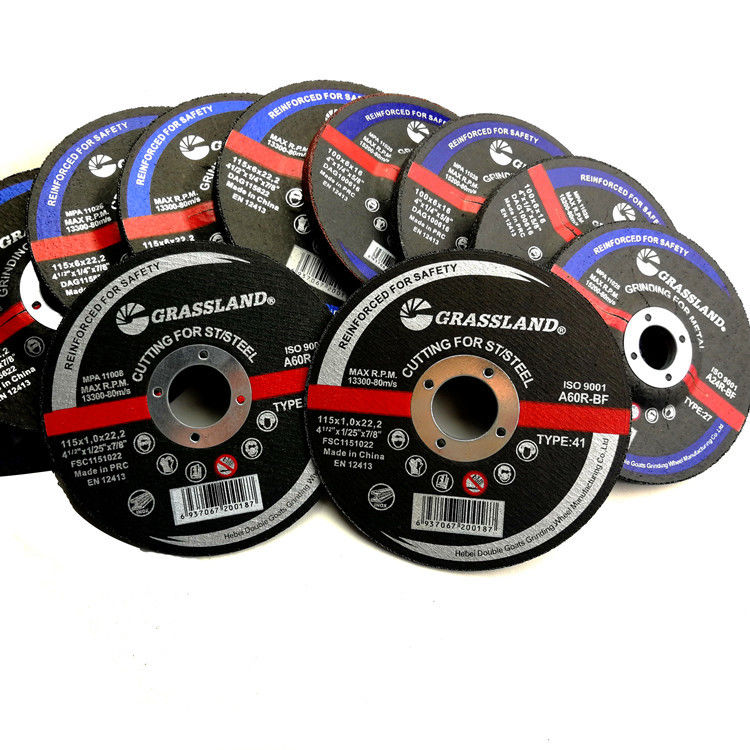
Why Angle Grinder Grinding Discs for Metal Matter in Today’s Industry
Angle grinder grinding discs for metal are quite literally spinning at the heart of countless metalworking projects worldwide — but why should you care? Whether you're a fabricator shaping stainless steel, a maintenance tech restoring machinery, or an NGO prepping relief tools post-disaster, these discs play a subtle yet powerful role.
In real terms, metal grinding discs power efficiency, precision, and safety in operations that rip through rust, weld seams, or shape everything from skyscraper beams to tiny mechanical parts. Globally, the demand reflects the growing industrial footprint — with ISO standards helping ensure quality and consistency. Understanding how these discs work and how they vary unlocks better tools, cost savings, and even environmental benefits.
Placing Angle Grinder Grinding Discs for Metal in Context
To put it simply: angle grinders are handheld tools spinning very fast, and their grinding discs are the replaceable wheels that actually do the cutting, smoothing, or cleaning on metal surfaces. Globally, the metal fabrication market surpassed $6 billion in recent years, fueled by sectors like automotive, construction, energy, and even humanitarian engineering efforts.
Did you know? According to the World Bank, infrastructure development in emerging economies demands massive metal processing, hence a steady, reliable supply of efficient grinding discs. But challenges persist — inconsistent disc quality can cause accidents or wasted resources. That's where knowledge about the right angle grinder grinding discs for metal truly pays off.
What Exactly Are Angle Grinder Grinding Discs for Metal?
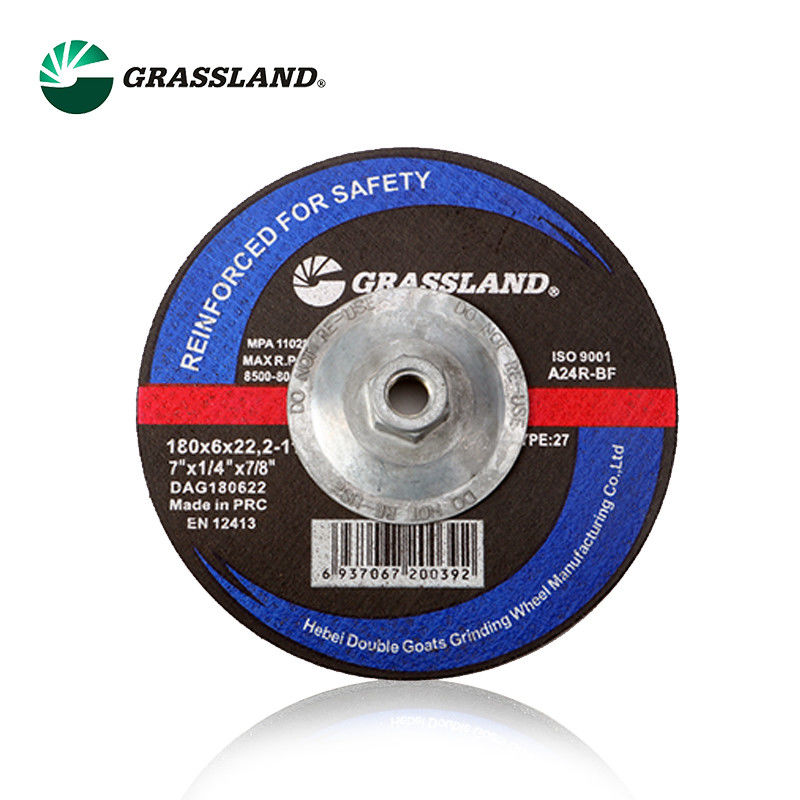
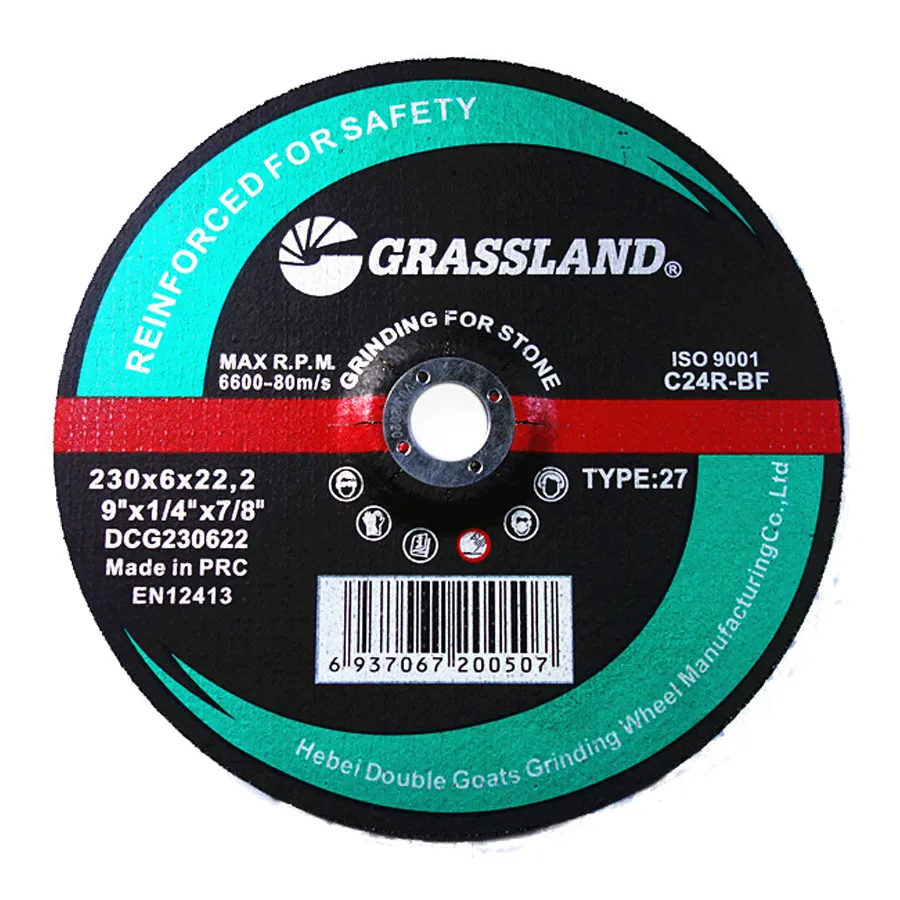
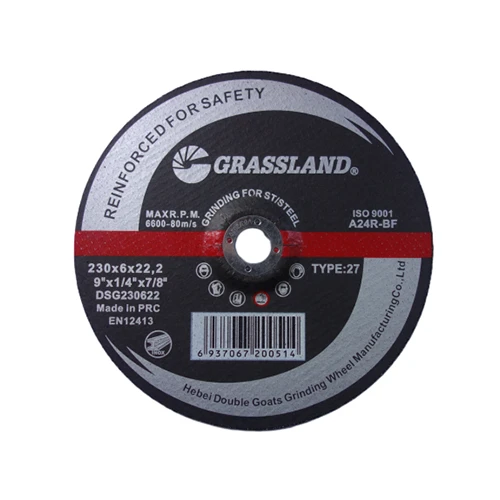
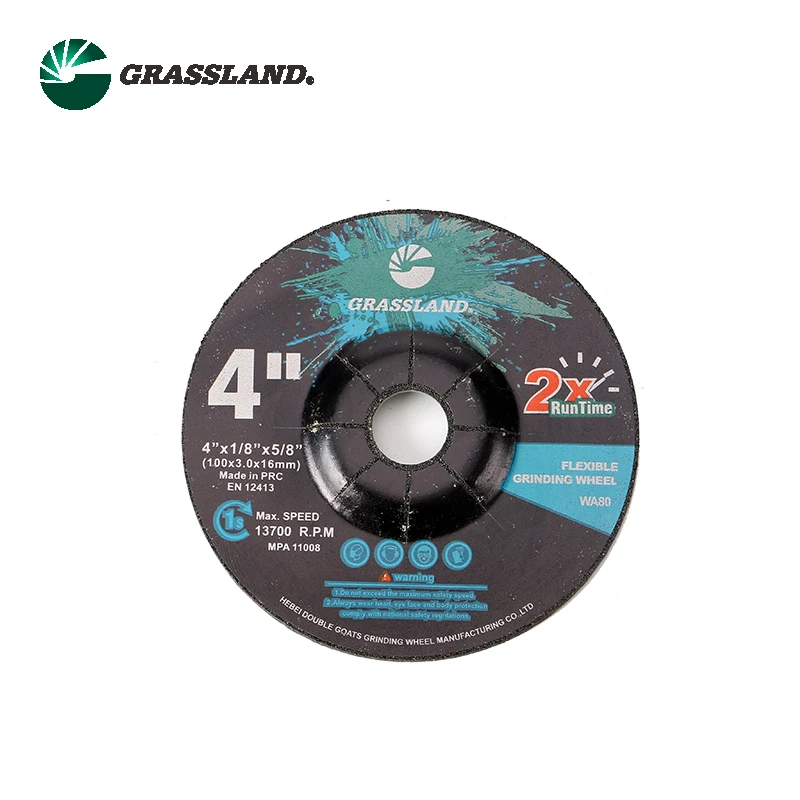
At its core, a grinding disc for an angle grinder designed for metal is a circular abrasive tool constructed to remove material by abrasion. Unlike cutting discs, these grinding discs have more depth and are thicker, which makes them better suited for smoothing, shaping, or weld removal rather than slicing completely through metal.
They’re typically made from a resin-bonded composite of abrasive grains—like aluminum oxide or zirconia alumina. This mix ensures they can handle the high heat and friction from grinding tough metals.
The importance goes beyond industrial workshops; in humanitarian contexts, such as rebuilding after natural disasters, workers rely on these discs to restore metal structures quickly and safely. Oddly enough, when you think about it, something as simple as picking the right disc can influence the success of entire projects.
Key Features to Know About Angle Grinder Grinding Discs for Metal
1. Durability and Composition
The lifespan of grinding discs depends on bond quality and abrasive type. Aluminum oxide is common and cost-effective, while zirconia alumina offers superior durability for heavy-duty tasks. Engineers frequently debate the exact lifespan under varied conditions, but investing in higher-grade discs can reduce downtime dramatically.
2. Size and Compatibility
Discs come in various diameters (typically from 4 ½ inches up to 9 inches or larger) and thicknesses. Choosing the right size is crucial for safety and efficiency — an ill-suited disc might wear unevenly or even shatter. Most modern angle grinders have universal fitting standards, but double-check before ordering replacements.
3. Speed and RPM Ratings
Each disc is rated for maximum revolutions per minute (RPM). Using a disc beyond its rated speed is risky and can lead to accidents. It’s worth noting, many professionals advocate matching grinder RPM with disc limits rather than pushing the tool to max — longevity wins over speed in many cases.
4. Material-Specific Abrasives
Different metals respond better to different abrasives. Stainless steel grinding benefits from zirconia alumina discs which resist clogging, while mild steel can be worked on effectively with aluminum oxide discs. Knowing your metal’s properties saves time and wear.
Mini takeaway:
- Always match disc type and size to task specifics.
- Higher-quality abrasive bonds pay off over time.
Product Specification Table: Popular Grinding Discs for Metal
| Product | Diameter (inches) | Abrasive Type | Max RPM | Thickness (mm) | Use Case |
|---|---|---|---|---|---|
| ProCut Alumina 7600 | 4.5 | Aluminum Oxide | 13,300 | 6 | General Metal Grinding |
| SteelMaster Zirconia Plus | 7 | Zirconia Alumina | 8,600 | 8 | Heavy-Duty Stainless Steel |
| QuickCut Economy | 5 | Aluminum Oxide | 11,000 | 5 | Light Manufacturing |
Global Applications of Metal Grinding Discs
From bustling Asian manufacturing hubs to remote African mining camps, angle grinder grinding discs for metal are everywhere. They’re indispensable in automotive factories in Germany, shipyards in South Korea, and even humanitarian agencies clearing rubble in earthquake zones like Nepal.
Charity organizations use them to refurbish machinery quickly, enabling faster relief delivery. In more developed regions, industries rely on them for routine maintenance, cleaning welds, or preparing surfaces for coatings. Their use extends beyond industrial metals too — artists, sculptors, and even urban renovators trust these discs to get the job done.
Advantages & Long-Term Value of Using the Right Grinding Discs
- Cost Efficiency: Durable discs mean fewer replacements — saving money and downtime.
- Safety: Proper discs reduce breakage risk.
- Environmental Impact: High-quality discs generate less dust and waste.
- Precision: Better surfaces mean improved fitting and longevity for metal parts.
- Trust & Dignity: Reliable equipment builds skilled workforces and confidence in output.
Future Trends: Smarter, Greener, More Automated
Innovation in abrasive technology continues. There's a clear industry shift towards eco-friendlier resins and dust-suppressing discs, cutting down harmful silica exposure for workers. Some manufacturers experiment with diamond-enhanced discs for extreme precision, even on exotic alloys.
At the same time, automation in metal fabrication is integrating smart sensors to predict disc wear, alerting operators before failure. Digitally connected tool platforms are emerging, meaning your angle grinder and its discs 'talk' to maintenance behind the scenes — smart, huh?
Common Challenges — And How to Tackle Them
Users often struggle with disc wear that’s uneven or premature, dangerous shattering, or mismatched disc-to-metal combos. The solutions? Primarily, education about proper use and better quality control during manufacturing.
Some companies even now offer on-site training or digital guides to ensure you don’t just buy a disc but understand it. It turns out, a little knowledge dramatically reduces accidents and boosts efficiency.
Vendor Comparison Table: Top Suppliers of Metal Grinding Discs
| Vendor | Product Range | Price Range (per pack) | Shipping Countries | Bulk Order Support |
|---|---|---|---|---|
| CutOff Discs Ltd | Wide (4 to 9 inch, multiple abrasives) | $25 - $120 | 120+ | Yes |
| MetalPro Abrasives | Focused (5-7 inch, premium only) | $40 - $150 | 50 | Limited |
| Industrial Tools Co. | Broad (4.5 to 12 inch, budget to premium) | $15 - $100 | 80+ | Yes |
FAQ: Your Burning Questions about Angle Grinder Grinding Discs for Metal
Q: How do I choose the safest grinding disc for my angle grinder?
A: Always check the disc’s RPM rating against your grinder’s speed, ensure proper disc size, and buy from reputable vendors following industry standards. Using discs intended for metal grinding rather than cutting discs for the same tool reduces risk of shattering.
Q: Can angle grinder grinding discs be reused after heavy jobs?
A: Generally, discs wear down unevenly or thin out after heavy use, reducing their safety and efficiency. While occasional light use is okay, it’s best to replace discs that show significant wear or damage to maintain safety and finish quality.
Q: Are there eco-friendly options available?
A: Yes. Some manufacturers now offer resin-bonded discs with less harmful emissions during use, plus recyclable backing plates. Proper dust collection when grinding also plays a big role in minimizing environmental impact.
Q: What metals work best with aluminum oxide versus zirconia alumina discs?
A: Aluminum oxide is great for mild and alloy steels, while zirconia alumina tends to last longer grinding stainless steel and heavy-duty metals due to better heat resistance and toughness.
Q: Where can I buy angle grinder grinding discs for metal in bulk?
A: Vendors like CutOff Discs Ltd offer bulk purchasing options with global shipping and technical support, ideal for large projects or reseller needs.
Wrapping Up — Why the Right Disc Matters Long Term
After all this, it’s clear that angle grinder grinding discs for metal aren’t just “disposable parts.” They’re critical tools that impact safety, cost efficiency, and project outcomes across industries worldwide. Taking time to select quality discs suited to your metals, application, and tool means less frustration, fewer hazards, and a smoother finish (sometimes literally!).
Ready to explore your options? Visit our website for a wide range of trusted angle grinder grinding discs for metal and step into a safer, more efficient metalworking future.
References
Post time:Dec - 01 - 2025