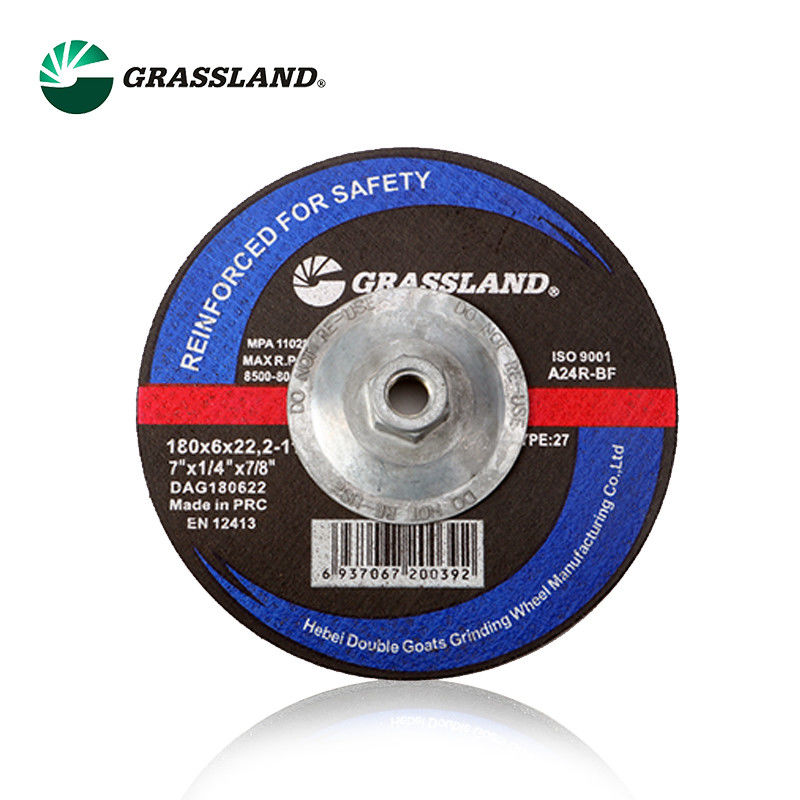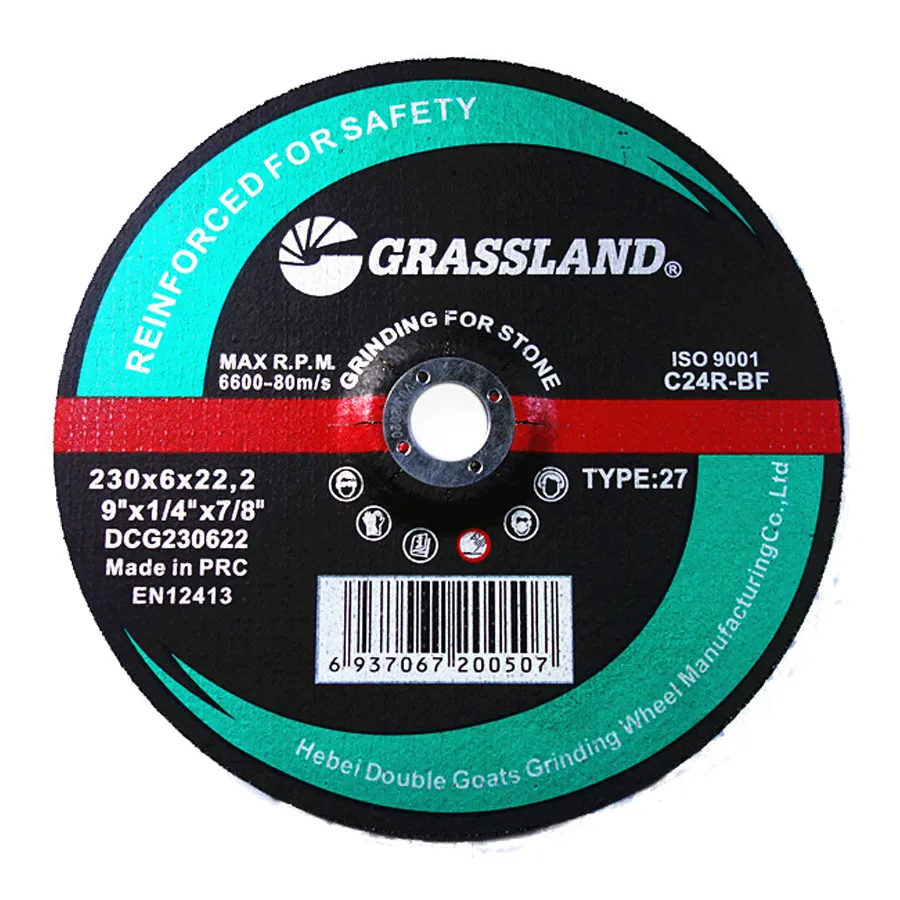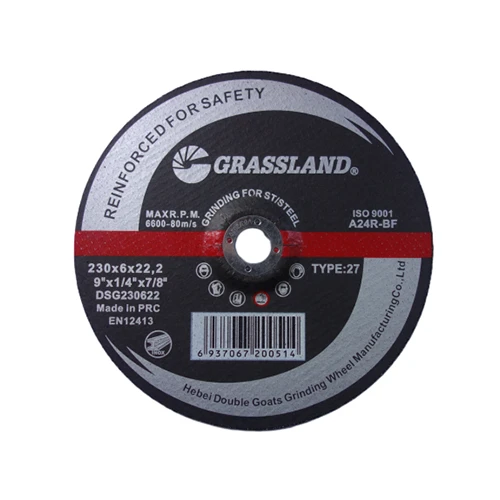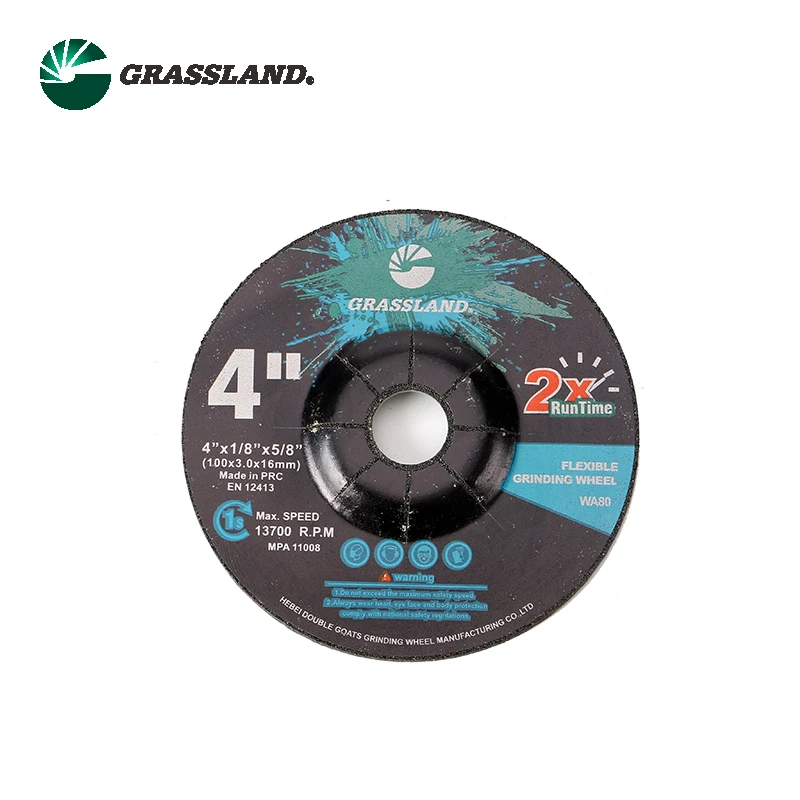
Angle Grinder Metal Cutting: A Global Toolbox Essential
When you think of metal cutting, chances are you picture big industrial machines or steel mills. But really, the angle grinder sits quietly as one of the most versatile tools worldwide — in construction, metal fabrication, and even emergency relief. The term angle grinder metal cutting refers to using these handheld power tools equipped with abrasive discs to slice through metal quickly and efficiently. Understanding this process is more than just knowing your tools; it’s about grasping how precise, portable metal cutting shapes engineering, infrastructure, and safety around the globe.
Why Is Angle Grinder Metal Cutting So Important Globally?
The World Steel Association reports over 1.8 billion metric tons of steel produced worldwide annually, with constant needs for cutting, shaping, and maintaining this metal. Simultaneously, ISO standards for metal cutting tools evolve to improve safety and efficiency. Angle grinders serve as a vital bridge between enormous fabrication plants and the on-site, hands-on tasks that keep everything from cities to emergency shelters functional. Challenges like rapid repair in disaster zones, detailed metalworking in remote industrial complexes, and on-site metal recycling are all tackled with angle grinders.
So, pretty much wherever there’s metal to cut — and that means nearly everywhere — angle grinder metal cutting plays a role in the economy, safety, and sustainability worldwide.
What Exactly is Angle Grinder Metal Cutting?
To put it plainly, angle grinder metal cutting means using a powered rotary tool with a thin, abrasive disc spinning at high speeds to slice through various metals — from steel sheets to rebar and pipes. It’s practical, flexible, and often the go-to method for quick cuts, modifications, or finish work that larger machines can’t handle on the spot.
Its simplicity belies its huge industrial and humanitarian impact. Be it steel fabrication in automotive plants or fixing metal debris after natural disasters, this technique blends technology with raw manual skill. angle grinder metal cutting is the pulse in workshops and frontline operations alike.
Key Factors in Angle Grinder Metal Cutting Efficiency
1. Tool Durability and Disc Quality
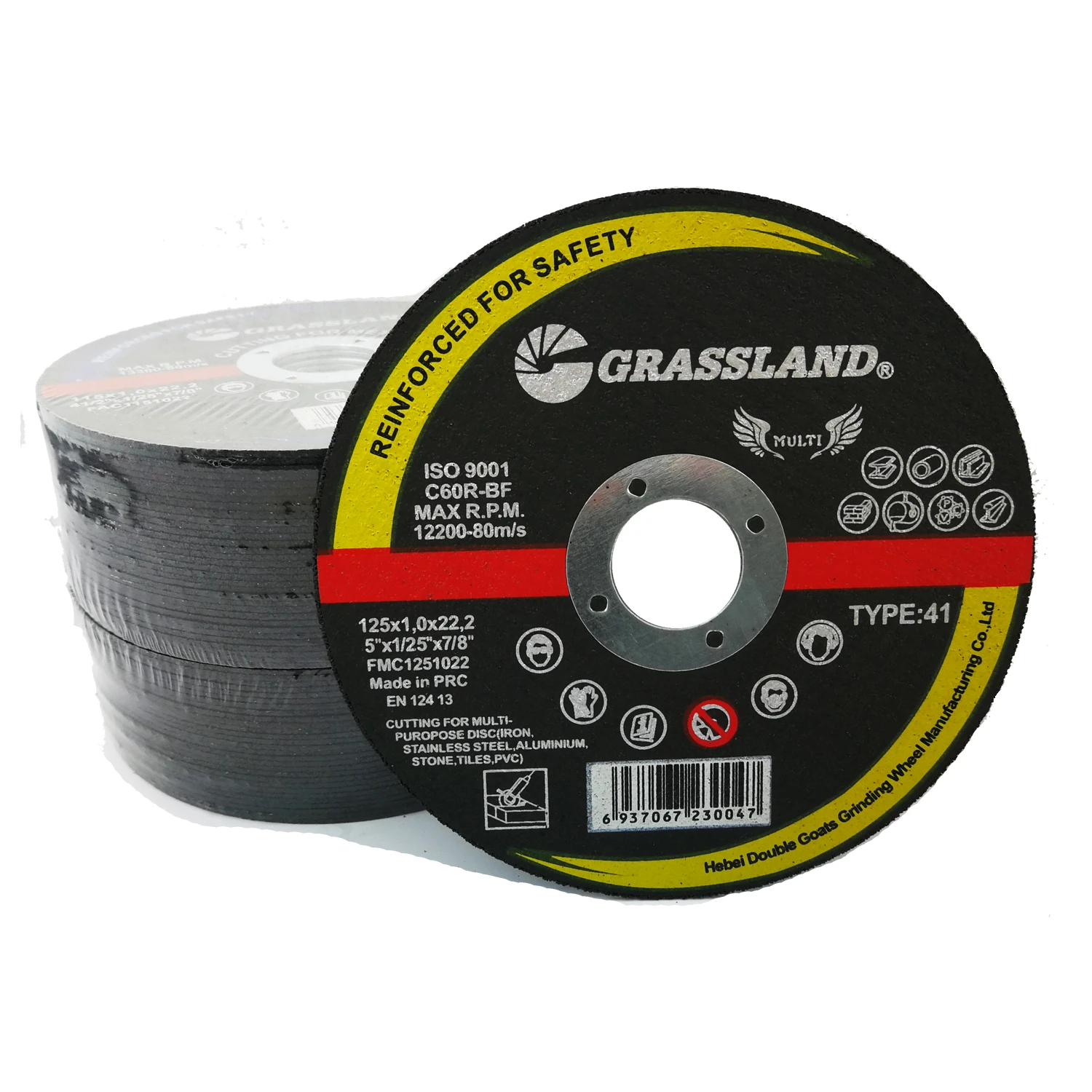
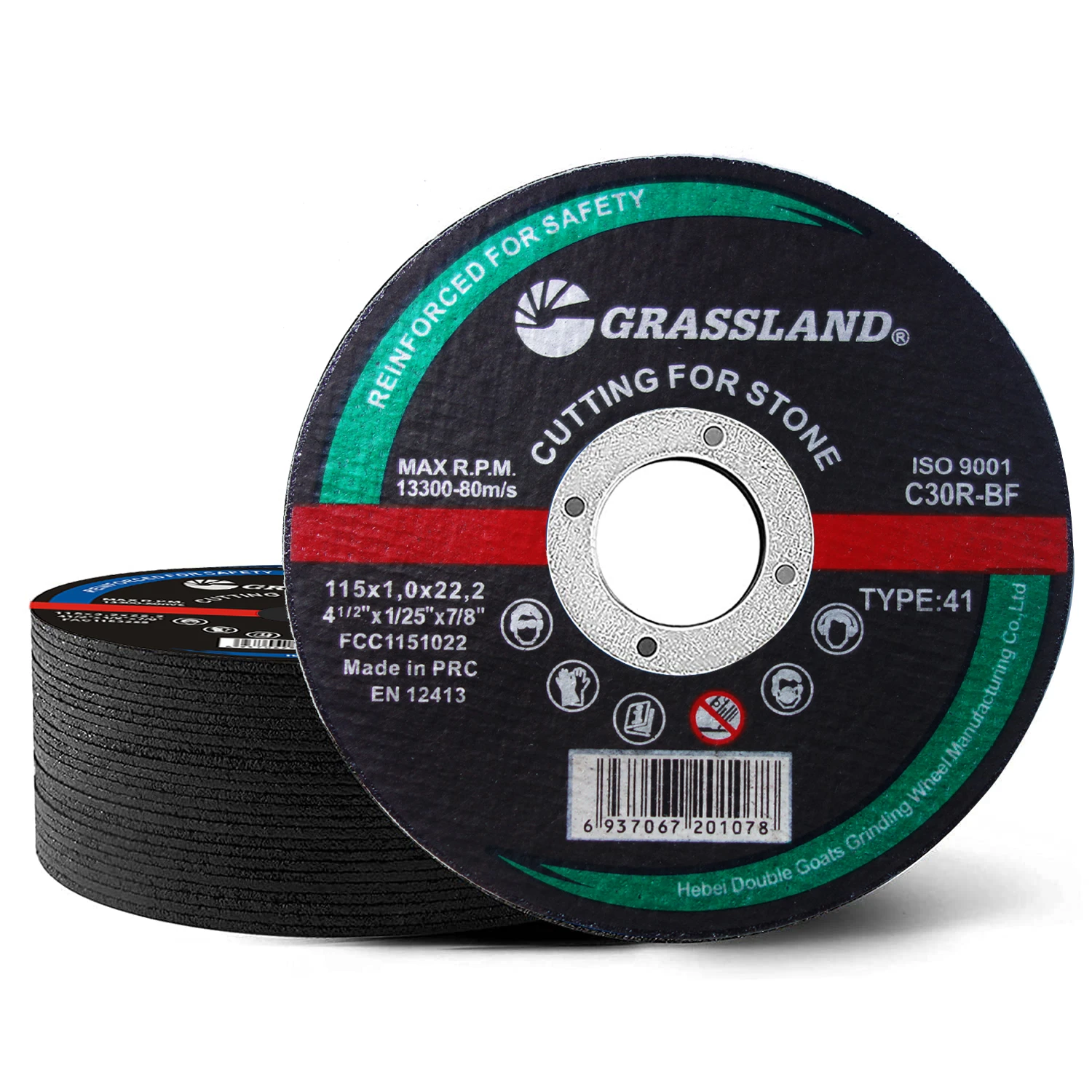
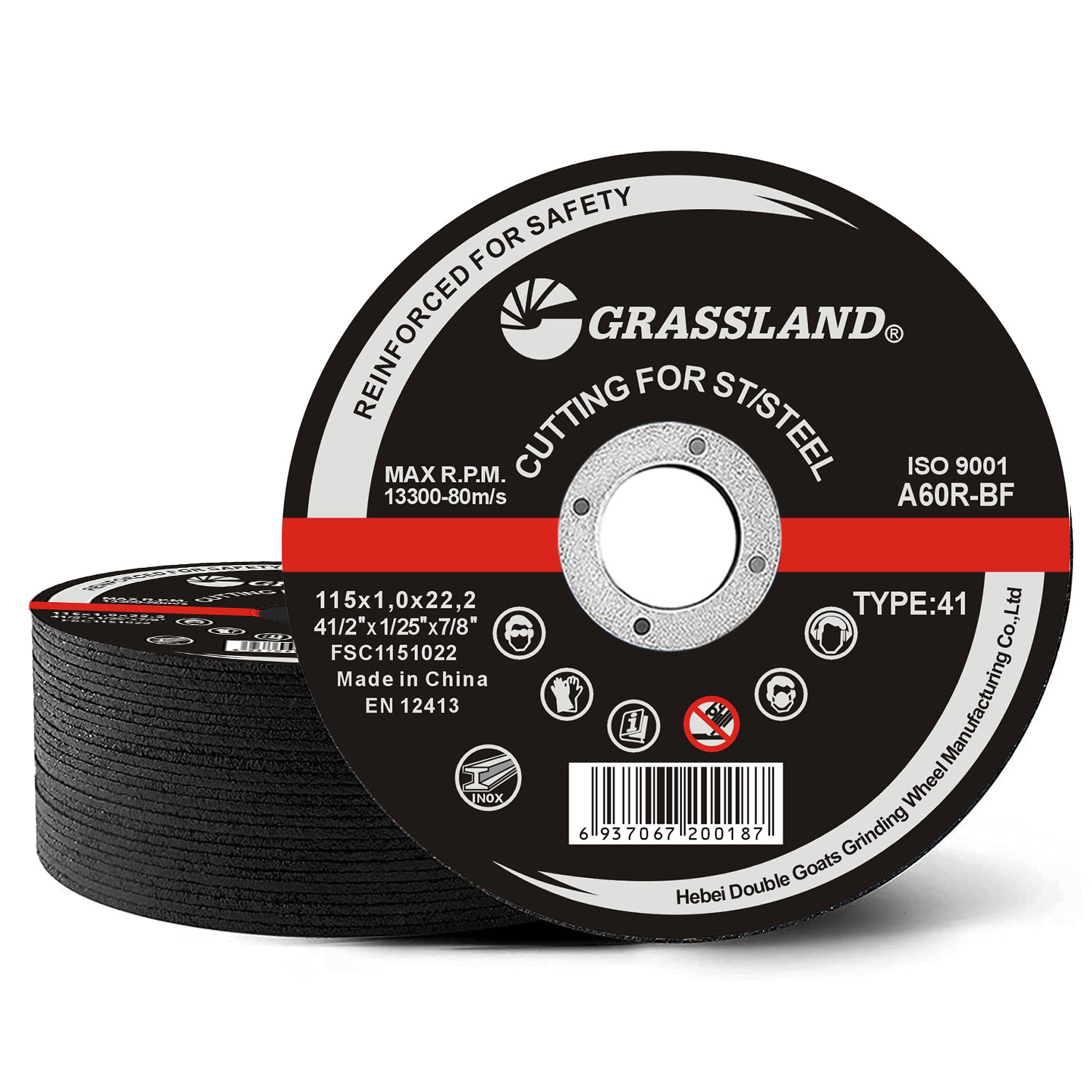
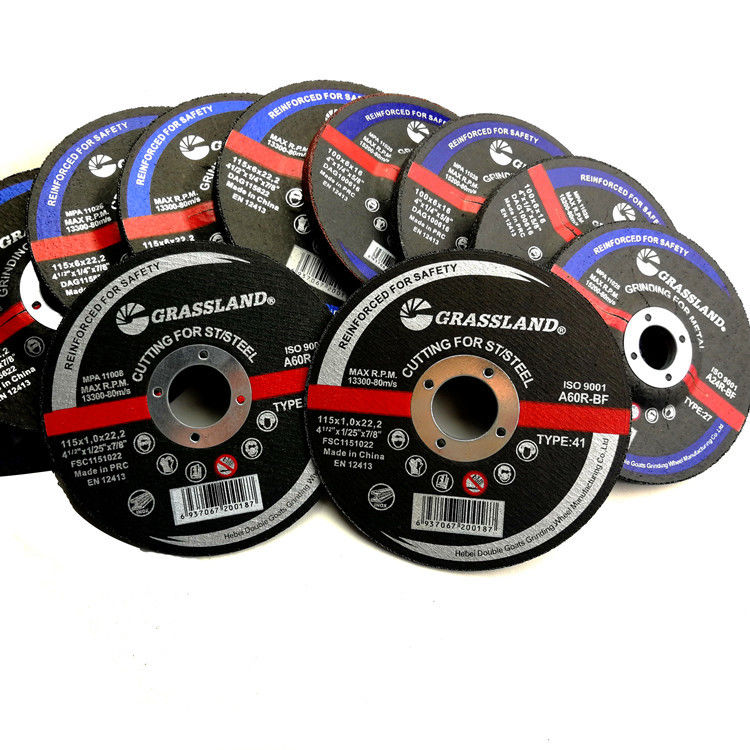
How well an angle grinder cuts metal depends heavily on the durability of both the grinder and the cutting disc. Premium discs resist wear and heat better, allowing smoother cuts and longer tool life — critical for ongoing projects.
2. Safety Features
Cutting metal with a spinning disc is no joke. Protective guards, anti-kickback functionality, and vibration control reduce injury risk and fatigue. These elements are indispensable for both industrial crews and DIYers.
3. Power and Speed Control
Higher power and adjustable speeds mean the grinder can tackle a wider range of metals and thicknesses without damaging the material or tool. This adaptability is a real game-changer on uneven job sites.
4. Portability and Ease of Use
Unlike stationary saws, angle grinders are portable, allowing users to reach tight or awkward spots. We often underestimate how much this flexibility speeds up jobs involving heavy metal frameworks or emergency fixes.
5. Cost-Efficiency
Considering upfront cost, replacement discs, and energy consumption, angle grinders offer an affordable metal cutting solution compared to alternatives. This makes them practical for industries of all sizes, especially in emerging economies.
Real-World Applications of Angle Grinder Metal Cutting
This tool's versatility is perhaps best seen across diverse industries and geographies:
- Construction sites rely on angle grinders to cut rebar, steel framing, and metal piping with precision.
- Automotive workshops use grinders to modify or repair metal components quickly.
- Disaster relief operations often deploy angle grinders to clear metal debris or build temporary shelters made of steel frameworks.
- Remote industrial zones without access to stationary machinery depend on portable tools for on-site metal fabrication.
- Metal recycling yards use grinders for dismantling scrap efficiently, feeding the circular economy.
Regions like Southeast Asia and sub-Saharan Africa are increasingly innovating with these tools to support both urban development and humanitarian efforts simultaneously.
Key Advantages and Long-Term Value
Why invest in angle grinder metal cutting? The benefits stack up nicely:
- Cost savings: Reduces need for expensive metal cutting machinery.
- Reliability: Robust tools that perform under tough conditions.
- Social impact: Enables rapid infrastructure repair that saves lives.
- Sustainability: Supports metal reuse and physically efficient work reducing waste.
- Safety: Enhanced protective features reduce accidents.
- Innovation: Integration with new disc materials and battery tech keeps evolving the craft.
Angle Grinder Metal Cutting: Product Specifications at a Glance
| Specification | Typical Value |
|---|---|
| Disc Diameter | 4½” to 7” (115mm–180mm) |
| Motor Power | 600W to 2200W |
| No-load Speed | 5,000–12,000 RPM |
| Weight | 2.0–4.0 kg |
| Power Source | Corded / Cordless (battery-powered) |
Vendor Comparison: What Sets Top Angle Grinder Models Apart?
| Feature / Brand | Bosch | Makita | DeWalt | Metabo |
|---|---|---|---|---|
| Power (W) | 850 | 1100 | 1300 | 1200 |
| Disc Size | 4½”–5” | 4½”–7” | 4½”–7” | 4½”–7” |
| Weight (kg) | 2.3 | 2.5 | 2.8 | 3.0 |
| Safety Features | Kickback Brake, Guard | Anti-Vibration, Guard | Electronic Brake, Guard | Restart Protection, Guard |
| Cordless Option | Yes | Yes | Yes | Yes |
Emerging Trends and Innovations
We’re on the cusp of seeing some pretty neat transformations in angle grinder metal cutting tools. Battery tech, especially with lithium-ion improvements, is making cordless grinders lighter and more powerful, freeing workers entirely from cords. Some manufacturers are exploring smart sensors with heat detection to prevent overheating discs — a subtle safety boost few realize can extend tool life.
Material-wise, newer abrasive discs incorporating ceramic or diamond grit promise sharper cuts and longer durability. Automation and remote control features are also trickling into industrial-grade grinders, particularly for hazardous environments like chemical plants and confined spaces.
Sustainability efforts push for more recyclable tool parts and energy-efficient motors. The angle grinder, it seems, is ready to cut metal smarter and greener — yet retain its classic versatility.
Challenges & How Experts Overcome Them
Despite their wide usage, angle grinders pose certain challenges:
- Safety risks: Improper use causes kickbacks, sparks, and injury.
- Disc wear and breakage: Using the wrong disc or excessive pressure leads to frequent replacements.
- Noise and dust: Can be hazardous without protective gear.
Experts recommend strict training, regular tool maintenance, and using OEM discs tailored for specific metals to counter these issues. Additionally, innovations like dust extraction attachments and electronic safety brakes combat environmental and mechanic hurdles.
FAQ: Frequently Asked Questions About Angle Grinder Metal Cutting
- Q1: What disc type is best for cutting stainless steel with an angle grinder?
- A1: For stainless steel, you want a disc designed specifically for metal cutting, often featuring an aluminum oxide or ceramic grit abrasive. These discs cut cleaner and maintain durability against the tougher alloy. Avoid general-purpose discs as they can wear quickly or cause overheating.
- Q2: How do I ensure safety when using an angle grinder for metal cutting?
- A2: Always use personal protective gear like safety goggles, gloves, and ear protection. Ensure the guard is fitted properly, hold the grinder firmly with both hands, and maintain a stable position. Avoid forcing the cut — let the tool do the work. If you’re unsure, get trained by a professional.
- Q3: Can battery-powered angle grinders handle heavy-duty metal cutting?
- A3: Modern lithium-ion battery models are surprisingly capable, especially for smaller-diameter discs. However, for continuous heavy-duty cutting like thick steel plates, corded grinders may offer more constant power and efficiency. Choose based on job demands.
- Q4: How often should I replace angle grinder cutting discs?
- A4: Replacement depends on usage frequency and metal type but generally when the abrasive surface wears down beyond 1/16th of an inch or if you notice decreased cutting effectiveness or overheating signs. Regular inspections avoid accidents.
Conclusion: Why Angle Grinder Metal Cutting Matters Long-Term
At the end of the day, angle grinder metal cutting is not just about slicing through metal — it’s about empowering industries and communities with a tool that bridges scale and portability, cost and precision, speed and safety. Whether in a bustling factory or a remote village rebuilding after disaster, this tool helps keep metal working accessible, efficient, and evolving.
Interested in upgrading your metal cutting toolkit or learning more? Visit our website for expert guidance and premium discs tailored for angle grinders. Trust me, your next project—and your workforce—will thank you for smart choices.
References
Post time:Dec - 01 - 2025