Understanding Grinder Cutting Disc Metal: The Backbone of Modern Metalworking
If you’ve ever handled metalworking tools, you probably know the humble grinder cutting disc metal plays a pivotal role in shaping, cutting, and finishing metal components around the world. But beyond just being a workshop staple, these discs embody a complex blend of materials science, engineering, and practical design—critical for industries ranging from automotive manufacturing to construction and disaster relief efforts.
Why does this matter globally? Well, metalworking underpins much of our built environment and machinery. Choosing the right grinder cutting disc metal ensures safety, efficiency, and cost-effectiveness, particularly in high-stakes environments like infrastructure repair in developing regions or precise fabrication in aerospace. Understanding the nuances of cutting discs can lead to smarter purchasing decisions, better resource use, and longer tool life — all essential in a world mindful of sustainability and productivity.
Global Context: Why Grinder Cutting Discs Matter
Across the globe, metal fabrication markets are booming — the global abrasive tools market alone was valued at over $6 billion in 2023, with grinder cutting discs making up a significant share (ISO 6344 standards guide quality assurance here). Growing industrialization, urbanization, and infrastructure expansion in Asia, Europe, and the Americas demand reliable, durable cutting discs capable of handling diverse metals safely and efficiently. However, challenges such as inconsistent disc quality and safety concerns pose problems, especially in regions with less stringent regulations.
In real terms, improper disc choice or poor disc quality can cause accidents or damage to expensive machinery, stalling projects and increasing costs. This highlights the critical need for knowledgeable procurement and awareness of the disc’s makeup and capabilities.
Defining Grinder Cutting Disc Metal
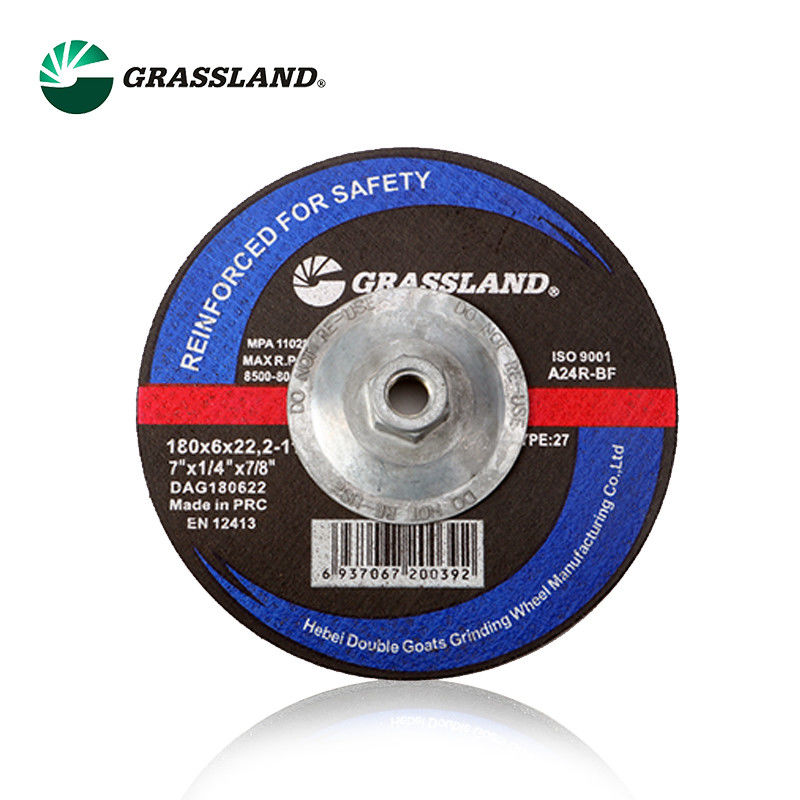
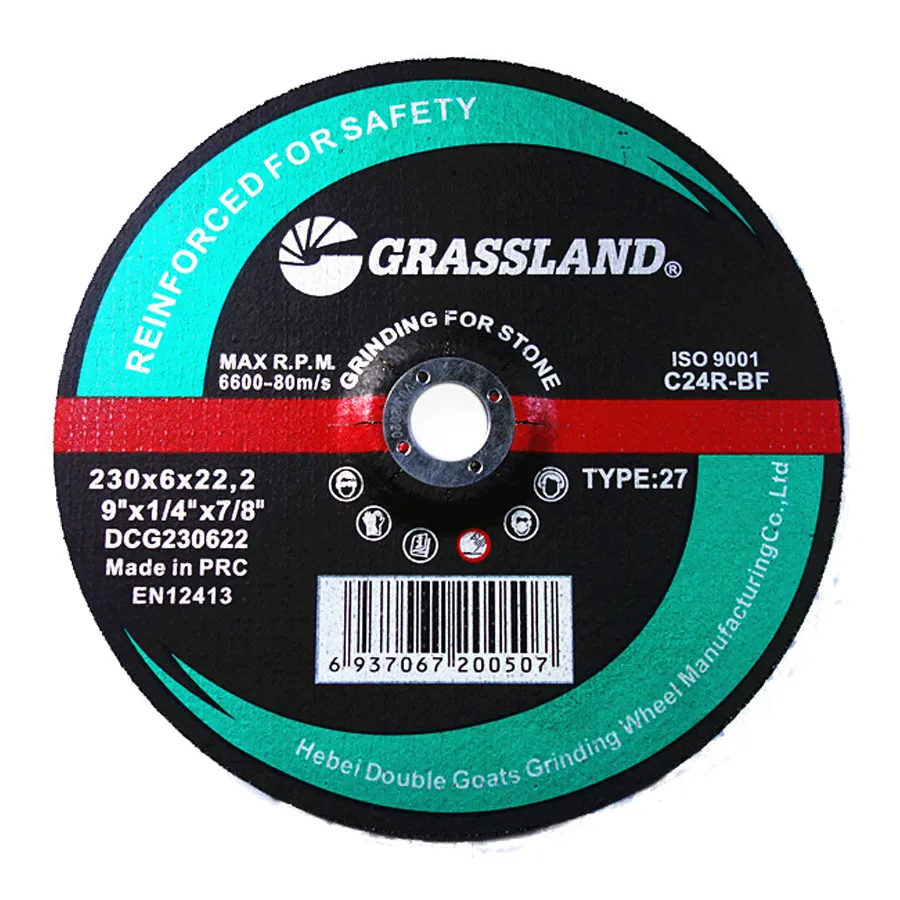
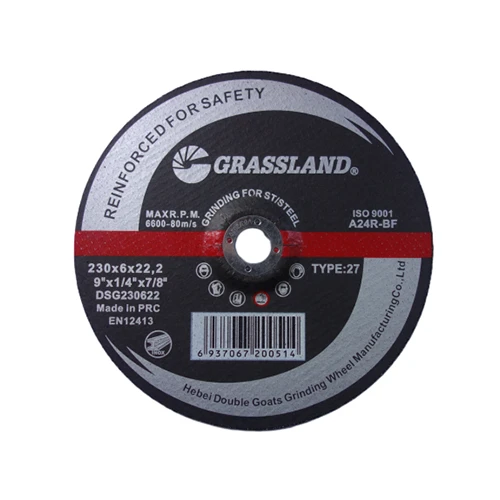
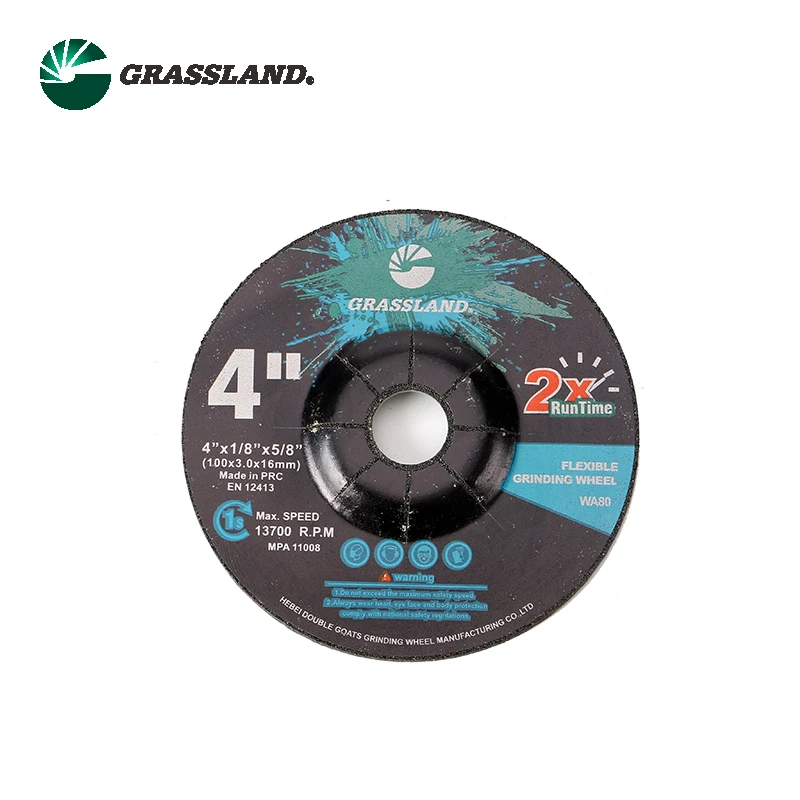
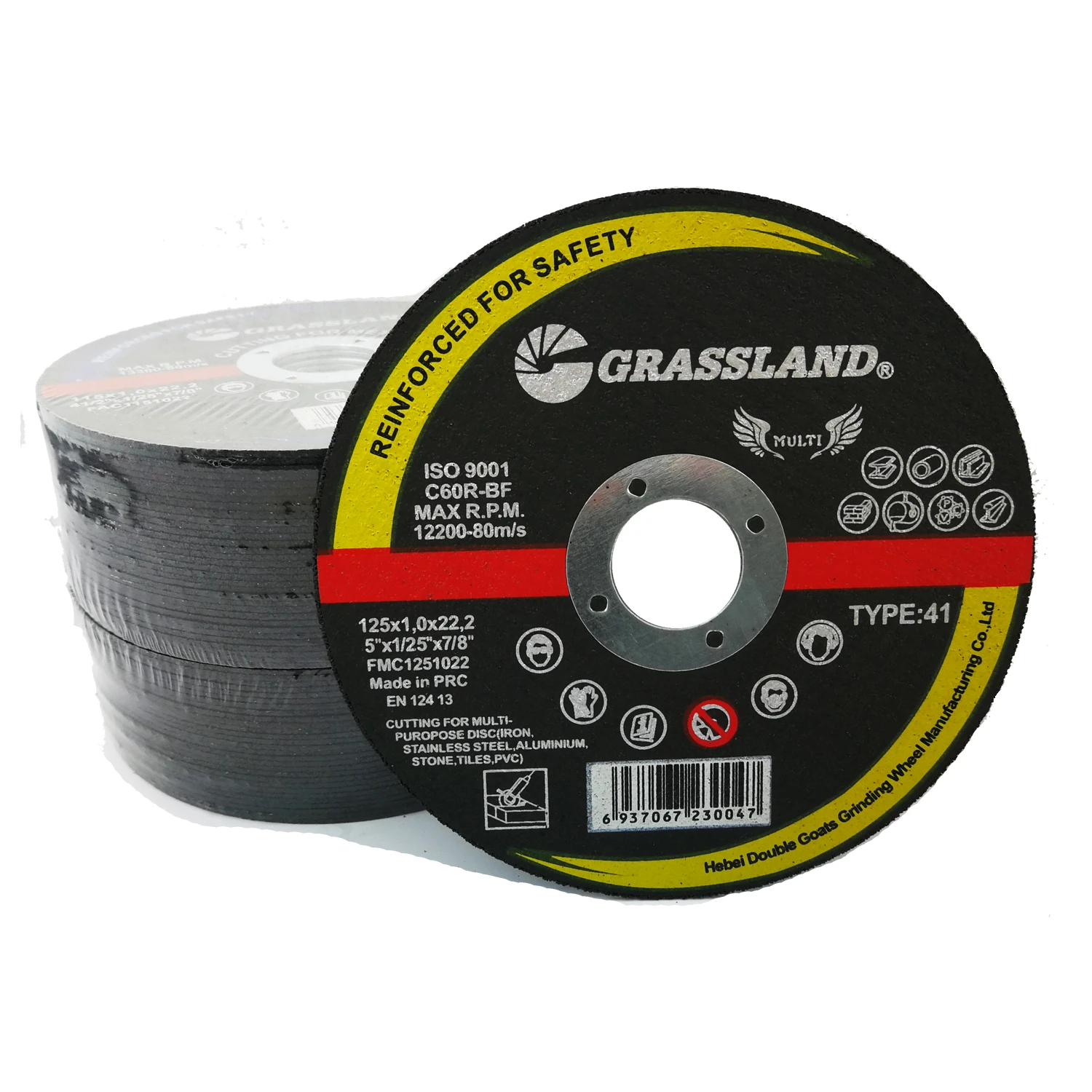
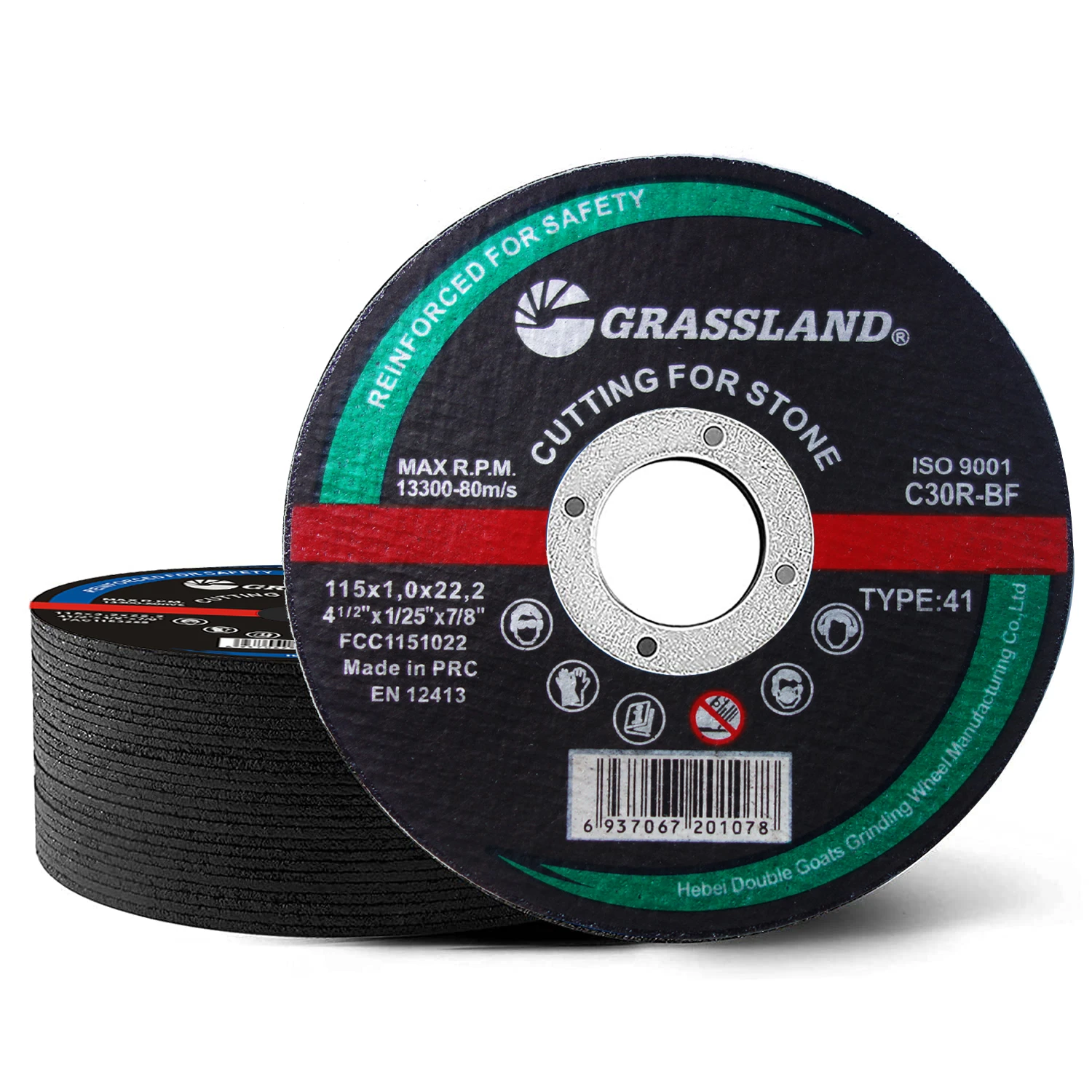
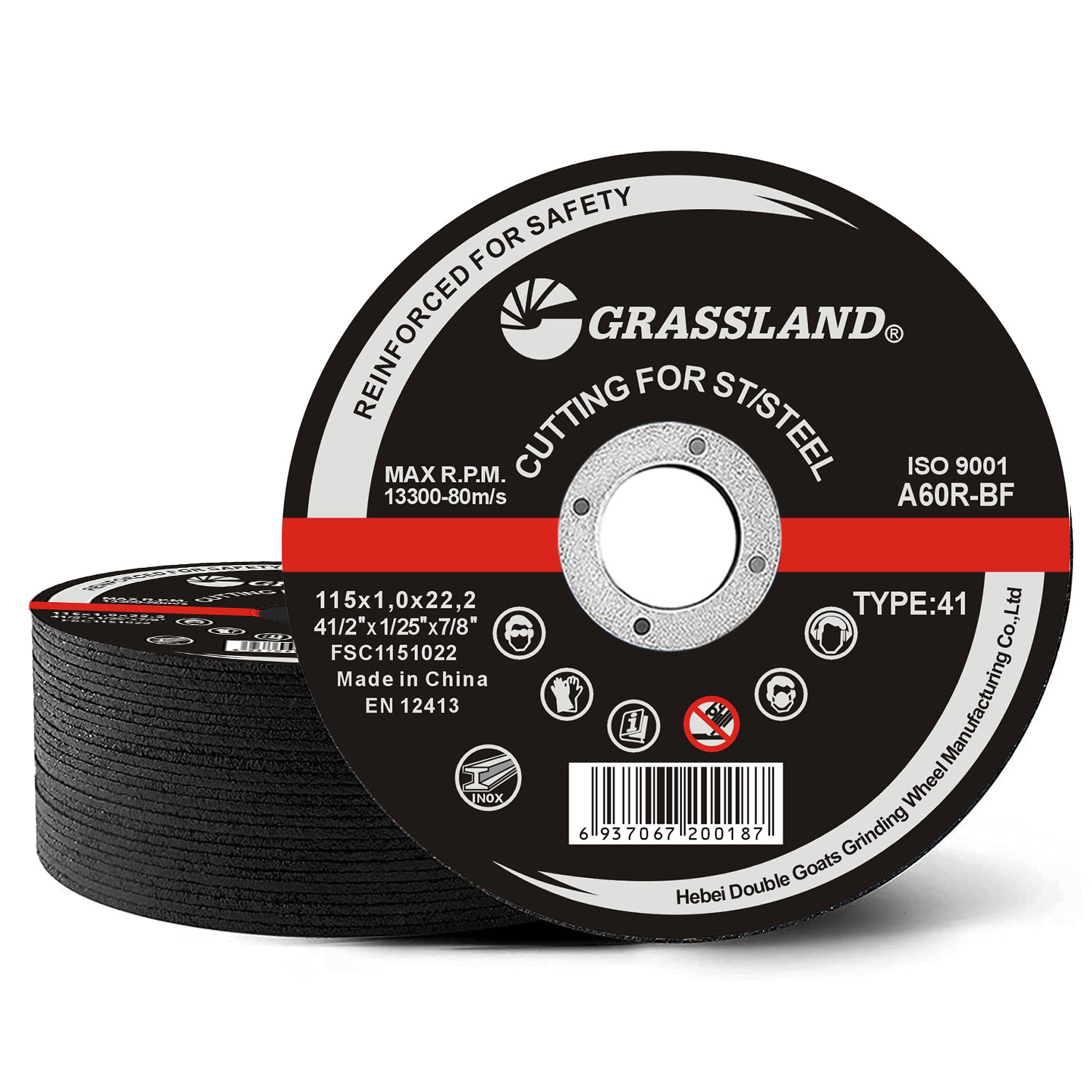
So, what exactly is a grinder cutting disc metal? Put simply, it’s a thin, circular abrasive tool attached to an angle grinder used to cut various metals. Made primarily from abrasive grains bonded together with resin or fiberglass, these discs spin at high speeds to slice through steel, aluminum, or other metals.
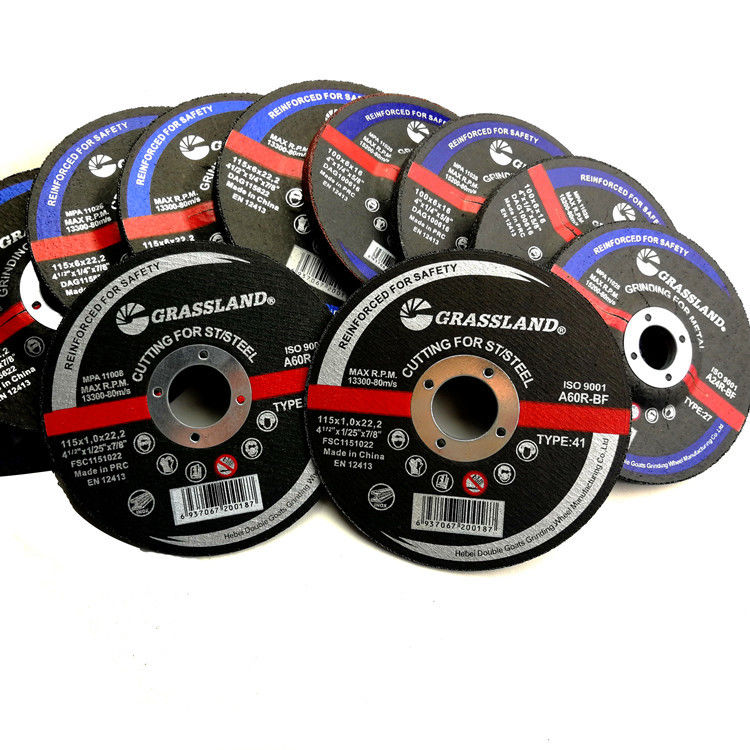
They come in multiple thicknesses and compositions — coarse for rough cuts or fine for smoother finishes — and sometimes incorporate special coatings or reinforced layers to increase safety. In modern industry, these discs are indispensable, enabling precise metal shaping for manufacturing, construction, and repair. More so, in humanitarian logistics and post-disaster reconstruction, reliable cutting discs help restore broken infrastructure swiftly, literally cutting through obstacles to rebuild societies.
Core Components and Key Factors:
1. Durability & Material Composition
The strength and lifespan of a cutting disc depend on the abrasive material—typically aluminum oxide, silicon carbide, or zirconia alumina. Zirconia discs last longer and handle tough metals, while aluminum oxide is versatile for general steel cutting. Durability reduces downtime and replacement costs, which engineers always appreciate.
2. Thickness & Cutting Precision
Thinner discs (1mm to 2.5mm) allow cleaner, faster cuts but may wear quickly or break if misused. Thicker discs offer more robustness at the expense of slower cuts. Choosing the right thickness depends on the task — oddly enough, thicker isn't always better.
3. Safety Features
Modern discs often have fiberglass reinforcement and specific safety ratings (e.g., ANSI B7.1) to withstand the forces during use and reduce injury risk if a disc shatters. Testing standards like ISO 603 specify these safety benchmarks.
4. Compatibility with Grinder Speed
Always match the disc rating (RPM) with your grinder’s speed to avoid catastrophic failure. Speed mismatches are among the leading causes of accidents in workshops.
5. Cost Efficiency & Environmental Impact
Higher-quality discs cost more initially but save money over time with greater durability and fewer replacements. Some modern discs also seek eco-friendlier binders and less hazardous dust when cutting, addressing sustainability concerns.
Mini Takeaway:
- Understanding your grinder cutting disc metal’s make-up and specifications ensures safer, more efficient metalworking.
- Durability, thickness, safety, speed compatibility, and cost-govern your best choice.
Product Specification Table: Sample Grinder Cutting Disc Metal
| Feature | Specification | Remarks |
|---|---|---|
| Diameter | 125 mm (5 inches) | Standard for portable grinders |
| Thickness | 1.6 mm | Balance of precision and durability |
| Abrasive Material | Aluminum oxide | General purpose metal cutting |
| Max RPM | 12,200 RPM | Matches most handheld grinders |
| Bonding | Resin + fiberglass | Improved safety & strength |
Global Applications & Use Cases
Grinder cutting discs metal play roles in countless scenarios worldwide. In Asia's rapidly growing manufacturing hubs, these discs speed up mass production lines, helping factories churn out high-quality steel parts efficiently. Oddly enough, in remote industrial zones of Africa, a robust disc can mean the difference between a quick equipment repair or costly delays.
Post-disaster operations often rely on portable angle grinders fitted with cutting discs to clear debris or salvage metal structures under tight time and safety constraints. This versatility makes grinder cutting discs metals vital tools in construction, shipbuilding, automotive, and even art fabrication sectors.
For those interested, grinder cutting disc metal suppliers typically emphasize certifications to meet region-specific standards, reflecting the global importance of consistent quality and safety compliance.
Vendor Comparison Table: Leading Grinder Cutting Disc Metal Brands
| Brand | Safety Certifications | Price Range (USD) | Typical Use Case |
|---|---|---|---|
| CutPro Tech | ISO 603; ANSI B7.1 | $3 - $5 per disc | Precision metal cutting |
| MetalMaster | EN 12413 | $2.5 - $4 | General industrial use |
| SafeCut Tools | ANSI B7.1; UL Listed | $4 - $6 | Heavy-duty, high RPM grinders |
Advantages & Long-Term Value
Choosing a top-quality grinder cutting disc metal pays dividends beyond the immediate cut. Cost savings come through fewer replacements and reduced machine wear. Safety matters a lot — a failure or shatter can mean serious injuries. A reliable cutting disc inspires operator confidence, which is no small factor in high-pressure industrial settings.
Environmentally, the push towards greener manufacturing means discs that minimize hazardous dust and incorporate recyclable materials are gaining favor. And emotionally, there’s pride in using a trusted tool that delivers precise, clean cuts with less hassle, boosting both the user’s dignity and productivity.
Future Trends & Innovations
Looking ahead, innovations in abrasive materials, such as nano-ceramics, are promising longer-lasting, faster-cutting discs. Integration of sensors into grinders could someday detect optimal speed or wear conditions, enhancing safety and performance. Sustainability efforts are pushing manufacturers to develop discs with reduced environmental footprints, possibly using bio-based resins or less energy-intensive production methods.
Automation and digital workflows in metal fabrication will further demand discs tailored for robotic grinders, introducing even more precise production tolerances.
Challenges & Solutions
Despite advancements, some problems remain. Variable quality from low-cost imports can undermine safety, and inconsistent labeling confuses users. In dusty or explosive environments, disc dust can be a hazard.
Experts recommend sourcing discs from certified manufacturers, conducting training on proper use, and employing dust extraction systems. R&D investment in less particulate-generating materials offers further hope.
FAQ: Frequently Asked Questions About Grinder Cutting Disc Metal
- Q1: How do I choose the right grinder cutting disc metal for steel vs. aluminum?
- A: Steel cutting usually requires aluminum oxide discs due to its toughness, while softer metals like aluminum benefit from silicon carbide abrasives, which reduce clogging. Always check the disc labeling for metal compatibility to ensure optimal cut quality and safety.
- Q2: How often should I replace my cutting disc?
- A: Replace the disc when you notice a decrease in cutting speed, visible cracks, chunks missing, or if the disc’s maximum RPM rating is exceeded. Using worn discs risks shattering and poor cuts, so regular inspection before each use is wise.
- Q3: Are thinner cutting discs safer or more dangerous?
- A: Thinner discs provide faster, cleaner cuts but can be more brittle, increasing breakage risks if misused. Always balance thickness with task requirements, grinder compatibility, and safety ratings.
- Q4: Can I use a metal cutting disc for non-metal materials?
- A: It’s generally not recommended. Metal cutting discs are optimized for metals and may wear prematurely or cause unsafe conditions when cutting other materials like concrete or wood. Use dedicated discs designed for other materials.
- Q5: How do safety standards affect grinder cutting disc selection?
- A: Safety standards like ISO 603 or ANSI B7.1 verify that discs pass rigorous testing for high-speed durability and endurance. Always select discs with recognized certifications to ensure reliability and reduce accidents.
Conclusion and Call to Action
In sum, grinder cutting disc metal isn’t just a run-of-the-mill consumable. It is a carefully engineered tool essential to global industries and emergency applications alike. From material selection to adherence to safety standards, knowing your discs’ specs can save time, money, and lives. For anyone working with metal, investing in quality, certified grinder cutting discs metal is non-negotiable.
For a comprehensive range of high-quality products, visit https://www.cutoffdiscs.com and equip your workshop with discs that deliver precision, safety, and durability.
Brief Reflective Note
Looking back, it’s clear that even something as seemingly simple as a cutting disc encapsulates technological, safety, and economic threads. It feels a bit like the unsung hero of metalworking — endlessly practical, quietly critical. Remember, good tools make great work.
References
Post time:Dec - 02 - 2025