Understanding the Grinder Cutting Disc for Metal: A Vital Industrial Tool
Whenever you hear the humming buzz of an industrial grinder at work, chances are that a cutting disc for metal is spinning at incredible speeds. Whether in construction, manufacturing, or craft workshops, grinder cutting discs for metal play an invisible but irreplaceable role. Why does this matter? Simply put, they enable cutting, shaping, and finishing metal components with precision and efficiency, which translates to safer structures, faster production, and economic gains worldwide.
On a global scale, industries handling metal rely heavily on effective cutting discs—from steel plants in Asia to shipyards in Europe and energy sectors in the Americas. With metalworking accounting for sizable portions of manufacturing GDP internationally, the humble grinder cutting disc quietly supports everything from bridges and skyscrapers to renewable energy tech.
Mini takeaway: Understanding grinder cutting discs helps us appreciate the backbone tools supporting critical infrastructure globally.
Global Context: Why Grinder Cutting Discs for Metal Are Essential
According to the International Organization for Standardization (ISO), metal cutting tools and abrasives have seen steady improvements in safety and performance over the past decade. The global market for abrasive cutting discs alone is forecast to grow by 4.7% annually through 2028, fueled by expanding industrial demand (source: ISO, 2023).
Yet, challenges remain. Many industries still wrestle with the balance between disc durability and operator safety. Poor-quality discs risk accidents, product defects, and costly downtime. That’s precisely why understanding what makes a grinder cutting disc effective isn't just an academic exercise but a necessity for improving workplace safety and boosting productivity worldwide.
Defining the Grinder Cutting Disc for Metal
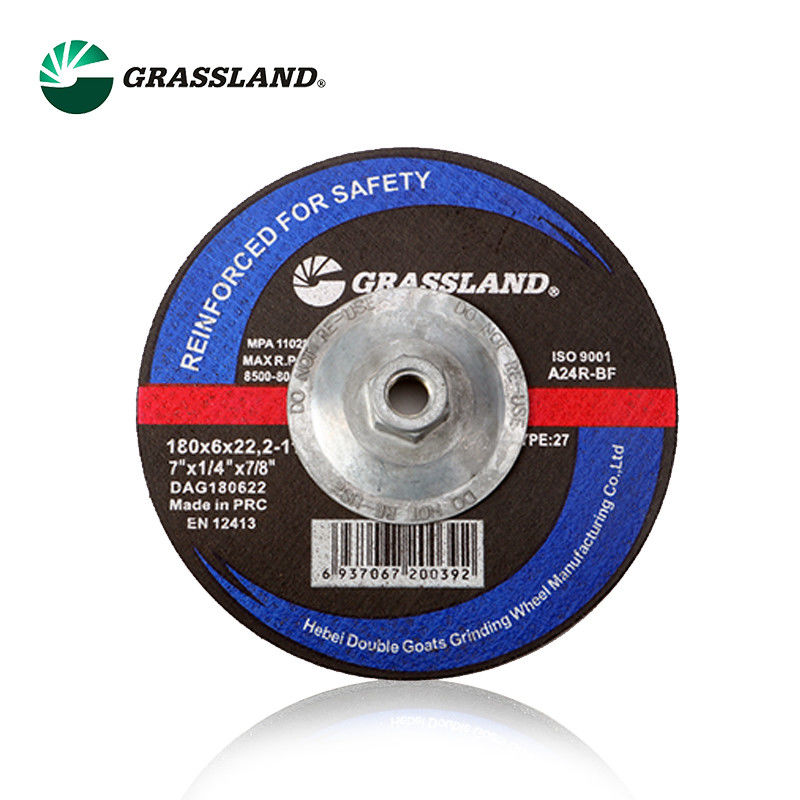
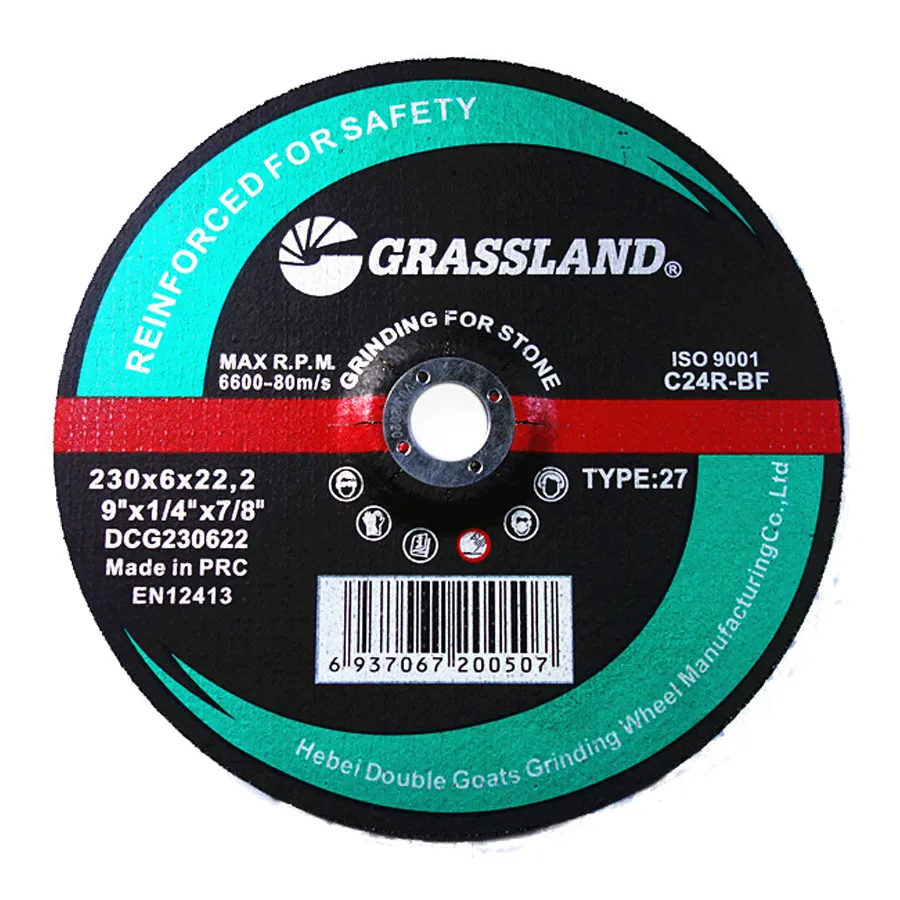
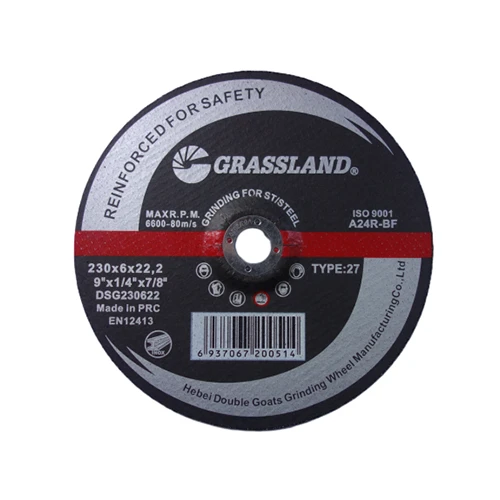
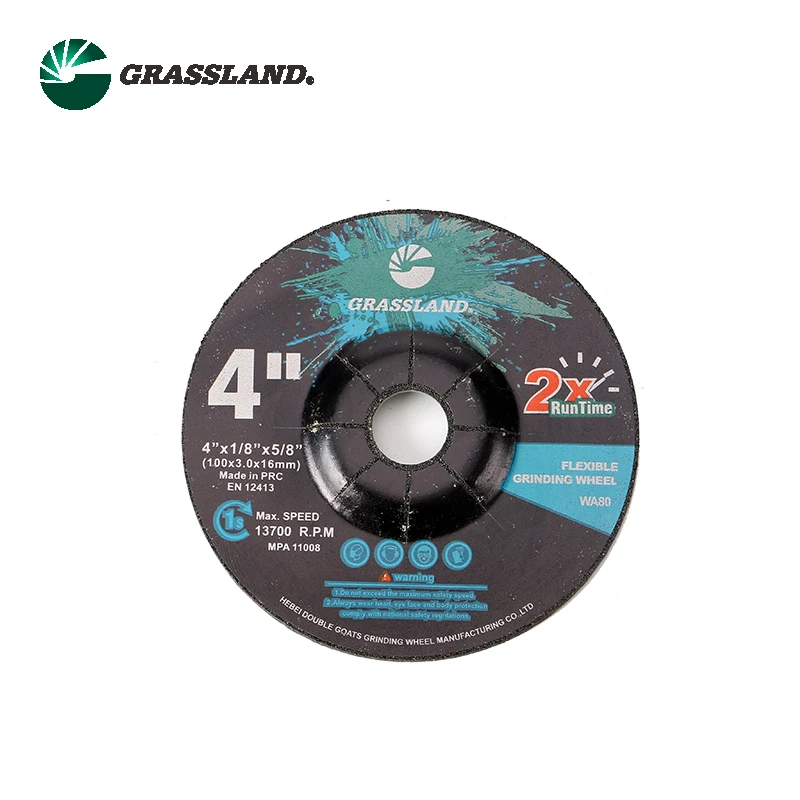
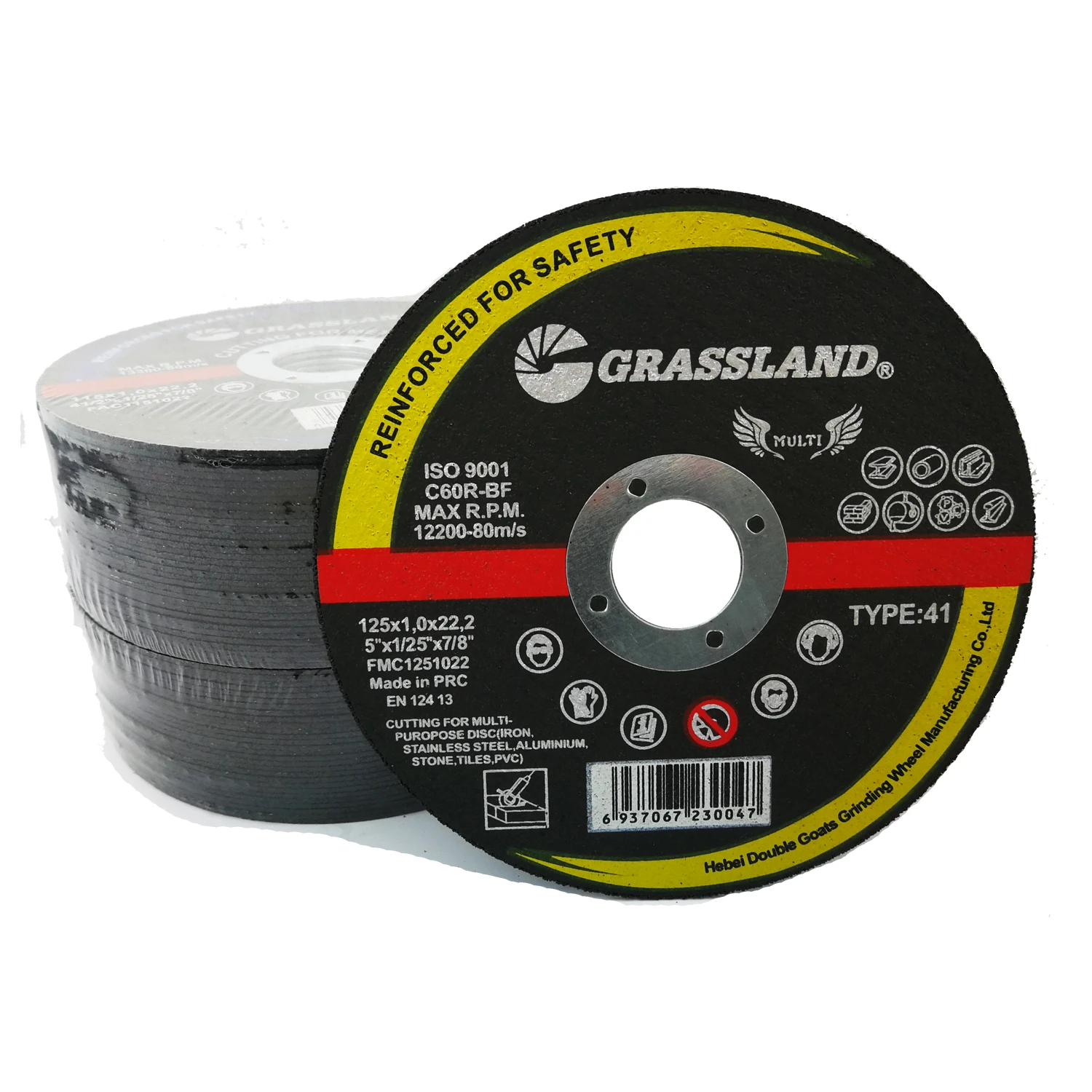
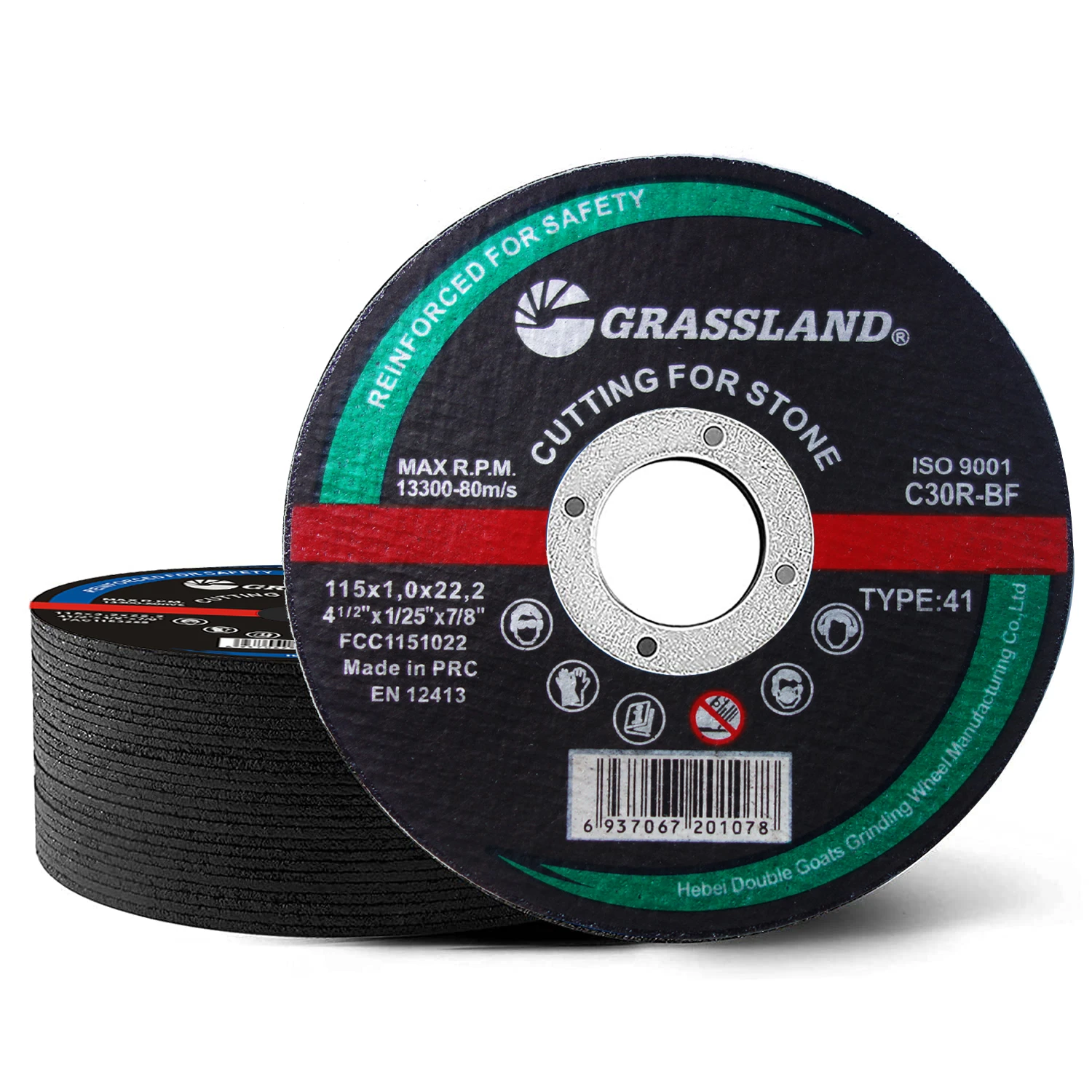
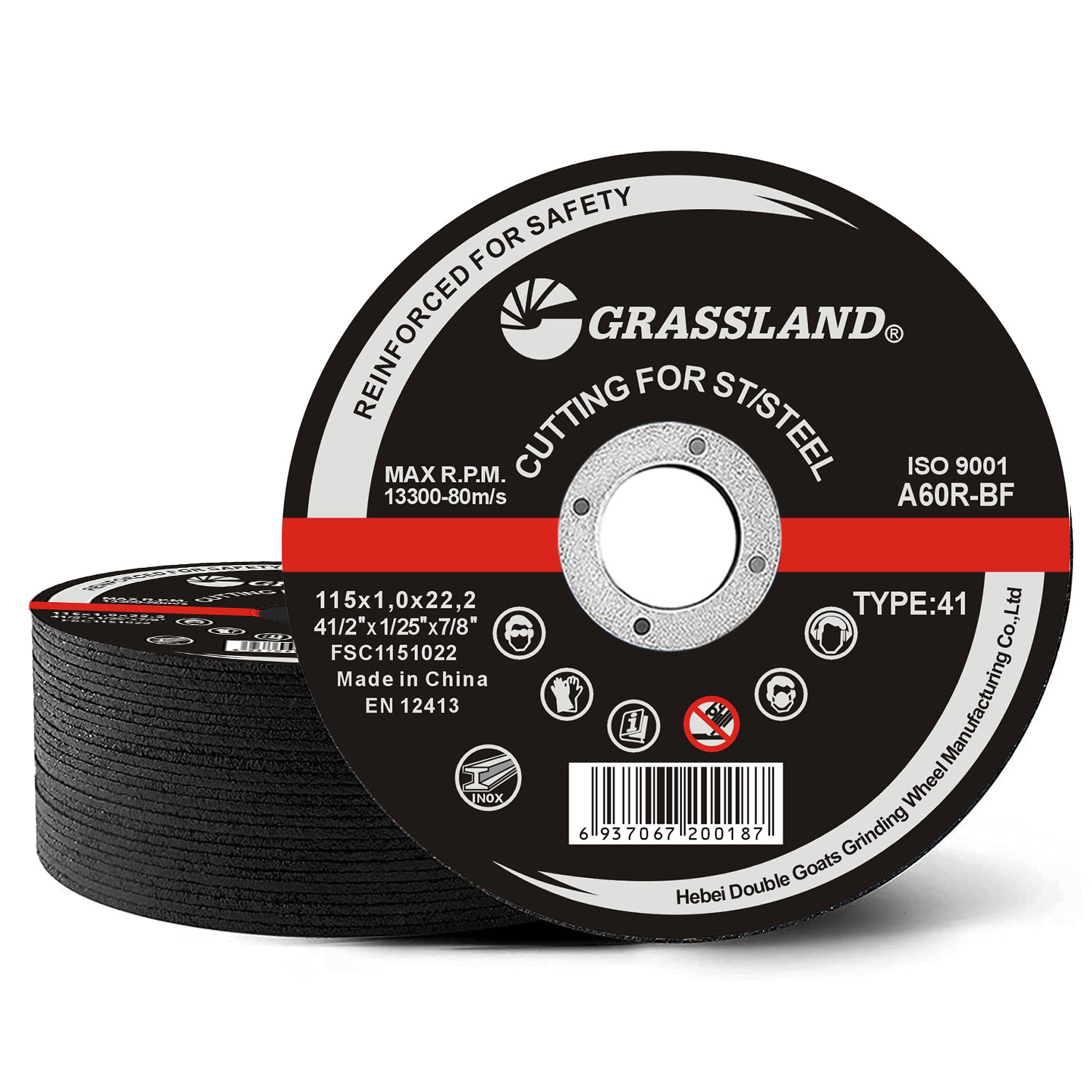
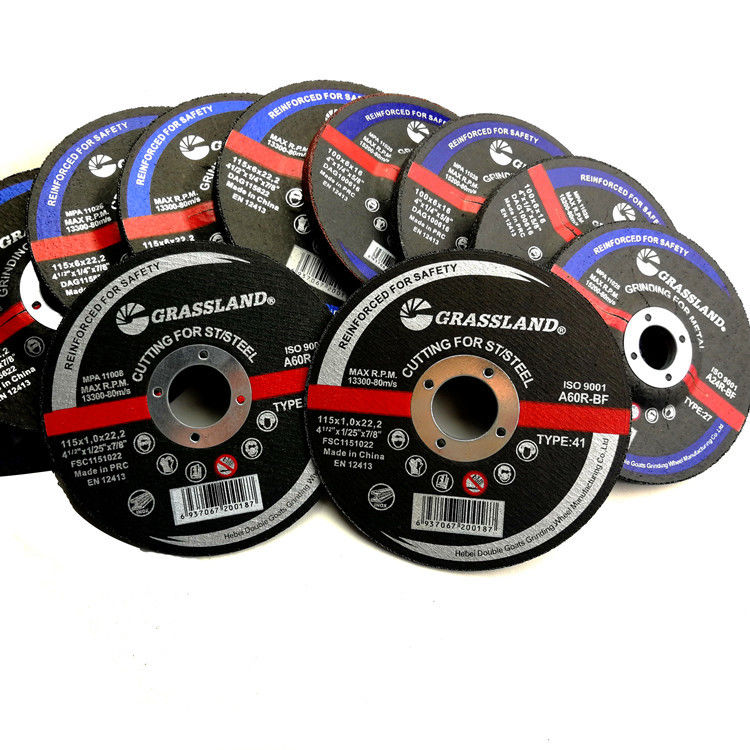
At its core, a grinder cutting disc for metal is a circular abrasive disc attached to an angle grinder. It's designed to slice through metal by combining rotational speed, abrasive grit, and disc material. These discs vary by diameter, thickness, and the abrasive compounds used (usually aluminum oxide or silicon carbide) that determine cutting efficiency and lifespan.
Modern grinder cutting discs connect to a long industrial lineage of metalworking tools, underpinning everything from humanitarian construction projects rebuilding after natural disasters to large-scale manufacturing plants. They are, frankly, the cutting edge—literally—of much metal fabrication today.
Key Aspects of Grinder Cutting Discs for Metal
- Durability: Discs must resist wear, heat, and impact to last through tough jobs without degrading dangerously.
- Cutting Speed: Faster cutting reduces labor time, improving operational efficiency but can increase heat generation.
- Safety: High standards have emerged globally to prevent disc shattering and operator injury.
- Material Compatibility: Specific disc formulations optimize cutting ferrous or non-ferrous metals.
- Cost Efficiency: Balancing upfront disc cost with longevity and performance affects overall project budgets.
- Environmental Impact: Innovations aim to reduce dust and waste by using eco-friendlier abrasive compositions.
Practically speaking, selecting the right disc is a bit like choosing the right footwear for hiking—you want a combination of comfort, durability, and protection suited for the terrain, or in this case, the metal at hand.
| Attribute | Specification |
|---|---|
| Diameter | 115mm, 125mm, 230mm common sizes |
| Thickness | 1.0mm - 3.0mm depending on cutting precision required |
| Abrasive Material | Aluminum Oxide, Silicon Carbide |
| Max RPM | Up to 13,300 RPM (varies by disc size) |
| Bonding Agent | Resin or vitreous bond for strength and flexibility |
Global Applications & Real-World Use Cases
The use of grinder cutting discs cuts (pun intended) across continents and industries. In the shipbuilding yards of South Korea, for example, discs swiftly slice through thick steel plates, integral to rapid production schedules. Meanwhile, humanitarian NGOs rely on these discs during post-disaster rebuilding efforts to fashion metal elements precisely and quickly, restoring vital infrastructure.
In remote industrial zones of Africa and South America, local contractors use grinder cutting discs to maintain energy infrastructure, often under challenging conditions. The tool's reliability literally powers everyday life. Even in the automotive sector of Germany, precision cutting discs enable intricate metal shaping for vehicle assembly lines.
Mini takeaway: Grinder cutting discs for metal are truly multi-industry workhorses, crucial from high-tech factories to remote rebuilding projects.
Advantages & Long-Term Value of Using Quality Discs
Professionals often highlight a few compelling benefits. First off, proper discs enhance safety enormously—reducing accidents caused by disc failure. They also improve cutting accuracy, thereby boosting product quality. Over time, disc longevity lowers replacement costs and downtime, which frankly adds up to serious savings.
On the emotional side, workers feel more confident using tools they trust, and project managers gain peace of mind knowing deadlines won’t slip due to equipment failures. Sustainability also plays in, as modern discs generate less harmful dust and often last longer, reducing material waste. Overall, investing in good grinding discs is investing in reliability and dignity for the workforce.
Future Trends and Innovations
Looking ahead, technology is shaping the grinder cutting disc landscape in exciting ways. Advanced materials like ceramic abrasives promise even longer wear and higher heat resistance. Digital monitoring tools installed on grinders now predict disc lifetime and optimize cutting speed, integrating with Industry 4.0 workflows.
The green revolution doesn’t skip abrasives, either. Researchers develop eco-friendly resin bonds and biodegradable dust mitigation practices, responding to growing environmental regulations worldwide. Automation and robotics also increasingly use specialized discs for consistent, high-volume precision cutting without human fatigue.
Challenges & Expert Solutions
It’s not all smooth cutting, though. Discs still risk shattering if overloaded or used improperly, reminding us that training and proper maintenance matter. Also, diverse metal alloys challenge disc compatibility—some require specially formulated abrasives, which can be costlier.
Experts suggest a few solutions: investing in operator training, using real-time disc condition sensors, and partnering with reputable vendors who test their discs to ISO safety and performance standards thoroughly. You can find such trusted suppliers by checking our vendor resources.
| Vendor | Product Range | Safety Certifications | Average Lifespan (uses) | Price Level |
|---|---|---|---|---|
| Alpha Abrasives | Standard & premium discs | ISO 9001, EN12413 | Up to 500 cuts | Mid-range |
| Bravo Tools | Heavy duty, industrial use | OSHA compliant, ISO 14001 | Up to 700 cuts | Premium |
| CutMaster Inc. | Budget & bulk supply options | Manufacturer tested | Up to 350 cuts | Budget |
FAQ: Frequently Asked Questions About Grinder Cutting Disc for Metal
1. How do I choose the right grinder cutting disc for different metals?
Use discs formulated for the specific metal type—aluminum oxide discs work great for steel and mild metals, while silicon carbide discs suit harder alloys. Check disc thickness and speed ratings to ensure compatibility with your grinder and material.
2. What safety precautions should I follow when using cutting discs?
Always wear appropriate PPE: eye protection, gloves, and hearing protection. Inspect discs for cracks or damage before use, follow manufacturer speed ratings, and never force the disc during cutting to prevent shattering.
3. How long does a typical grinder cutting disc last?
Disc lifespan varies by size and use—smaller discs often cut fewer items, while heavy-duty industrial discs can last several hundred cuts with proper application and maintenance.
4. Can grinder cutting discs be recycled or reused?
Generally, abrasive discs are single-use due to wear and safety concerns. Some disc components may be recyclable depending on local facilities, but reusing worn discs is unsafe and not recommended.
Conclusion: Why Quality Grinder Cutting Discs Matter
In real terms, the grinder cutting disc for metal might seem like a simple accessory, but it stands at the crossroads of efficiency, safety, and innovation in metalworking. Investing in quality discs not only ensures precision cuts but also protects lives and fuels industrial progress globally.
Ready to source the right grinder cutting discs for your metal projects? Visit our website: https://www.cutoffdiscs.com to explore trusted products and expert advice tailored to your needs.
At the end of the day, it’s the right tool that shapes great work—and cutting discs are no exception.
- ISO.org – Standards on abrasive tools and workplace safety, 2023
- World Bank Manufacturing Industry Reports, 2022
- Occupational Safety and Health Administration (OSHA) Guidelines
Post time:Dec - 02 - 2025