Extra Thin Cutting Discs: A Slice of Precision in Modern Industries
Have you ever paused to consider how a simple cutting tool can drastically change workflows across industries worldwide? That’s exactly what extra thin cutting discs do. These slim, efficient slicing tools somehow blend precision, speed, and sustainability into one neat package, revolutionizing how materials get shaped and processed.
Globally, industries from construction and manufacturing to emergency relief and even art depend heavily on cutting technology. Understanding extra thin cutting discs reveals not only how we slice through metal, stone, or composites with minimal waste but also how we optimize resources in a world increasingly focused on sustainability and efficiency.
Introduction: The Global Relevance of Extra Thin Cutting Discs
Industry data tells an interesting story: The global abrasives market, which includes cutting discs, was valued near $20 billion in recent years, and a notable chunk of that growth stems from the demand for thinner, more precise cutting tools that reduce material wastage (ISO standards often guide these manufacturing quality controls).
Why thin discs? Well, conventional discs are often bulky, requiring more energy and creating more dust or waste dust during cutting. That’s a problem, especially where environmental health and operator safety are paramount. Extra thin cutting discs address this challenge by offering very fine kerf cuts, reducing material loss and improving speed—valued across industries from automotive manufacturing lines in Germany to construction sites in Southeast Asia.
What Are Extra Thin Cutting Discs?
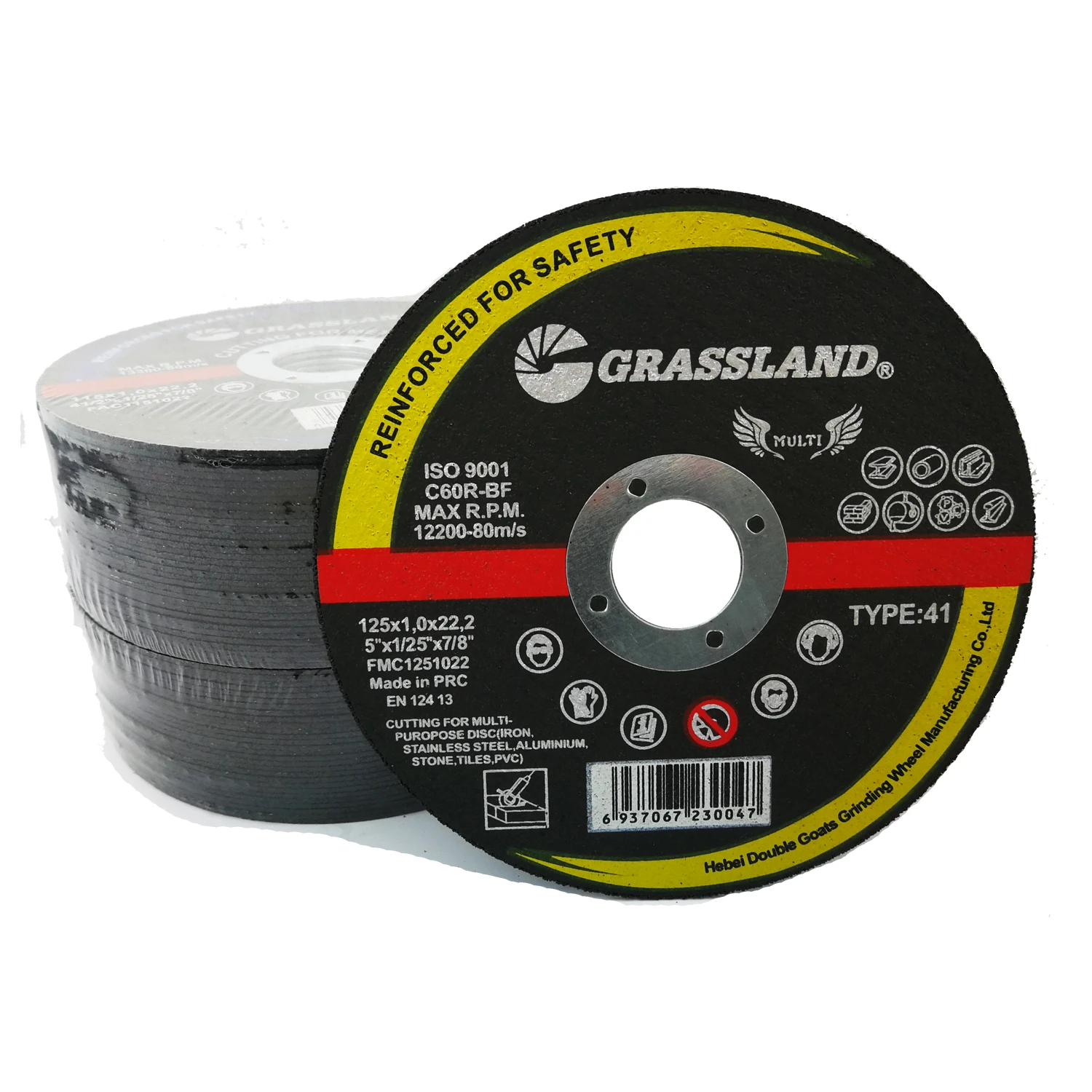
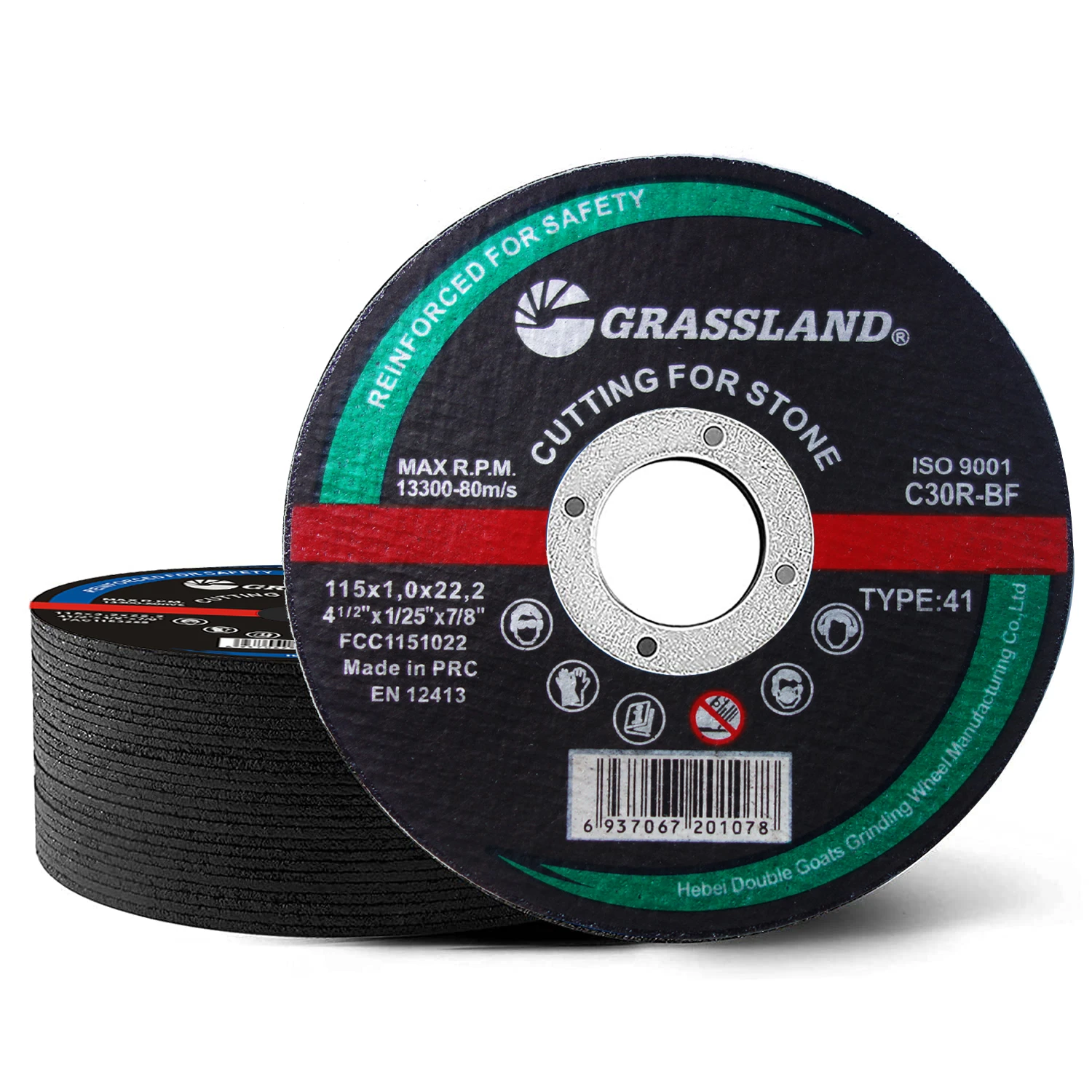
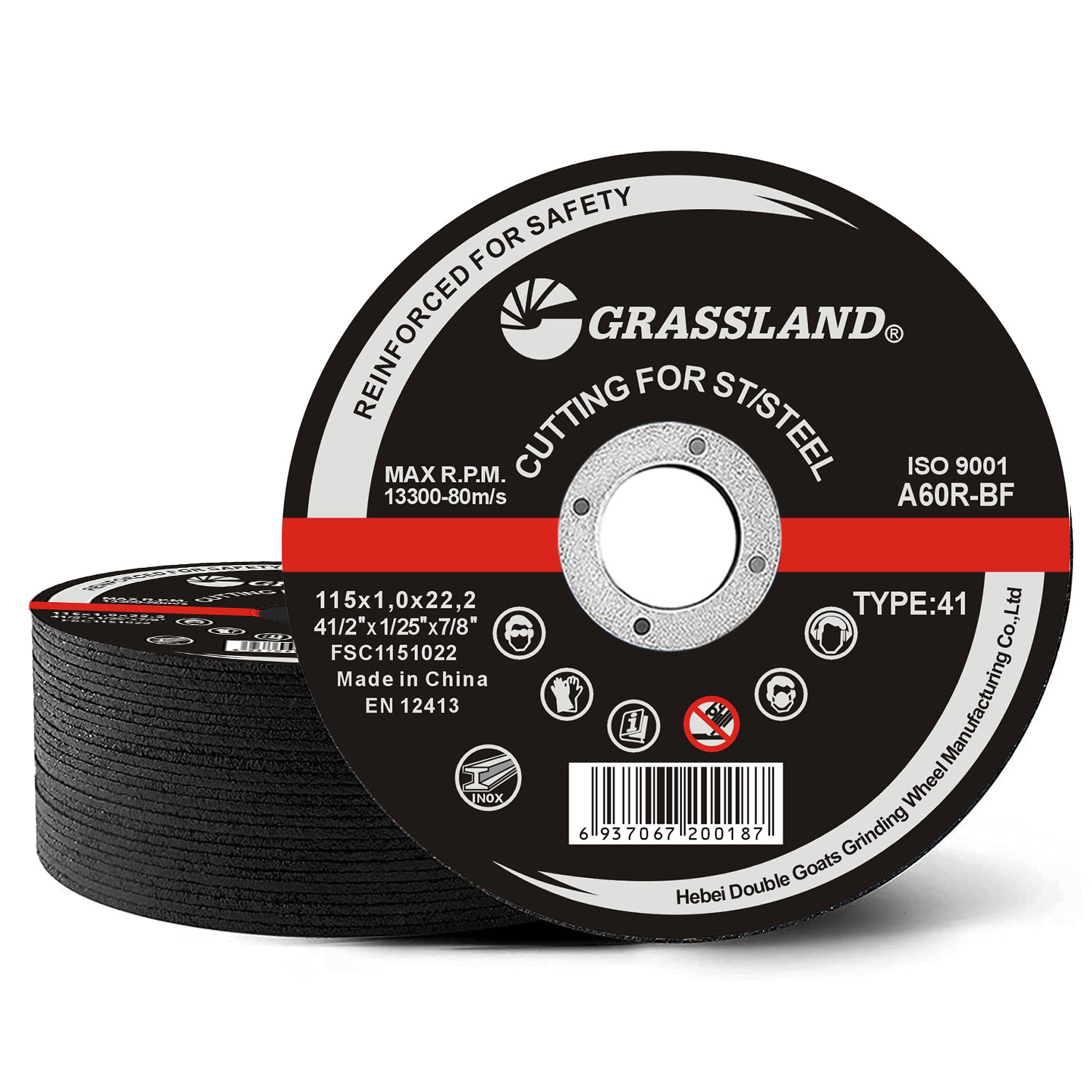
Simply put, extra thin cutting discs are abrasive wheels designed to cut materials with a considerably thinner kerf than standard discs—often between 0.6 mm and 1.2 mm in thickness. This minimal thickness allows the disc to slice through metals, alloys, and composites with minimal material waste and less strain on cutting equipment.
Beyond basic industry uses, these discs come in handy for humanitarian and disaster relief efforts too—whether slicing through debris to access trapped persons or rapidly fabricating parts on-site. Their compact, efficient nature means tasks get done faster and safer.
Key Factors Behind Extra Thin Cutting Discs
1. Precision and Minimal Kerf
The hallmark of extra thin discs lies in their slim kerf, enabling precision cuts that contribute to materials saving. Thinner kerfs mean less cutting width, leading to reduced metal loss—it all adds up in cost and waste savings. This also supports environmental sustainability by conserving raw materials.
2. Durability and Safety
You might think thinner means fragile, but many extra thin discs are engineered with layered reinforcing fibers or resin bonds increasing their safety and lifespan. Properly rated discs avoid shattering hazards common with cheaper alternatives, crucial for operator safety.
3. Versatility Across Materials
Whether it’s stainless steel, aluminum, brass, or fiber composites, extra thin discs often come specialized for the application. Metalworkers might prefer specific grit sizes or bonding methods to suit different alloys, enhancing cut quality and disc longevity.
4. Efficiency and Speed
Because less material is removed, these discs usually require less power and time to complete a cut. This is a boon in high-volume industrial contexts where efficiency translates directly to profitability.
Product Specification Example
| Specification | Details |
|---|---|
| Disc Diameter | 115 mm (4.5 inches) |
| Disc Thickness | 0.8 mm |
| Max RPM | 13,300 |
| Material Compatibility | Metal alloys, stainless steel, aluminum |
| Bonding | Resin with fiber reinforcement |
Global Applications & Use Cases
These discs perform in diverse settings across the globe. In the manufacturing hubs of East Asia, for example, extra thin cutting discs expedite the trimming and trimming accuracy of automotive sheet metal parts. In Europe’s construction scene, workers rely on these discs to speed up metal rebar cutting with minimal dust.
Oddly enough, their utility extends into disaster relief. Organizations operating in areas prone to natural calamities often pack compact toolkits with extra thin discs to expedite debris removal. Similarly, remote mining operations in Africa appreciate how these discs reduce downtime by improving handling and speed.
For hobbyists and artists, precision and minimal wastage mean finer details and cleaner edges—for example, jewelers cutting thin metal sheets for bespoke designs often prefer extra thin cutting discs to get that perfect cut.
Vendor Comparison: Top Brands for Extra Thin Cutting Discs
| Brand | Thickness Range (mm) | Material Focus | Safety Rating | Price Point |
|---|---|---|---|---|
| CutMax Pro | 0.7 - 1.0 | Steel & Alloys | EN12413 Certified | $$$ |
| SliceMaster Ultra | 0.6 - 0.9 | Aluminum & Non-ferrous metals | ISO Certified | $$$$ |
| EcoCut ThinLine | 0.8 - 1.2 | General metals & composites | Eco-friendly Bonding | $$ |
Advantages & Long-Term Value
One of the main advantages is obvious: cost savings. By minimizing kerf width, these discs save precious raw materials which, over the scale of a factory or construction site, quickly add up. That in turn supports sustainability, reducing waste and the environmental footprint.
Beyond dollars and cents, there’s a safety and dignity factor as well. Using discs rated for safety reduces operator injuries and fatigue. In humanitarian scenarios, faster, cleaner cutting means rescuers reach victims more quickly—maybe that bit of extra time saves lives.
Future Trends & Innovations
The cutting disc market isn’t standing still. Materials science advances are delivering greener resins and bonding agents with less harmful chemicals. Manufacturers experiment with diamond-reinforced edges to push precision further.
And then there’s automation—robotic cutting systems often demand ultra-thin discs for finesse, coupled with digital sensors that monitor disc wear in real-time. These innovations promise efficiency and safety levels we haven’t quite seen at scale yet.
Challenges & Solutions
Yet, it’s not all smooth slicing. Thin discs can sometimes be less robust against certain high-torque applications, and cheaper versions risk shattering. Proper training, along with choosing certified discs, is essential to mitigate these risks.
Some vendors are now focusing on hybrid fiber reinforcements and optimized resin formulations to boost toughness without sacrificing thinness, a promising direction going forward.
FAQ: Frequently Asked Questions About Extra Thin Cutting Discs
- Q: Are extra thin cutting discs safer than regular discs?
A: When properly manufactured and used within their rated conditions, yes — they reduce material waste and require less force, lowering operator fatigue. Always ensure discs have certifications like EN12413 for safety guarantees. - Q: Can extra thin discs handle stainless steel cutting?
A: Definitely, many extra thin discs are designed specifically for stainless steel, with abrasive grains and bonding tailored to reduce heat and maintain sharpness during tough cuts. - Q: How does disc thickness affect cutting speed?
A: Thinner discs generally improve speed because less material needs to be removed, but this also depends on motor power and material hardness. - Q: Are extra thin cutting discs suitable for automated robotic cutters?
A: Increasingly so — their precision and reduced kerf support automated systems that demand exact cuts and minimal material distortion. - Q: How are extra thin cutting discs disposed of sustainably?
A: Many manufacturers are adopting eco-friendly resins and encourage recycling of metal cores and abrasive particles to minimize landfill waste.
Conclusion + Call to Action
So, in real terms, extra thin cutting discs slice more than metals — they carve down waste, boost safety, and speed efficiency in a variety of crucial industries worldwide. Whether you’re fabricating high-precision parts, working in tough industrial settings, or even responding to emergencies, these discs offer practical, reliable solutions.
Curious to upgrade your toolkit or production line? Check out https://www.cutoffdiscs.com for quality extra thin cutting discs that blend cutting-edge tech with trusted reliability.
Quick takeaway: When it comes to precision and efficiency, thinner really can mean better.
References
Post time:Dec - 02 - 2025