Understanding the Disc for Cutting Metal: Essential Tool in Modern Industry
In the vast arena of manufacturing, construction, and metalworking, the disc for cutting metal stands as an unsung hero. Why does it matter so much worldwide? Because whether in a bustling urban factory or a remote, post-disaster repair site, these discs enable precision, speed, and safety in slicing through tough metal materials. Grasping the nuances of these cutting tools isn’t just about tools — it’s a gateway to improving efficiency, safety, and sustainability across industries globally.
Global Context: Why Metal Cutting Discs Are Crucial Today
Metal remains a backbone of infrastructure and technology worldwide. According to the World Steel Association, global crude steel production hit a whopping 1.96 billion metric tons in 2023 alone — that’s a lot of material needing shaping and cutting. However, industries face challenges, including minimizing waste, improving safety, and enhancing precision in harsh conditions. The disc for cutting metal addresses these by offering specialized tooling that fits diverse metals and tasks, making operations safer and more efficient while reducing downtime.
Interestingly, ISO standards (especially ISO 9001 for quality management) highlight the importance of reliable, tested tools in maintaining product quality. Metal cutting discs play a role here, ensuring every cut meets strict tolerances without compromising worker safety.
What is a Disc for Cutting Metal?
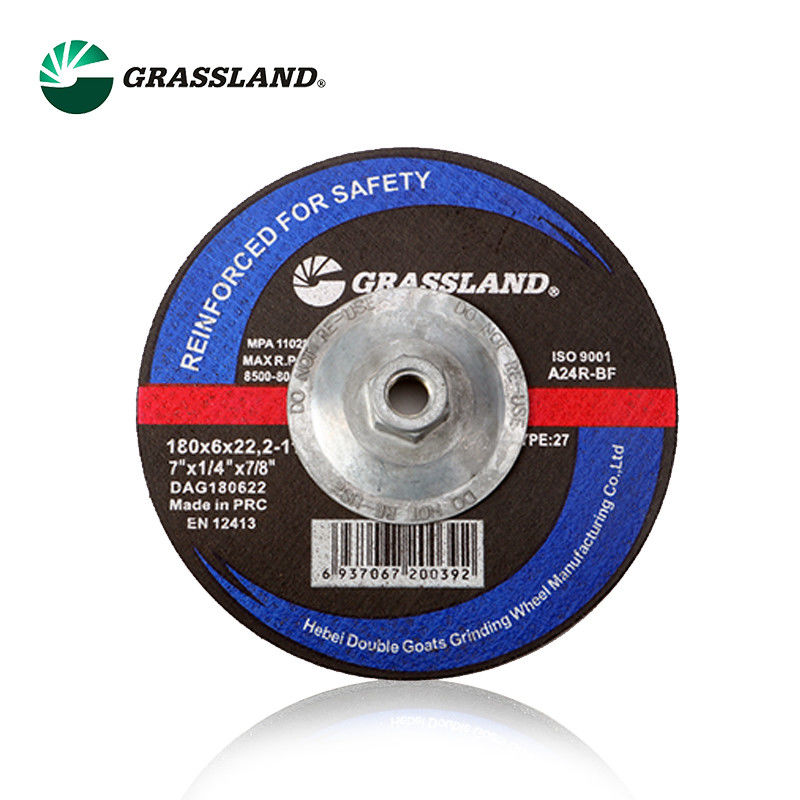
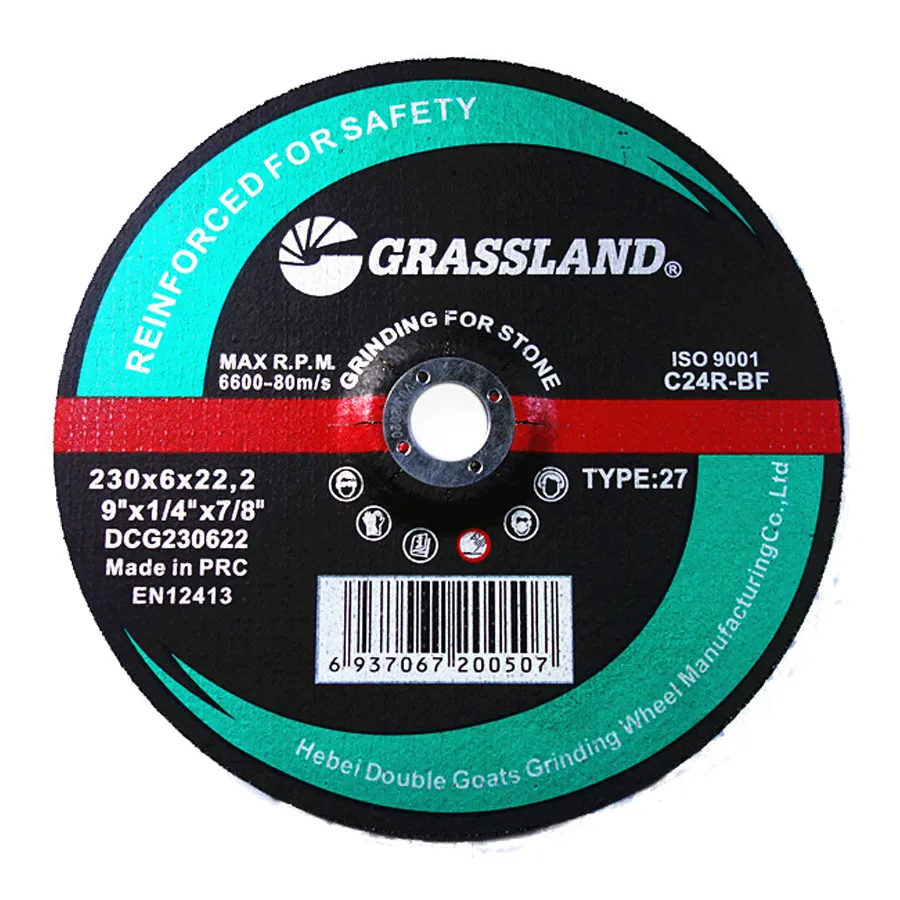
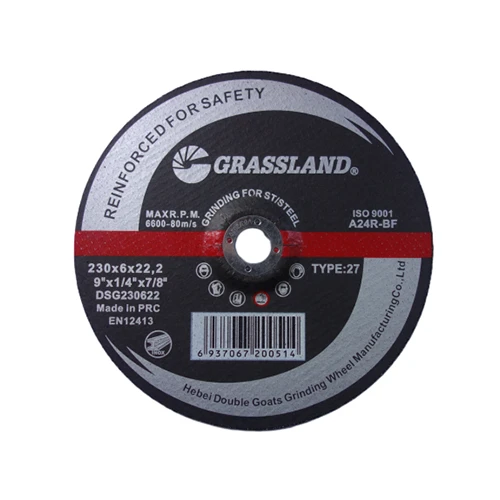
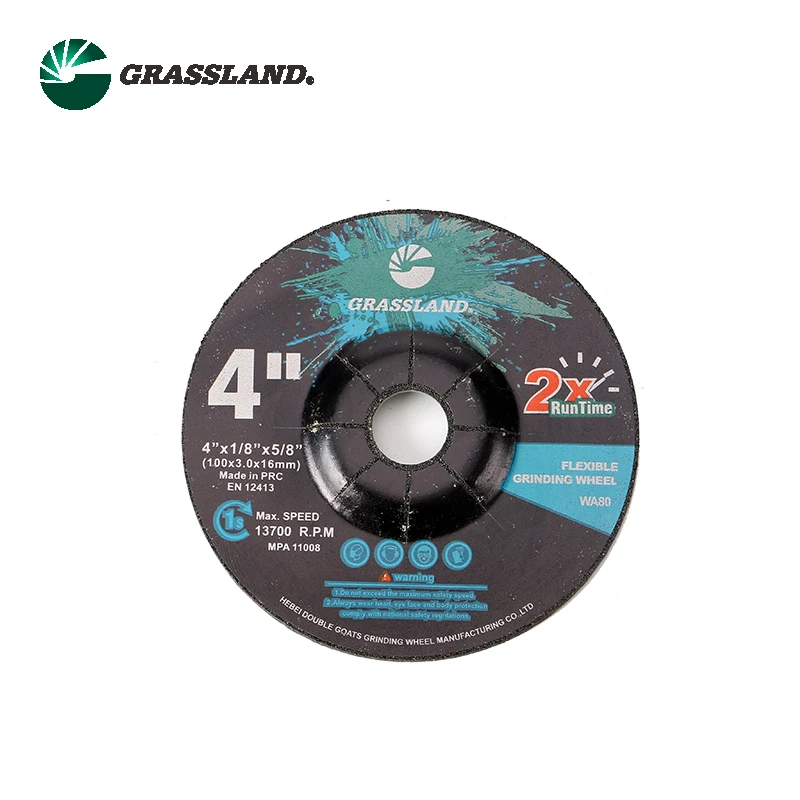
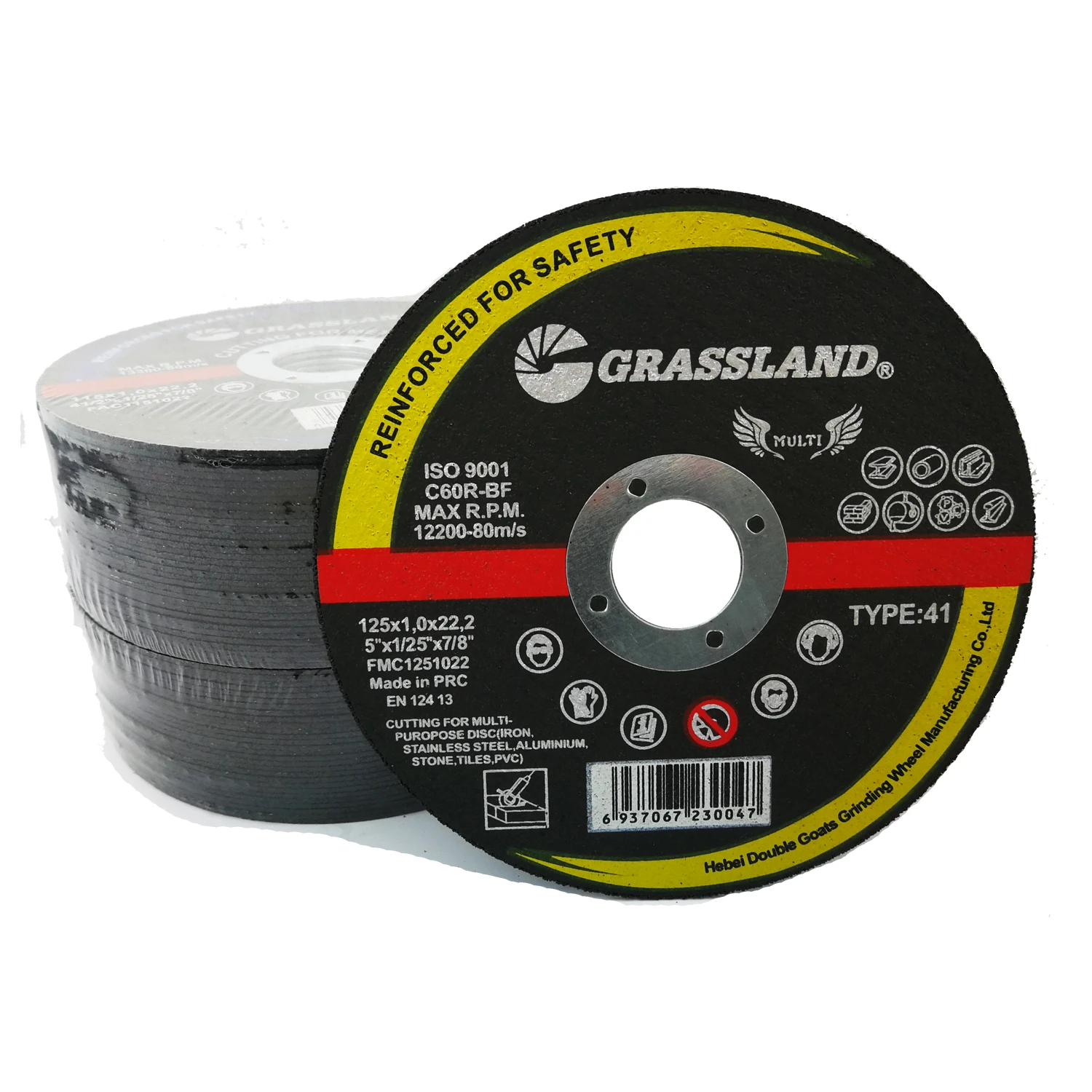
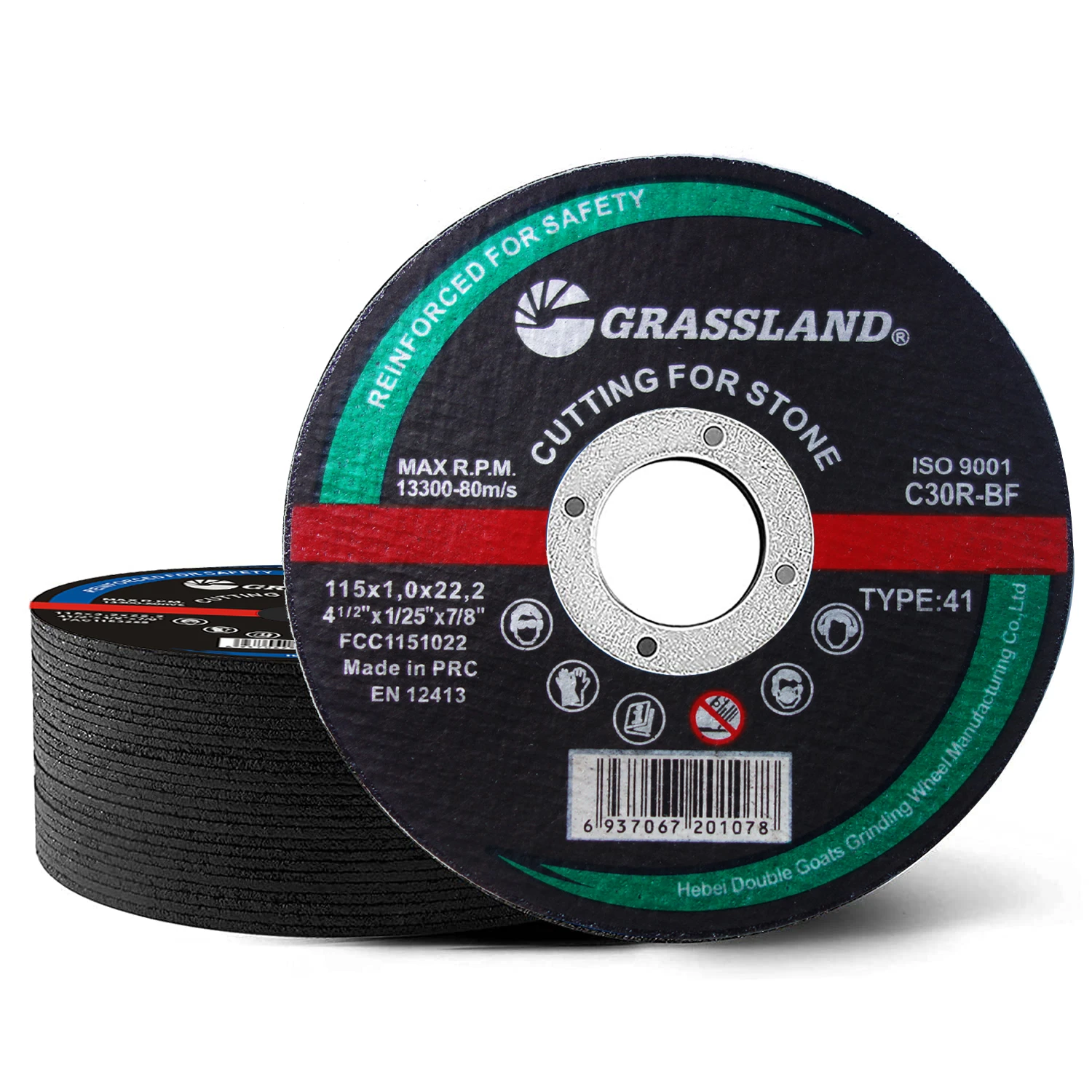
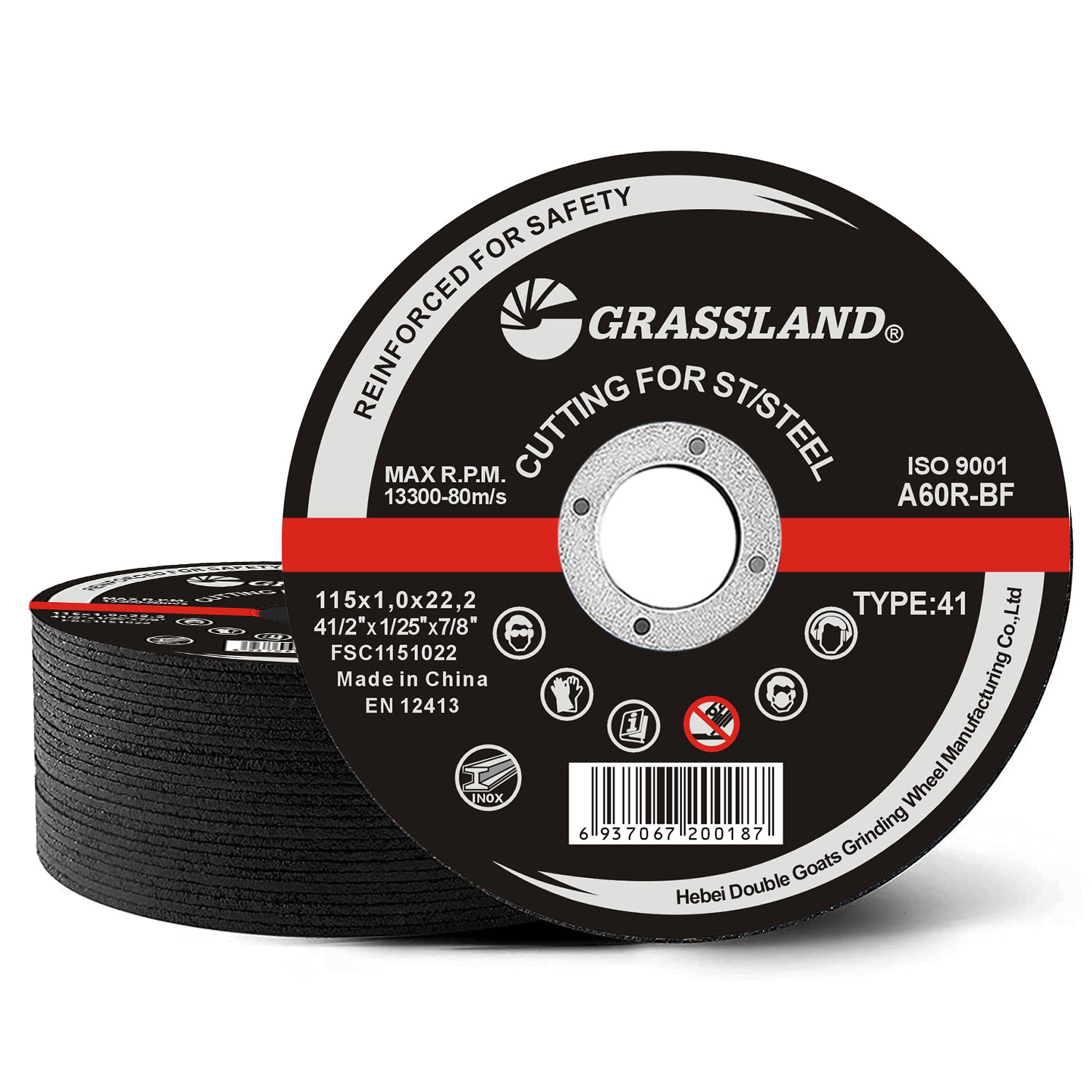
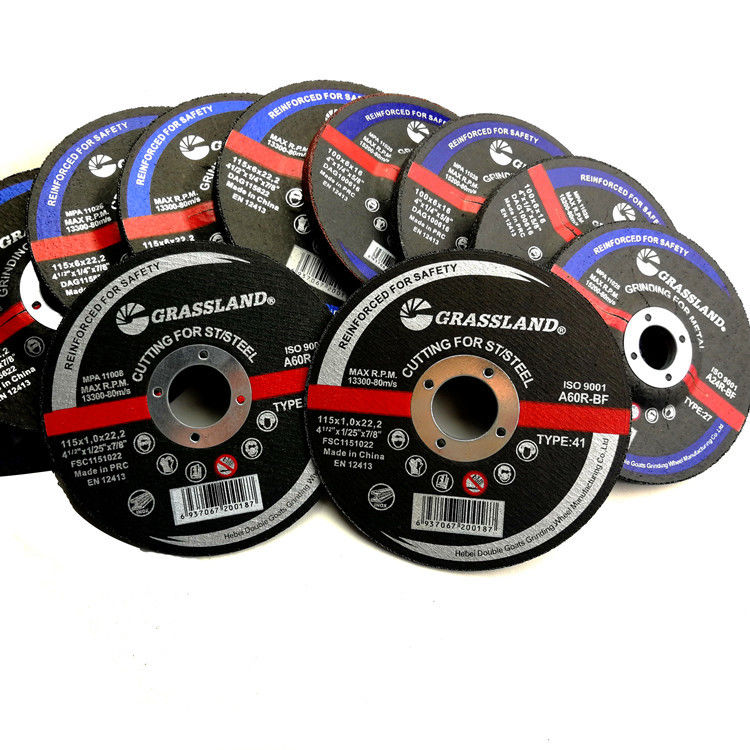
So, what exactly is a disc for cutting metal? Simply put, it’s a circular abrasive or abrasive-coated cutting tool designed to slice through various metal types. Often attached to angle grinders or specialized cutting machines, these discs vary by diameter, thickness, and abrasive material to suit precise job requirements.
Industrial, commercial, or even humanitarian operations rely on these discs for everything from general fabrication and repairs to emergency interventions, such as restoring infrastructure after natural disasters.
Key Factors to Consider When Choosing a Metal Cutting Disc
1. Durability and Material Composition
A disc’s lifespan depends heavily on its abrasive compound — aluminum oxide is common for mild steel, silicon carbide for non-ferrous metals. The bond type (resin, metal, or vitreous) also plays a role in durability. For rough jobs, a thicker, tougher disc is necessary; for finer, more exact cuts, thinner discs excel.
2. Cutting Speed and Efficiency
Operating at high RPMs, the disc needs to maintain balance to avoid vibrations while delivering clean cuts. Discs specifically designed for high efficiency help reduce labor time and improve finish quality.
3. Safety Features
Given the high-speed rotation and abrasive action, safety isn’t optional. Discs compliant with EN 12413 safety standards typically offer reinforcement layers for strength, helping prevent breakage or shattering during use. Many manufacturers embed fiberglass mesh layers for added security.
4. Cost Efficiency and Availability
Balancing price with performance makes a difference, especially in industries with high-volume cutting needs. Bulk purchasing or vendor partnerships often affect costs and supply continuity, which is critical for uninterrupted work.
5. Compatibility with Tools
Not all discs fit every grinder or cutter. Matching the disc size and arbor hole to the tool’s specifications is crucial. Additionally, some discs are optimized for hand-held tools, others for stationary machines.
Product Specifications Example
| Specification | Typical Value |
|---|---|
| Diameter | 115 mm (4.5 inches) |
| Thickness | 1.0 mm |
| Max RPM | 13,300 RPM |
| Material | Aluminum Oxide Abrasive |
| Safety Standard | EN 12413 |
Mini takeaway: Understanding disc specs empowers users to select the ideal tool, ensuring efficient cuts and worker safety — a small detail with huge impact.
Global Applications of Metal Cutting Discs
The versatility of discs for cutting metal spans many sectors:
- Manufacturing hubs like China, Germany, and the US rely heavily on these for automotive and machinery fabrication.
- Construction projects worldwide use these discs for steel beam cutting and metal frame creation.
- Disaster recovery organizations deploy portable grinders with durable cutting discs to quickly clear debris and repair vital infrastructure.
- Regions with growing renewable energy industries, such as wind turbine base construction, where precision metal cutting is mandatory.
Oddly enough, even artistic metal sculptors prefer tailored discs for intricate cuts, showing how broad their use really is.
Vendor Comparison: Popular Metal Cutting Disc Suppliers
| Brand | Price (per disc) | Durability (Rating) | Safety Certification | Special Features |
|---|---|---|---|---|
| CutPro Industrial | $3.20 | 8/10 | EN 12413, OSA | Fiberglass reinforced |
| MetalEdge | $2.75 | 7/10 | EN 12413 | Fast cut technology |
| SafeCut Solutions | $3.85 | 9/10 | EN 12413, OSA, ANSI | Extra safety layers + anti-vibration |
Mini takeaway: Balancing price, safety, and durability remains key. Often, your choice depends on specific job needs, not just budget alone.
Why Choose a Well-Designed Metal Cutting Disc? Advantages & Long-Term Value
Reliability lowers costs — cutting metal cleanly on the first try saves materials and labor. It also protects workers: safer discs mean fewer accidents, less downtime, and peace of mind. In many developing regions, having access to quality disc for cutting metal means upgrading local fabrication capabilities, empowering communities with new skills and opportunities.
On an emotional note: workers report feeling more confident and respected when equipped with the right tools. Safety and innovation convey a kind of dignity — isn’t it odd how mechanical efficiency translates into human trust?
Emerging Trends & Innovations
Manufacturers are experimenting with greener materials and manufacturing processes, reducing harmful dust and waste. Digital integration, such as smart sensors in discs that monitor wear or speed, hints at the future — where discs could ‘tell’ when they need replacement before failure occurs. Automation in cutting also means discs will be optimized for robotic arms and CNC machines, improving precision beyond human limits.
Challenges & Practical Solutions
One issue is improper disc selection, which can cause rapid wear or accidents. Many engineers say that increasing user training is as vital as upgrading equipment. Another limitation is supply chain disruption, which some companies mitigate by partnering with multiple suppliers or bulk stockpiling.
FAQ: Answering Common Questions About Disc for Cutting Metal
-
Q: What type of disc should I use for stainless steel?
A: Generally, discs with a higher-quality aluminum oxide or zirconia abrasive are recommended for stainless steel to reduce heat buildup and avoid metal contamination. -
Q: How do I know when a cutting disc needs replacement?
A: Signs include slower cutting speed, visible wear beyond the manufacturer’s recommended limits, and unusual vibration or noise during use. -
Q: Are thinner discs better for precision cuts?
A: Yes, thinner discs (around 1mm or less) offer more precise, cleaner cuts but tend to wear faster and are less durable. -
Q: Can I use cutting discs on any grinder?
A: No. Always match disc diameter and arbor size to the grinder specs, and confirm max RPM ratings to ensure safety.
Conclusion: Why the Disc for Cutting Metal Remains Indispensable
Whether you’re running a factory in a tech hub or repairing power lines in a remote village, the disc for cutting metal is a tool that holds immense long-term value. It boosts efficiency, safety, and environmental responsibility while supporting vital industries and humanitarian missions alike. Taking time to choose the right disc and investing in quality pays off in every cut. Ready to explore options? Visit our website: https://www.cutoffdiscs.com.
Feels like such a small part of the process, but it really shapes the entire metalworking world — quite literally.
References
Post time:Dec - 02 - 2025