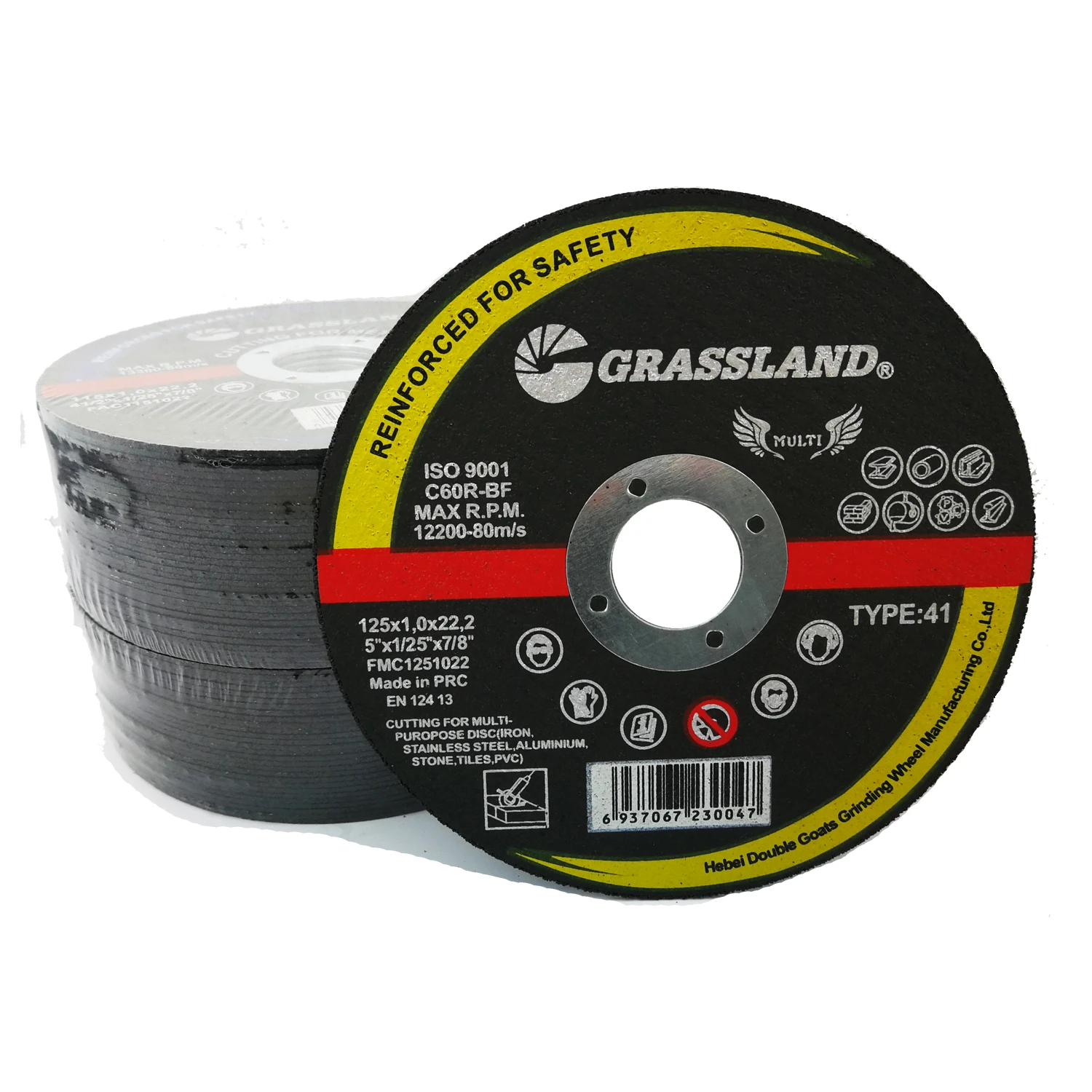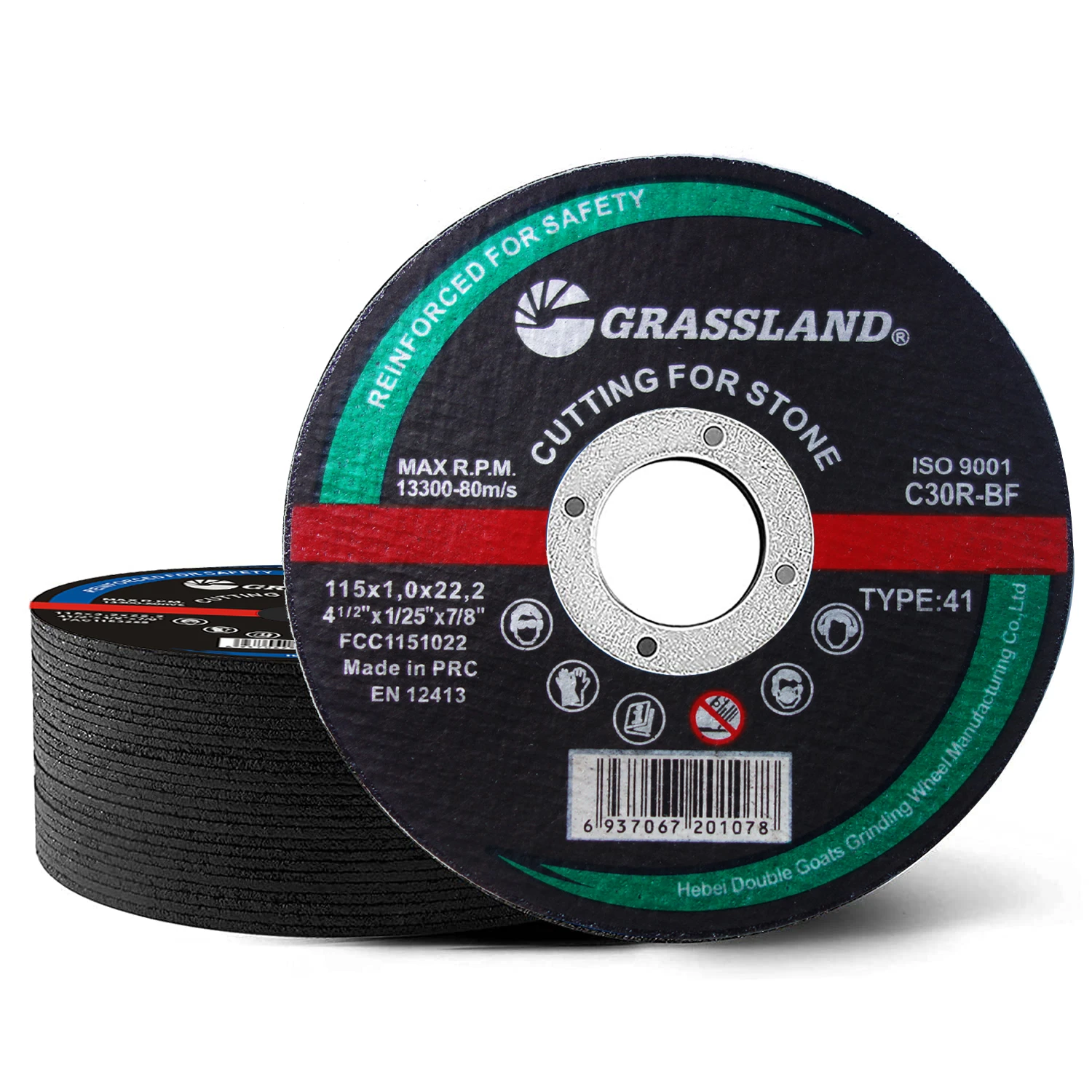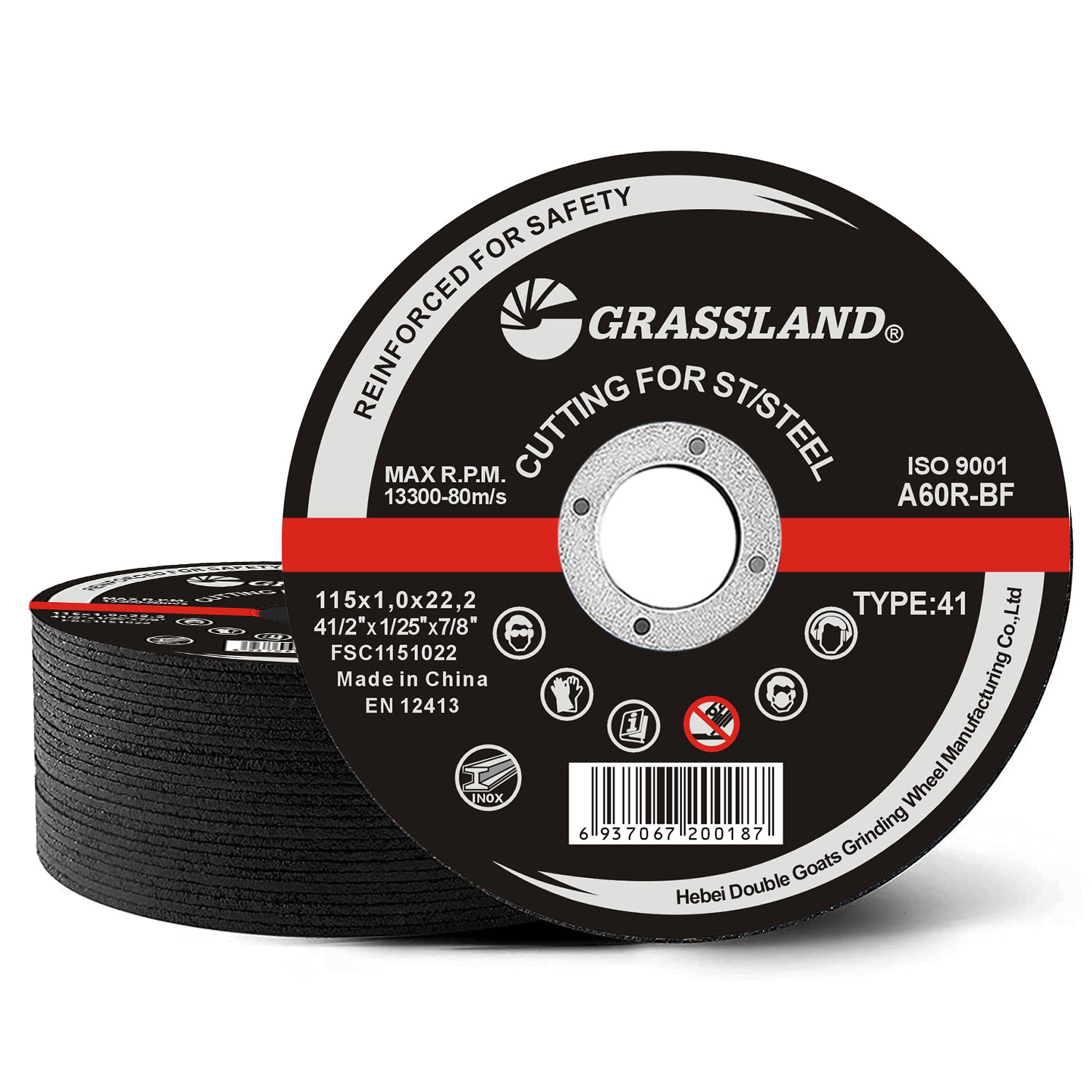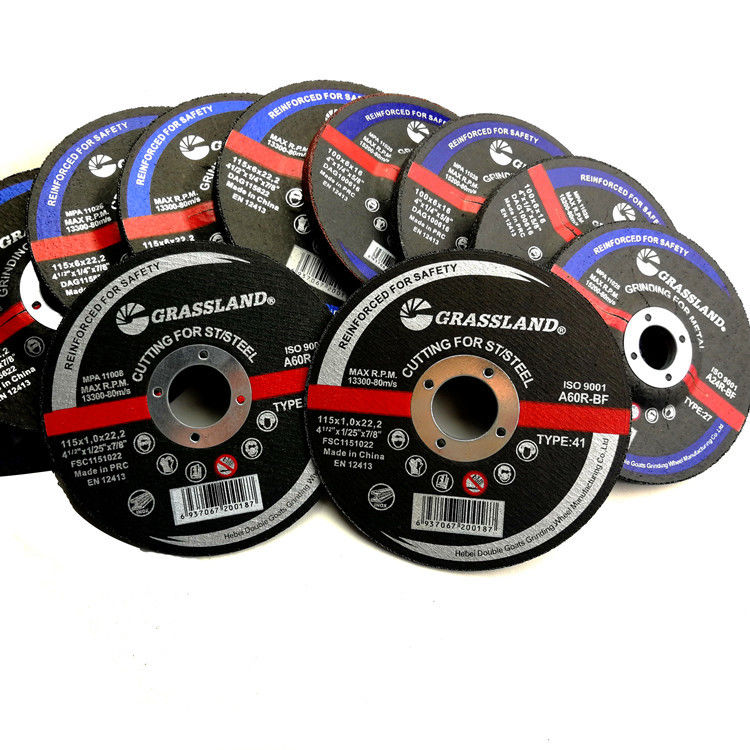
Steel Cutting Disc: The Unsung Hero of Modern Metalwork
If you’ve ever watched a skilled metalworker or fabricator in action, chances are you’ve witnessed the blazing arcs of sparks flying off a rotating abrasive disc slicing through steel. The steel cutting disc might seem like a simple tool at first glance, but it’s fundamental—and frankly, fascinating—in its role across industries worldwide. From massive construction sites to tiny artisan workshops, understanding the steel cutting disc is vital not just for cutting metal efficiently but for enabling innovation, safety, and sustainability.
Globally, the demand for precision metal cutting has skyrocketed. For instance, the United Nations Industrial Development Organization estimates metal fabrication to be a multi-billion dollar arena, integral to infrastructure development, automotive manufacturing, and energy sectors—making the humble steel cutting disc a global player. This article takes a deep dive into what steel cutting discs are, why they matter, and where they’re headed next.
The Global Role of Steel Cutting Discs in Industry
Steel cutting discs are everywhere once you start looking: factories in Germany, shipyards in South Korea, construction hubs in the Gulf states, or even informal repair shops in rural Africa. According to ISO standards like ISO 525, abrasive cutting tools must adhere to strict safety and performance benchmarks, ensuring efficiency worldwide. The global market for cutting discs is projected to grow at a CAGR of around 5% over the next decade, driven largely by infrastructure projects and renewable energy installations.
Ironically, one of the biggest challenges the steel cutting disc addresses is balance — balancing fast, clean cuts with operator safety and minimal waste. Through innovators and manufacturers focusing on materials science and design, cutting discs have evolved to reduce dust, extend service life, and handle tougher alloys that are critical in emerging tech fields. It’s a silent revolution of sorts.
What Really Is a Steel Cutting Disc?
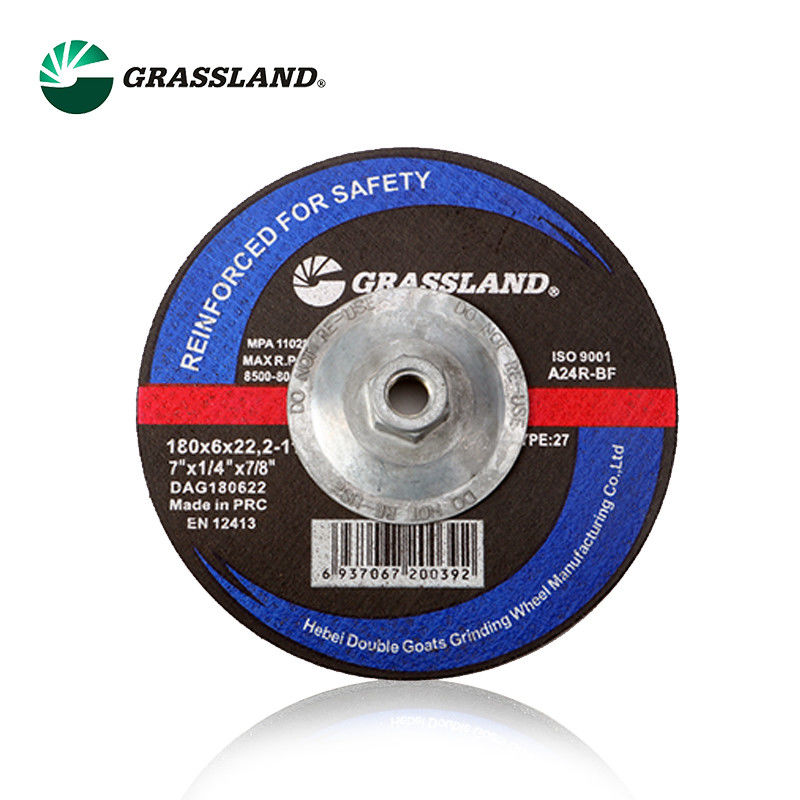
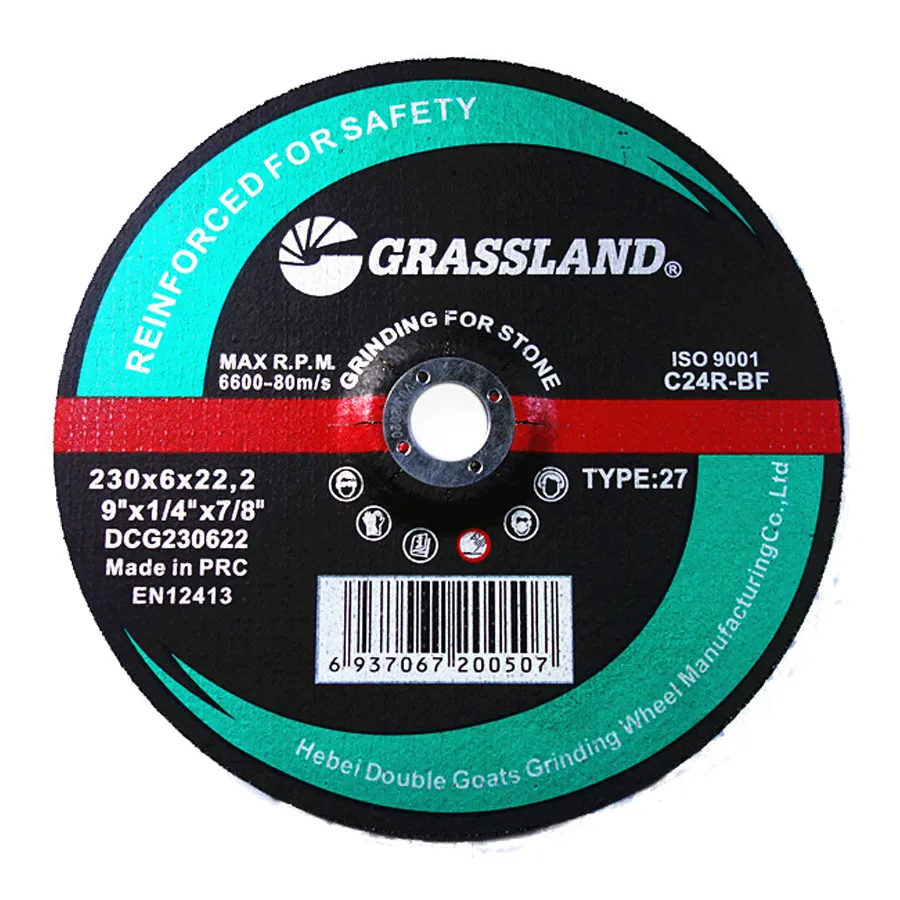
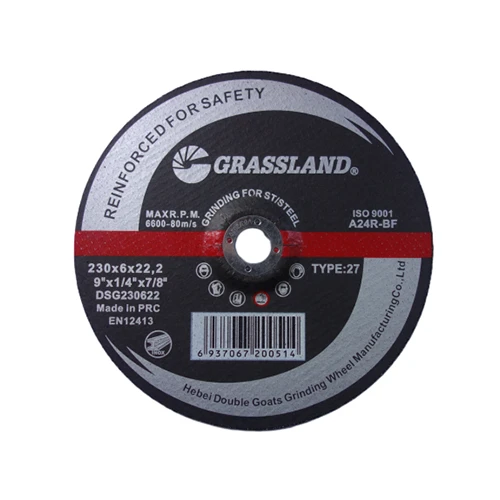
Put simply: a steel cutting disc is a circular abrasive tool designed to slice through steel and other metals manually or via power tools like angle grinders. These discs typically combine abrasive grains bound together with resin or vitrified compounds that generate the heat and friction required to cut cleanly.
But there’s more: their design balances durability, cutting speed, and operator comfort. The discs come in various sizes and thicknesses depending on whether the task is heavy-duty demolition or delicate metal shaping for humanitarian projects, like building rapid shelters. Without steel cutting disc technology, many critical metal shaping and recycling activities would be less efficient or downright hazardous.
Key Factors That Define a Quality Steel Cutting Disc
1. Durability and Material Composition
A high-performance steel cutting disc blends tough abrasive grains such as aluminum oxide or zirconia alumina with a binder that resists heat and wear. This means the disc can cut through hard metals repeatedly without glazing or breaking down prematurely.
2. Speed and Precision
It's one thing to cut fast. It's another to cut with minimal burrs or deformities. Advanced discs generate less vibration and heat, enabling steadier cuts — which matters in high-stake operations where steel parts must fit together exactly.
3. Safety Considerations
Cutting metal sparks dust and shards. Discs engineered with reinforced fiber mats reduce shattering risk, a critical feature mandated by many safety standards (see European EN12413).
4. Cost Efficiency & Availability
Surprisingly, cost often balances alongside quality. Discs that last longer may cost a bit more upfront but reduce downtime and replacement expenses — which can make or break tight project schedules.
5. Compatibility & Customization
The world’s work sites demand discs that fit a range of tools and thickness needs. Whether cutting thin sheet metal or a thick pipe, selecting the right disc specifications is a subtle art.
Mini takeaway: The best steel cutting discs aren’t about one single feature but a blend of durability, safety, cost, and precision tailored for the task.How Steel Cutting Discs Shape Real-World Applications
From manufacturing to emergency repairs, steel cutting discs are frontline tools. For example, in post-disaster relief zones, rapid infrastructure rehabilitation often depends on cutting metal debris and repurposing salvaged steel parts quickly and safely.
In remote industrial zones in Australia or Canada, workers rely on discs because they can be handheld and don’t require heavy machinery, enabling flexible onsite metal work far from urban supply chains. Automotive plants in Europe use ultra-thin discs to create precise cuts for better car frame efficiency and lighter weight — contributing somewhat to fuel savings and lower emissions.
| Parameter | Value/Range | Notes |
|---|---|---|
| Diameter | 115-230 mm | Common for handheld grinders |
| Thickness | 1.0-3.0 mm | Thinner discs provide smoother cuts |
| Max RPM | 6,600 – 13,300 | Tool dependent |
| Bonding Type | Resin / Vitrified | Impacts durability and heat resistance |
| Abrasive Material | Aluminum oxide / Zirconia | For cutting ferrous metals |
The Advantages and Long-Term Value of Steel Cutting Discs
- Cost Savings: Longer-lasting discs mean fewer replacements, saving cash and time.
- Safety & Reliability: Modern safety reinforcements prevent accidents and build worker trust.
- Sustainability: Efficient cutting reduces metal waste and energy consumption.
- Flexibility: Useful across sectors — construction, automotive, manufacturing, and even art.
Frankly, it’s a tool that quietly improves the dignity of craftsmanship and the efficiency of industry, which is not something you see every day in power tools.
Emerging Trends Shaping the Future of Steel Cutting Discs
Innovation is constant. Researchers experiment with nano-structured abrasives and eco-friendly binders to minimize harmful dust and improve disposal. Digital monitoring sensors fitted on cutting tools can track disc wear in real time, predicting failures before they happen. This means less downtime and safer operations.
Automation also transforms how cutting discs are used: robotic arms in factories are increasingly equipped with these cutting tools for ultra-precise, repeatable manufacturing. Additionally, the push for green infrastructure boosts demand for high-efficiency discs capable of working on advanced alloys used in wind turbines and electric vehicles.
Challenges That Still Linger and How Experts Tackle Them
Despite advances, issues like disc fragility during misuse, dust control, and disposal of worn discs remain—especially in developing regions. Some experts recommend better operator training and the use of dust extraction technologies as a partial answer. Others focus on biodegradable or recyclable disc materials to address environmental concerns, which is a slow but promising path.
Vendor Comparison: Which Steel Cutting Disc Fits Your Needs?
| Feature | Vendor A | Vendor B | Vendor C |
|---|---|---|---|
| Disc Thickness Options | 1.0 - 3.0 mm | 1.2 - 2.5 mm | 1.0 - 2.0 mm |
| Abrasive Material | Aluminum Oxide | Zirconia Alumina | Mixed Abrasives |
| Max RPM | 13,300 | 12,000 | 10,500 |
| Safety Certification | EN12413, ANSI | EN12413 | EN12413, ISO 9001 |
| Average Price | $$ | $$$ | $ |
Frequently Asked Questions About Steel Cutting Discs
Q1: What's the ideal thickness for a steel cutting disc to balance speed and safety?
A thinner disc (around 1.0 to 1.6 mm) typically provides smoother, faster cuts with less dust but may be more fragile. Thicker discs (2.5 mm and above) offer more durability but slower cuts. Choose based on your metal thickness and tool RPM.
Q2: How long does a steel cutting disc usually last under typical workshop conditions?
Disc lifespan depends heavily on usage intensity, material being cut, and operator skill. Generally, a high-quality disc can handle from 20 to 50 cuts before replacement is advisable. Proper maintenance and safe handling extend this.
Q3: Are steel cutting discs compatible with all angle grinders?
Most discs fit standard grinders but always confirm diameter, arbor size, and max RPM compatibility. Using a disc on an incompatible tool risks accidents and poor performance.
Q4: Can cutting discs be safely recycled or disposed of?
Used discs often end as industrial waste due to embedded fibers and resins, but some manufacturers are exploring recyclable options. Check local regulations and look for eco-friendly models.
In Conclusion: Why Steel Cutting Discs Matter
Steel cutting discs are more than just spinning abrasives; they’re precision instruments that combine science, safety, and craftsmanship. Their influence spans industries, regions, and use cases, proving essential for shaping our built environment and supporting economic development globally. If you want to learn more or explore options for your next project, don’t hesitate to visit our website for trusted, quality steel cutting disc solutions.
After all, sometimes the smallest tools make the biggest impact.
References
Post time:Nov - 29 - 2025