Understanding Cut Off Wheels for Grinder: Why They Matter Globally
If you work in manufacturing, construction, or metal fabrication, there’s a good chance you’ve relied on cut off wheels for grinder without even thinking much about them. These seemingly simple abrasive discs play an outsized role worldwide — from refining automotive parts in Germany to emergency repair work in remote African communities. Their ability to slice through tough metals and composites efficiently reduces downtime and cost, which frankly, is priceless in demanding industrial environments.
Globally, the demand for precision cutting tools continues to surge, impacted by rising industrial automation and infrastructure development. According to ISO standards on abrasive products (ISO 603), ensuring the right cut off wheel selection directly affects safety, performance, and sustainability across industries. So understanding these tools isn’t just for specialists; for anyone ordering or specifying grinding equipment, it’s key to getting the job done right, the first time.
The Global Context: How Cut Off Wheels Shape Industry and Infrastructure
It may sound niche, but the global trade of abrasive cut off wheels is tied closely to economic growth patterns. The World Bank reports that emerging economies investing heavily in infrastructure see a parallel uptick in demand for cutting and grinding accessories — including the humble cut off wheel.
What’s challenging here is balancing cost, safety, and environmental regulations. North America and Europe have strict safety standards, pushing vendors to innovate materials that offer durability without sacrificing wheel integrity. Meanwhile, in Asia and Africa, affordability and accessibility remain front and center. This dual dynamic means cut off wheels must be engineered to various specs, serving industries from shipbuilding to small-scale farming equipment repairs.
What Are Cut Off Wheels for Grinder, Exactly?
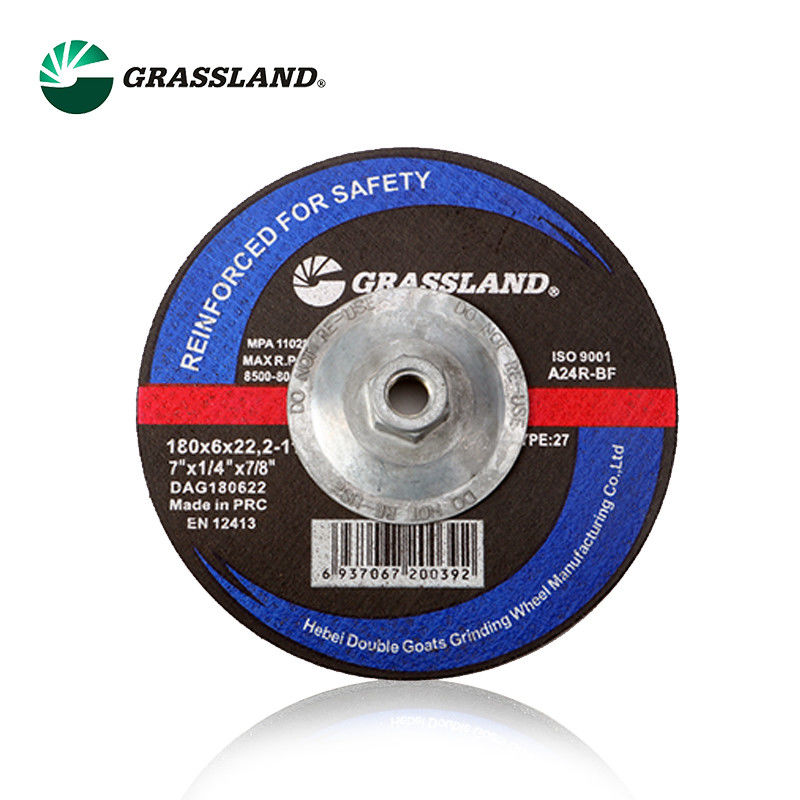
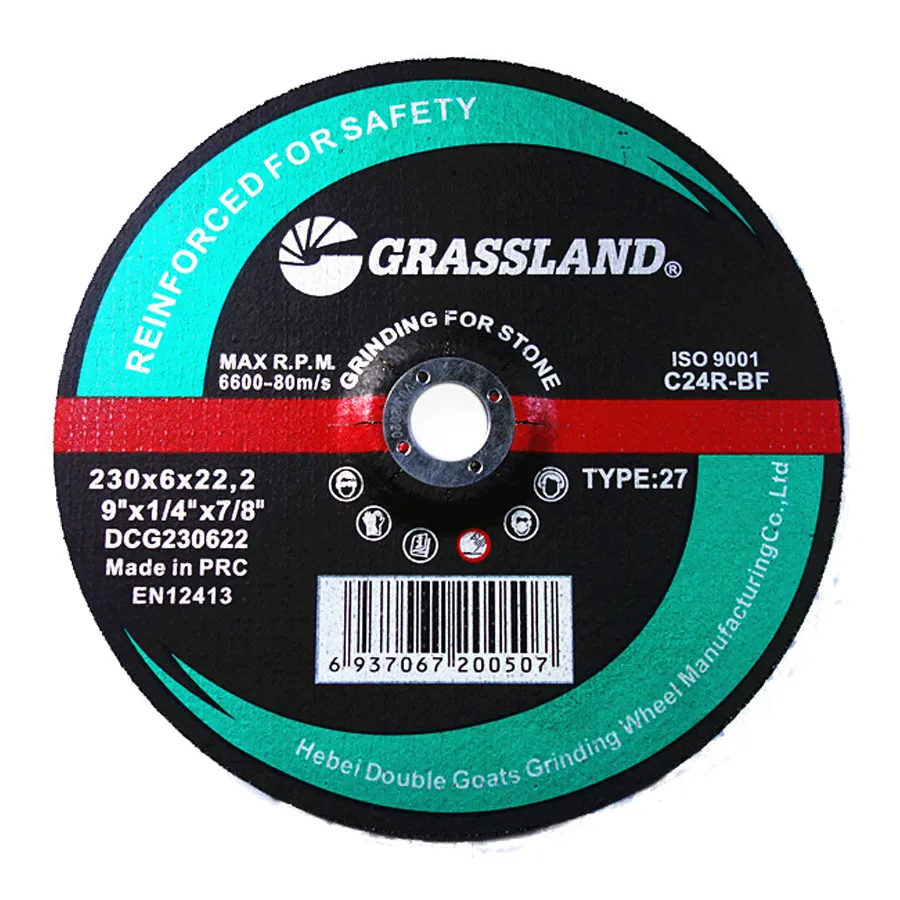
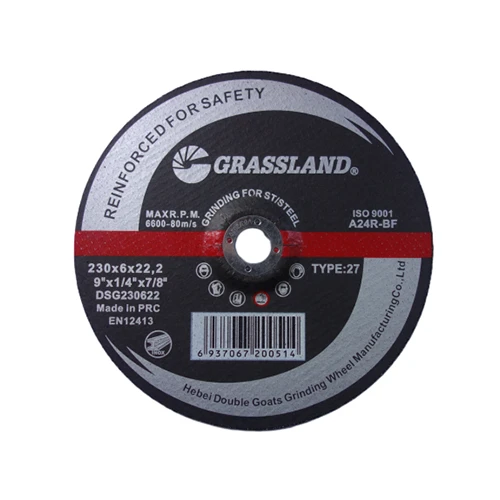
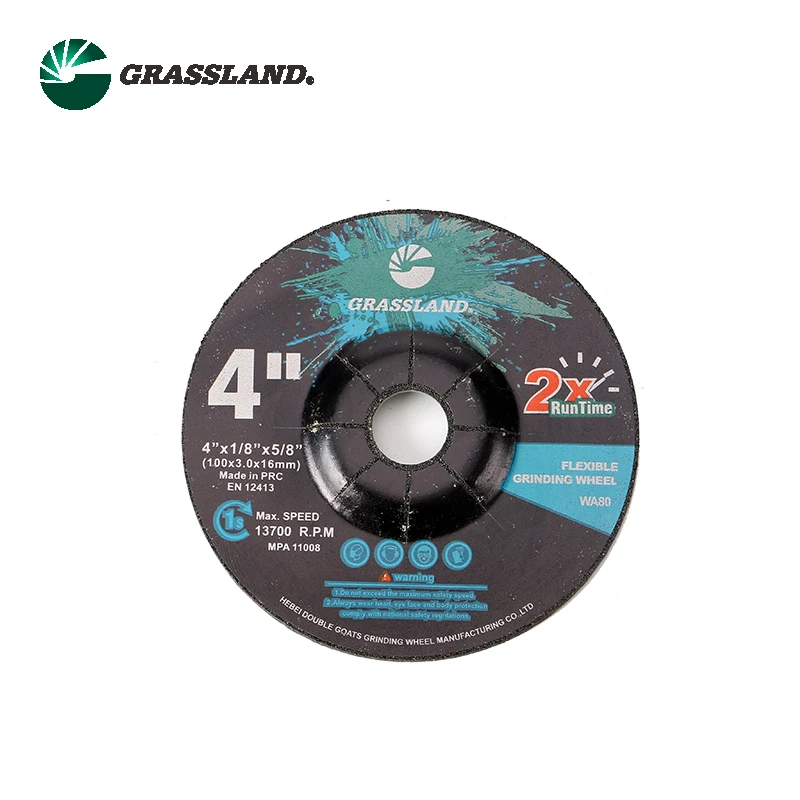
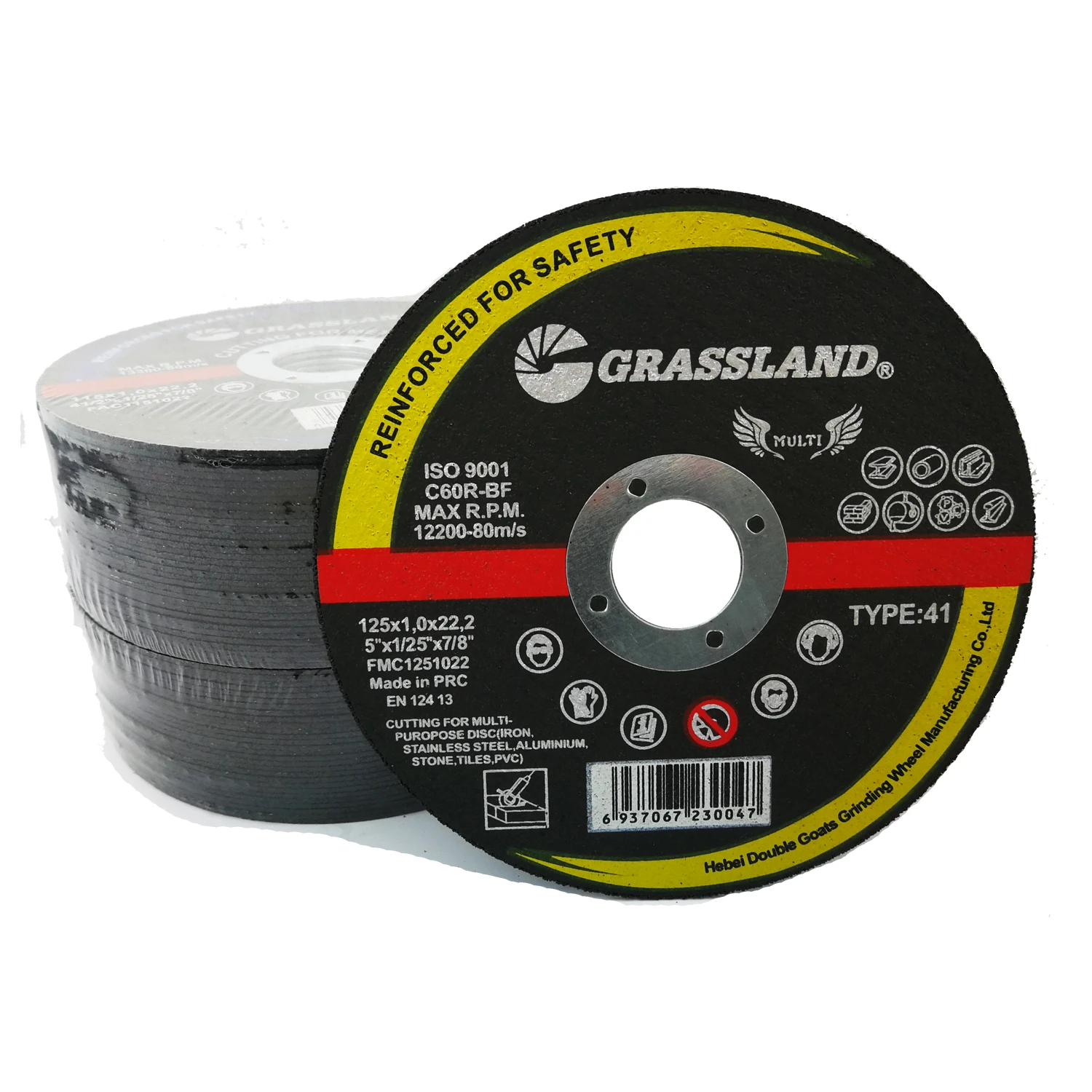
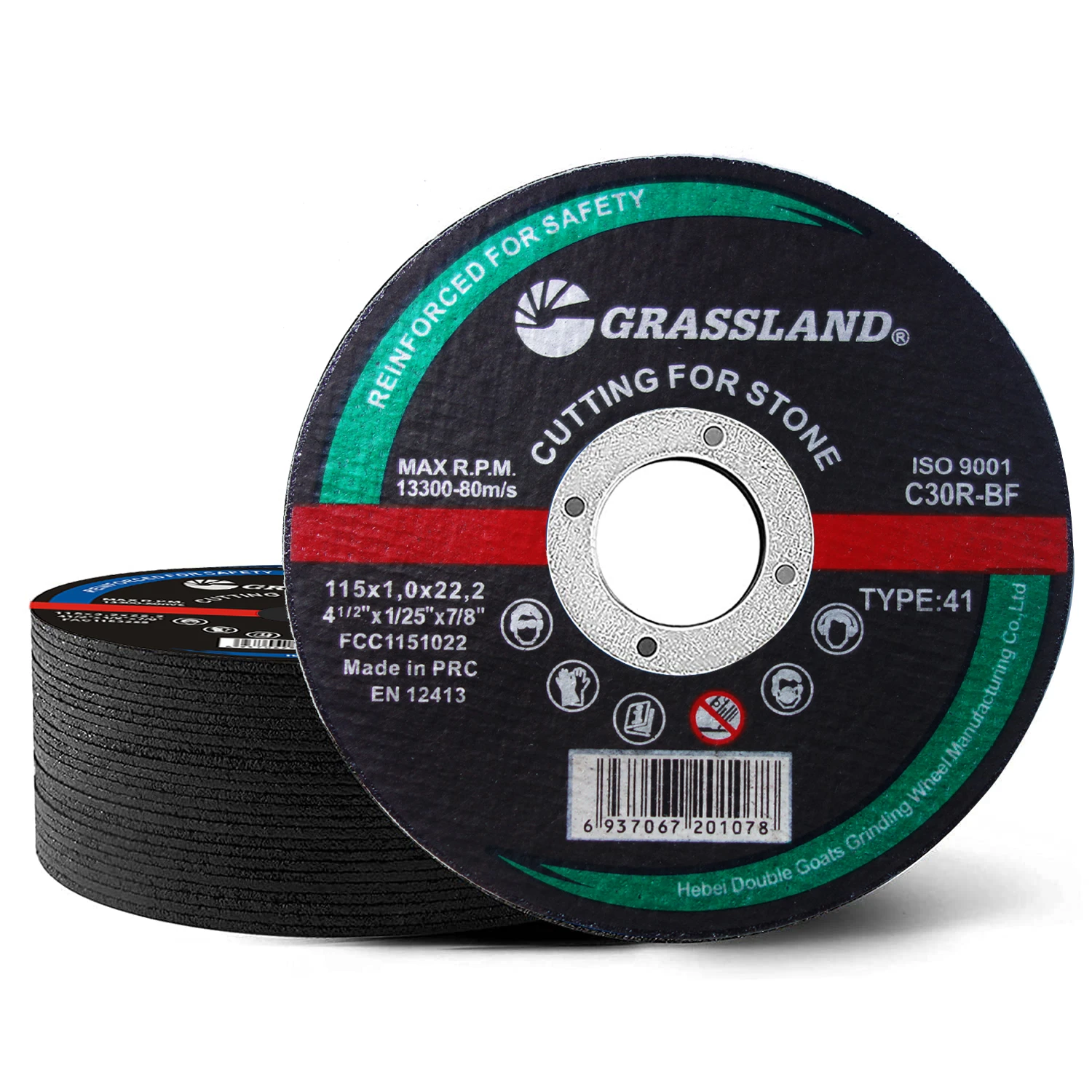
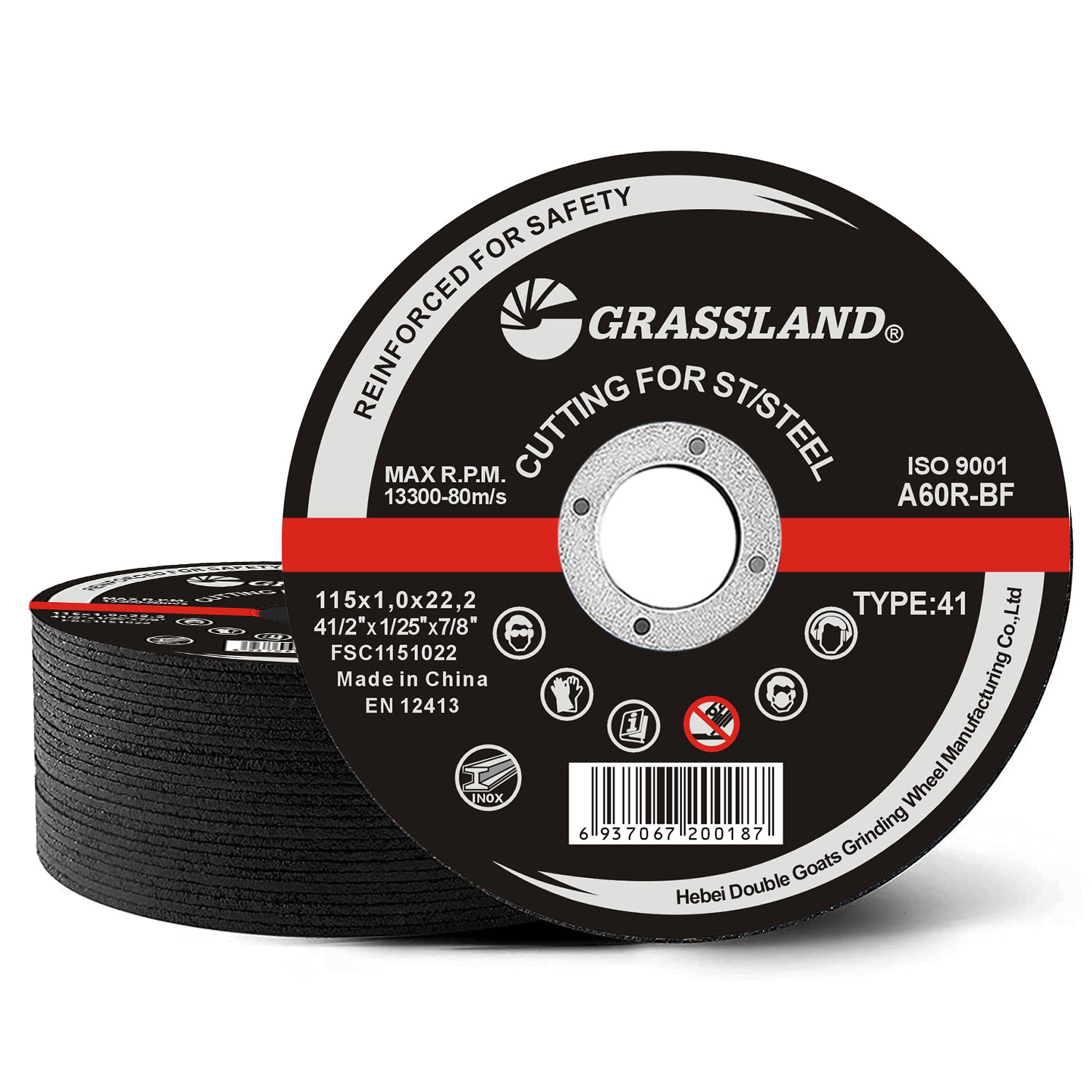
Put plainly, a cut off wheel is a thin disc designed to cut through metal, stone, ceramics, or even composites using a handheld or bench grinder. These wheels are traditionally made of abrasive grains—like aluminum oxide or silicon carbide—bonded together with resin or vitrified bonding agents.
Think of them as the culinary knife for a metalworker: precise, sharp, and effective only when the right type and size are chosen for the job.
In modern terms, their relevance spans from mechanical fabrication lines optimizing automotive parts to humanitarian missions that require quick equipment repair in challenging environments, such as disaster relief operations in remote zones.
Key Features That Define Quality Cut Off Wheels
Durability
Good cut off wheels resist cracks and wear, even when subjected to high-speed rotations over extended periods. For example, resin-bonded wheels offer excellent durability in metal cutting but may wear differently compared to vitrified variants, which are known for their strength in precision cutting tasks.
Cutting Performance
How fast and cleanly a wheel cuts can make all the difference on site. The grain size and bonding agent affect this directly — coarser grains tend to cut faster but less smoothly. Many engineers prefer wheels tailored for specific metals or alloys to optimize output.
Safety
This can’t be overstated. A compromised or mismatched wheel can shatter, causing injury or damage. The European Norm EN 12413 outlines strict criteria for bonded abrasive products, ensuring manufacturers meet safety guidelines regarding speed ratings and materials.
Cost Efficiency
Older wheels might cut slower but last longer; newer ones might slice through material rapidly but wear out faster. The sweet spot depends on application scale and urgency, which means industrial buyers often juggle pricing versus wheel lifetime carefully.
Environmental Impact
With increasing focus on sustainability, wheels made from eco-friendlier binders or recyclable components are gaining traction. A green abrasive product isn’t just good marketing; it often means less waste and safer disposals—critical for large industrial users.
Vendor Support & Availability
Having quick access to replacement wheels with specific specs is essential. Vendor reliability, warranties, and support services often sway customers when choosing between options.
Mini takeaway: Choosing the right cut off wheel is part science, part art — balancing qualities like cutting speed, durability, and safety while matching the environment it will be used in.
Real-World Applications Across Continents
Cut off wheels have found their way into every major industry sector. In automotive manufacturing hubs like Japan and Germany, high-precision wheels carve out tightly toleranced parts. Meanwhile, in construction zones throughout the UAE, durable wheels help build the kind of skyscrapers that defy expectations.
Interestingly, NGOs in disaster-hit areas such as Southeast Asia lean on these tools for critical infrastructure repairs — think fixing water pipelines or cutting debris for removal. In these contexts, the durability and portability of specific cut off wheels can be a lifesaver, literally reducing downtime and accelerating aid delivery.
Industrially speaking, steel recycling plants in the U.S. and Brazil often rely on high-performance, heat-resistant wheels to break down bulky scrap metals efficiently.
Advantages That Make Cut Off Wheels Worthwhile Investments
- Cost Savings: Efficient cutting reduces waste and machining time.
- Safety Compliance: Reduces workplace injuries when correct wheels are used and maintained.
- Environmental Benefits: Longer-lasting wheels mean fewer disposals and resource consumption.
- Social Impact: In humanitarian contexts, rapid equipment repair supports dignity and quality of life.
- Innovation Enabler: New cutting technologies allow industries to work with advanced exotic materials.
There’s a real satisfaction in knowing that a sturdy, reliable wheel holds the weight of significant industrial progress — it’s a small tool with a big story.
Upcoming Trends & Cutting-Edge Innovations
Looking ahead, industry insiders talk a lot about diamond-coated cut off wheels — offering ultra-precise cuts with longer lifespans, especially on hard composites. Then there’s the rise of fully synthetic, recyclable bonding agents reducing hazardous waste.
Automation also plays a part. As robotic workstations become more common, cut off wheels designed with machine-friendly profiles and sensors for wear monitoring are emerging. Some vendors even explore IoT-enabled grinders providing real-time data on wheel health and optimized usage.
Last but not least, more manufacturers aim to comply with stricter regulations on emissions, pushing for abrasive products with minimal dust and chemical leaching.
Challenges & Proven Solutions in the Field
No product is perfect. Cut off wheels sometimes face issues like:
- Premature wear in harsh environments
- Speed limitations leading to slower throughput
- Supply chain disruptions affecting availability
Industry experts recommend frequent training for operators to handle wheels properly, investing in vendor partnerships for fast supply, and testing new composite materials designed for higher endurance.
I noticed a couple of manufacturers offering user-friendly trial programs — letting customers test wheels in situ before committing, which honestly reduces risk and builds trust.
Quick FAQs About Cut Off Wheels for Grinder
Q: What factors should I consider when choosing a cut off wheel?
A: Key factors include the material you'll cut, wheel diameter, thickness, machine compatibility, and safety ratings. Matching wheel specs to your application improves performance and longevity.
Q: How long does a typical cut off wheel last on average?
A: Lifespan varies by usage and material hardness but expect anywhere from a few hours in tough steel cutting to weeks when used intermittently on softer materials.
Q: Are all cut off wheels suitable for high-speed grinders?
A: No. Wheels come with a max safe operating speed label; exceeding this risks breaks and injury. Always verify compatibility with your grinder’s RPM rating.
Q: Can these wheels be used for non-metal materials?
A: Yes, certain wheels are designed for materials like concrete, ceramic, or stone. Just ensure the abrasive type matches (e.g. silicon carbide for masonry).
Q: Where can I find reliable suppliers for industrial cut off wheels?
A: Trusted vendors often provide documentation, certified safety ratings, and after-sales support. See below for a comparison of a few well-known providers.
Product Specification Table: Standard Cut Off Wheel Attributes
| Specification | Typical Range | Notes |
|---|---|---|
| Diameter | 100mm - 230mm (4" - 9") | Larger wheels for industrial grinders |
| Thickness | 1mm - 3mm | Thinner wheels cut faster but wear sooner |
| Max RPM | 6,000 - 13,300 RPM | Check machine compatibility |
| Abrasive Type | Aluminum Oxide, Silicon Carbide, Diamond | Depends on cutting material |
| Bonding Agent | Resin, Vitrified, Metal | Impacts durability and cut style |
Comparing Vendors: Making An Informed Choice
| Vendor | Safety Certifications | Product Range | Price Range | Customer Support |
|---|---|---|---|---|
| GrindPro Abrasives | EN 12413, OSHA | Wide (metal & masonry) | Mid-High | 24/7 helpline, tech support |
| CutRight Tools | ISO 603 Certified | Specialized diamond wheels | High | On-site training available |
| Budget Abrasives Co. | Basic EN safety marks | Limited (mostly metal) | Low | Email only support |
In Closing: The Long-Term Value of Choosing the Right Cut Off Wheels
It’s tempting to overlook the small stuff — after all, a grinding wheel is just a consumable, right? Yet, as many veteran engineers and skilled tradespeople will tell you, picking the right cut off wheels for grinder isn’t just a cost decision. It’s a safety decision. A productivity decision. An environmental commitment.
So, the next time you or your team is specifying tools, take a quiet moment to appreciate the tech, specs, and stories packed into these spinning discs. They might just save you time, money, and a headache down the road. For an extensive range of premium grinders and cut off wheels for grinder, be sure to visit our website and explore all the options that fit your unique needs.
References:
Post time:Nov - 29 - 2025