Cut off Wheels for Non Ferrous Metals: What You Need to Know
In the vast world of metalworking and fabrication, the humble cut off wheel is a small but mighty tool. Specifically designed for non ferrous metals—like aluminum, copper, brass, and titanium—these cutting discs are everywhere, from bustling factories to small artisan shops. Understanding cut off wheels for non ferrous metals isn’t just for tool nerds; their design and application impact industries globally, from aerospace to automotive, and even humanitarian projects.
Why does this matter worldwide? Well, non ferrous metals are prized for their corrosion resistance, light weight, and conductivity, making them essential to advanced technologies and infrastructure. Efficiently cutting these materials without compromising quality or safety is critical—and that’s exactly where cut off wheels come in.
Global and Industry Context
Globally, demand for non ferrous metals has grown steadily, driven by renewable energy, electronics, and transportation sectors. According to the World Steel Association, the use of copper and aluminum has increased by over 5% annually over the last decade. This growth translates into a rising need for precision cutting tools that can handle these metals effectively.
In reality, the challenge lies in the metals’ unique properties. Non ferrous metals tend to be softer and more ductile than steel, which means they can clog or prematurely wear out generic cut off wheels. Honest mistakes here can lead to wasted materials, tool breakage, or safety hazards. So the right cut off wheels make all the difference.
What Exactly Are Cut off Wheels for Non Ferrous Metals?
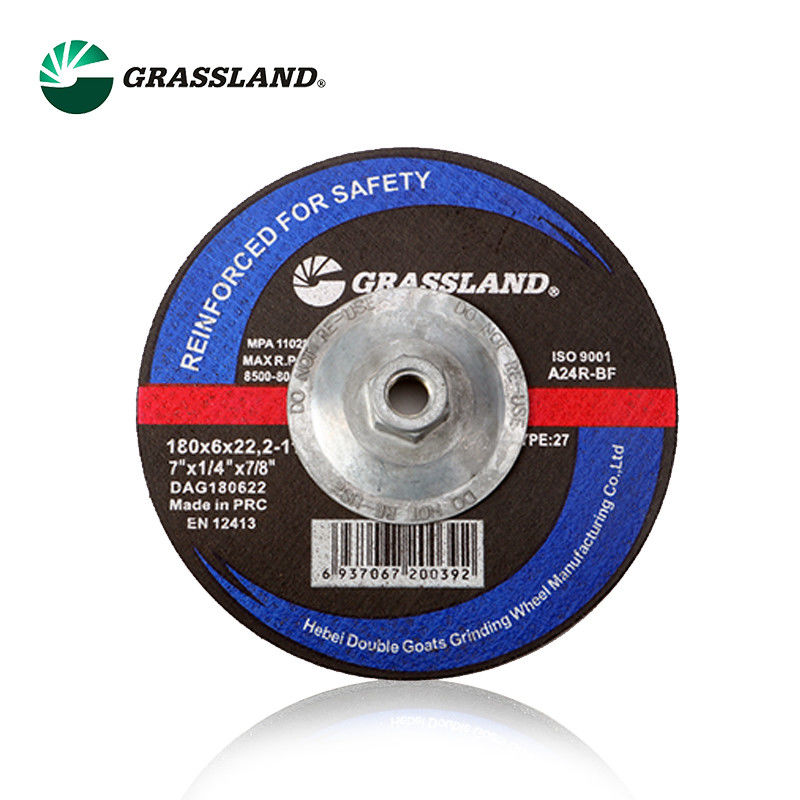
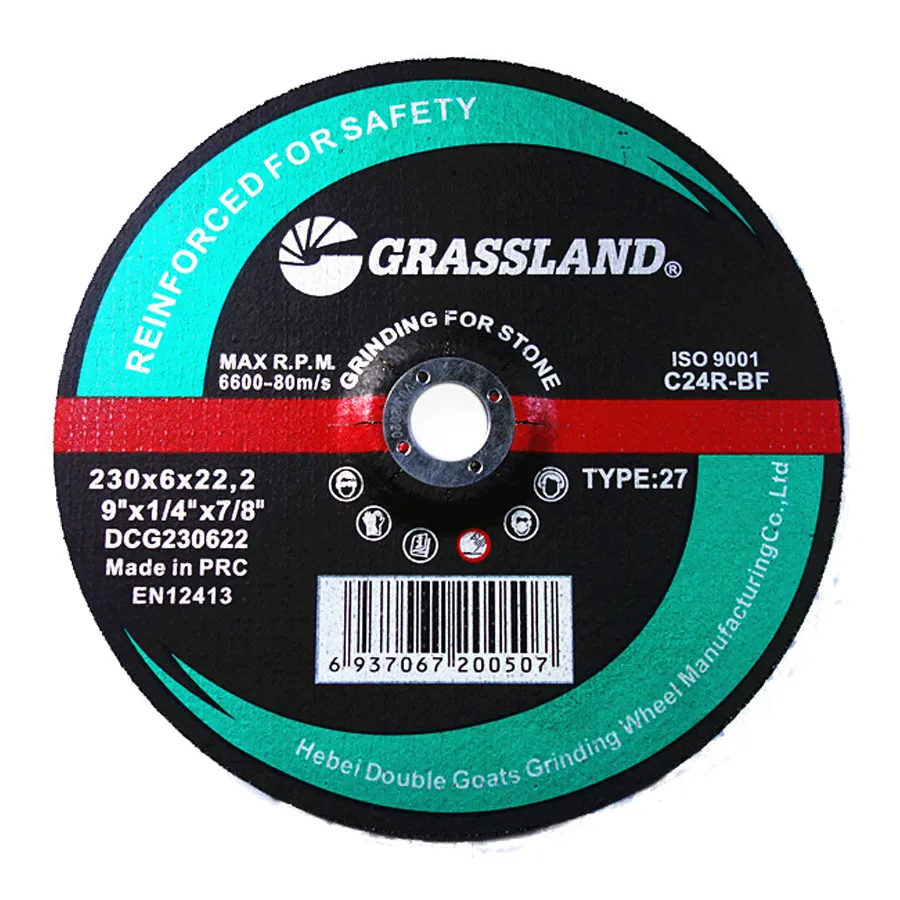
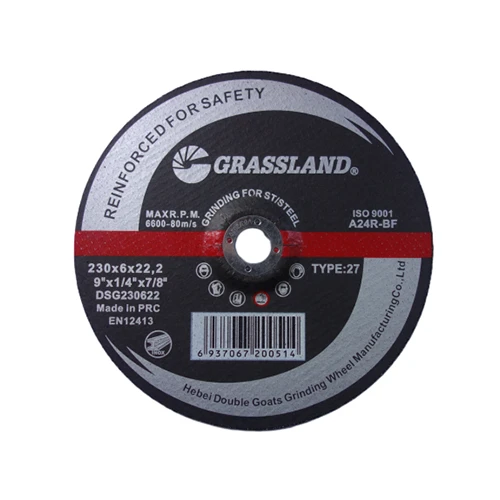
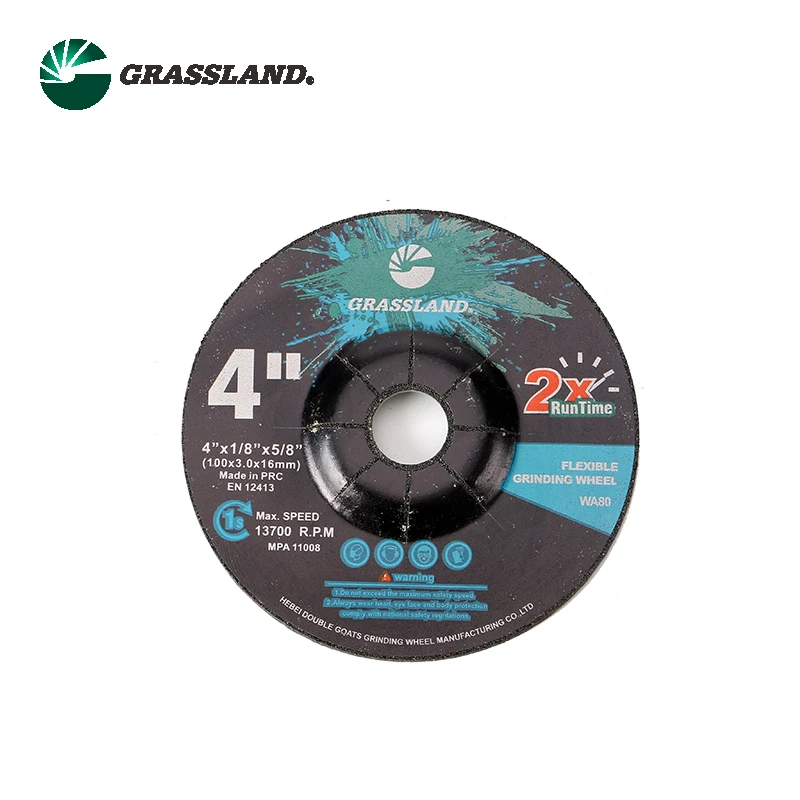
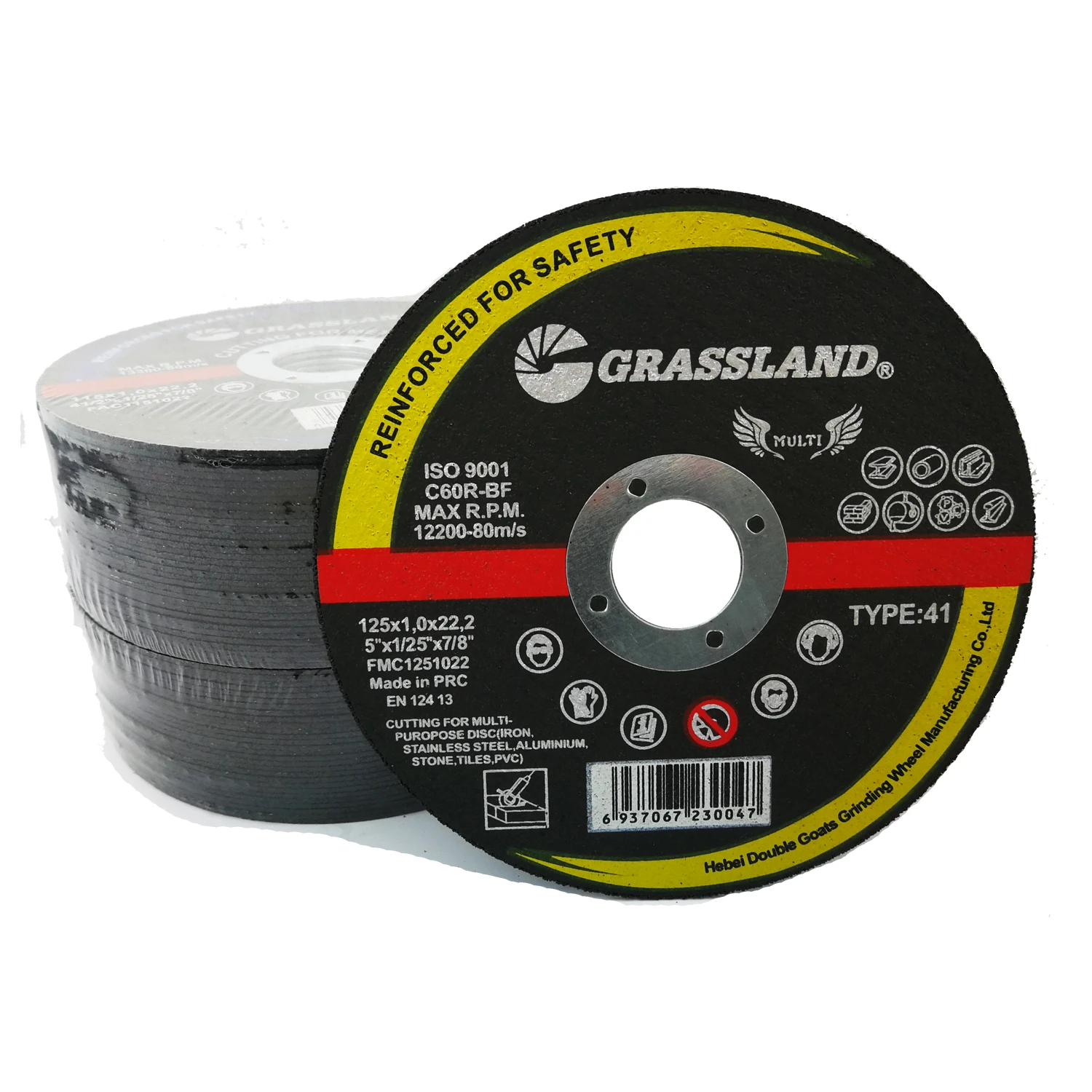
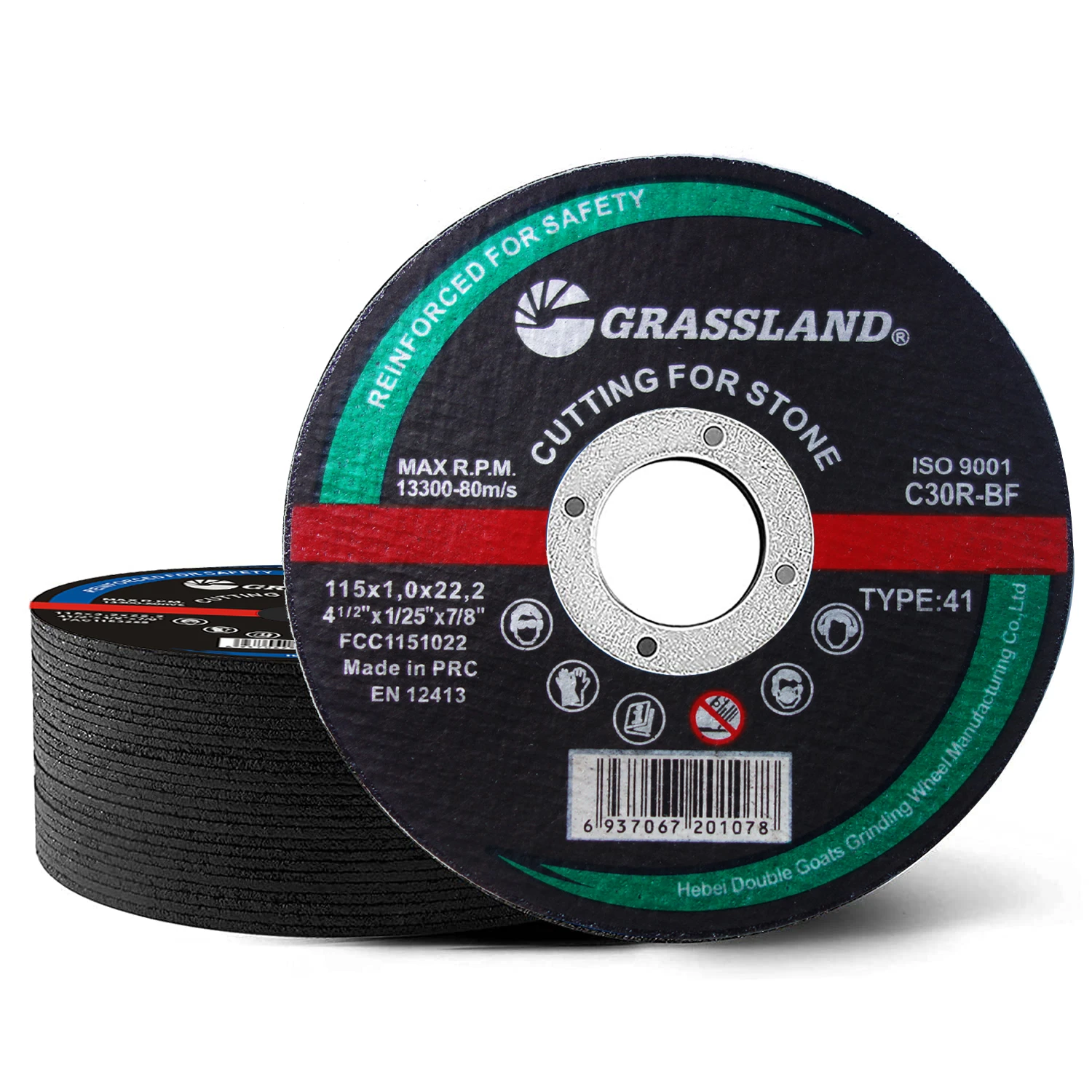
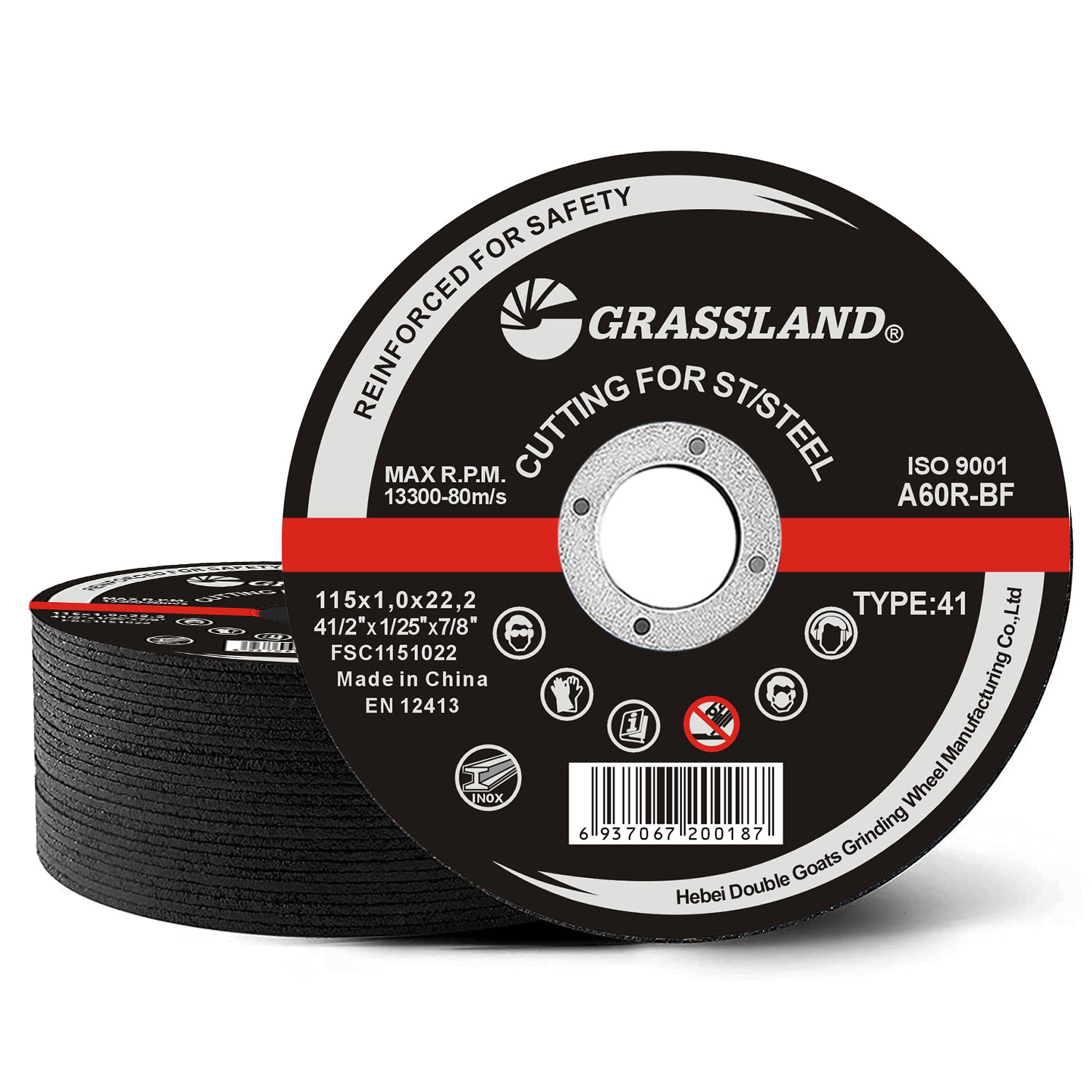
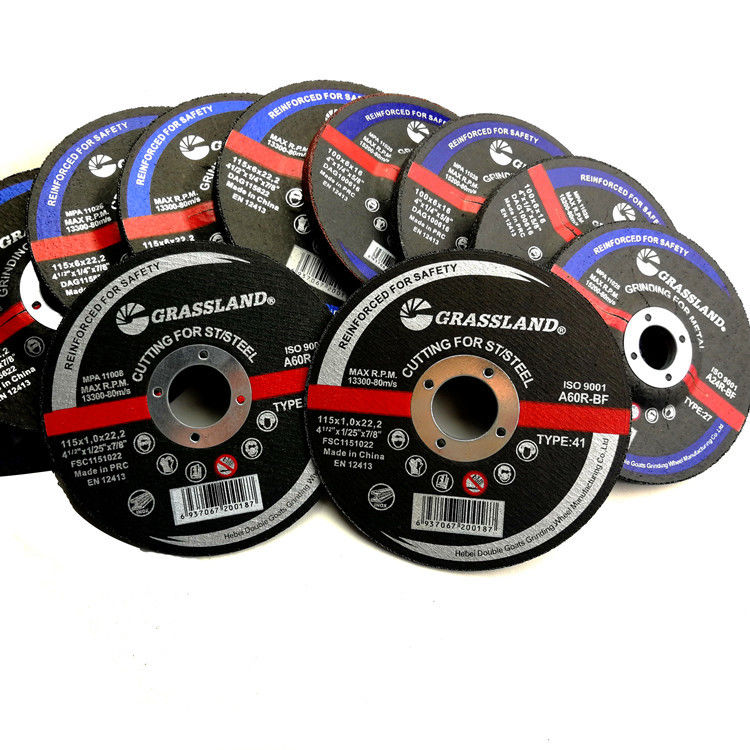
Put simply, cut off wheels are thin, circular abrasive discs designed to slice through specific materials. When tailored for non ferrous metals, these wheels have special abrasives and bonding agents that optimize performance for softer, less ferrous substrates. They ensure cleaner cuts, less heat buildup, and longer tool life compared to standard cutting discs.
These wheels play a crucial role in manufacturing modern electronics, electric vehicles, and aerospace equipment—sectors where non ferrous metals are front and center. Oddly enough, they're also found in humanitarian relief setups where portable metal fabrication is vital for constructing lightweight shelters or power units.
Key Factors of Cut off Wheels for Non Ferrous Metals
- Durability: More than just longevity, these wheels resist glazing (surface smoothing) which can reduce cutting efficiency. High-quality resin bonds combined with aluminum oxide or silicon carbide abrasives often do the trick.
- Precision Cutting: Thin blades reduce material loss (kerf) and minimize burring, crucial when you want a smooth finish without additional grinding.
- Heat Resistance: Non ferrous metals conduct heat differently. Wheels formulated to dissipate heat prevent warping or discoloration of the metal.
- Safety Features: Balanced design and reinforced fibreglass layers keep operator risk low, especially because these wheels spin at high RPMs.
- Cost Efficiency: While premium wheels cost slightly more upfront, their efficiency and durability often lower overall project expenses.
Mini takeaway: When picking cut off wheels for non ferrous metals, durability, precision, heat management, and safety aren't just boxes to tick—they define your final product's quality and your shop's workflow.
Global Applications & Use Cases
From automotive assembly lines in Germany to electronics microfabrication in Japan, cut off wheels for non ferrous metals serve diverse needs. In North American aerospace manufacturing, these wheels enable the delicate cutting of aluminum alloy components, integral for lightweight aircraft frames.
In post-disaster relief zones—take recent flooding in Southeast Asia—NGOs rely on portable metal fabrication to build temporary structures fast. Here, wheels that cut copper or aluminum piping cleanly and quickly are essential.
Also fascinating is their role in artisanal crafts in South America, where copper and brass pieces are shaped meticulously using tailored cut off discs, combining tradition with modern technology.
Advantages & Long-Term Value
There’s a deeper value beyond immediate cost or speed. Using the right cut off wheels improves workplace safety—fewer sparks, smoother cuts, less chance of kickbacks. This creates a trusting environment where workers feel protected. The sustainability angle is subtle but important; precise cutting means less scrap, conserving valuable non ferrous metals.
Innovations like resin bond formulas reduce hazardous dust, supporting healthier air quality in workshops.
Future Trends & Innovations
Looking ahead, the industry is embracing eco-friendlier abrasives and digital-assisted tool monitoring. Smart cut off wheels integrated with sensors can now alert users when a wheel is worn out, preventing catastrophic failures (a neat example of digital transformation). Materials science is busy too, experimenting with nano-enhanced abrasives for longer life and greener production processes.
Ultimately, these trends correspond with the broader industry push toward sustainability and automation. So even something as ‘low-tech’ as a cutting disc is catching up.
Challenges & Solutions
But not all is perfect. Common issues like wheel wear, clogging, or overheating still plague some users. Solutions include regular maintenance routines, matching wheel specifications strictly to the metal grade, and investing in training for operators. Some vendors now offer customized wheels tailored to specific alloys or cutting conditions—kind of a bespoke approach.
FAQ: Frequently Asked Questions About Cut off Wheels for Non Ferrous Metals
- Q: Why can’t I use standard cut off wheels for aluminum?
A: Aluminum’s softness tends to clog generic wheels, reducing cutting efficiency and causing overheating. Wheels designed for non ferrous metals feature abrasives and bonds that minimize clogging and heat buildup. - Q: How often should I replace cut off wheels?
A: It depends on usage and material thickness, but operators typically inspect wheels before and after each job. Signs of excessive wear, chipping, or reduced cutting speed mean it’s time to switch. - Q: Are these wheels safe to use on other metals?
A: While primarily designed for non ferrous metals, some wheels cross-apply to softer ferrous metals. However, it’s best to use the appropriate wheel to guarantee safety and cut quality. - Q: Can these wheels be used in automated CNC cutting systems?
A: Absolutely. Many are optimized for fixed machines and offer consistent performance required for automation, but confirm the RPM and size compatibility before integration.
Product Specification Table
| Specification | Description |
|---|---|
| Diameter | 100mm, 115mm, 125mm |
| Thickness | 0.8mm - 2.5mm (thin for precision cuts) |
| Abrasive | Aluminum Oxide or Silicon Carbide |
| Max RPM | 13,300 RPM (varies by diameter) |
| Bond Type | Resin Bond with Fiberglass Reinforcement |
Vendor Comparison Table
| Vendor | Product Range | Price Range (per wheel) | Key Feature |
|---|---|---|---|
| CutoffPro | 50+ Sizes & Abrasives | $5 – $15 | Custom bonding for aluminum |
| MetalSlice | Standard Sizes Only | $3 – $10 | Budget-friendly options |
| PrecisionCut | High-end Specialist Wheels | $12 – $25 | Extended life with nano abrasives |
Conclusion
Cut off wheels for non ferrous metals may seem like niche tools, but their impact is broad and tangible. They help industries cut costs, improve precision, ensure safety, and safeguard the environment—yes, even cutting discs play a part in innovation! If you want to explore quality options or need tailored advice, I suggest visiting our site for more detailed products and guidance. Because frankly, the right tool makes all the difference.
Thanks for sticking with me through this. It's a fascinating topic once you catch the buzz!
References
Post time:Dec - 02 - 2025