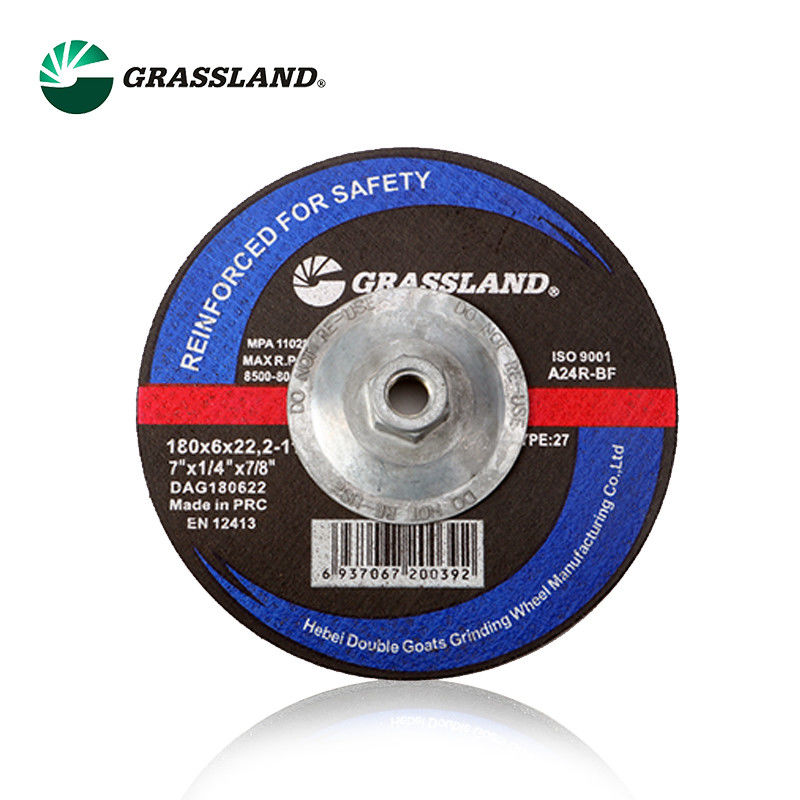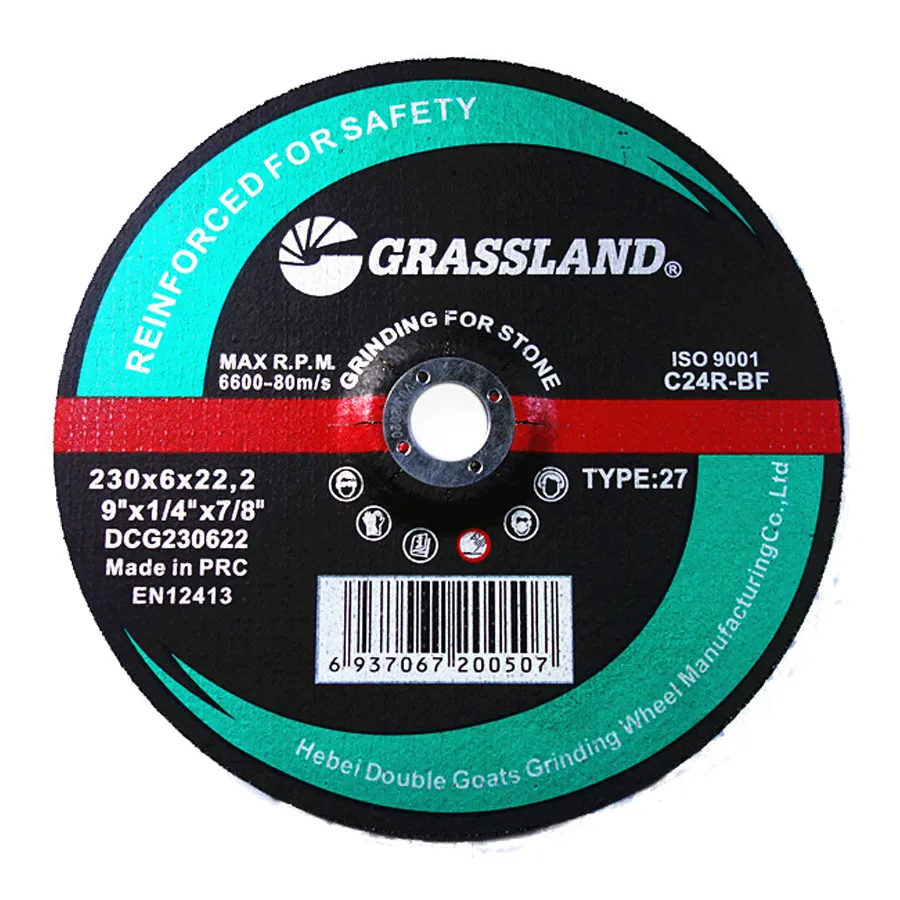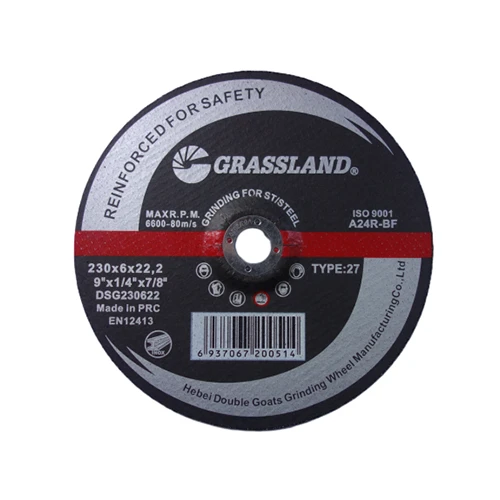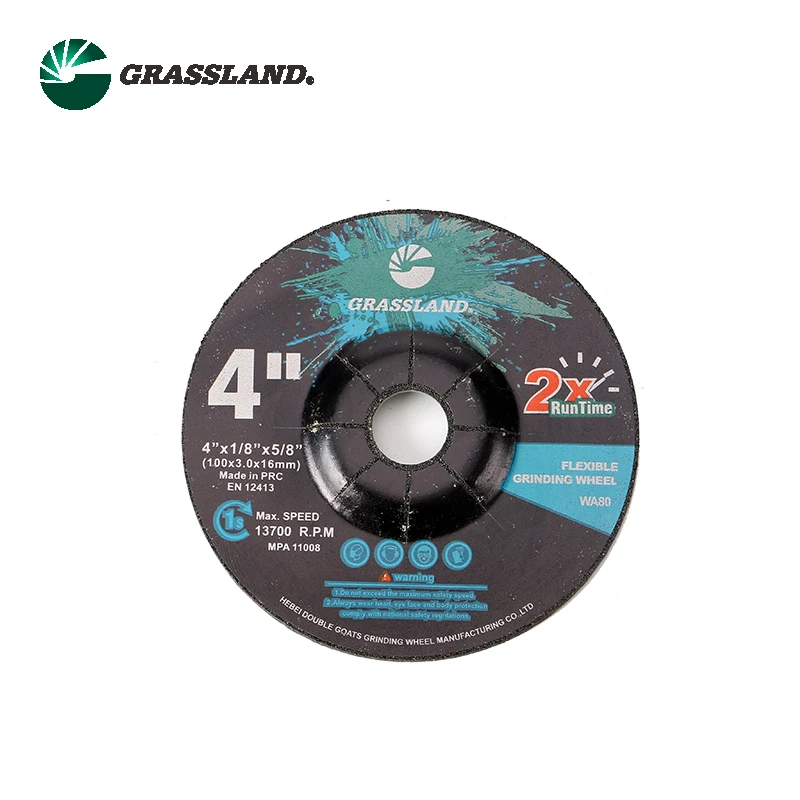
Understanding the Cutting Disc for Concrete and Metal: Essential Tool in Modern Industry
When it comes to industrial fabrication, construction, and demolition, having the right tool for precision cutting is absolutely crucial. The cutting disc for concrete and metal stands out as a versatile, indispensable component across the globe. This tool helps professionals slice through tough materials efficiently, enabling everything from infrastructure building to emergency repairs. Given its ubiquitous usage, understanding what these discs are, how they work, and why they matter carries real-world importance—for industries, economies, and communities.
Introduction: Global Relevance of Cutting Discs
Concrete and metal form the backbone of urban development and heavy industry worldwide. According to the International Standards Organization (ISO), construction accounts for approximately 38% of global CO₂ emissions, with concrete and steel being main contributors. Efficient, precise cutting tools like specialized cutting discs make it possible to work faster and reduce waste—and frankly, that’s a big deal when you consider environmental impact and economic cost.
The challenge? Not all cutting discs handle both concrete and metal efficiently, which can lead to safety hazards and increased expenses. Optimized discs save time, reduce operator fatigue, and improve overall safety, which matters to millions of workers daily.
What Is a Cutting Disc for Concrete and Metal?
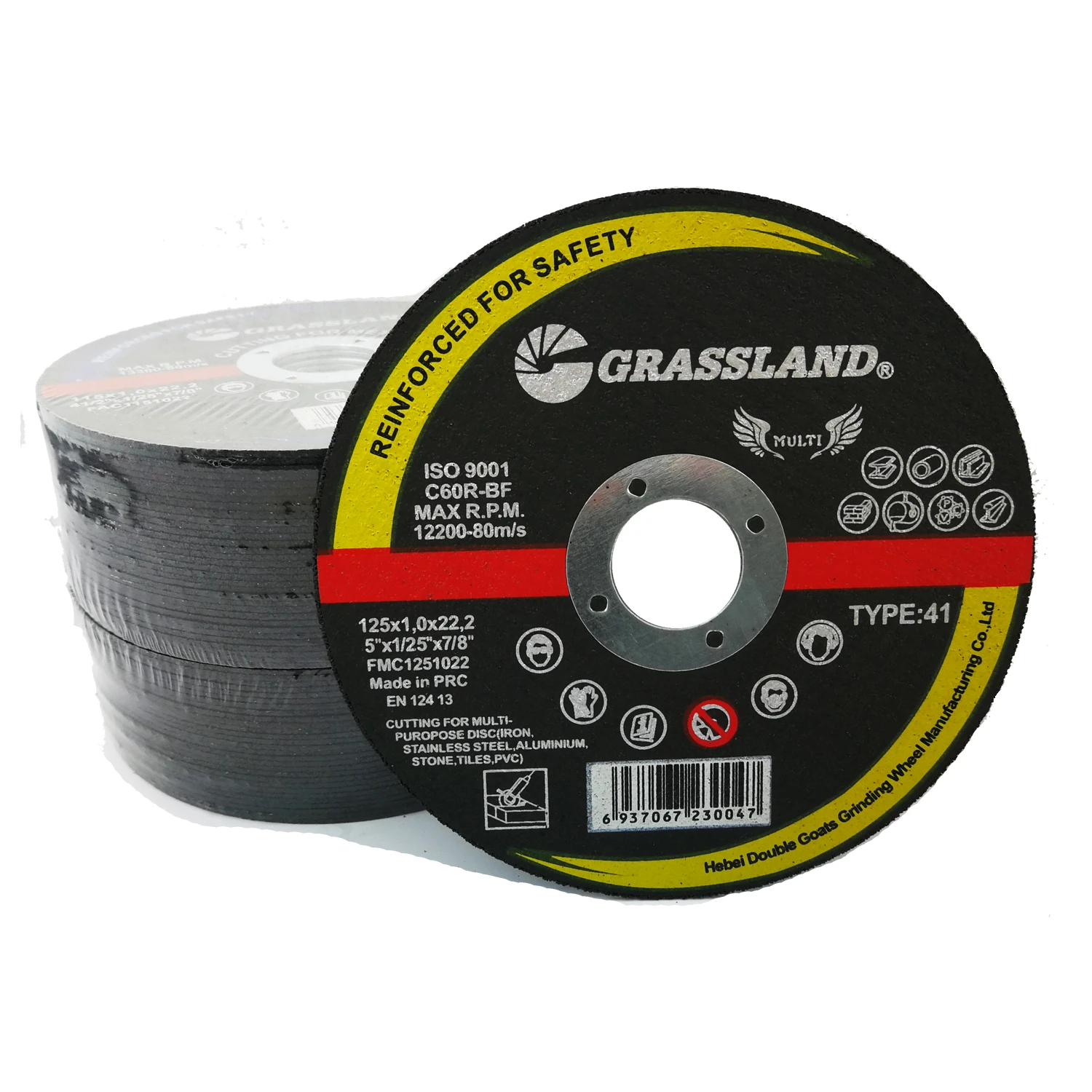
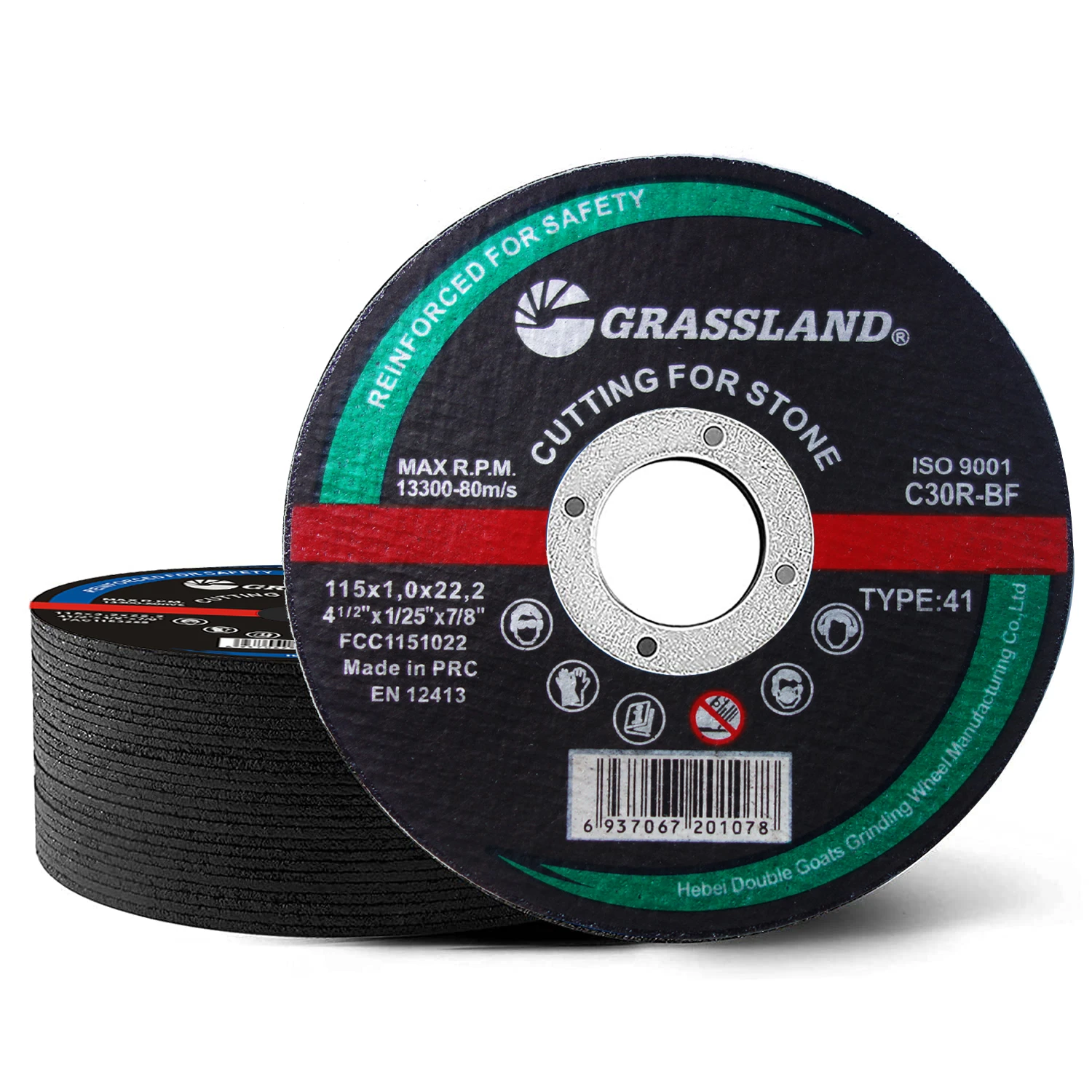
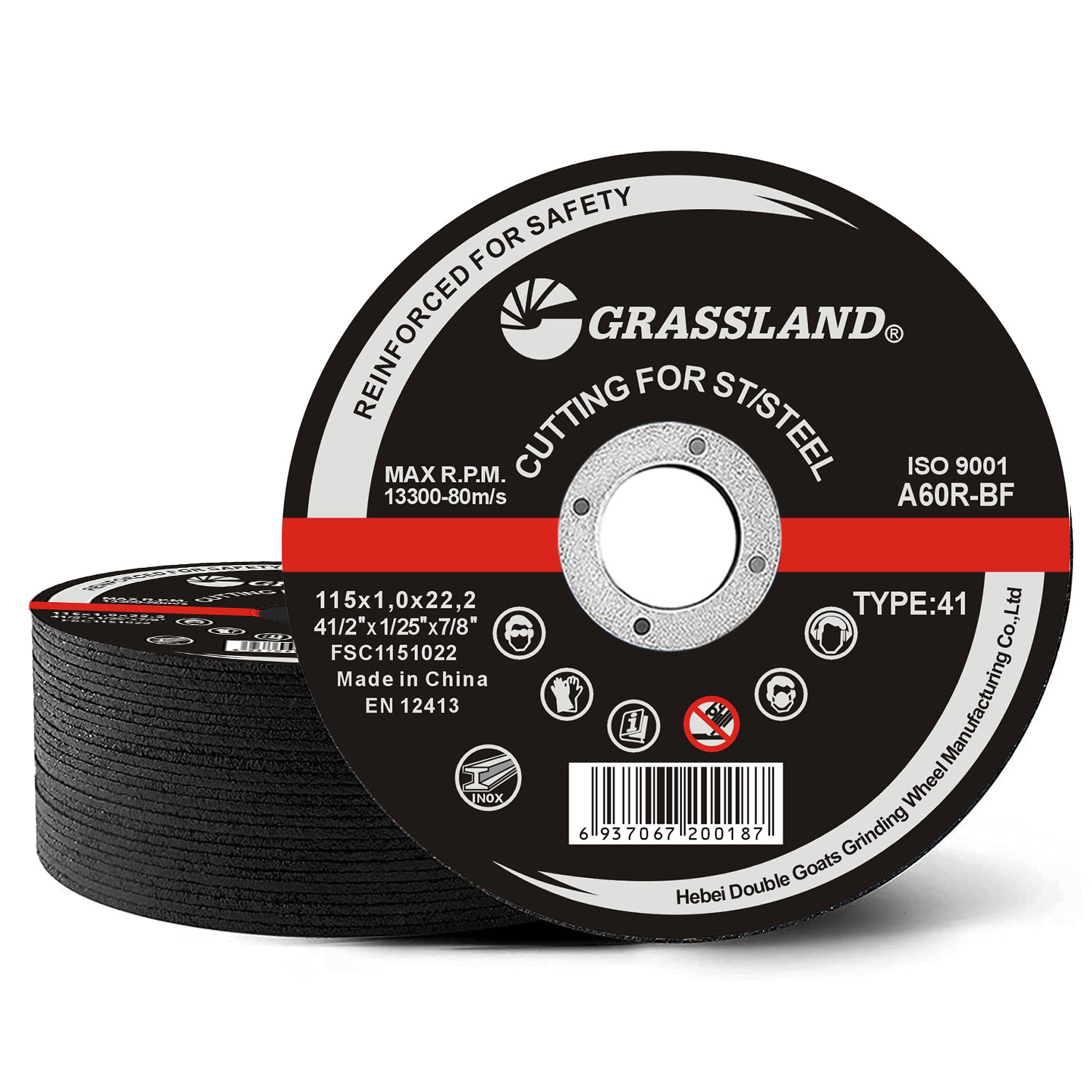
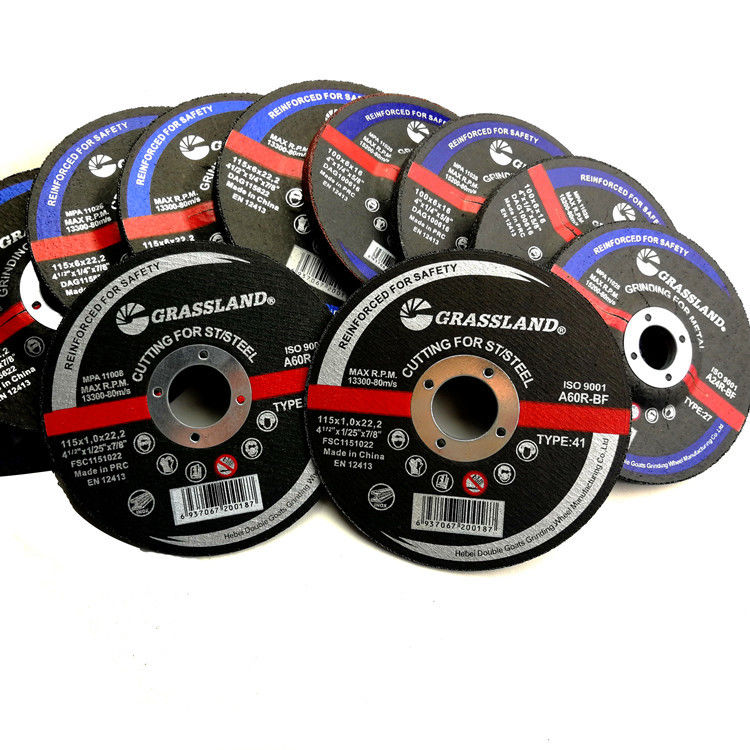
In basic terms, a cutting disc is a flat, circular abrasive tool attached to an angle grinder or saw, designed to slice through materials at high speeds. A cutting disc for concrete and metal is engineered to work on both tough concrete surfaces and various types of metals—something not every disc can boast.
This dual-purpose functionality makes them critical in industries ranging from building demolition to manufacturing. Oddly enough, though they’re so common, many people never consider the complexity involved in combining material science and engineering for such a tool.
Key Factors That Define Effective Cutting Discs
1. Durability and Material Composition
Discs for both concrete and metal employ composite abrasives like aluminum oxide or silicon carbide bonded together with resin or vitrified bonds. The challenge is balancing hardness (to slice metal cleanly) and toughness (to grind concrete), which requires precise formulation.
2. Thickness and Diameter
Typically, discs range from 4" to 9" in diameter and vary in thickness — thinner for precision metal cutting, thicker for aggressive concrete tasks. The right choice depends on your angle grinder specs and cutting needs.
3. Speed Rating and Safety Features
Because these discs spin at thousands of RPM, exceeding their maximum speed runs risks of shattering and injury. A quality disc adheres to safety standards like EN12413, ensuring optimal reliability during intense application.
4. Versatility and Compatibility
The true value lies in discs that can switch between concrete and metal jobs without blade changes. This reduces downtime, tool inventory, and increases productivity. Compatibility with different grinders (corded, cordless, pneumatic) also adds to flexibility.
5. Cost Efficiency
Experts often remind me: the cheapest disc typically costs more in lost time or replacements. A slightly pricier, durable disc pays dividends in performance and safety.
Product Specification: Typical Cutting Disc for Concrete and Metal
| Specification | Details |
|---|---|
| Diameter | 115mm (4.5") to 230mm (9") |
| Thickness | 1.0mm - 3.0mm |
| Abrasive Material | Aluminum Oxide, Silicon Carbide |
| Bonding Type | Resin or Vitrified |
| Max RPM | ≥ 80 m/s peripheral speed (varies by diameter) |
| Compliance | EN12413 Safety Standard |
Global Applications and Practical Use Cases
These discs are found in all corners of the world—from skyscraper construction projects in Dubai to rural road repair in sub-Saharan Africa. For instance:
- In disaster relief operations, swift cutting of concrete rubble with metal reinforcements needs multifunctional discs to clear pathways.
- Remote mining camps often rely on these tools for equipment maintenance, adapting to both metal parts and concrete foundations.
- In manufacturing hubs, cutting discs improve efficiency by quickly transitioning from raw metal sheet cutting to concrete floor modifications.
If you want a relatable industry context, think about how cutting discs play a role in renovating historic buildings — those concrete facades often reinforced with metal bars demand precise, reliable tools.
Vendor Comparison: Leading Cutting Disc Providers
| Vendor | Material Quality | Price Range | Safety Certifications | Suitable For |
|---|---|---|---|---|
| Alpha Abrasives | Premium Aluminum Oxide | $$$ | EN12413, OSHA | Concrete & Heavy Metal Cutting |
| BuildCut | Silicon Carbide Blend | $$ | EN12413 | Medium-duty Concrete & Metal |
| EcoSlice | Eco-friendly Resin Bond | $$$ | EN12413, REACH | Concrete & Light Metal Cutting with Sustainability Focus |
Why Invest in Quality Cutting Discs? Advantages and Long-Term Value
It’s tempting to opt for budget discs, but the long-term benefits of quality tools are clear:
- Cost Savings: Fewer replacements and faster cuts lead to less downtime.
- Safety: Certified tools reduce risks of accidents related to blade failure.
- Sustainability: Durable discs cut waste and lessen environmental footprint.
- Trust & Reliability: Consistent performance builds confidence on site.
- Innovation: Advanced materials improve cutting precision and operator comfort.
Frankly, investing in good discs feels like buying peace of mind — especially on tight deadlines where delays can cost a fortune.
Future Trends and Innovations
Cutting disc technology is quietly evolving. Oddly enough, we’re seeing:
- Eco-friendly Materials: Increasing use of bio-resins and recycled abrasives to minimize environmental impact.
- Smart Tools: Discs embedded with sensors to monitor wear and optimize replacement timing.
- Enhanced Safety Designs: Safer bonding processes and shatterproof composites.
- Digital Integration: Connectors with handheld tools offering better speed regulation for diverse materials.
Keeping an eye on these trends will be essential for procurement managers and operators alike.
Common Challenges and Solutions
Using cutting discs for both concrete and metal isn’t all smooth sailing. Challenges include:
- Blade Wear: Abrasive materials eventually degrade—solution: replace before failure and track use.
- Heat Build-Up: Can cause warping or breakage. Experts advocate intermittent cuts and cooling techniques.
- Compatibility: Discs must match grinder speeds and types — check specs carefully.
Many engineers swear by regular inspection and using specialized discs for toughest cuts to extend overall tool life.
FAQ About Cutting Discs for Concrete and Metal
- Can one disc really cut both concrete and metal effectively?
- Yes, but quality matters. Versatile discs use composite abrasives designed to handle the hardness of metal and the grit of concrete. Though they may wear faster than single-purpose discs, they offer the convenience of switching materials without changing tools.
- How often should a cutting disc be replaced?
- When you notice a decrease in cutting speed, irregular vibrations, or visible damage like cracks or warping, it's time to replace the disc. In heavy applications, discs might last a few hours, while lighter work could extend their lifespan.
- Are thin cutting discs safer than thicker ones?
- Thin discs offer precision and less material waste but can be more fragile. Thicker discs provide durability but may generate more heat. Safety depends on the intended use, machine compatibility, and adherence to operating guidelines.
- Is it better to buy branded or generic cutting discs?
- While generic discs can be less costly, branded ones often meet higher safety certifications and include quality assurances. Considering operator safety and productivity, investing in reputable brands usually pays off.
- Where can I find reliable cutting discs?
- Reputable industrial suppliers and online platforms like cutting disc for concrete and metal offer a variety of certified options, along with technical support.
Conclusion: Why the Right Cutting Disc Matters
To sum up, the cutting disc for concrete and metal is more than just a blade—it’s a critical enabler of efficiency, safety, and sustainability in industrial and construction settings worldwide. Choosing the right disc impacts everything from project cost to worker safety and environmental footprint. For anyone serious about industrial cutting, investing time in understanding these tools pays off significantly.
Ready to improve your workflow and safety? Visit our website: cutting disc for concrete and metal to explore expert options and advice.
Quick takeaway: Quality discs are an upfront investment with longtime gains in safety, speed, and sustainability.
References:
Post time:Dec - 02 - 2025