Look, I’ve been wrestling with concrete and steel for twenty years, and let me tell you, finding reliable, cost-effective grinding wheels is a constant battle. Everyone’s chasing time and money, and a cheap wheel that burns out halfway through a cut? That’s just throwing both away. That's why understanding the real 7 grinding wheel price is crucial. It’s not just about the initial sticker shock; it’s about the whole lifecycle cost, the downtime prevented, and the quality of the finished work. We're not just buying a disc; we're buying productivity.
I’ve seen crews held up for hours waiting on replacements, jobs delayed due to inconsistent cuts, and safety risks from wheels that shatter prematurely. It's a headache, and frankly, it's avoidable. The market is flooded with options, from the incredibly cheap import stuff to the premium brands, but knowing where to land with the 7 grinding wheel price point is the key. You need something that holds up, delivers a clean cut, and keeps your team safe. It’s a delicate balance, and experience has taught me what to look for.
And it's not just the construction guys. Plumbers, electricians, even demolition crews – they all rely on grinding wheels. The 7 grinding wheel price dictates how efficiently they can work, how much material they waste, and ultimately, how profitable their projects are. The stakes are high, and that's why I take this seriously.
Defining the True Cost of 7 grinding wheel price
Let’s be honest, the sticker price on a 7 grinding wheel price is just the beginning. You've got to factor in wheel life – how many cuts you get before it’s useless. A cheaper wheel might seem appealing, but if you’re going through twice as many, you're actually spending more in the long run. Then there’s the downtime: the time it takes to change a wheel, the frustration of a wheel breaking mid-cut, and the impact on your project schedule.
I always tell my crews, "Time is money." A good quality wheel that lasts longer and cuts consistently saves you valuable time. Think about the labor cost of constantly replacing wheels. It adds up. And don’t forget safety! A wheel that fails prematurely can be dangerous. Investing a bit more upfront in a reliable wheel is a smart safety measure, and ultimately, saves you money on potential accidents and repairs.
The Global Grinding Wheel Landscape
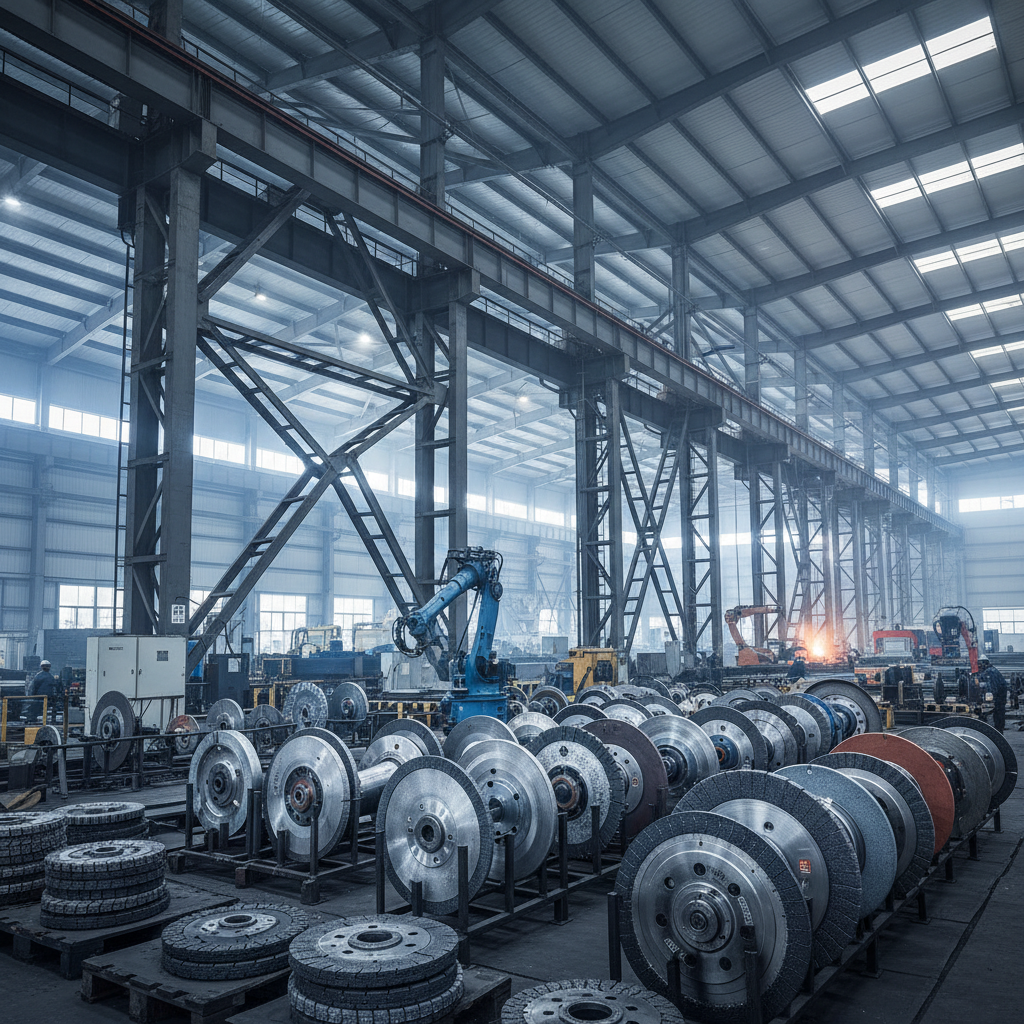
The grinding wheel market is massive, globally. You've got the big players – the established brands with a reputation for quality – and a huge influx of cheaper imports, particularly from Asia. The demand is driven by construction, manufacturing, metal fabrication, and a ton of other industries. According to recent industry reports, the global abrasive market is worth billions, and grinding wheels represent a significant portion of that.
What’s interesting is how the price landscape is shifting. Global supply chain issues, raw material costs (like aluminum oxide and silicon carbide), and increased demand are all impacting the 7 grinding wheel price. We're seeing more price volatility than ever before, and it's forcing contractors to be more strategic about their purchasing decisions.
There's also a growing trend towards specialized wheels designed for specific materials and applications. You can’t just use a general-purpose wheel for everything anymore. That’s driving up the complexity – and sometimes the price – but it also leads to better performance and efficiency.
Understanding Wheel Composition and Grades
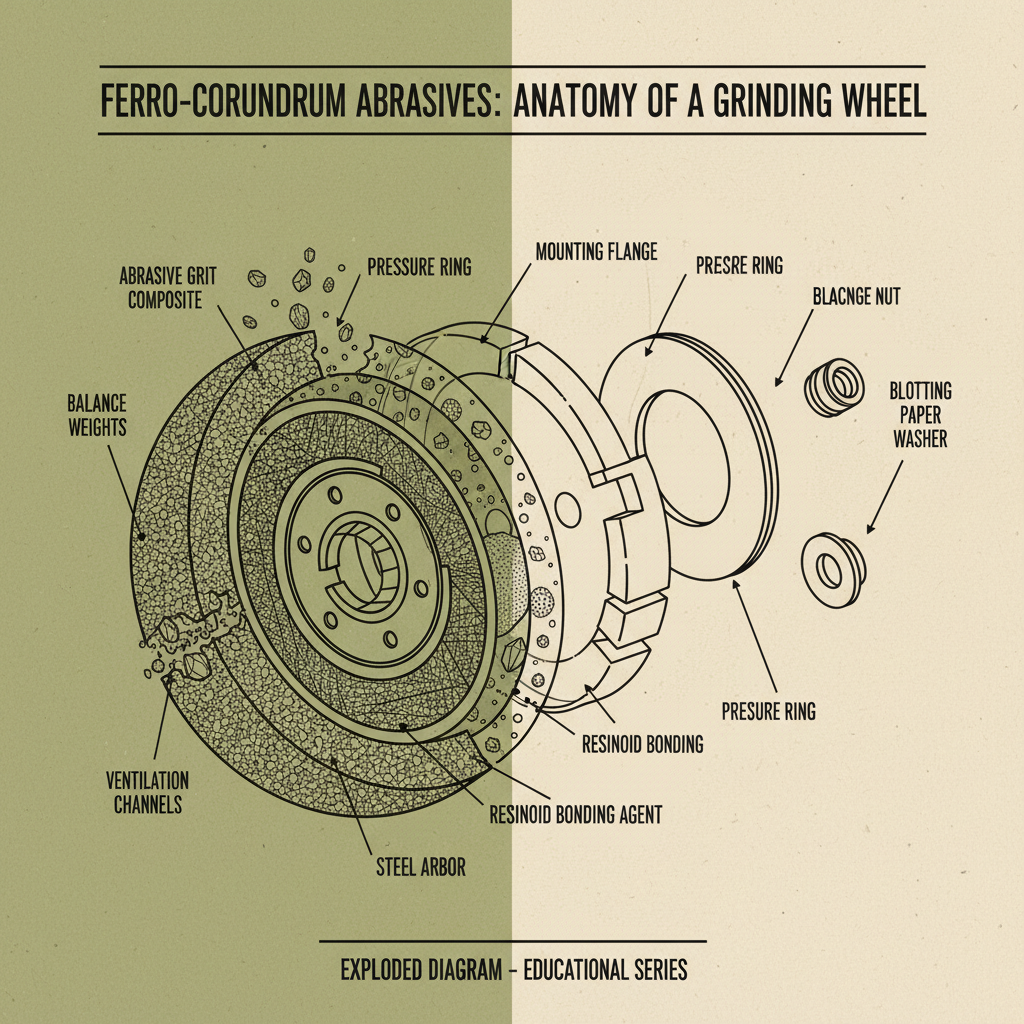
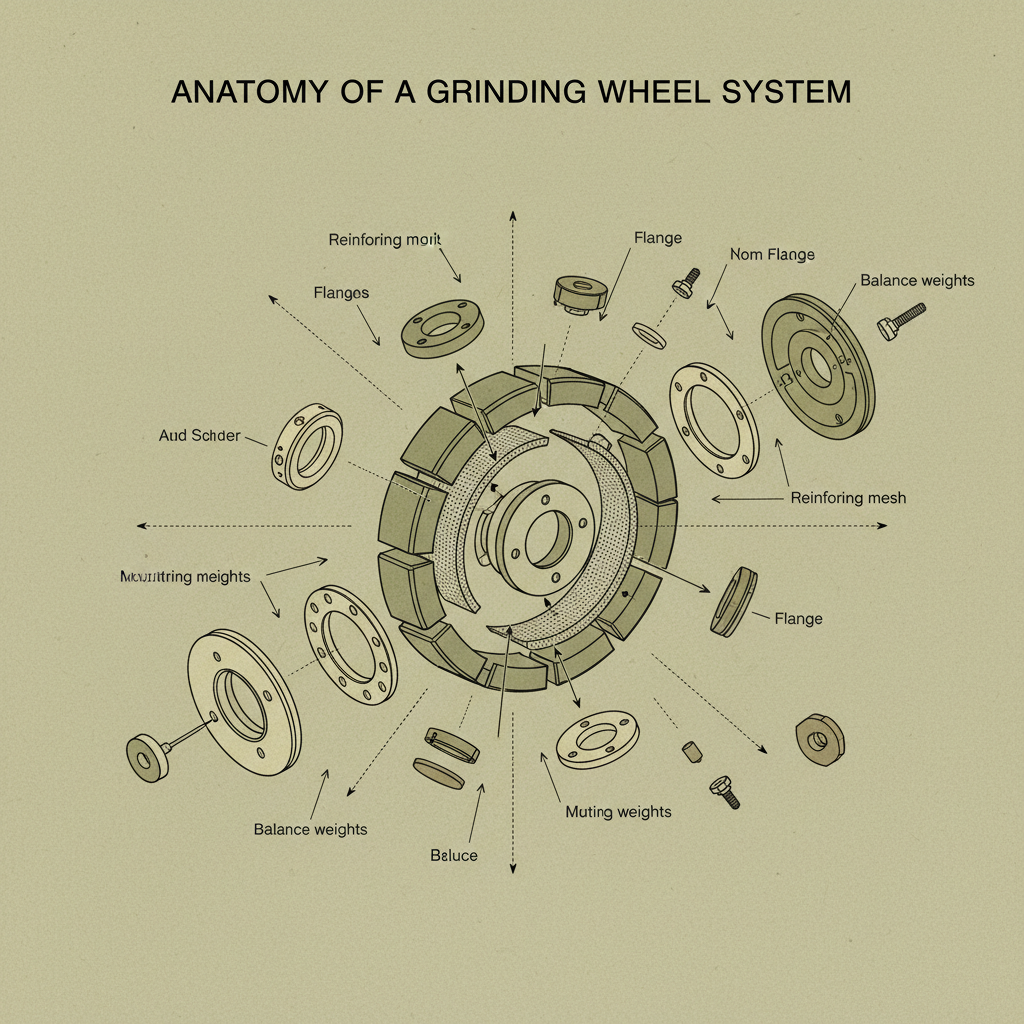
The 7 grinding wheel price is heavily influenced by what the wheel is made of. You've got your bonded abrasives – that’s the most common type, using abrasive grains held together by a bonding agent. The type of grain (aluminum oxide, silicon carbide, ceramic alumina) and the bond (resin, vitrified, rubber) determine the wheel’s performance characteristics.
Then there's the grit size, which determines how coarse or fine the wheel is. A coarser grit is for aggressive cutting and removing a lot of material quickly, while a finer grit is for finishing and precision work. The hardness grade also matters – softer wheels wear down faster but cut cooler, while harder wheels last longer but generate more heat. It all affects the 7 grinding wheel price and the work you can do with them.
Understanding these different factors is crucial when selecting a wheel for a specific job. You don’t want to be using a wheel that’s too coarse for delicate work or too fine for heavy-duty cutting. It’s about matching the wheel to the application.
Key Factors Influencing 7 grinding wheel price
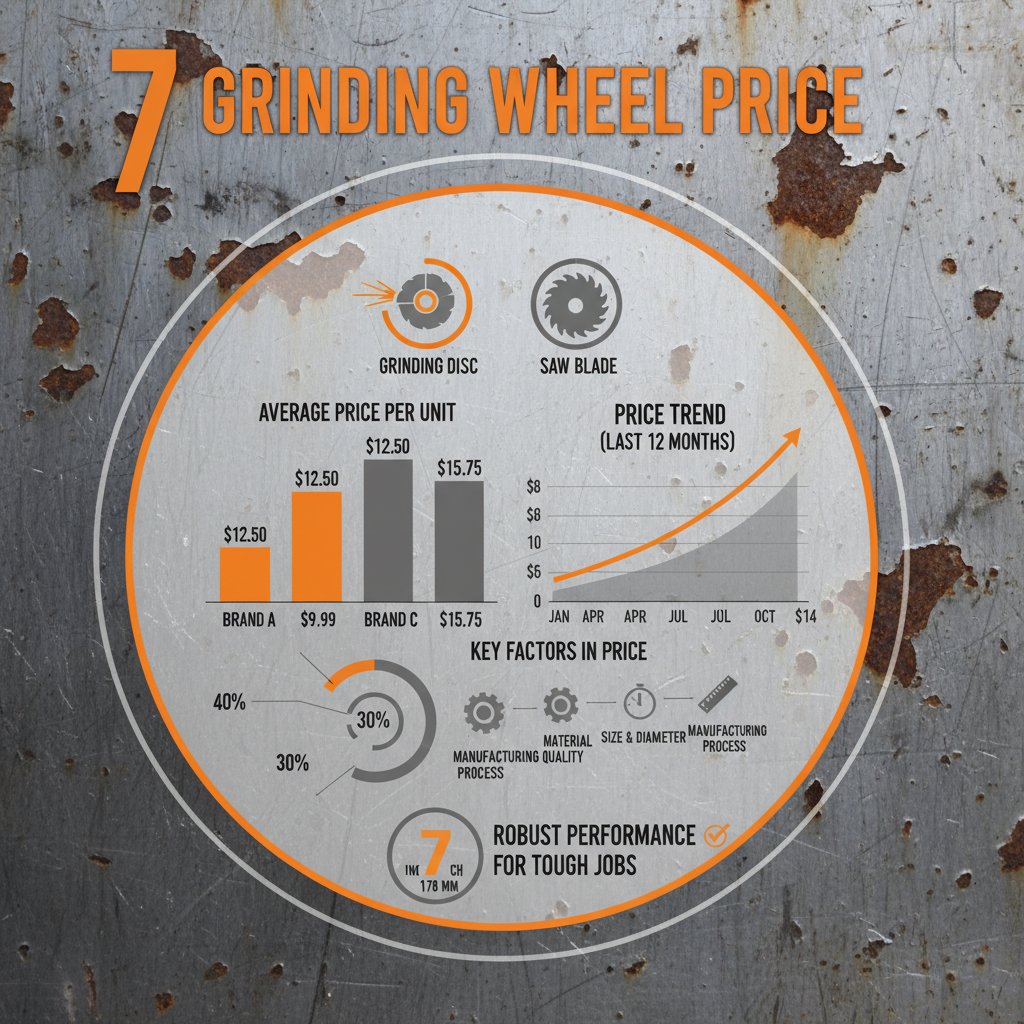
So, what actually drives the 7 grinding wheel price up or down? A few things. First, the quality of the abrasive grain. Premium grains like ceramic alumina are more expensive but offer superior cutting performance and longevity. Second, the type of bond. Resin bonds are generally cheaper than vitrified bonds but may not be as durable.
Wheel size and thickness also play a role. Larger, thicker wheels require more material and are therefore more expensive. And finally, brand reputation and distribution costs can add to the price. Buying directly from a manufacturer can sometimes save you money, but you might sacrifice convenience and support.
7 grinding wheel price Comparison by Brand
Applications Across Industries
The need for a reliable 7 grinding wheel price is universal. In construction, we're cutting concrete, rebar, and metal. In metal fabrication, it's for deburring, grinding welds, and preparing surfaces for painting. Plumbing and electrical work involve cutting pipes and conduit. Even demolition crews rely on them to safely dismantle structures.
I’ve seen specialized wheels used for stone cutting in landscaping, and for sharpening tools in woodworking shops. The applications are endless. The key is to choose the right wheel for the material you're working with and the type of cut you need to make.
Long-Term Value and ROI
I keep telling younger guys, don't just look at the upfront cost of a grinding wheel. Think about the return on investment. A wheel that lasts longer reduces downtime, lowers material costs, and improves the quality of your work. That translates into increased profits.
A consistent cut means less rework. Less rework means less wasted material and less labor. And a safe wheel minimizes the risk of accidents, which can be incredibly costly – not just in terms of medical bills and lost productivity, but also in terms of reputation and legal liability.
Future Trends and Material Innovations
We’re starting to see more innovation in grinding wheel technology. Manufacturers are experimenting with new abrasive materials, like cubic boron nitride and diamond, which offer even higher performance and longer life. There's also a push towards more sustainable materials and manufacturing processes.
I'm also seeing a growing trend towards smart wheels – wheels with embedded sensors that can monitor their condition and provide data on wear and performance. This allows for predictive maintenance and helps to optimize wheel usage.
And finally, there's the development of new bonding agents that offer improved heat resistance and durability. These advancements are driving down the total cost of ownership and making grinding operations more efficient and safer.
Table Summarizing Key Considerations for Grinding Wheel Selection
| Material Being Cut |
Wheel Grit |
Bonding Agent |
Expected 7 grinding wheel price Range (USD) |
| Concrete |
Coarse (24-46) |
Resin |
$5 - $15 |
| Steel |
Medium (60-80) |
Vitrified |
$8 - $20 |
| Stainless Steel |
Fine (120-180) |
Resin |
$10 - $25 |
| Aluminum |
Coarse (36-60) |
Vitrified |
$7 - $18 |
| Stone/Tile |
Medium (60-80) |
Resin |
$6 - $16 |
| Cast Iron |
Fine (80-120) |
Vitrified |
$9 - $22 |
FAQS
For cutting rebar, you want a relatively aggressive wheel. I typically recommend a grit size between 24 and 46. Anything finer won’t cut quickly enough and will wear out faster. Make sure it’s a wheel specifically designed for cutting metal, and always wear appropriate safety gear. The cheaper wheels will glaze over quickly and lose their cutting edge.
Look for cracks, chips, or excessive wear. Listen for unusual noises while the wheel is running – wobbling or grinding sounds are a bad sign. If you notice any of these things, stop immediately and replace the wheel. Don't risk it. Proper storage also matters - keep them dry and protected from impacts.
Not necessarily. A higher 7 grinding wheel price doesn’t automatically mean better performance. It depends on the application. Sometimes a cheaper wheel will do the job just fine. The key is to choose a wheel that’s appropriate for the material you’re cutting and the type of work you’re doing. Think about the total cost, not just the initial price.
Those numbers refer to the wheel’s shape and intended use. A Type 1 is a straight wheel, generally used for cutting. A Type 27 is a depressed center wheel, designed for surface grinding. Using the wrong type can be dangerous, so always double-check the wheel’s label before mounting it.
Store them in a dry, climate-controlled environment, away from moisture and extreme temperatures. Keep them in their original packaging if possible, and avoid dropping or impacting them. Proper storage extends the wheel’s lifespan and ensures it performs safely when you need it.
Always wear safety glasses, a face shield, gloves, and hearing protection. Make sure the wheel is properly mounted and guarded. Inspect the wheel for damage before each use. Never exceed the wheel’s maximum RPM. And remember, if something doesn't feel right, stop and investigate before continuing. Safety first, always.
Conclusion
Ultimately, choosing the right grinding wheel comes down to understanding your specific needs and prioritizing value over simply the lowest 7 grinding wheel price. Consider the material you’re cutting, the type of cut you need to make, and the overall cost of ownership. Don't be afraid to invest in quality – it will save you time, money, and headaches in the long run.
The market is constantly evolving, so staying informed about new materials and technologies is crucial. A little research and careful consideration can make a big difference in your productivity and safety. For reliable options and competitive pricing, visit our website: www.cutoffdiscs.com.