Choosing the Right Flap Disc for Aluminum: A Comprehensive Guide
Aluminum is a versatile metal used in countless industries, from aerospace to automotive. When working with aluminum, selecting the correct abrasive tool is critical for achieving efficient material removal, a superior surface finish, and a longer tool life. A flap disc for aluminum, when chosen correctly, offers a superior solution compared to traditional abrasive products. This article will explore the key factors to consider when selecting a flap disc for aluminum, covering grit selection, backing material, and construction, along with the benefits of using high-quality discs. Understanding these factors will empower you to optimize your aluminum working processes and achieve professional results.
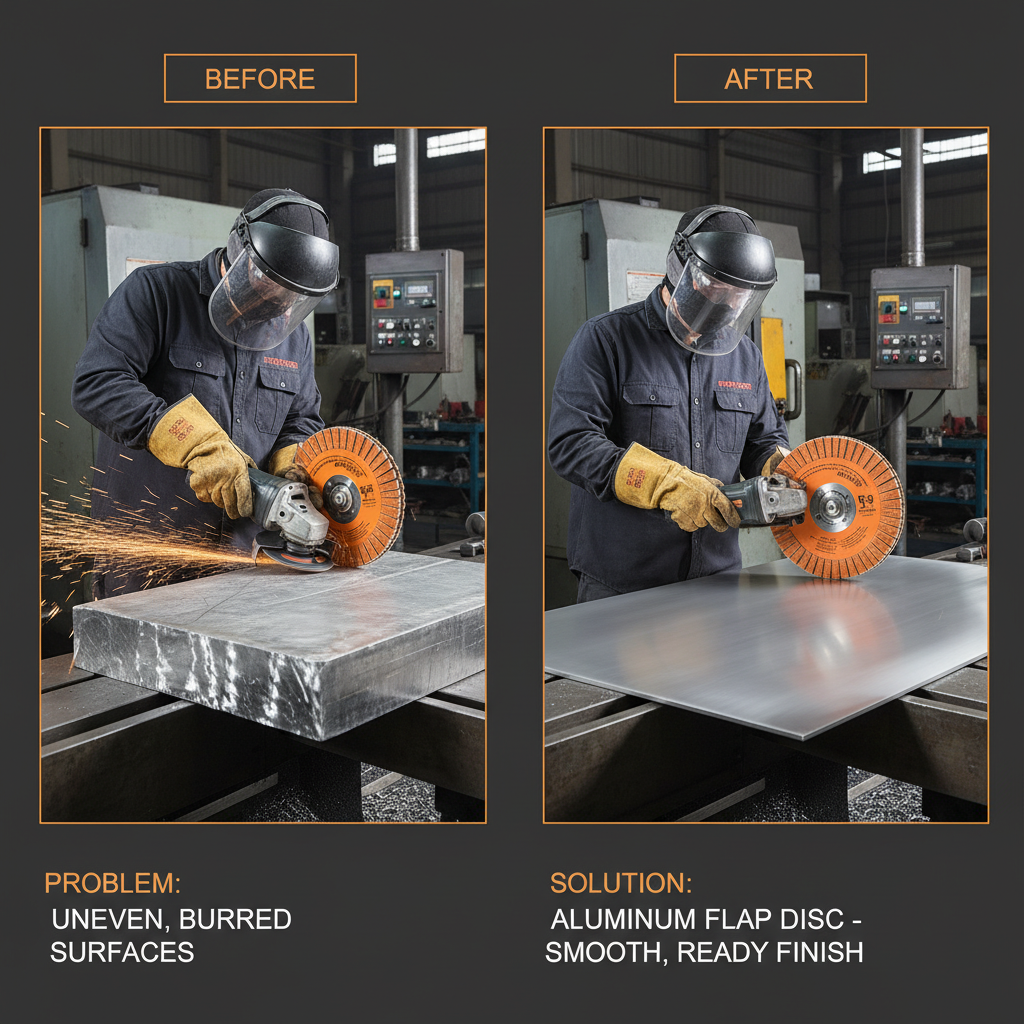
Understanding the Unique Challenges of Working with Aluminum
Aluminum, while lightweight and corrosion-resistant, presents unique challenges when it comes to abrasive processes. It’s a soft metal that tends to load the abrasive quickly, leading to reduced cutting efficiency and a shorter disc life. Traditional abrasive materials can smear the aluminum, resulting in a poor surface finish. Furthermore, aluminum generates heat quickly, which can cause warping or even melting if not properly managed. Therefore, a flap disc for aluminum specifically designed to address these issues is essential. These discs feature specialized abrasive grains and construction techniques to minimize loading, reduce heat buildup, and deliver a clean, consistent finish.
Key Considerations: Aluminum’s softness and tendency to load abrasives require specialized flap discs designed for efficient material removal and minimal heat generation.
Selecting the Right Grit for Your Flap Disc for Aluminum
The grit of a flap disc determines its aggressiveness and the type of finish it produces. For aluminum, a wider range of grits can be used depending on the application. Coarser grits (e.g., 60-80) are ideal for rapid material removal, such as deburring or weld removal. Medium grits (e.g., 100-120) are suitable for blending and smoothing surfaces. Finer grits (e.g., 180-240) provide a polished finish and are excellent for removing scratches. Starting with a coarser grit and progressively moving to finer grits is a common technique for achieving a desired surface finish. Choosing the correct grit for your task will maximize efficiency and minimize the risk of damaging the aluminum.
Grit Selection Guide:
• 60-80 Grit: Rapid material removal, deburring, weld removal
• 100-120 Grit: Blending, smoothing, surface preparation
• 180-240 Grit: Polishing, scratch removal, finishing
Backing Material and Abrasive Grain: Key to Performance
The backing material and abrasive grain significantly impact the performance of a flap disc for aluminum. Nylon backing is commonly used for its flexibility and durability. Ceramic abrasive grains are particularly well-suited for aluminum, as they remain sharper for longer, resist loading, and generate less heat. Zirconia alumina is another option, offering a good balance of cutting speed and durability. Avoid aluminum oxide grains, as they tend to load up quickly when working with aluminum, reducing their effectiveness. Selecting a disc with a high-quality backing and ceramic abrasive grain will ensure consistent performance and a longer lifespan.
Why Choose CutoffDiscs.com for Your Flap Disc Needs?
At CutoffDiscs.com, we specialize in providing high-quality abrasive products for a wide range of applications. Our flap discs for aluminum are engineered for superior performance, durability, and consistency. We offer a variety of grits, backing materials, and abrasive grains to meet your specific needs. We are committed to providing exceptional customer service and competitive pricing. Browse our selection today and experience the difference that quality makes.
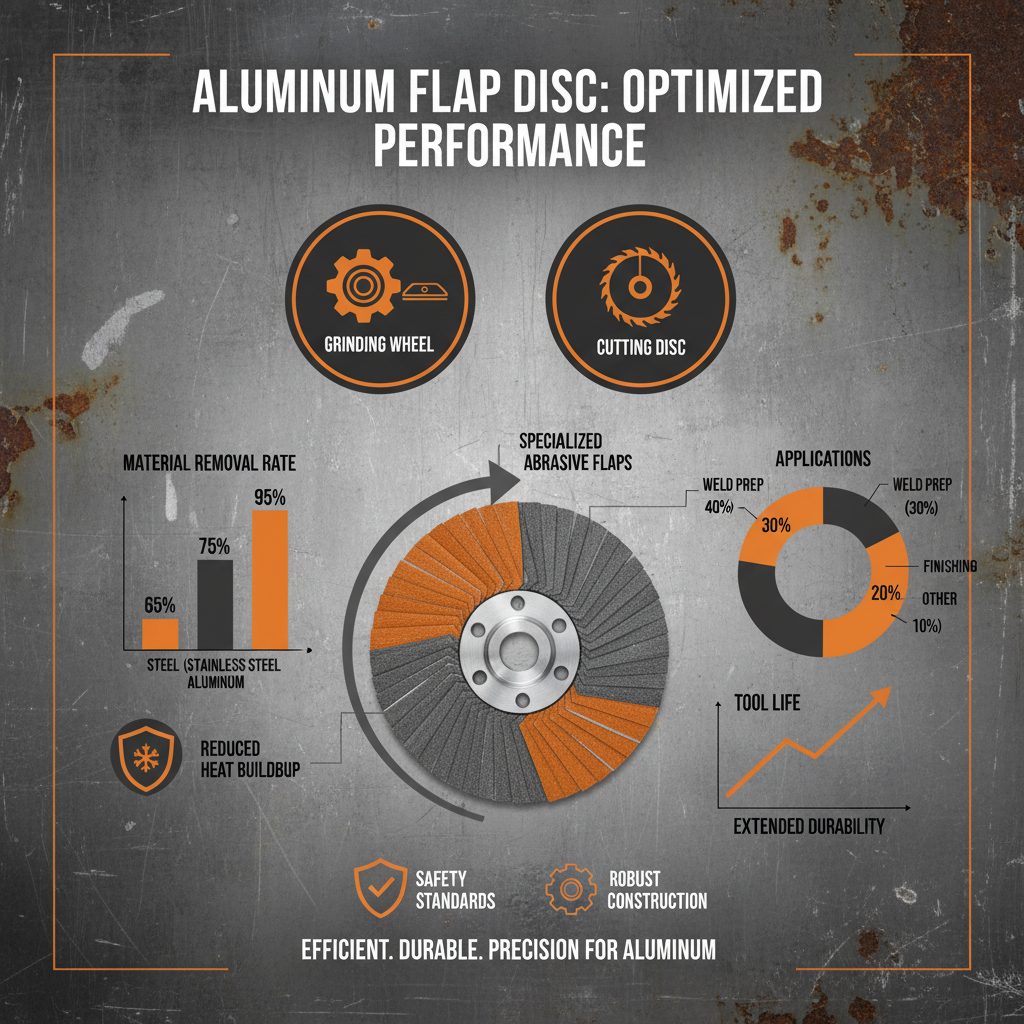
Conclusion: Optimize Your Aluminum Working with the Right Flap Disc
Selecting the right flap disc for aluminum is crucial for achieving efficient material removal, a superior surface finish, and a longer tool life. By considering grit selection, backing material, and abrasive grain, you can optimize your aluminum working processes and deliver professional results. CutoffDiscs.com provides a wide range of high-quality flap discs to meet your specific needs, backed by exceptional customer service.
Frequently Asked Questions (FAQs)
What is the difference between a flap disc and a sanding disc?
While both flap discs and sanding discs are used for material removal and finishing, they differ in construction and application. Sanding discs typically have abrasive grit bonded to a backing paper. Flap discs, on the other hand, consist of overlapping abrasive flaps attached to a backing plate. This construction provides a more aggressive cut, longer lifespan, and better heat dissipation, making flap discs ideal for aluminum and other metals. They can handle more pressure and are less prone to loading, resulting in a more consistent finish.
How can I prevent aluminum from loading up my flap disc?
Aluminum's tendency to load up abrasives can be mitigated by using a flap disc specifically designed for metalworking, featuring ceramic abrasive grains. Applying a lubricant, such as a cutting fluid or wax-based lubricant, can also help reduce loading. Avoid applying excessive pressure, as this generates more heat and accelerates loading. Regularly cleaning the disc with a brush or compressed air can remove accumulated aluminum debris. Selecting the appropriate grit for the application can also help, as coarser grits tend to load less quickly.
What safety precautions should I take when using a flap disc on aluminum?
Always wear appropriate personal protective equipment (PPE), including safety glasses, gloves, and a dust mask. Ensure the workpiece is securely clamped or held in a vise. Inspect the flap disc for damage before use and discard any discs that are cracked, worn, or damaged. Use the correct speed and pressure as recommended by the disc manufacturer. Avoid side loading the disc, as this can cause it to break. Be aware of the potential for sparks and fire, especially when working in enclosed spaces.
What is the best way to store flap discs?
To maximize the lifespan and performance of your flap discs, store them in a dry, cool environment. Avoid exposure to moisture, extreme temperatures, and direct sunlight. Keep them in their original packaging or in a dedicated storage container to protect them from damage. Proper storage helps prevent the abrasive grain from deteriorating and maintains the disc's effectiveness.
Post time:Mar - 24 - 2026