Look, I've spent the last fifteen years on construction sites – breathing dust, wrestling with steel, and figuring out what tools actually get the job done. And let me tell you, when it comes to cutting and grinding, you quickly learn there's a world of difference between a cheap disc and one that saves you time, money, and a whole lot of frustration. Understanding the different types of grinding tools isn’t just about having options; it’s about choosing the right tool for the job, maximizing efficiency, and keeping things safe. It’s not glamorous work, but the right tools make it a whole lot easier.
The construction industry, globally, relies heavily on effective grinding and cutting solutions. The United Nations Industrial Development Organization (UNIDO) emphasizes the importance of efficient material processing in sustainable industrial development, and grinding tools are a critical component of that. We’re talking about a multi-billion dollar market – constantly evolving to meet the demands of increasingly complex materials and tighter project deadlines. A delay because of a broken or ineffective grinding tool can quickly translate to huge cost overruns.
Simply put, types of grinding tools refer to the diverse range of abrasive products used for shaping, smoothing, and removing material from workpieces. They're fundamental to everything from basic metal fabrication to precision engineering. It’s not just about removing material; it’s about controlling how it’s removed – the speed, the finish, the safety. We’re seeing a shift towards more specialized tools, designed for specific materials and applications, driven by a need for higher quality and reduced waste.
The Importance of Understanding Grinding Tools
Honestly, a lot of guys just grab whatever's cheapest, but that's a short-sighted approach. The right grinding tool can drastically reduce cycle times, improve weld quality, and minimize material waste. I’ve seen projects delayed for days because someone skimped on the cutting discs and kept breaking them. The cost of downtime far outweighs the few bucks saved on the initial purchase.
Investing in understanding the nuances of types of grinding tools – from abrasive grain to bond type – is about increasing profitability and ensuring project success. You’re not just buying a disc; you're buying efficiency, safety, and peace of mind.
Defining Types of Grinding Tools
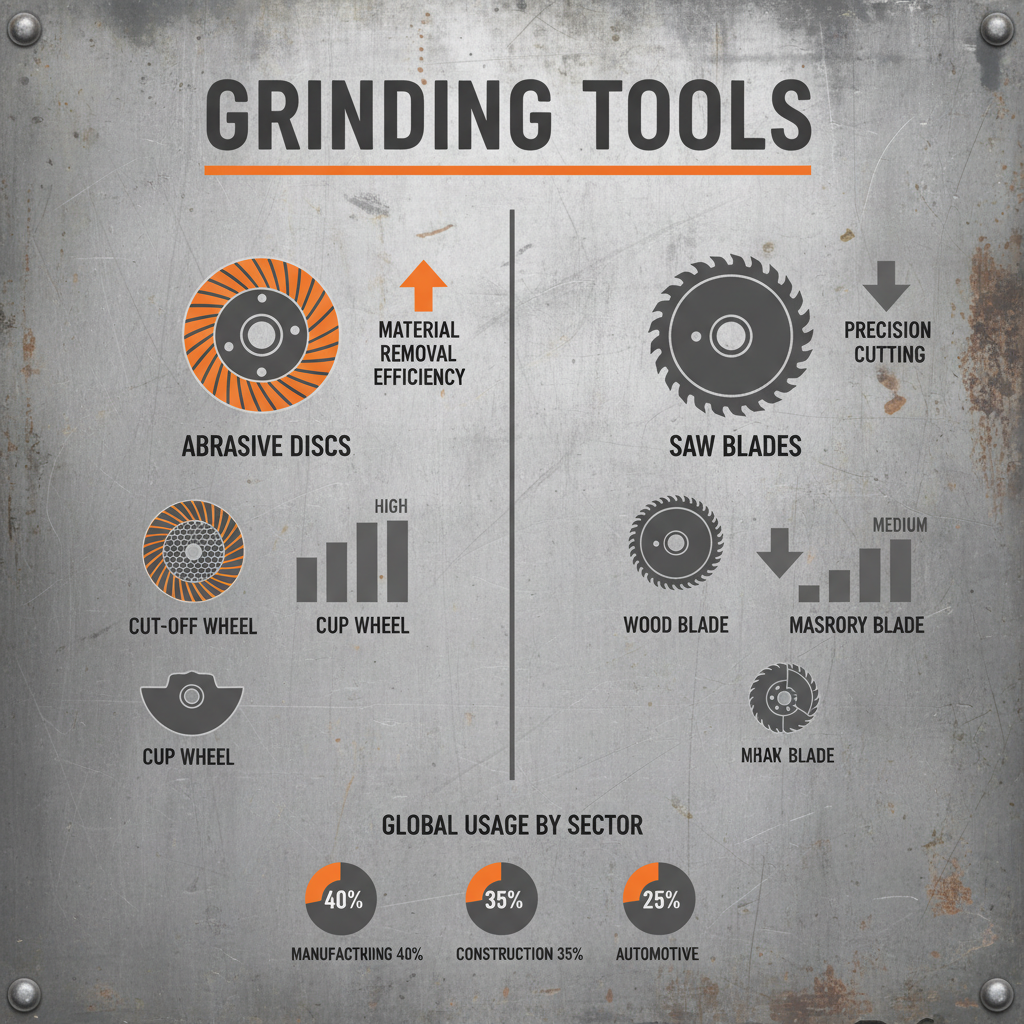
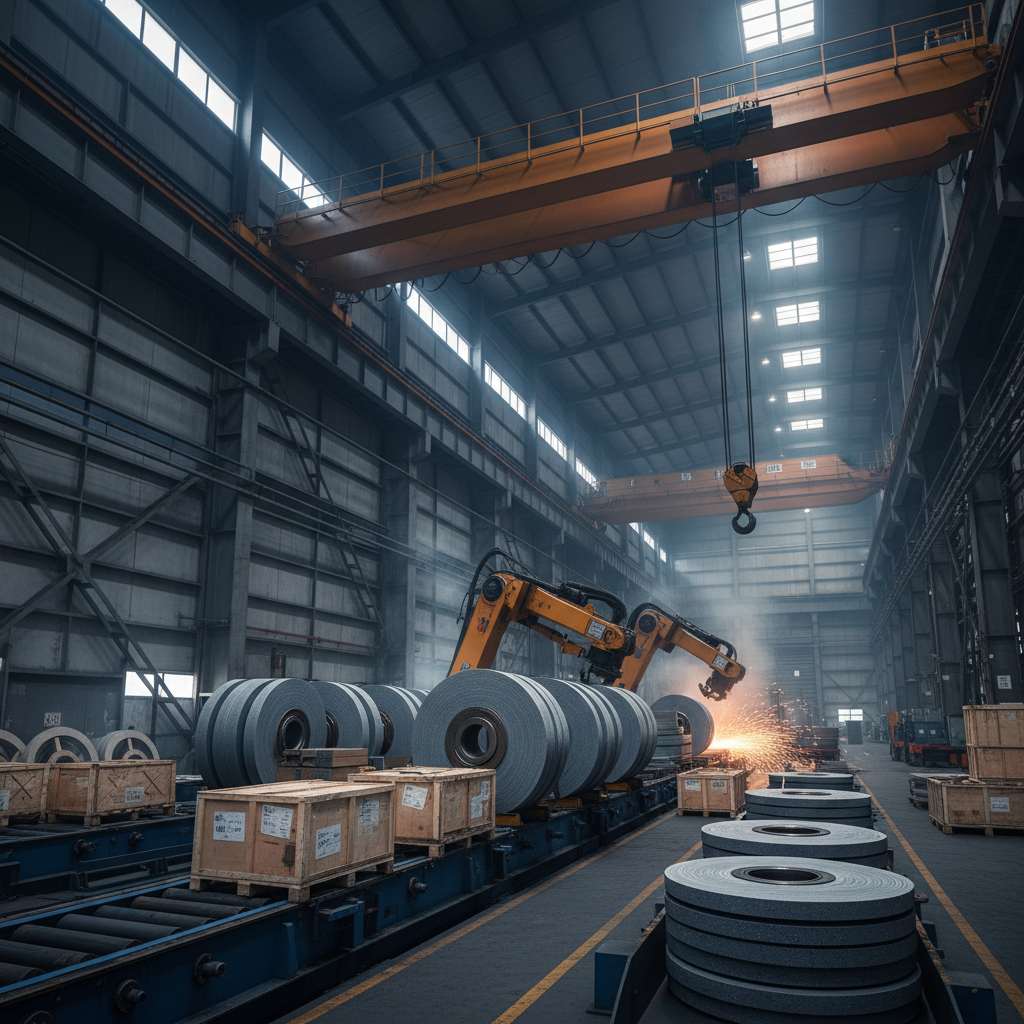
At its core, a grinding tool is an abrasive used to remove material through a cutting action. But the variety is huge. You've got your traditional grinding wheels – often aluminum oxide or silicon carbide – for general-purpose metal removal. Then you have cut-off wheels, designed for slicing through materials like steel and concrete. Flap discs are fantastic for smoothing and blending welds, while diamond grinding wheels are essential for harder materials like stone and glass.
There’s also abrasive belts, used on belt grinders for shaping and finishing, and wire brushes for removing rust and scale. And don’t forget specialized tools like carbide burrs for detail work and porting. Choosing the right one depends entirely on the material you’re working with, the desired finish, and the specific application.
Modern manufacturing processes increasingly rely on precision grinding tools to achieve tight tolerances and superior surface finishes. This isn’t just about aesthetics; it’s about performance, durability, and safety in critical applications.
Core Aspects of Grinding Tool Selection
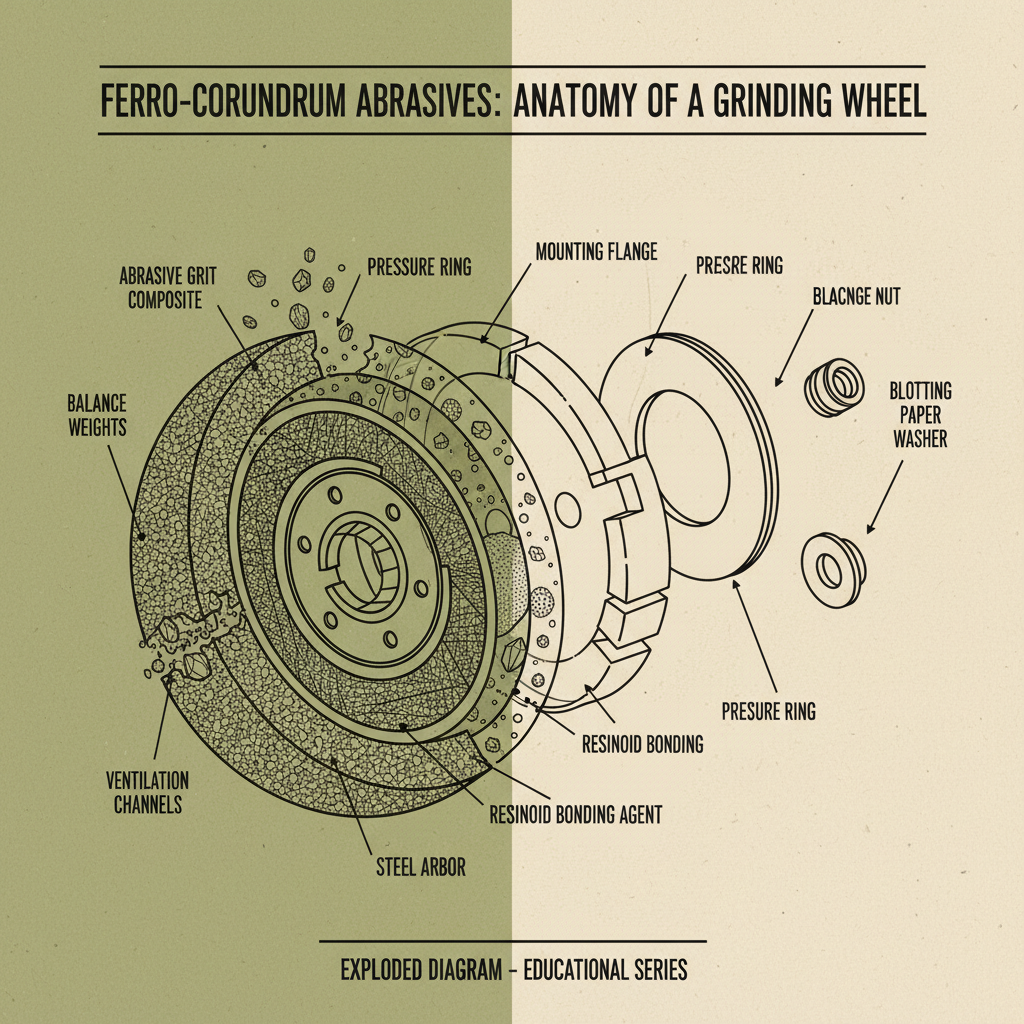
First, abrasive grain is huge. Aluminum oxide is good for general-purpose steel, while silicon carbide is better for harder materials. Diamond is king for stone and masonry. Then you’ve got bond type – how the abrasive grains are held together. Softer bonds wear faster but cut aggressively, while harder bonds last longer but cut slower.
Wheel shape and size matter a lot too. A larger diameter wheel provides more cutting surface, but might be too bulky for tight spaces. And grit size – the coarseness of the abrasive – determines the material removal rate and the surface finish. Coarser grits remove material quickly, but leave a rougher finish. Finer grits provide a smoother finish but take longer.
Don't underestimate safety certifications. Look for tools that meet ANSI standards. A disc that shatters at high speed is a recipe for disaster. Lastly, consider cost-effectiveness. The cheapest option isn’t always the best. A longer-lasting, higher-quality tool can save you money in the long run by reducing downtime and material waste.
Global Applications and Use Cases
You’ll find these types of grinding tools everywhere – shipbuilding in South Korea, automotive manufacturing in Germany, infrastructure projects in the US, and even remote mining operations in Australia. In post-disaster relief operations, quick-cutting tools are vital for clearing debris and creating access for emergency services.
I’ve worked on projects in the Middle East where the heat and dust demand extremely durable grinding tools. In remote industrial zones in Africa, reliability and longevity are paramount because resupply can be a logistical nightmare. The specifics change, but the need for effective material processing remains constant.
The aerospace industry demands extremely precise grinding tools for machining turbine blades and other critical components. The tolerances are incredibly tight, and the consequences of failure are catastrophic.
Grinding Tool Performance Comparison
Advantages and Long-Term Value
Beyond just getting the job done, the right grinding tools translate to significant cost savings. Reduced downtime, less material waste, and improved weld quality all contribute to a healthier bottom line. Think about the cost of rework if a weld isn’t properly prepared – it can be astronomical.
There's a safety aspect, too. Using the correct tool reduces the risk of kickback, disc breakage, and worker injury. That’s not just about avoiding workers' compensation claims; it’s about sending everyone home safe at the end of the day. That’s priceless.
Future Trends and Innovations
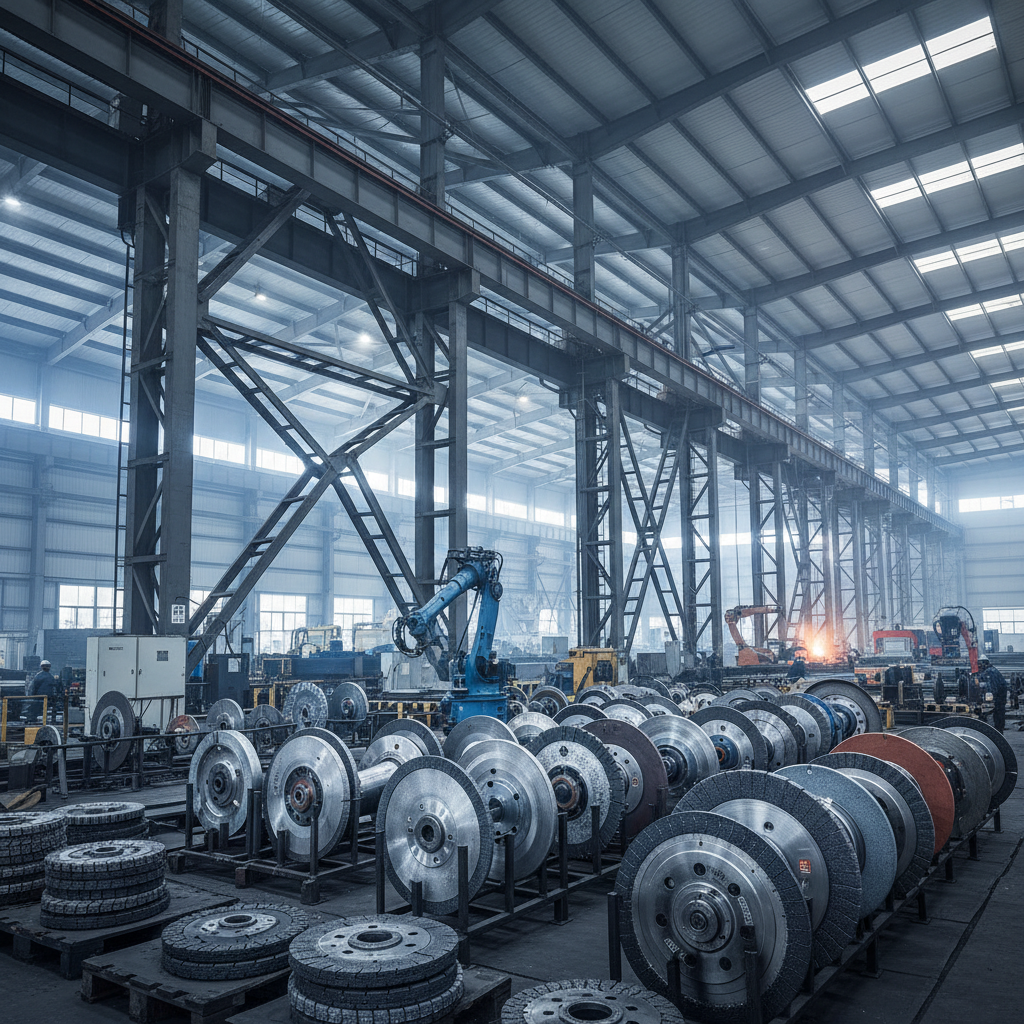
We're seeing a big push towards automated grinding systems – robots equipped with advanced grinding tools for consistent, high-precision results. This is especially relevant in industries like automotive and aerospace. There’s also a growing demand for “smart” grinding wheels with embedded sensors that monitor wear and performance, optimizing tool life and preventing failures.
The development of new abrasive materials – like ceramic abrasives – is leading to longer-lasting, more efficient tools. And, of course, sustainability is becoming a key driver. Manufacturers are focusing on developing tools that generate less dust and require less energy.
Challenges and Solutions
One of the biggest challenges is operator training. A skilled operator can maximize the performance of even a basic grinding tool, while an inexperienced one can quickly ruin it. Proper training and safety procedures are essential.
Another challenge is matching the right tool to the application. With so many options available, it can be overwhelming. That’s where a knowledgeable supplier comes in – someone who can assess your needs and recommend the best solution.
Dust control is always a concern. Using local exhaust ventilation systems and wearing appropriate respirators are crucial for protecting worker health. New dust extraction technologies are being integrated directly into grinding tools to minimize airborne particles.
Summary of Grinding Tool Challenges and Solutions
| Challenge |
Impact on Project |
Proposed Solution |
Implementation Cost (Scale 1-10) |
| Insufficient Operator Training |
Increased Tool Wear, Reduced Efficiency, Safety Risks |
Comprehensive Training Programs, Certification |
4 |
| Incorrect Tool Selection |
Poor Finish, Increased Material Waste, Project Delays |
Consultation with Experts, Material Testing |
3 |
| Dust Exposure |
Health Risks, Reduced Visibility |
Local Exhaust Ventilation, Respirators, Dust Extraction Tools |
6 |
| Tool Breakage & Kickback |
Injury Risk, Downtime, Project Delays |
Using Certified Tools, Proper Guarding, Safe Operating Procedures |
5 |
| High Tool Costs |
Increased Project Budget |
Bulk Purchasing, Negotiating with Suppliers, Optimized Tool Usage |
2 |
| Maintaining Tool Inventory |
Downtime Due to Lack of Available Tools |
Implementing an Inventory Management System |
3 |
FAQS
That's a common question. Grinding wheels are generally thicker and designed for smoothing and shaping, while cut-off wheels are thinner and reinforced to slice through materials. Using a grinding wheel for cutting is dangerous – it can shatter. Cut-off wheels aren’t great for smoothing, they're designed for a quick, clean cut. Always use the right tool for the job for safety and optimal performance.
Coarser grits (lower numbers) remove material quickly but leave a rougher finish. They're good for heavy stock removal. Finer grits (higher numbers) provide a smoother finish but take longer. If you’re prepping a weld for paint, you’ll want a finer grit. If you’re removing a lot of rust, start with a coarser grit.
RPM stands for Revolutions Per Minute. It indicates the maximum speed at which the wheel can safely operate. Never exceed the RPM rating listed on the wheel. Exceeding the RPM creates excessive stress and can cause the wheel to shatter, which is extremely dangerous. Always match the wheel's RPM rating to the speed of your grinder.
Look for cracks, chips, or excessive wear. If the wheel feels unbalanced or vibrates excessively, it’s likely damaged. Don’t risk it! Replace any wheel that shows signs of damage. It's cheaper to replace a wheel than to deal with an injury or a damaged workpiece.
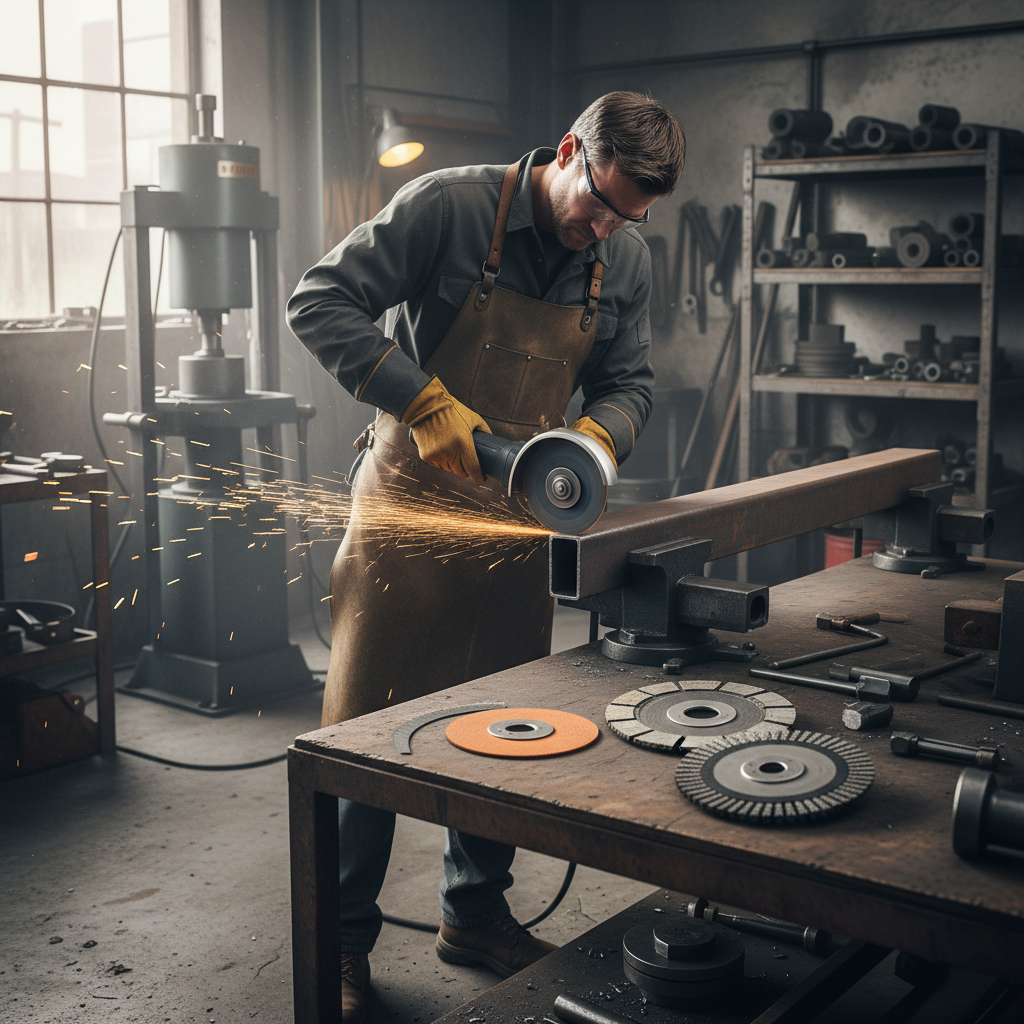
Always wear safety glasses, a face shield, gloves, and hearing protection. Use the correct wheel guard. Ensure the workpiece is securely clamped. Never grind on a surface that could cause sparks to ignite flammable materials. And, most importantly, always follow the manufacturer’s instructions.
While primarily used for hard materials like stone, concrete, and glass, diamond grinding wheels can also be used for some metals, especially hardened steel. They’re excellent for applications where you need a very precise finish and a long tool life, even on challenging materials. It really depends on the diamond matrix and the specific application.
Conclusion
So, there you have it. Understanding types of grinding tools isn’t just about knowing what’s available; it’s about knowing what’s right for the job. From abrasive grain to wheel shape, every detail matters. Investing in the right tools, proper training, and robust safety procedures will save you time, money, and potentially even lives.
Don’t just grab the cheapest disc. Think long-term. Think about efficiency, safety, and quality. And if you’re unsure, ask an expert. We’re here to help you get the job done right. Visit our website at www.cutoffdiscs.com to explore our range of grinding tools and find the perfect solution for your needs.