Choosing the Right Flap Disc for Your Grinder
Selecting the appropriate flap disc for grinder is crucial for achieving optimal performance, safety, and longevity in your grinding applications. With a vast array of grit sizes, materials, and bonding agents available, understanding the nuances of each option can feel overwhelming. This guide provides a comprehensive overview, helping you navigate the choices and select the perfect flap disc to meet your specific needs. Whether you’re working with metal, wood, or composites, a correctly chosen flap disc will significantly improve your work quality and efficiency.
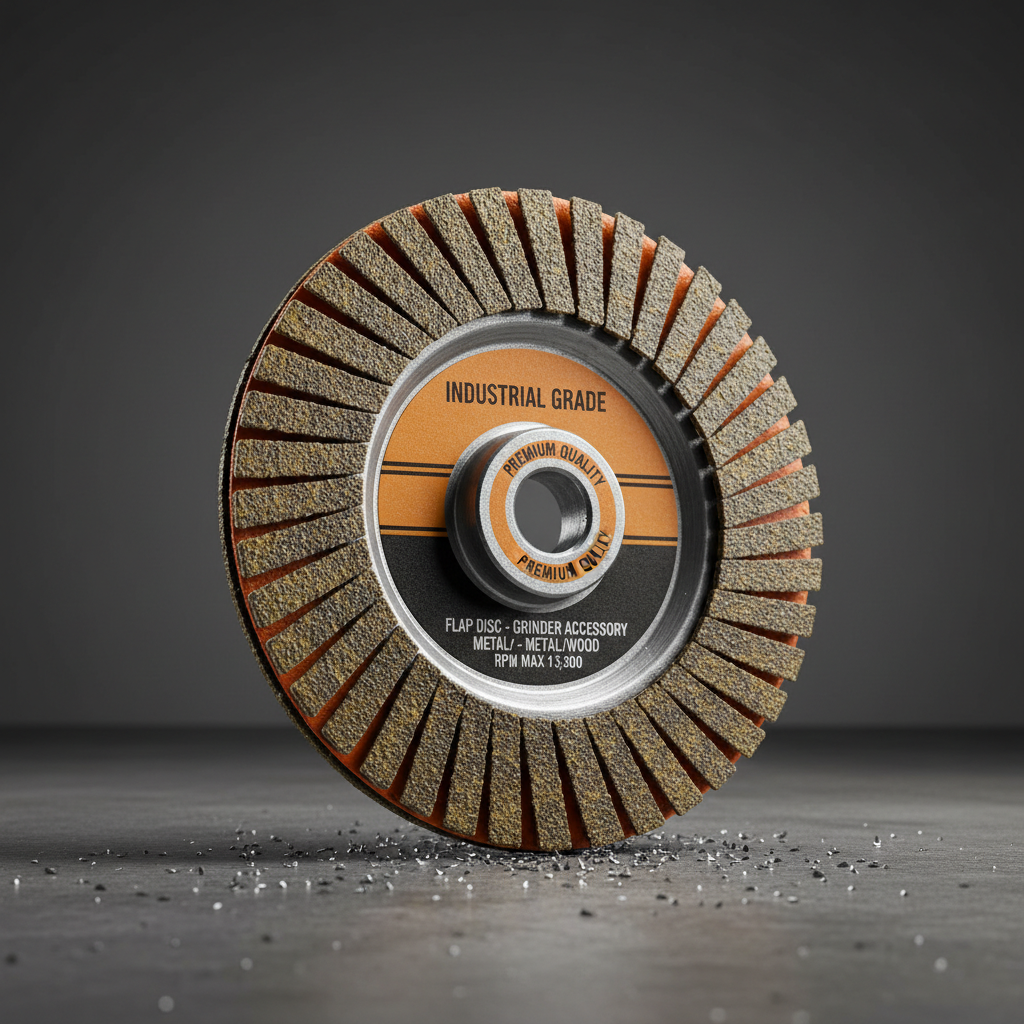
Understanding Flap Disc Construction
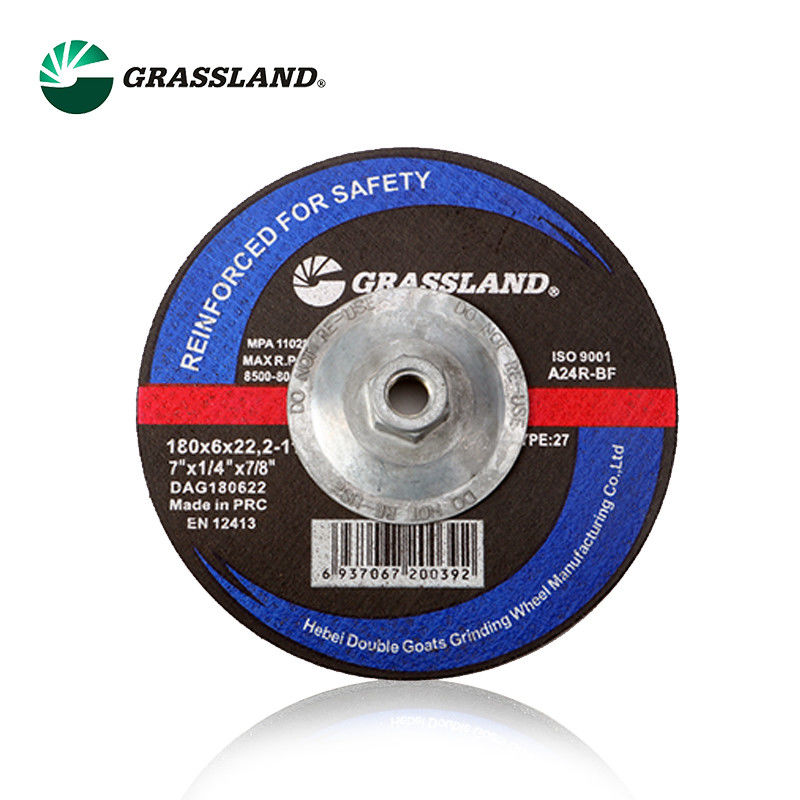
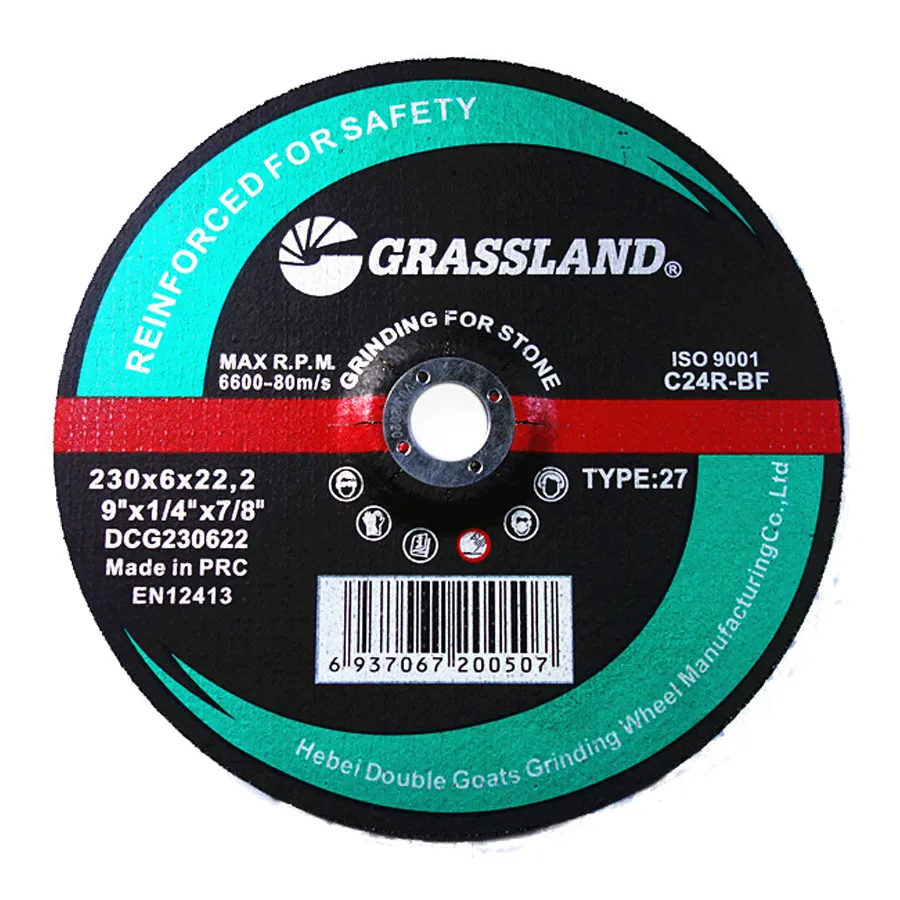
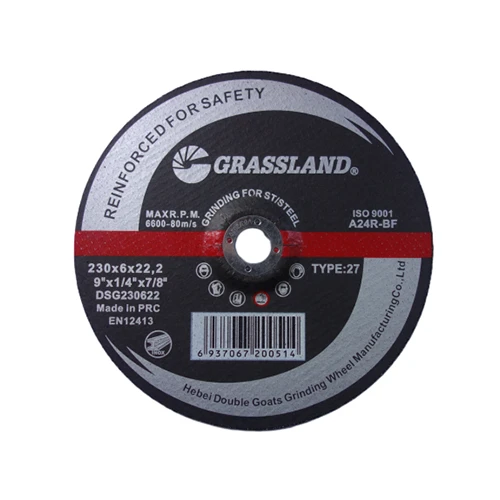
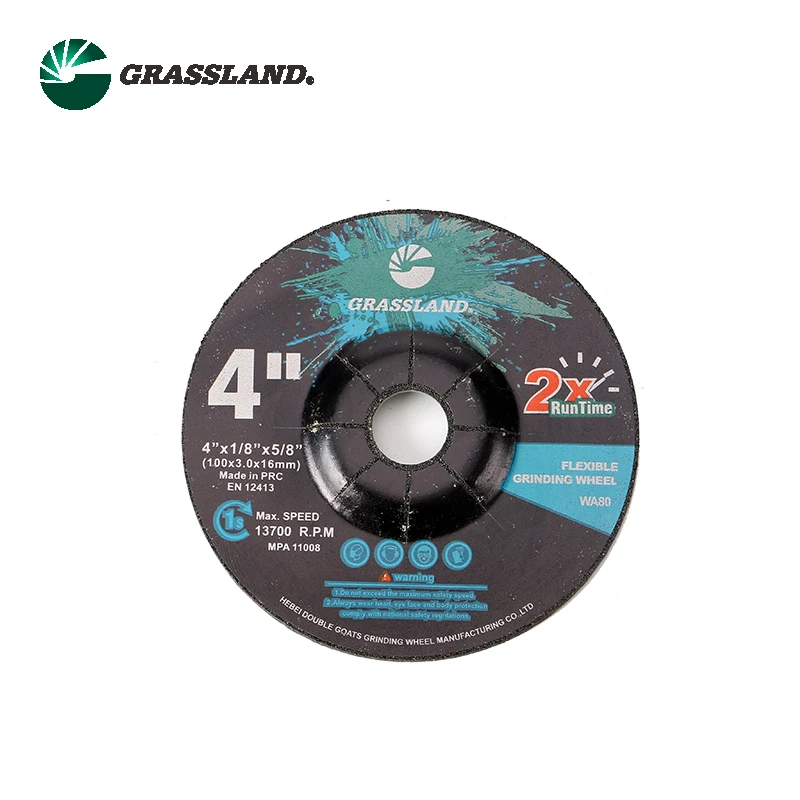
A flap disc consists of abrasive cloth flaps bonded to a rigid backing plate, typically made of fiberglass or resin. The flaps are arranged in a radiating pattern, allowing for a consistent and efficient grinding action. The abrasive material used in these flaps can vary, with common choices including aluminum oxide, silicon carbide, and ceramic alumina. The grit size determines the aggressiveness of the grinding action, with lower numbers indicating coarser grits for rapid material removal and higher numbers signifying finer grits for polishing and finishing. The backing plate provides stability and support, while the bonding agent holds the flaps securely in place.
Key Components: Abrasive Cloth Flaps, Backing Plate (Fiberglass or Resin), Bonding Agent (Resin).
Choosing the Right Abrasive Material for Your Application
The abrasive material significantly impacts the disc’s performance. Aluminum oxide is a versatile option suitable for grinding and blending various metals. Silicon carbide excels at working with non-ferrous materials like glass, stone, and plastics. Ceramic alumina offers superior durability and cutting speed, making it ideal for heavy-duty grinding applications, especially on harder materials like stainless steel. Selecting the right abrasive ensures efficient material removal and extends the disc's lifespan. Understanding the properties of each material is vital for achieving optimal results.
Abrasive Material Comparison:
• Aluminum Oxide: Versatile, good for metals.
• Silicon Carbide: Excellent for non-ferrous materials.
• Ceramic Alumina: Durable, fast cutting, ideal for stainless steel.
Flap Disc Grit Sizes: A Guide to Selecting the Right Aggressiveness
Grit size is indicated by a number, with lower numbers representing coarser grits and higher numbers representing finer grits. Coarser grits (e.g., 36, 60) are ideal for rapid material removal, deburring, and weld bead removal. Medium grits (e.g., 80, 120) are suitable for blending, smoothing, and preparing surfaces for finishing. Finer grits (e.g., 180, 240, 320) are used for polishing, refining finishes, and removing minor imperfections. Choosing the appropriate grit size depends on the material being worked and the desired outcome. You can often start with a coarser grit and progressively move to finer grits for a smooth, polished surface. Consider visiting Cutoff Discs to explore our full range of grit sizes.
Safety Considerations When Using Flap Discs
Safety is paramount when using any abrasive tool. Always wear appropriate personal protective equipment (PPE), including safety glasses, gloves, and a dust mask. Ensure the grinder is properly guarded and that the flap disc is securely mounted. Never exceed the maximum operating speed of the disc. Inspect the disc for damage before each use and discard any discs that are cracked, chipped, or worn. Maintain a clean and organized work area to prevent accidents. Follow all manufacturer’s instructions for safe operation.
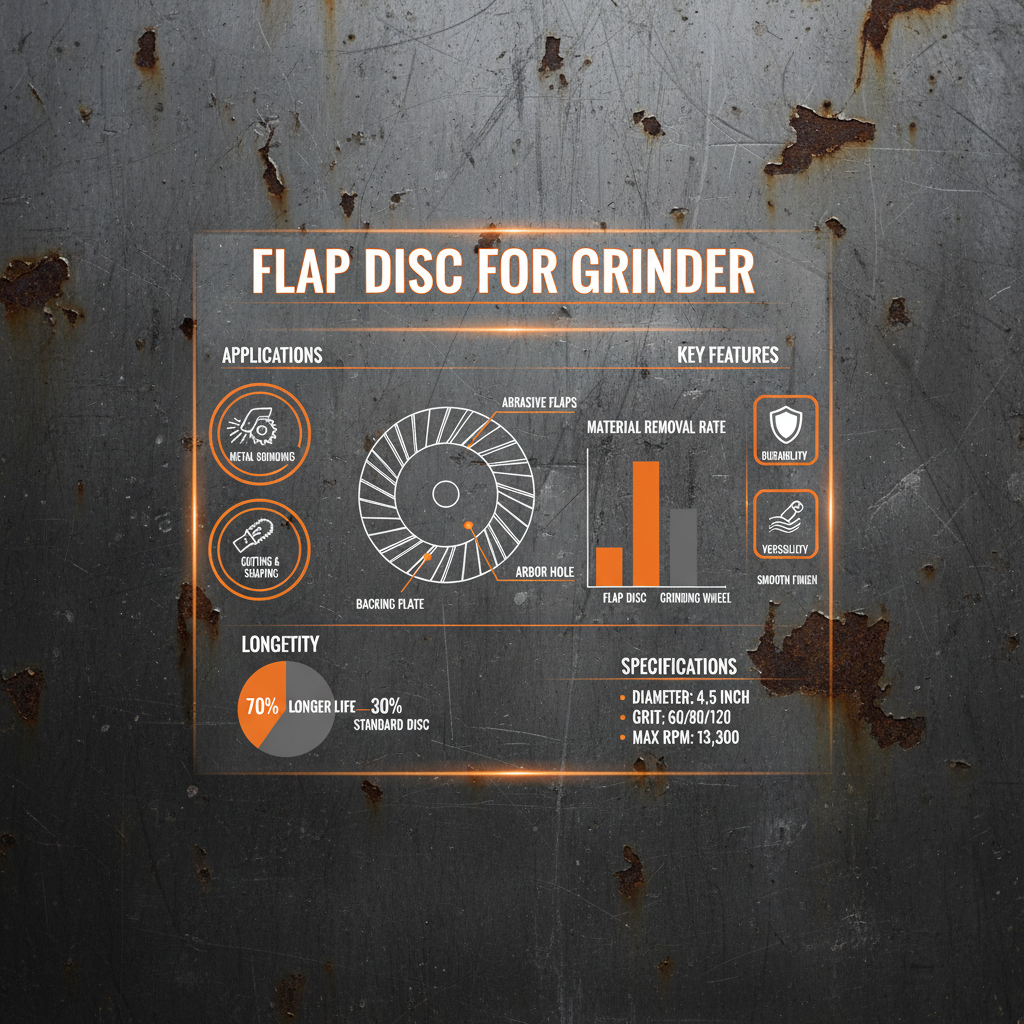
Conclusion: Selecting the Optimal Flap Disc
Choosing the right flap disc for grinder involves considering the material being worked, the desired outcome, and safety precautions. By understanding the different abrasive materials, grit sizes, and construction features, you can select a disc that delivers optimal performance and ensures a safe working experience. Visit Cutoff Discs today to explore our wide selection of high-quality flap discs.
Frequently Asked Questions (FAQs)
What is the maximum operating speed for flap discs?
The maximum operating speed is clearly marked on the flap disc itself, typically in revolutions per minute (RPM). It’s crucial never to exceed this speed, as doing so can cause the disc to shatter, leading to serious injury. Always ensure your grinder’s speed settings are compatible with the flap disc’s maximum RPM. Using a disc at a speed higher than recommended compromises its integrity and drastically increases the risk of accidents.
How long does a flap disc typically last?
The lifespan of a flap disc varies depending on the material being ground, the grit size, and the amount of pressure applied. Generally, a flap disc will last longer when used on softer materials and with less aggressive pressure. As the flaps wear down, the disc’s cutting efficiency decreases. Visually inspect the disc regularly for signs of wear and tear, and replace it when the flaps become significantly worn or damaged.
Can flap discs be used on stainless steel?
Yes, but it’s essential to use a flap disc specifically designed for stainless steel. These discs typically feature a ceramic abrasive material, which prevents the stainless steel from loading up the disc and causing it to clog. Using an inappropriate disc on stainless steel will significantly reduce its lifespan and effectiveness.
What's the difference between a Type 1 and Type 29 flap disc?
Type 1 flap discs are flat and are best for surface grinding and blending. They offer a wider grinding surface. Type 29 flap discs have a conical shape, making them ideal for edge work, contour grinding, and getting into tighter spaces. The angled shape allows for more aggressive material removal in these applications.
Post time:Mar - 10 - 2026