Choosing the Right 4 Masonry Cutting Wheel for Your Job
Having spent a good chunk of my career around cutting tools and heavy-duty equipment, I’ve seen first hand how the right 4 masonry cutting wheel can make or break a project. Frankly, picking the best disc isn’t just about the specs on paper — it’s about matching the tool to the material, the workload, and sometimes even the operator’s touch.
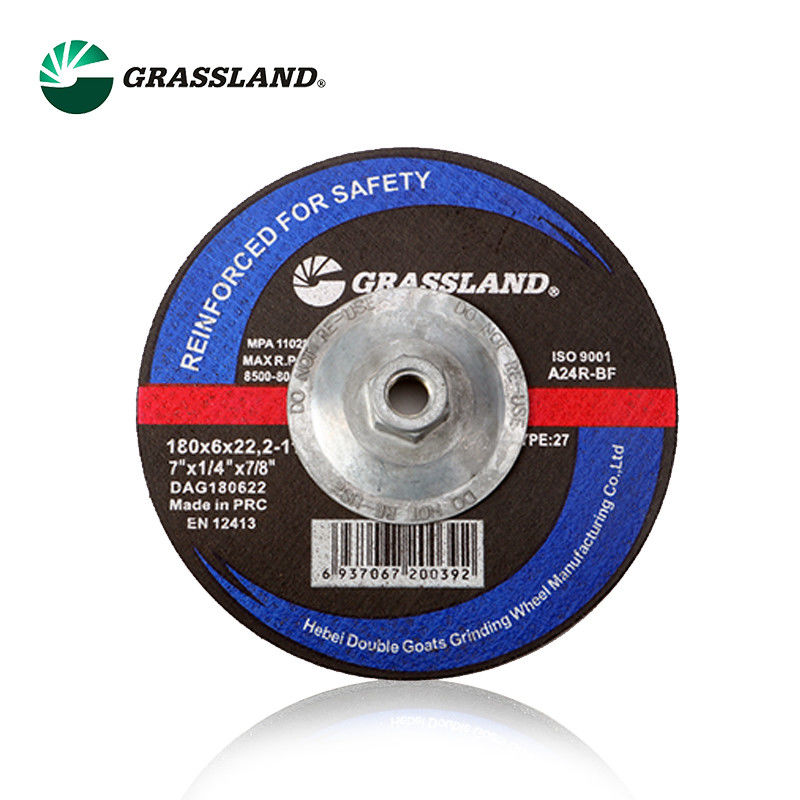
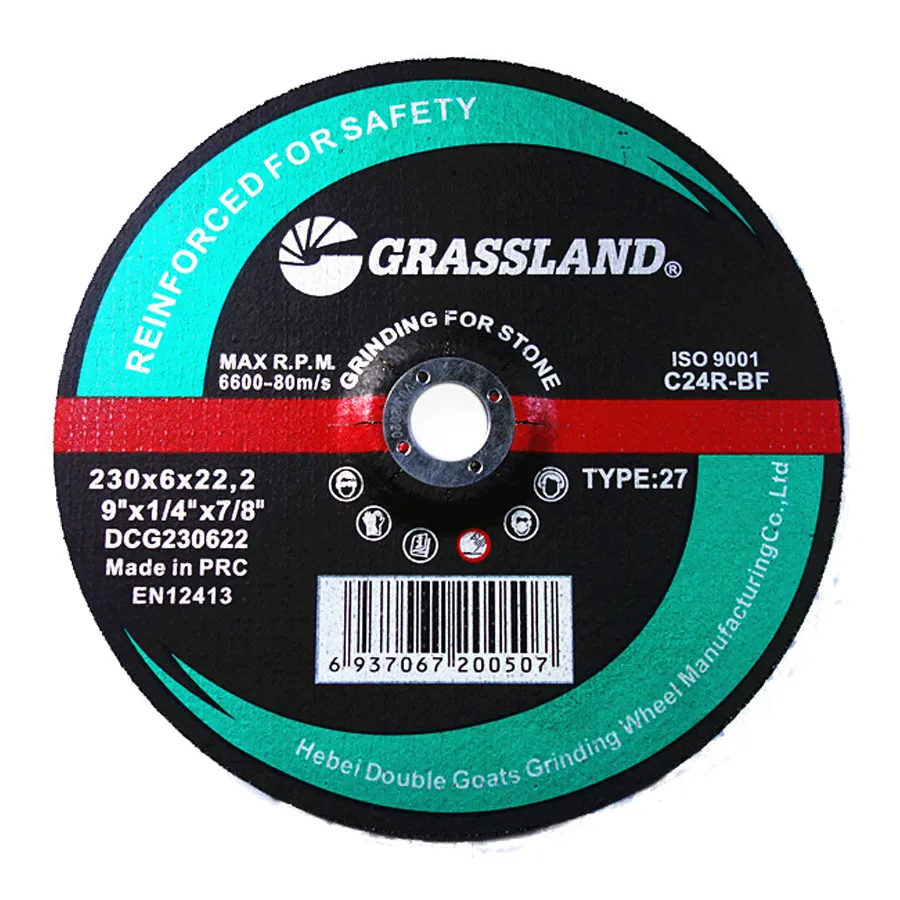
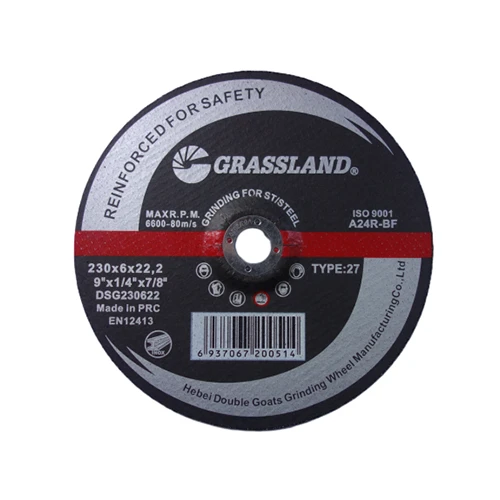
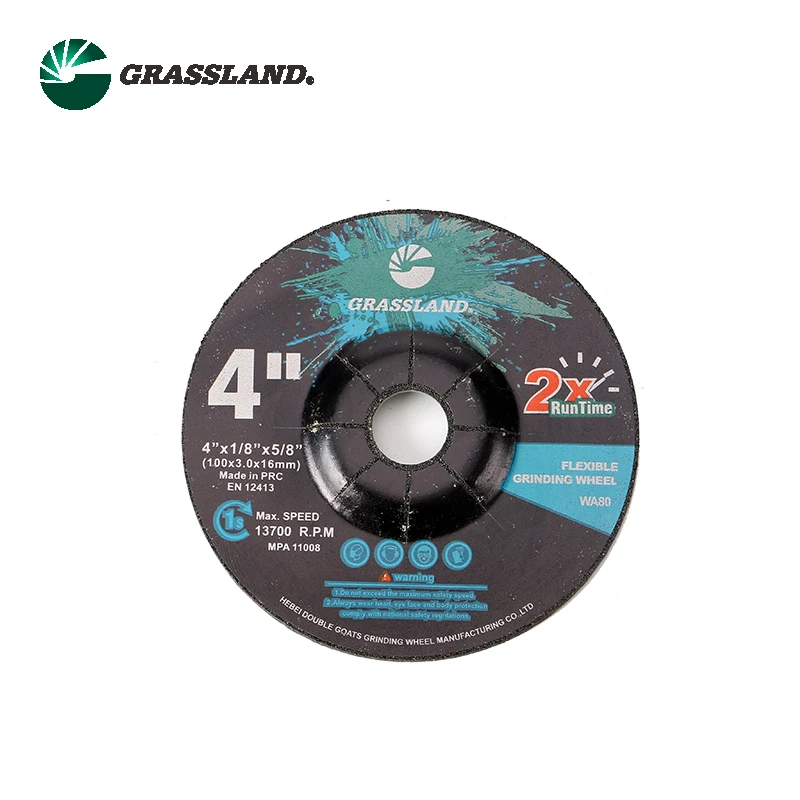
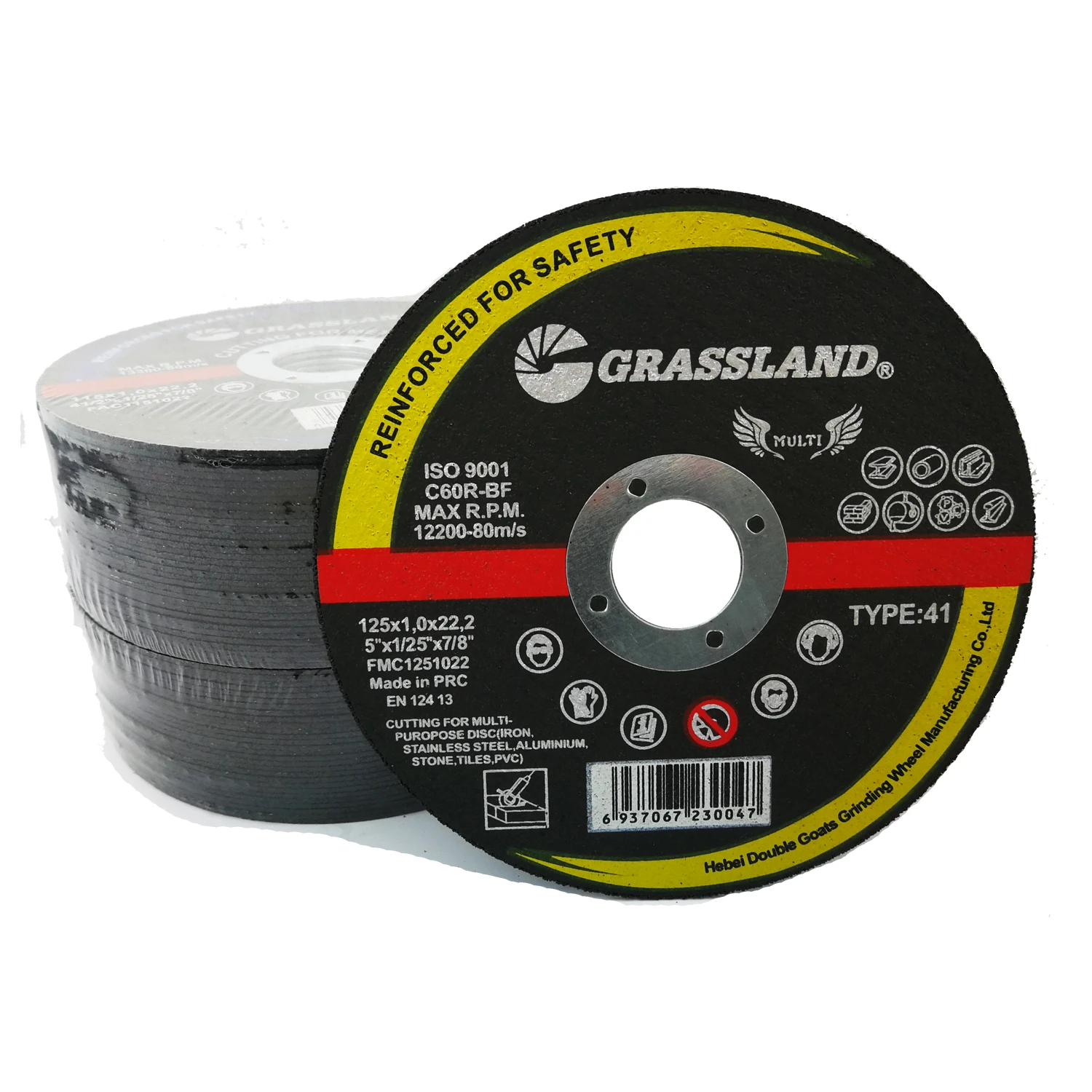
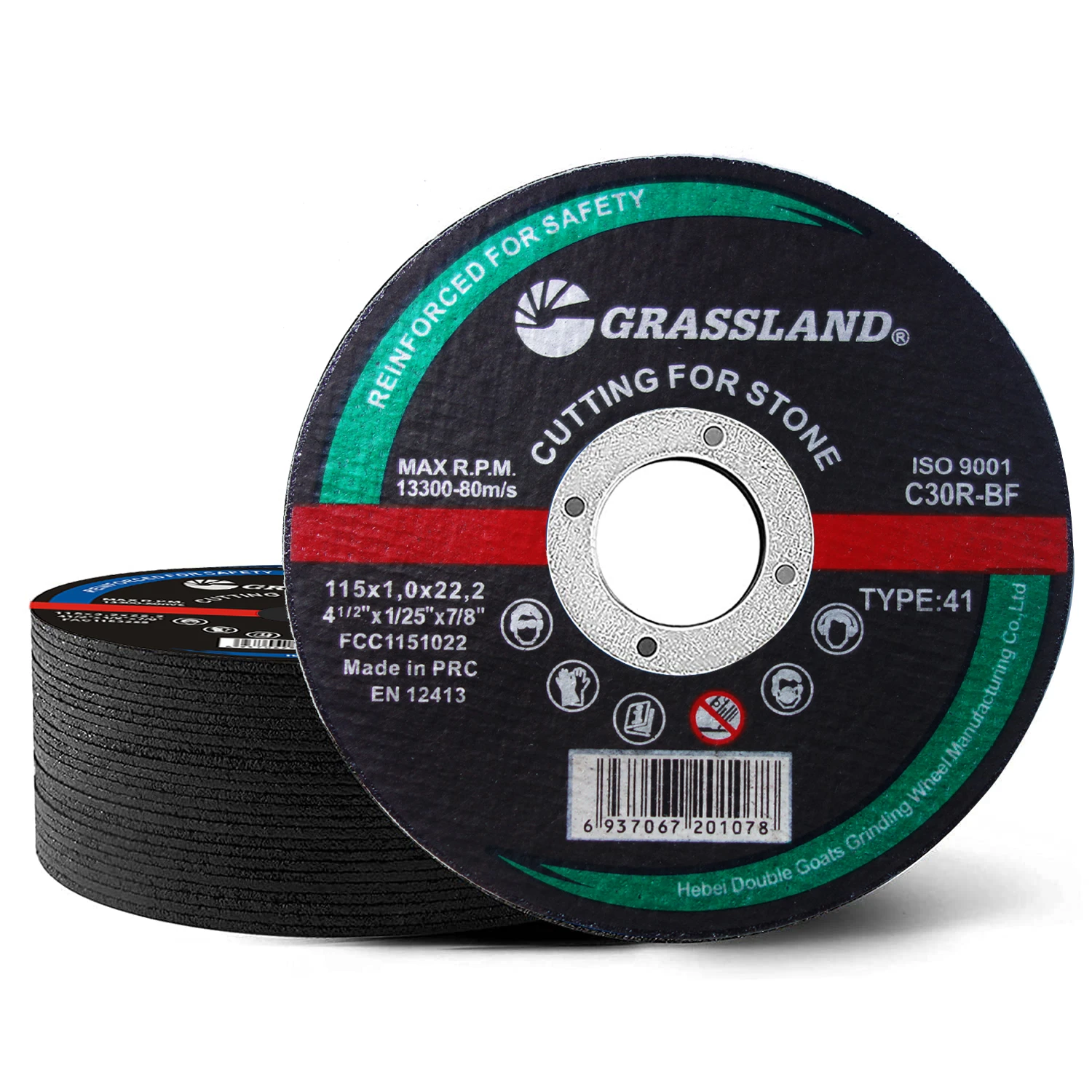
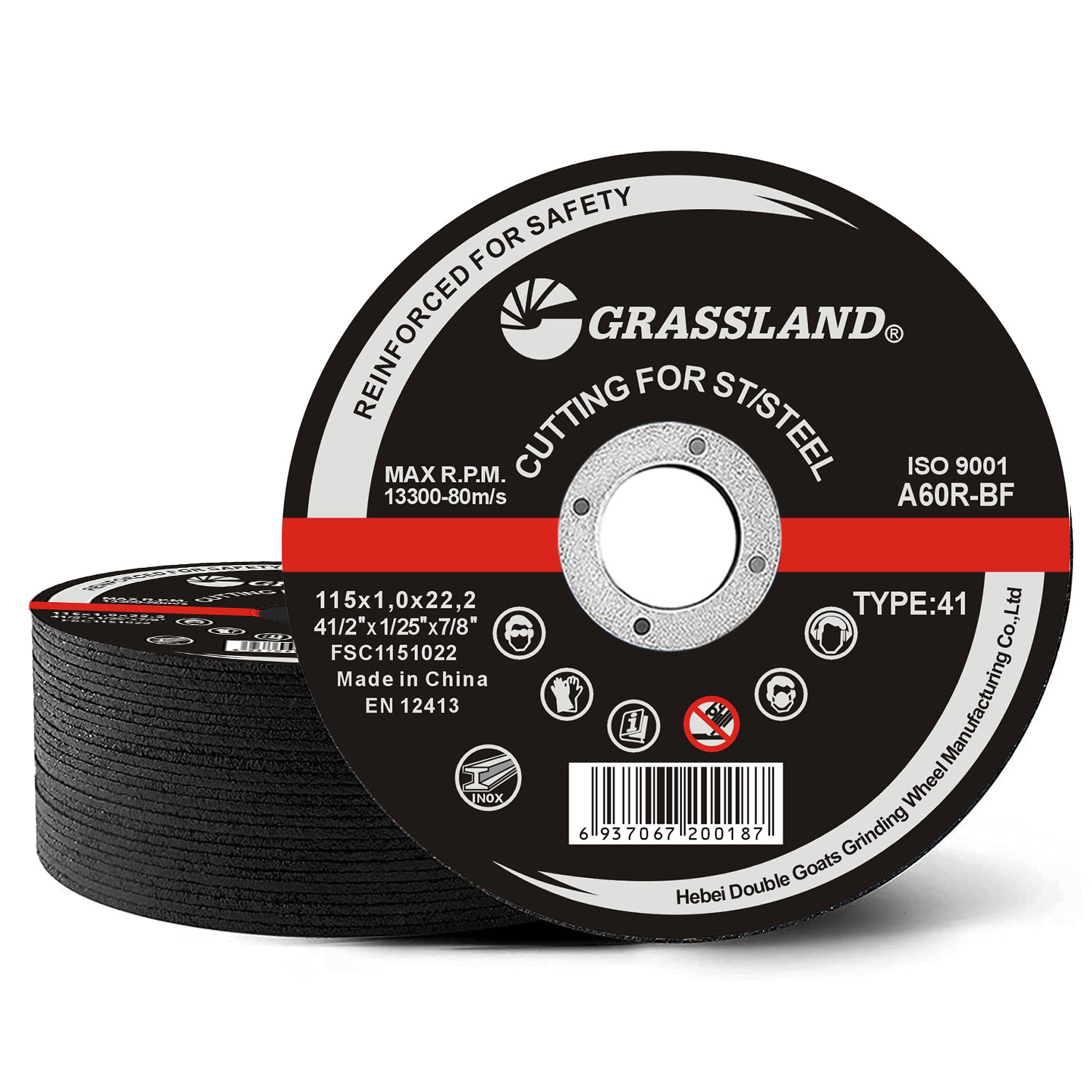
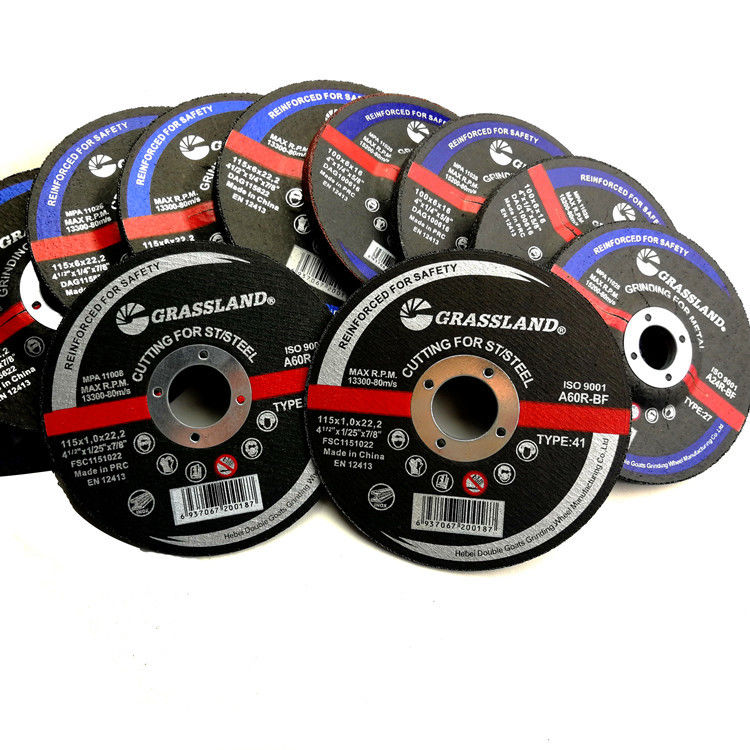
These discs, usually 4 inches in diameter as the name states, are fundamental in cutting tasks involving brick, concrete, stone, and other tough masonry materials. I remember working on a small commercial build where the old wheels kept dulling out fast, causing downtime that nobody wanted. Switching to a premium segmented rim variant improved cut speed and blade life noticeably — those minutes add up.
What Makes a Great Masonry Cutting Wheel?
Materials matter, obviously. Most high-quality masonry wheels use abrasives like aluminum oxide or silicon carbide — both reliable but suited to different cuts. Aluminum oxide is more forgiving, good for mixed materials, while silicon carbide is exceptional for ultra-hard stone.
Then there’s the bonding agent, typically some form of resin that holds the abrasive grains together. Resin-bonded wheels are known for better cutting speed but can wear faster. Metal-bonded wheels, on the other hand, offer robustness but at a slower cut pace. I often advise clients to consider the nature of their work: high-volume cutting versus precision jobs.
Thickness and rim style also play a role—thinner wheels reduce material loss during the cut but can be less durable. Segmented versus continuous rim designs come down to material type and dust control, for instance, segment rims are great for faster cooling and aggressive cuts; continuous rims offer smoother finishes.
Typical Technical Specs of a 4 Masonry Cutting Wheel
| Specification | Details |
|---|---|
| Diameter | 4 inches (100 mm) |
| Thickness | 2.0 - 3.0 mm (varies by application) |
| Abrasive Type | Aluminum Oxide or Silicon Carbide |
| Bonding | Resin or Metal Bond |
| Maximum RPM | 13,300 RPM (typical) |
| Rim Style | Segmented or Continuous |
Comparing Top Vendors of 4 Masonry Cutting Wheels
Over the years, I’ve tested products from a handful of reliable brands. Oddly enough, the differences aren’t always about who makes the grindstones but rather their approach to specialty blends, testing, and customization options.
| Vendor | Material Options | Availability | Customization | Price Range |
|---|---|---|---|---|
| CutoffDiscs.com | Aluminum Oxide, Silicon Carbide | In Stock, Bulk Orders | Batch customization available | Mid-range |
| DiamondTools Inc. | Primarily Silicon Carbide | Large stock, global shipping | Limited customization | Higher-end |
| Industrial Abrasives Co. | Standard Aluminum Oxide | Regional availability | No custom options | Budget-friendly |
You might be wondering why I keep highlighting CutoffDiscs.com. Honestly, their balance of quality, customization, and pricing hits a sweet spot I rarely see in masonry tools. One project manager I worked with swore by their discs after switching from generic brands — cuts stayed sharp longer, and dust was better managed due to the segmented rim design.
Of course, nothing beats field testing on your specific materials. Sometimes what performs perfectly on dense concrete might not be ideal for soft brick. So, keep an eye on abrasive type and wheel build for your particular site conditions.
In real terms, investing a little extra for a wheel that’s engineered for your exact application can save a lot on downtime and replacements. Plus, the operator’s confidence with a smooth, efficient cut is worth its weight in gold — there’s something almost satisfying watching a wheel slice cleanly rather than fight the material.
Wrapping this up — if you’re after durability, cut quality, and a reliable vendor, the right 4 masonry cutting wheel, like those from CutoffDiscs.com, often becomes an unsung hero on construction sites far and wide.
— From someone who’s been hands-on with cutting tools for over 15 years
References:
1. Industry cutting tool specs, ASTM standards
2. Manufacturer product datasheets and testing reports
3. Direct user feedback from field engineers
Post time:Jan - 06 - 2026