Why the 4 Inch Masonry Cutting Disc Remains an Industry Staple
Having spent a good part of my career elbow-deep in industrial equipment—power tools, abrasives, and all the gritty bits in between—I find it oddly satisfying how certain tools become almost legendary by virtue of their reliability and versatility. The 4 inch masonry cutting disc is one of those unsung heroes in the industrial toolkit.
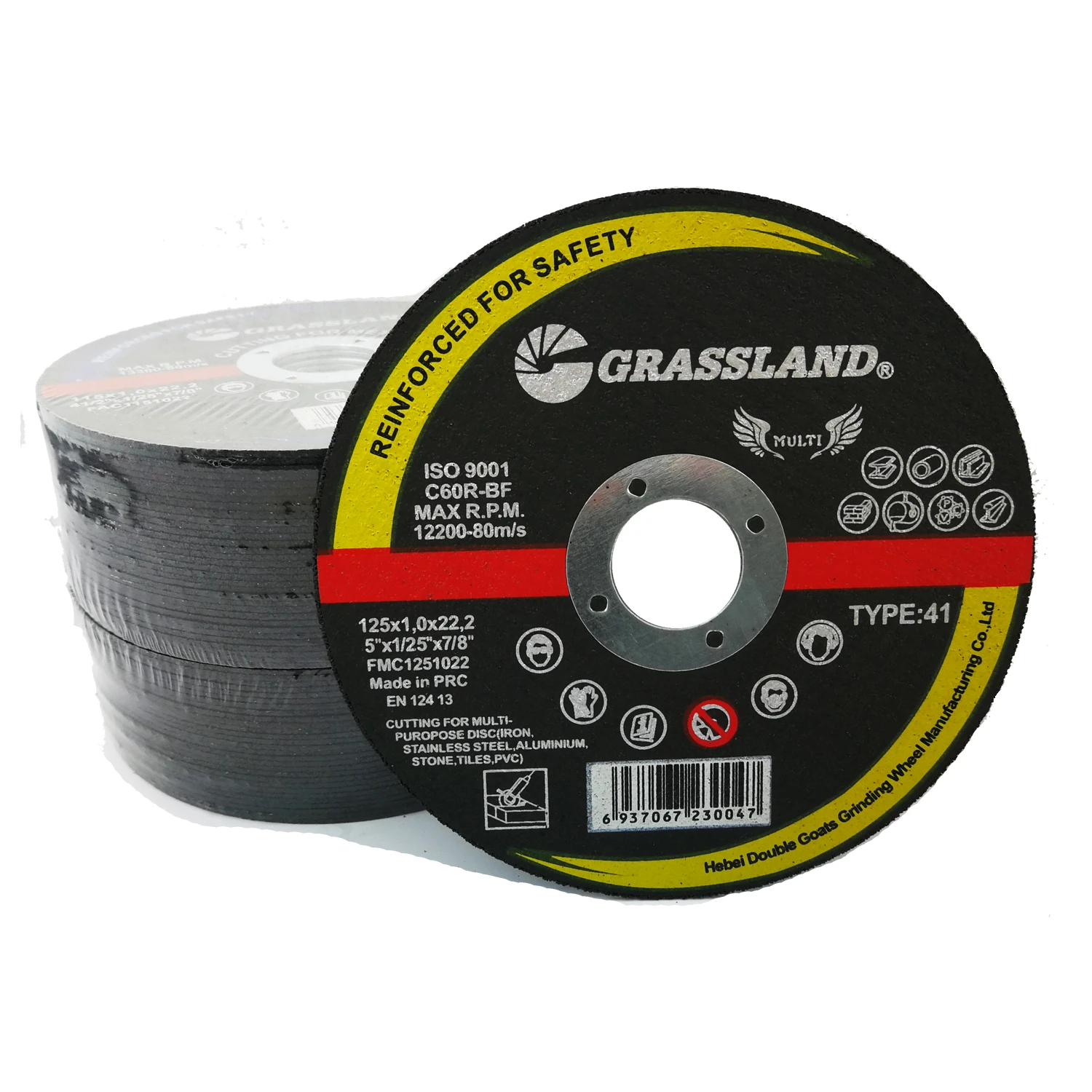
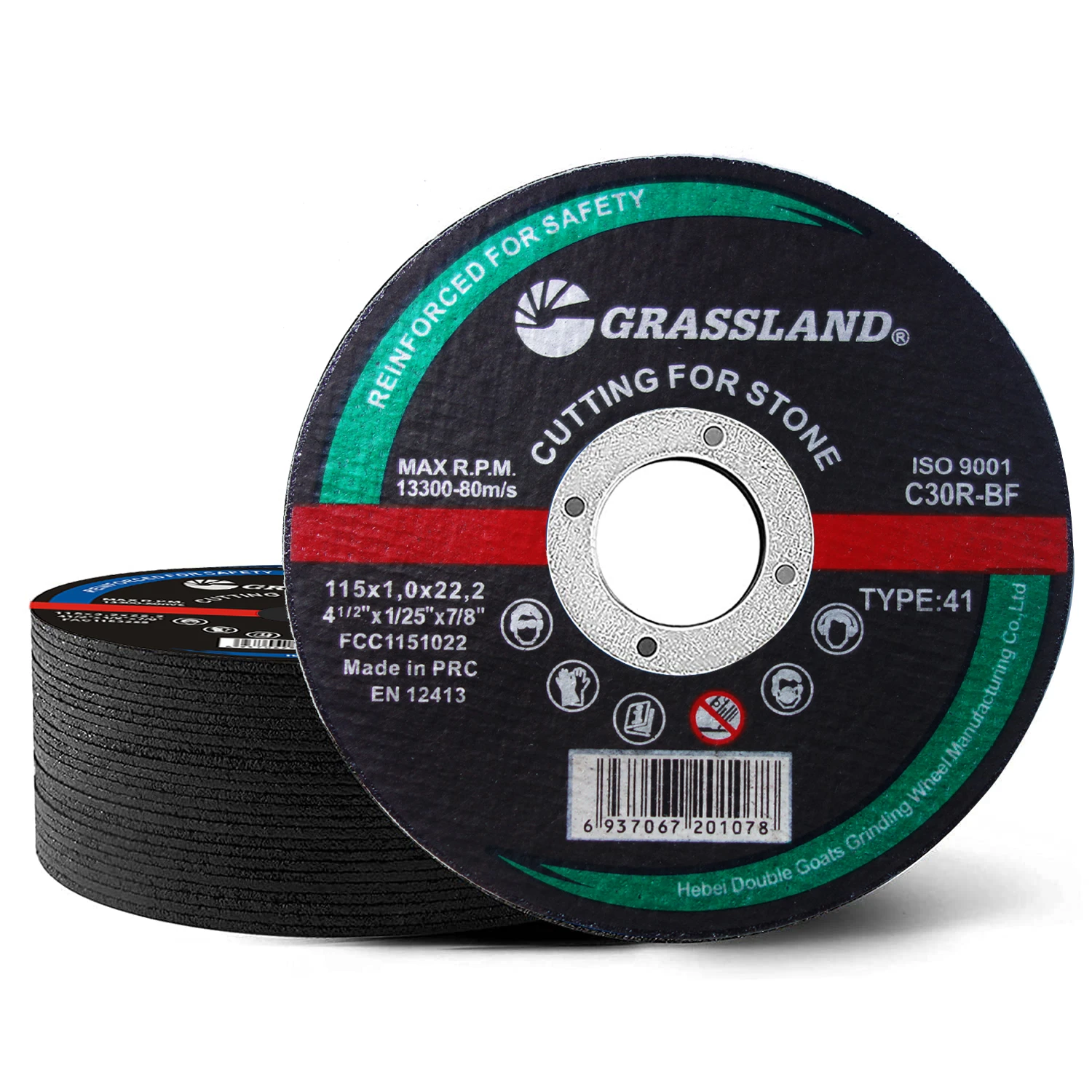
Now, you might wonder why a small, 4-inch disc still holds its ground when so many bigger, flashier options exist. The reason is simple: balance. It’s compact enough to maneuver in tight spaces yet capable enough to slice through tough masonry materials like concrete, brick, and stone without losing edge quickly. I remember onsite at a renovation project—hardly glamorous work, but crucial—where the compact size of this cutting disc maneuvered corners where larger blades just couldn’t reach.
Material-wise, these discs usually incorporate a blend of high-quality abrasives bonded with durable resins. Silicon carbide and aluminum oxide are common choices, each bringing unique cutting properties. For instance, silicon carbide’s hardness is excellent for softer masonry materials, whereas aluminum oxide excels on harder, denser structures. Many engineers I’ve worked with value this fine tuning because it extends disc life and delivers cleaner cuts, reducing rework time.
Testing for these discs isn’t just about "does it cut?" It’s a dance of precision—evaluations measure cutting speed, heat resistance, and disc integrity under continuous stress. Frankly, manufacturers that emphasize rigorous quality control usually yield discs that stand up to real-world punishment rather than just lab conditions.
| Specification | Details |
|---|---|
| Diameter | 4 inches (100mm) |
| Thickness | 1.2 mm - 1.6 mm |
| Max RPM | 13,300 RPM |
| Bonding Type | Resin with fiberglass mesh |
| Abrasive Material | Aluminum Oxide / Silicon Carbide |
| Application | Masonry cutting (brick, stone, concrete) |
In my experience, sourcing a quality disc isn’t just about the specs but also about the vendor behind it. Reliable supply, consistent manufacturing quality, and technical support can make a huge difference. Here’s a quick look at some vendors I’ve come across frequently in this space:
| Vendor | Disc Quality | Price Range | Availability | Special Features |
|---|---|---|---|---|
| CutoffDiscs | High, consistent | $$ | Wide stock, fast shipping | Custom formulations available |
| DiamondCraft | Good | $$$ | Moderate stock | Premium diamond grit options |
| BuildLine Tools | Average | $ | Good | Bulk discounts |
I recall chatting with one contractor who swore by CutoffDiscs’ discs after switching from a cheaper generic brand. What struck him most was the reduced downtime due to fewer disc swaps on the job. In real terms, that meant the project ran smoother, and frankly, saved a bundle in labor costs. Sometimes the question isn’t just about cutting smoothness, but total cost of ownership.
Customization, too, is increasingly a buzzword in our sector. Some suppliers now cater specifically to niche projects—say, ultra-thin cutting discs for delicate stonework or heavy-duty versions with reinforced bonding for demolition sites. It feels like the industry increasingly appreciates that one size rarely fits all, and the 4 inch masonry cutting disc has evolved accordingly.
Of course, there are universal safety considerations when working with these discs—wear eye protection, keep guards in place, and never exceed the RPM rating on the disc. I suppose that goes without saying, but it bears repeating given how easy it is to get complacent.
So, when pondering which 4 inch masonry cutting disc suits your needs, consider the materials, cutting conditions, and vendor reliability as much as the specs themselves. For the right job, a quality disc becomes much more than just a consumable—it’s a vital tool that can make or break your workflow.
In summary, while the 4-inch size might seem modest, it packs a punch in performance and flexibility. It’s kind of like the Swiss Army knife of masonry cutting—small in size, big on utility, and essential on any serious job site.
References:
- Industrial Abrasives Handbook, 2022 Edition
- Technical Specifications, CutoffDiscs.com
- Interview with Masonry Contractor, April 2023
Post time:Jan - 06 - 2026