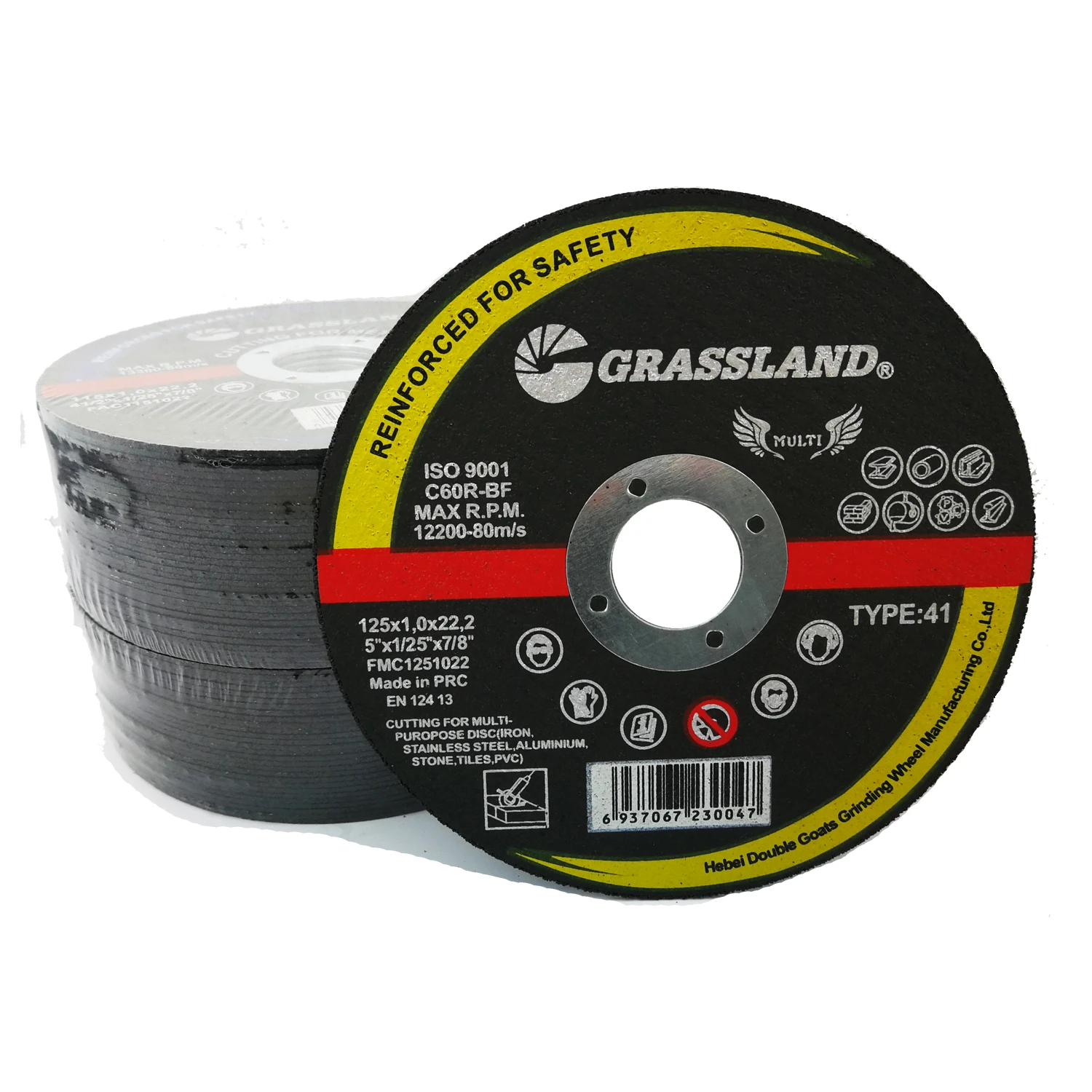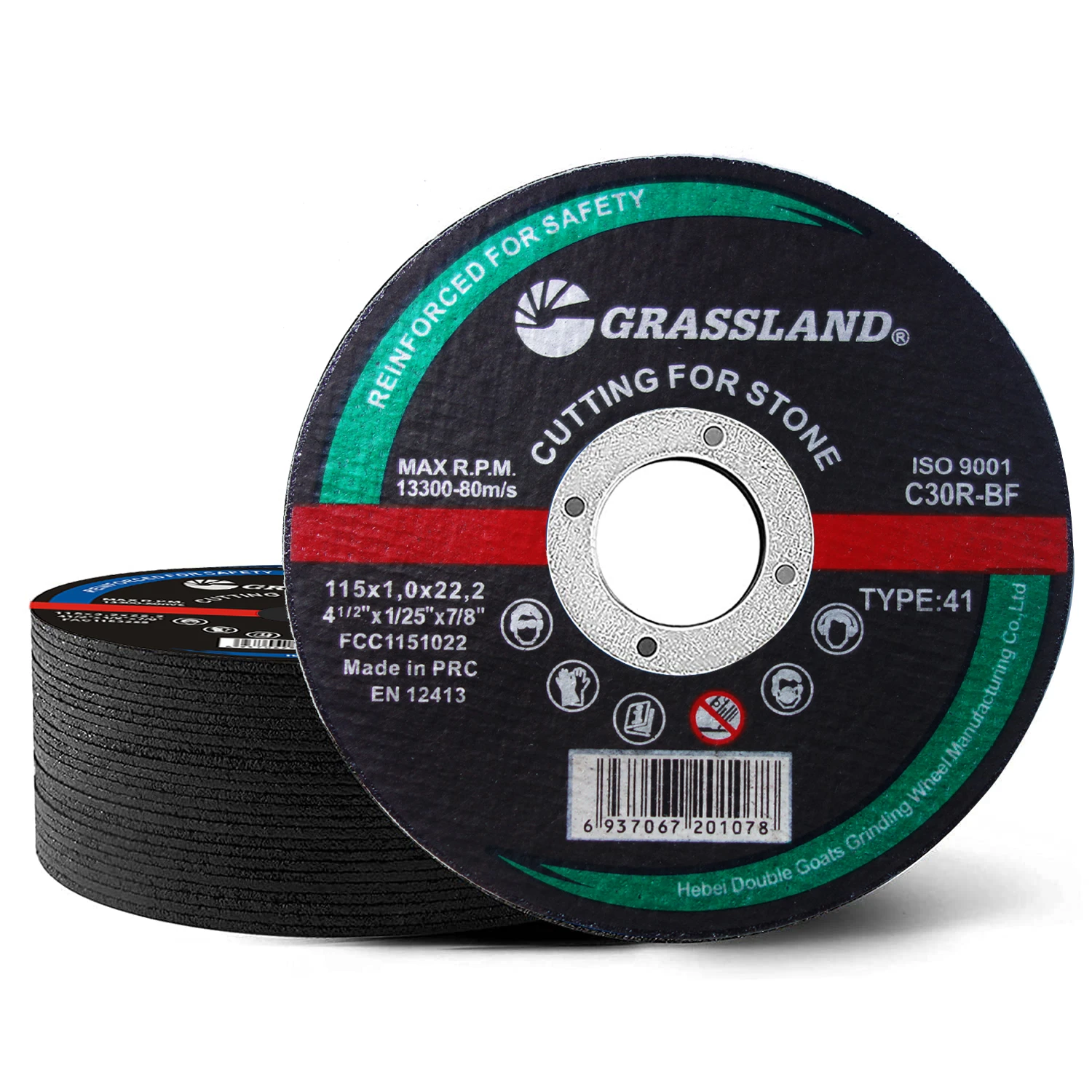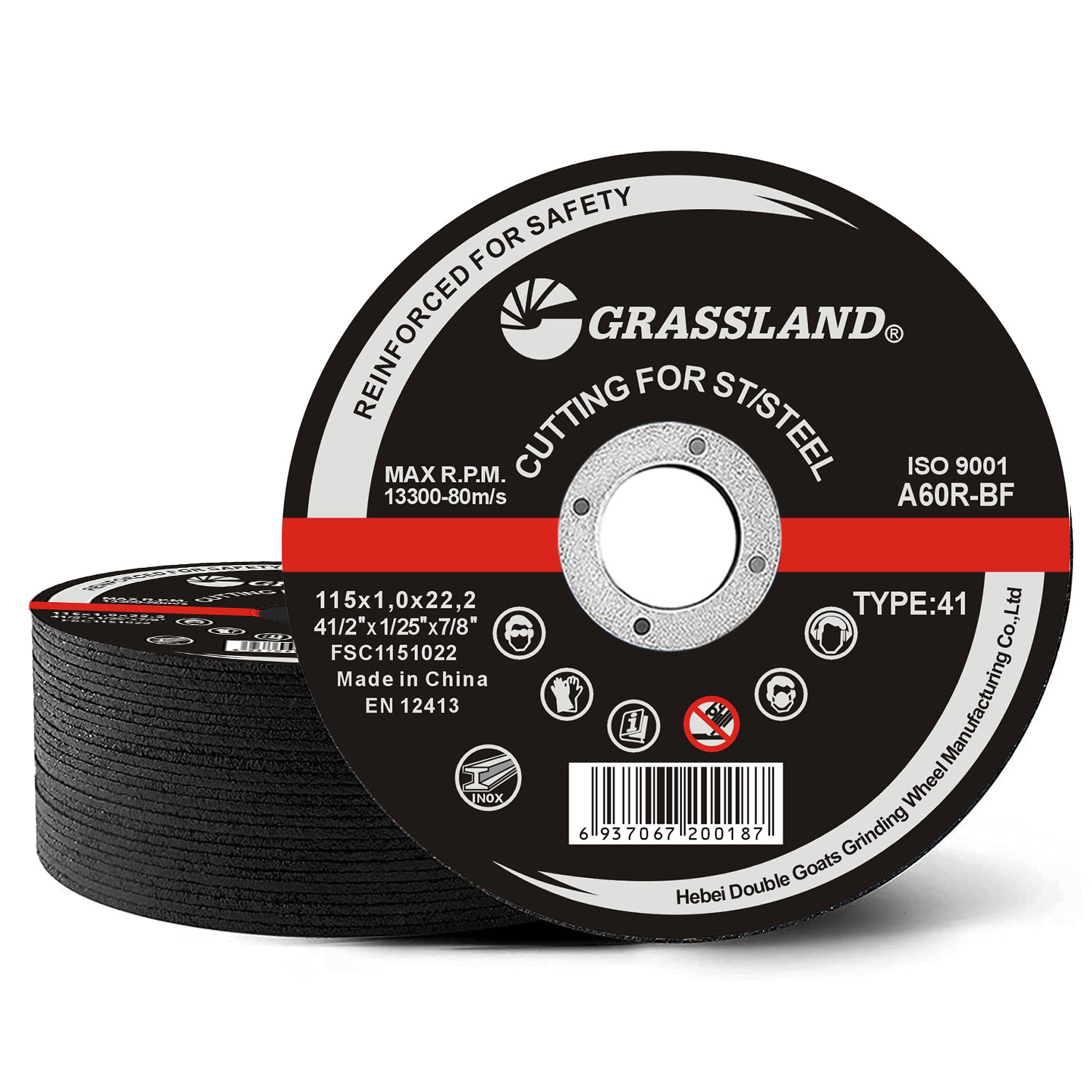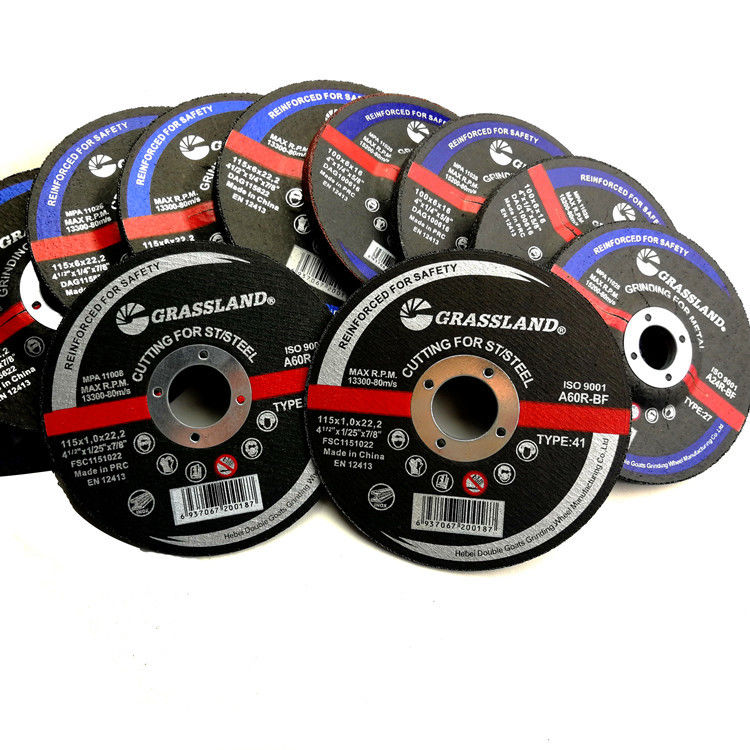
Angle Grinder Discs for Cutting Stainless Steel: Essential Tools for Precision and Durability
At first glance, angle grinder discs for cutting stainless steel might seem like simple, everyday tools. Yet their global importance in manufacturing, construction, and even humanitarian efforts cannot be overstated. Stainless steel is everywhere—building facades, kitchen appliances, medical equipment—and cutting it efficiently and safely requires specially designed discs. Understanding these discs means better productivity, less waste, and greater worker safety worldwide.
Introduction: Why Angle Grinder Discs Matter Globally
Stainless steel production hit over 60 million tonnes globally in recent years according to the International Stainless Steel Forum, underscoring its pervasiveness. With such volumes, precise cutting tools are essential for industries to meet tight tolerances and stringent safety requirements. Yet cutting stainless steel isn't trivial; traditional abrasive discs wear too quickly or cause heat-induced damage, leading to costly rework or even injury. Thus, angle grinder discs designed specifically for stainless steel have become indispensable. They address a critical challenge—combining efficiency, durability, and safety in one tool.
What Are Angle Grinder Discs for Cutting Stainless Steel?
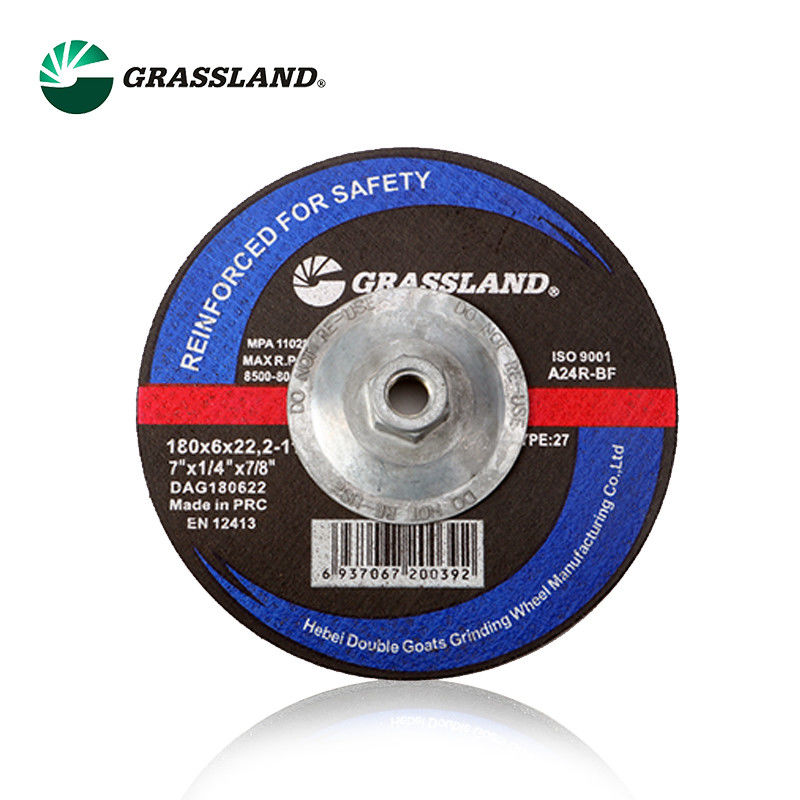
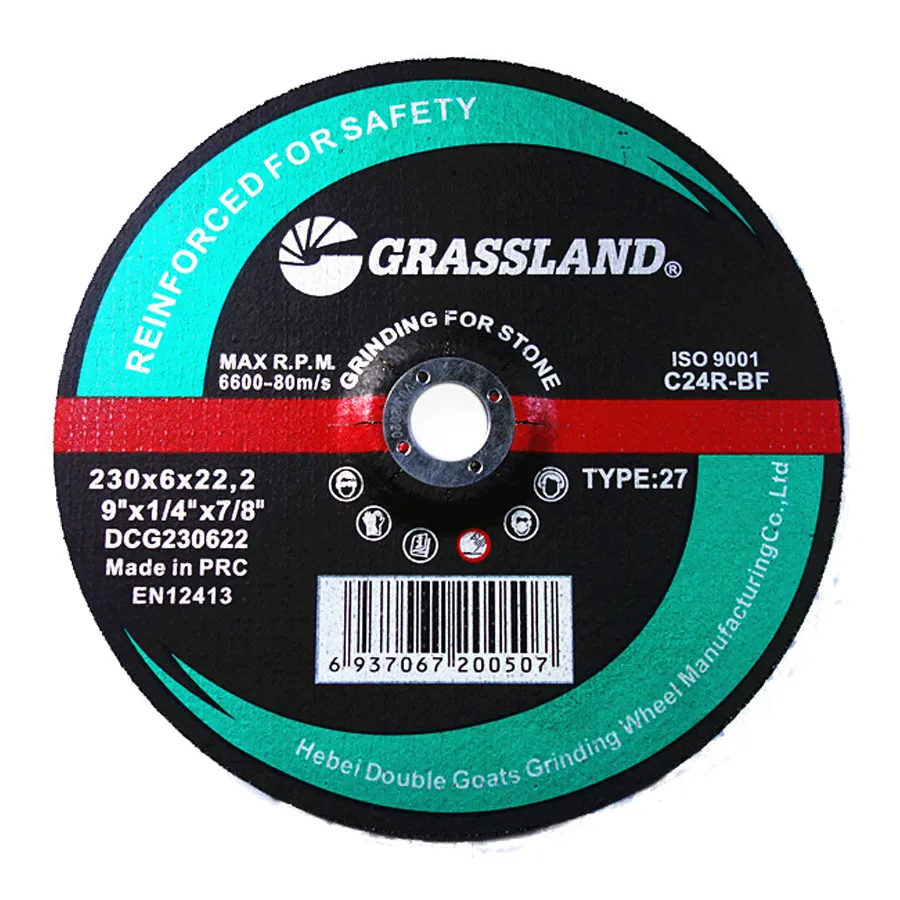
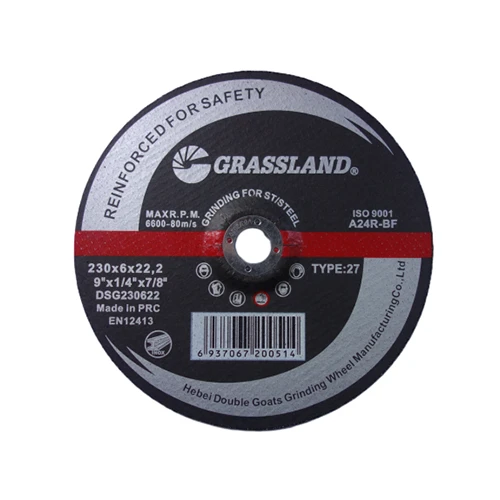
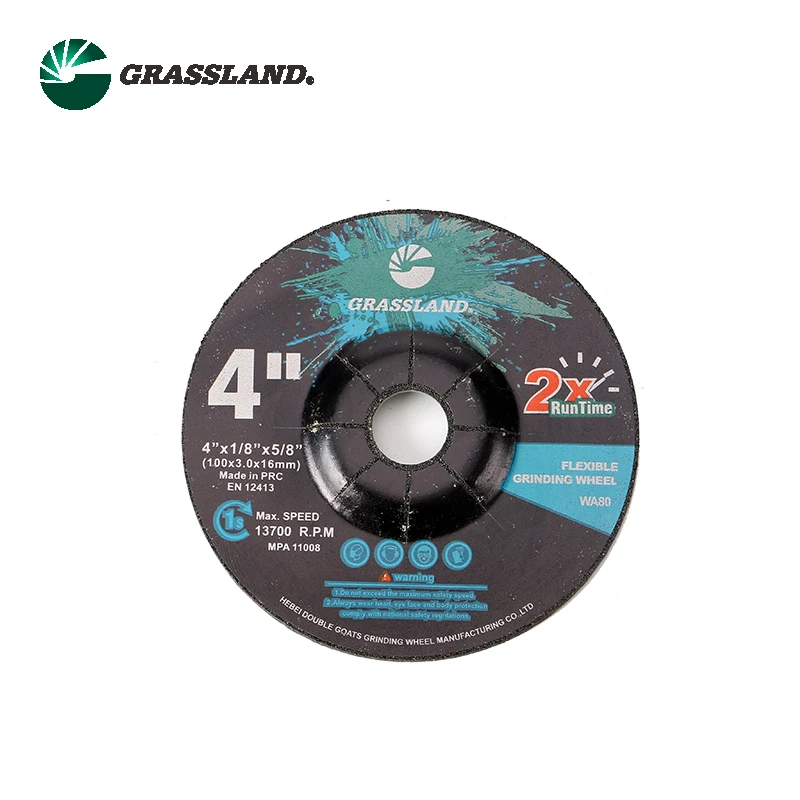
Simply put, these discs are rotary cutting tools made of bonded abrasive materials engineered to slice through stainless steel cleanly without excessive wear or heat distortion. Typically, they are thinner and made with materials like zirconia alumina or ceramic grains. This combination offers a harder, sharper cutting edge ideal for stainless’s tough alloys—frankly, a necessity in modern fabrication shops and construction sites.
The connection to modern industry is direct: without these reliable discs, stainless steel structures, equipment, and tools wouldn't be as robust or accurately produced, impacting everything from skyscrapers to life-saving medical devices.
Key Factors to Consider When Choosing Discs
1. Durability
Longevity is vital. The disc must maintain cutting efficiency after prolonged use—we're talking thousands of linear feet cut before replacement. Zirconia grains typically outlast aluminum oxide discs by a good margin. This cuts downtime and tooling costs.
2. Cutting Speed and Precision
Speed is a double-edged sword: faster cuts save time but can generate heat, risking warping stainless steel. The right disc balances speed with smoothness, minimizing chipping or burring.
3. Heat Resistance
Stainless steel’s alloy composition makes it sensitive to heat. Some discs incorporate ceramic grains that dissipate heat effectively during cutting, preserving the metal’s structural integrity.
4. Compatibility with Tools and Safety
Discs must fit the grinder’s speed rating and be designed to minimize kickback risks. Safety flanges and reinforced centers might seem minor but are crucial for operator protection.
5. Cost Efficiency
It’s not always the cheapest disc that wins but the one that offers the best value through durability and cut quality, reducing waste and rework.
Product Specifications of a Typical High-Performance Disc
| Feature | Specification |
|---|---|
| Diameter | 125 mm (5 inches) |
| Thickness | 1.0 mm |
| Abrasive Material | Zirconia Alumina + Ceramic Grain |
| Max Operating Speed | 12,250 RPM |
| Cutting Capacity | Up to 20 mm Stainless Steel Thickness |
| Safety Features | Reinforced Center & Kickback Protection |
Global Applications & Use Cases
From sprawling shipyards in South Korea to the high-tech automotive factories of Germany, angle grinder discs for cutting stainless steel are a quiet cornerstone. Oddly enough, they also play a role in humanitarian projects. For example, in post-disaster relief efforts where makeshift shelters require custom steel frames, these discs deliver fast, precise cuts in challenging conditions. Remote industrial zones, like mining operations in Australia, rely on such discs to maintain and fabricate stainless steel parts onsite — saving time and shipment costs.
Industries benefiting include:
- Construction and infrastructure
- Shipbuilding and marine transport
- Automotive manufacturing
- Medical device fabrication
- Emergency and disaster relief
Vendor Comparison for Popular Discs
| Vendor | Material | Typical Lifespan (Cuts) | Price per Disc (USD) | Safety Rating |
|---|---|---|---|---|
| GrindPro | Zirconia Alumina | ~1,200 cuts | $7.50 | High |
| SteelCut Master | Ceramic Grain Blend | ~1,500 cuts | $8.20 | Very High |
| BudgetCut | Aluminum Oxide | ~700 cuts | $4.00 | Medium |
Advantages & Long-Term Value
Choosing the right disc translates into cost savings—fewer disc changes, less downtime, better quality cuts and thus less rework. There’s also an emotional safety aspect: operators report more confidence knowing the disc is designed with reinforced safety features to prevent accidents. Long-term, precision cutting supports innovation by enabling complex stainless steel structures to be both strong and aesthetically pleasing. In sustainability terms, longer-lasting discs mean less waste going to landfills, and better cutting minimizes material scrap.
Future Trends & Innovations
Technological strides in bond chemistry and abrasive grains continue to push disc performance boundaries. For example, some brands now incorporate nanotechnology to improve grain sharpness and heat resistance. Automation also plays a role, with CNC-controlled grinders that optimize disc use dynamically to improve precision and efficiency.
Environmental policies worldwide are pushing manufacturers toward greener, longer-lasting abrasives, and safer materials that do not emit harmful dust. You might notice next-gen discs embrace this shift, marrying performance with eco-conscious production.
Challenges & Solutions
Despite their strengths, angle grinder discs face challenges like overheating during heavy cuts or faster wear in corrosive environments. Experts recommend using cooled, intermittent cutting and selecting discs with appropriate heat-resistant compounds. Innovations in disc cooling systems and coatings are also emerging to solve these issues. Proper training is crucial, too—a well-informed operator avoids many common pitfalls.
FAQ: Frequently Asked Questions About Angle Grinder Discs for Cutting Stainless Steel
- What disc thickness is best for cutting stainless steel?
Generally, thinner discs around 1.0 mm offer faster, cleaner cuts ideal for thin to medium stainless sheets. Thicker discs reduce disc wear but may create rougher edges. Consider project specifics.
- Can I use a regular cutting disc to cut stainless steel?
Regular discs often wear quickly or cause heat damage. Stainless-specific discs with zirconia or ceramic grains are recommended for better durability and cleaner cuts.
- How often should I change my angle grinder disc?
Disc lifespan varies by use, but replacing discs after noticeable wear signs or after 1,000 to 1,500 cuts is typical with quality discs. Safety first—don’t push worn tools.
- Are these discs compatible with all angle grinders?
Most discs fit standard 4.5" or 5" grinders but always check maximum RPM ratings and spindle size compatibility before use.
- Where can I find trusted suppliers?
Look for vendors with clear safety certifications and well-reviewed products. Websites like Cutoff Discs provide a good starting point.
Conclusion
Angle grinder discs for cutting stainless steel might seem like a small piece of the industrial puzzle, but they’re vital edges shaping our built environment. Their role in improving efficiency, safety, and quality is clear and growing. For anyone working with stainless steel, understanding and choosing the right discs is an investment in better outcomes, reduced costs, and safer workplaces. Curious to explore more or upgrade your tooling? Visit our website: https://www.cutoffdiscs.com.
In the end, it’s these finely engineered discs that quietly keep the wheels of modern industry turning.
References
Post time:Dec - 03 - 2025