Understanding the Stainless Cutting Disc: An Industrial Necessity
Cutting through tough metals with precision is no trivial task, and that’s exactly why the stainless cutting disc holds such a pivotal role across industries worldwide. Whether you're fabricating automotive parts in Germany or tackling intricate installations in Southeast Asia, these discs are an unsung hero in shaping metal components efficiently and safely.
Globally, stainless steel production topped 65 million metric tons in 2023, according to the International Stainless Steel Forum (ISSF). That sheer volume hints at the scale of accompanying tooling demands — stainless cutting discs being front and center. They save time, reduce waste, and ensure cleaner edges, all vital benefits in manufacturing, construction, and even emergency repair scenarios.
What Is a Stainless Cutting Disc?
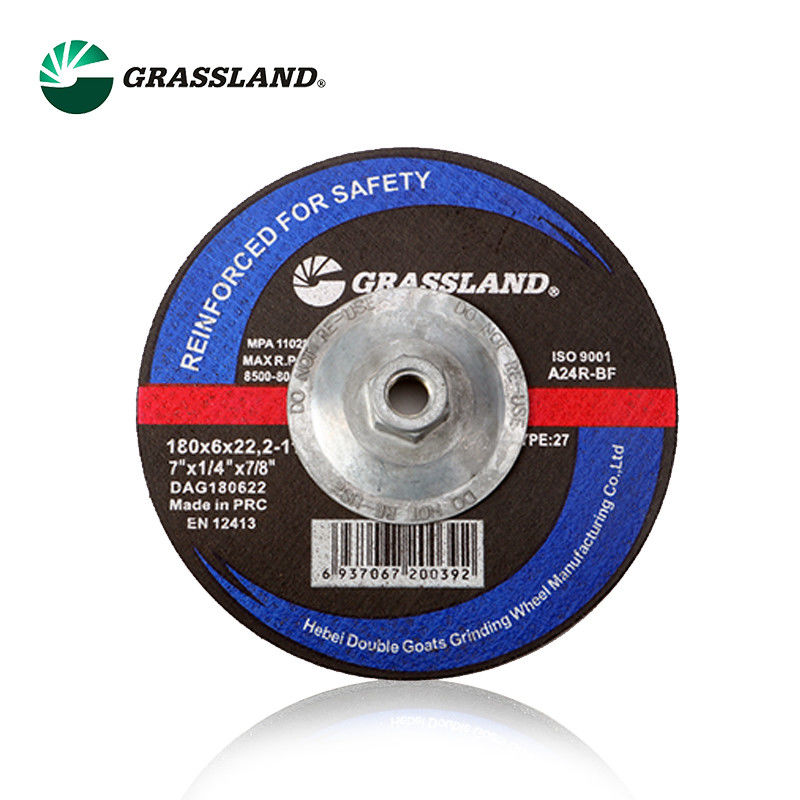
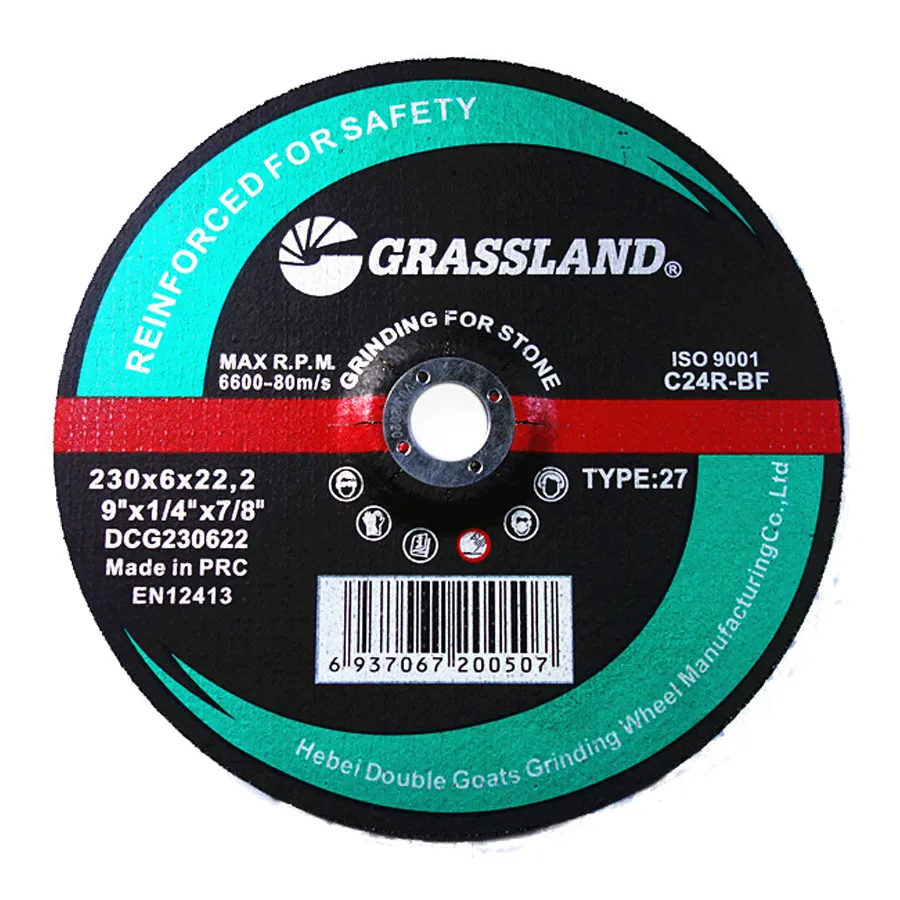
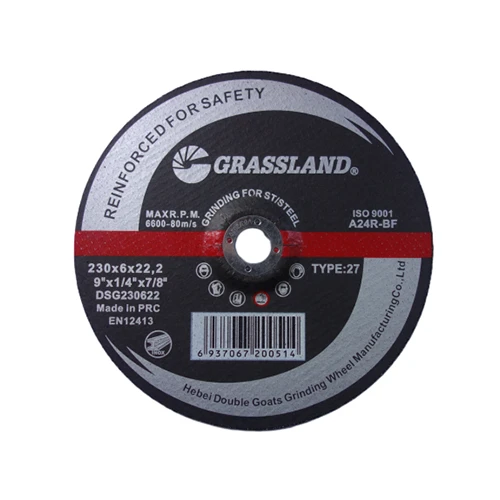
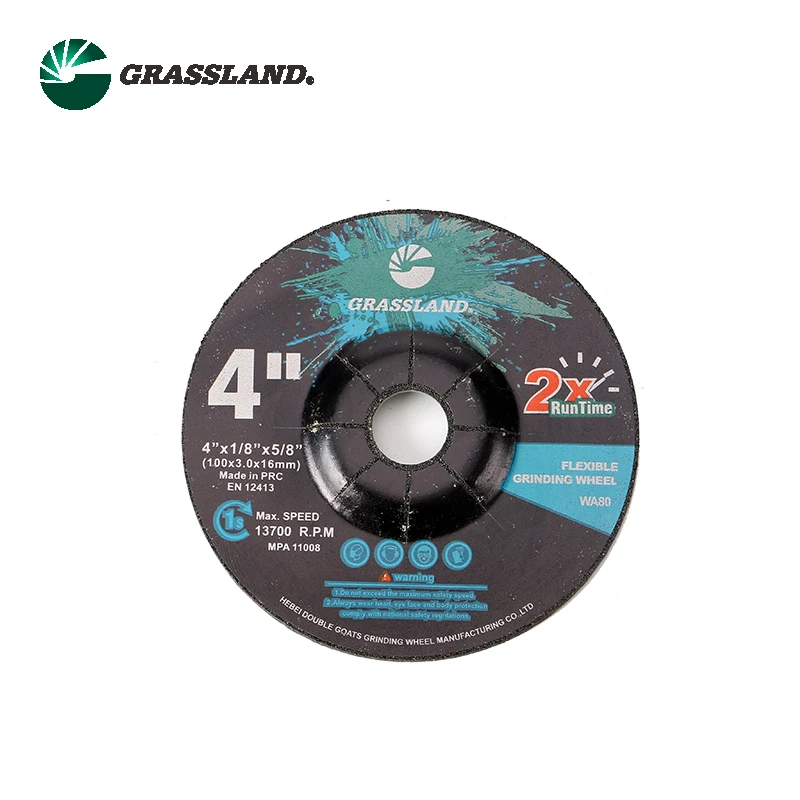
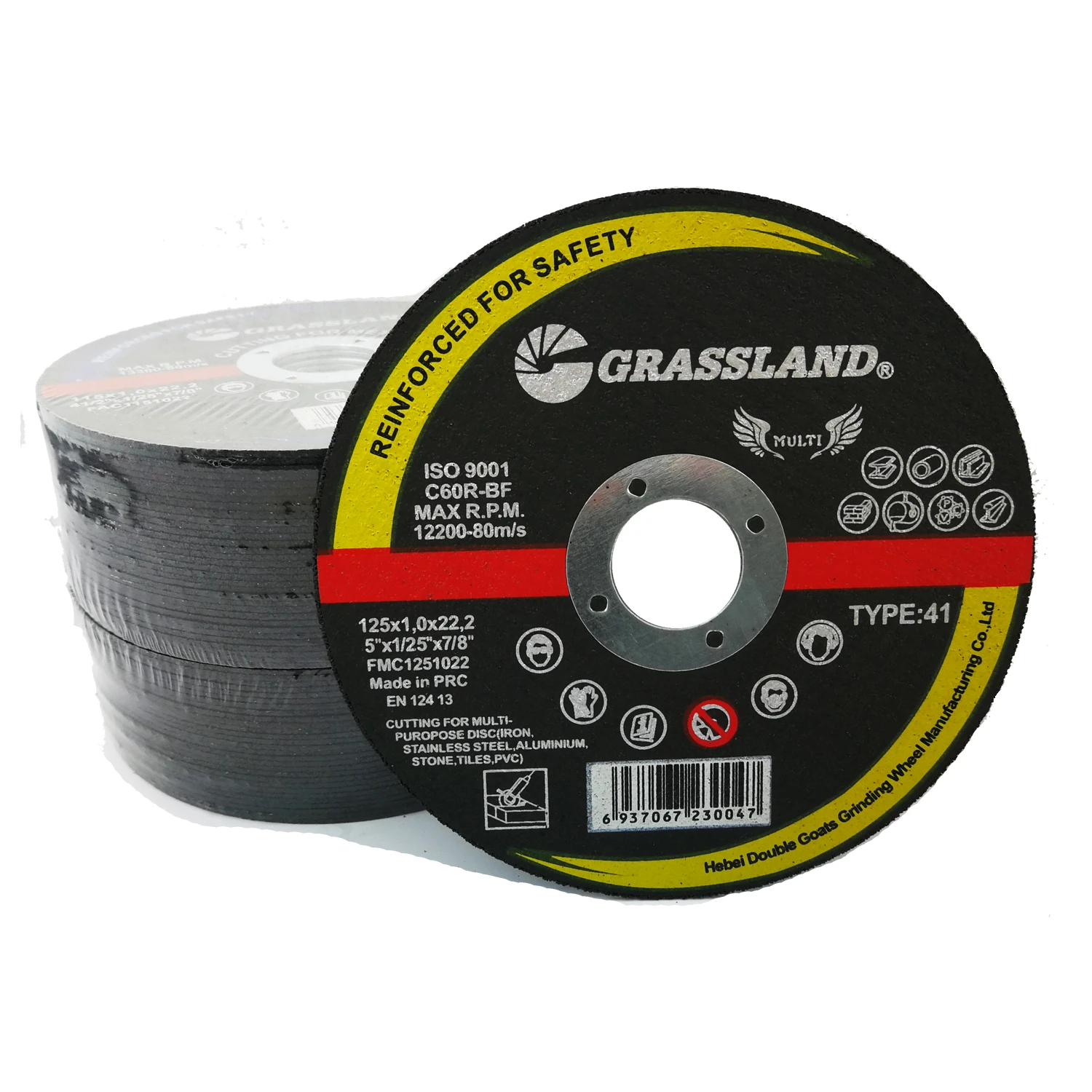
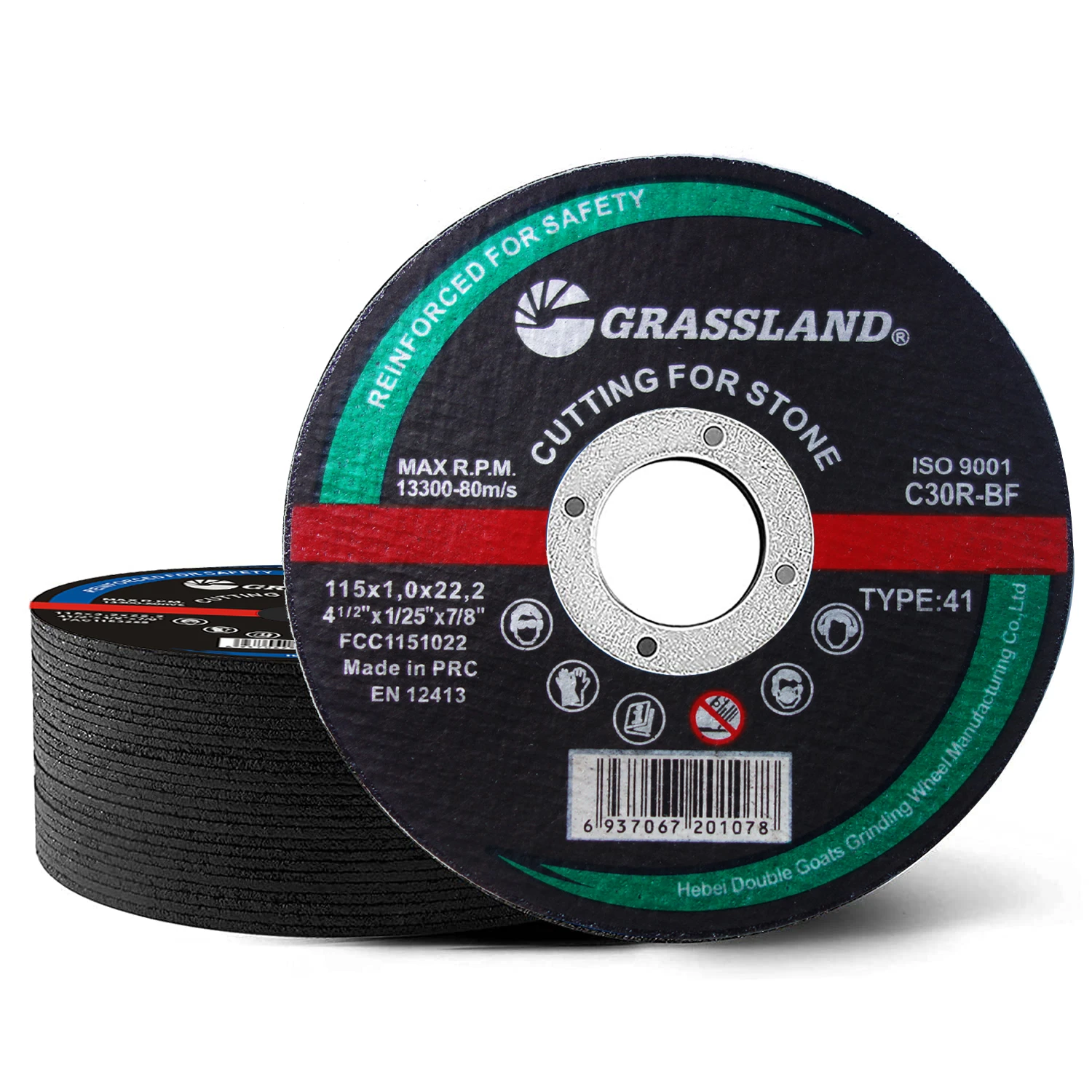
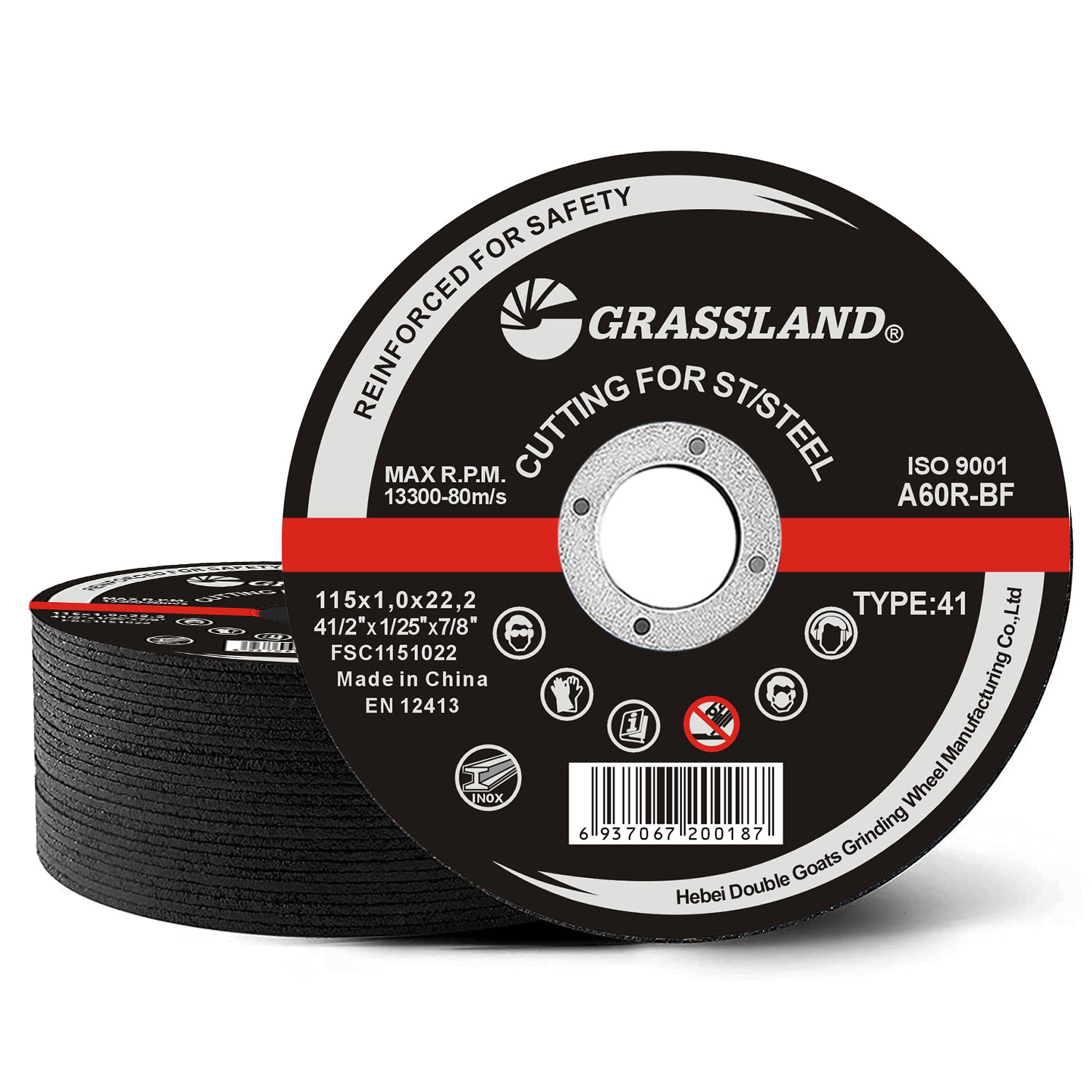
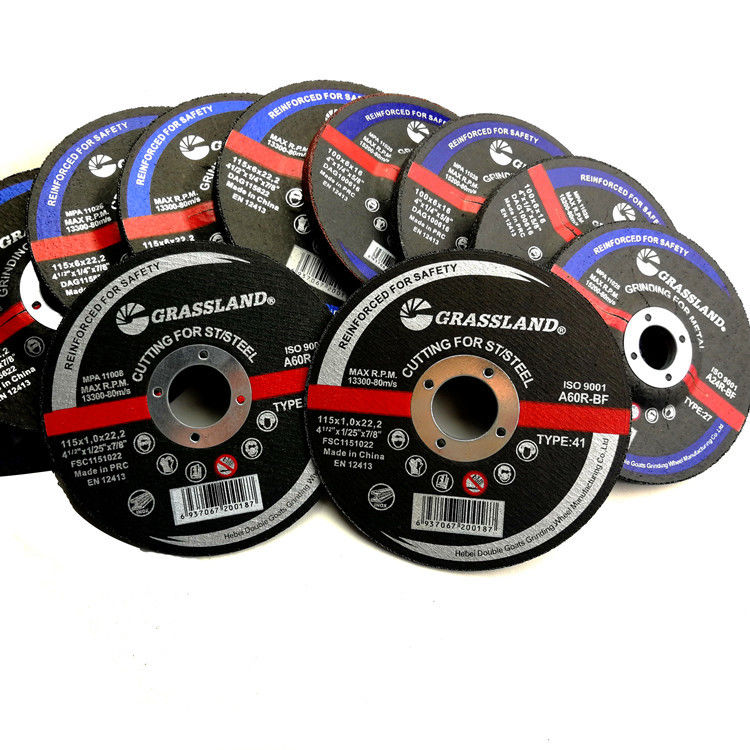
Put simply, a stainless cutting disc is a flat, circular abrasive tool designed to slice through stainless steel and other hard metals. Unlike grinding discs, which smooth surfaces, cutting discs focus on clean material separation. They're often made of aluminum oxide or zirconia alumina and bonded with resin — optimized for heat resistance and durability.
You might think, “Isn’t any metal-cutting disc good enough?” Well, not quite. Stainless steel needs special treatment because it resists heat buildup and tends to work-harden during cutting. So, using the right disc avoids warping the metal or wearing out the tool too quickly. It's both an industrial imperative and a bit of an art.
Key Features of Stainless Cutting Discs
1. Durability and Heat Resistance
Stainless steel creates significant heat during cutting. The discs must withstand this without deforming or breaking prematurely. Many discs include heat-resistant resins that help maintain integrity under continuous use.
2. Cutting Speed and Precision
Efficiency is king. High-quality discs balance rapid cutting with smooth edges to reduce post-processing work. Precision cuts matter in costly projects or safety-critical parts.
3. Safety and Reduced Spark Production
Oddly enough, stainless steel cutting often produces intense sparks. Discs designed to minimize excess sparking improve workplace safety and limit fire hazards, especially in enclosed or sensitive environments.
4. Compatibility with Tools
They must fit a variety of angle grinders, from handheld devices to larger bench-mounted machines, to accommodate diverse project needs.
Stainless Cutting Discs in Action Worldwide
Applications span from shipbuilding yards in South Korea to solar panel frame assembly in Spain. In disaster-relief zones, where quick infrastructure repair is critical, these discs enable teams to cut through metal debris and fabricate emergency supports efficiently.
In remote industries such as oil rigs or mining operations, downtime is costly. Fast, reliable cutting tools like stainless cutting discs reduce bottlenecks, helping stay on schedule even in harsh conditions.
| Specification | Typical Range | Comments |
|---|---|---|
| Diameter | 115 mm, 125 mm, 230 mm | Standard sizes for handheld grinders |
| Thickness | 1.0 mm – 2.5 mm | Thinner discs for fine cuts, thicker for durability |
| Abrasive Type | Aluminum oxide, Zirconia alumina | Material determines cutting speed and wear rate |
| Max RPM | Up to 13,300 RPM | Must match grinder specs for safety |
Advantages and Why They Matter Long-Term
- Cost Efficiency: Longer-lasting discs reduce replacement frequency — saving operational costs over months and years.
- Waste Reduction: Cleaner cuts mean less need to scrap or rework parts, reducing material waste, which aligns with ISO 14001 environmental management principles.
- Worker Safety: Using discs designed for stainless steel lessens kickback risks and sparks, crucial for maintaining safe worksites.
- Operational Reliability: When precision meets durability, projects finish on time, reinforcing trust in manufacturing chains and client satisfaction.
So frankly, investing in quality stainless cutting discs is more than a tool purchase — it’s about securing a reliable backbone for metal fabrication industries that directly affect countless products we use daily.
Emerging Trends and Innovations
Interestingly, the tools industry is embracing greener materials and manufacturing processes. New bio-resins and recycled abrasives are emerging, reducing the environmental footprint. Digital smart tools now help monitor disc wear and performance in real-time, preventing accidents or production delays.
Plus, automation is creeping in with robotic arms using optimized stainless cutting discs for high-precision jobs, especially in automotive and aerospace sectors.
Challenges and Expert Tips
Despite advancements, some challenges linger:
- Disc Fragility: Thin discs can break if misused. Always follow safety guidelines, and inspect discs regularly.
- Heat Damage: Prolonged cuts generate heat, risking metal warping. Using intermittent cutting and cooling strategies can help.
- Choosing the Right Disc: With many options available, selecting the correct size, abrasive type, and thickness can be confusing. Consulting vendor specs and testing sample discs may be worth the effort.
| Vendor | Disc Materials | Price Range (per 10 discs) | Notable Features |
|---|---|---|---|
| CutPro Tools | Zirconia alumina | $40 - $55 | High durability, heat resistance |
| SteelEdge Supplies | Aluminum oxide | $25 - $40 | Affordable, moderate wear rate |
| PrecisionCut | Mixed abrasives | $35 - $50 | Balanced speed and finish |
FAQs about Stainless Cutting Discs
Q: How often should I replace a stainless cutting disc during frequent use?
A: It depends on the disc’s thickness, abrasive type, and cutting frequency, but generally when the disc thickness drops below 50% of its original size or if there are cracks, replacement is necessary to ensure safety and performance.
Q: Can I use a stainless cutting disc on other metals like aluminum or mild steel?
A: While stainless cutting discs are optimized for stainless steel, they can cut other metals but may wear faster. For softer metals like aluminum, specialized discs may provide better results and longer life.
Q: What precautions should I take when storing cutting discs?
A: Store discs in a dry, flat place away from extreme temperatures or humidity. Avoid stacking heavy tools on discs to prevent warping or cracks.
Q: Are there eco-friendly options for stainless cutting discs?
A: Yes, some vendors now offer discs made with bio-based resins and recycled abrasive grains, which reduce environmental impact without sacrificing quality.
Wrapping Up: Why the Right Stainless Cutting Disc Makes All the Difference
In real terms, a stainless cutting disc is more than just a consumable item—it's an investment in precision, safety, and productivity. Choosing the right disc can shave hours off your projects, reduce waste, and keep your teams safer. For anyone working with stainless steel, understanding this tool is fundamental.
If this overview sparked your interest, or you’re ready to upgrade your cutting tools, I recommend visiting stainless cutting disc specialists to explore the best options tailored for your needs.
Mini takeaway: Be selective with your stainless cutting discs — quality not only cuts better but also protects your bottom line and your people.
References:
1. International Stainless Steel Forum (ISSF), 2023.
2. ISO 14001 Environmental Management Systems, ISO.org.
3. Wikipedia contributors, "Abrasive cutting disc," Wikipedia, The Free Encyclopedia.
Post time:Dec - 03 - 2025