What Is "que es un disco de corte" and Why Should We Care?
Whether you’re a seasoned pro on a construction site or just someone curious about tools you see in hardware stores, que es un disco de corte—or “what is a cutting disc”—is a question worth answering. Its importance transcends just another tool in the toolbox. In fact, understanding cutting discs matters on a global scale because they’re fundamental to countless industries worldwide, from metal fabrication to automotive repair and even emergency disaster responses.
Why? Because cutting discs are workhorses that make shaping, sizing, and finishing materials efficient and safe. Knowing their ins and outs helps improve productivity, safety, and quality across sectors, contributing ultimately to economic growth and infrastructure development around the world.
The Global Lens: How Cutting Discs Impact Industries Everywhere
According to the International Organization for Standardization (ISO), cutting discs—part of abrasive wheels—contribute significantly to the manufacturing sector, which accounts for roughly 16% of the global GDP. Industries in countries as diverse as Germany, China, and Brazil rely heavily on these discs daily. They power everything from heavy construction to precision machinery repair.
On a rough estimate, the global abrasive market, which includes cutting discs, exceeds $7 billion annually. This spine of industry helps tackle challenges like rapid infrastructure growth and urgent repair demands in disaster-stricken zones alike. For instance, after natural disasters, efficient cutting tools enable teams to clear debris and rebuild faster.
Yet, challenges persist—did you know that improper choice of discs leads to up to 30% more tool replacements and safety incidents? This is where understanding “que es un disco de corte” truly matters.
Definition & Meaning: Breaking Down "que es un disco de corte"
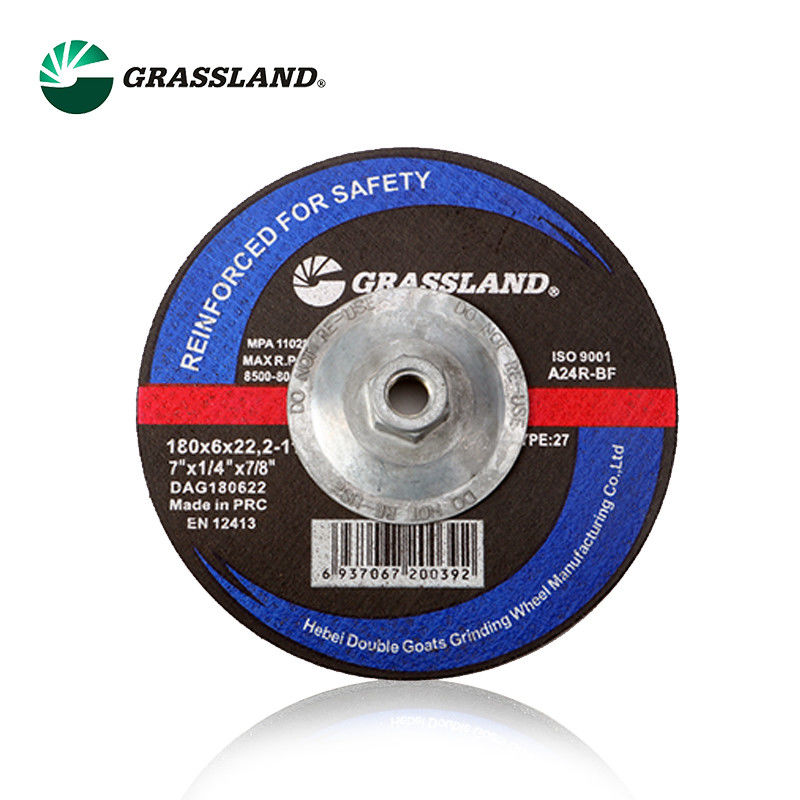
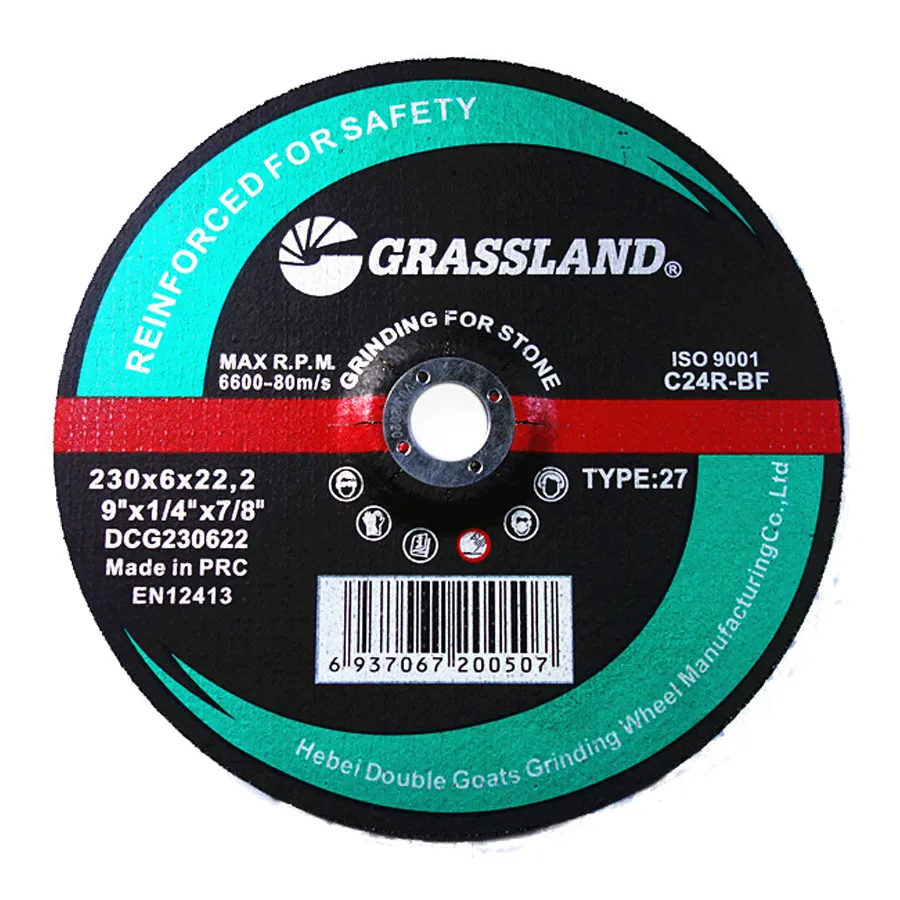
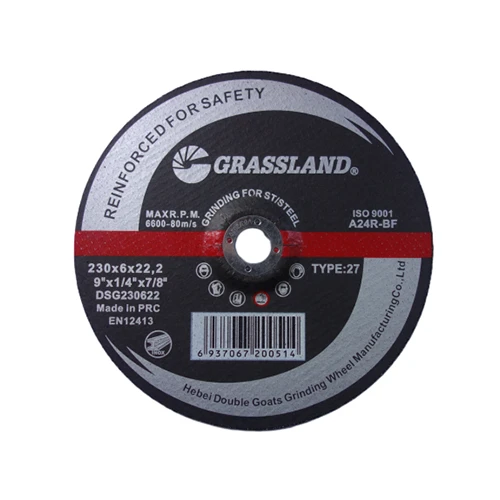
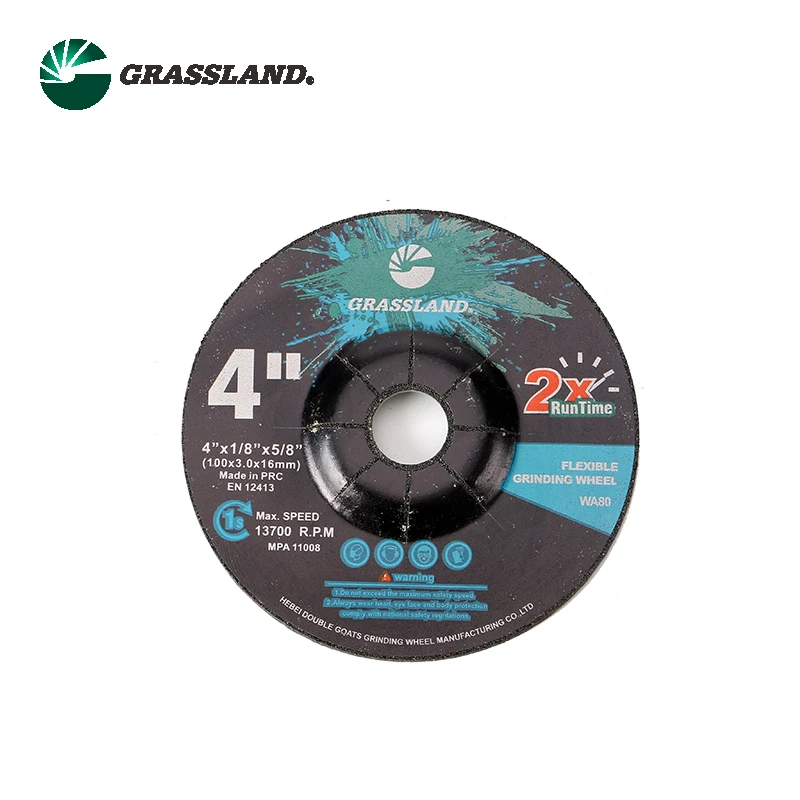
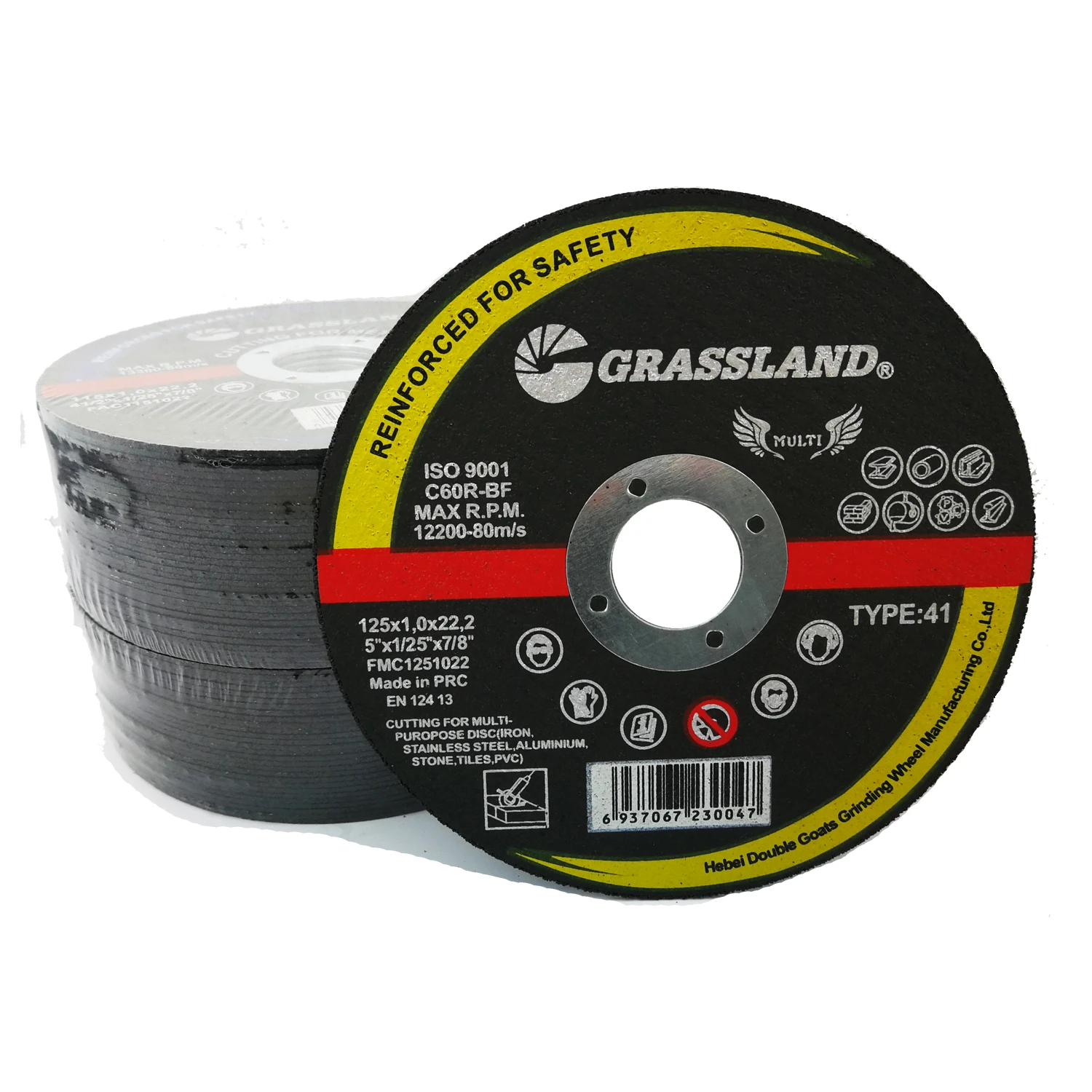
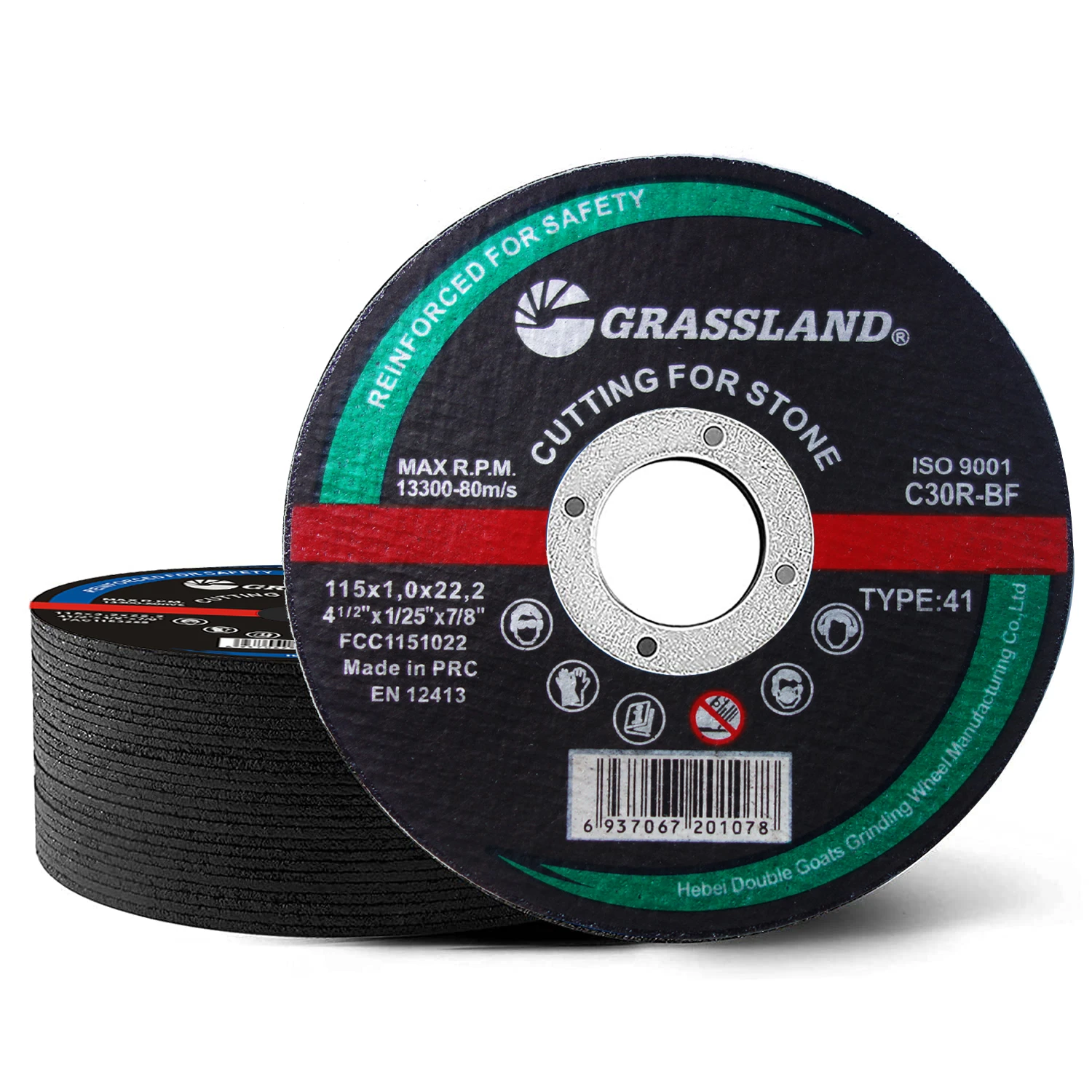
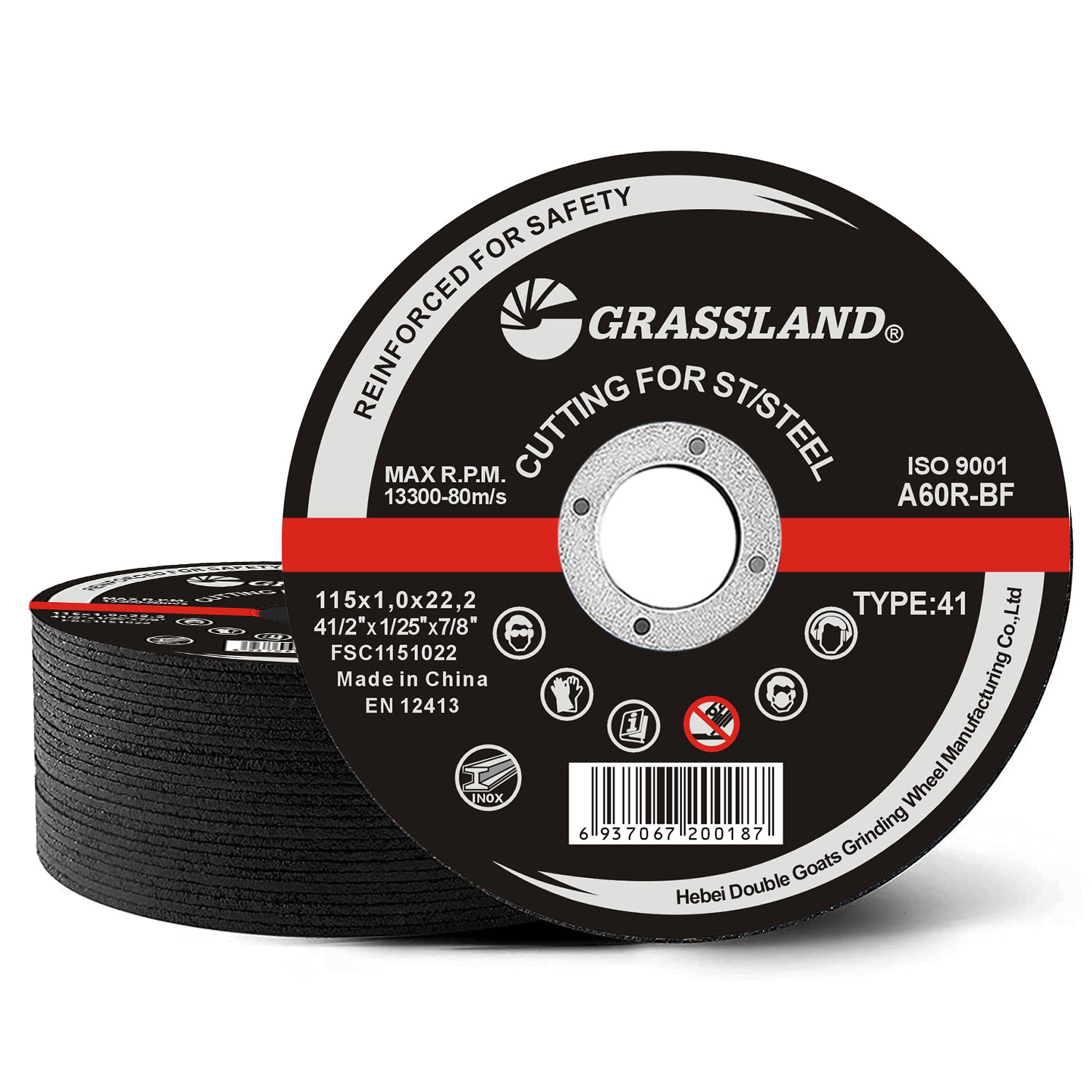
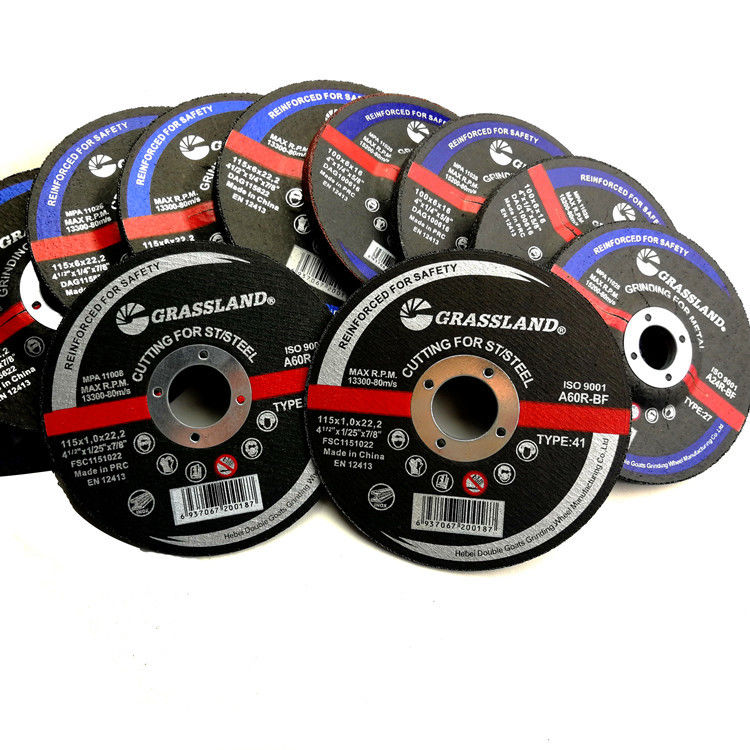
Simply put, a disco de corte (cutting disc) is a thin, circular abrasive tool attached to power tools like angle grinders. It’s specially designed to slice through metal, stone, ceramic, or other materials with speed and precision.
These discs usually combine an abrasive grit (like aluminum oxide or silicon carbide) bound by a resin or reinforced with fiberglass. When spinning at thousands of revolutions per minute, they literally shred through materials.
This technology ties directly into modern industry needs—whether in constructing skyscrapers, automotive workshops, or humanitarian efforts requiring fast, reliable material processing.
Core Components That Make the Difference
Durability
Durability is king. The better a cutting disc’s composition resists crumbling or warping, the longer it lasts and the safer it is for operators. Many pros prefer discs reinforced with multiple layers of fiberglass for this reason.
Cutting Speed
Faster cuts translate to more productivity. But speed varies by disc type and material. For example, thin discs cut fast but wear quickly, whereas thicker discs last longer but cut slower.
Material Compatibility
You wouldn’t use the same disc to cut steel and ceramic, right? So, discs come tailored with different abrasive materials to match specific workpieces.
Safety Standards
With high-speed rotating tools, the risk of accidents looms large. Discs must comply with strict safety norms, like ISO 5418, to minimize breakage or shattering.
Cost Efficiency
Honestly, sometimes the cheapest disc ends up costing more if it wears out quickly or damages the workpiece. Balancing upfront cost versus lifespan and performance is key.
Specifications at a Glance
| Specification | Typical Range | Notes |
|---|---|---|
| Diameter | 100 mm – 230 mm | Varies by tool compatibility |
| Thickness | 1.0 mm – 3.0 mm | Thinner discs cut faster, thicker last longer |
| Max RPM | 6,600 – 13,300 RPM | Must match grinder speed |
| Abrasive Material | Aluminum oxide, Silicon carbide | Depends on cutting target |
| Reinforcement | Fiberglass layers | Adds safety and durability |
Global Applications: Cutting Discs in Action
In real-world terms, you see these discs everywhere:
- Construction zones in Asia and Europe: cutting steel beams precisely for frameworks.
- Automotive workshops in North America: quickly trimming exhaust pipes or chassis parts.
- Disaster relief efforts in the Caribbean: removing metal debris after hurricanes.
- Remote industrial zones in Australia: maintaining mining machinery where downtime costs thousands.
An observer once told me, “Without a reliable cutting disc, half our work is guessing and redoing.” It’s the quiet tool that keeps whole projects humming along.
Comparing Top Vendors for Cutting Discs
| Vendor | Product Range | Price Range | Special Features |
|---|---|---|---|
| Cutoff Pro | Wide (Metal, Stone, Ceramic) | $$$ | Advanced fiberglass layering |
| Abrasive Solutions | Mostly Metal | $$ | Competitive pricing, good durability |
| SliceTech | Specialty Thin Discs | $$$$ | Ultra-fast cuts, premium quality |
Advantages & Long-Term Value of Using Quality Cutting Discs
Imagine completing jobs faster, safer, and with less material wastage. Quality cutting discs make that possible. They extend tool lifespans, reduce downtime, and improve worker safety by minimizing disc breakage risks.
Beyond logistics and cost, there’s an emotional weight too—trust in your tools provides peace of mind. Workers feel safer and more confident, which often leads to better craftsmanship. It’s innovation merged with basic dignity: the right tool making a tough job just a little bit easier.
Future Trends in Cutting Disc Technology
Looking ahead, innovation is accelerating. New materials like ceramic composites promise longer-lasting discs. Automation combined with IoT sensors might soon monitor disc wear in real-time, alerting users before failures. Plus, greener manufacturing methods aim to reduce production waste and carbon footprints in abrasive production.
Digital transformation means more precise disc design simulations, cutting down on test phases and speeding new product launches. It feels like we’re on the brink of smarter, more eco-friendly cutting solutions.
Challenges Currently Facing Cutting Discs & How We Overcome Them
Not everything’s perfect. One ongoing issue is balancing thin discs’ speed with their relative fragility. Also, counterfeit or low-quality products still flood markets, putting workers at risk.
Experts recommend strict compliance with ISO safety standards, regular user training, and sourcing discs from reputable suppliers only. Sometimes, it’s a matter of education and better regulations to improve safety across the board.
FAQ: Common Questions About “que es un disco de corte”
Q1: What materials can a cutting disc handle effectively?
A cutting disc’s abrasive makeup determines its compatibility. Aluminum oxide discs handle steel well, while silicon carbide is better for stone or ceramic. Using the right disc for the material guarantees efficiency and safety.
Q2: How do I know if a cutting disc is safe to use?
Check for certifications like ISO 9001 or ISO 5418 and confirm the disc matches your grinder’s RPM ratings. Never use cracked or expired discs, and always follow manufacturer guidelines.
Q3: Can I use the same disc for cutting and grinding?
Generally, no. Cutting discs are typically thinner and designed just for slicing, while grinding discs are thicker for surface finishes. Using the wrong type risks damage and injury.
Q4: How long does a cutting disc last under normal use?
This depends on material, disc quality, and cutting frequency. Roughly, high-quality discs can last for dozens of cuts on metal before needing replacement. Proper use extends life.
Q5: Are eco-friendly cutting discs available?
Yes, manufacturers are developing discs using recycled materials and greener resins, reducing environmental impact without compromising performance.
Wrapping Up: Why Knowing "que es un disco de corte" Pays Off
If you take away one thing from this, it’s that cutting discs are more than just simple tools. They’re pivotal enablers in global industry, safety, and innovation. From speeding up construction to enabling disaster recovery, their role is quietly indispensable.
Next time you pick up an angle grinder, think about the disc spinning at 10,000 RPM, slicing through steel effortlessly. Understanding these little wheels of wonder can save time, money, and even lives.
Feeling ready to dive deeper? Visit our website: https://www.cutoffdiscs.com and discover quality cutting discs tailored to your needs.
Quick Takeaways
- Cutting discs vary by material, thickness, and speed.
- Safety certifications and proper use are critical.
- Global industries depend heavily on quality discs.
- Innovation is heading towards smarter, greener solutions.
References
Post time:Nov - 28 - 2025