Navigating the complexities of industrial procurement often begins with a simple yet critical query: what is the fair grinder cutting wheel price? In the high-stakes environment of metal fabrication and construction, the cost of a consumable is rarely just about the sticker price; it is about the intersection of material longevity, cutting speed, and operator safety. Understanding the pricing dynamics helps workshop managers optimize their operational budgets without compromising the integrity of their finished products.
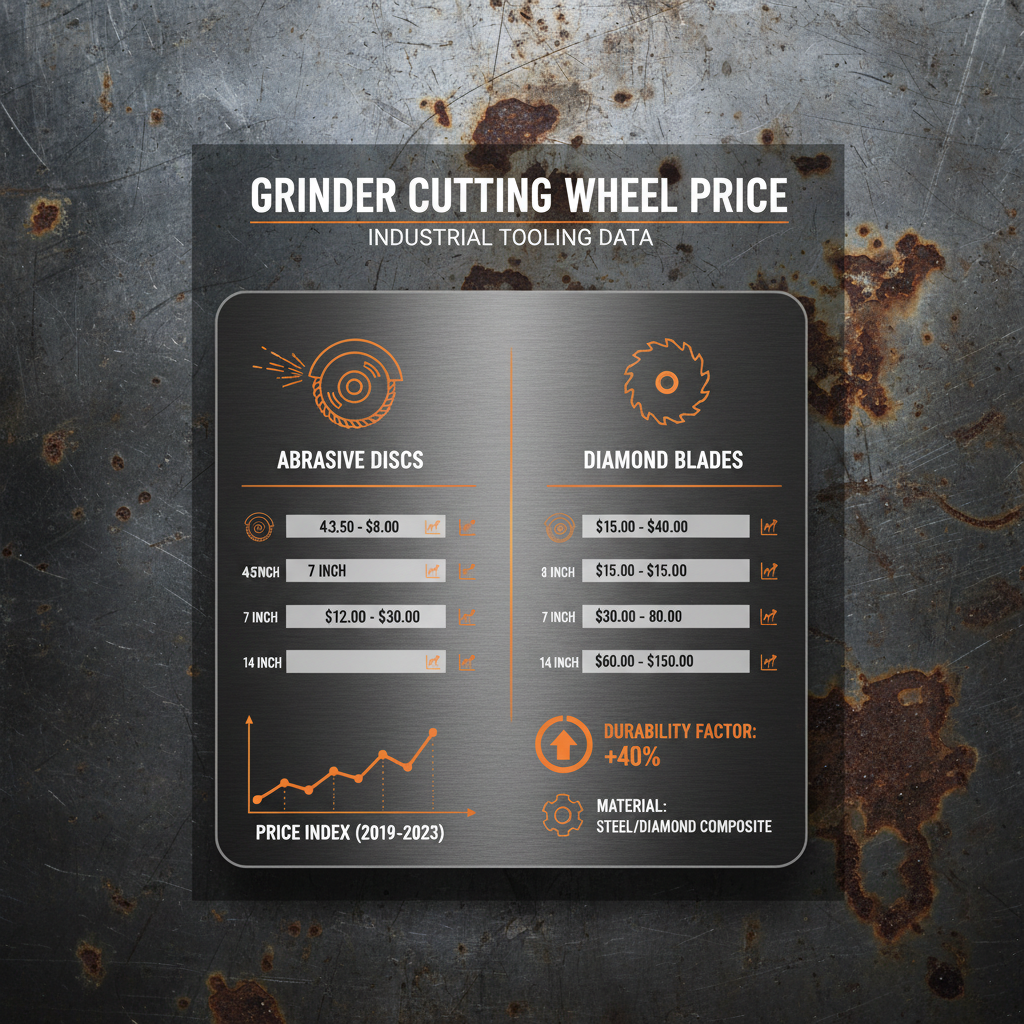
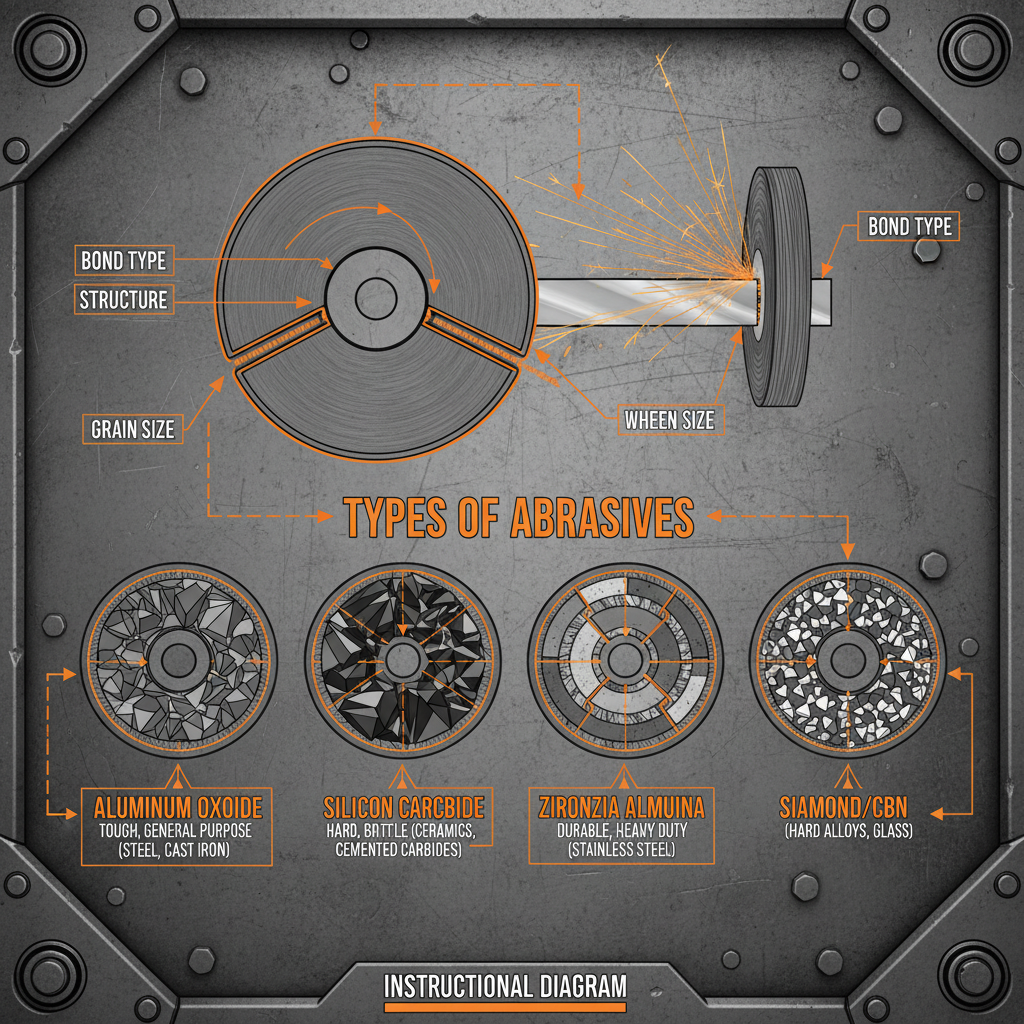
Across the global manufacturing landscape, the grinder cutting wheel price fluctuates based on the abrasive grain used—ranging from aluminum oxide to zirconia and cubic boron nitride. As industries push toward higher efficiency and stricter safety standards, the market has shifted from selling "cheap discs" to selling "cost-per-cut" value. This shift ensures that professional fabricators can predict their overheads with precision while maintaining a high throughput in production lines.
Whether you are sourcing Metal Cutting Discs for heavy-duty structural steel or specialized Grinding Discs For Inox for sanitary stainless steel applications, the grinder cutting wheel price serves as a benchmark for quality. By analyzing the variables that drive these costs, businesses can move away from reactive purchasing and toward a strategic procurement model that emphasizes total cost of ownership (TCO) over initial expenditure.
Global Market Drivers of Grinder Cutting Wheel Price
The global grinder cutting wheel price is heavily influenced by the volatility of raw material markets. Since most high-performance wheels rely on aluminum oxide or silicon carbide, shifts in mining outputs and energy costs for smelting directly impact the final wholesale price. According to industrial supply chain data, fluctuations in energy prices in key manufacturing hubs often lead to a ripple effect, altering the cost of consumables across the automotive and aerospace sectors.
Furthermore, international trade policies and ISO certification requirements play a pivotal role. Wheels that meet stringent safety standards (such as those required by the European EN 12413) often command a higher price due to the rigorous testing and quality control processes involved. This ensures that the user is not just paying for a piece of abrasive, but for the assurance that the disc will not shatter under high RPMs, thus reducing the hidden costs associated with workplace accidents.
Technical Definitions of Abrasive Pricing
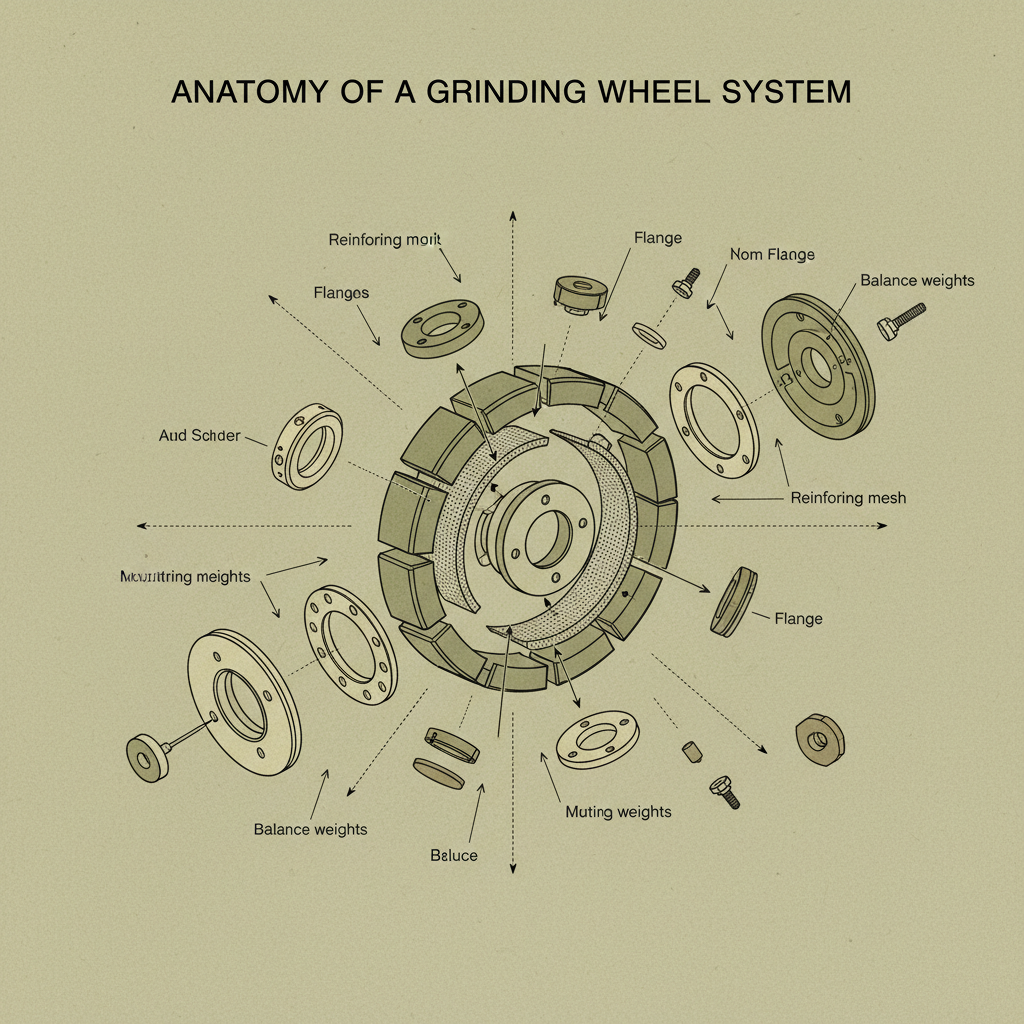
In simple technical terms, the grinder cutting wheel price is the monetary value assigned to a composite tool consisting of abrasive grains, a bonding agent, and reinforcing mesh. This price represents the balance between the hardness of the grain (which determines the material removal rate) and the strength of the bond (which determines the wheel's lifespan).
From a humanitarian and industrial safety perspective, this pricing is linked to the "safe operating limit." Cheaper, substandard wheels often omit the necessary fiberglass reinforcement layers, increasing the risk of catastrophic failure. Therefore, the professional price point reflects a built-in safety margin that protects the operator's life and limb during high-pressure industrial cutting.
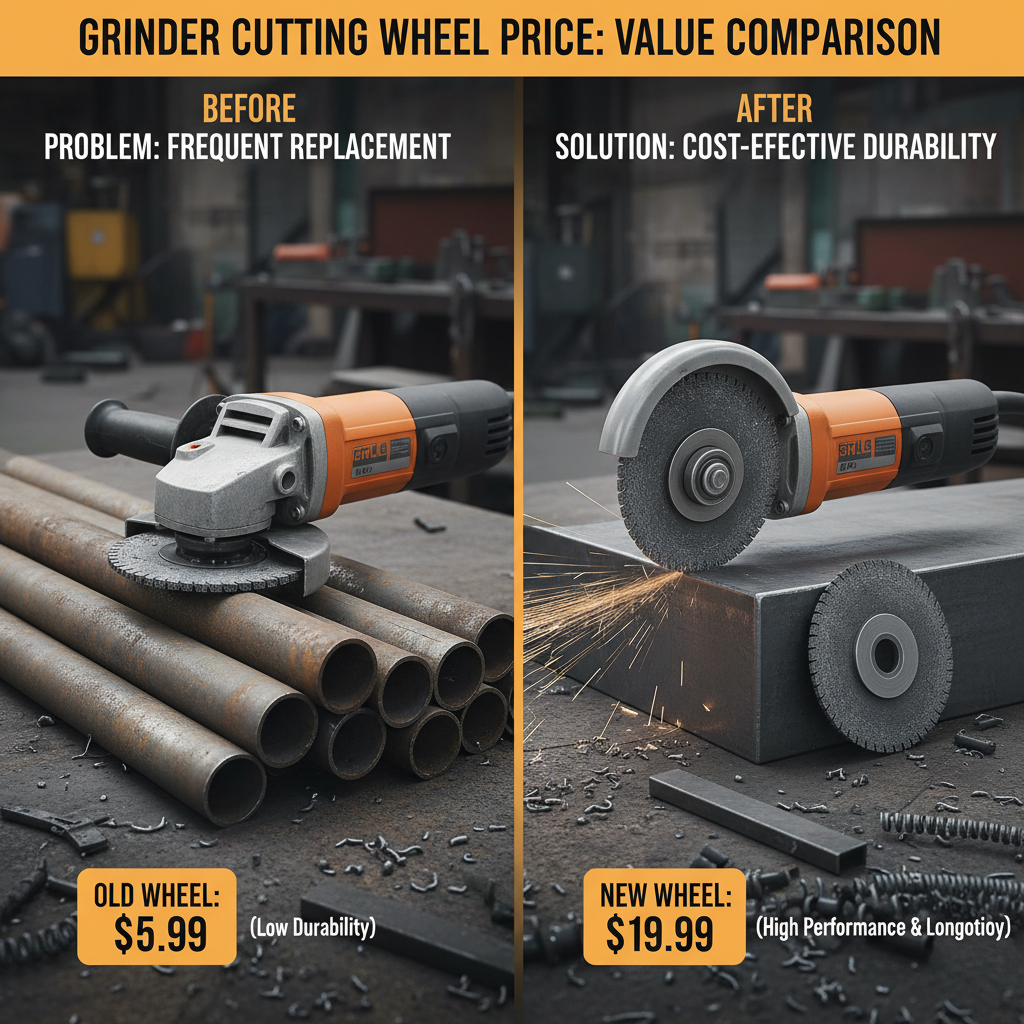
Modern industry also views this cost through the lens of "consumable throughput." Instead of looking at the unit price, engineers calculate the cost per linear meter of cut. This means a wheel with a higher initial grinder cutting wheel price may actually be the cheaper option if it lasts three times longer than a budget alternative, reducing downtime for wheel changes.
Core Components Influencing Disc Cost
One of the primary drivers of the grinder cutting wheel price is the quality of the abrasive grain. For example, zirconia alumina provides significantly more durability than standard aluminum oxide, allowing for deeper cuts in harder metals, which justifies a premium price point for industrial-grade discs.
The bond type also creates a variance in the grinder cutting wheel price. Resinoid bonds are standard for cutting wheels due to their flexibility and strength, but the purity of the resin and the precision of the curing process impact how evenly the wheel wears, directly affecting the user's operational cost.
Finally, the reinforcement mesh—the fiberglass layers that prevent the disc from exploding—adds a critical layer of cost. High-end wheels use multi-layered, high-density mesh, which allows for thinner discs (1mm or 1.6mm) that cut faster and produce less waste, thereby optimizing the overall grinder cutting wheel price relative to the amount of material cut.
Cost-Efficiency Analysis Across Applications
Evaluating the grinder cutting wheel price requires a nuanced look at the application. For instance, cutting soft mild steel requires different abrasive specifications than cutting hardened stainless steel. Using a cheap, general-purpose wheel on Inox steel leads to rapid wear and thermal discoloration, making the "cheap" wheel far more expensive in the long run.
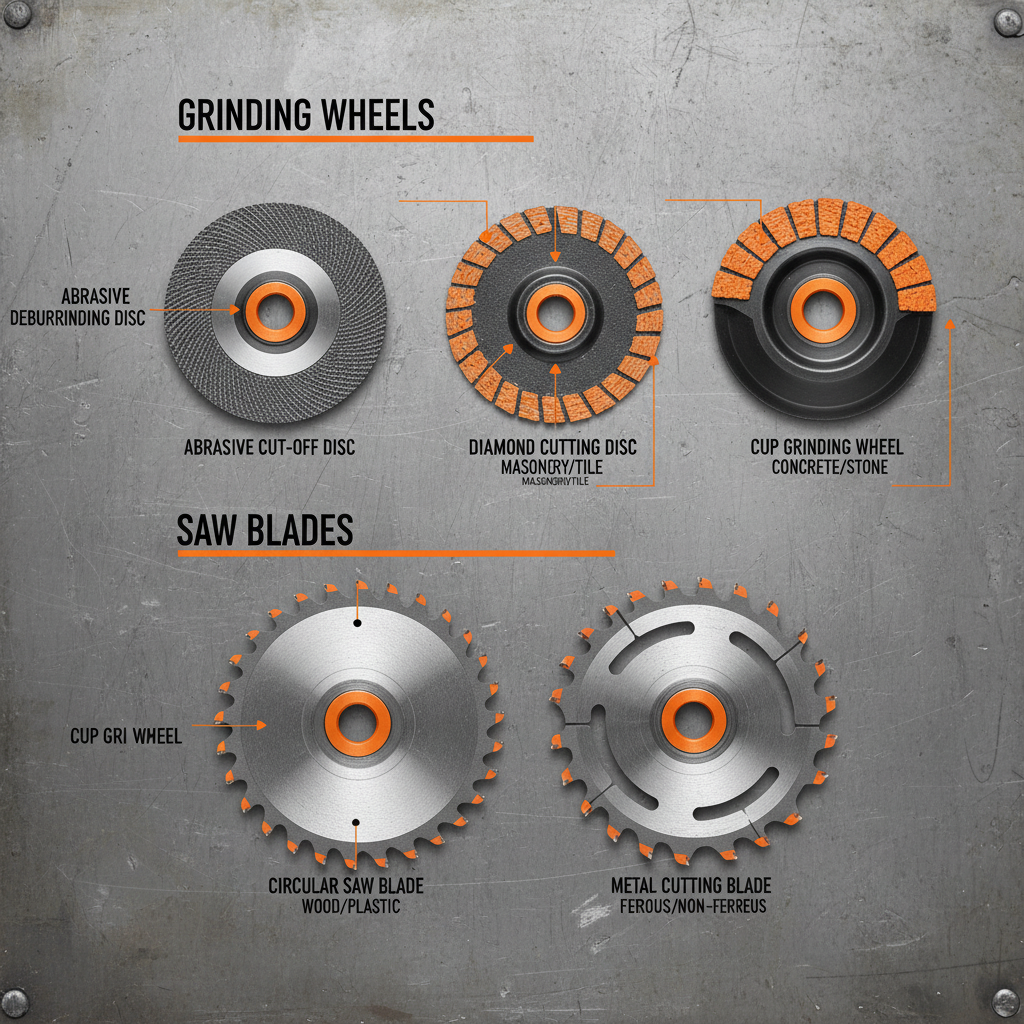
In high-volume production, the integration of Multi Purpose Cutting Discs can streamline inventory, potentially lowering the average grinder cutting wheel price by reducing the need to stock ten different specialized discs. This scalability allows shops to maintain a lean supply chain while ensuring that performance remains consistent across various metal types.
Comparison of Cost-Performance Ratios by Disc Type
Industrial Use Cases and Regional Pricing
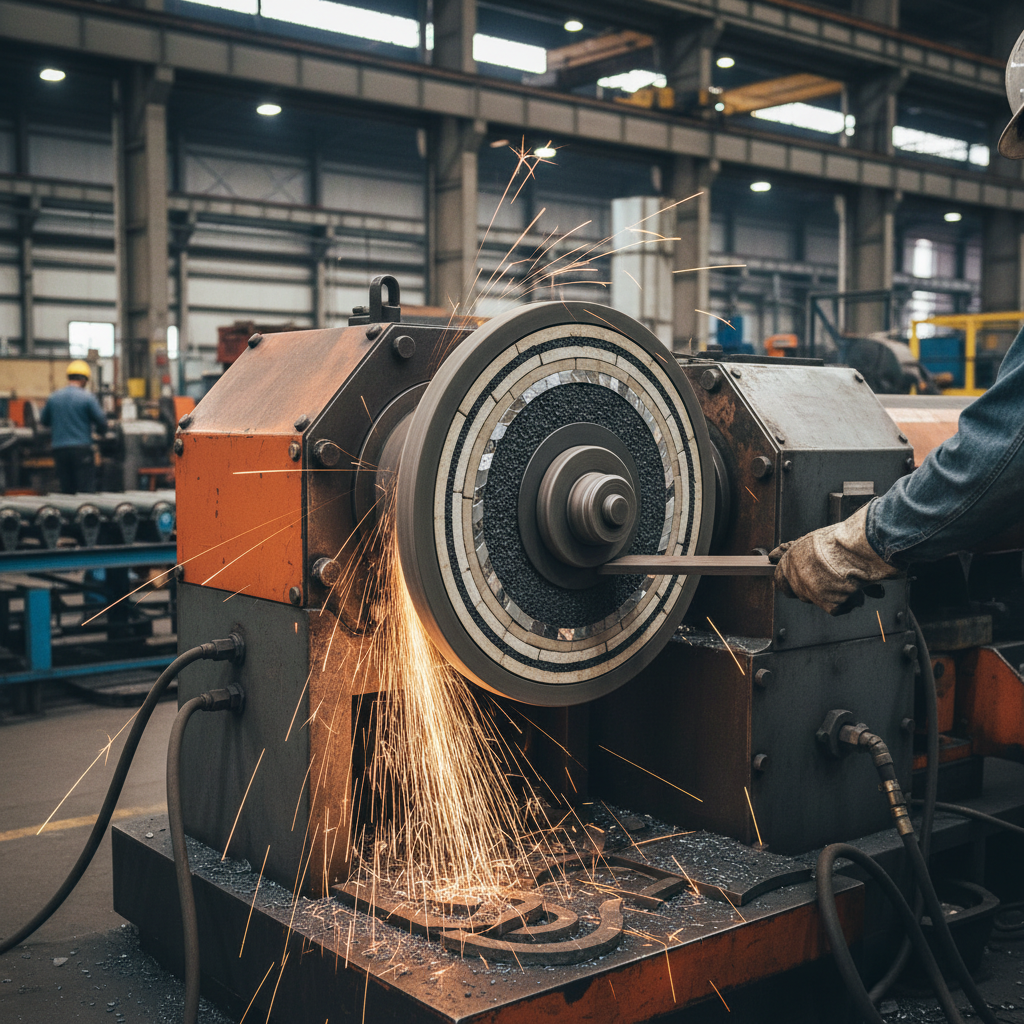
In heavy industrial zones, such as shipbuilding hubs in East Asia or automotive plants in Germany, the grinder cutting wheel price is often negotiated via bulk annual contracts. In these contexts, the focus is on consistency. A slight variation in the disc's hardness can throw off the timing of an automated cutting arm, meaning that price stability and quality consistency are valued over the lowest possible cost.
Conversely, in remote construction sites or post-disaster relief operations where infrastructure is being rebuilt rapidly, the availability of a versatile "Stone Cutting Disc" or "Metal Cutting Disc" is more critical than the precise grinder cutting wheel price. In these scenarios, logistics and delivery speed often add a premium to the cost, as the downtime caused by a lack of consumables is far more expensive than the wheel itself.
Long-Term Value and Safety ROI
Investing in a higher-tier grinder cutting wheel price is fundamentally an investment in safety and dignity for the worker. High-quality discs vibrate less, reducing the risk of Hand-Arm Vibration Syndrome (HAVS) over years of professional use. When a company prioritizes premium tools, it signals a commitment to employee welfare, which in turn increases retention and productivity.
From a logical financial angle, the reliability of premium wheels reduces the "failure rate" in the workshop. A shattered disc not only stops production but can cause thousands of dollars in equipment damage or medical expenses. Thus, the perceived "premium" in the grinder cutting wheel price is actually a form of insurance against operational catastrophe.
Sustainability is also becoming a factor in long-term value. Wheels that last longer result in less industrial waste entering landfills. By choosing a disc with a superior cost-to-wear ratio, companies can lower their environmental footprint while maintaining their margins, proving that the right grinder cutting wheel price aligns with both profit and planet.
Future Trends in Abrasive Material Costs
The future of the grinder cutting wheel price will be shaped by the advent of "smart abrasives" and nano-crystalline grains. These materials allow for even thinner discs that maintain extreme rigidity, potentially increasing the cost per unit but drastically reducing the cost per cut. Automation and AI-driven precision grinding are also optimizing the manufacturing process of the wheels themselves, which may stabilize prices despite rising raw material costs.
Green energy transitions are also impacting the supply chain. As manufacturers shift to carbon-neutral smelting for aluminum oxide, we may see a "green premium" integrated into the grinder cutting wheel price. However, this is often offset by government incentives and the growing demand from corporate clients who require sustainable procurement certificates for their supply chains.
Ultimately, digital transformation will allow buyers to track the wear-and-tear of their discs in real-time via IoT-enabled grinders. This data will allow workshops to optimize their grinder cutting wheel price by switching to the exact grade of abrasive needed for a specific job, eliminating the waste associated with using "over-specced" tools for simple tasks.
Comparison of Abrasive Wheel Specifications and Price-to-Value Ratios
| Wheel Material |
Primary Application |
Price Segment |
Durability Score (1-10) |
| Aluminum Oxide |
General Metal Cutting |
Budget |
4 |
| Zirconia Alumina |
Heavy Steel Fabrication |
Mid-Range |
7 |
| Ceramic Grain |
Hardened Alloys/Inox |
Premium |
9 |
| Silicon Carbide |
Stone & Masonry |
Mid-Range |
6 |
| Cubic Boron Nitride |
Precision Tooling |
Ultra-Premium |
10 |
| Diamond Impregnated |
Concrete/Glass |
Premium |
8 |
FAQS
The variance in grinder cutting wheel price usually stems from the purity of the abrasive grain and the quality of the fiberglass reinforcement. Premium brands invest more in heat-treating the bond and testing each batch for centrifugal strength, which reduces the risk of the disc bursting during use. While budget options may look identical, they often wear down faster and pose a higher safety risk.
Not always, but there is a correlation. Most reputable "budget" wheels still meet basic ISO standards. However, extremely low grinder cutting wheel price points often indicate a reduction in the number of reinforcing layers or the use of inferior resins. Always check for safety certifications like EN 12413 or ANSI B7.1 regardless of the price.
To find the true value beyond the grinder cutting wheel price, divide the cost of one disc by the total number of cuts it completes before wearing down to the flange. For example, if a $2 disc makes 20 cuts ($0.10/cut) and a $5 disc makes 100 cuts ($0.05/cut), the more expensive wheel is actually 50% cheaper to operate.
Yes. High-end discs are designed with a more "open" grain structure that prevents loading and reduces heat buildup. This allows the operator to maintain a consistent pressure without slowing down to let the metal cool, effectively lowering the operational cost despite a higher initial grinder cutting wheel price.
For small to medium shops, yes. Multi-purpose discs reduce the need to stock separate wheels for wood, plastic, and metal, lowering your total inventory investment. However, for high-volume specialized work (like solely cutting stainless steel), a dedicated wheel will always be more cost-effective than a multi-purpose one.
Bulk purchasing significantly lowers the unit grinder cutting wheel price due to reduced shipping costs and wholesale discounting. Small businesses can often join "buying groups" or procure through industrial distributors to access these tiered pricing levels without needing to store thousands of units on-site.
Conclusion
Ultimately, the grinder cutting wheel price is not a static figure but a reflection of material science, safety engineering, and operational efficiency. By shifting the focus from the initial purchase price to the total cost per cut, businesses can unlock significant savings while simultaneously enhancing the safety of their workforce. The balance between abrasive quality, bond strength, and reinforcement ensures that the tool performs reliably under the most demanding industrial conditions.
As we move toward a future of sustainable manufacturing and smart tooling, the value proposition of high-performance abrasives will only grow. We recommend that procurement managers conduct a trial of different grain types to find the "sweet spot" where durability meets affordability. To explore our full range of high-efficiency cutting and grinding solutions, visit our website: www.cutoffdiscs.com