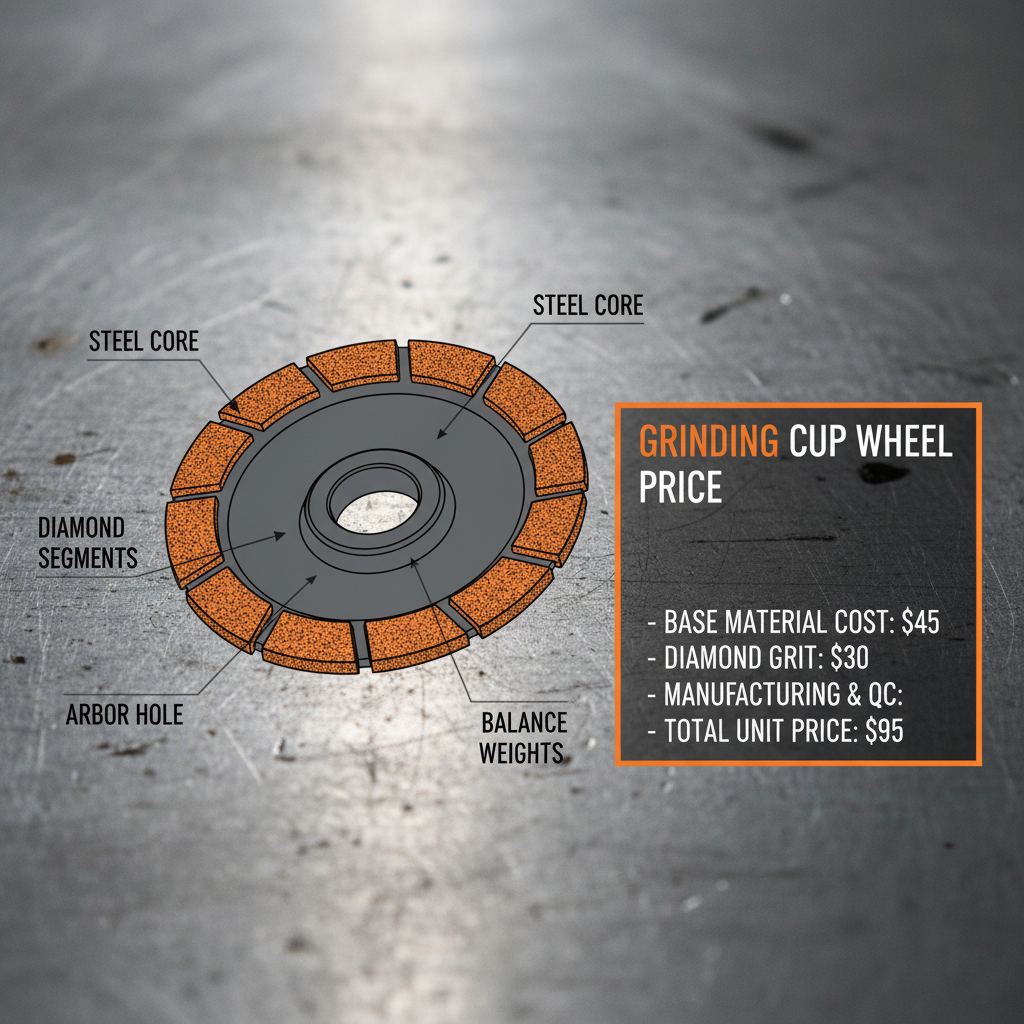
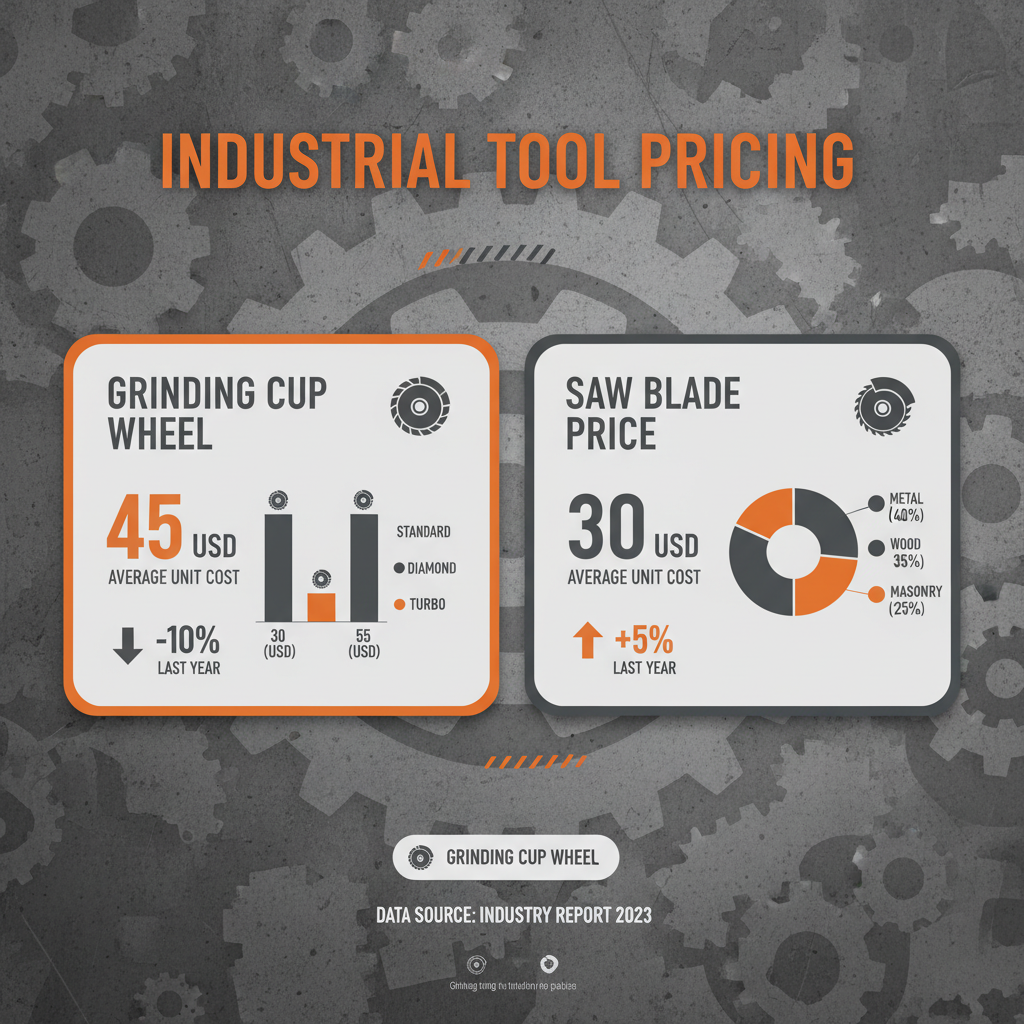
When evaluating the operational costs of a metalworking facility, the grinding cup wheel price often emerges as a critical variable in calculating the total cost of ownership. While the initial procurement cost is a primary concern, the true value lies in the intersection of abrasive longevity, material removal rates, and the safety standards maintained during heavy-duty surfacing tasks.
Globally, the demand for high-performance abrasives is driven by the expansion of the automotive and aerospace sectors, where precision and surface integrity are non-negotiable. Understanding the fluctuations in the grinding cup wheel price allows procurement managers to balance their budgets without compromising the structural integrity of their finished components or the safety of their operators.
Ultimately, navigating the pricing landscape of industrial abrasives requires a shift from looking at the "price per unit" to "price per square inch of material removed." By focusing on the efficiency and durability of the wheel, businesses can optimize their production timelines and significantly reduce the overhead associated with frequent tool replacements.
Global Market Dynamics of Grinding Cup Wheel Price
The global market for industrial abrasives is characterized by a complex interplay of raw material availability—such as aluminum oxide and silicon carbide—and the energy costs associated with high-temperature sintering. Consequently, the grinding cup wheel price is rarely static; it reflects broader economic trends including shipping logistics and the cost of reinforced bonding agents used to ensure operator safety.
In accordance with ISO quality standards, manufacturers are increasingly investing in automated production lines to reduce human error and waste. While these capital expenditures can lead to a temporary rise in the wholesale grinding cup wheel price, they result in a more consistent product that reduces the cost of scrap and rework in downstream manufacturing processes.
Defining Value in Abrasive Tooling Costs
When we discuss the grinding cup wheel price, we are not merely talking about a transaction for a physical tool, but rather an investment in a specific rate of material removal. A "cheap" wheel that wears down in ten minutes is exponentially more expensive than a premium wheel that lasts for two hours, as the latter reduces downtime and labor costs associated with tool changes.
In modern industry, the value of a cup wheel is defined by its "G-ratio"—the volume of material removed divided by the volume of the wheel worn away. A higher G-ratio directly correlates to a more efficient expenditure, meaning that a slightly higher initial grinding cup wheel price often translates to a lower overall cost per part.
Furthermore, the connection between price and safety cannot be overstated. Low-cost, uncertified wheels may lack the reinforced fiber webbing required to prevent catastrophic failure at high RPMs. Therefore, investing in a reputable grinding cup wheel price includes a built-in insurance policy for workplace safety and compliance with OSHA or EU safety directives.
Key Factors Influencing Grinding Cup Wheel Price
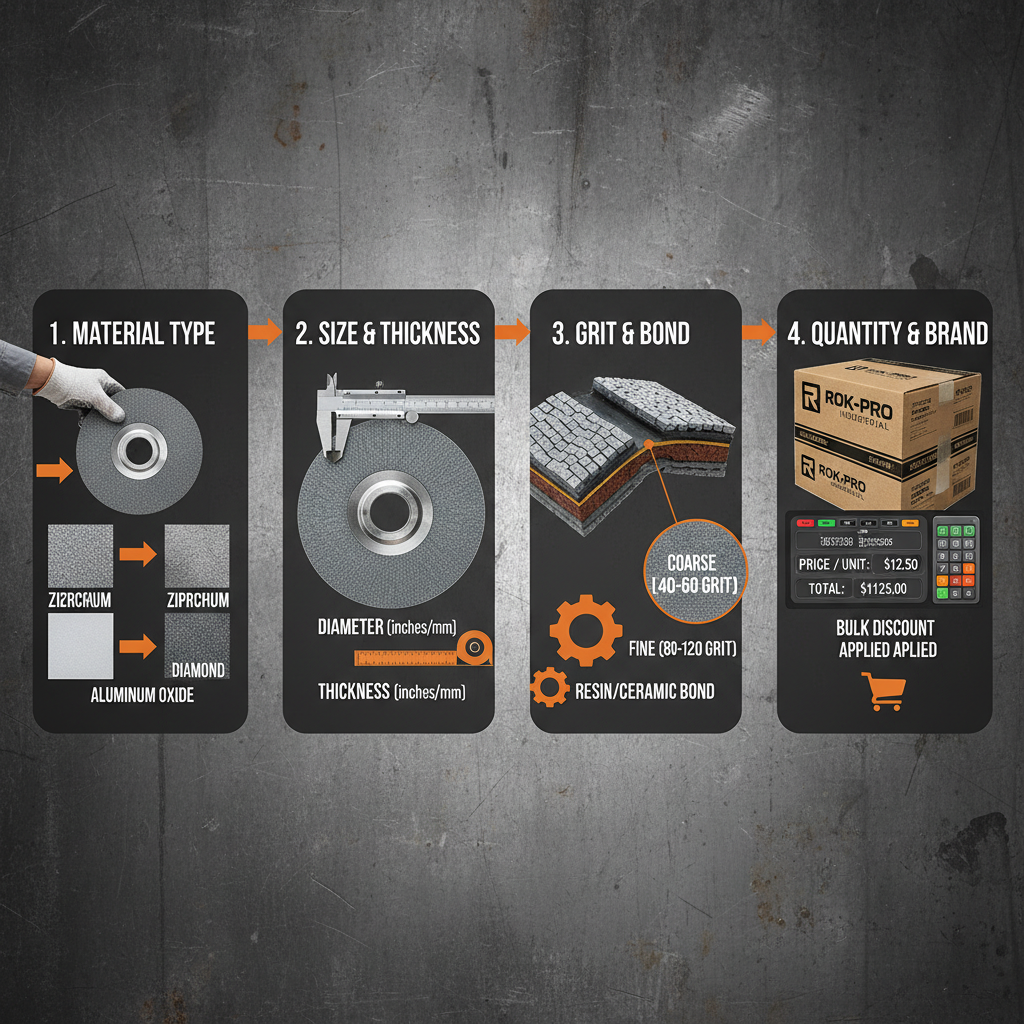
One of the primary drivers of the grinding cup wheel price is the grade of abrasive grain used. Zirconia alumina, for instance, offers significantly higher toughness than standard aluminum oxide, making it ideal for stainless steel. This material superiority naturally increases the cost but prevents the "glazing" effect, ensuring the tool remains productive throughout its lifecycle.
The bond system—whether vitrified, resinoid, or ceramic—also plays a pivotal role in the grinding cup wheel price. Resin bonds offer more flexibility and a smoother finish, while vitrified bonds provide extreme rigidity for heavy stock removal. The complexity of the chemical formulation and the precision of the curing process are reflected in the final market cost.
Lastly, the precision of the wheel's balance and concentricity affects the grinding cup wheel price. A precision-balanced wheel reduces vibration, which not only extends the life of the angle grinder's motor but also prevents operator fatigue and repetitive strain injuries, adding indirect financial value to the purchase.
Comparative Analysis of Pricing Models
Analyzing the grinding cup wheel price requires a comparison between different abrasive technologies. For example, ceramic grains provide a "self-sharpening" mechanism that maintains a high cut rate, whereas traditional grains dull over time. While the ceramic option carries a higher upfront cost, the reduction in man-hours per project often makes it the more economical choice for large-scale industrial operations.
To better visualize how different quality tiers impact the overall budget, we look at the performance-to-price ratio. The goal is to find the "sweet spot" where the cost of the tool is balanced against the productivity gain, ensuring that the grinding cup wheel price does not become a bottleneck for production speed.
Efficiency vs. Initial Grinding Cup Wheel Price
Industrial Applications and Cost Distribution
In heavy fabrication shops, the grinding cup wheel price is often a consolidated line item under "consumables." In these environments, wheels are used for weld dressing and beveling. The cost is distributed across thousands of linear feet of weld, meaning that a 10% increase in the grinding cup wheel price is negligible if the wheel lasts 20% longer.
Conversely, in specialized aerospace tooling, where the surface finish must be mirror-perfect, the focus shifts from bulk removal to precision. Here, the grinding cup wheel price is justified by the reduction in subsequent polishing stages, essentially merging two operational steps into one and lowering the overall manufacturing cycle time.
Long-term Economic Advantages of Premium Wheels
Adopting a premium strategy for your abrasive procurement can lead to significant long-term savings. While the initial invoice might show a higher grinding cup wheel price, the reduction in "tool-change downtime" allows operators to remain focused on the workpiece. In a high-volume plant, saving five minutes per hour across twenty operators results in hundreds of additional productive hours per month.
Additionally, high-quality wheels generate less heat due to better grain friability. This prevents "blueing" or thermal damage to the metal, which is a common and costly failure in stainless steel fabrication. By avoiding these defects, the cost associated with the grinding cup wheel price is offset by a drastic reduction in the scrap rate.
Finally, the reliability of premium wheels enhances worker morale and safety. Knowing that the tool will not shatter or "glaze over" allows for more confident and efficient work, fostering a culture of quality and professionalism within the workshop.
Future Innovations and Price Forecasts
The future of the grinding cup wheel price will be shaped by the integration of nanotechnology and synthetic diamond growth. As lab-grown abrasives become more affordable, we expect a shift toward hybrid wheels that combine the bulk removal of zirconia with the precision of micro-crystalline structures, potentially lowering the cost-per-cut significantly.
Digital transformation is also impacting the industry. Smart-manufacturing systems can now track the wear of a wheel in real-time, allowing for "just-in-time" replacement. This prevents the waste of replacing a wheel too early and the risk of using one too late, effectively optimizing the grinding cup wheel price across the entire production lifecycle.
Sustainability is another key driver. The move toward "green" bonding agents that reduce VOC emissions during manufacture is becoming a regulatory requirement. While these eco-friendly shifts may initially push the grinding cup wheel price upward, they protect companies from environmental fines and appeal to the growing market of "green" industrial procurement.
Comparative Analysis of Abrasive Technologies and Price Impact
| Abrasive Material |
Price Tier |
Lifespan Rating (1-10) |
Cost-Efficiency |
| Aluminum Oxide |
Low |
4 |
Moderate |
| Zirconia Alumina |
Medium |
7 |
High |
| Ceramic Alumina |
High |
9 |
Very High |
| Silicon Carbide |
Medium |
6 |
Moderate |
| Diamond Hybrid |
Premium |
10 |
Specialized |
| Composite Resin |
Low-Medium |
5 |
Low |
FAQS
The variation is primarily due to the quality of the abrasive grains and the bond technology used. Premium brands invest in higher-grade ceramic grains and precision balancing, which increases the cost but results in a much longer tool life and safer operation compared to generic, budget-friendly alternatives.
Not always, but generally yes. While a high price indicates better materials, the "best" wheel depends on the workpiece. For example, a very expensive diamond wheel would be overkill (and inefficient) for soft steel; however, for hard alloys, a higher-priced specialized wheel is the only way to achieve an acceptable cut rate.
Calculate the "Cost per Unit of Material Removed." Divide the grinding cup wheel price by the total volume of metal removed before the wheel is worn out. This reveals that expensive wheels often have a lower actual cost because they remove significantly more material per unit than cheap wheels.
Yes, most industrial suppliers offer tiered pricing. Bulk purchasing reduces the per-unit cost through shipping efficiencies and manufacturer discounts. However, ensure that your storage conditions are dry to prevent resin degradation, which could negate the savings by ruining the tools.
Initially, the grinding cup wheel price for eco-friendly options may be higher due to the cost of developing non-toxic bonding agents. However, as these become industry standards, the price gap is closing, and the long-term savings in regulatory compliance and waste disposal make them more attractive.
Price typically increases with diameter, but not linearly. Larger wheels require more raw materials and more intensive balancing processes to prevent dangerous vibrations at high speeds, which adds a premium to the manufacturing cost compared to smaller discs.
Conclusion
Understanding the nuances of the grinding cup wheel price is essential for any industrial operation seeking to balance quality, safety, and cost. By shifting the perspective from initial procurement costs to the overall efficiency and lifespan of the tool, businesses can realize significant savings in labor, reduce scrap rates, and ensure a safer working environment for their personnel.
As the industry moves toward smarter, more sustainable abrasive technologies, the value proposition of high-performance wheels will only grow. We recommend that procurement managers conduct a trial comparison of different material grades to determine the optimal cost-to-performance ratio for their specific applications. To explore our full range of high-performance abrasives and get a competitive quote, visit our website: www.cutoffdiscs.com