Understanding the cutting wheel 7 inch price is essential for industrial procurement managers and workshop owners who seek to balance operational costs with high-performance cutting capabilities. In the competitive landscape of metal fabrication, the cost of a consumable tool isn't just about the sticker price, but about the cost-per-cut and the overall efficiency it brings to the production line.
Globally, the demand for high-quality abrasive tools has surged as infrastructure projects expand across Asia and North America. When analyzing the cutting wheel 7 inch price, professionals must consider the materials being cut—ranging from stainless steel to carbon steel—as the abrasive grain and bonding agent significantly influence both the initial investment and the tool's lifespan.
By optimizing the selection process based on a deep understanding of pricing structures and technical specifications, businesses can reduce waste and improve safety. A well-chosen 7-inch cutting wheel ensures a cleaner cut, minimizes heat-affected zones, and prevents premature disc failure, ultimately making the cutting wheel 7 inch price a strategic variable in total cost of ownership (TCO) calculations.
Global Market Dynamics of Cutting Wheel 7 Inch Price
The global market for abrasive cutting wheels is influenced by raw material fluctuations, particularly the cost of aluminum oxide and silicon carbide. The cutting wheel 7 inch price often reflects these shifts, as well as logistics costs and regional tariffs. In accordance with ISO standards for abrasive products, the quality consistency of these wheels is paramount, ensuring that a lower price point does not compromise the structural integrity of the disc during high-RPM operations.
Furthermore, the shift toward "Just-in-Time" manufacturing has forced suppliers to optimize their pricing models. The cutting wheel 7 inch price is now often tiered based on volume, where large-scale automotive or shipbuilding firms secure significant discounts compared to smaller fabrication shops. This dynamic creates a competitive environment where manufacturers must innovate in resin bonding to maintain margins while keeping costs accessible.
Technical Determinants of Cutting Wheel 7 Inch Price
The primary driver of the cutting wheel 7 inch price is the grade of the abrasive grain used. High-purity alumina grains provide superior hardness and longevity, which increases the initial cost but lowers the cost per cut. In contrast, budget-friendly wheels may use lower-grade materials that wear down faster, requiring more frequent replacements and increasing downtime.
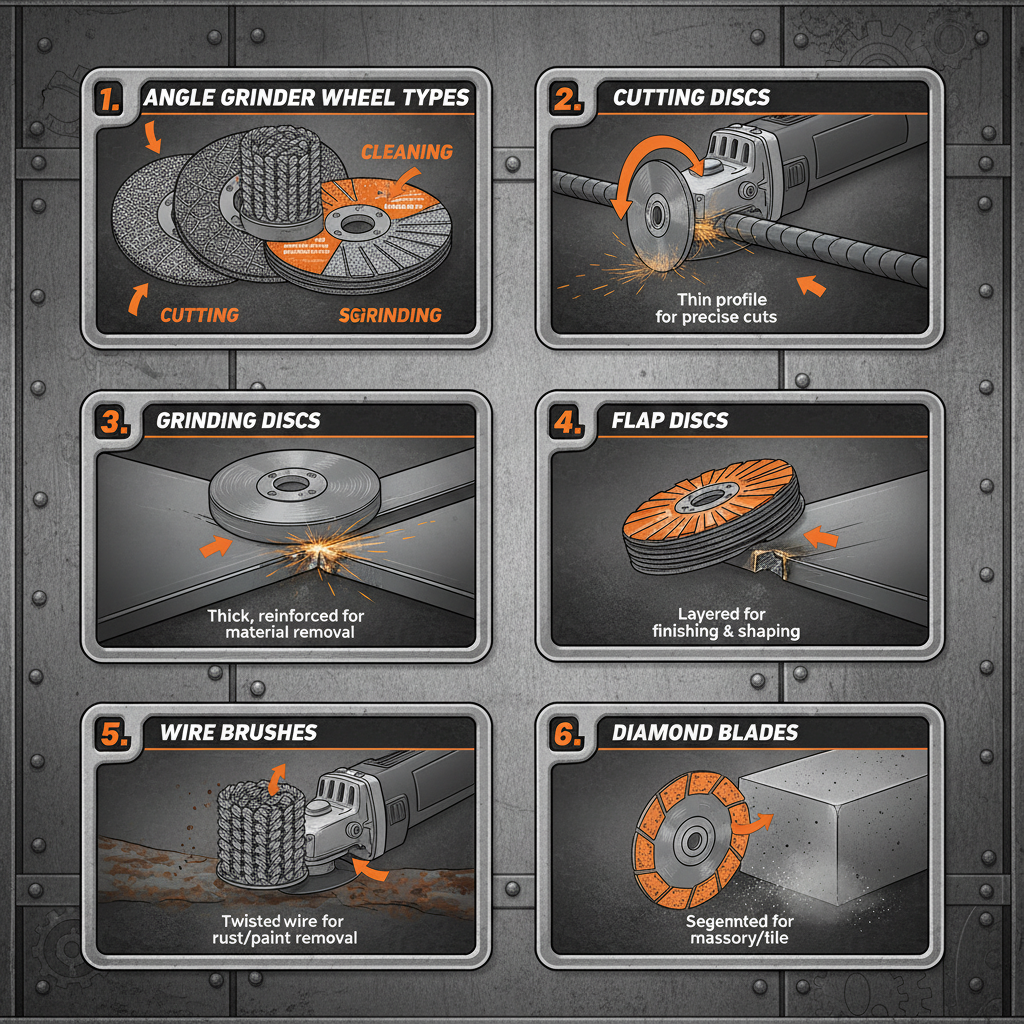
Bonding agents also play a critical role. Resin-bonded wheels are the industry standard for metal cutting due to their flexibility and safety, but the quality of the resin determines how well the wheel resists heat. A premium cutting wheel 7 inch price often includes reinforced fiberglass mesh layers that prevent the disc from shattering, a vital safety feature that justifies a higher price bracket.
Finally, the thickness of the disc—whether it's a thin-cut for precision or a thicker disc for heavy-duty stability—impacts the material volume and thus the price. Thinner discs typically offer faster cutting speeds and less material waste, making them highly desirable despite a potentially higher specialized cutting wheel 7 inch price due to the precision engineering required to maintain stability.
Evaluating Value vs. Cutting Wheel 7 Inch Price
When assessing the cutting wheel 7 inch price, it is a common mistake to focus solely on the unit cost. True value is found in the intersection of "Disc Life" and "Cutting Speed." A wheel that costs 20% more but lasts 50% longer effectively reduces the operational expenditure of a project.
To truly understand the cutting wheel 7 inch price, one must calculate the "Material Removal Rate" (MRR). High-performance discs allow for deeper cuts with less effort, reducing operator fatigue and energy consumption, which are hidden costs not captured in the initial purchase price.
Moreover, the compatibility with various materials—such as whether a disc is designed for Stainless Steel (Inox) or general metal—shifts the cutting wheel 7 inch price. Specialized discs that prevent contamination (e.g., iron-free grains for stainless steel) command a premium because they eliminate the need for expensive post-cut cleaning and prevent rust.
Cost Efficiency Analysis for Industrial Applications
In industrial settings, the efficiency of a tool is measured by its ability to maintain a consistent cut throughout its lifecycle. When comparing the cutting wheel 7 inch price across different brands, the "wear rate" becomes the most critical KPI. A disc that maintains its diameter longer reduces the frequency of tool changes, which is a significant productivity booster.
For high-volume production lines, the integration of automated cutting systems requires wheels with extremely tight tolerances. This precision engineering leads to a more specialized cutting wheel 7 inch price, as the manufacturing process for the discs themselves must be more stringent to avoid vibration and ensure a perfect perpendicular cut.
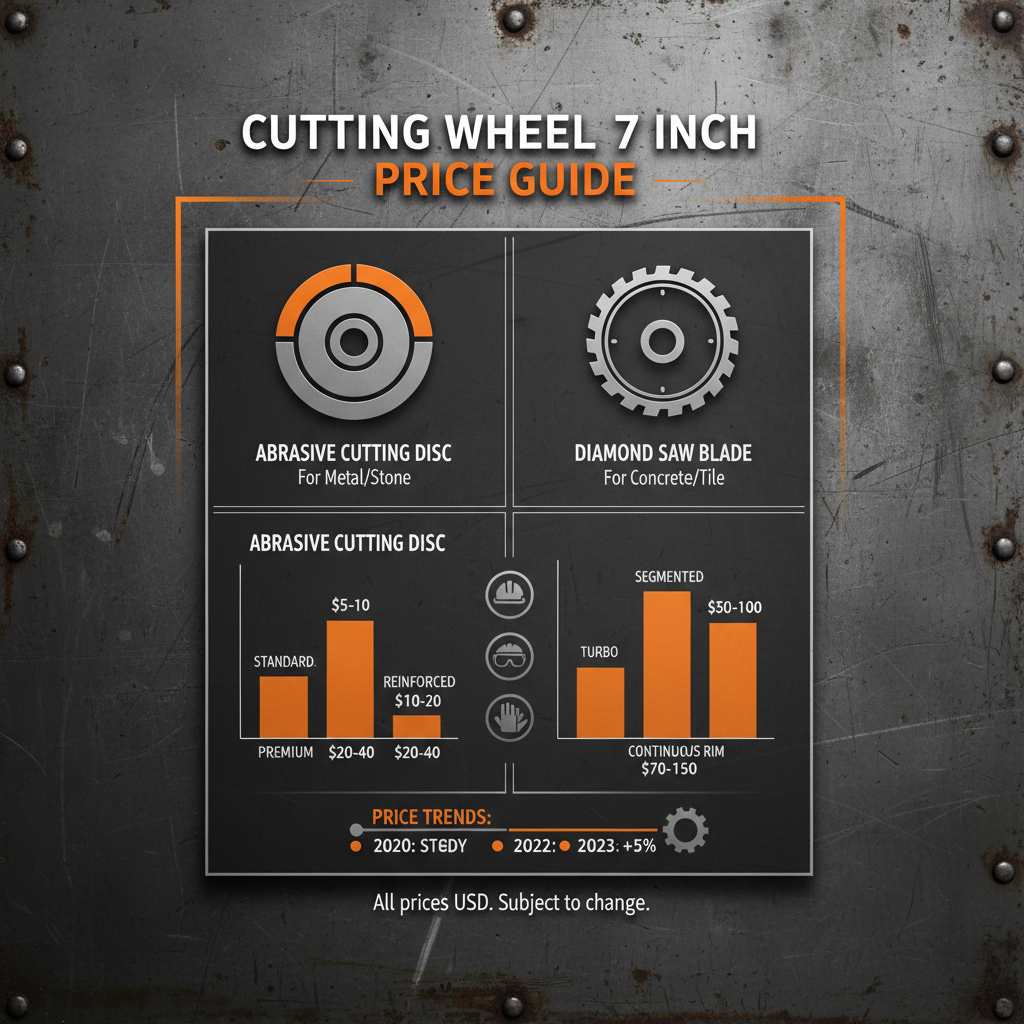
Operational Value Analysis: Cutting Wheel 7 Inch Price Tiers
Global Applications and Procurement Strategies
From the construction sites of Dubai to the automotive plants in Germany, the cutting wheel 7 inch price varies based on regional availability and supply chain robustness. In remote industrial zones, the price may be inflated due to shipping, making it vital for companies to buy in bulk to mitigate these overheads.
Procurement experts often employ a "Mix-and-Match" strategy. For rough cutting tasks where precision is secondary, they opt for a lower cutting wheel 7 inch price. However, for finishing cuts or work on high-value alloys, they invest in premium discs to ensure the final product meets quality standards and avoid costly rework.
Long-term Value and Safety Reliability
The correlation between a premium cutting wheel 7 inch price and operator safety cannot be overstated. Cheaply made discs are more prone to "bursting" under pressure or heat, which can lead to catastrophic workplace injuries. Investing in certified, high-quality wheels is essentially an investment in risk management.
Furthermore, high-quality discs provide a more stable cutting experience, reducing the vibration transmitted to the operator's hands. Over time, this prevents long-term health issues such as Hand-Arm Vibration Syndrome (HAVS), adding a humanitarian and health-related value to the slightly higher cutting wheel 7 inch price.
From a sustainability perspective, durable wheels generate less waste. While a cheaper disc might be attractive initially, the volume of discarded abrasive material from multiple low-quality wheels far exceeds that of a single high-end disc, making the professional cutting wheel 7 inch price the greener choice for the eco-conscious enterprise.
Future Innovations Influencing Cutting Wheel 7 Inch Price
The industry is currently seeing a transition toward ceramic-grain abrasives and diamond-hybrid technologies. These materials significantly increase the cutting speed and longevity, which will likely shift the average cutting wheel 7 inch price upward in the short term, while drastically lowering the total cost of operation over the long term.
Digital transformation is also hitting the abrasive sector. "Smart" cutting wheels with embedded wear-indicators are being developed to tell operators exactly when a disc needs replacement. This prevents the waste of usable material and ensures that the cutting wheel 7 inch price is maximized by using every millimeter of the abrasive.
Additionally, the push for "Green Abrasives" is leading to the development of biodegradable bonding agents. As environmental regulations tighten, the cutting wheel 7 inch price will reflect the cost of these sustainable materials, aligning industrial growth with global ecological goals.
Comparative Analysis of Cutting Wheel 7 Inch Price by Application
| Material Application |
Price Bracket |
Lifespan Score (1-10) |
Efficiency Rating |
| Mild Steel |
Low to Medium |
6 |
Standard |
| Stainless Steel (Inox) |
Medium to High |
8 |
High (No Contamination) |
| Cast Iron |
Medium |
7 |
Moderate |
| Hardened Alloy |
High |
9 |
Premium Performance |
| Aluminum |
Low |
5 |
Fast / High Wear |
| Multi-Purpose Metal |
Medium |
7 |
Versatile |
FAQS
The price variance is primarily driven by the quality of the abrasive grain (e.g., synthetic alumina vs. natural), the density of the resin bond, and the safety reinforcements. Premium brands invest more in quality control and safety testing to ensure the disc doesn't shatter at high speeds, which is reflected in a higher price point compared to generic alternatives.
Yes, it can be. Extremely low-cost wheels may lack sufficient fiberglass reinforcement or use unstable bonding agents. This increases the risk of the disc bursting during use. It is always recommended to check for ISO or EN certifications regardless of the price to ensure the tool meets international safety standards.
Focus on the "cost per cut" rather than the "cost per disc." By purchasing a higher-quality wheel with a longer lifespan, you reduce the number of discs used per project. Additionally, buying in bulk directly from manufacturers and ensuring proper tool usage (avoiding side-loading) can significantly lower your total expenditure.
Generally, yes. Ultra-thin discs require more precise manufacturing and higher-grade bonding to remain stable at 7 inches, often leading to a higher price. However, they offer faster cuts and less material waste, which often offsets the initial cost through increased production speed.
Absolutely. Standard wheels contain iron and sulfur, which can contaminate stainless steel and cause it to rust over time. Specialized "Inox" wheels are iron-free. While the cutting wheel 7 inch price for Inox is higher, it saves you from expensive material failures and post-processing costs.
Since abrasive wheels are heavy and fragile, shipping costs can be a significant portion of the final price. Sourcing from a supplier with local distribution centers or optimizing shipment volumes can help reduce the landed cost of your 7-inch cutting wheels.
Conclusion
In summary, the cutting wheel 7 inch price is a multifaceted metric that encompasses material quality, safety standards, and operational efficiency. We have explored how the initial investment in a premium disc pays off through longer lifespans, enhanced operator safety, and superior cut quality, ultimately lowering the total cost of ownership for industrial projects.
Looking forward, the integration of sustainable materials and smart-wear technology will redefine how we perceive value in abrasive tools. We suggest that procurement managers move away from "lowest-bid" sourcing and instead adopt a value-based approach to ensure maximum productivity and safety in the workshop. For high-quality solutions, visit our website: www.cutoffdiscs.com