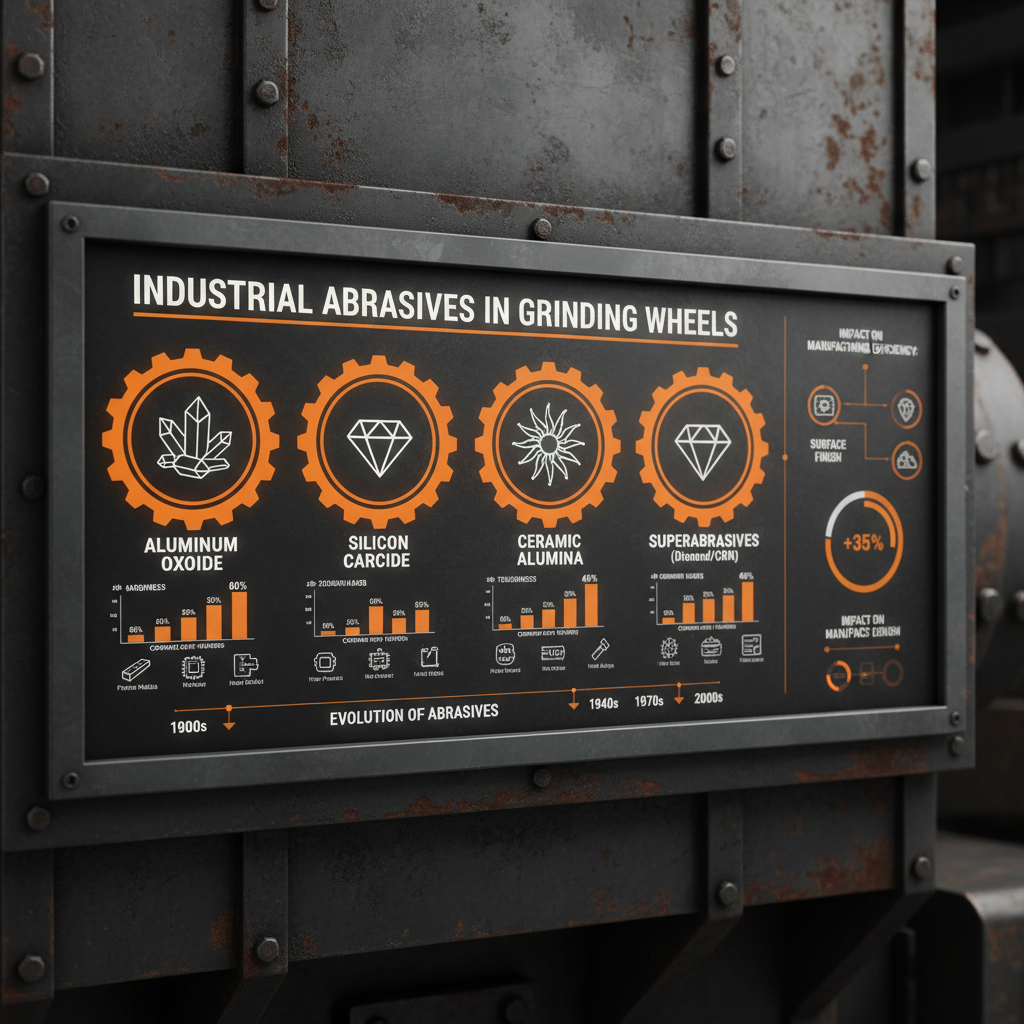
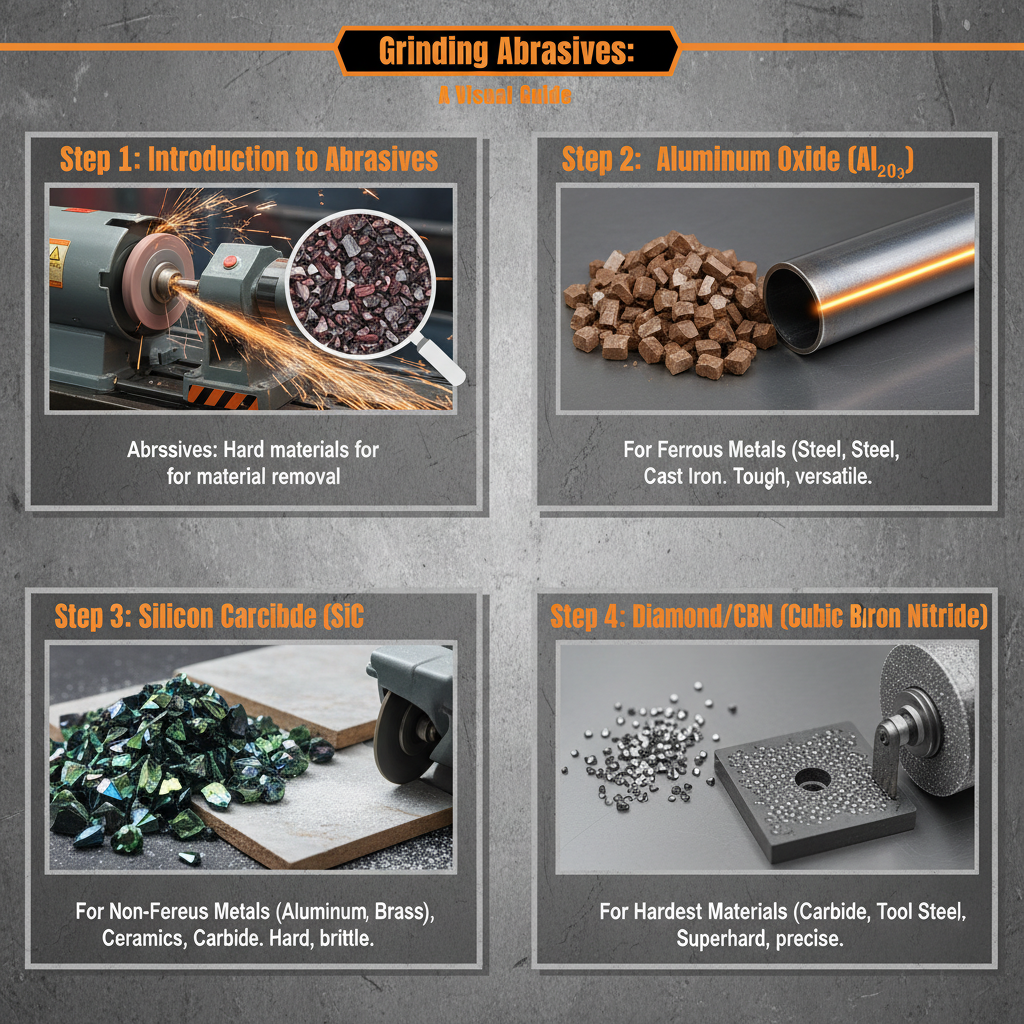
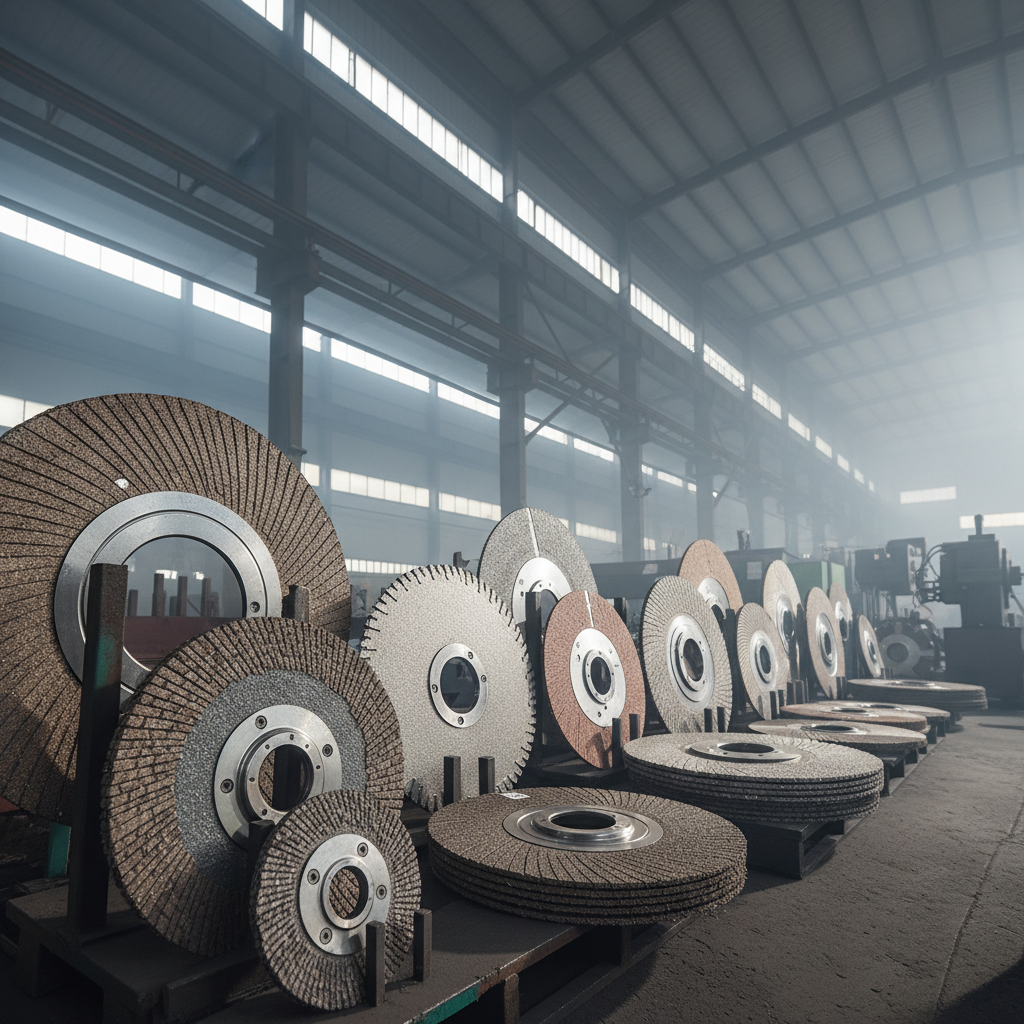
The selection of appropriate abrasives is fundamental to efficient and precise grinding operations across a vast range of industries. Understanding the different types of abrasives used in grinding wheels—from natural materials like diamonds and corundum to synthetic options like aluminum oxide and silicon carbide—is crucial for optimizing performance, ensuring safety, and achieving desired surface finishes. The global manufacturing sector relies heavily on these materials for shaping, deburring, and polishing components, making knowledge of these abrasives a core competency.
The economic impact of efficient grinding wheel technology, driven by the correct abrasive choice, is significant. Industries such as aerospace, automotive, and metal fabrication depend on consistent and reliable grinding processes. According to reports from the World Bank, manufacturing accounts for roughly 16% of global GDP, and precision machining, heavily reliant on grinding, is a critical component of this sector. The challenges lie in balancing cost-effectiveness with performance requirements, prompting continuous innovation in abrasive materials.
Properly selected types of abrasives used in grinding wheels directly impact the quality of finished products, influencing their durability, functionality, and overall value. Beyond industrial applications, abrasive technology also plays a role in materials science research, contributing to the development of new and advanced materials.
Introduction to Types of Abrasives
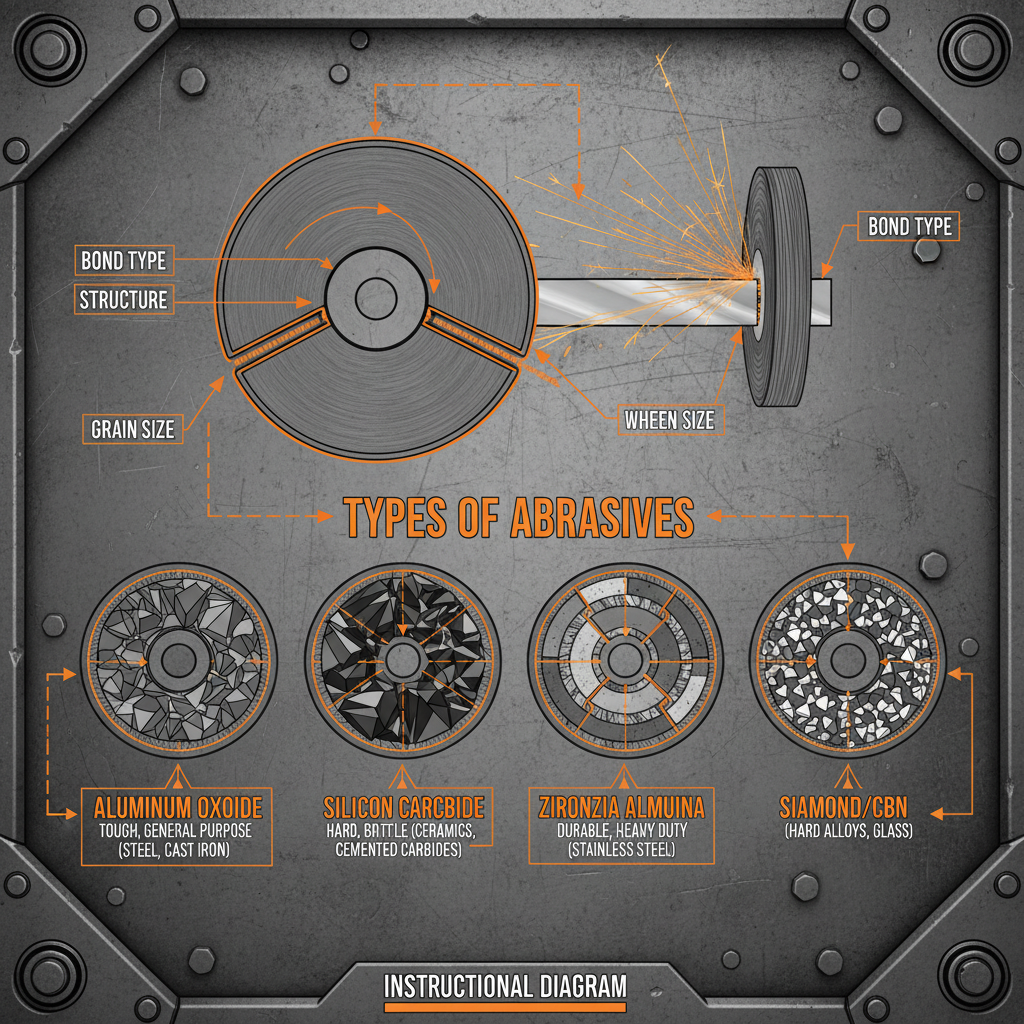
The world of abrasives is surprisingly diverse. Understanding types of abrasives used in grinding wheels involves recognizing the interplay between hardness, toughness, and friability. Different materials excel in specific applications, dictated by the material being ground and the desired outcome. The correct choice dramatically improves productivity.
Abrasives aren't just about removing material; they are about controlling the process. Grain size, bond type, and wheel geometry are all critical considerations in achieving optimal results. Choosing between natural and synthetic abrasives often comes down to a balance between cost, performance, and environmental impact.
Defining Abrasives for Grinding Wheels
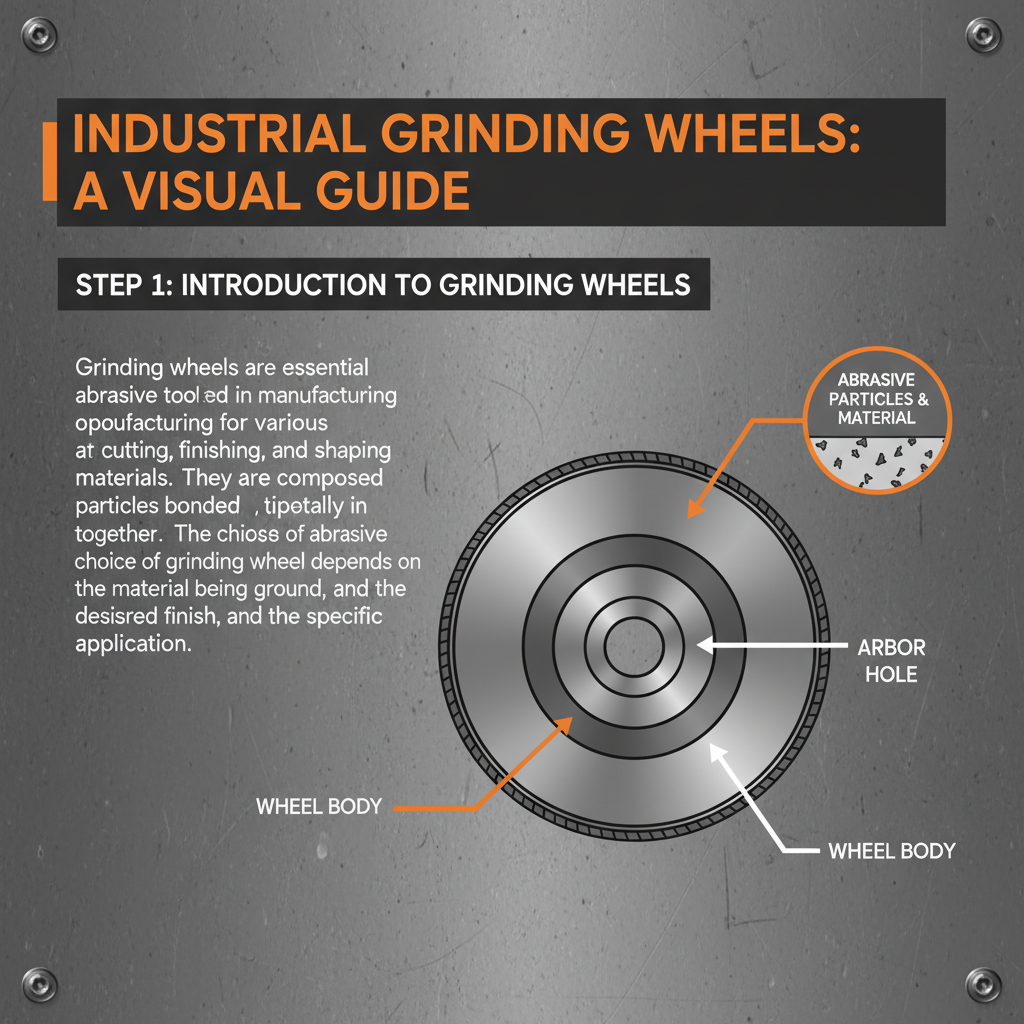
Abrasives, in the context of grinding wheels, are hard particulate materials used for material removal through micro-fracturing and plastic deformation. They are bonded together to form a wheel, which then acts as a cutting tool. The process relies on the abrasive particles creating small chips, leading to a smooth and precise surface finish.
The effectiveness of an abrasive is measured by its ability to cut quickly, maintain its shape, and produce a consistent finish. Different abrasive materials possess varying characteristics that make them suited to particular applications – some excel at cutting hard materials, while others are better suited for softer ones.
This technology isn't confined to manufacturing. From shaping gemstones to preparing metal surfaces for welding, the principles behind types of abrasives used in grinding wheels are applied in a wide array of fields. The ongoing demand for precision and efficiency drives continuous innovation in abrasive materials.
Key Characteristics of Abrasive Materials
Durability is a paramount concern. Abrasives must withstand high temperatures and stresses generated during grinding without fracturing or wearing down prematurely. The lifespan of an abrasive directly impacts the cost-effectiveness of the grinding operation.
Friability refers to the tendency of an abrasive grain to fracture during grinding. A highly friable abrasive creates new cutting edges, leading to faster material removal rates, but also shorter abrasive life. Conversely, a tough abrasive wears down more slowly, providing longer life, but potentially slower cutting speeds.
Hardness is a crucial factor, indicating the abrasive’s resistance to deformation. The Mohs hardness scale is commonly used to compare the relative hardness of different abrasives. Higher hardness generally translates to the ability to grind harder materials.
Performance Metrics of Abrasives
Evaluating the performance of types of abrasives used in grinding wheels requires considering several key metrics. Material removal rate (MRR) indicates the volume of material removed per unit time, a crucial factor in production efficiency.
Wheel life, or the time a grinding wheel can be used before requiring re-dressing or replacement, is another important metric. Longer wheel life translates to lower operating costs. Surface finish quality, measured by parameters like roughness average (Ra), is also critical, especially in applications requiring tight tolerances.
Comparative Performance of Abrasive Types
Applications Across Industries
The aerospace industry relies heavily on precise grinding operations for manufacturing turbine blades and other critical components, often utilizing diamond abrasives due to their exceptional hardness and ability to machine exotic alloys.
In the automotive sector, types of abrasives used in grinding wheels are essential for finishing engine parts, camshafts, and crankshafts, with aluminum oxide and silicon carbide being commonly employed.
Benefits and Economic Impact
The selection of the right abrasive directly impacts production costs. Faster cutting speeds and longer wheel life translate to reduced cycle times and lower material expenses. Using the correct types of abrasives used in grinding wheels contributes to minimizing defects, reducing scrap rates, and improving overall product quality.
Furthermore, advancements in abrasive technology contribute to safer working environments by reducing the need for manual re-dressing and minimizing dust generation. Improved surface finishes can also enhance product performance and extend the lifespan of components, providing long-term economic benefits.
The overall economic impact is substantial. Investments in optimized abrasive technology yield returns through increased productivity, reduced waste, and improved product quality, reinforcing a competitive edge in global markets.
Future Trends in Abrasive Technology
Research into nano-abrasives and superabrasives is gaining momentum, promising significantly improved cutting performance and surface finishes. These materials, possessing exceptionally small grain sizes, offer the potential for ultra-precision grinding.
The development of self-sharpening abrasives is also a key area of innovation. These abrasives maintain their cutting efficiency over time by automatically generating new cutting edges, extending wheel life and reducing downtime.
Sustainability is driving a shift towards eco-friendly abrasive materials and manufacturing processes. This includes the development of abrasives from recycled materials and the adoption of more energy-efficient grinding techniques.
Summary of Abrasive Properties and Applications
| Abrasive Type |
Hardness (Mohs Scale) |
Typical Applications |
Cost (Relative) |
| Aluminum Oxide |
9 |
Steel, cast iron, non-ferrous metals |
Low |
| Silicon Carbide |
9.5 |
Hard metals, ceramics, glass |
Medium |
| Diamond |
10 |
Hard alloys, ceramics, gemstones |
High |
| Cubic Boron Nitride (CBN) |
10 |
Hardened steel, superalloys |
Very High |
| Ceramic Abrasives |
9-9.5 |
High-speed steel, aerospace alloys |
Medium-High |
| Natural Corundum |
9 |
Tool sharpening, general purpose grinding |
Low-Medium |
FAQS
Selecting the right abrasive depends on the material’s hardness, toughness, and the desired surface finish. Harder materials generally require harder abrasives like diamond or CBN. Softer materials can be effectively ground with aluminum oxide or silicon carbide. Consider the material removal rate, wheel life, and cost when making your decision.
Grain size significantly impacts the grinding process. Coarser grains provide faster material removal but produce a rougher surface finish. Finer grains create a smoother finish but remove material more slowly. The appropriate grain size depends on the desired balance between speed and finish quality.
The bond holds the abrasive grains together and influences the wheel’s performance. Different bond types—vitrified, resinoid, rubber, and metal—offer varying degrees of hardness, porosity, and flexibility. The bond type must be compatible with the abrasive and the application.
Yes, some abrasive materials and grinding processes generate dust and waste. There’s a growing trend towards using recycled abrasives and adopting more sustainable grinding techniques, such as minimal quantity lubrication (MQL), to reduce environmental impact. Proper dust collection and waste disposal are crucial.
Wheel speed is a crucial parameter. Higher speeds generally lead to faster material removal but can also generate more heat and wear. Lower speeds provide better control and are often preferred for precision grinding. The optimal speed depends on the abrasive, material, and desired finish.
Conventional abrasives (aluminum oxide, silicon carbide) are widely used and cost-effective. Superabrasives (diamond, CBN) are significantly harder and more durable, offering exceptional cutting performance and longer life, but they are also more expensive. Superabrasives are typically used for grinding very hard or abrasive materials.
Conclusion
Understanding the nuances of types of abrasives used in grinding wheels is critical for optimizing manufacturing processes, ensuring product quality, and driving innovation. From the selection of the appropriate abrasive material to the consideration of grain size, bond type, and wheel speed, each factor plays a vital role in achieving desired results. The ongoing development of new abrasive technologies promises even greater efficiency, precision, and sustainability in the future.
Investing in training and knowledge sharing related to abrasive technology is essential for maximizing the benefits. By staying abreast of the latest advancements and adopting best practices, industries can unlock new levels of performance and competitiveness. To learn more about selecting the right abrasives for your specific needs, visit our website: www.cutoffdiscs.com