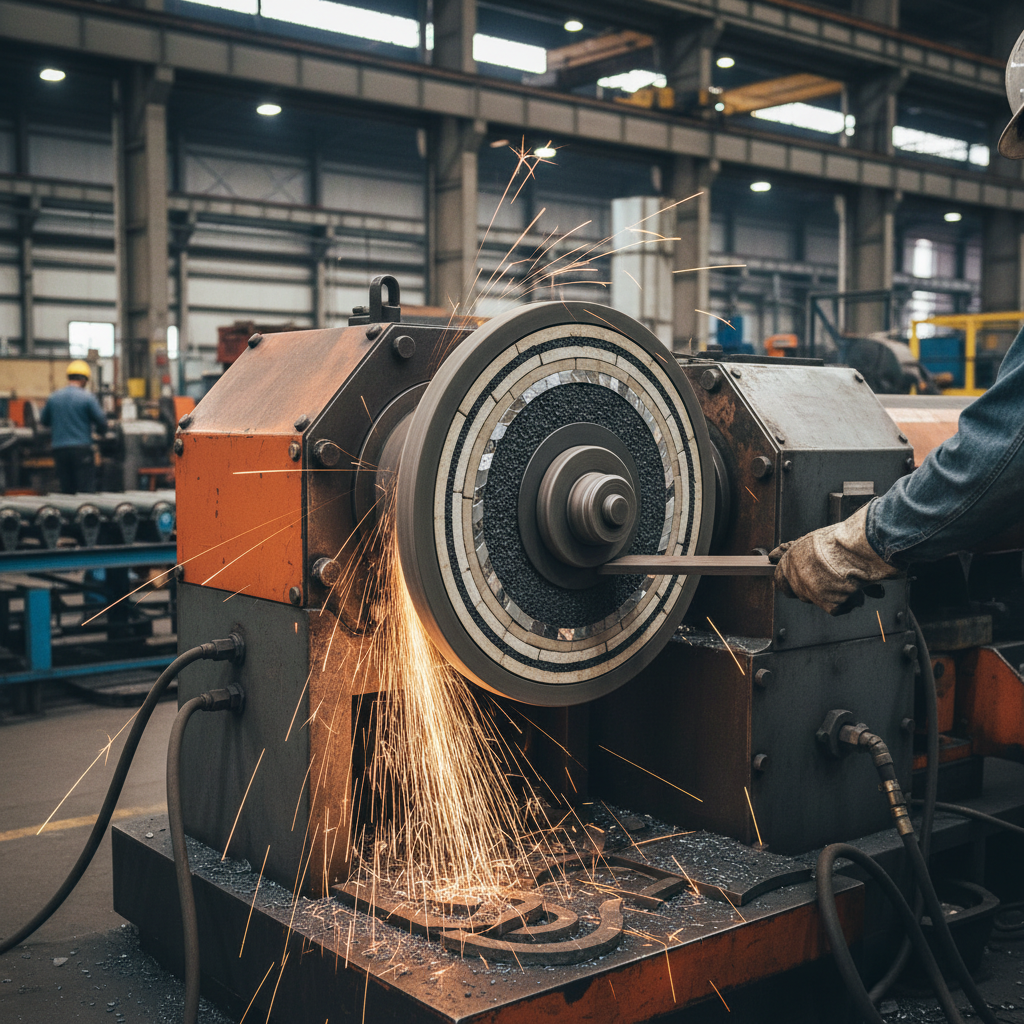
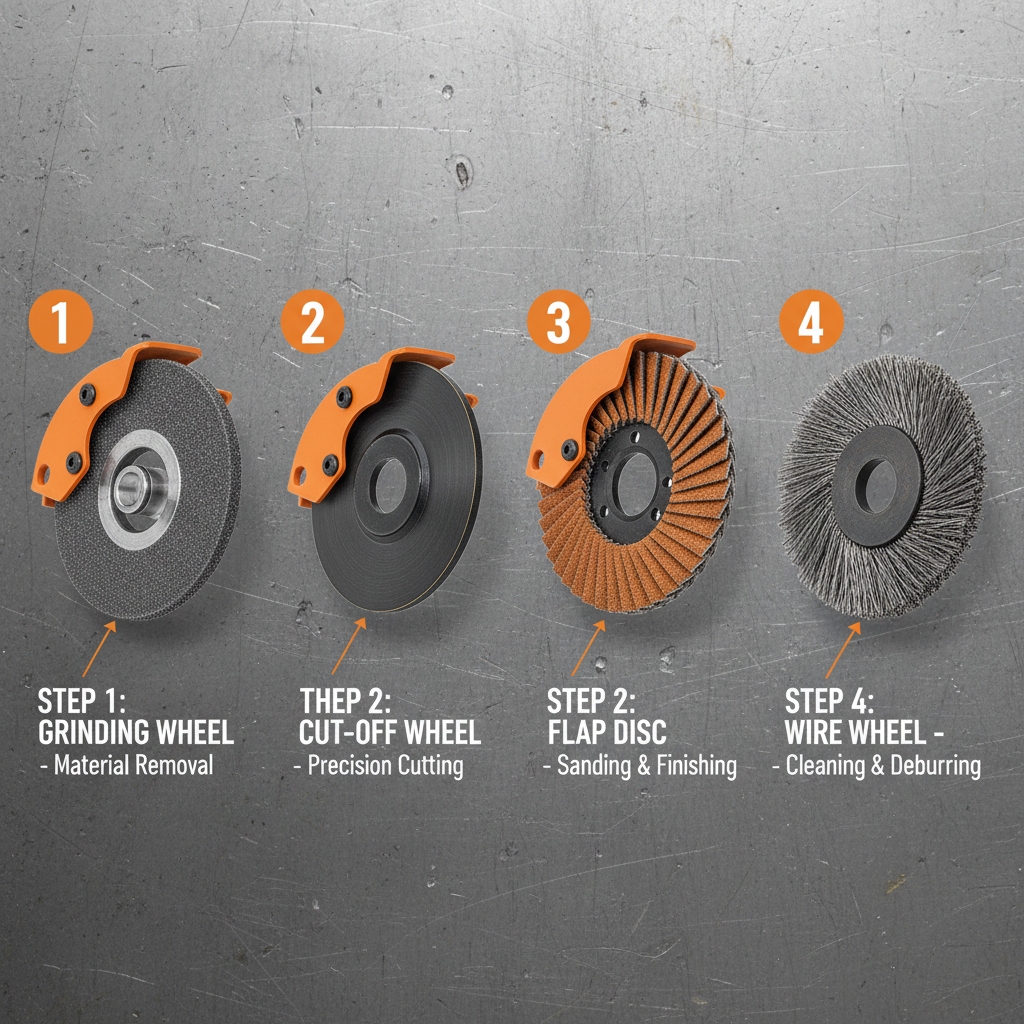
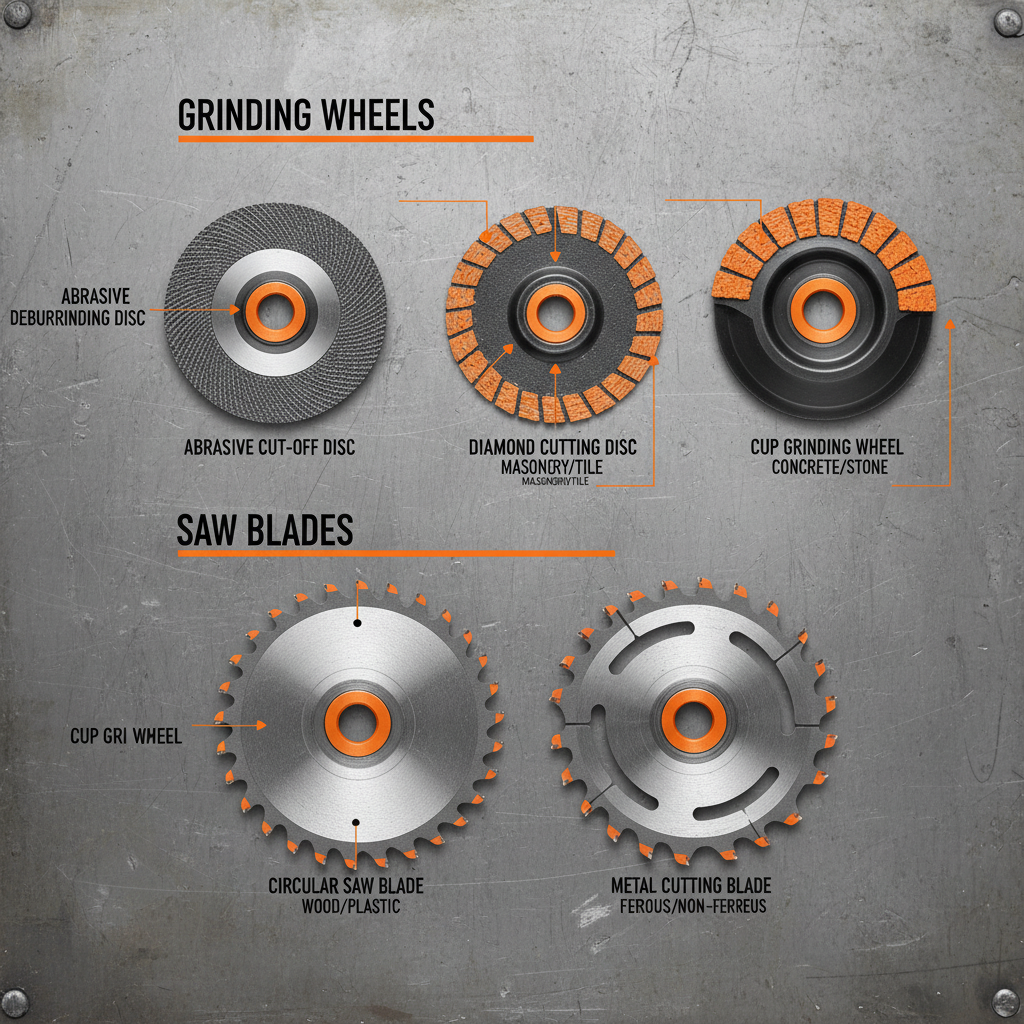
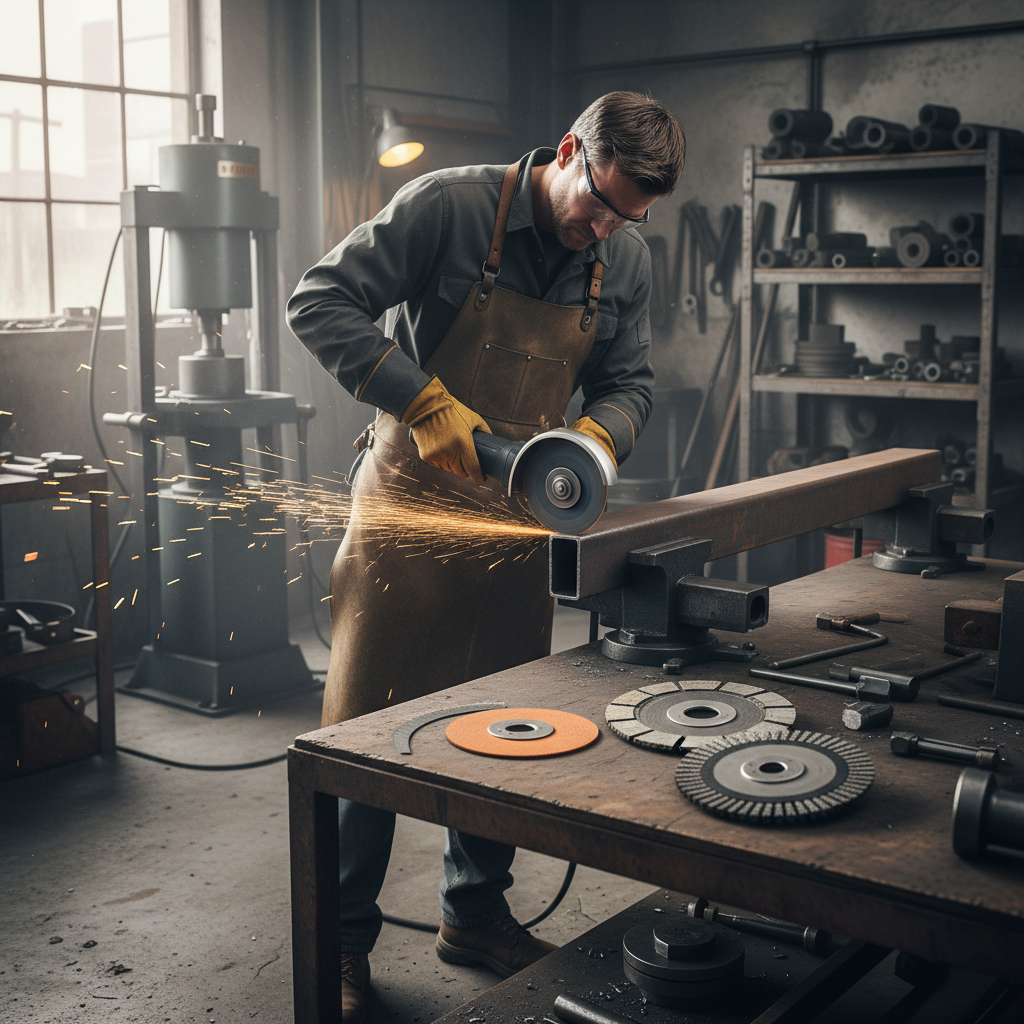
The selection of appropriate abrasives is central to effective grinding wheel performance, impacting material removal rates, surface finish, and overall operational efficiency. Different types of abrasives in grinding wheel are engineered for specific applications, ranging from high-speed material removal in roughing operations to precise finishing in delicate workpieces. Understanding these variations is crucial for optimizing grinding processes across diverse industries, including aerospace, automotive, and manufacturing.
Globally, the demand for high-performance abrasives is driven by increasing manufacturing output and the continuous pursuit of enhanced product quality. The UN Industrial Development Organization (UNIDO) highlights the importance of precision manufacturing in achieving sustainable industrial growth, and abrasives play a key role in this. Effective abrasive selection directly addresses challenges related to tool wear, workpiece accuracy, and the reduction of material waste.
The development and refinement of abrasive materials are essential for maintaining competitiveness in modern industrial landscapes. Choosing the correct abrasive maximizes productivity and minimizes costs, making it a fundamental aspect of efficient manufacturing processes.
The Importance of Abrasive Selection
Selecting the right abrasive for a grinding wheel isn't just about achieving material removal; it’s about optimizing the entire process for efficiency and quality. Different materials respond best to different abrasives, impacting everything from surface finish to wheel life. A well-chosen abrasive can significantly reduce grinding forces, minimize heat generation, and improve dimensional accuracy.
Consider, for example, the differences between grinding hardened steel versus aluminum. Hardened steel demands a highly abrasive material like silicon carbide or diamond, while aluminum often benefits from a softer abrasive like aluminum oxide, preventing excessive loading and ensuring a consistent cut. types of abrasives in grinding wheel are therefore critically tied to the material being processed.
Defining Types of Abrasives in Grinding Wheel
Types of abrasives in grinding wheel refer to the materials used to cut or abrade a workpiece during grinding operations. These abrasives are typically hard, brittle, and come in various forms, including grains, segments, and bonded wheels. They are chosen based on factors like hardness, toughness, friability, and the material being ground. The abrasives are bound together by a matrix, often ceramic, resin, rubber, or metal.
The connection to modern industry stems from the need for precise and efficient material removal. Abrasives are integral to manufacturing processes in aerospace, automotive, medical device production, and countless other sectors, where achieving tight tolerances and smooth surface finishes is paramount. The quality of the abrasive directly influences product reliability and performance.
Furthermore, understanding different abrasive types allows for tailored grinding solutions that address specific challenges, such as minimizing thermal damage to sensitive materials or achieving a desired surface roughness.
Key Properties of Grinding Wheel Abrasives
Several key properties define the performance of types of abrasives in grinding wheel. Hardness dictates the abrasive's resistance to wear and its ability to cut through tough materials. Friability refers to how easily the abrasive fractures, influencing its cutting rate and self-sharpening characteristics. Toughness describes the abrasive's resistance to fracturing under impact.
Beyond these core properties, grit size, which determines the abrasive particles' dimensions, significantly affects surface finish. Coarser grits provide faster material removal but leave a rougher surface, while finer grits yield smoother finishes but at a slower rate. The bond type holding the abrasive grains together also plays a crucial role, influencing wheel strength, heat dissipation, and the abrasive's release rate.
These properties aren't isolated; they interact. For example, a highly friable abrasive might wear quickly but maintain a sharp cutting edge, while a tough abrasive might last longer but require more force to cut.
Durability and Hardness Considerations
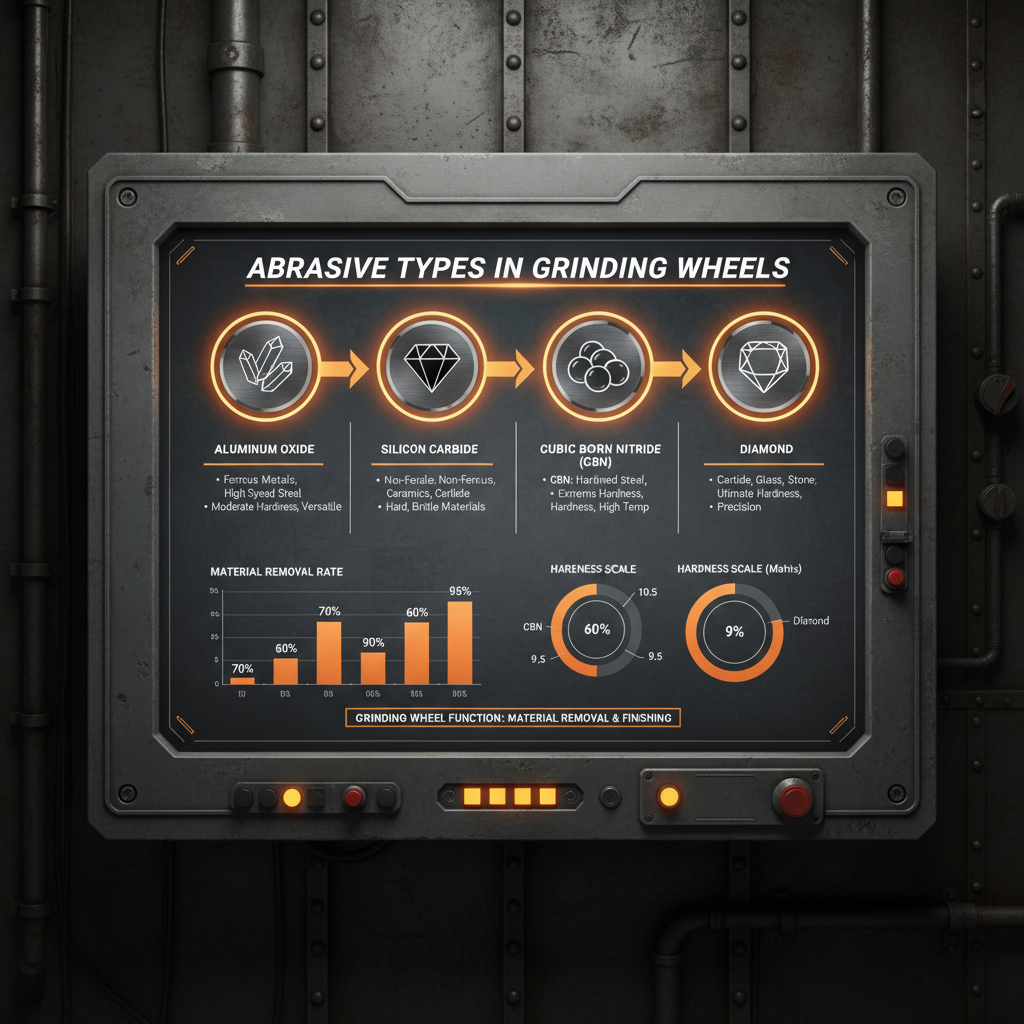
Durability in types of abrasives in grinding wheel translates to extended wheel life and reduced operating costs. Harder abrasives, like diamond and cubic boron nitride (CBN), excel in grinding extremely hard materials like hardened steel, tool steels, and ceramics. Their resistance to wear allows them to maintain their cutting ability for longer periods, albeit at a higher initial cost.
However, hardness isn’t always the best approach. For softer materials like aluminum or brass, a less durable but more friable abrasive, such as aluminum oxide, can be more effective. The friable nature prevents the abrasive from embedding with the softer material, avoiding "loading" and maintaining a consistent cutting action.
Abrasive Hardness Comparison
Applications Across Industries
The application of types of abrasives in grinding wheel is incredibly diverse. In the aerospace industry, diamond grinding wheels are crucial for machining nickel-based superalloys used in jet engines, requiring exceptional precision and surface finish. The automotive sector utilizes a range of abrasives – from aluminum oxide for deburring to silicon carbide for sharpening tools.
Medical device manufacturing relies heavily on abrasive technology for creating intricate components with stringent tolerances and biocompatible surfaces. In tool and die making, CBN wheels are preferred for their ability to efficiently grind hardened tool steels. Even in construction, abrasives are used for sharpening cutting tools and preparing surfaces for coating.
Benefits and Long-Term Value
Investing in the correct types of abrasives in grinding wheel translates to tangible benefits. Cost savings are realized through extended wheel life, reduced downtime, and improved material utilization. Enhanced surface finishes lead to higher product quality, reducing rejection rates and improving customer satisfaction.
Beyond the economic advantages, choosing appropriate abrasives enhances workplace safety by minimizing grinding forces and reducing the risk of wheel breakage. The consistent performance of high-quality abrasives fosters trust and reliability in manufacturing processes, building a strong foundation for innovation and continuous improvement.
Future Trends in Abrasive Technology
Future trends in abrasive technology are focused on developing more efficient, sustainable, and environmentally friendly solutions. Research is underway to create nano-abrasives with enhanced cutting performance and reduced material waste. The integration of artificial intelligence (AI) and machine learning is also emerging, enabling adaptive grinding processes that optimize abrasive wear and surface finish in real-time.
Furthermore, there's a growing emphasis on utilizing recycled abrasive materials and developing biodegradable bonding agents to minimize the environmental impact of grinding operations. Automation and robotics are increasingly being incorporated to improve process control and reduce operator fatigue.
The exploration of new abrasive materials, such as monocrystalline diamond and advanced ceramics, promises to further revolutionize grinding technology, enabling the machining of even harder and more challenging materials.
Summary of Abrasive Performance Characteristics
| Abrasive Type |
Hardness (1-10) |
Typical Application |
Cost (Low/Medium/High) |
| Diamond |
10 |
Grinding carbides, ceramics, and hardened steels |
High |
| CBN |
9 |
Grinding hardened steels and superalloys |
High |
| Silicon Carbide |
7 |
Grinding cast iron, non-ferrous metals, and ceramics |
Medium |
| Aluminum Oxide |
6 |
Grinding mild steel, aluminum, and wood |
Low |
| Zirconia Alumina |
5 |
Aggressive stock removal on steel and alloys |
Medium |
| Ceramic |
8 |
High-speed grinding of various materials |
Medium |
FAQS
Aluminum oxide is generally softer and more friable than silicon carbide. This makes it ideal for grinding softer materials like aluminum, steel, and wood, preventing loading and producing a finer finish. Silicon carbide, being harder, is better suited for tougher materials like cast iron, glass, and non-ferrous metals, offering faster cutting rates.
Grit size dictates the size of the abrasive particles. Coarser grits (lower numbers) remove material quickly but leave a rougher surface. Finer grits (higher numbers) provide a smoother finish but cut at a slower rate. The optimal grit size depends on the material, desired surface finish, and the grinding application.
Diamond grinding wheels offer exceptional hardness and wear resistance, making them ideal for grinding extremely hard materials like ceramics, carbides, and hardened steels. They provide a superior surface finish, long wheel life, and can maintain their cutting ability even at high temperatures. However, they are typically more expensive than other abrasive types.
The bonding material (e.g., resin, ceramic, metal) holds the abrasive grains together and affects wheel strength, heat dissipation, and abrasive release rate. Resin bonds are flexible and good for high-speed applications, while ceramic bonds are more rigid and suitable for heavy-duty grinding. The bond's hardness influences how quickly the abrasive wears and exposes fresh cutting edges.
Wheel loading occurs when the grinding wheel becomes clogged with workpiece material, reducing its cutting efficiency. It can be prevented by using appropriate abrasives for the material being ground, selecting a wheel with sufficient porosity, and employing coolant to flush away swarf. Proper wheel dressing is also critical for maintaining cutting performance.
Yes, there is a growing trend towards sustainable abrasive solutions. This includes using recycled abrasive materials, developing biodegradable bonding agents, and reducing abrasive waste through optimized grinding processes. Manufacturers are also exploring alternatives to traditional abrasives with lower environmental impacts.
Conclusion
Understanding the diverse types of abrasives in grinding wheel and their properties is paramount for optimizing grinding operations across various industries. From the hardness and friability of the abrasive grain to the binding material and grit size, each element plays a critical role in achieving desired results—whether it’s precise surface finishes, rapid material removal, or extended tool life. Strategic abrasive selection directly translates to improved efficiency, reduced costs, and enhanced product quality.
As technology advances, we can expect continued innovation in abrasive materials and grinding processes. Embracing these developments – including nano-abrasives, AI-powered optimization, and sustainable practices – will be crucial for maintaining competitiveness and addressing the evolving demands of modern manufacturing. For further information on selecting the right abrasives for your specific needs, visit our website: www.cutoffdiscs.com.