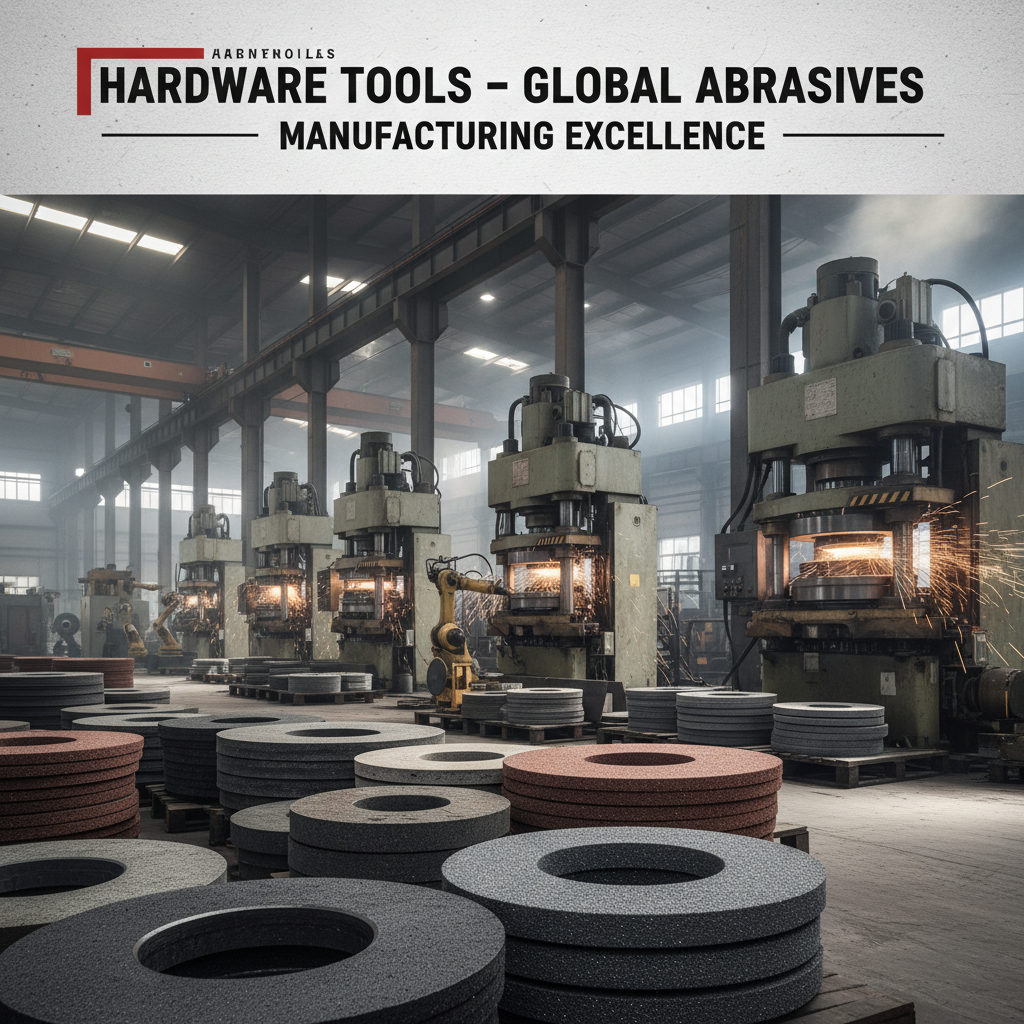
Different types of grinder discs are essential tools across a vast spectrum of industries, from construction and metalworking to automotive repair and even artistic endeavors. Their ability to efficiently and precisely cut, grind, and polish materials makes them indispensable for countless applications. Understanding the nuances of these discs – their composition, intended use, and safety considerations – is paramount for professionals and DIY enthusiasts alike. This knowledge not only impacts project quality but, crucially, also safeguards operators from potential hazards.
The global market for abrasive products, including grinder discs, is substantial and continues to grow, driven by infrastructure development, manufacturing expansion, and increased demand for precision engineering. According to recent market research, the abrasive products industry is projected to reach [Insert relevant statistic here, e.g., $XX billion by 20XX]. This growth underscores the importance of innovation and specialization within the field, leading to a diverse array of different types of grinder discs tailored to specific materials and tasks.
The effective selection and usage of different types of grinder discs directly addresses challenges related to material processing efficiency, workplace safety, and operational costs. Incorrect disc selection can lead to premature wear, reduced cutting speeds, increased risk of material damage, and, most importantly, potential worker injury. Therefore, a comprehensive understanding of these tools is fundamental to modern industry and responsible craftsmanship.
The Significance of Understanding Different Types of Grinder Discs
The diverse landscape of materials – from hardened steel and brittle concrete to delicate ceramics and composites – necessitates a correspondingly diverse range of cutting and grinding solutions. Simply put, a single "one-size-fits-all" grinder disc cannot effectively and safely handle every task. Proper disc selection optimizes performance, minimizes waste, and dramatically reduces the risk of kickback or disc breakage.
Furthermore, understanding the properties of different types of grinder discs is critical for ensuring worker safety. Choosing the wrong disc for an application can lead to catastrophic failures, resulting in severe injuries. Adhering to recommended safety protocols, including the use of appropriate personal protective equipment (PPE) and selecting discs rated for the intended application, is non-negotiable in any workshop or construction site.
Defining Different Types of Grinder Discs
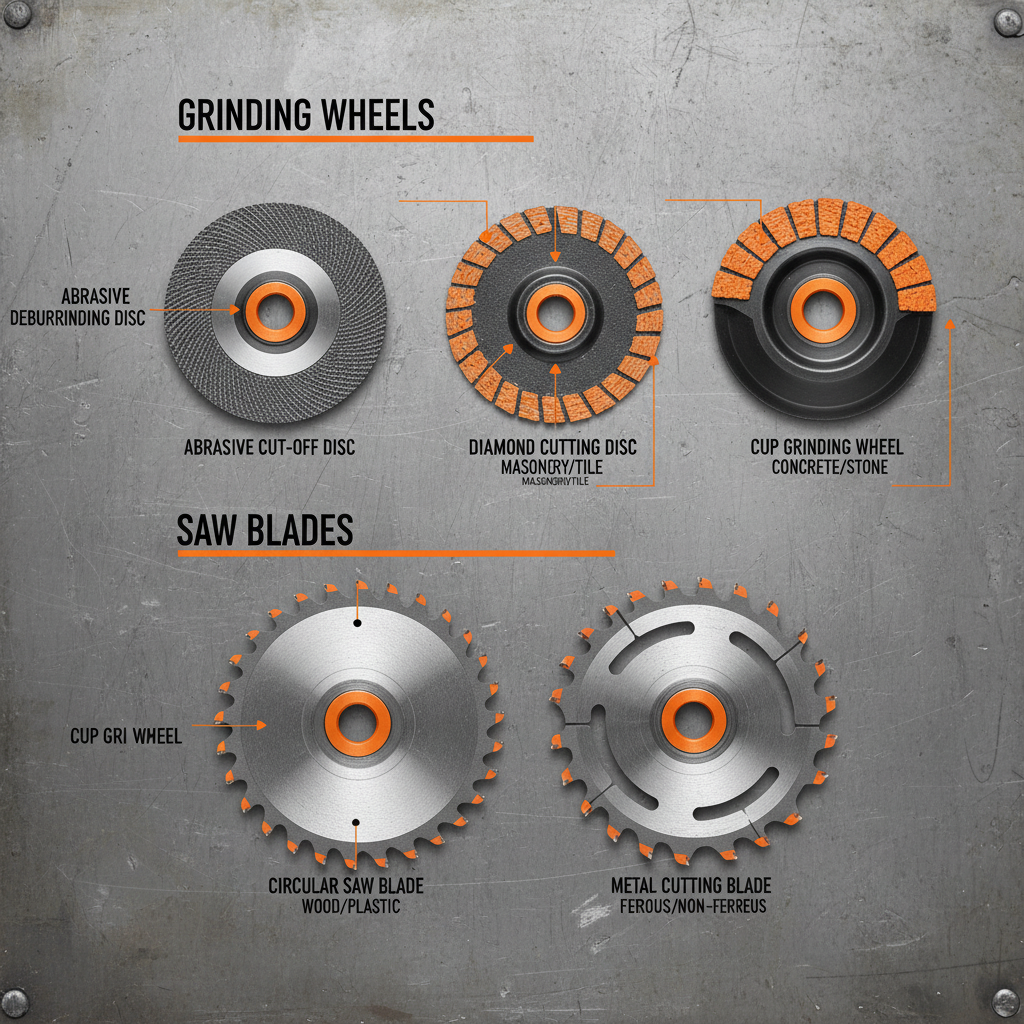
Different types of grinder discs are broadly categorized based on their abrasive material, bonding agent, and intended application. Cutting discs, typically thinner and designed for slicing through materials, utilize abrasive grains like aluminum oxide or silicon carbide held together by a resinoid bond. Grinding discs, conversely, are thicker and designed to remove material through abrasion, often featuring coarser grit and a more robust construction.
Flap discs combine abrasive cloth layers for grinding, blending, and finishing, offering versatility and a longer lifespan. Wire wheels are used for removing rust, scale, and paint, while polishing discs employ softer compounds to create a smooth, reflective surface. Diamond blades, renowned for their hardness and durability, excel at cutting exceptionally hard materials like tile, concrete, and stone.
Finally, abrasive belts, used on belt grinders, are characterized by continuous abrasive cloth loops suitable for precise material removal and finishing operations. Each of these different types of grinder discs serves a distinct purpose, and recognizing their specific strengths is essential for optimal results.
Core Characteristics of Grinder Disc Performance
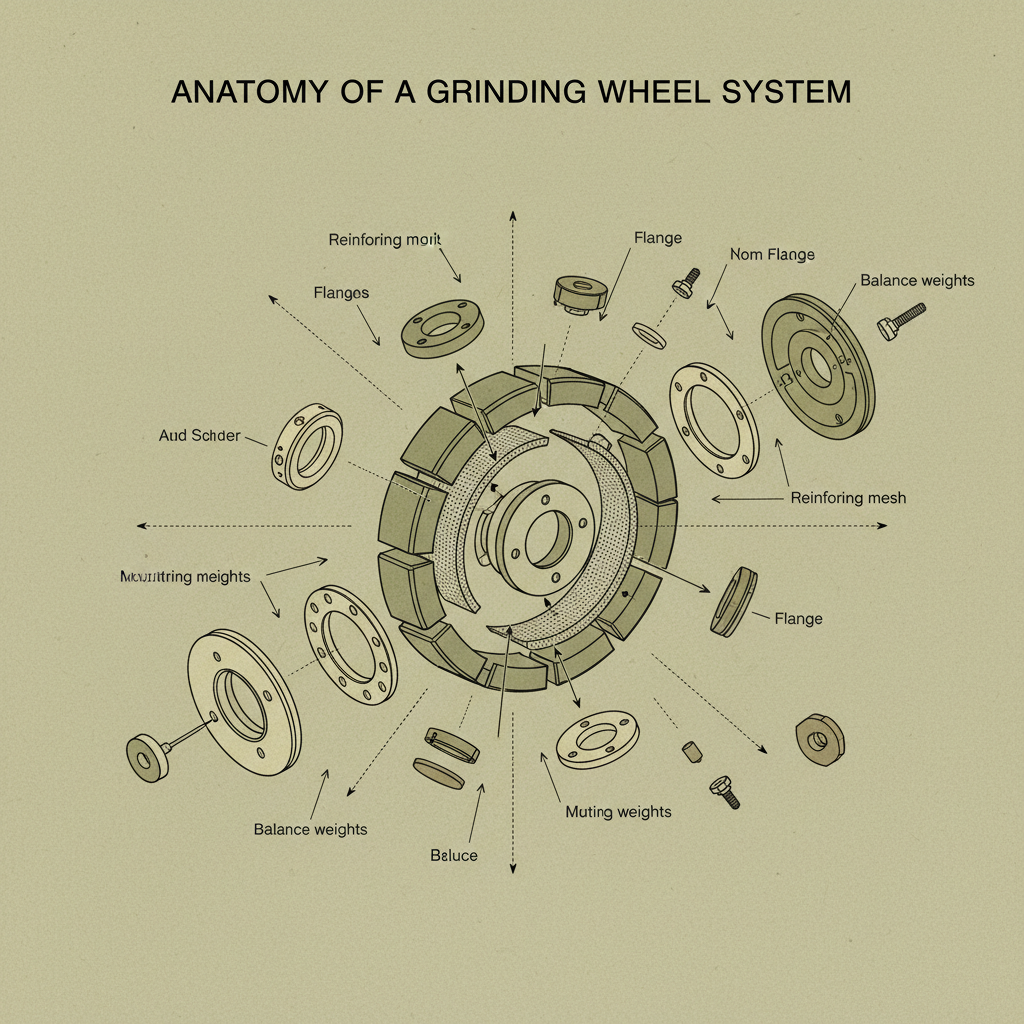
Several key characteristics determine the performance of different types of grinder discs. Abrasive grain size, ranging from coarse to fine, dictates the rate of material removal and the surface finish achieved. Grain type – aluminum oxide, silicon carbide, ceramic alumina, and diamond – influences cutting speed, durability, and suitability for specific materials. Bond hardness impacts the disc’s resistance to wear and its ability to maintain its shape under pressure.
Disc thickness plays a critical role in both cutting speed and safety. Thinner discs generally cut faster but are more prone to breakage, while thicker discs provide greater stability and durability. Reinforcement materials, such as fiberglass mesh, enhance disc strength and reduce the risk of shattering. Maximum operating speed, clearly marked on the disc, must never be exceeded to prevent catastrophic failure.
Furthermore, the disc’s construction – whether it’s a Type 1 cutting disc, a Type 27 grinding disc, or another configuration – dictates its intended use and compatibility with various grinders. Understanding these specifications is crucial for safe and effective operation of different types of grinder discs.
Practical Applications Across Industries
The application of different types of grinder discs is widespread and industry-specific. In the construction industry, diamond blades are vital for cutting concrete, asphalt, and masonry materials. Metalworkers rely on cutting and grinding discs to shape, deburr, and weld preparation. Automotive technicians utilize flap discs for rust removal, paint stripping, and surface finishing.
The aerospace industry demands high-precision grinding discs for working with titanium and other exotic alloys. Shipyards use abrasive blasting discs to remove corrosion and prepare surfaces for painting. Even in artistic disciplines, such as sculpture and stone carving, different types of grinder discs play a role in shaping and refining materials.
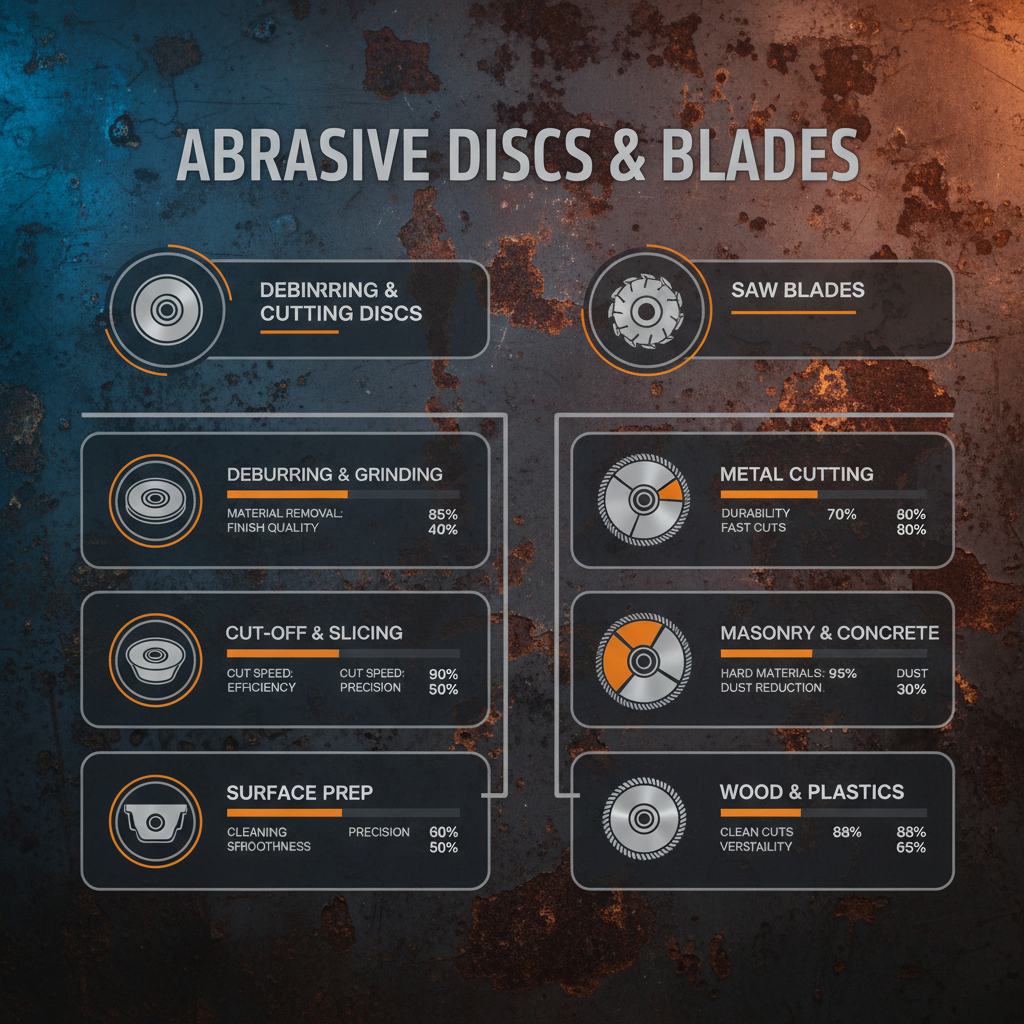
Disc Performance Comparison for Different Materials
Advantages and Long-Term Value Proposition
Employing the correct different types of grinder discs translates into significant advantages. Optimized cutting speeds reduce project completion times and labor costs. Precise grinding and finishing minimize rework and material waste. Increased disc durability lowers the frequency of replacements, contributing to cost savings.
Beyond economic benefits, the use of appropriate grinder discs dramatically enhances workplace safety, reducing the risk of accidents and injuries. Proper disc selection also improves the quality of finished products, enhancing customer satisfaction and brand reputation.
Future Trends and Innovations in Grinder Disc Technology
The future of different types of grinder discs is geared toward enhanced performance, safety, and sustainability. Research and development efforts are focused on creating more durable abrasive materials, such as advanced ceramics and engineered composites. Innovations in bonding technology aim to improve heat dissipation and reduce disc wear.
Smart grinder discs, equipped with sensors and data analytics, may soon provide real-time feedback on disc condition and cutting performance, optimizing efficiency and preventing failures. Furthermore, the development of eco-friendly abrasive materials and manufacturing processes will contribute to a more sustainable industry.
Addressing Challenges and Optimizing Grinder Disc Usage
Despite advancements, challenges remain in the field of grinder disc technology. Disc breakage, premature wear, and operator fatigue are common issues. Proper grinder maintenance, including regular inspections and bearing lubrication, is crucial for extending disc life and preventing accidents.
Implementing comprehensive training programs for operators, emphasizing safety protocols and correct disc selection, is essential for minimizing risks. Exploring alternative cutting and grinding methods, such as water-cooled systems, can also reduce dust exposure and improve working conditions.
Regularly assessing the specific needs of each application and carefully matching the disc to the material and task will always be the best practice for optimal performance and safety with different types of grinder discs.
Summary of Grinder Disc Selection Criteria
| Material Type |
Disc Type Recommendation |
Grit Size (Recommended) |
Safety Precautions |
| Steel |
Cutting Disc or Grinding Wheel |
60-80 (Grinding), 120-180 (Cutting) |
Wear safety glasses and gloves. Ensure proper ventilation. |
| Concrete |
Diamond Blade |
Variable (dependent on application) |
Use dust control measures. Wear a respirator. |
| Aluminum |
Aluminum Oxide Disc |
80-120 |
Avoid excessive pressure to prevent melting. |
| Stainless Steel |
Stainless Steel Flap Disc |
60-120 |
Use a disc specifically designed for stainless steel to prevent clogging. |
| Wood |
Flap Disc or Sanding Disc |
80-220 |
Wear a dust mask to prevent inhalation of wood particles. |
| Tile |
Diamond Blade (Continuous Rim) |
Variable (dependent on tile type) |
Use wet cutting techniques for dust control. |
FAQS
Cutting discs are designed for making clean, straight cuts through materials, typically being thinner and having a more aggressive grit. Grinding wheels, conversely, are thicker and used to remove material through abrasion, often for smoothing, shaping, or deburring. Using the wrong type can be dangerous and ineffective.
Lower grit numbers (e.g., 60-80) are coarser and remove material faster, suitable for heavy grinding or rough cutting. Higher grit numbers (e.g., 120-180+) are finer and produce a smoother finish, ideal for polishing or light deburring. Select a grit size based on the material and desired result.
Always wear safety glasses, gloves, and a dust mask or respirator. Ensure the grinder is properly guarded and the disc is securely mounted. Never exceed the maximum operating speed of the disc, and always inspect it for damage before use. Proper training and adherence to safety protocols are crucial.
While commonly used on concrete, diamond blades can cut a variety of hard materials including tile, stone, brick, and even some metals. The specific type of diamond blade (wet or dry, continuous rim or segmented) should be selected based on the material being cut.
The maximum RPM (revolutions per minute) rating indicates the highest safe operating speed for the disc. Exceeding this speed can cause the disc to shatter, resulting in serious injury. Ensure your grinder's speed settings are compatible with the disc's rating.
Store grinder discs in a dry, cool environment away from moisture and extreme temperatures. Keep them in their original packaging or a protective case to prevent damage. Avoid dropping or impacting the discs, as this can compromise their structural integrity.
Conclusion
Understanding the intricacies of different types of grinder discs is paramount for achieving optimal performance, maximizing safety, and ensuring cost-effectiveness across a wide range of industries. From selecting the appropriate abrasive material and grit size to adhering to strict safety protocols, informed decision-making is crucial for successful material processing. The knowledge presented here empowers professionals and enthusiasts alike to utilize these versatile tools with confidence and precision.
As technology continues to evolve, we can anticipate further innovations in grinder disc design and materials, leading to enhanced durability, efficiency, and sustainability. Continuous learning and a commitment to best practices will be essential for staying ahead of the curve and harnessing the full potential of these indispensable tools. For a wide selection of high-quality grinder discs and expert advice, visit our website: different types of grinder discs.