0%

Table of Contents

To be honest, things have been moving fast in the grinding wheels market lately. Everyone's chasing higher speeds, better finishes, and longer life, right? But a lot of these 'innovations'... well, they just shift the problems around. I’ve been seeing a lot of push for diamond matrix wheels, supposedly for superior material removal, but half the time, they just glaze up on harder steels. Have you noticed that? It's like they're solving a problem that wasn't really a problem for most folks.

You really start to see the cracks when you're actually on a site. I encountered this at a metal fabrication shop in Ohio last time - beautiful setup, all CNC and automated. They'd switched to a new high-performance abrasive, and the guy was pulling his hair out because it was loading up faster than the old stuff. Turns out, the coolant wasn’t compatible, and the swarf was just sticking. Simple stuff, but the lab tests didn’t pick it up.

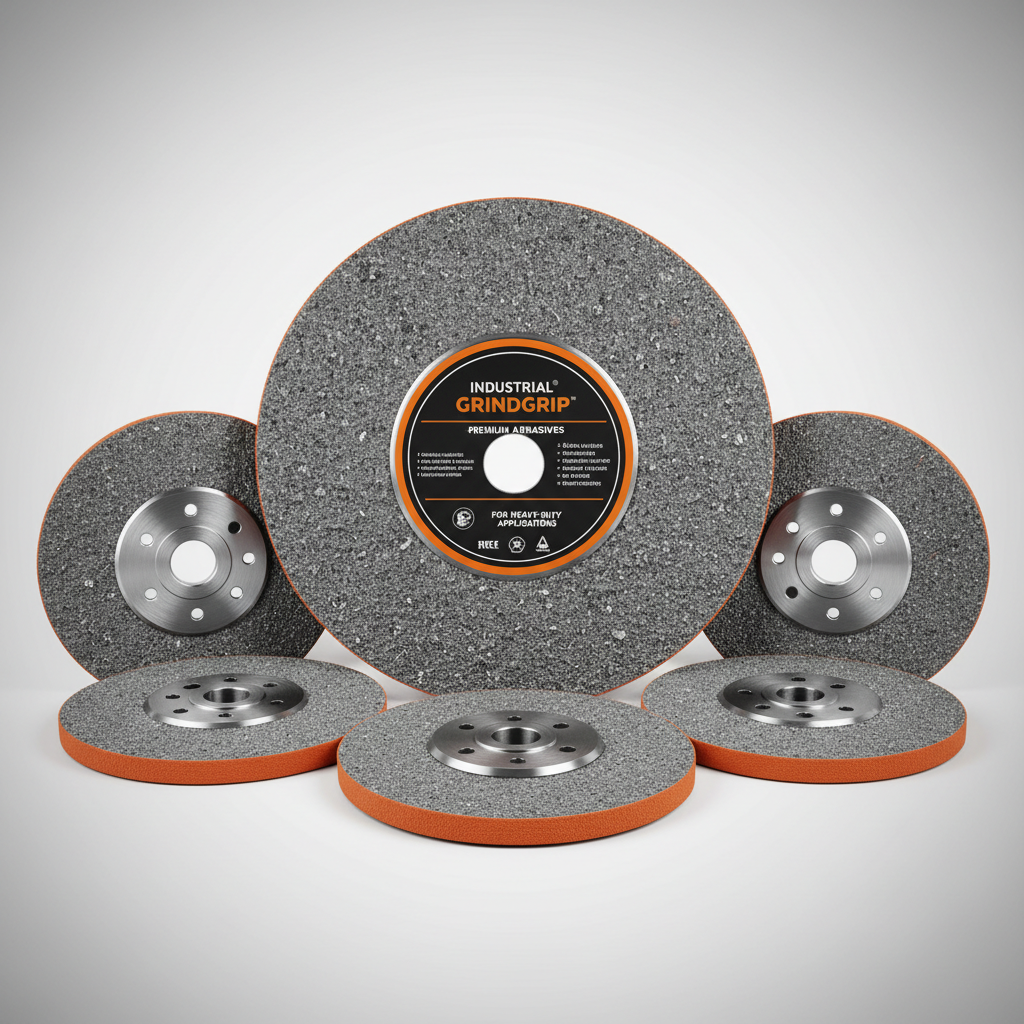
It all comes down to the bond, doesn't it? Resin bonds are the workhorses, you know? Smell that slightly sweet, chemical odor when you open a new pack? That's the phenolic resin. Feels almost… gummy, before it's cured. Vitrified bonds are harder, crisper, more for precision grinding. I prefer the feel of a good vitrified wheel – it just feels solid. And then there's rubber bond, for snagging, flexible grinding – that's a different beast altogether. You can tell a lot just by tapping them, honestly. A good wheel will have a consistent, resonant tone.
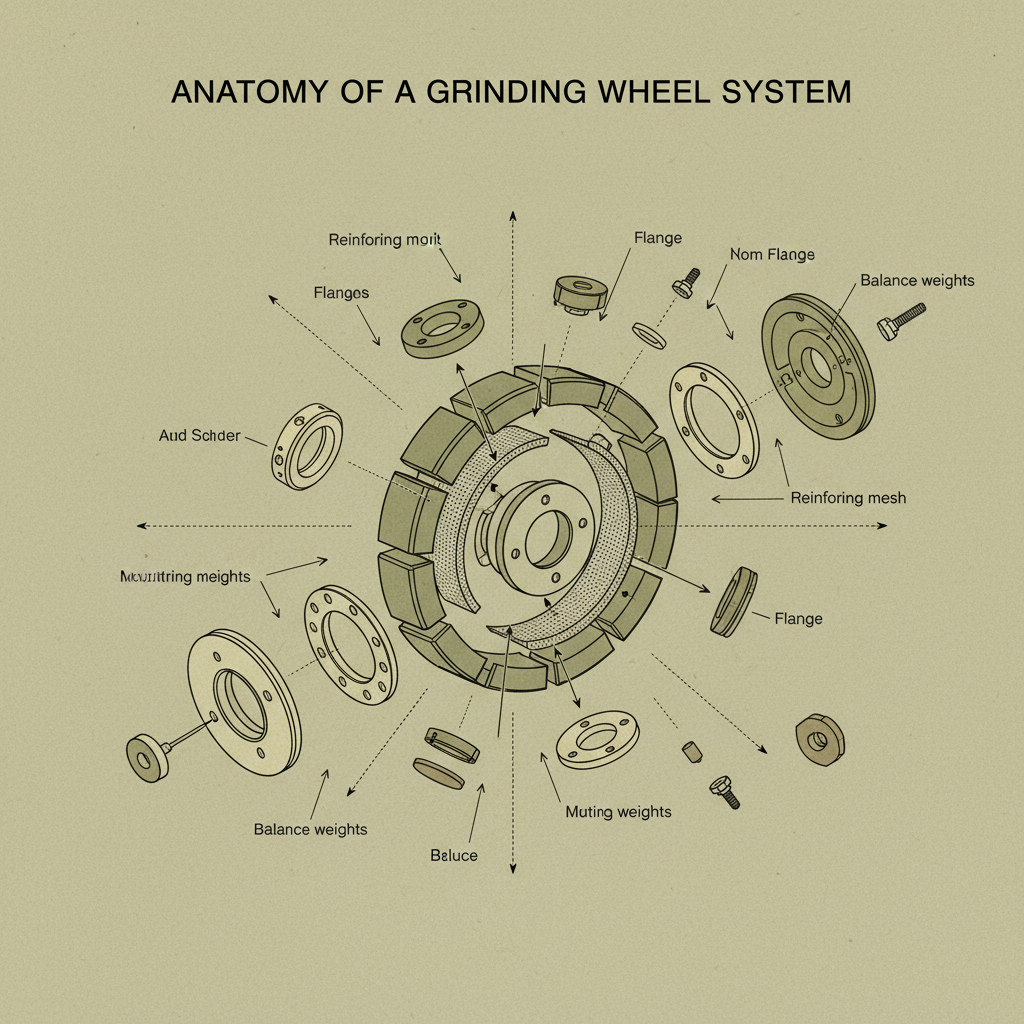
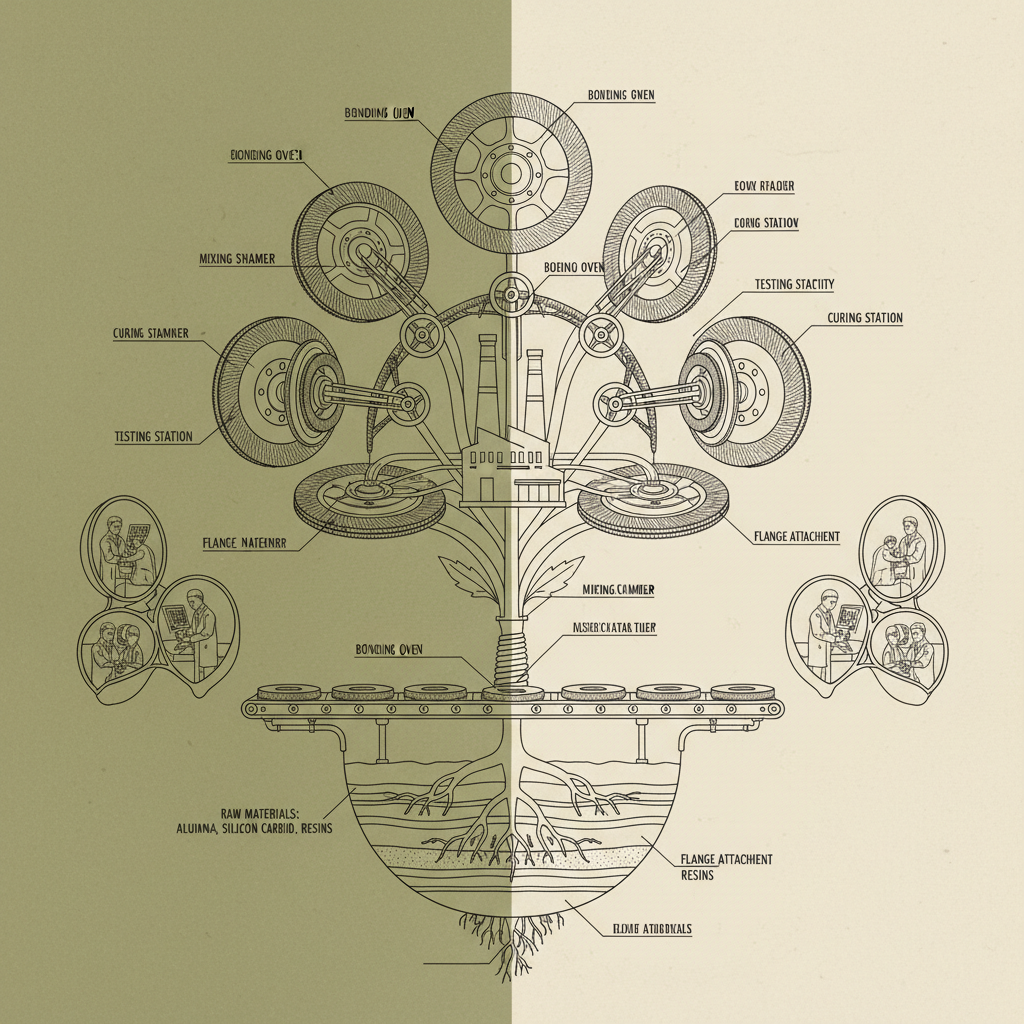
Exploring Advancements and Practical Considerations for Grinding Wheels Manufacturers

Recent Trends in Grinding Wheel Technology

Exploring Advancements and Practical Considerations for Grinding Wheels Manufacturers

Strangely, everyone’s obsessed with automation, wanting wheels that can run unattended for longer. Which is fine, I guess. But it often means sacrificing some of that 'feel' a skilled operator provides. You lose that ability to adjust on the fly, to compensate for variations in the workpiece. The rise of CBN and diamond wheels is also significant – they're expensive, but the lifespan can be incredible if used correctly.

It's not just about the abrasive grain, either. The coolant delivery systems are getting more sophisticated, micro-droplet lubrication, through-the-wheel cooling... It's all geared toward maximizing efficiency and minimizing heat buildup. But you still need a guy who understands the metal he's working with to dial it in properly.

Common Design Pitfalls in Grinding Wheels

I think one of the biggest mistakes I see is over-engineering. Folks try to make a wheel that does everything, and it ends up doing nothing well. It’s like trying to build a Swiss Army knife out of a sledgehammer. Simplicity often wins. Another thing is ignoring the machine rigidity. You can have the best wheel in the world, but if the machine is flexing, you’re going to have problems.

And don’t even get me started on the grit size selection. Too coarse, and you’re leaving deep scratches. Too fine, and you’re just polishing instead of cutting. Finding that sweet spot… that's an art. You gotta know your material.

They also overcomplicate the bonding process. A lot of manufacturers are pushing for proprietary bond formulations, claiming superior performance. But frankly, a well-made resin bond with a consistent grain distribution will often outperform a fancy, over-hyped formula.

Material Science and On-Site Handling

Aluminum oxide is the king, right? The workhorse. Feels kind of gritty, almost sandy to the touch. Silicon carbide is tougher, sharper, good for harder materials, but it’s also more brittle. You’ve gotta handle it carefully. Ceramic abrasives... those are the fancy ones. They’re incredibly hard, but also expensive. You can feel the difference immediately – they’re denser, smoother.

The smell is important too. A new wheel will have a distinct odor – a mix of resin, abrasive, and sometimes a hint of sulfur. If it smells burnt or acrid, something’s wrong. And always, always wear a dust mask. That stuff isn’t good for your lungs. I’ve seen too many guys try to tough it out… don’t be that guy.

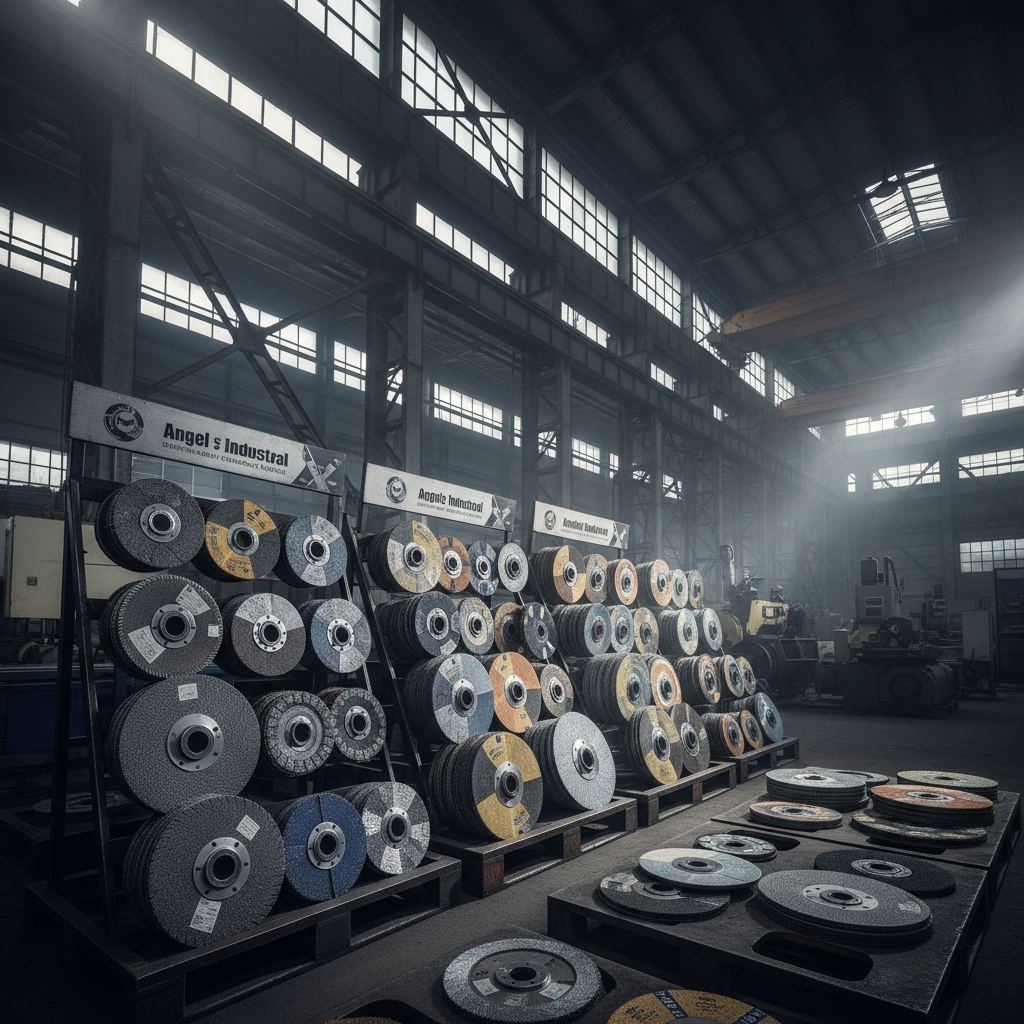
Proper storage is key. Keep them dry, keep them away from extreme temperatures, and don’t stack them too high. You don’t want to damage the bond. Later... Forget it, I won't mention the time old man Hemmings stacked a whole pallet of diamond wheels directly under a leaking roof.

Real-World Testing Methodologies

Lab tests are good for baseline comparisons, but they don’t tell the whole story. You need to see how a wheel performs under actual working conditions. I like to take samples to a shop and let them grind something real. Something they grind every day.

I also pay attention to wheel wear. How quickly does it wear down? Does it glaze up? Does it chip or crack? I’ve got a little notebook where I sketch out the wear patterns. It sounds silly, but it helps me identify problems.

Grinding Wheel Performance Metrics


User Application and Unexpected Use Cases

You’d be surprised how people use these things. I once saw a guy using a small grinding wheel to deburr the edges of guitar frets. Another time, a sculptor was using a diamond wheel to carve intricate details into stone. It’s always something unexpected.

But generally, they're used for sharpening tools, removing weld beads, finishing metal parts, that sort of thing. It’s a dirty job, but someone’s gotta do it. And the guys doing it appreciate a wheel that makes their life easier.

Advantages, Disadvantages, and Customization Options

The advantages are obvious: speed, accuracy, versatility. But they’re also noisy, dusty, and potentially dangerous if not used properly. They require skill and attention. And they wear out, which means you have to replace them. The cost can add up.

Customization? Oh, absolutely. I had a customer last month, a small boss in Shenzhen who makes smart home devices, he insisted on changing the interface to on a batch of wheels designed for a standard arbor. Said it was for 'future-proofing'. It was a nightmare. We had to redesign the whole mounting system, adding spacers and adapters. It cost him a fortune. Anyway, I think he learned his lesson.

You can customize the grit size, the bond type, the shape, even the density. It’s all about finding the right wheel for the specific application.

Performance Metrics and Comparative Analysis

To really get a handle on things, you need to look beyond the spec sheets. Things like material removal rate, surface finish, wheel life, and cost per part are all important. But you also need to consider the operator skill level and the machine capabilities.

It’s not always about the most expensive wheel. Sometimes, a simpler, cheaper wheel will do the job just as well. You gotta be practical.

You’ll also want to test for things like wheel balance and runout. An unbalanced wheel can cause vibration and chatter, leading to poor surface finish and reduced tool life.

Summary of Key Performance Indicators for Grinding Wheels

Wheel Type Material Removal Rate (mm/min) Surface Finish (Ra, μm) Estimated Wheel Life (Hours)
Aluminum Oxide 5-10 3.2-6.4 20-40
Silicon Carbide 8-15 1.6-3.2 10-25
Diamond 15-25 0.8-1.6 50-100+
Cubic Boron Nitride (CBN) 10-20 1.6-4.0 40-80
Ceramic Abrasive 7-12 2.0-5.0 30-60
Resin Bonded 6-14 2.5-6.3 25-50

FAQS

What's the biggest mistake people make when choosing a grinding wheel?

Honestly? They don't consider the workpiece material. They just grab the cheapest or most aggressive wheel they can find. You need to match the abrasive grain, bond type, and grit size to the material you're grinding. Otherwise, you're just wasting time and money. It's a fundamental thing, but you'd be surprised how often it's overlooked. Proper selection extends wheel life and improves finish quality drastically.

How do I tell if a grinding wheel is worn out?

There are a few telltale signs. First, the cutting speed will decrease. Second, the surface finish will deteriorate. Third, you might notice excessive vibration or chatter. But the best way to tell is to visually inspect the wheel. If the abrasive grains are worn down, or the bond is cracked or chipped, it’s time for a replacement. Don't push it – a failing wheel is a dangerous wheel.

What are the safety precautions I should take when using a grinding wheel?

Always wear safety glasses or a face shield. Use hearing protection. Wear gloves. Make sure the wheel guard is in place and properly adjusted. Inspect the wheel for cracks or damage before each use. And never exceed the maximum operating speed. Seriously, these aren't optional. A wheel can explode if you're not careful.

Can I use a grinding wheel on multiple different materials?

It's generally not a good idea. Different materials require different abrasive grains and bond types. Using the wrong wheel can damage the workpiece, ruin the wheel, and even create a safety hazard. It’s better to have a dedicated wheel for each material. Saves you headaches in the long run.

What’s the deal with 'dressing' a grinding wheel?

Dressing removes loaded metal and re-exposes sharp abrasive grains, restoring the wheel's cutting efficiency. It’s like sharpening a knife. You use a diamond or abrasive stick to clean the surface. It’s a skilled job, and it takes practice to do it right. A well-dressed wheel cuts faster and cleaner.

Are more expensive grinding wheels always better?

Not necessarily. Price doesn’t always equal performance. You need to consider the specific application and your budget. A high-end diamond wheel might be great for a high-volume production environment, but a cheaper aluminum oxide wheel might be perfectly adequate for occasional sharpening. It's about finding the right balance.

Conclusion

Ultimately, grinding wheels are a deceptively complex tool. There's a lot more to it than just picking the right size and grit. It's about understanding the materials, the machines, and the process. It’s about knowing when to push the wheel and when to back off. It’s about experience.

And look, whether this thing works or not, the worker will know the moment he tightens the screw. That’s the bottom line. If it feels right, sounds right, and delivers the finish he needs, then it's a good wheel. If not, well… back to the drawing board. Visit our website at cutoffdiscs.com for more information.


Robert Miller

Robert Miller

Robert Miller is a Senior Production Engineer at Hebei Double Goats Grinding Wheel Manufacturing Co., Ltd., with over 15 years of experience in automated manufacturing. He played a key role in the implementation of the company’s 76 fully-automatic production lines, significantly boosting daily output to 400,000 pieces. Robert is deeply
Previous Navigating the World of Grinding Wheels Suppliers and Optimal Performance
Next Finding the Right Grinding Wheels Supplier for Precision and Performance
tel
email
phone
top