Choosing the Right 230mm masonry blade for Your Project
Having spent well over a decade dealing hands-on with industrial cutting tools and equipment, I’ve come to appreciate that not all masonry blades are created equal. The 230mm masonry blade, in particular, stands out for its versatility and power when tackling tough stone, bricks, concrete, and other building materials. But just picking any blade won’t do—you want the best match for the job, because frankly, everyone hates when a blade chips or wears down halfway through a cut.
In my experience, a good 230mm masonry blade feels balanced—not too heavy, yet robust enough to slice cleanly through dense surfaces. Many engineers and operators I know swear by diamond-tipped blades due to their extended life and consistent cutting performance. Oddly enough, even with all the technology we have, I’ve noticed that blade composition and manufacturing quality still make a huge difference, especially in demanding environments.
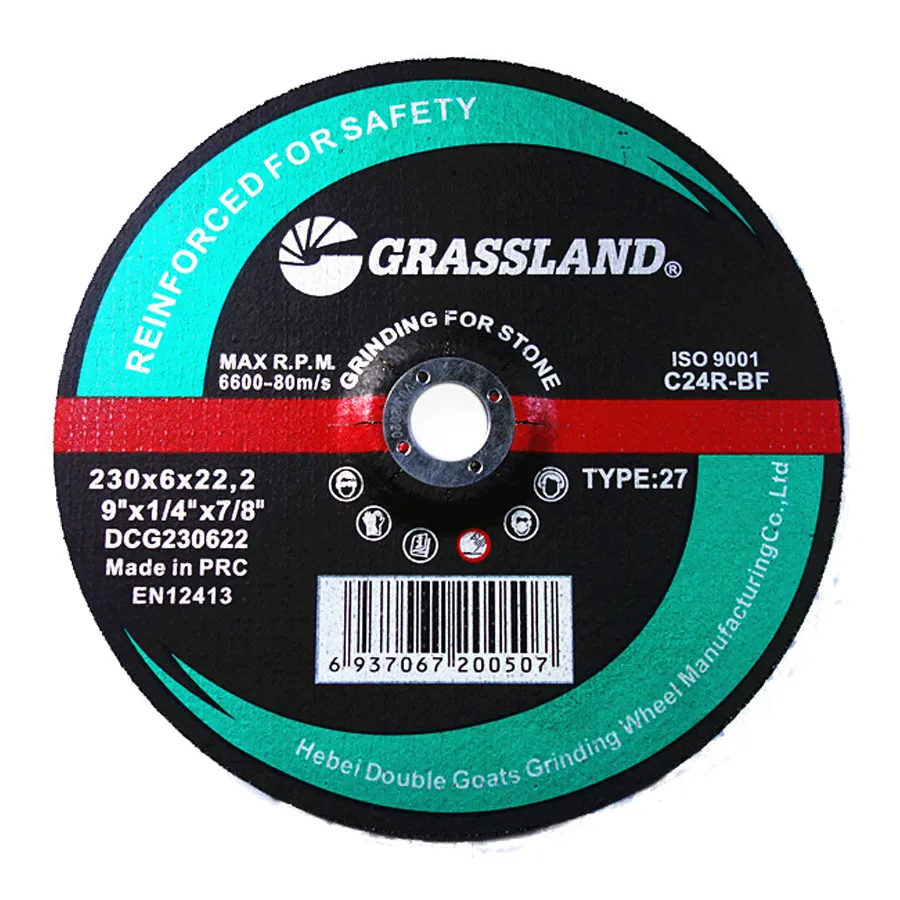
What you’ll typically find is blades made with a steel core embedded with industrial diamond segments; these segments grind away the material with precision. The 230mm size hits this “sweet spot” between maneuverability and cutting depth—perfect for handheld grinders on-site or larger cut-off machines in fabrications shops.
Here’s a quick rundown of some specs you’d expect from a reliable 230mm masonry blade:
| Specification | Details |
|---|---|
| Diameter | 230mm (9 inches) |
| Arbor size | 22.23mm (7/8 inch) |
| Segment height | 10mm |
| Blade thickness | 2.4mm |
| Maximum RPM | 6,600 RPM |
| Material suitability | Concrete, bricks, blockwork, stone |
It’s worth noting that testing these blades in real conditions—sometimes at job sites you’d rather forget—helped me identify the subtle differences not shown in spec sheets. For example, some cheaper options tend to overheat if used continuously without cooling, which ruins the blade and can be a safety hazard. I recall a colleague once lost a day’s work due to overheating and unexpected snapping of a blade on a dense concrete slab. Those stories have always stuck with me: you don’t want to gamble with safety or downtime.
On that note, here’s a little vendor comparison I’ve put together to give a snapshot of what’s currently available—focusing on price, durability, and warranty:
| Vendor | Price (per blade) | Durability (hours) | Warranty |
|---|---|---|---|
| CutOffDiscs | $22 | 40+ | 12 months |
| BladeMaster | $18 | 30 | 6 months |
| StonePro | $25 | 45+ | 12 months |
You see, with these blades, the upfront cost sometimes fools you. I’ve learned that investing slightly more means fewer blade swaps, reduced downtime, and better cuts overall—important if you care about efficiency and quality like most pros I’ve worked with. Oh, and yes, CutOffDiscs consistently come up as reliable in forums and among my contacts, so there’s that added peace of mind.
Onto a quick anecdote—I once advised a client on a large renovation project involving cutting through different types of brick and old concrete. They were initially going for the cheapest blade, but after a bit of testing and frankly watching the blade wear out too fast, I recommended a premium 230mm masonry blade strategically sourced. Not only did the client save money over time, but the cutting was also smoother, and worker fatigue decreased. Sometimes, you just have to trust experience over a spec sheet alone.
Customization can enter the picture too—some vendors offer segment designs that prioritize speed over longevity or vice versa. Depending on your workload intensity, this can mean switching blades mid-project or sticking to one trusty blade for days. I suppose it’s worth reaching out and asking for specific recommendations, especially if your projects involve unusual materials.
In real terms, a 230mm masonry blade really is a workhorse that, when chosen right, can literally shape the success of a build. So, if you’re in the market, do your homework, read reviews, and maybe snag a few samples before bulk buying. And if you want to see some dependable options, be sure to check out 230mm masonry blade selections—they’ve got options that cater to pros and seasoned DIYers alike.
All said and done, a good blade doesn’t just cut—it makes your life on site feel a little less grinding.
- Industry feedback and blade performance reports, CutOffDiscs internal testing, 2023.
- Field reviews from various construction sites, personal experience, 2010-2023.
- Manufacturer specifications and warranty terms as of June 2024.
Post time:Jan - 05 - 2026