The Ultimate Guide to Flap Discs for Metal: Applications & Selection
When working with metal, achieving a smooth, precise finish is paramount. Flap discs for metal are essential tools for grinding, blending, deburring, and finishing various metal surfaces. This article provides a comprehensive overview of flap discs, covering their applications, types, grit selection, and safety considerations. We'll explore how to choose the right disc to maximize efficiency and achieve superior results. Understanding these nuances can dramatically improve your metalworking projects and reduce material waste.
What are Flap Discs and How Do They Work?
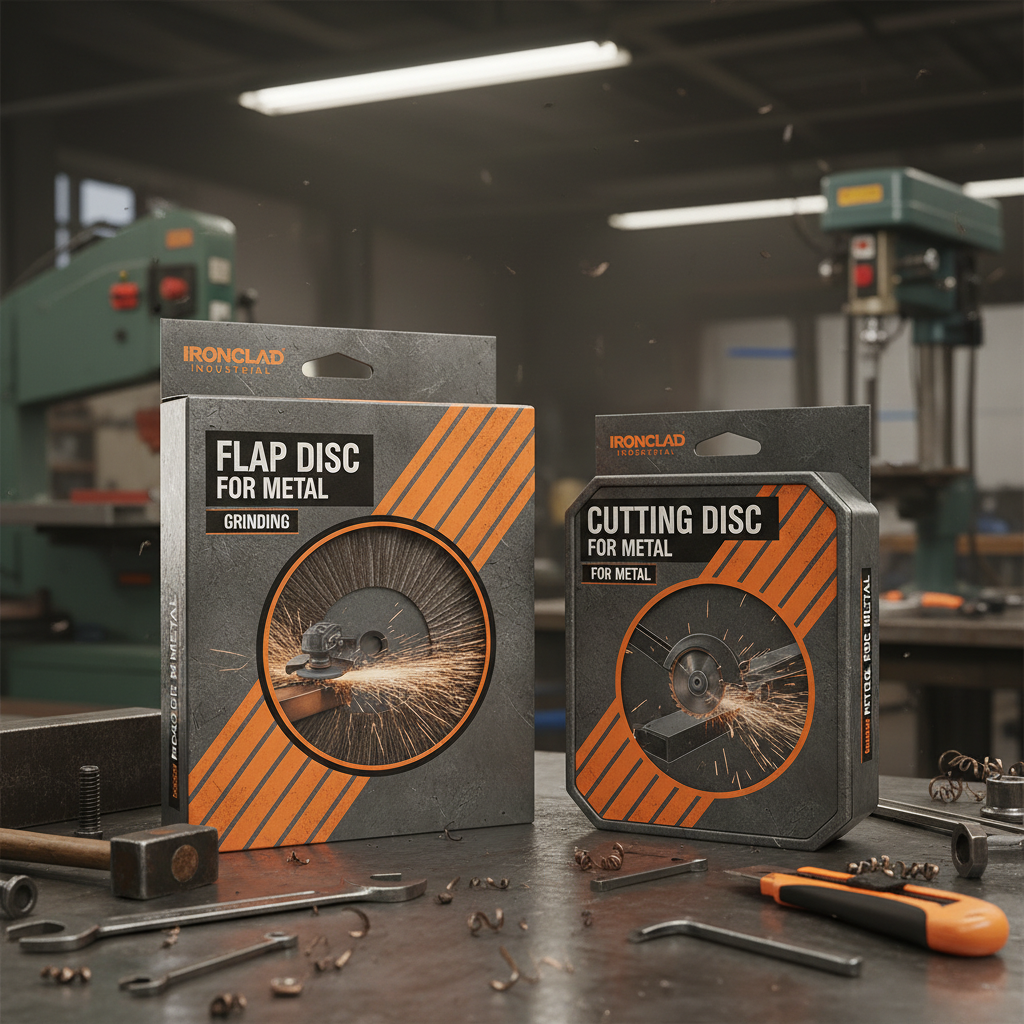
A flap disc is a sanding tool consisting of abrasive flaps bonded to a backing plate. These flaps are typically made of aluminum oxide, silicon carbide, or ceramic abrasive grains. As the disc rotates, the flaps wear away, constantly exposing fresh abrasive material, resulting in a consistent and efficient grinding and finishing action. Unlike grinding wheels which remove material quickly but leave coarse finishes, flap discs offer a more controlled and refined approach. They are ideal for contouring, blending welds, removing rust, and preparing surfaces for painting or coating. The overlapping flaps provide a smoother finish and reduce the risk of gouging compared to other abrasive tools.
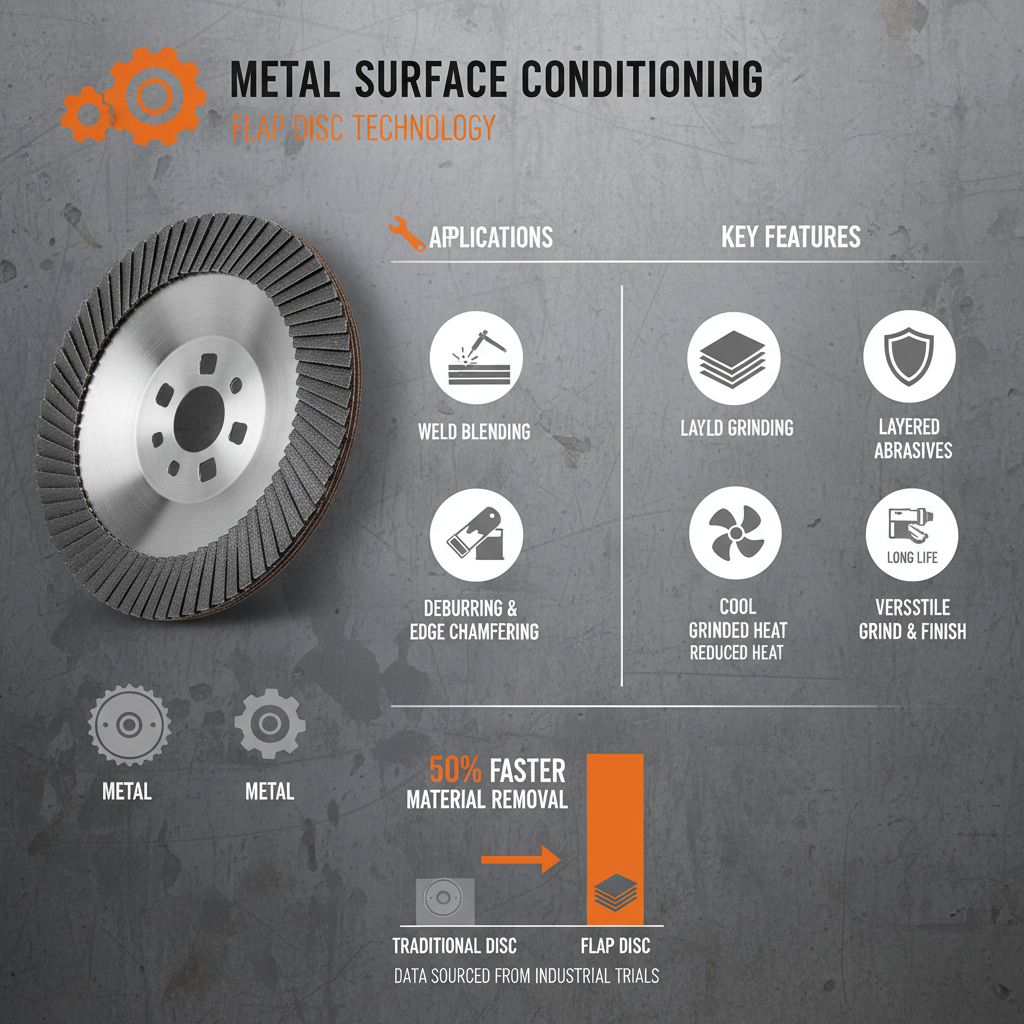
Key Benefits: Consistent finish, reduced gouging, efficient material removal, versatility in applications, and longer lifespan than traditional abrasive wheels.
Different Types of Flap Discs for Metal
Flap discs aren't one-size-fits-all. The type of abrasive grain and the backing material are key differentiators. Aluminum oxide discs are general-purpose and suitable for mild steel and softer metals. Silicon carbide discs are harder and ideal for harder metals like stainless steel and non-ferrous alloys. Ceramic abrasive discs offer the longest lifespan and highest cut rates, excelling on aggressive stock removal and tougher materials. Backing materials vary from fiberglass to phenolic resin, impacting disc flexibility and durability. Choosing the right combination is crucial for optimizing performance and longevity. You can find a wide selection of these different types at CutoffDiscs.com.
Abrasive Grain Comparison:
• Aluminum Oxide: General purpose, cost-effective, good for mild steel.
• Silicon Carbide: Ideal for stainless steel, non-ferrous metals, and glass.
• Ceramic: Longest lasting, highest cut rate, best for tough materials.
Choosing the Right Grit for Your Application
The grit number indicates the size of the abrasive particles – lower numbers mean coarser grit for aggressive material removal, while higher numbers indicate finer grit for smoother finishes. A grit range of 36-60 is used for heavy grinding and deburring, 80-120 for medium-duty blending and weld smoothing, and 180-320 for finishing and polishing. Starting with a coarser grit to remove imperfections and then progressing to finer grits for a refined surface is the common approach. Consider the initial condition of the metal and the desired final result when selecting the appropriate grit.
Applications of Flap Discs in Metalworking
Flap discs are incredibly versatile and used across a vast array of metalworking applications. These include: removing weld spatter, deburring sharp edges, blending grind marks, removing rust and scale, surface preparation before painting, cleaning and polishing stainless steel, and shaping metal components. Their ability to conform to irregular surfaces and produce a consistent finish makes them invaluable for both fabrication shops and DIY enthusiasts.
Safety Considerations When Using Flap Discs
Safety is paramount when using any power tool, including flap discs. Always wear appropriate personal protective equipment (PPE), including safety glasses, a face shield, gloves, and a dust mask. Ensure the workpiece is securely clamped. Never exceed the maximum RPM rating of the disc. Inspect the disc for damage before each use – discard any discs that are cracked, worn, or damaged. Proper ventilation is also important to avoid inhaling abrasive dust. For detailed safety guidelines and a complete selection of high-quality flap discs, visit CutoffDiscs.com.
Conclusion: Mastering the Art of Metal Finishing with Flap Discs
Selecting the right flap disc for metal requires understanding the different types of abrasive grains, grit selections, and the specific application. By prioritizing safety and choosing the appropriate disc for the job, you can achieve professional-quality results and maximize efficiency. Invest in quality, prioritize safety, and unlock the full potential of your metalworking projects.
Frequently Asked Questions (FAQs)
What is the maximum RPM I should use with a flap disc?
The maximum RPM is crucial for safety and performance. Always check the flap disc's label for the manufacturer's specified RPM limit. Exceeding this limit can cause the disc to shatter, posing a serious risk of injury. Ensure your angle grinder or rotary tool is set to the correct speed before starting work. Most flap discs have a maximum RPM of around 12,000 - 14,000, but this varies by size and construction. Referencing the product specifications on CutoffDiscs.com will provide the exact limit for each disc.
How long will a flap disc typically last?
The lifespan of a flap disc depends on several factors, including the material being worked, the grit, the abrasive grain, and the pressure applied. Ceramic discs generally last the longest, followed by silicon carbide and then aluminum oxide. Heavy grinding will wear down a disc much faster than light finishing. Proper storage and avoiding contamination can also extend its life. Typically, a well-maintained flap disc can last for several hours of use, but frequent inspection for wear is essential.
Can I use a flap disc on stainless steel?
Yes, but it’s crucial to choose the correct disc. Stainless steel tends to clog abrasives quickly. Silicon carbide flap discs are specifically designed for working with stainless steel and other hard alloys. Using an aluminum oxide disc on stainless steel will result in rapid clogging and reduced performance. You should also consider using a flap disc designed for stainless steel, as they often have special coatings to prevent loading.
What is the best way to store flap discs?
Proper storage is essential for maintaining the performance and extending the life of flap discs. Store them in a dry, clean environment, protected from moisture and extreme temperatures. Avoid stacking heavy objects on top of them, as this can damage the flaps. Ideally, store them in their original packaging or a dedicated storage container. You can find suitable storage solutions and a full range of flap discs at CutoffDiscs.com.
Post time:Mar - 21 - 2026