The Art and Science of forma correcta de poner disco de corte
At first glance, the phrase forma correcta de poner disco de corte might sound niche, but in reality, the correct way to fit a cutting disc holds global significance—touching manufacturing lines, construction sites, and even DIY workshops worldwide. Understanding and applying the correct methods not only keeps operators safe but dramatically improves efficiency and tool life. Frankly, it’s an overlooked skill that can save time, money, and even lives.
Why Does It Matter Globally?
Across the globe, industries relying on abrasive cutting discs report injury rates that could be mitigated with better fitting protocols. The International Labour Organization (ILO) estimates millions of workers worldwide face risks from improper tool handling annually. Meanwhile, organizations have noted that proper assembly of cutting discs extends equipment lifespan by up to 30%, reducing waste and operational costs.
Moreover, sustainable manufacturing, a hot topic today, benefits from longer-lasting cutting discs, meaning fewer replacements, less raw material use, and less environmental footprint. It may sound small, but it trickles up.
Mini takeaway: The correct installation of cutting discs is a safety, economic, and environmental imperative that industries globally can’t afford to ignore.
What Exactly Is forma correcta de poner disco de corte?
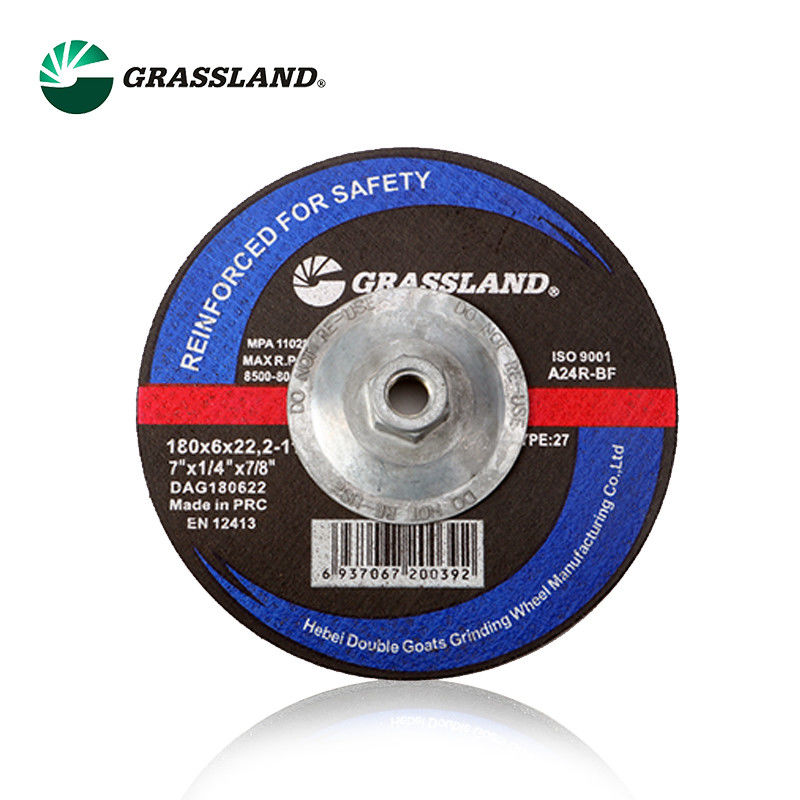
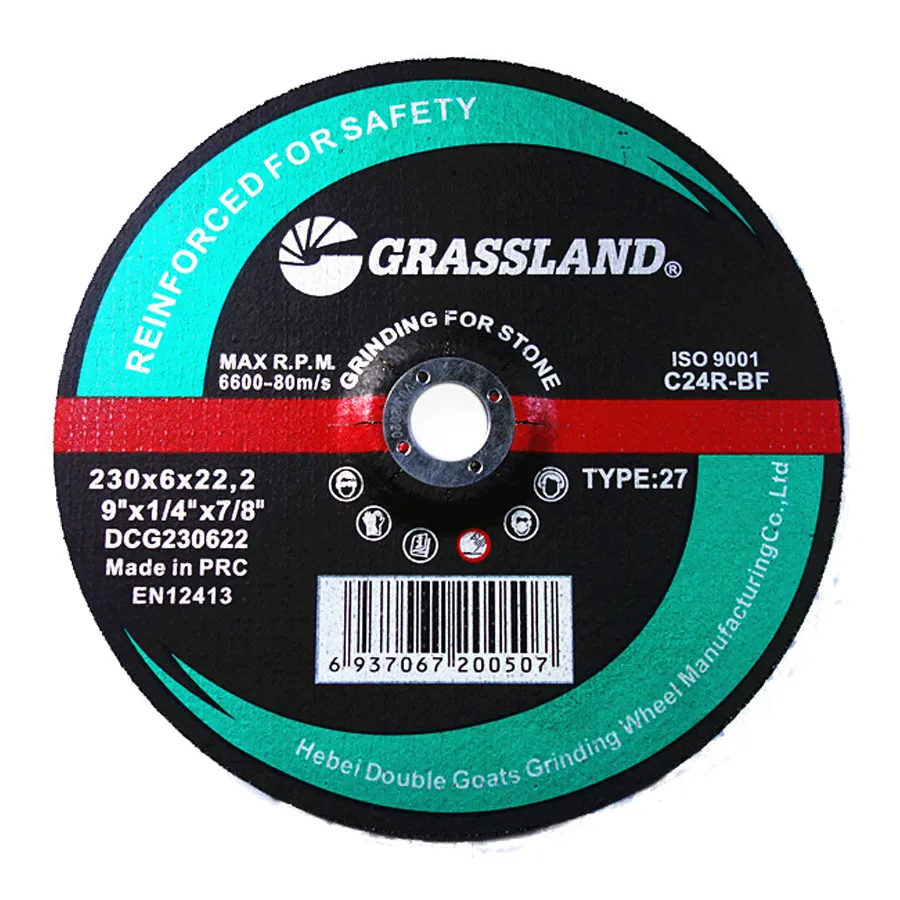
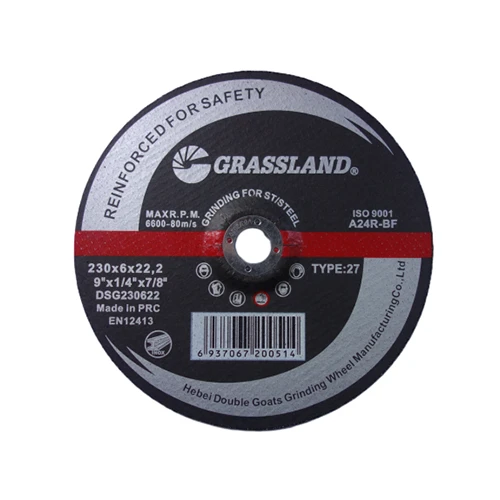
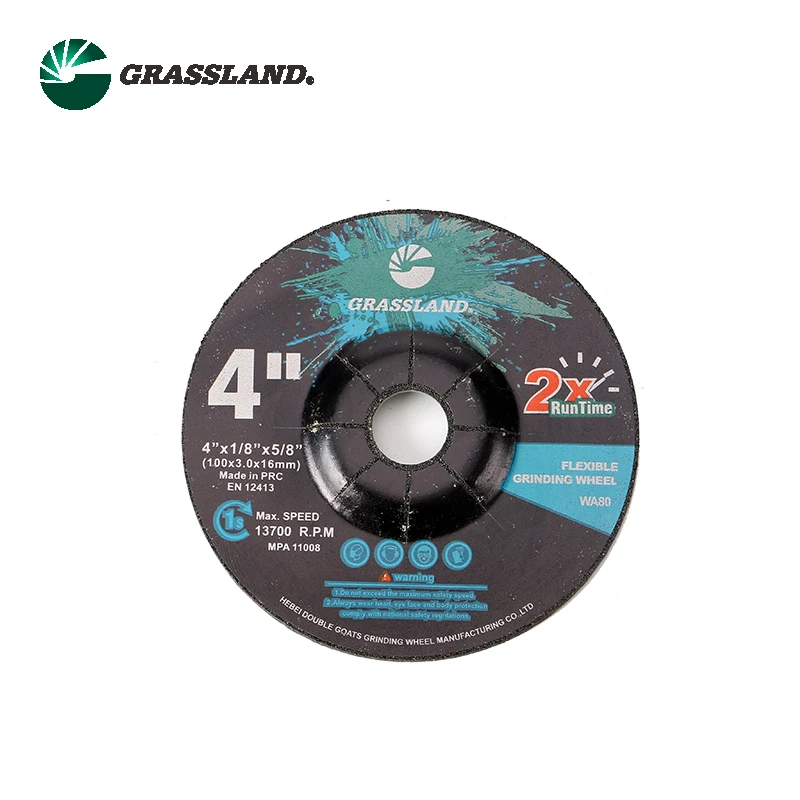
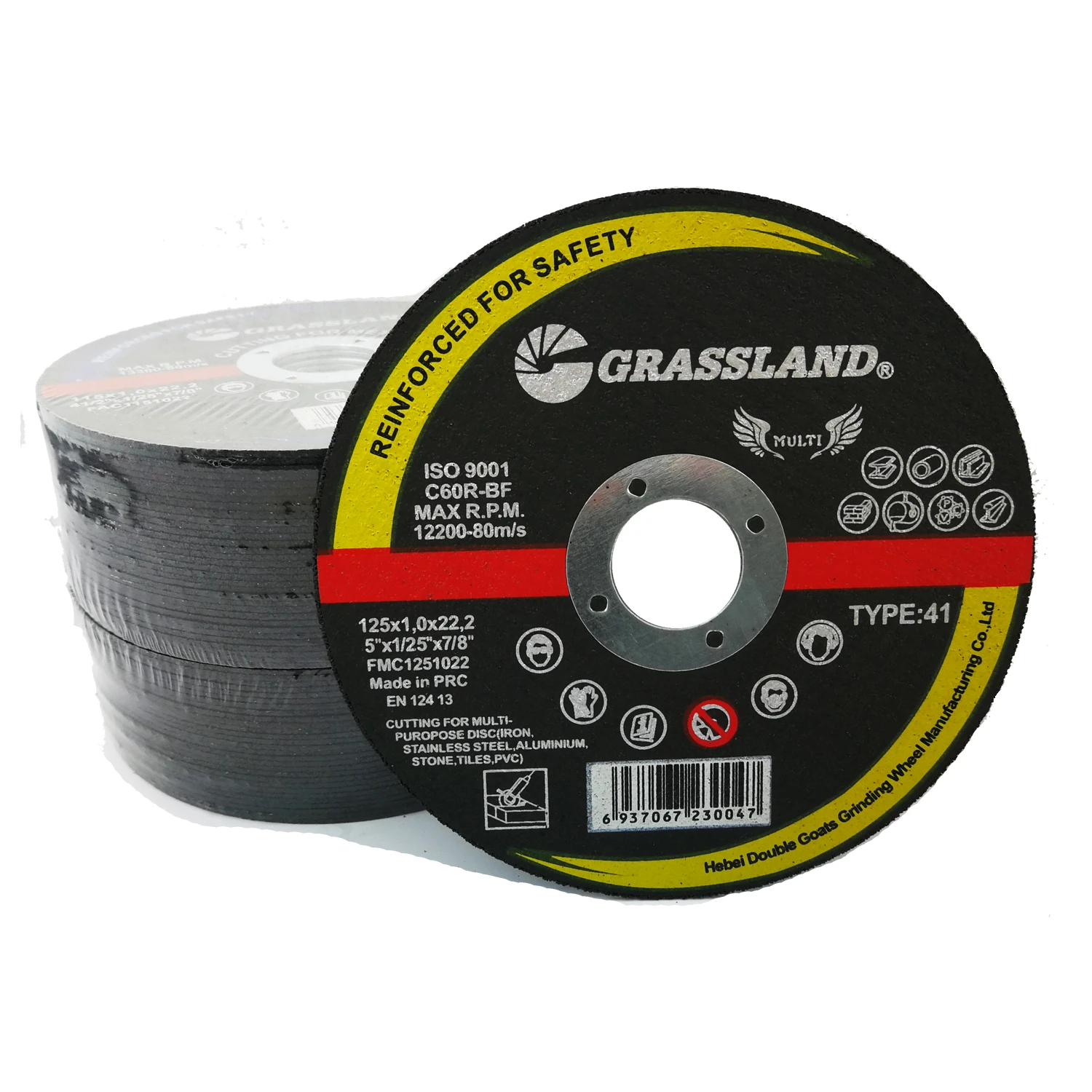
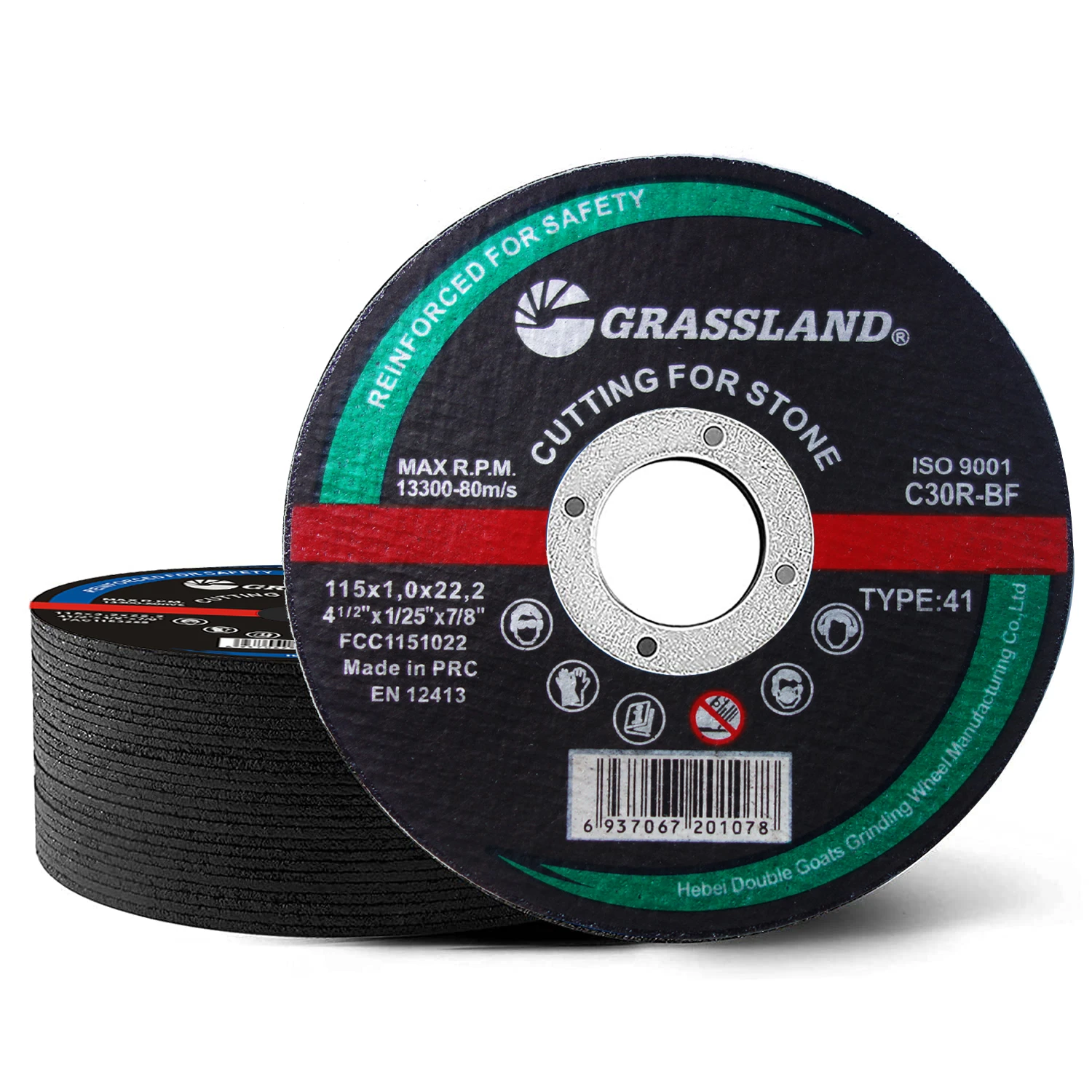
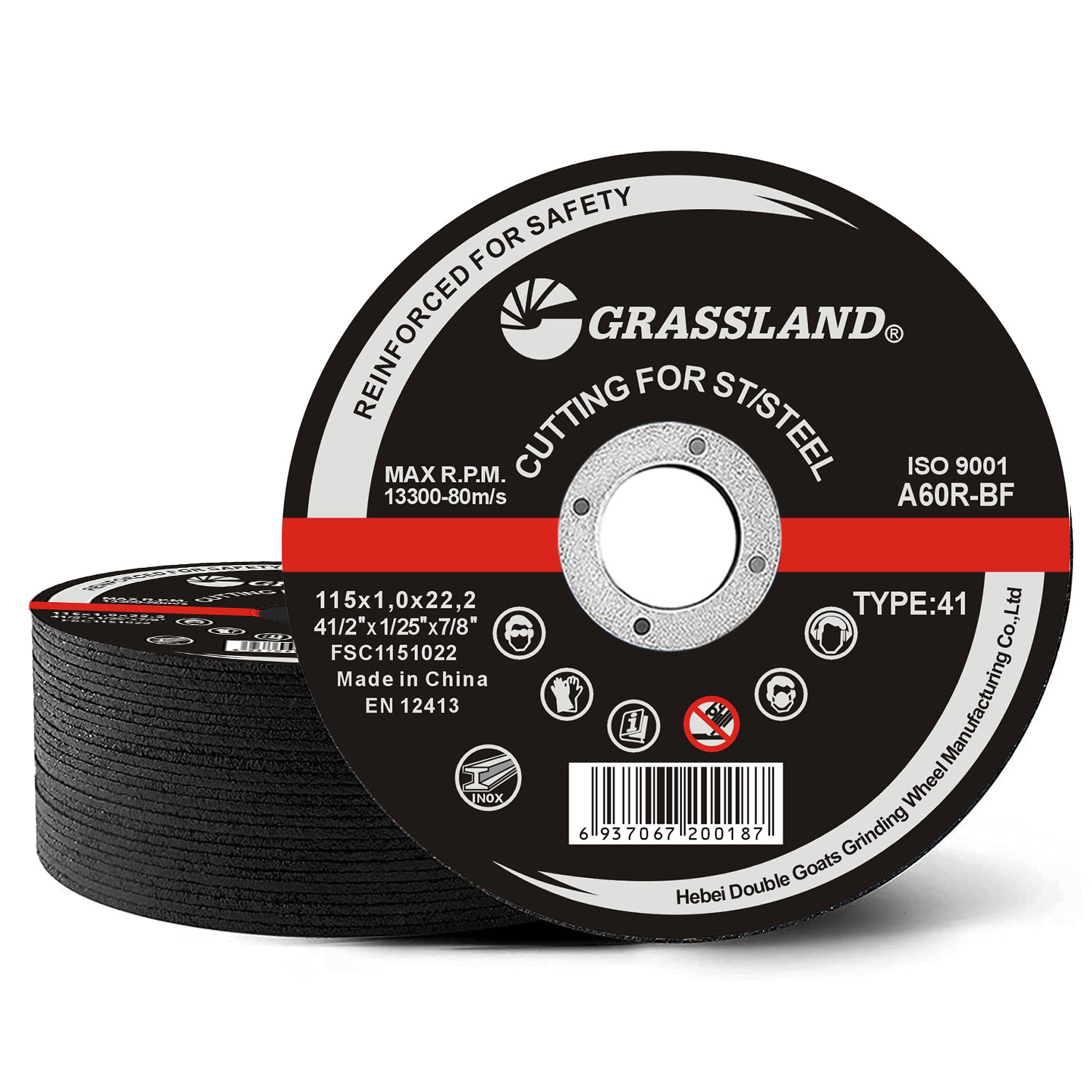
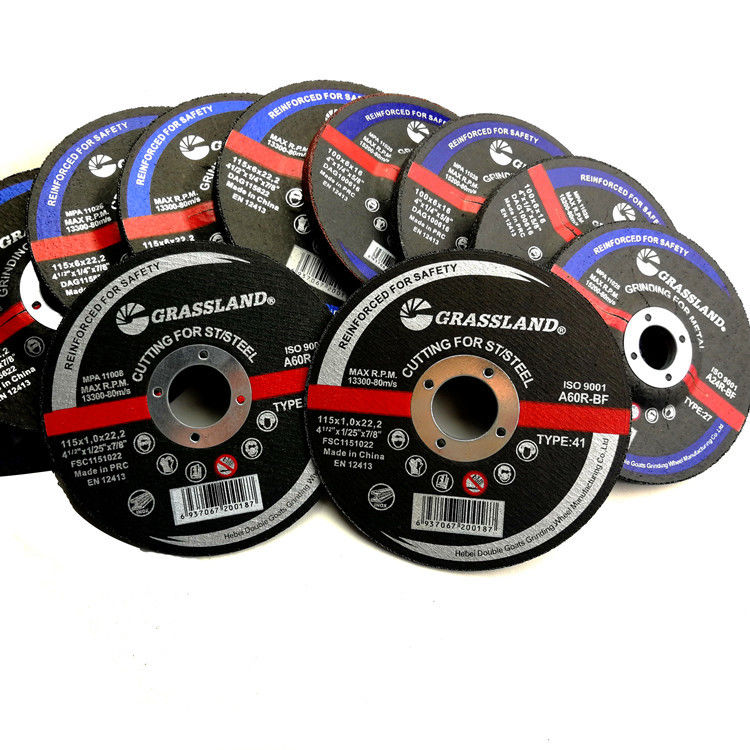
In simple terms, forma correcta de poner disco de corte means “the correct way to mount or fit a cutting disc.” These discs, used on angle grinders or cutting tools, must be secured properly on the spindle, respecting rotational directions, torque specifications, and safety guards. An improperly fitted disc can wobble, overheat, break — all dangers that can halt work or cause accidents.
Industrially, it ensures precision cutting on metals, stone, or masonry without ruining material or equipment. In humanitarian and construction contexts, efficiency is critical—cutting discs might be the linchpin between a delayed build or a timely completion.
Core Factors Behind Proper Cutting Disc Installation
1. Correct Flange and Spacer Use
Flanges secure the disc on the tool. Using the right size and type prevents disc wobble and promotes balanced pressure.
2. Observing Directional Arrows
Saw and grinding discs often have marked rotational directions—ignoring these leads to poor cut quality and potential disc rupture.
3. Torque Settings & Tightening
Too loose invites vibration; too tight can deform the disc or damage threads. A torque wrench or guided specs help.
4. Using the Right Disc for the Job
The material, thickness, and abrasive type must match the cutting task—iron discs on ceramics? Nope.
5. Safety Guards & User Protection
Ensuring guards fit and don’t obstruct but protect operators from sparks and shrapnel.
| Specification | Detail |
|---|---|
| Diameter | 115mm / 4.5" or 230mm / 9" |
| Thickness | 1.0mm – 3.2mm |
| Bore Diameter | 22.23mm (standard for angle grinders) |
| Max RPM | 13,300 – 15,300 RPM depending on size |
| Material | Aluminum oxide, silicon carbide, diamond-tipped |
Mini takeaway: Mastering the core components of disc installation is often the difference between a clean cut and an avoidable accident.
How This Knowledge Travels the Globe
No matter if you're in Europe’s heavy automotive plants, African construction sites, or South American artisanal workshops, the form of forma correcta de poner disco de corte is the universal language for safety and efficiency.
In post-disaster scenarios — for example, after earthquakes in Nepal or Mexico — rescue teams rely on power tools fitted with cutting discs to clear rubble swiftly and safely. A wrongly installed cutting disc could delay aid or worsen injuries. Similarly, in remote mining operations in Australia and Canada, cutting discs endure heavy use under tough conditions. Training operators in their correct installation ensures productivity and protects the workforce.
Vendor Vendors: Which Brands Get It Right?
| Vendor | Durability | Safety Features | Price Range |
|---|---|---|---|
| Brand A | High (long life spans) | Reinforced safety guards | $$$ |
| Brand B | Medium (durable for general use) | Standard guards | $$ |
| Local Maker C | Low (suitable for light tasks) | Optional guards | $ |
Mini takeaway: There’s a spectrum of quality and price; investing in vendor training and better discs upfront pays off.
The Long Game: Advantages You Can’t Ignore
- Enhanced Safety: Proper fitting cuts the risk of machine failure and injury — something every user appreciates.
- Cost Efficiency: Longevity means fewer replacements and less downtime.
- Environmental Impact: Cutting down on scrap materials and waste aligns with global sustainability goals.
- Trust and Confidence: Operators who understand disc assembly feel empowered and respected on site.
Looking Ahead: Innovations in Cutting Disc Installation
Technology continues to disrupt how discs are made and mounted. Smart torque-limiters and sensor-enabled guards promise to guide users toward the perfect fit. Diamond-tipped discs with longer lifespans are gaining traction, alongside eco-friendlier manufacturing processes.
Digitization offers real-time monitoring tools for disc wear and balance, which once seemed like science fiction but is now in beta tests. Honestly, the future of fitting discs might be automated — no more guessing or manual mistakes.
Hurdles and How Experts Suggest Overcoming Them
- Operator Training: Many accidents trace back to insufficient instruction. Regular hands-on training sessions are vital.
- Tool Compatibility: Sometimes, the fitter just doesn’t match the grinder – standardizing parts helps.
- Cost Barriers: Smaller workshops skimp on quality discs. Subsidies or bulk procurement can level the field.
FAQs About forma correcta de poner disco de corte
Q1: How can I tell if my cutting disc is installed correctly?
A1: Look for stable fitting on the spindle—no wobble or looseness. The disc's directional arrow should align with the grinder's rotation. Tighten according to manufacturer specs but avoid overtightening.
Q2: Can I use the same disc on different grinding machines?
A2: Only if the disc size and bore fit the machine specifications. Also, confirm the RPM ratings match to avoid disc failure.
Q3: What happens if I install the disc backward?
A3: The disc might spin improperly, leading to poor cut quality and possibly dangerous shattering. Always respect the rotational direction indicated.
Q4: Are there special cutting discs for particular materials?
A4: Yes, discs vary by abrasive type for metals, masonry, ceramics, or composites. Using the right disc ensures cleaner cuts and longer tool life.
Q5: How often should I replace cutting discs?
A5: Replace when you notice significant wear, cracking, or reduced cutting efficiency. Regular visual inspection before use is key.
Wrapping Up
The humble cutting disc, when mounted correctly, is more than just a tool — it’s an enabler of progress, safety, and sustainable industry. Mastering the forma correcta de poner disco de corte might seem like a small step, but in real terms, it translates into trust, productivity, and peace of mind across countless industries worldwide. So next time you pick up that angle grinder, remember: the right fit is everything.
Visit our website to explore safe practices, trusted disc brands, and installation guides.
References
Post time:Nov - 28 - 2025