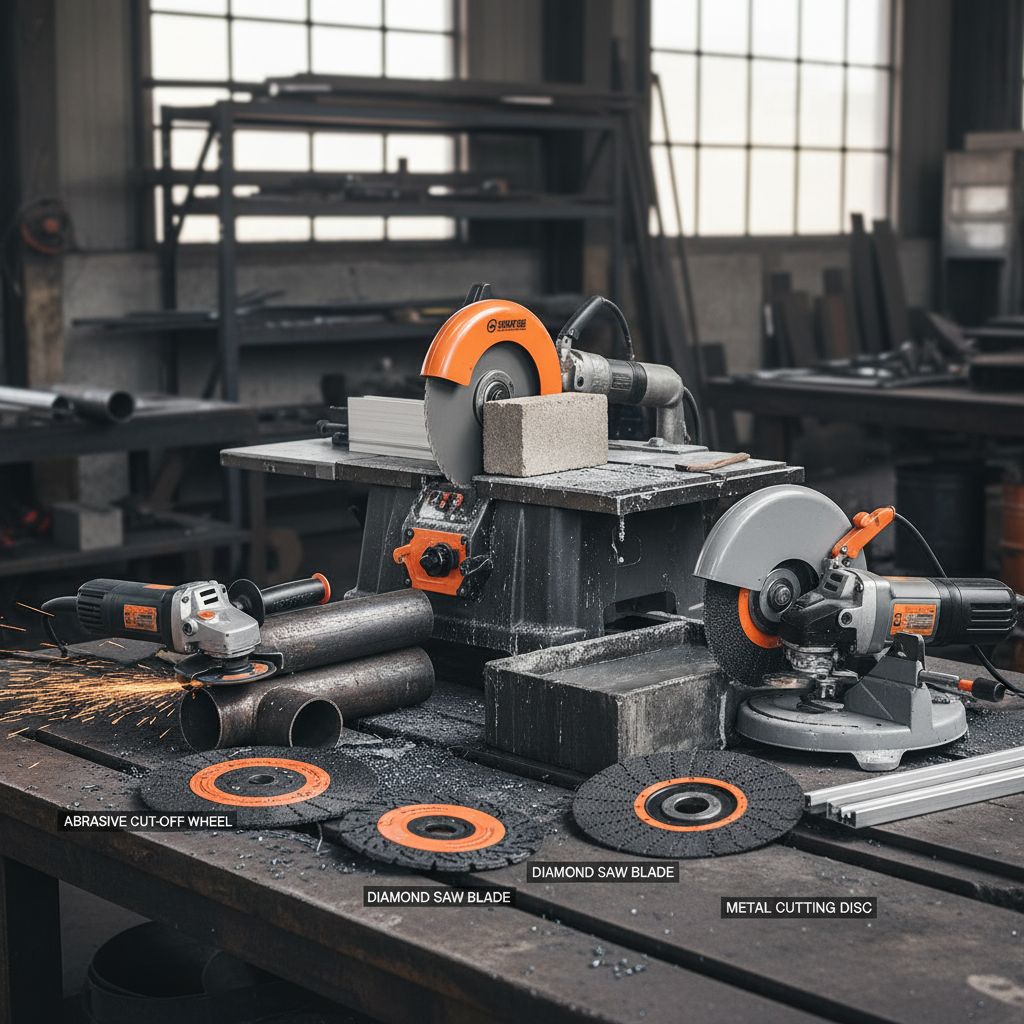
To be honest, this grinding wheels supplier thing… it’s been a year of running around factories, getting my hands dirty. You wouldn’t believe the stuff I’ve seen. It's not just about specs on a datasheet anymore, it's about real-world application, you know? The whole industry's moving towards higher precision, longer life, and, naturally, lower costs. Everyone wants more for less.
Have you noticed how everyone’s obsessed with diamond grit now? Seems like every other supplier is pushing ‘premium’ diamond wheels. It can be good, but it’s also easy to get burned. A lot of them skimp on the bonding agent. You get a wheel that wears down way too fast, or worse, breaks apart mid-cut. I encountered that at the Changzhou tool factory last time. Total mess.
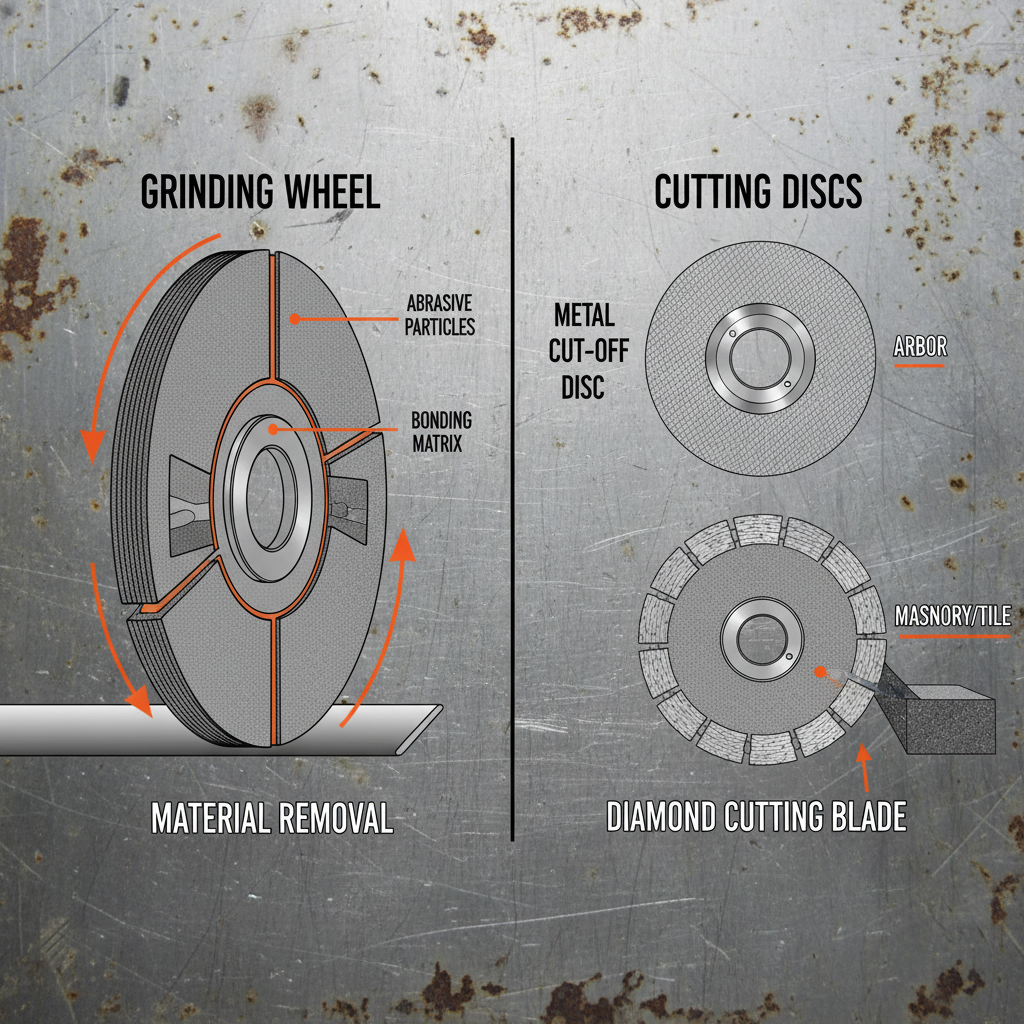
It’s a deceptively simple thing, a grinding wheel. But the materials… that's where it gets interesting. We're dealing with abrasives – silicon carbide, aluminum oxide, cubic boron nitride, diamonds, of course – and then the bonding agents. Resin bonds are the most common, give you a good balance of cost and performance. Vitrified bonds are tougher, for high-stress applications. They smell awful when you’re cutting them, though. Like burning rock. Then you’ve got metal bonds, but those are pretty specialized. The feel is important, too. A good resin bond feels… firm, but not brittle. Like it’s got a little give. You can tell a cheap one just by handling it.
Industry Trends and Common Pitfalls
Strangely enough, a lot of suppliers focus on the grit size and hardness, but they forget about the wheel’s balance. An unbalanced wheel vibrates like crazy, ruins the surface finish, and wears out the spindle on your machine. It’s a small thing, but it adds up. Another thing? People underestimate the importance of proper storage. Keep them dry, obviously, but also protect them from extreme temperatures. A cold wheel can crack when you put it under load.
And I see it all the time: folks using the wrong wheel for the material. Trying to cut hardened steel with a wheel designed for aluminum? You’re just asking for trouble. It won't cut efficiently, it’ll glaze up, and you’ll end up wasting time and money.
Material Deep Dive: Abrasives and Bonding Agents
Let's talk bonding agents. Resin bonds are great for speed and a decent finish. Vitrified bonds, those are for heavy-duty stuff, like grinding carbide tooling. They can take a beating, but they're slower and tend to generate more heat. And then there’s metal bond… those are tricky. You really need a specialist for those. You'll find them on diamond grinding wheels used for continuous form grinding of cutting tools.
The abrasive itself matters, too. Aluminum oxide is good for general purpose grinding. Silicon carbide is harder and cuts faster, but it’s also more brittle. Cubic boron nitride (CBN) is for hardened steels and superalloys – really tough stuff. And diamonds… well, diamonds are diamonds. They’re expensive, but nothing else cuts like them. You can tell a good diamond wheel by the clarity of the cut and how long it holds its edge.
Honestly, there's a real art to formulating a grinding wheel. It's not just about mixing ingredients, it's about understanding how they interact with each other and with the workpiece material. And, surprisingly, a lot of it still comes down to experience. You can run all the simulations you want, but nothing beats a seasoned grinder who can feel what’s going on.
Real-World Testing: Beyond the Lab
Look, lab tests are fine, but they don’t tell the whole story. A grinding wheels supplier will show you charts and graphs, but you need to see how it performs on the shop floor. I always ask for a sample and run it on our test rig – a beat-up old milling machine that's seen better days, but it gets the job done.
We don’t just measure cutting speed and material removal rate. We look at surface finish, wheel wear, and vibration levels. And we push it. We run it at higher speeds and feeds than recommended, just to see how it holds up. If it cracks, chips, or vibrates excessively, it’s a no-go. We also look for heat buildup – a hot wheel is a sign of inefficiency and potential damage.
Anyway, I think the most important test is simple: can it consistently produce parts to spec? If it can’t do that, it doesn’t matter how fancy the marketing is. That’s the bottom line.
How Users Actually Utilize Grinding Wheels
You'd be surprised. A lot of guys just slap a wheel on the machine and go to town. They don't bother with dressing the wheel, checking the spindle runout, or even making sure they're using the right coolant. It's a bit… chaotic sometimes.
I’ve seen guys try to grind hardened steel with a wheel that’s clearly worn out. Or use a wheel that’s too aggressive and tear up the workpiece. They're in a rush, trying to meet a deadline, and they cut corners. It always catches up with them eventually.
Grinding Wheels Supplier Performance Metrics
Advantages and Disadvantages: A Pragmatic View
Look, a good grinding wheel saves you time and money. It cuts faster, lasts longer, and produces better results. It’s simple as that. But they’re not perfect. They're consumables, obviously. You’re going to wear them out, and they can be expensive, especially the high-performance ones.
There's also the safety aspect. A broken wheel can be dangerous. That’s why it’s important to use the right wheel for the job, inspect it regularly, and follow proper safety procedures. Don’t skimp on safety glasses. Seriously.
Customization and Specific Applications
I recently had a customer, a small aerospace shop, who needed a wheel for grinding a very specific alloy. The standard wheels just weren’t cutting it. So, we worked with the supplier to develop a custom wheel with a unique abrasive blend and bonding agent. It took some time and effort, but it solved their problem.
It's really interesting how much you can tweak the formula. Different grit sizes, different bonding agents, different additives… it all affects the performance of the wheel. You can tailor it to the specific application. That’s where a good supplier can really add value.
A Case Study: The Shenzhen Smart Home Debacle
Last month, that small boss in Shenzhen who makes smart home devices insisted on changing the interface to on his grinding wheels. Said it was “more modern.” I tried to explain that the standard quick-change system was faster and more convenient, but he wouldn’t listen. The result? Production slowed to a crawl. Guys were fumbling with the connectors, dropping wheels, and generally making a mess.
He ended up switching back to the standard system after a week. Lost a lot of money in the process. Later… forget it, I won’t mention it. It just proves that sometimes, you don’t want to fix what isn’t broken. I’ve seen it so many times.
Anyway, I think the lesson there is to listen to the guys on the shop floor. They know what works and what doesn’t. They’re the ones who are actually using the tools every day.
A Rough Comparison of Common Grinding Wheel Attributes
| Wheel Type |
Typical Application |
Cost (Relative) |
Lifespan (Roughly) |
| Resin Bond |
General Purpose Grinding |
Low |
Medium |
| Vitrified Bond |
Hardened Steels, Carbide |
Medium |
High |
| Diamond Bond |
Precision Grinding, Non-Ferrous Metals |
High |
Very High |
| CBN Bond |
High-Speed Steel, Superalloys |
Very High |
High |
| Aluminum Oxide |
Deburring, Surface Finishing |
Low |
Low-Medium |
| Silicon Carbide |
Cast Iron, Non-Ferrous |
Medium |
Medium |
FAQS
Type 1 wheels are straight wheels, used for surface grinding and cutting. Type 27 wheels are depressed center wheels, used for heavier stock removal and cleaning welds. The shape dictates the application - Type 1s are for precision, Type 27s are for aggressive material removal. Using the wrong one can lead to breakage or a poor finish, so it's worth understanding the difference. It's honestly the first thing I check.
There are several signs. If you notice excessive vibration, a decrease in cutting speed, or if the wheel is visibly chipped or cracked, it’s time for a replacement. Don’t push it. A broken wheel can be seriously dangerous. We usually have a policy: if you’re even questioning it, just swap it out. It’s cheaper than a trip to the emergency room.
It depends on the material you’re grinding. For steel, a water-based coolant with rust inhibitors is usually best. For aluminum, a synthetic coolant is preferable. Avoid using oil-based coolants with resin bond wheels, as they can break down the bond. And always make sure the coolant is clean. Dirty coolant can load up the wheel and reduce its performance.
Hugely important! Wheel dressing removes loaded abrasive particles and restores the wheel’s cutting ability. It also helps to maintain the wheel’s shape and prevent chatter. You should dress your wheel regularly, especially when grinding softer materials that tend to load up the wheel quickly. Ignoring dressing will lead to poor surface finish and reduced wheel life.
Technically, they don’t “expire” in the same way food does. But the bonding agents can degrade over time, especially if the wheel is stored improperly. So, it’s best to use wheels within a reasonable timeframe, ideally within a year or two of the manufacturing date. I’ve seen some old wheels crumble just by handling them.
Always wear safety glasses, a face shield, and hearing protection. Make sure the wheel is properly mounted and guarded. Inspect the wheel for cracks or damage before each use. Never exceed the wheel’s maximum speed. Use the correct wheel for the material you’re grinding. And most importantly, pay attention. Grinding is a potentially dangerous operation, so you need to be focused.
Conclusion
So, there you have it. Grinding wheels: seemingly simple, but surprisingly complex. We've covered a lot of ground, from material science to real-world application, and everything in between. A good grinding wheels supplier isn't just selling a product; they're providing a solution. It’s about understanding the customer’s needs, the material being ground, and the overall process.
Ultimately, whether this thing works or not, the worker will know the moment he tightens the screw. That’s the truth of it. And if you're looking for a reliable grinding wheels supplier, give us a shout. Visit our website: cutoffdiscs.com