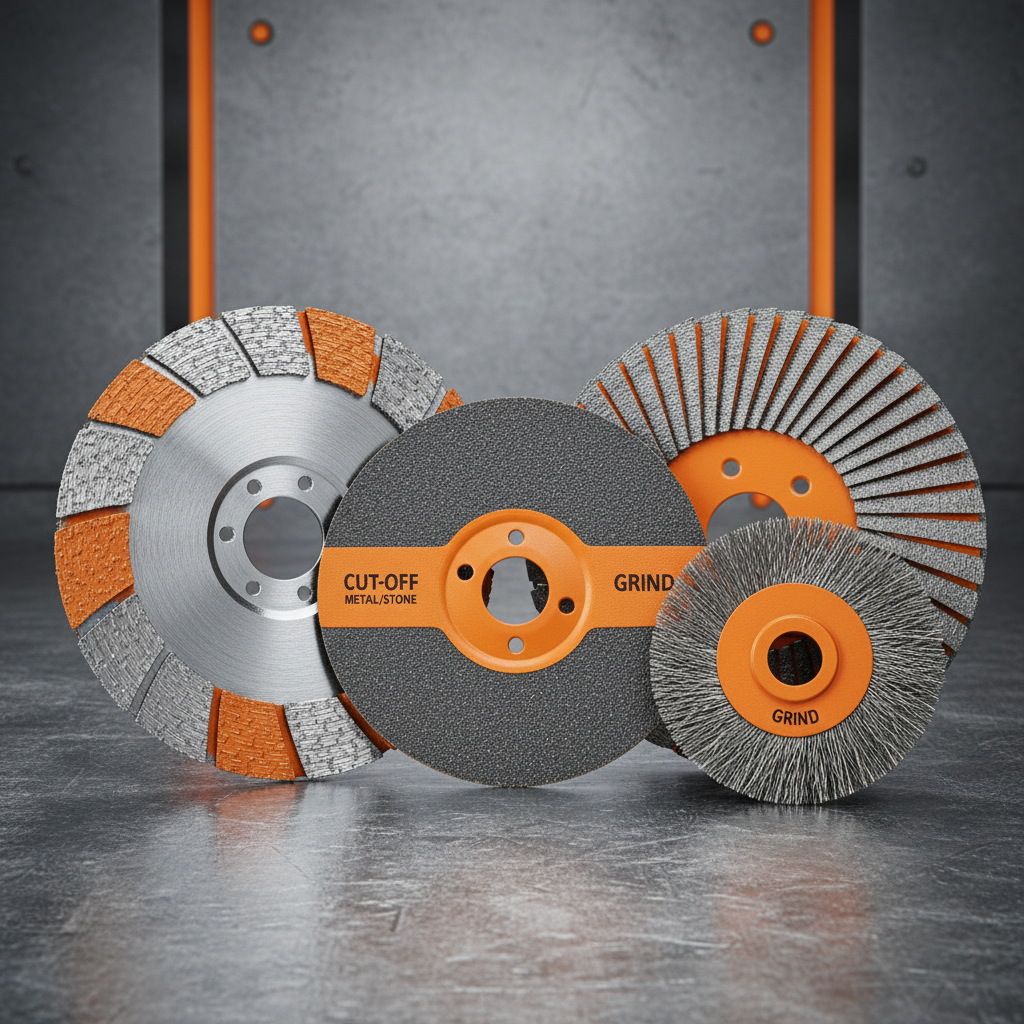
Angle grinder cutting wheel types are fundamental to a vast array of industries, from construction and metalworking to automotive repair and DIY projects. Selecting the correct wheel is crucial for efficiency, safety, and achieving optimal results. Understanding the different types available—abrasive, diamond, and specialized wheels—empowers professionals and hobbyists alike to tackle diverse cutting and grinding tasks effectively. The global demand for these wheels reflects the continued growth in infrastructure development and manufacturing sectors worldwide.
The significance of angle grinder cutting wheel types extends beyond simple material removal. They directly impact project timelines, material waste, and operator safety. Increasingly stringent regulations regarding workplace safety and environmental impact are driving innovation in wheel technology, focusing on dust reduction, noise mitigation, and longer wheel life. Properly understanding these factors contributes to sustainable and cost-effective operations.
The proliferation of angle grinders across various sectors has led to a dynamic market characterized by diverse material needs and evolving cutting techniques. Choosing the right wheel not only improves work quality but also reduces the risk of accidents and material damage. The advancements in wheel technology continue to shape how materials are processed, contributing to increased productivity and improved safety standards globally.
Understanding the Core of angle grinder cutting wheel types
At their core, angle grinder cutting wheel types represent specialized tools engineered for precisely severing or shaping materials. These wheels aren’t universally interchangeable; their composition and design are dictated by the material being worked with—steel, concrete, tile, or plastic, for instance. A foundational understanding of these differences is paramount for safe and efficient operation.
The selection process considers factors such as abrasive grain type, bonding material, and wheel thickness. High-quality angle grinder cutting wheel types prioritize durability, minimizing premature wear and reducing the risk of wheel failure, thereby enhancing worker safety and reducing operational costs.
Global Significance and Industry Context
The market for angle grinder cutting wheel types is substantial, driven by robust activity in construction, manufacturing, and infrastructure development globally. According to recent reports, the global abrasive products market—which includes cutting wheels—is projected to reach billions of dollars in the coming years, with a significant portion attributed to the demand in emerging economies.
This demand is particularly pronounced in countries undergoing rapid urbanization and industrialization. The United Nations projects continued growth in global construction spending, further bolstering the need for efficient cutting and grinding solutions. Simultaneously, increasing environmental regulations are prompting manufacturers to develop more sustainable and dust-reducing cutting wheel technologies.
A critical challenge within this industry is ensuring consistent quality and safety standards across varying manufacturers and geographic regions. Initiatives like ISO 9001 certification are playing an increasingly vital role in promoting quality control and minimizing the risks associated with substandard products.
Defining angle grinder cutting wheel types
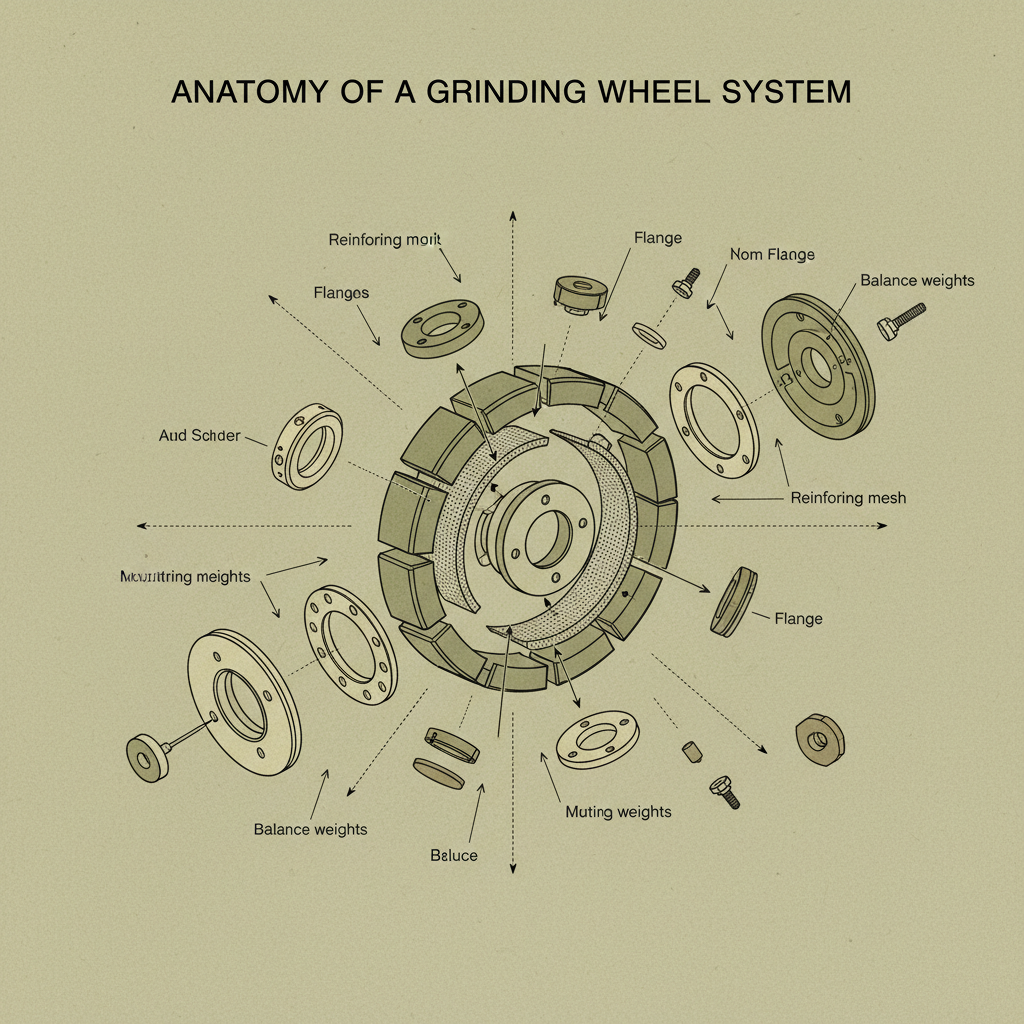
Angle grinder cutting wheel types are circular tools designed to be mounted on an angle grinder for cutting, grinding, and polishing various materials. They are composed of abrasive materials bonded together by a matrix, which can vary significantly depending on the intended application. The primary distinction lies in the type of abrasive grain, bonding agent, and the material it’s designed to cut.
These wheels bridge the gap between raw material and finished product across a multitude of industries. From the initial shaping of steel components in automotive manufacturing to the precise cutting of tiles in residential construction, they enable efficient and accurate material processing. Furthermore, their versatility allows for surface preparation tasks like deburring, rust removal, and weld finishing.
Understanding these wheels goes beyond simply identifying their physical attributes. It’s about comprehending the intricate interplay between material science, engineering principles, and practical application. A well-chosen cutting wheel can dramatically improve project efficiency, reduce material waste, and enhance workplace safety.
Key Characteristics of Effective Wheels
The effectiveness of angle grinder cutting wheel types hinges on several key characteristics. Durability is paramount, as it directly impacts the wheel’s lifespan and cost-effectiveness. A wheel that wears quickly not only increases expenses but also poses a safety risk. Grain size is another crucial factor, with coarser grains suitable for aggressive material removal and finer grains ideal for precision cutting.
Bonding material—whether resin, rubber, or vitrified—influences the wheel's ability to withstand stress and maintain its shape during operation. The correct bonding material ensures the abrasive grains remain securely embedded, preventing premature chipping or fracturing.
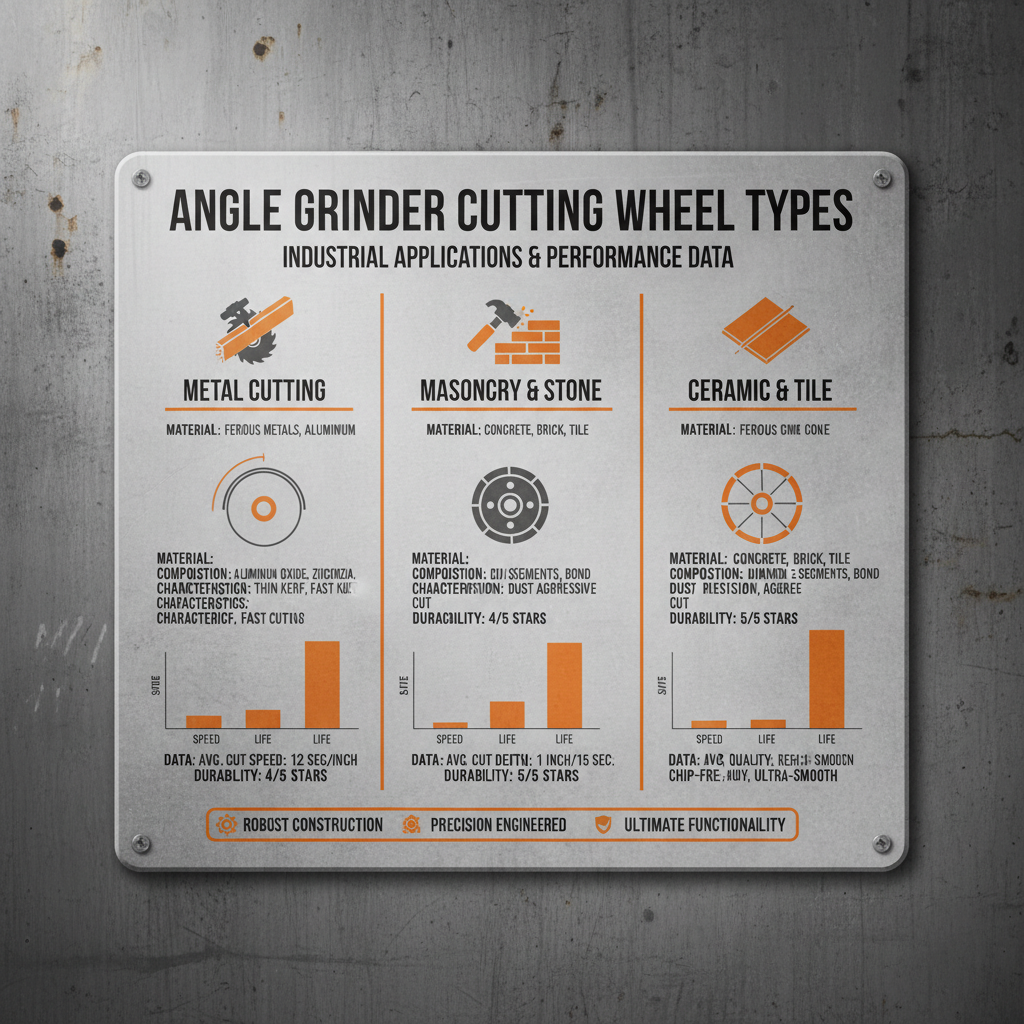
Performance Characteristics of Common angle grinder cutting wheel types
Real-World Applications Across Industries
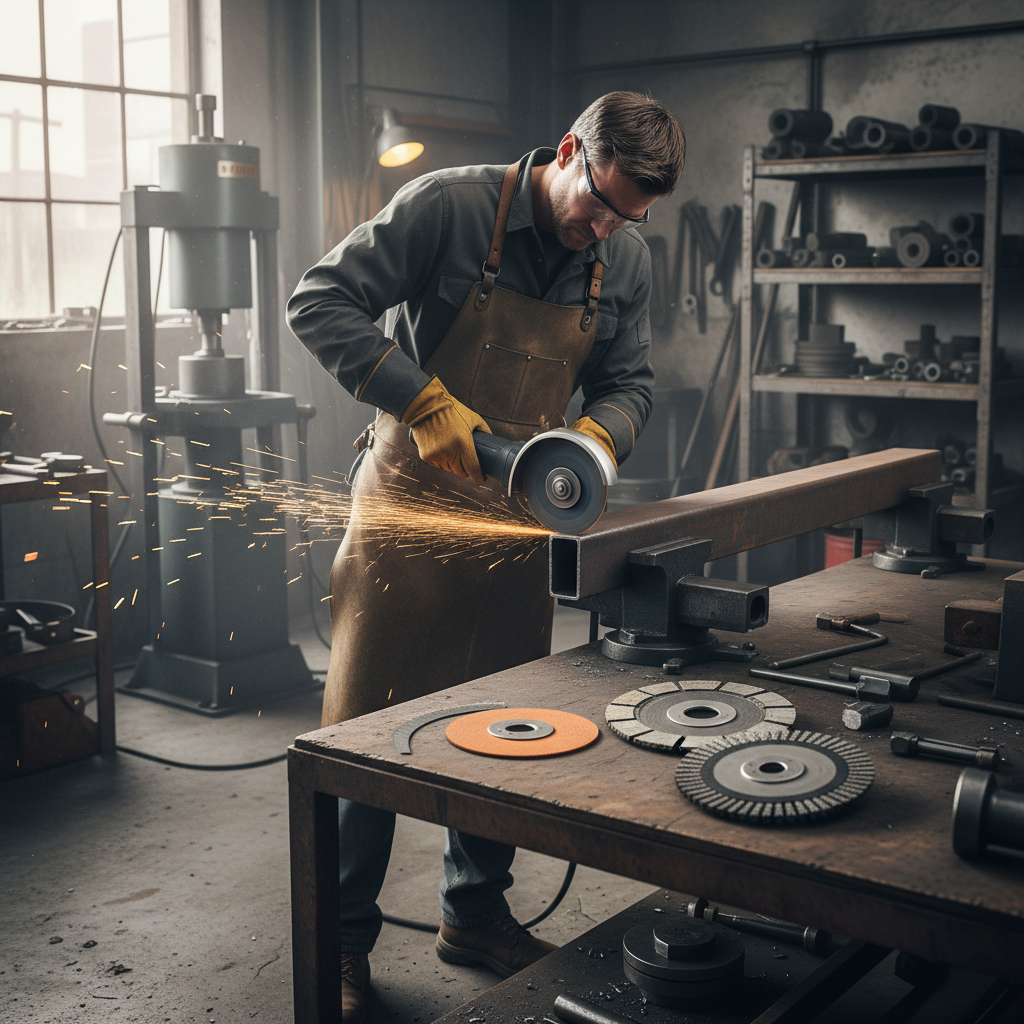
Angle grinder cutting wheel types are indispensable across diverse industries. In construction, they are used for cutting concrete, brick, and tile during renovation and new build projects. Metalworkers rely on these wheels for cutting, grinding, and polishing steel, aluminum, and other metals. The automotive industry utilizes them for bodywork repairs, exhaust system modifications, and general fabrication.
Emergency responders frequently employ cutting wheels for extricating victims from vehicle accidents or collapsed structures. In remote industrial zones, where access to specialized equipment is limited, angle grinders with the appropriate cutting wheel types become invaluable tools for maintenance and repair tasks. Furthermore, they are increasingly utilized in plumbing and electrical work for cutting pipes and conduits.
Advantages and Long-Term Value Proposition
Selecting the right angle grinder cutting wheel types delivers numerous tangible benefits. Cost savings are significant, as durable wheels reduce the frequency of replacements and minimize downtime. Improved safety is paramount—high-quality wheels are less prone to breakage and splintering, reducing the risk of operator injury.
Furthermore, efficient cutting wheels minimize material waste and improve the precision of work. The long-term value extends beyond financial gains, encompassing enhanced project quality, increased productivity, and a more sustainable operational approach. Investing in premium wheels ultimately translates to a more reliable, safer, and cost-effective workflow.
Future Trends and Technological Advancements
The future of angle grinder cutting wheel types is poised for innovation, driven by sustainability concerns and advancements in materials science. There's a growing trend toward developing wheels with reduced dust emissions, addressing health and safety concerns in the workplace. Research into new abrasive materials, such as ceramic composites, aims to enhance cutting speed and wheel longevity.
Digitalization is also playing a role, with smart wheels incorporating sensors to monitor wear and performance, providing valuable data for predictive maintenance and optimizing cutting processes. Automation, coupled with robotic angle grinders, is poised to further streamline material processing in manufacturing and construction environments.
The integration of eco-friendly bonding agents and recycled materials is gaining traction, aligning with the global push for sustainable manufacturing practices. This shift reflects a commitment to minimizing environmental impact throughout the entire product lifecycle.
Summary of Key Challenges and Solutions for angle grinder cutting wheel types
| Challenge |
Impact |
Potential Solution |
Implementation Cost |
| Wheel Breakage |
Safety Hazard, Downtime |
Improved Bonding Materials, Quality Control |
Medium |
| Dust Emission |
Health Concerns, Environmental Impact |
Dust Extraction Systems, Low-Dust Formulas |
Low to Medium |
| Uneven Wear |
Reduced Efficiency, Wheel Waste |
Optimized Grain Distribution, Wheel Design |
Medium |
| Incorrect Wheel Selection |
Poor Performance, Damage to Material |
Training Programs, Clear Product Labeling |
Low |
| High Noise Levels |
Hearing Damage, Workplace Discomfort |
Noise Reduction Coatings, Sound Dampening Materials |
Medium to High |
| Material Compatibility |
Inefficient Cutting, Wheel Damage |
Specialized Wheel Formulations, Material Charts |
Low |
FAQS
For stainless steel, a Type 1 (straight cutting) stainless steel cutting wheel is ideal. These wheels contain specialized abrasive grains, like silicon carbide, designed to cut through the hard, corrosion-resistant material without causing excessive heat buildup or wheel degradation. Ensure the wheel is specifically labeled for stainless steel to maximize performance and safety.
Signs of a worn cutting wheel include decreased cutting speed, increased vibration, and visible damage like chipping or cracking. If you notice any of these, immediately stop using the wheel. Continuing to use a worn wheel poses a serious safety risk. Regular inspection before each use is crucial.
While diamond wheels excel at cutting tile, they are versatile and can be used on other materials like glass, porcelain, and even some types of stone. The bond holding the diamond grit determines the wheel's suitability for different materials. Harder bonds are for harder materials, and softer bonds for softer materials.
Cutting wheels are designed for making clean, precise cuts through materials, prioritizing a thin profile. Grinding wheels, however, are thicker and designed for removing material, smoothing surfaces, and deburring. They often have a more aggressive abrasive grain. Using the wrong wheel for the task can lead to damage or injury.
Several methods can reduce dust. Use a dust shroud attached to the grinder to capture particles at the source. Pair this with a vacuum system designed for dust extraction. Opt for low-dust cutting wheels, and always wear a respirator to protect your lungs. Proper ventilation is also essential.
Always wear safety glasses, gloves, and a respirator. Ensure the workpiece is securely clamped. Inspect the wheel for damage before use. Use the correct wheel for the material being cut. Never exceed the maximum RPM rating of the wheel. And never remove the wheel guard. Prioritize safety above all else.
Conclusion
Understanding angle grinder cutting wheel types is essential for professionals and DIY enthusiasts alike. From choosing the right wheel for the material at hand to prioritizing safety measures and embracing innovative technologies, a thorough knowledge of these tools leads to enhanced efficiency, improved project quality, and reduced risks. The selection process directly impacts productivity, material waste, and operator well-being.
Looking ahead, continued advancements in materials science and sustainable manufacturing practices will shape the future of these vital tools. Embracing these innovations—such as low-dust formulations and smart wheel technologies—will not only enhance performance but also contribute to a safer and more environmentally responsible work environment. To learn more about choosing the perfect wheel for your needs, visit our website: angle grinder cutting wheel types.