Understanding the disc for cutting stone: Insights from the field
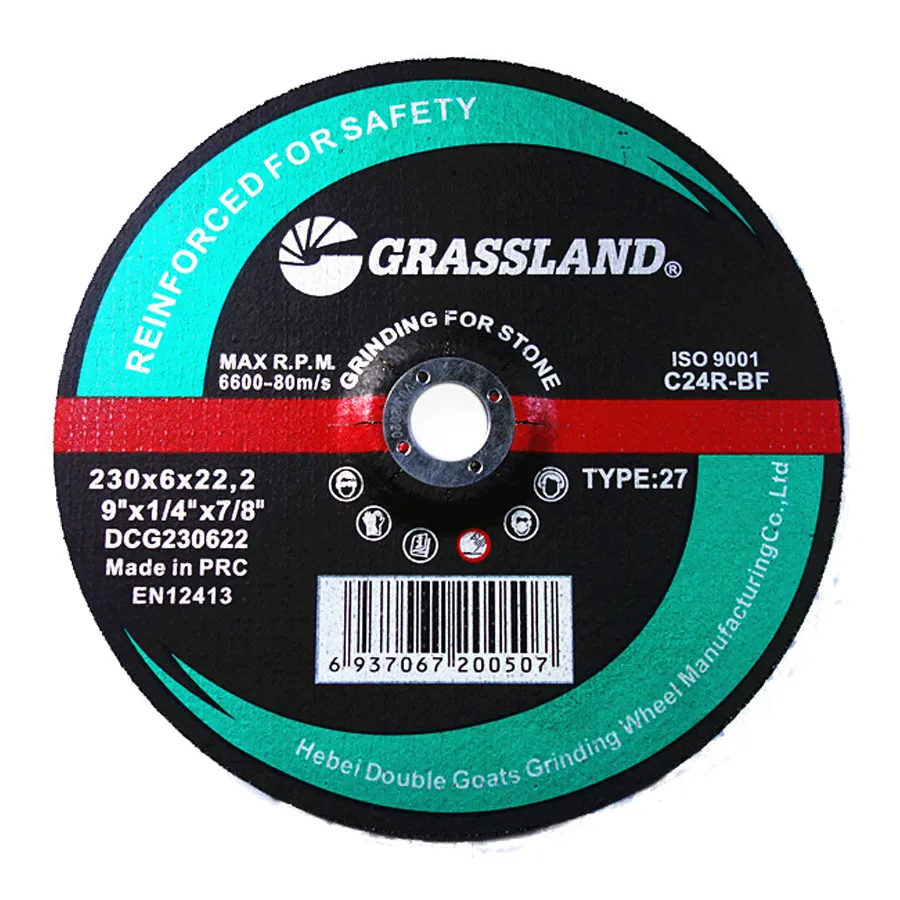
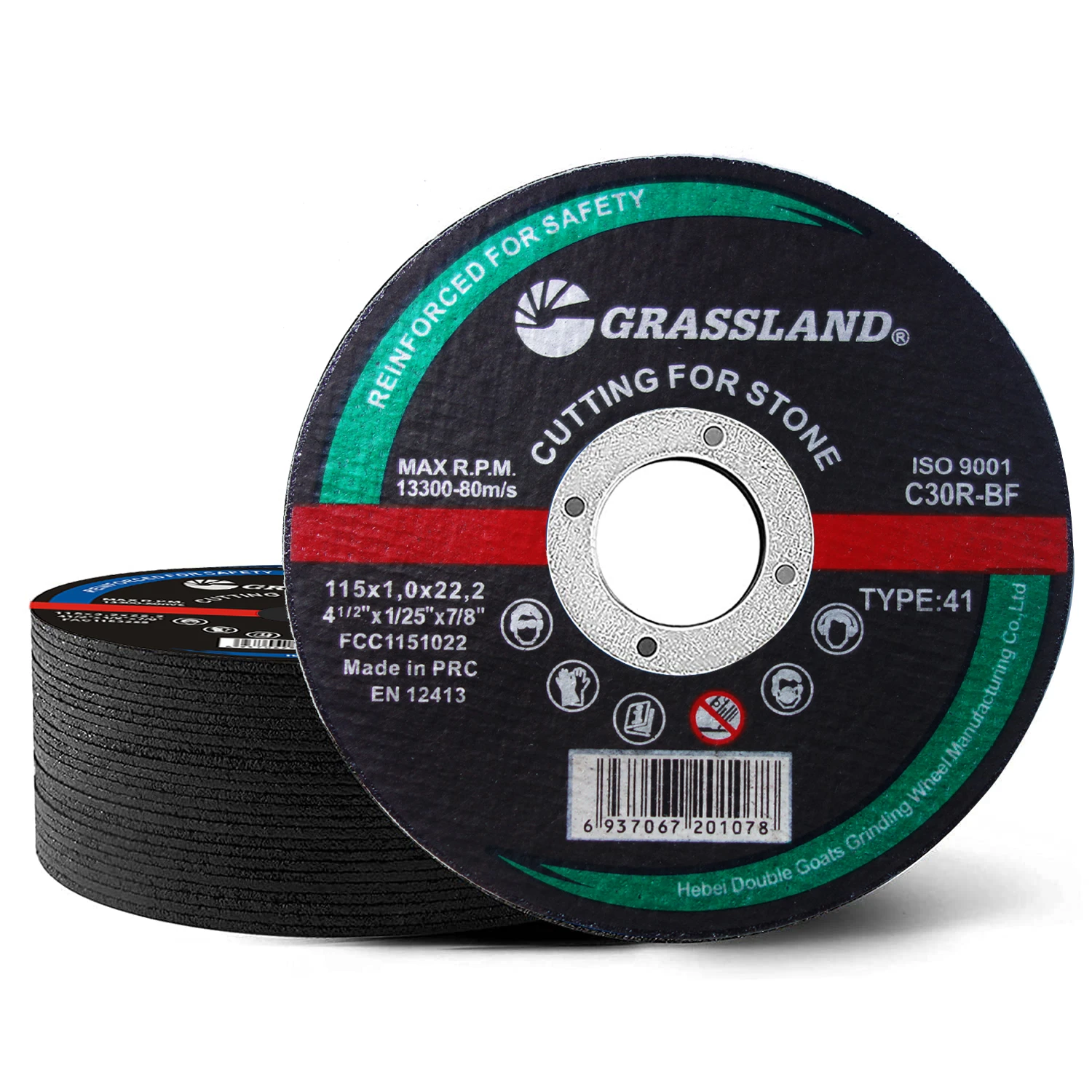
Having spent a solid decade working hands-on around industrial cutting equipment, I’ve come to appreciate just how critical the right disc for cutting stone can be. Honestly, it’s not just about slicing through marble or granite; it’s about reliability, safety, and efficiency—all wrapped into a little yet powerful piece of engineering.
Stone cutting discs aren’t a one-size-fits-all deal. You might think any disc with a diamond edge would do, but the reality is far more nuanced. The type of stone, the thickness, even the ambient temperature can affect which disc performs best. Years ago, I worked with a crew that was trying to cut some very dense basalt. We quickly realized our usual discs weren’t up to the task—they dulled too fast and slowed us down.
That experience taught me that manufacturers investing in quality materials and precise bonding make a world of difference. Today’s disc for cutting stone often combines high-grade diamond grit with alloys specifically designed to hold up under intense heat and pressure. Frankly, if the bond is too soft, the diamonds wear out; too hard, and the disc itself can fracture.
In practical terms, you want a product that’s been rigorously tested under real job site conditions. Some manufacturers boast advanced sintering techniques or laser-welded segments for better performance—terms that might sound fancy, but from my perspective, they translate directly to fewer disc replacements and smoother cuts.
Now, if you’re wondering about customization—that’s another interesting area. The best vendors don’t just offer generic discs; they’ll advise on segment height, spacing, and core plate design based on your specific stone type and cutting speed. It’s this kind of teamwork that pays off big time in the field.
| Feature | Details |
|---|---|
| Diameter | 4" to 14" (typical ranges) |
| Segment height | 8mm – 15mm |
| Bond type | Soft to medium-hard metal alloys |
| Diamond grit size | 30-60 mesh |
| Max speed | 80 m/s (varies by size) |
Oddly enough, the right disc can feel almost like an extension of your arm. I recall one project where we switched to a laser-welded segment disc and noticed the cut lines were cleaner, plus the vibration dropped noticeably. That’s not just comfort—it means less wear on the saw, fewer operator injuries, and a tighter finish for the client. Many engineers I’ve talked to say a good disc lowers downtime far more than they’d expect.
| Vendor | Disc Material | Special Features | Average Lifespan | Price Range |
|---|---|---|---|---|
| CutOffDiscs | Premium diamond grit with metal alloy bond | Laser welded, customizable segments | High (500+ cuts, depends on stone) | $$$ |
| StoneSlice | Standard industrial-grade grit | Segment cooling slots | Medium (300-400 cuts) | $$ |
| RockEdge Tools | Sintered diamond segments | Heavy duty core plate | High (450+ cuts) | $$$ |
One small story I like to share: A friend of mine runs a restoration company, mostly old stone monuments and buildings. He swore by a certain disc brand for years but switched to a premium laser-welded disc recently. The difference in speed and edge sharpness cut his project timeline in half, which frankly reminded me again how important the right cutting tool is—not just for efficiency but for craftsmanship too.
So, to wrap up: selecting the right disc for cutting stone means considering materials, cutting needs, and real-world usage, not just the sticker price. It feels like a small part, but it affects the whole job flow in surprising ways.
Thanks for hanging with me on this—if you’re gearing up for a project, choose wisely and your saw (and your body) will thank you.
References:
- Industry interviews, CutOffDiscs user reports (2022–2023)
- Technical manuals on diamond bond and sintering processes
- Field notes from multiple stone cutting projects, 2015-2023
Post time:Dec - 05 - 2025