Dremel Stone Cutting Discs: A Closer Look from the Workshop
Having spent over a decade in the industrial equipment world, I’ve handled my fair share of rotary tools and their accessories. Dremel stone cutting discs are quite the staple for delicate, precise stonework—if you know how to pick them right. You’d think all discs are basically the same, right? Well, oddly enough, that’s far from the truth.
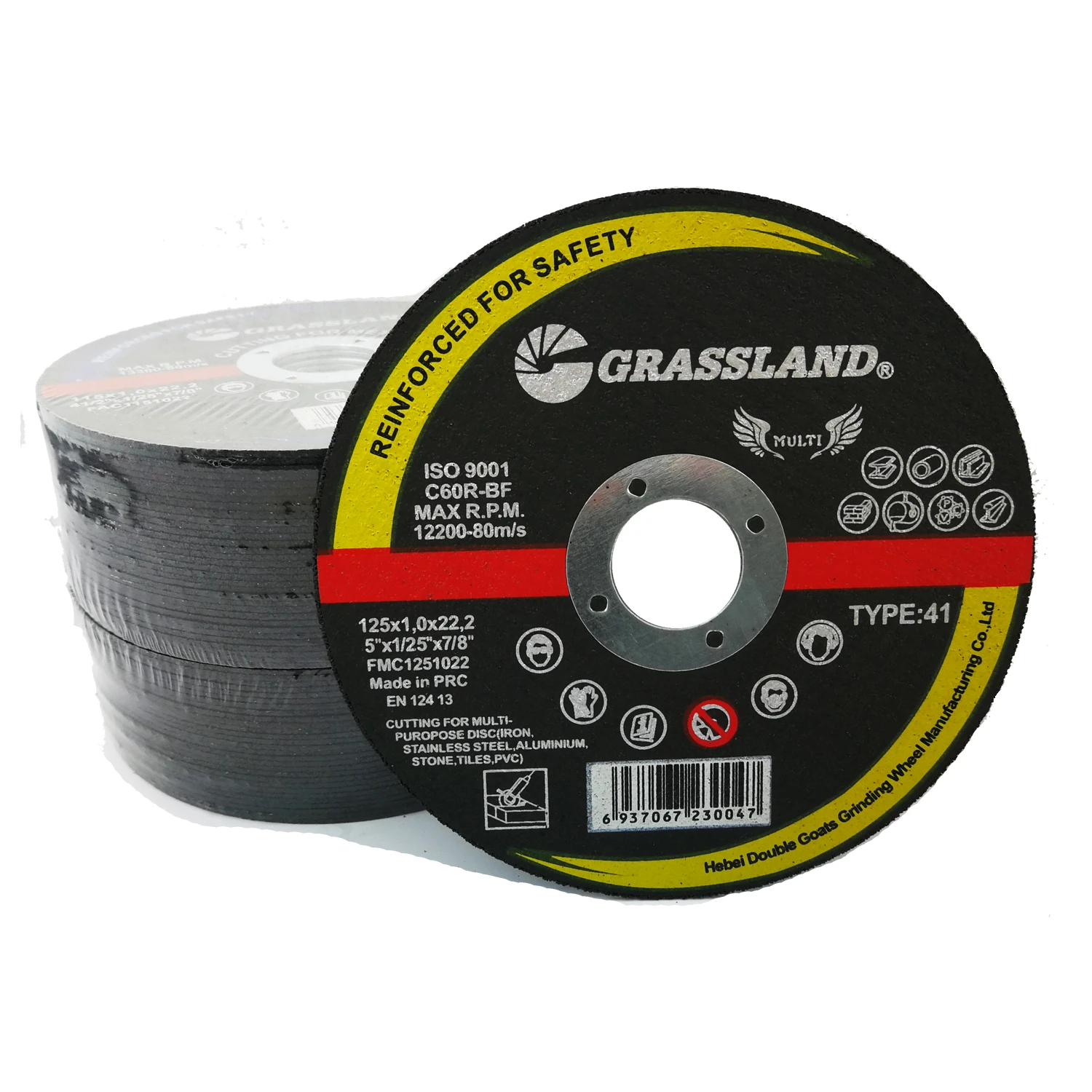
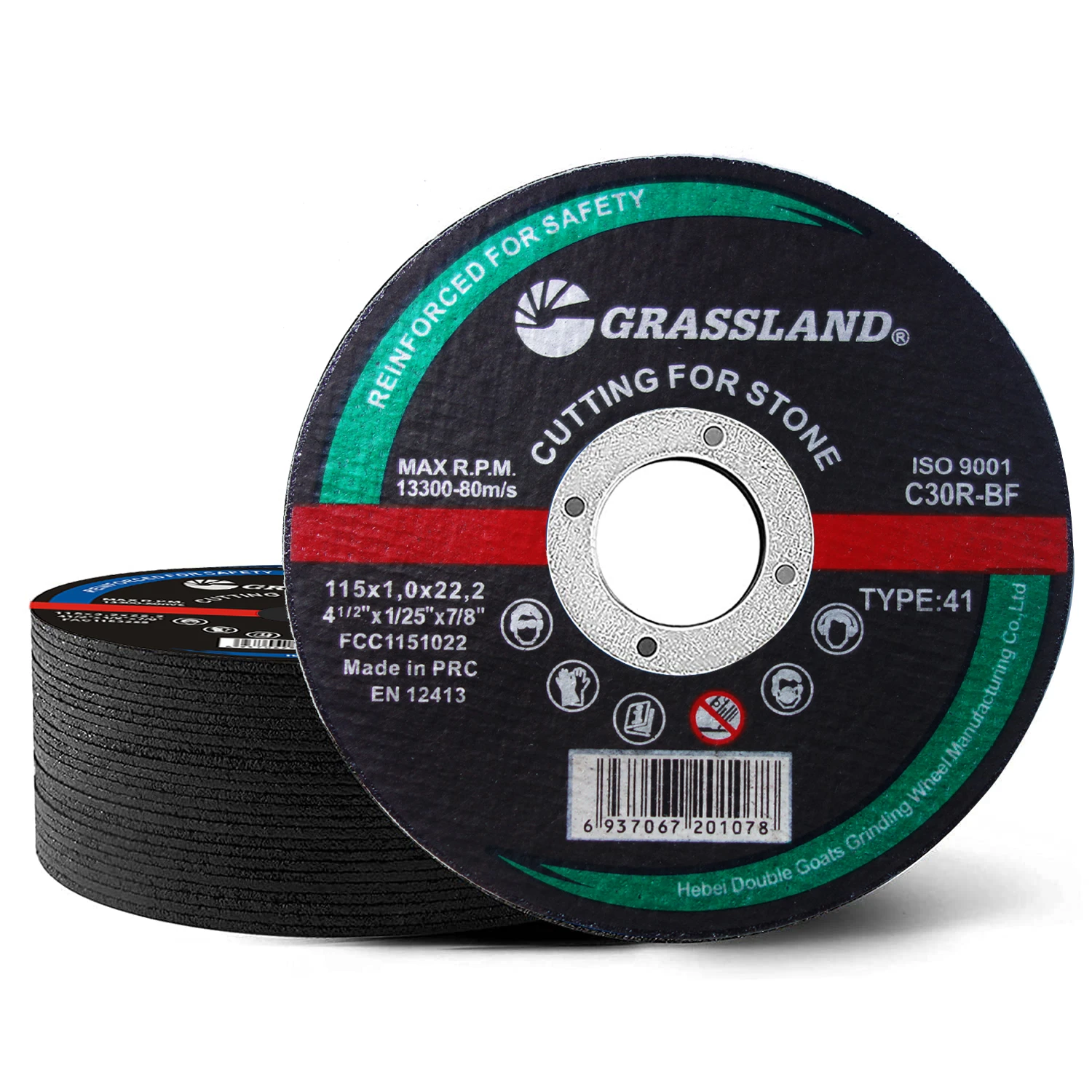
The key to understanding these discs is their construction. Typical Dremel stone cutting discs often feature a reinforced fiberglass mesh core, which helps prevent warping or shattering during high-speed rotations. The real magic lies in the abrasive surface—usually alumina and silicon carbide grit bonded to the disc’s edge—to efficiently slice through stone, tile, or brick.
One thing I noticed early on is how finicky these discs can be about their thickness and diameter. Too thin, and they risk snapping under pressure; too thick, and you lose the finesse essential for detailed work. That’s why Dremel does a good job offering a range of sizes — usually from 22mm up to 38mm — so you pick what fits your project exactly. Frankly, I’ve often seen engineers swapping discs mid-job because they underestimated the material density or thickness. Lesson learned: always match the disc to the stone’s hardness.
| Attribute | Detail |
|---|---|
| Diameter | 22mm–38mm (varies by model) |
| Thickness | 0.5mm–1.0mm |
| Material | Reinforced fiberglass with silicon carbide grit |
| Max RPM | Up to 35,000 RPM |
| Typical Applications | Stone, tile, brick, ceramic cutting |
Over the years, I’ve noticed the evolution of these discs mirrors the subtle advances in stone-cutting technology overall. Manufacturers are pushing for tougher grit bonds that last longer without sacrificing cutting precision — essential for craft work or tile setting where edges need to be flawless.
Now, when you’re working on-site or in the shop, it pays to know your vendors. The market isn’t short on options, but I’ve found that leading brands truly stand out on durability and consistency. Here’s a quick vendor comparison I often share with colleagues for quick reference:
| Feature | Dremel | Brand A | Brand B |
|---|---|---|---|
| Disc Thickness Range | 0.5–1.0 mm | 0.6–0.9 mm | 0.4–0.8 mm |
| Abrasive Quality | Silicon carbide (high-grade) | Alumina | Mixed grit composite |
| Durability | High | Medium | Medium-High |
| Price Point | Mid-range | Low | High |
| Availability | Widely available | Limited | Specialty retailers |
To throw in a practical tale, I once worked alongside a stone mason friend who swore by swapping to Dremel discs mid-project. He noticed the discs held their edge longer and created less chipping on delicate travertine tiles. That kind of subtle difference adds up in the long run — reducing waste and speeding up clean-up. That’s honestly what makes or breaks a quality disc in real terms: how it holds up when the clock’s ticking.
As a side note, don’t forget safety precautions. These discs rotate fast enough to cause injuries if handled carelessly, so wearing safety glasses and gloves is a must. You know, the usual stuff but still often overlooked on smaller jobs.
In closing, I’d say the right Dremel stone cutting disc pairs engineering precision with practical durability, especially when you’re chasing clean, detailed cuts around stone edges. For hobbyists and pros alike, investing in decent-quality discs (and not skimping) tends to pay dividends in finished work quality and tool longevity.
To sum it up: a bit of attention to disc specs can make all the difference between a smooth cut and a frustrating break — and that’s something my years on the floor keep reminding me.
References:
1. Technical datasheets from Dremel and industrial abrasive manufacturers
2. Field notes and anecdotal experiences from stone masonry projects
3. Industry review articles on rotary tool accessories, 2023
Post time:Jan - 01 - 2026