Understanding the Disc Cutter for Metal: What It Is and Why It Matters Globally
If you work in manufacturing, construction, or metalwork, chances are you’ve encountered the humble disc cutter for metal. But why should anyone beyond the workshop care? Well, this tool is a silent hero in industries sweeping the globe, shaping everything from skyscrapers to emergency relief shelters. Efficient, precise, and versatile, disc cutters for metal enable the precise fabrication and demolition of metal components, which ultimately drives innovation, safety, and economic growth worldwide.
With urbanization booming and infrastructure needs rising sharply—especially in fast-developing regions—the demand for reliable metal cutting tools like these has hit new heights. Globally, the cutting tool market is projected to grow steadily, according to ISO reports, emphasizing the relevance of understanding these tools, their components, and their applications. So it sort of goes beyond a simple blade spinning rapidly; it’s about how we build, maintain, and innovate for a better tomorrow.
The Global Context: Why the Disc Cutter for Metal Is Indispensable
Metal cutting tools have a clear societal value: the manufacturing and maintenance of everything from bridges, vehicles, shipyards, to even renewable energy infrastructure hinges on their reliability. For example, roughly 40% of global industrial machinery production uses components machined with metal cutting tools like disc cutters.1 Moreover, in disaster-prone regions, fast fabrication and repair of metal structures aren’t just cost-saving—they’re lifesaving.
The disc cutter for metal addresses challenges like precision, speed, and safety in cutting metal shapes of varying thickness and hardness. It’s really about removing barriers to efficient construction and maintenance — problems that slow down projects and can cause cost overruns.
So, What Exactly Is a Disc Cutter for Metal?
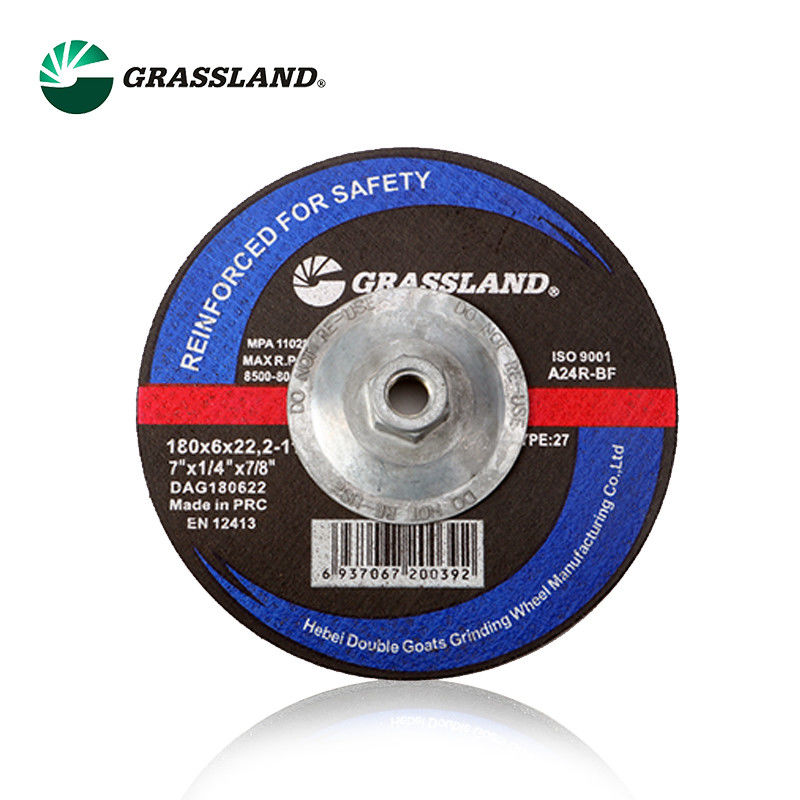
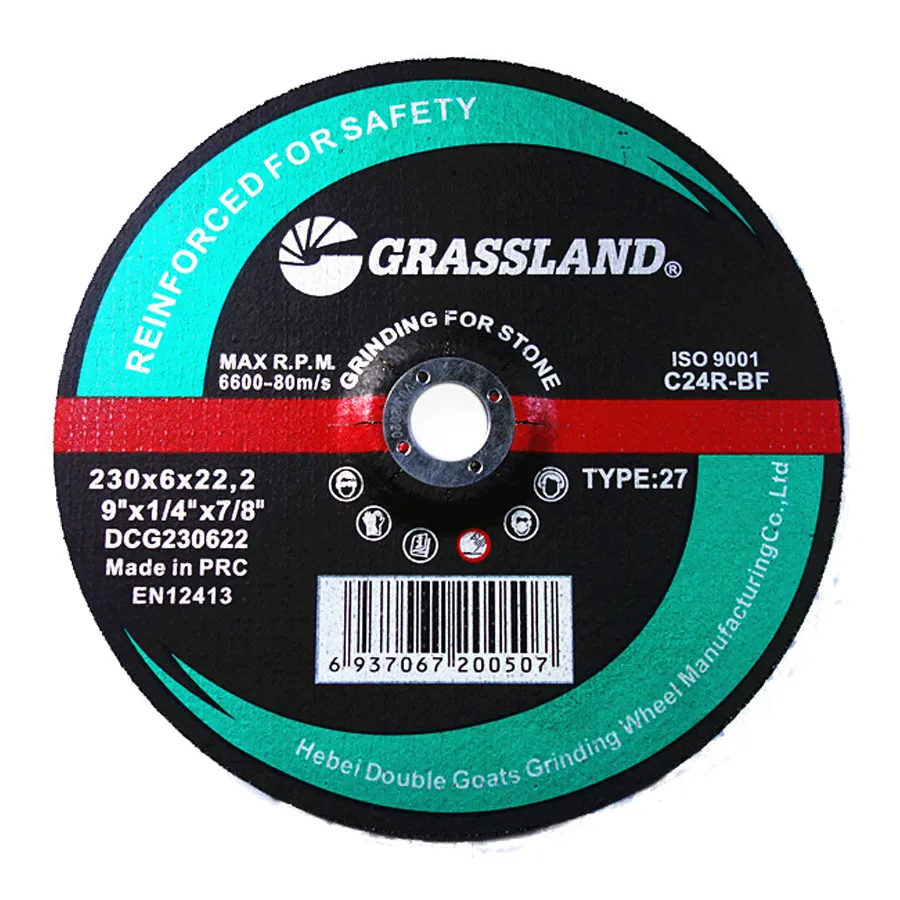
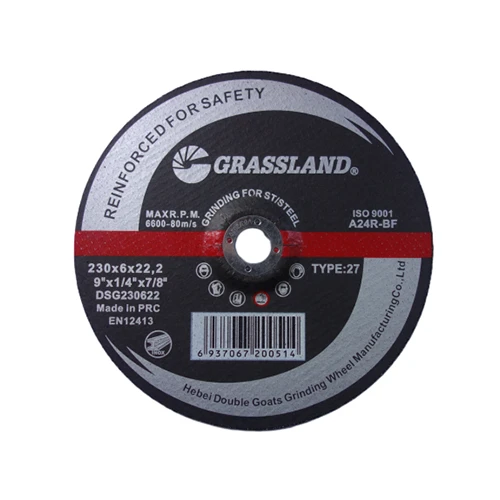
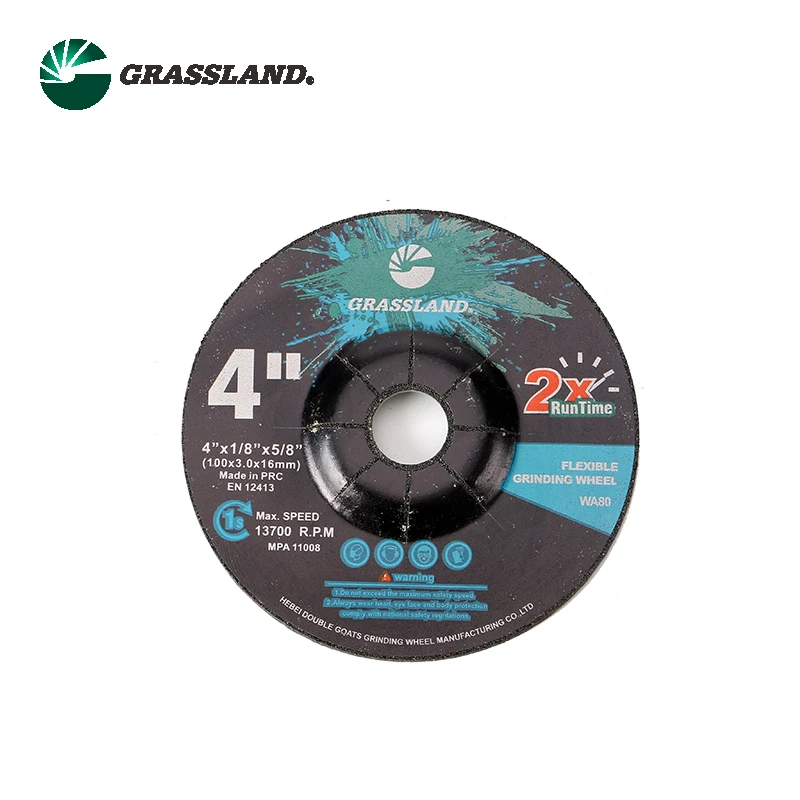
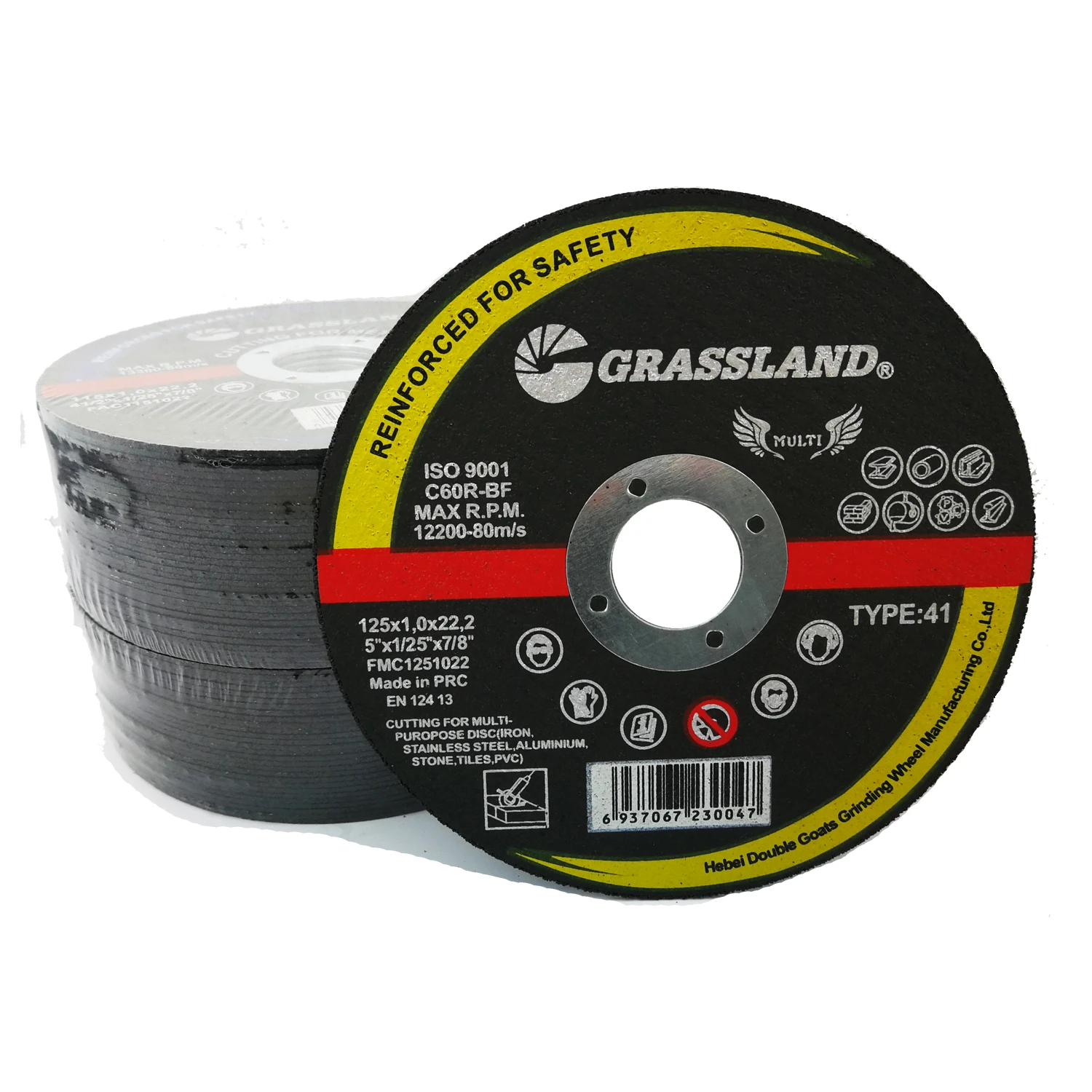
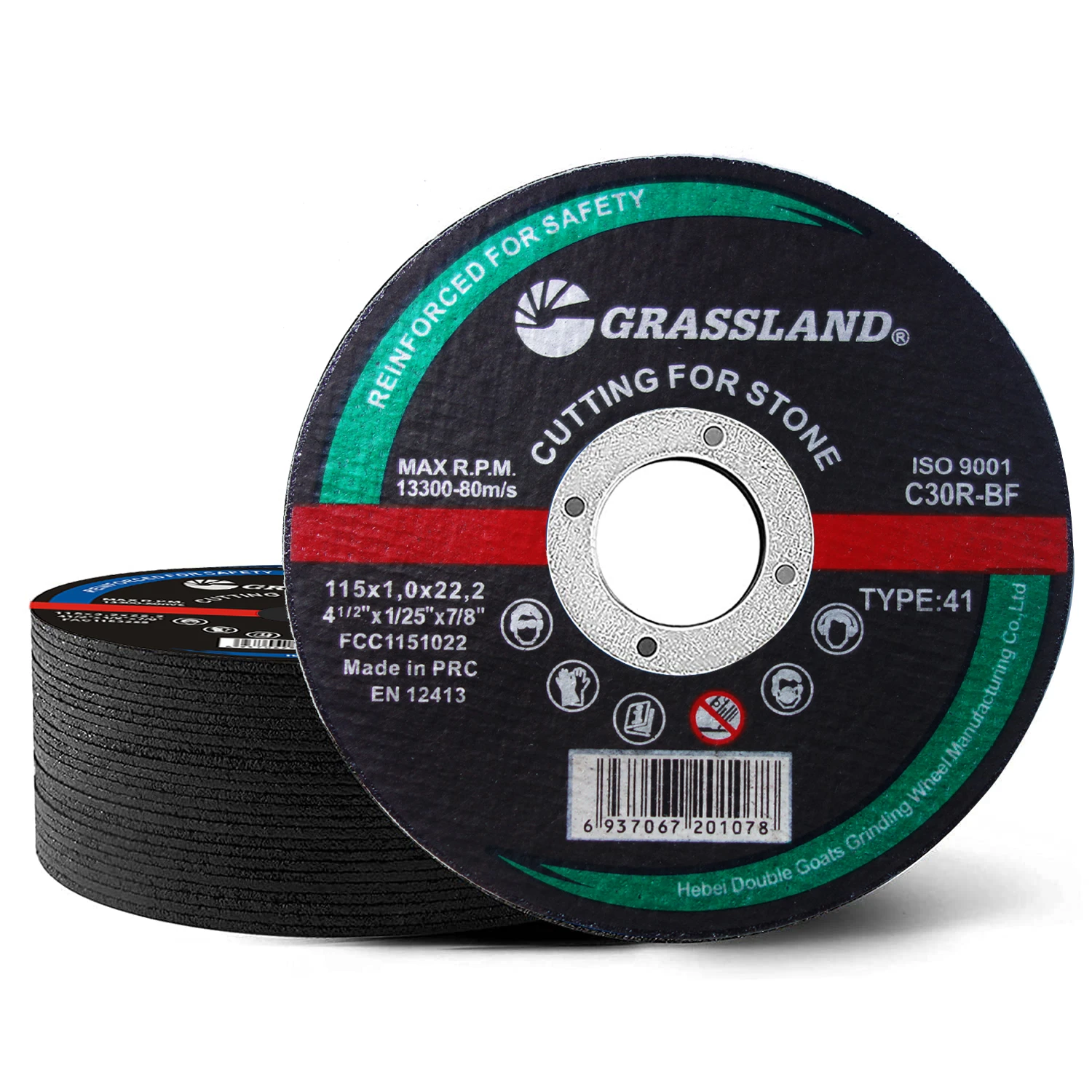
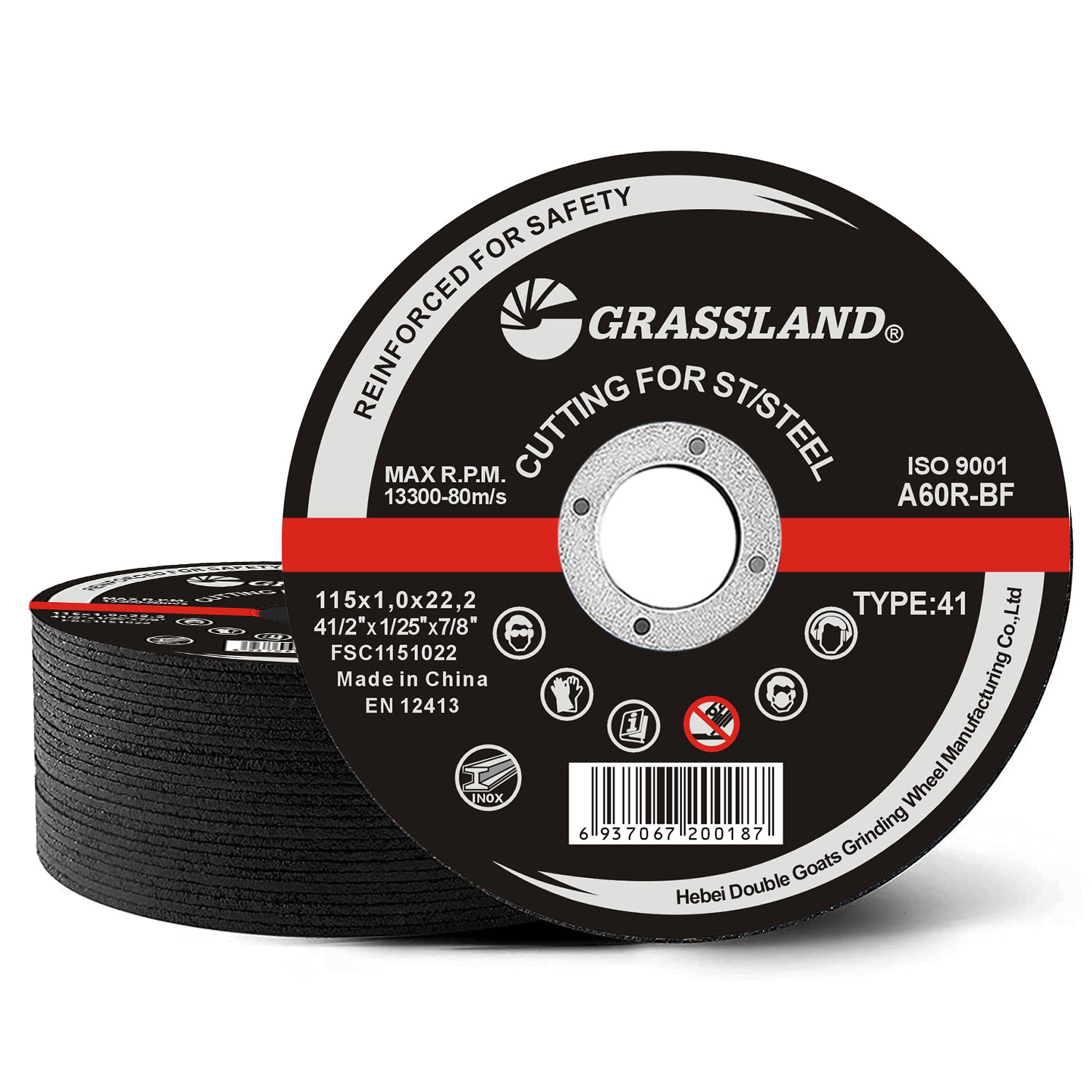
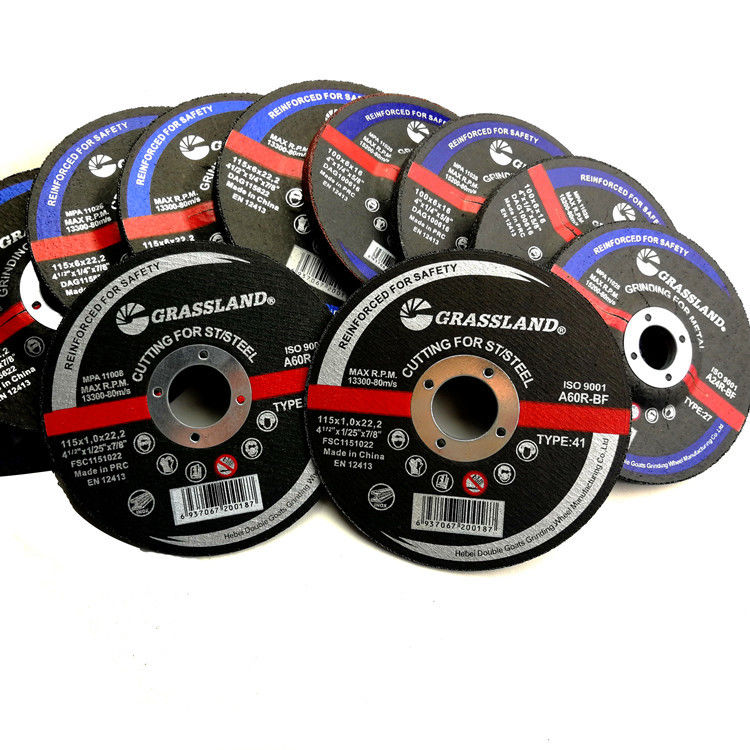
At its core, a disc cutter is a rotary tool fitted with an abrasive or toothed disc designed to slice through metal with speed and finesse. Imagine a spinning, sharp-edged wheel that can cut through sheets, bars, even hardened steel plates in seconds. These are often handheld power tools or mounted machines, depending on the job size.
They serve in both industrial and humanitarian contexts. Think of a metalworker shaping steel frames for new housing in a developing city, or an NGO cutting metal beams quickly to erect emergency shelters post-disaster. The disc cutter’s precision and portability are vital here.
Core Components and Key Factors in Metal Disc Cutters
1. Durability and Material Composition
The discs themselves are usually made of a composite of abrasive materials such as aluminum oxide or silicon carbide, chosen for their hardness and ability to withstand heat. A good disc cutter must maintain sharpness after multiple cuts without chipping or breaking. It’s a balancing act: too brittle, and it becomes unsafe; too soft, and it wears out far too quickly.
2. Power and Speed Control
The motor’s power determines the cutting capacity and efficiency. Variable speed controls allow operators to adjust cutting speed to the metal type and thickness, reducing wear on the disc and improving control—especially important on delicate fabrication jobs.
3. Safety Features
Because metal cutting generates heat and sparks, safety guards, ergonomic grips, and vibration-dampening designs are core. Many modern disc cutters incorporate automatic shut-off when discs bind to prevent kickbacks—a big safety upgrade over older models.
4. Compatibility and Versatility
A crucial factor is the disc cutter’s compatibility with various disc sizes and types, from thin discs for precision cuts to thicker discs for heavy-duty sawing. Some cutters can also handle non-metal materials, increasing their versatility on-site.
5. Cost Efficiency and Maintenance
High initial investment in durable cutters often pays off with longer disc life and less downtime. Easy disc replacement and minimal maintenance requirements also play heavily into operational costs and logistics, especially in remote zones.
Mini takeaway: Each factor—from durability to safety—directly impacts how well a disc cutter meets industrial demands or humanitarian deployment pressures.
Global Applications & Real-World Use Cases
- Construction & Infrastructure: In Asia’s rapid urban expansion, disc cutters help fabricate steel reinforcements for high-rise buildings faster and safer than traditional hacksaws.
- Emergency Relief Efforts: After earthquakes in Chile and Nepal, NGOs rely on portable disc cutters to quickly process metal frames for temporary shelters and hospitals.
- Shipbuilding & Repair: Ports in Europe routinely use powerful disc cutters to refurbish and retrofit steel hulls and decks, preventing costly downtime.
- Automotive Manufacturing: In North America, precision metal cutting with disc cutters streamlines chassis assembly and custom bodywork.
Oddly enough, while these tools are common globally, access to high-quality disc cutters can be scarce in some developing nations due to supply chain or import challenges—making awareness and availability even more critical.
Advantages & Long-Term Value of Disc Cutters for Metal
There’s an obvious economic upside: improved cutting precision reduces waste, thereby saving raw materials. Then there is the sustainability angle—better tools mean less energy consumption per cut, indirectly reducing a project’s carbon footprint. Plus, safety upgrades protect operators, preserving workforce health and enhancing productivity.
But on a human level, disc cutters enable projects that improve living conditions. Quick fabrication of metal frames means a shelter goes up sooner, a bridge gets repaired faster. Those outcomes speak for themselves in dignity and trust.
What the Future Holds: Trends and Innovations in Disc Cutting
- Green Materials: Research is underway into discs using recycled abrasives or diamond composites that last longer and generate less waste.
- Automation & Robotics: Automated disc cutting robots improve consistency and reach hazardous spots beyond human operators’ capacity.
- Smart Controls: Digital sensors embedded in disc cutters can monitor speed, temperature, and wear, alerting users for preventive maintenance.
- Wireless, Battery-Powered Units: Increased portability without power cords improves field operations and emergency responses.
Challenges and Possible Solutions
Despite advances, several hurdles remain. One big one is disc breakage during operation, which can be dangerous. Manufacturers are experimenting with hybrid materials to strike better durability/safety balance.
Supply chain issues have made procuring quality discs tricky in developing markets. Some vendors now emphasize localized production and circular supply models to reduce dependency.
Lastly, operator training is often overlooked. Investing in hands-on safety and efficiency training yields better equipment longevity and fewer accidents. Simple but effective.
Practical FAQs You Might Wonder About
- What types of metals can disc cutters handle effectively?
- Disc cutters designed for metal typically handle a range from mild steel and aluminum to harder alloys like stainless steel. The key is matching disc material and thickness to the metal's hardness and dimensions.
- How often should I replace a metal cutting disc?
- Replacement depends on use and material cut but generally after several hours of active cutting or if you notice reduced efficiency or visible wear, cracks, or glazing on the disc surface—whichever comes first.
- Are there environmentally friendly disc cutters for metal?
- Yes, newer models use eco-design principles, including recyclable disc materials and energy-efficient motors. Some discs now incorporate synthetic diamonds, extending life and reducing waste.
- Can disc cutters be used safely in dusty or outdoor environments?
- Modern disc cutters come with sealed motors and dust guards to handle harsh job sites. Still, proper protective equipment and routine cleaning are necessary for reliable operation.
- What safety gear is essential when using a disc cutter for metal?
- At minimum, safety glasses, gloves, hearing protection, and flame-resistant clothing are recommended due to sparks and metal shards.
Disc Cutter for Metal: Specifications at a Glance
| Specification | Detail |
|---|---|
| Disc Diameter | 115mm / 125mm / 230mm |
| Disc Material | Aluminum oxide, Silicon carbide, Diamond-coated |
| Motor Power | 700W to 2000W |
| Speed Control | Variable (2,800 to 11,000 RPM) |
| Safety Features | Automatic shut-off, Protective guard, Vibration reduction |
| Weight | 2.5 to 4.5 kg |
Vendor Comparison: Popular Disc Cutter Brands
| Brand | Price Range | Key Features | Warranty | Customer Rating |
|---|---|---|---|---|
| MetalPro | $80 - $150 | Lightweight, ergonomic, variable speed | 2 years | 4.2/5 |
| CutMaster | $120 - $200 | High-power motor, safety auto shut-off, vibration control | 3 years | 4.6/5 |
| IndustrialEdge | $180 - $350 | Heavy-duty, diamond-coated discs, smart sensors | 5 years | 4.8/5 |
Final Thoughts: Why Investing in a Good Disc Cutter for Metal Pays Off
Choosing the right disc cutter for metal isn’t just about buying a tool—it’s about investing in efficiency, safety, and quality of work that resonates across industries and communities worldwide. Whether you're building a bridge or a quick shelter, these devices cut through the tough stuff and make the difference between delays and breakthroughs.
If you want to explore more about disc cutters and find the perfect tool for your needs, visit our website: https://www.cutoffdiscs.com. Because sometimes, the right cut can change everything.
References:
- ISO/TC 29 – Cutting Tools Data, International Organization for Standardization.
- The World Bank, Industrial Production Data, 2023.
- United Nations Office for Disaster Risk Reduction, Shelter and Infrastructure Reports.
Post time:Nov - 29 - 2025