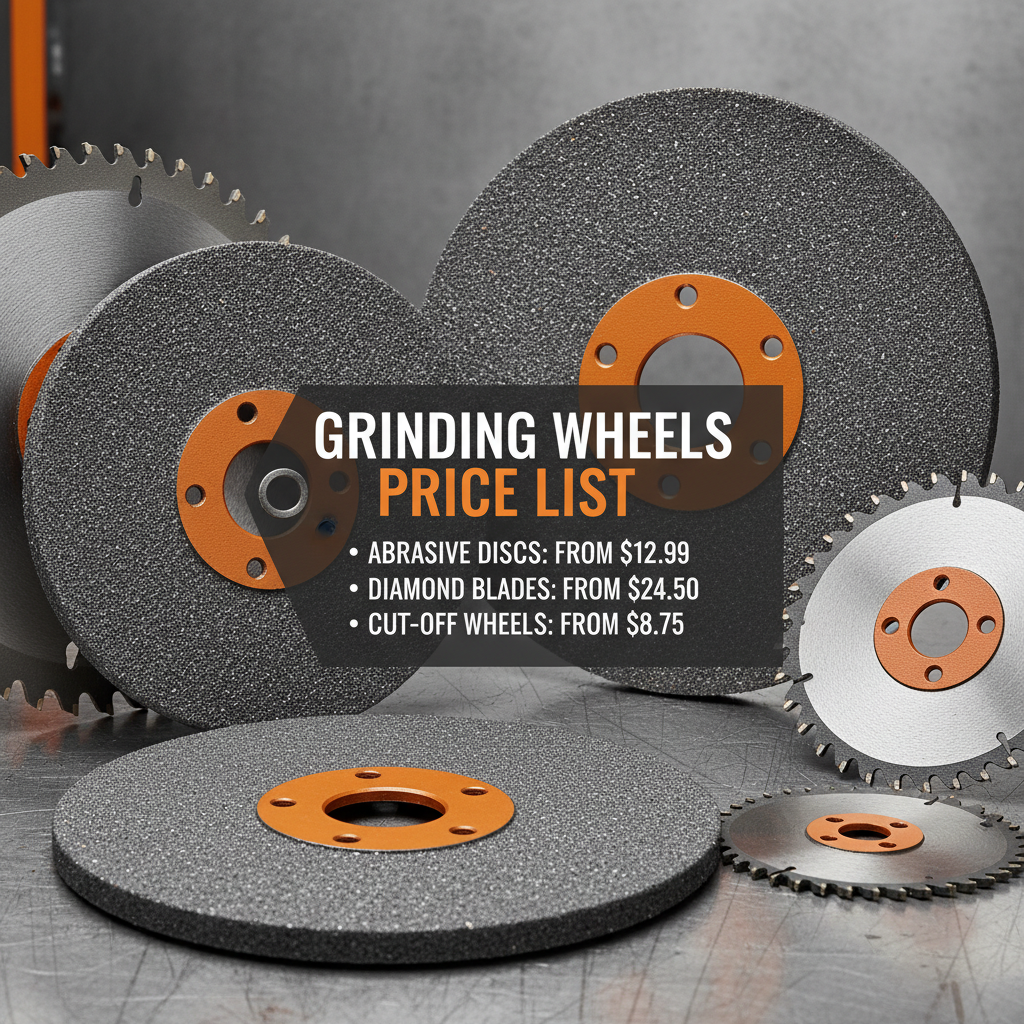
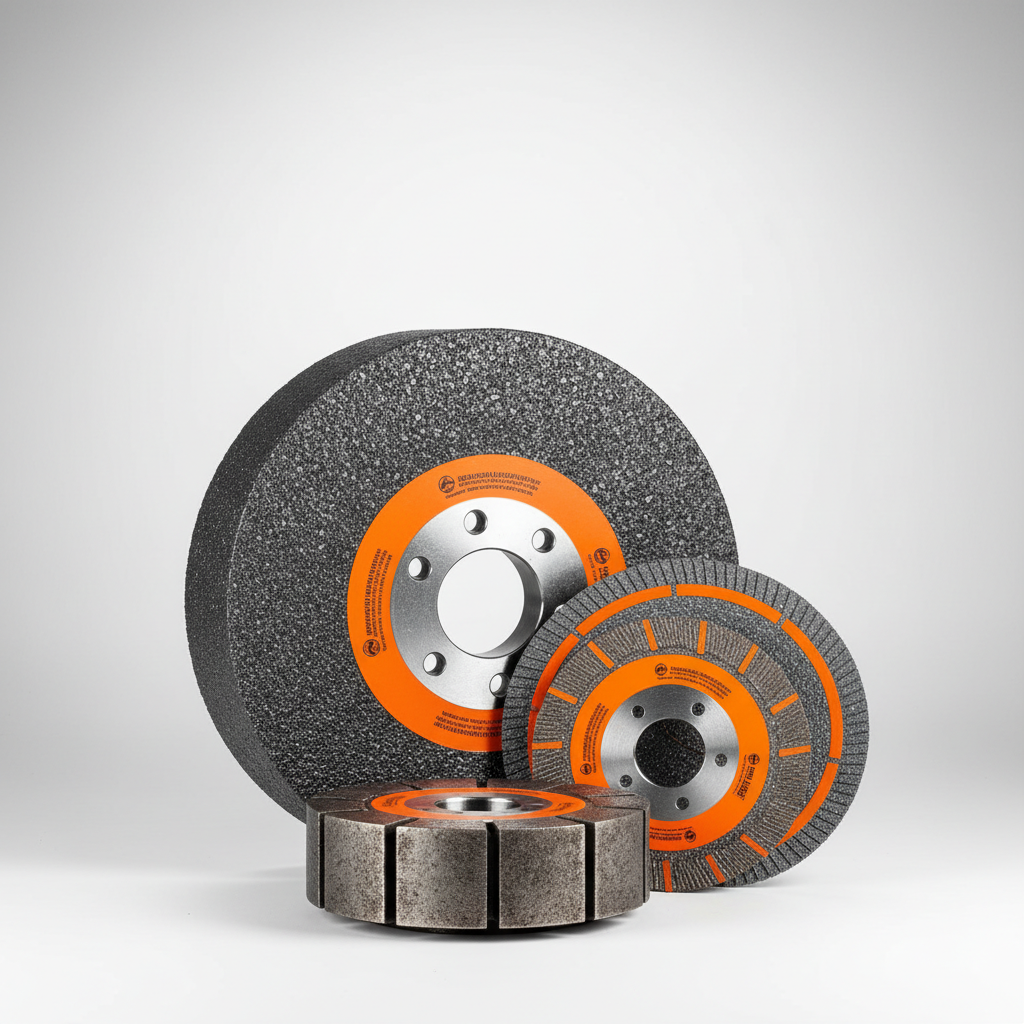
The 7 inch grinding wheel price landscape is a critical component within the manufacturing sector, particularly for industries reliant on material processing and finishing. Understanding this price point isn't just about procurement costs; it’s about operational efficiency, product quality, and ultimately, profitability. Globally, the demand for efficient and cost-effective grinding solutions is consistently rising, driven by infrastructure development, automotive production, and the increasing need for precision engineering. Analyzing the nuances of 7 inch grinding wheel price is essential for businesses navigating a competitive marketplace.
In today's globally interconnected economy, the cost of a 7 inch grinding wheel directly impacts the manufacturing supply chain. Fluctuations in raw material costs (abrasive grains, bonding agents), energy prices, and transportation logistics all play a role in determining the final price. Regions with robust manufacturing bases, such as China, Germany, and the United States, demonstrate a significant demand, influencing global pricing trends. The ability to source high-quality grinding wheels at competitive prices is crucial for maintaining a cost advantage and meeting customer expectations.
The importance of understanding 7 inch grinding wheel price extends beyond mere cost-cutting. It's about selecting the right wheel for the application, optimizing grinding parameters, and maximizing tool life. A cheaper wheel may seem appealing initially, but it could lead to lower productivity, increased downtime, and ultimately, higher overall costs. A well-informed purchasing decision, based on a thorough understanding of the factors influencing price, is key to achieving optimal results.
The Significance of 7 inch grinding wheel price
The 7 inch grinding wheel, a standard size in many metalworking and material processing applications, represents a significant cost element for businesses. Its price isn't just a line item in a budget; it's a direct indicator of operational expenses and potential for return on investment. Understanding the factors that influence this price – from the type of abrasive grain used to the manufacturing process employed – allows for informed purchasing decisions and strategic cost management.
Effective management of 7 inch grinding wheel price goes hand-in-hand with maximizing productivity and ensuring the quality of finished products. Choosing the right wheel for the specific application, optimizing grinding parameters, and extending wheel life all contribute to lowering the overall cost per part. Ignoring these factors can lead to increased expenses, reduced efficiency, and compromised product quality.
Global Market Dynamics of 7 inch grinding wheel price
The global market for grinding wheels, including the popular 7 inch size, is influenced by a complex interplay of economic factors, industry trends, and geopolitical events. Emerging economies with rapidly expanding manufacturing sectors, like India and Southeast Asian nations, are driving demand for affordable and high-performance grinding solutions. This increased demand is often met with competition from both established manufacturers and lower-cost producers.
Supply chain disruptions, often triggered by global events like pandemics or trade disputes, can significantly impact the price and availability of raw materials crucial for grinding wheel production. These materials – including abrasive grains (aluminum oxide, silicon carbide, zirconia alumina), bonding agents (resin, vitrified), and reinforcing fibers – are subject to fluctuating prices based on supply and demand.
Furthermore, currency exchange rates play a pivotal role, particularly for companies involved in international trade. Fluctuations in exchange rates can make imported grinding wheels more or less competitive, influencing pricing strategies and market share. The 7 inch grinding wheel price also responds to innovation in abrasive technology, leading to new materials and manufacturing processes that can impact both performance and cost.
Defining 7 inch grinding wheel price and its Components
The 7 inch grinding wheel price refers to the cost of a circular abrasive tool with a diameter of 7 inches (approximately 178mm), commonly used for various grinding, cutting, and finishing operations. This price isn’t a single number, but rather a variable determined by several underlying components, including the type of abrasive, the bonding material, the wheel’s construction, and the manufacturer.
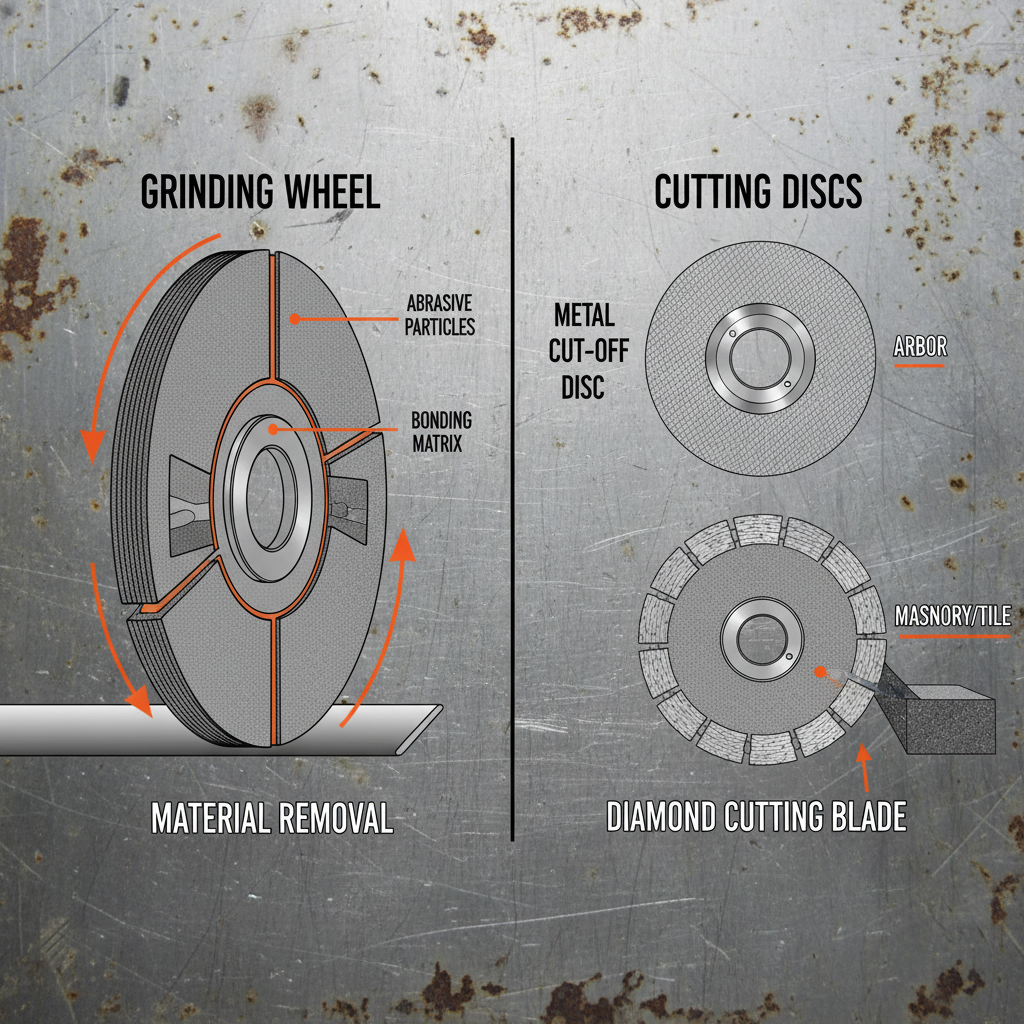
The core components that influence the price include the abrasive grain (aluminum oxide, silicon carbide, zirconia alumina, ceramic), which dictates the wheel's cutting power and material suitability. The bonding agent (resinoid, vitrified, rubber) holds the abrasive grains together and impacts the wheel's strength, heat resistance, and finishing characteristics. The wheel's construction—whether it's a straight wheel, flared cup wheel, or a depressed center wheel—also influences the price.
Additionally, the manufacturer’s brand reputation, quality control measures, and production scale all contribute to the final 7 inch grinding wheel price. Wheels meeting stringent safety standards (like those certified by ANSI or FEPA) typically command a higher price due to the additional testing and quality assurance processes involved. Finally, distribution costs and retailer margins also add to the end consumer price.
Key Factors Influencing 7 inch grinding wheel price
Several key factors exert a direct influence on the 7 inch grinding wheel price. The most significant is the type of abrasive grain used. Premium abrasives like zirconia alumina and ceramic are considerably more expensive than aluminum oxide, and consequently, wheels made with these materials will have a higher price point. The intended application also plays a crucial role – specialized wheels for stainless steel or hardened metals typically cost more due to the need for specific abrasive formulations.
The bonding system is another primary cost driver. Vitrified bonds, offering superior heat resistance and rigidity, are generally more expensive than resinoid bonds. The density of the abrasive grain and the wheel's overall build quality also contribute. High-density wheels provide longer life and better performance, justifying a higher price.
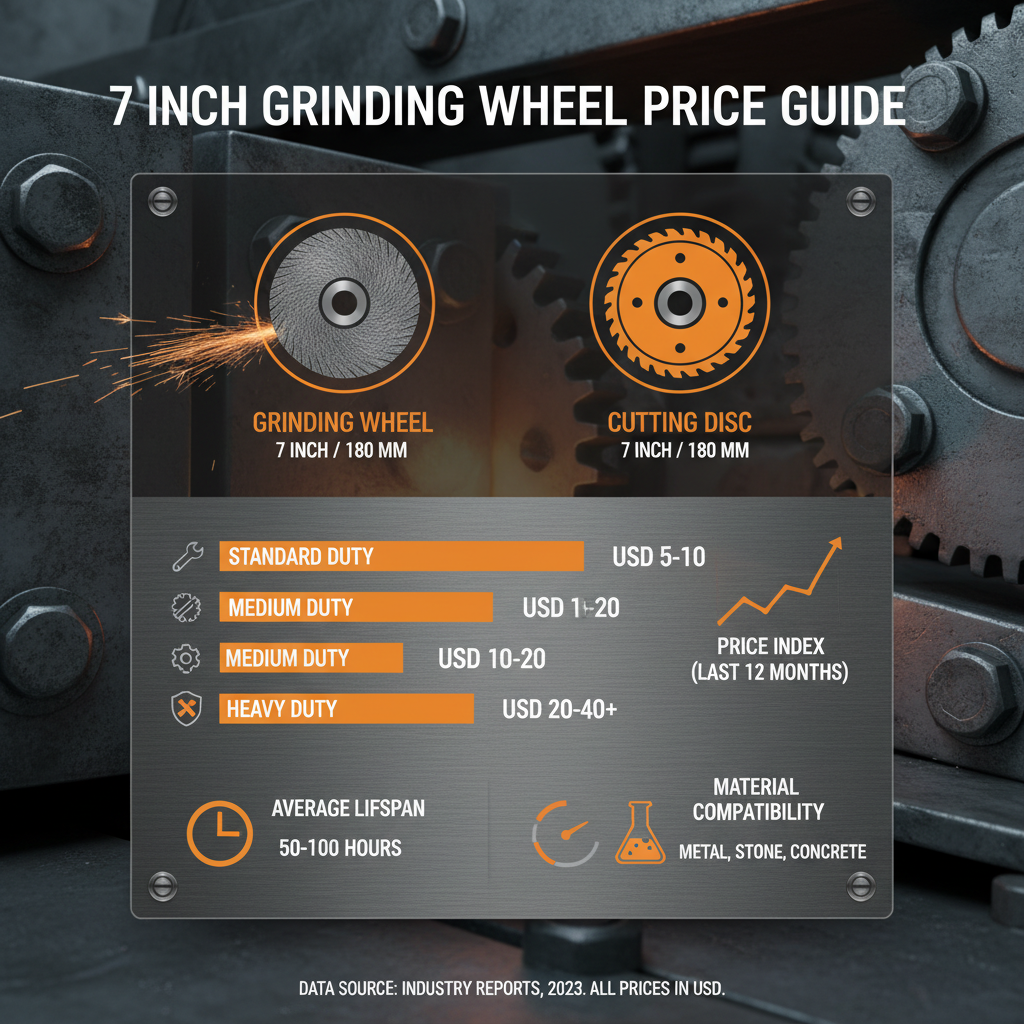
7 inch grinding wheel price Comparison by Abrasive Type
Applications and Industries Utilizing 7 inch grinding wheel price
The 7 inch grinding wheel is a ubiquitous tool across a wide array of industries. Metal fabrication shops rely on them for deburring, weld grinding, and surface preparation. The automotive industry utilizes these wheels for repairing body panels, engine components, and brake rotors. In the construction sector, they are essential for cutting and grinding concrete, tile, and stone.
Shipbuilding and repair facilities depend on 7 inch grinding wheels for various tasks, from removing rust and scale to shaping metal plates. The aerospace industry employs them for precision grinding and finishing of critical components. Even foundries and metal casting operations use these wheels for removing excess material and smoothing castings.
Advantages of Optimizing 7 inch grinding wheel price
Optimizing the 7 inch grinding wheel price through strategic sourcing and informed purchasing decisions yields significant advantages. Lowering the cost per wheel directly impacts overall manufacturing expenses, increasing profitability. Selecting wheels with longer life reduces the frequency of replacements, minimizing downtime and labor costs.
Furthermore, choosing the right wheel for the application enhances the quality of finished products. Precise grinding and cutting operations lead to improved dimensional accuracy, surface finish, and overall product reliability. This translates to fewer defects, reduced rework, and increased customer satisfaction.
Future Trends and Challenges in 7 inch grinding wheel price
The future of 7 inch grinding wheel price will be shaped by several emerging trends. The increasing demand for sustainable manufacturing practices is driving the development of eco-friendly abrasive materials and bonding agents. Automation and robotic grinding systems will likely increase the demand for high-precision, long-lasting wheels capable of withstanding continuous operation.
However, challenges remain. Rising raw material costs, particularly for rare earth elements used in some abrasives, could put upward pressure on prices. Stringent environmental regulations regarding dust control and worker safety will necessitate the development of innovative wheel designs and filtration systems. Adapting to these trends will be crucial for maintaining competitiveness in the grinding wheel market.
Another significant trend is the increasing adoption of data analytics and machine learning to optimize grinding processes and predict wheel wear. This data-driven approach will enable manufacturers to fine-tune grinding parameters, extend wheel life, and ultimately reduce the total cost of ownership.
Table Summarizing Factors Affecting 7 inch grinding wheel price Selection
| Abrasive Type |
Bonding Material |
Application Demand |
Supplier & Geographic Location |
| Aluminum Oxide |
Resinoid |
General Purpose Grinding |
Domestic Supplier |
| Silicon Carbide |
Vitrified |
Non-Ferrous Metal Grinding |
Imported Supplier (Asia) |
| Zirconia Alumina |
Resinoid |
Heavy Stock Removal |
Domestic Supplier (Premium Brand) |
| Ceramic |
Vitrified |
High-Precision Grinding |
Imported Supplier (Europe) |
| Diamond |
Metal Bond |
Hard Material Grinding |
Specialty Supplier |
| Aluminum Oxide |
Resinoid |
Rust Removal |
Regional Distributor |
FAQS
The 7 inch grinding wheel price is primarily influenced by the abrasive grain type (aluminum oxide, zirconia alumina, etc.), the bonding material (resinoid, vitrified), the wheel's density, manufacturing processes, and the brand reputation of the manufacturer. Supply chain costs and currency exchange rates also contribute to price fluctuations. Choosing a wheel that precisely matches the application needs can ultimately optimize cost-effectiveness.
Abrasive grain type is a major price determinant. Aluminum oxide is generally the most affordable, while ceramic and diamond abrasives are significantly more expensive due to their superior cutting performance, durability, and suitability for harder materials. The higher price reflects the increased raw material costs and advanced manufacturing techniques required for these premium abrasives.
No, buying the cheapest 7 inch grinding wheel isn’t always the best strategy. While initial cost savings may be appealing, cheaper wheels often have shorter lifespans, lower performance, and may require more frequent replacements. This can lead to increased downtime, reduced productivity, and ultimately, higher overall costs. Investing in a higher-quality wheel suited to your specific application can deliver better long-term value.
Optimize 7 inch grinding wheel price by carefully evaluating your application requirements, choosing the correct abrasive grain and bonding material, and comparing prices from multiple reputable suppliers. Consider bulk purchasing options and negotiate discounts. Implementing proper wheel storage and handling procedures can also extend wheel life and reduce waste, contributing to overall cost savings.
The bonding material significantly influences the 7 inch grinding wheel price. Vitrified bonds, known for their rigidity and heat resistance, typically command a higher price than resinoid bonds. The choice of bonding material depends on the application; vitrified is ideal for precision grinding, while resinoid is suitable for high-speed cutting and deburring.
Supplier location and associated shipping costs can substantially affect the 7 inch grinding wheel price. Importing wheels from overseas may offer lower initial prices, but shipping fees, import duties, and potential delays can offset those savings. Choosing a local supplier reduces shipping costs and lead times, while also providing better customer support and faster delivery.
Conclusion
In conclusion, understanding the 7 inch grinding wheel price isn’t simply about finding the lowest number; it’s about a holistic assessment of application needs, material properties, and long-term cost-effectiveness. The interplay of abrasive grain, bonding materials, manufacturing processes, and market dynamics all contribute to the final price. By strategically sourcing, optimizing wheel selection, and employing proper usage techniques, businesses can maximize the value of their investment.
Looking ahead, adopting sustainable practices, embracing data-driven optimization, and staying informed about emerging technologies will be crucial for navigating the evolving landscape of 7 inch grinding wheel price. For a comprehensive selection of high-quality grinding wheels and expert advice, 7 inch grinding wheel price and explore our extensive catalog today.