Understanding Grinder Flap Discs for Efficient Metalworking
Grinder flap discs are versatile abrasive tools used extensively in metalworking, fabrication, and finishing applications. They combine the grinding power of a grinding wheel with the finishing capabilities of sandpaper, making them ideal for deburring, blending, and removing weld seams. This article will delve into the key features, types, applications, and selection criteria for grinder flap discs, equipping you with the knowledge to choose the right disc for your specific needs. Mastering the selection of the right flap disc can significantly improve your work efficiency and result quality.
What Are Grinder Flap Discs and How Do They Work?
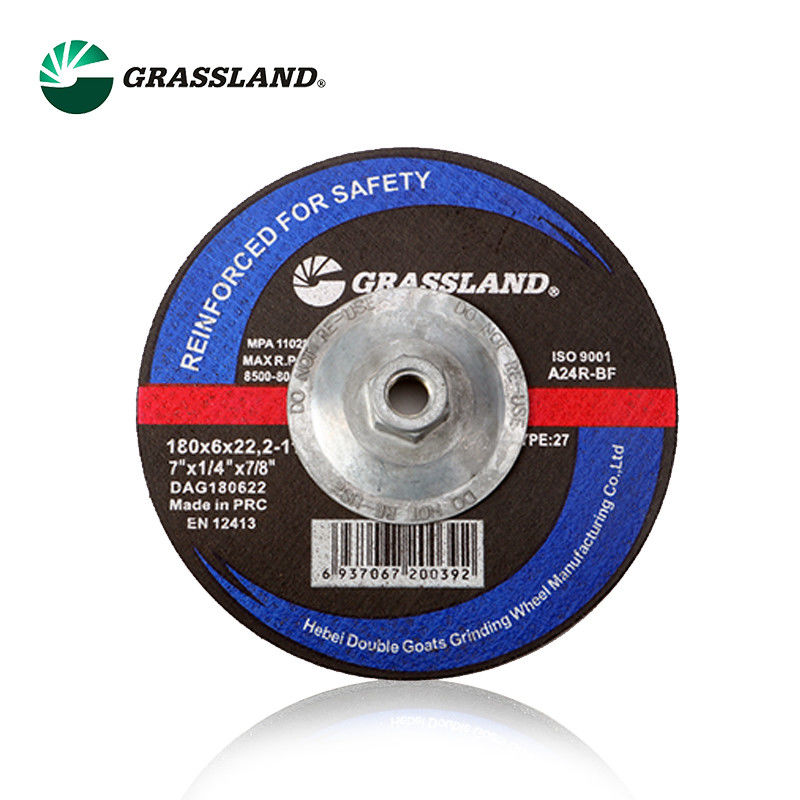
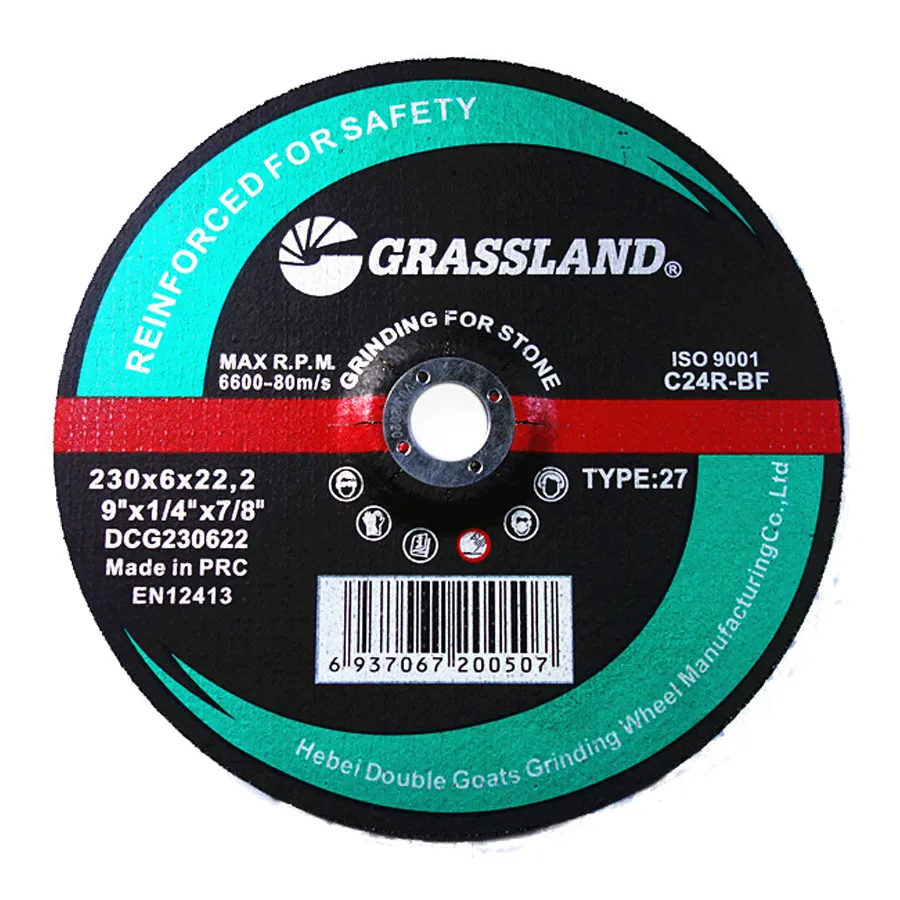
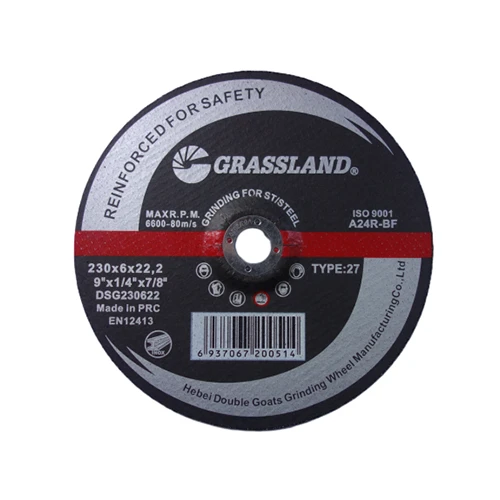
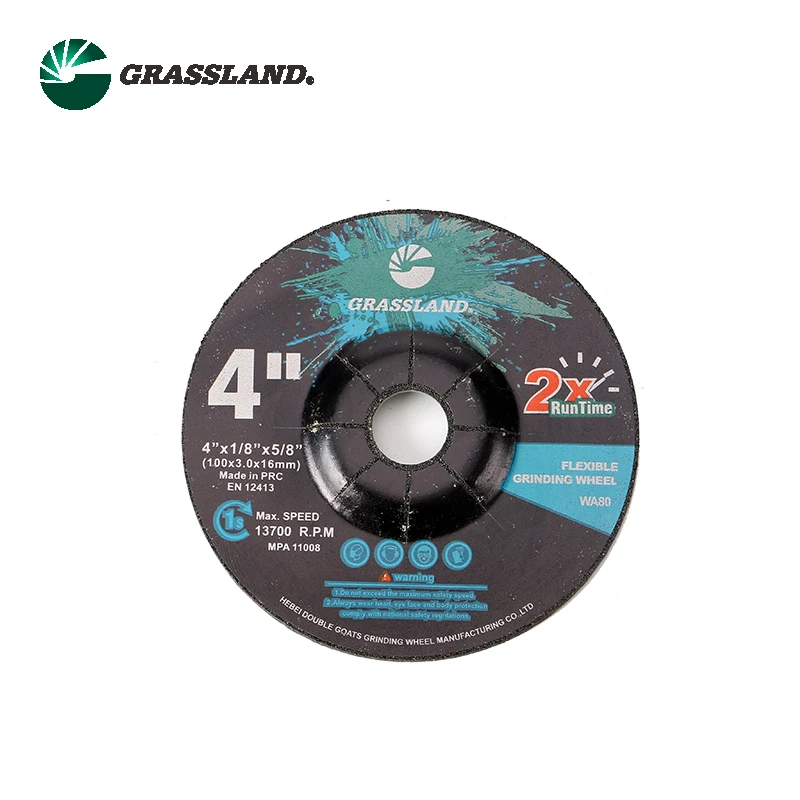
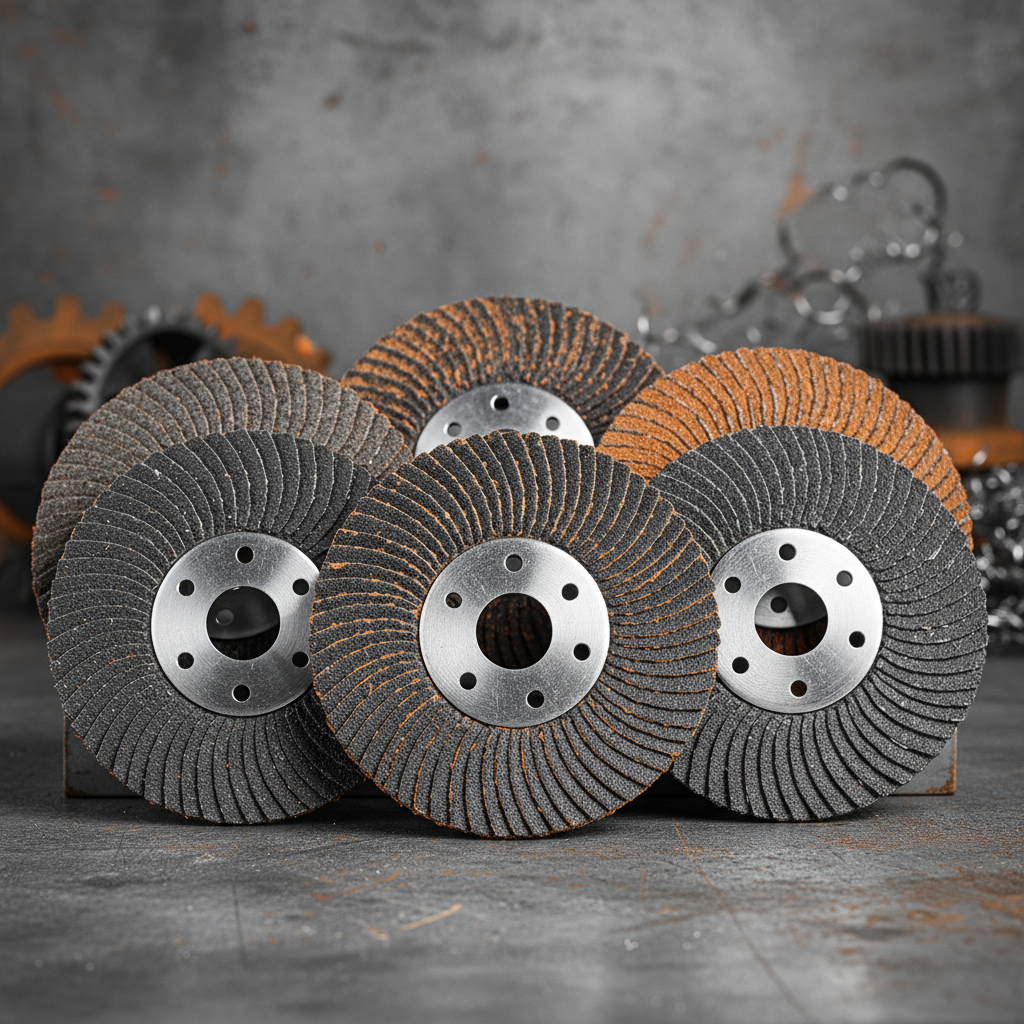
A grinder flap disc is constructed of overlapping abrasive flaps bonded to a backing plate. These flaps are typically made of aluminum oxide, silicon carbide, or ceramic abrasive grains. As the disc rotates, the flaps wear away, continuously exposing fresh abrasive material. This self-sharpening action provides a consistent cut rate and a smoother finish compared to traditional grinding wheels. The flap design also allows for greater flexibility and conformance to irregular surfaces. Cutoffdiscs.com offers a wide range of flap discs suited for diverse metalworking tasks.
Key Highlights: Continuous abrasive exposure ensures consistent cut rates. Flexible design conforms to irregular surfaces. Self-sharpening action provides a smoother finish.
Types of Grinder Flap Discs: Choosing the Right Abrasive Grain
The abrasive grain used in a flap disc significantly impacts its performance. Here's a breakdown of common types:
- Aluminum Oxide: Most versatile and cost-effective, suitable for mild steel, carbon steel, and general-purpose applications.
- Silicon Carbide: Ideal for softer metals like aluminum, brass, and plastics. Offers a finer finish.
- Ceramic: Most aggressive and durable. Excellent for stainless steel, alloy steels, and high-tensile materials. Provides a fast cut rate and long lifespan.
Abrasive Grain Comparison:
• Aluminum Oxide: Versatile, cost-effective.
• Silicon Carbide: Soft metals, fine finish.
• Ceramic: Aggressive, durable, long-lasting.
Grinder Flap Discs: Abrasive Grain and Material Comparison
Selecting the right abrasive grain based on the material you are working with is essential for optimal performance and disc lifespan. The following table provides a comparison of different abrasive grains and their recommended applications.
Applications of Grinder Flap Discs
Grinder flap discs excel in a variety of applications, including:
- Deburring: Removing sharp edges from cut metal parts.
- Blending: Smoothing welds and transitions between different materials.
- Surface Conditioning: Creating a consistent surface finish for painting or coating.
- Rust Removal: Cleaning and preparing metal surfaces for repair.
- Weld Seam Removal: Efficiently removing excess weld material.
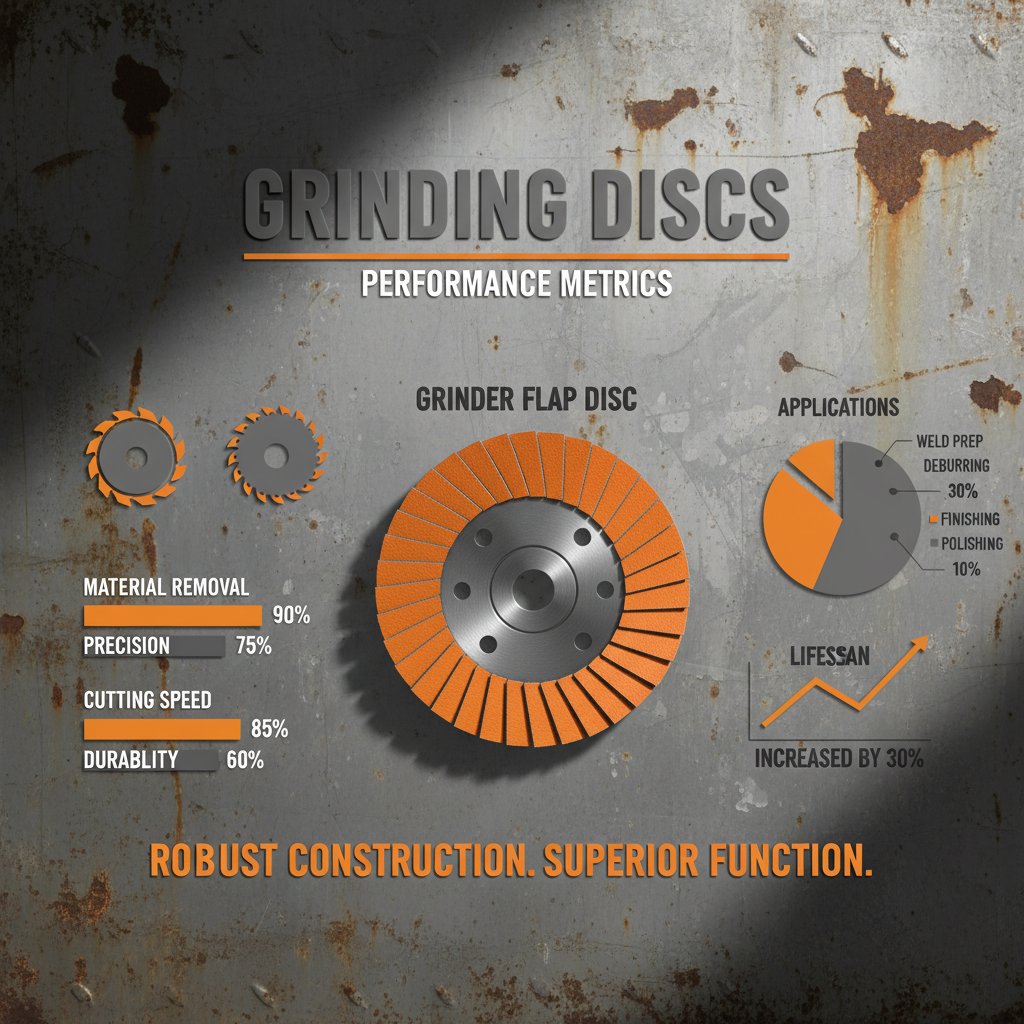
The versatility of these discs makes them indispensable in fabrication shops, automotive repair facilities, and metalworking industries.
Choosing the Right Flap Disc: Key Considerations
Selecting the ideal flap disc involves considering several factors:
- Material being worked: Match the abrasive grain to the metal type (see above).
- Grit size: Coarser grits (e.g., 36, 60) are for aggressive material removal, while finer grits (e.g., 120, 180) provide a smoother finish.
- Disc size: Choose a size appropriate for your grinder and the workpiece.
- Flap type: Zirconia flaps offer extended life and high performance.
- Attachment method: Ensure compatibility with your angle grinder's mounting system.
Cutoffdiscs.com provides detailed product specifications and expert guidance to help you make the right choice.
Conclusion: Maximizing Efficiency with the Right Flap Disc
Choosing the right grinder flap disc is paramount for achieving optimal results in metalworking applications. By understanding the different abrasive grains, grit sizes, and applications, you can select the perfect disc to maximize efficiency, improve finish quality, and prolong the life of your tools. Invest in quality flap discs from reputable suppliers like Cutoffdiscs.com to ensure consistent performance and safety.
Frequently Asked Questions (FAQs)
What is the maximum RPM I should use with a flap disc?
Always adhere to the maximum RPM (revolutions per minute) specified on the flap disc label and your angle grinder. Exceeding the maximum RPM can cause the disc to shatter, leading to serious injury. Typically, flap discs have a maximum RPM of around 12,000-14,000. It’s vital to check the specifications on both the disc and the grinder to ensure compatibility. Using the correct RPM ensures safe and effective operation.
How long can I expect a flap disc to last?
The lifespan of a flap disc varies depending on the material being worked, the grit size, and the pressure applied. Generally, ceramic flap discs last the longest, followed by zirconia and then aluminum oxide. A disc used for aggressive material removal will wear down faster than one used for light finishing. Monitor the disc for signs of wear, such as reduced cutting efficiency or fraying flaps, and replace it when necessary.
Are flap discs suitable for removing paint?
While flap discs can remove paint, they are not the most efficient tool for this task. They tend to load up quickly with paint residue, reducing their effectiveness. For paint removal, sandpaper or specialized paint removal discs are generally more suitable. However, a coarse grit flap disc can be used for light paint removal or surface preparation, but be prepared to replace the disc more frequently.
Post time:Mar - 19 - 2026